








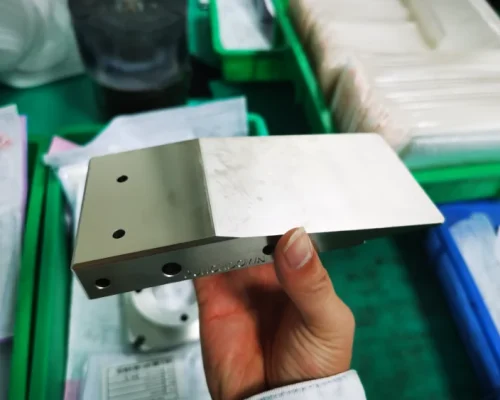
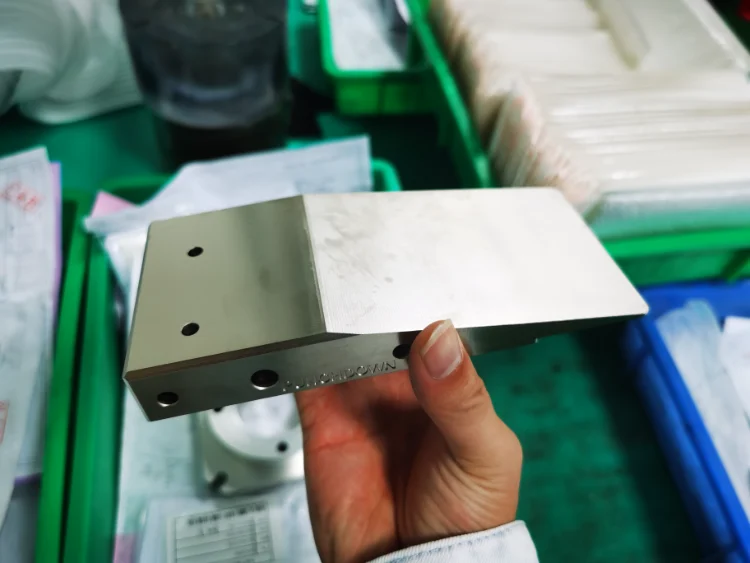
CNC steel machining
Extremely high hardness, excellent wear resistance, and good red hardness, maintaining stable performance under high-speed cutting and high-pressure forming conditions.
It also offers suitable toughness and fatigue strength, resisting chipping and deformation, making it ideal for abrasives, cutting tools, and knurling tools.
Process options:
- CNC machining
- Forging
- Wire EDM
- Surface finish
What is tool steel material ?
Tool steel is a high-quality alloy steel composed of iron, carbon, and alloying elements such as chromium, molybdenum, tungsten, and vanadium. It exhibits high hardness, excellent wear resistance, good red hardness, and appropriate toughness to withstand heavy working conditions.
Carbon Steel
Carbon steel is one of the most commonly used steel grades in CNC machining. Based on carbon content, it is divided into low-carbon steel, medium-carbon steel, and high-carbon steel.
Low-carbon steel (e.g., AISI 1018, 1020)
Characteristics: Easy to cut, low cost, good plasticity.
Applications: Bolts, brackets, machine bases, lathe parts, etc.
Medium-carbon steel (e.g., AISI 1045)
Characteristics: Combines strength and toughness, good machinability.
Applications: Shafts, gears, couplings, hydraulic parts.
High-carbon steel (e.g., AISI 1095)
Characteristics: High hardness, strong wear resistance.
Applications: Cutting tools, springs, measuring tools, stamping dies, etc.
Tool steel
Used for manufacturing molds and cutting tools, extremely high hardness and excellent wear resistance. Common types include D2, O1, A2, etc.
Applications: Molds, punches, cutting tools, forming tools, etc.
Alloy steel
Adding alloying elements such as chromium, molybdenum, nickel, and vanadium to carbon steel improves its strength, wear resistance, and toughness.
Cr-Mo steel (e.g., 4140, 4340)
Features: High strength, impact resistance, fatigue resistance.
Applications: Aerospace parts, automotive crankshafts, mold components.
Ni-Cr steel (e.g., 8620)
Features: Can be carburized, possesses high surface hardness and good toughness.
Applications: Gears, bearing sleeves, transmission components.
Special steels
Including heat-resistant steel, high-speed steel, duplex steel, etc., used in extreme environments or special industries.
Examples:
H13 hot work die steel: Suitable for high-temperature molds.
M2 high-speed steel: Used for manufacturing high-cutting-speed cutting tools.
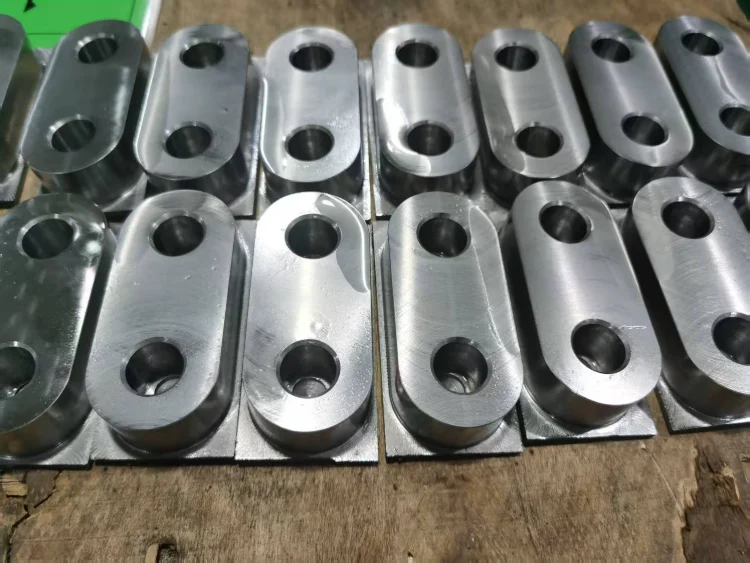
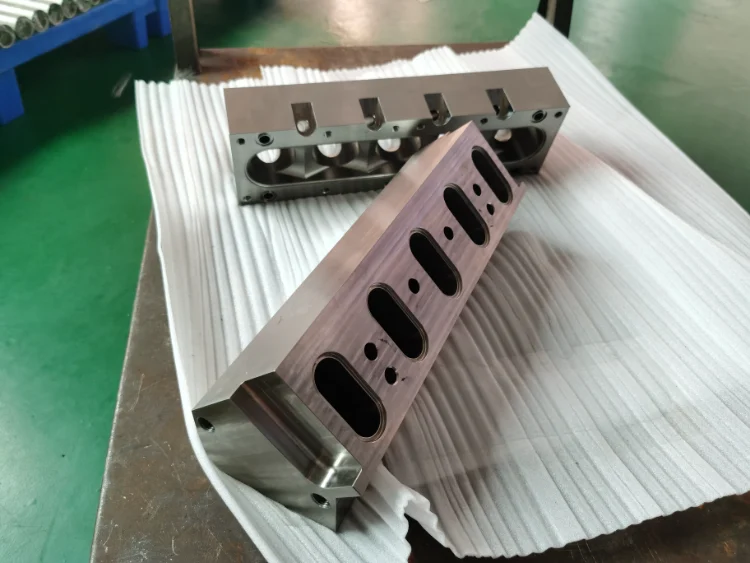

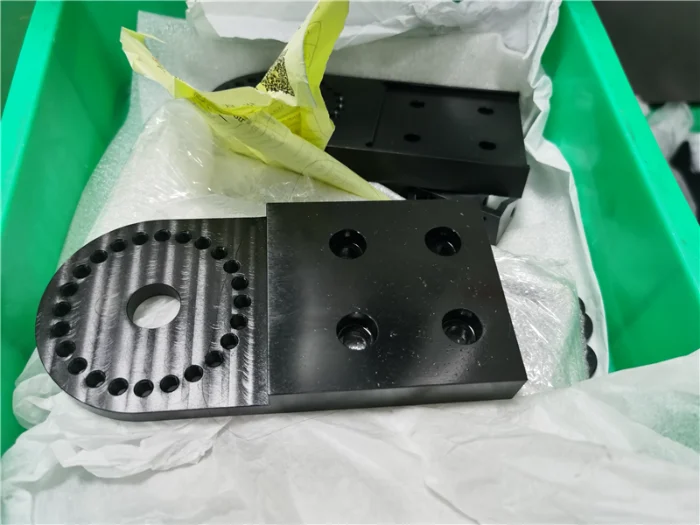
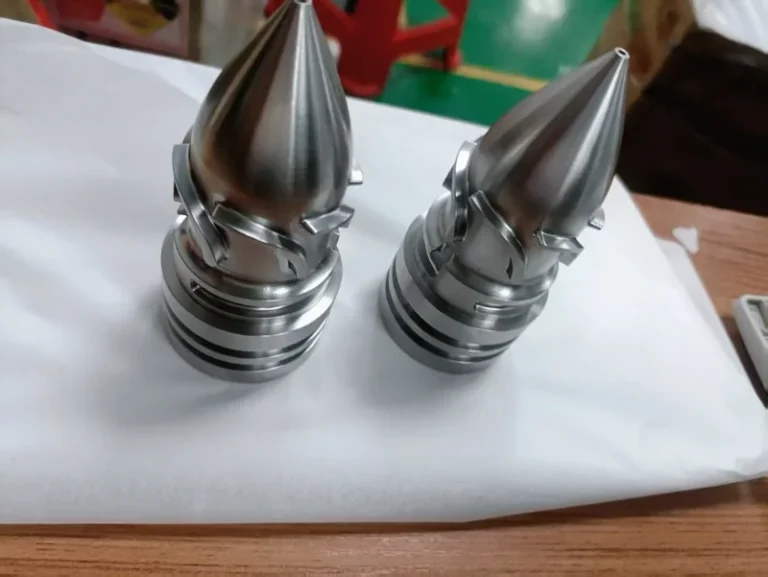
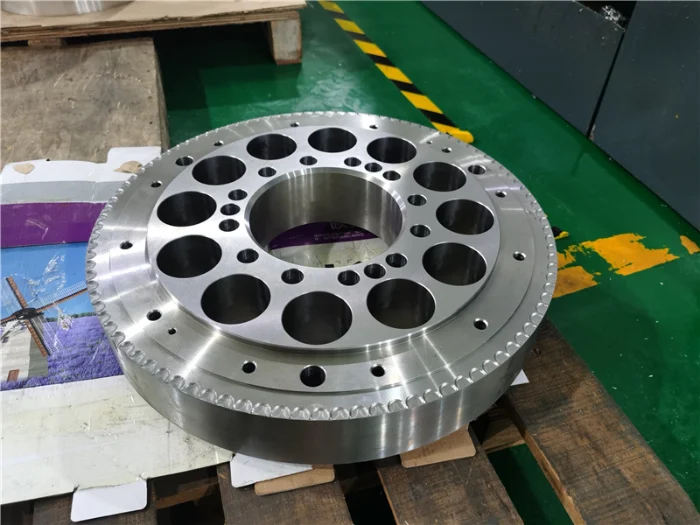
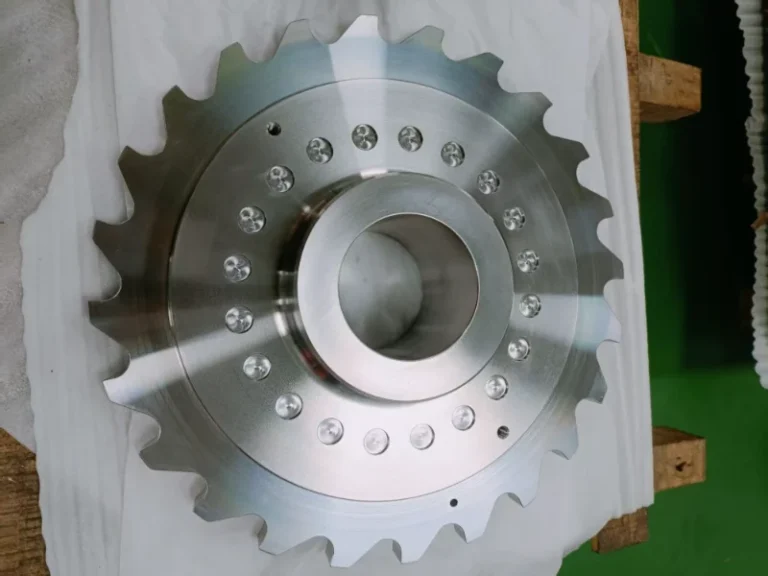
Surface finish for tool steel parts
Based on over 15 years of machining experience, we have compiled the following list of surface finish processes used for tool steel parts.
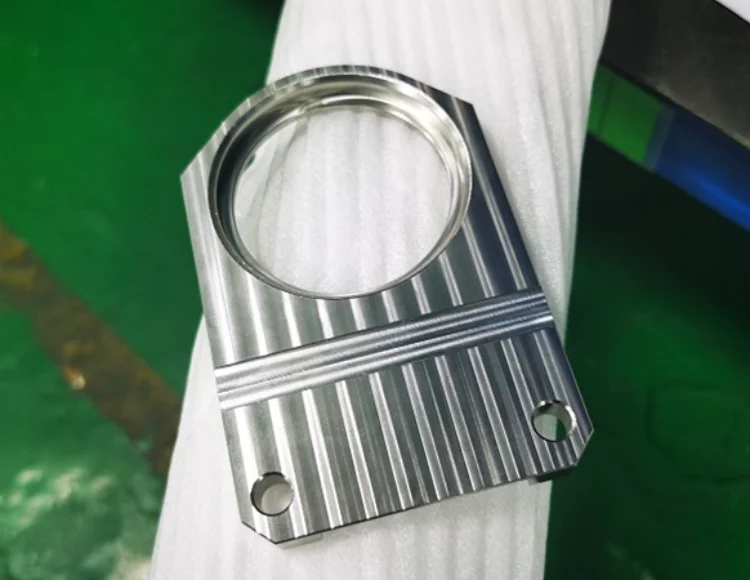
Machined finish
The prototype processed by the machine tool retains traces of tool machining.
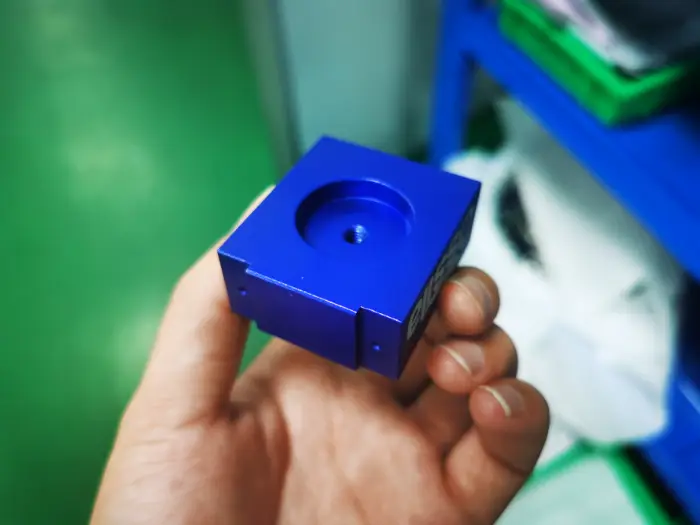
Anodizing
Improves metal corrosion and wear resistance can be colored and protective coatings.
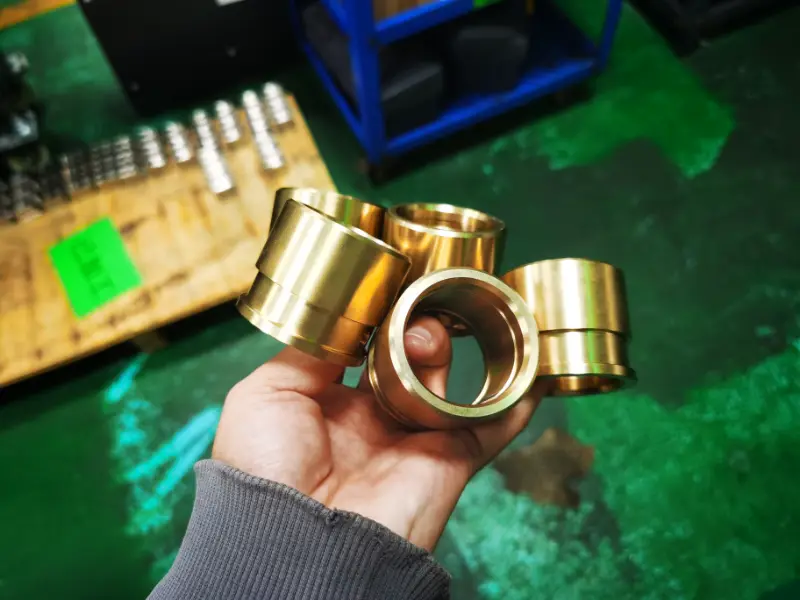
Polish
Improves surface smoothness and appearance for metals, ceramics, plastics, and PMMA.
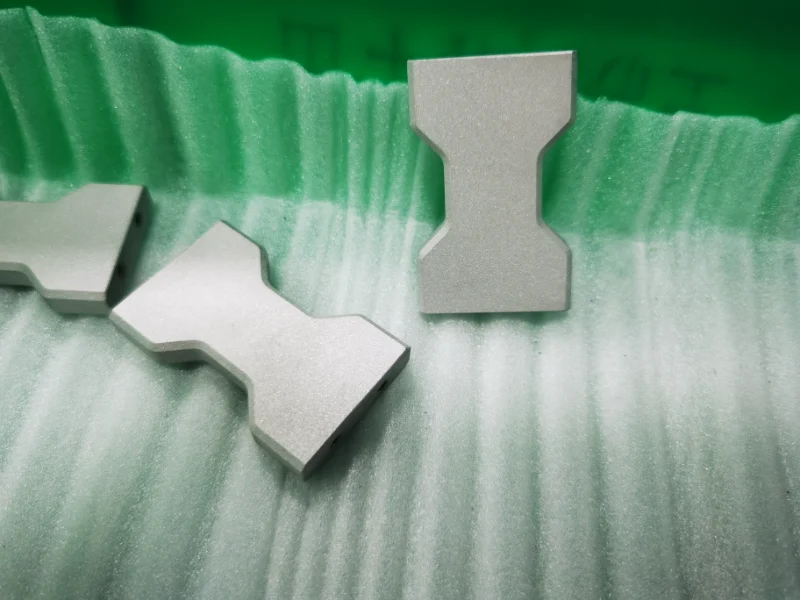
Sand blasting
Uses high-pressure abrasives to create a clean, rough, matte surface finish.
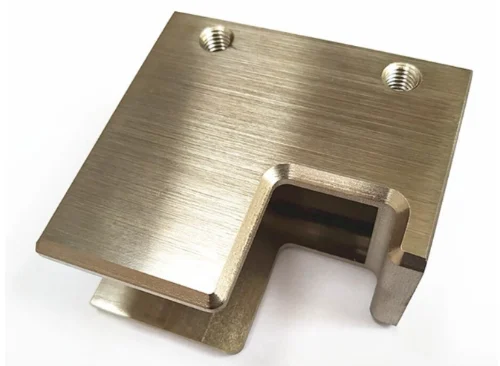
Brushed finish
Adds textured patterns to metal surfaces, improving aesthetics.
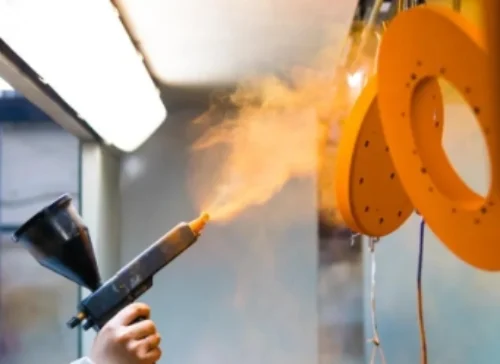
Powder coating
Uses electrostatic application and heat curing to form a dense layer, improving corrosion resistance on parts.
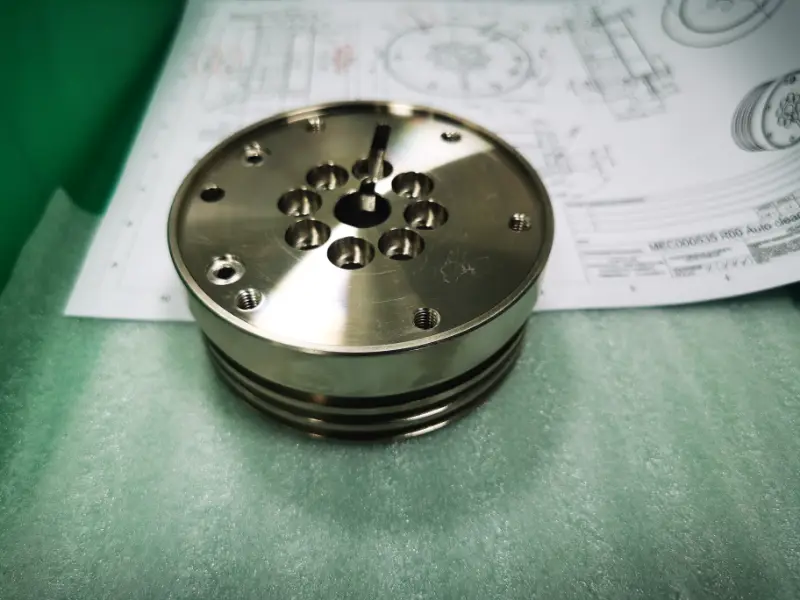
Electroplating finish
Deposits a metal layer to improve corrosion and wear resistance.

Black oxidize
Forms a low-cost, anti-reflective coating on metal surfaces via simple chemical oxidation.

Alodine
Forms a corrosion-resistant coating via chemical conversion, improving adhesion and conductivity.
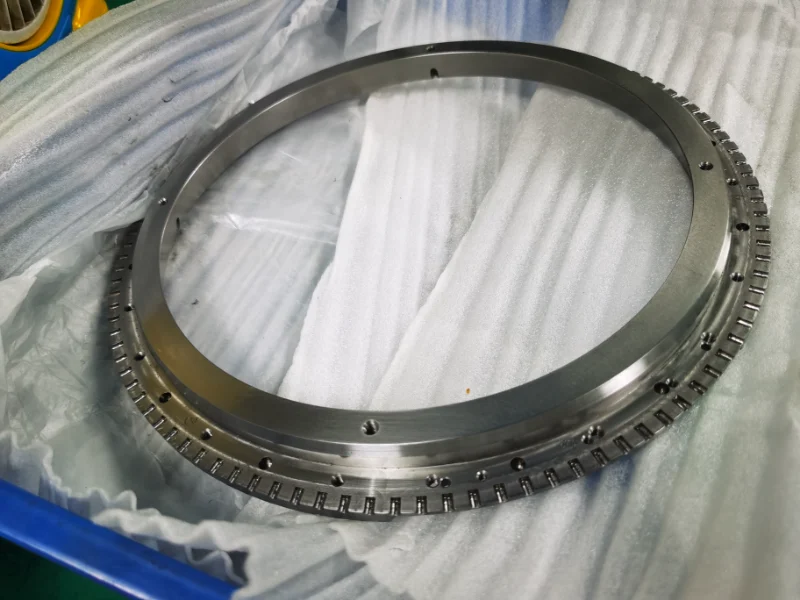
Heat treatment
Modifies metal microstructure to improve hardness, strength, toughness, and wear resistance.
Advantage of tool steel parts
1. High hardness and excellent wear resistance, significantly prolonging the service life of parts.
2. Good red hardness, not easy to soften or fail under high-temperature working conditions.
3. Well-balanced strength and toughness, not prone to chipping or breaking.
4. High dimensional stability, ensuring stable machining accuracy without deformation over long-term use.
5. Hardness and mechanical properties can be flexibly adjusted through heat treatment.
Application area of tool steel parts
Aerospace: Aircraft structural components, engine parts (requiring high temperature/high pressure resistance).
Automotive Industry: Engine blocks, drive shafts (emphasizing strength and wear resistance).
Energy Equipment: Wind turbine gears, solar panel mounting systems (adaptable to harsh environments).
Medical Equipment: Orthopedic implants, surgical instruments (requiring biocompatibility).
Construction Machinery: Excavator track frames, crane booms (load-bearing capacity preferred).
FAQ of tool steel material
Is tool steel the same as stainless steel?
No.Tool steel is mainly composed of high carbon and alloying elements such as tungsten, molybdenum, chromium and vanadium, focusing on high hardness, excellent wear resistance and red hardness, mainly used for making cutting tools, molds and other tools.Stainless steel contains more than 10.5% chromium, and some also include nickel and molybdenum, which form a passivation film for rust and corrosion resistance, widely used in structural parts, equipment and daily products requiring corrosion resistance.The two differ in composition, properties and applications.
Is D2 tool steel better than 4140?
It is not possible to simply say which one is better; it depends on the application. D2 is a high-carbon, high-chromium tool steel with high hardness, excellent wear resistance and good compression strength, suitable for molds, cutting tools and wear-resistant parts, but it has lower toughness and is more difficult to machine and weld. 4140 is a medium-carbon alloy structural steel with good toughness, high strength and excellent machinability and weldability, ideal for shafts, gears and structural parts, but its wear resistance and red hardness are much lower than D2.
Is tool steel hard to cut?
Yes, tool steel is generally hard to cut. It has high hardness and excellent wear resistance even in annealed condition, and becomes much harder after heat treatment, requiring high-performance cutting tools, rigid machines and appropriate parameters for machining.