
Defence industry protection and monitoring application scene
ISO 9001Quality management
Sinds 2012Precisieproductie

Compliance-reviewed CNC manufacturing

Defence Industry

Send us your drawings and requirements for a project-specific machining quote.

  • DFM and tolerance review
  • Inspection records by agreement
  • End-use and destination review
Tekeningen uploaden ter beoordeling

Typical component scope

Custom Parts for Defence industry Projects

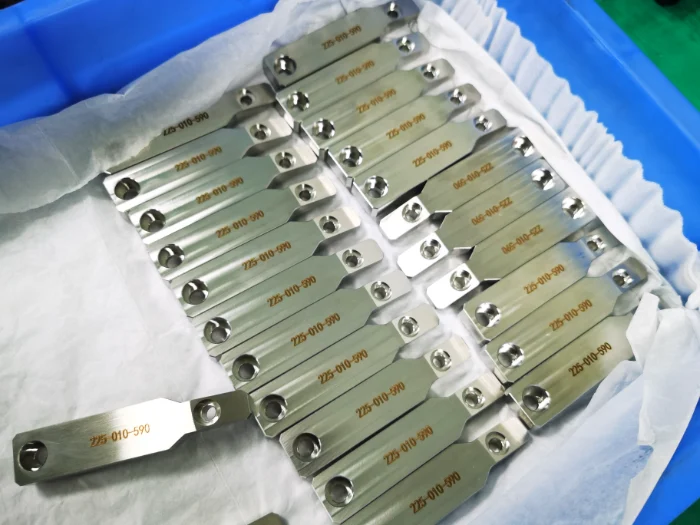
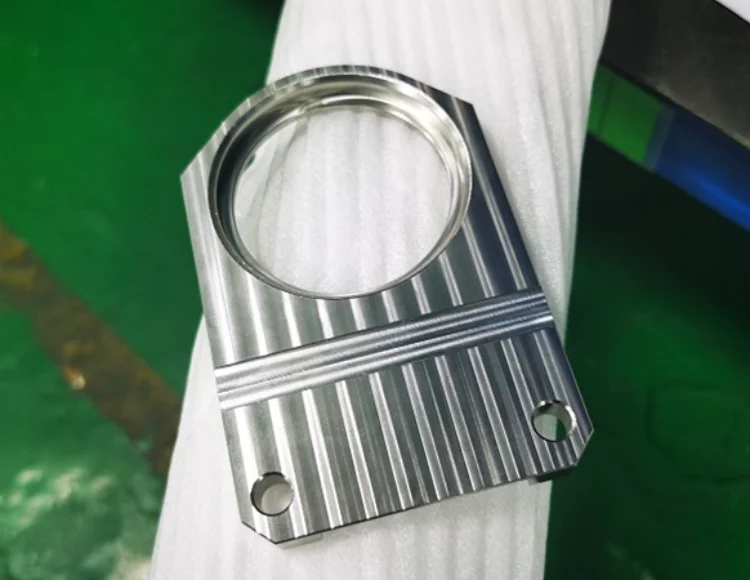
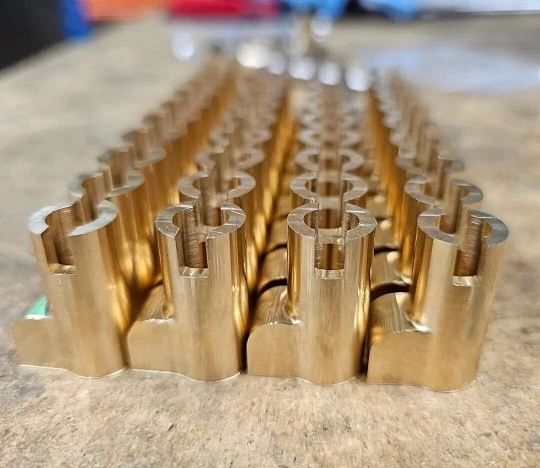
Typical component groups are shown below. Final acceptance depends on the drawing, material, end use, end user, destination and applicable controls.

Electronic & Communication Components

Electronics chassis, shielded enclosures, connector panels, cold plates, heat sinks and cable-management brackets.

Optical & Optomechanical Components

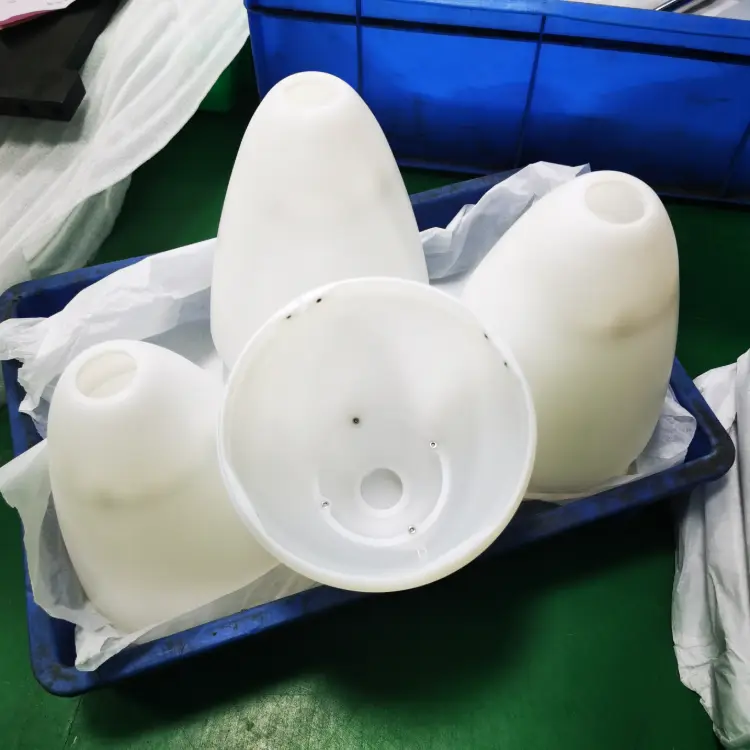
PMMA and PC lens components, protective windows, lens barrels, retaining rings, filter frames and precision mounts.

Sensor & Measurement Components

Sensor and detector housings, probe mounts, encoder enclosures, adapter plates, locating rings and protective covers.

Support, Maintenance & Test Tooling

Assembly jigs, maintenance tools, inspection bases, locating plates, calibration fixtures and transport supports.

Vehicle & Mobile Platform Components

Mounting brackets, flanges, shafts, bushings, structural interfaces, equipment housings and vibration-control hardware.

Power, Fluid & Thermal Components

Manifolds, valve bodies, pump housings, cold plates, heat sinks and fluid-interface components.

Drawing-led manufacturing

Capability Confirmed Against Your Drawing

Before quoting, we review the drawing revision, datum scheme, material condition, critical tolerances, inspection access and finishing sequence to reduce rework and late schedule changes.

01Confirm files, revision and requirements
02Plan machining, fixturing and secondary processes
03Match critical features to inspection methods
Project ItemEvaluation Basis
General dimensionsDrawing requirements or an agreed ISO 2768-1 class
Fits and geometric controlsISO 286, ISO 1101 or the drawing's stated standard
Kritische tolerantiesQuoted by feature after material, size and setup review
Afmeting van het onderdeelMaximum approximately 3000 mm; minimum depends on geometry and workholding
Inspection methodCMM, optical measurement, height measurement, hardness testing or gauges as applicable

A blanket ±0.001 in tolerance cannot be applied to every feature. Capability is confirmed against the complete tolerance stack and inspection method.

Material and finish planning

Materials Specified by Function and Documentation

Specify the complete grade, temper or condition and governing material standard. When required, certificate availability and traceability scope are confirmed before quotation.

Aluminium

Aluminium

Lightweight structural and thermal parts; final grade and temper are selected for strength, corrosion resistance, finishing and dimensional stability.
2024-T3/T3515052-H3250836061-T6/T6516063-T5/T66082-T67075-T6/T651
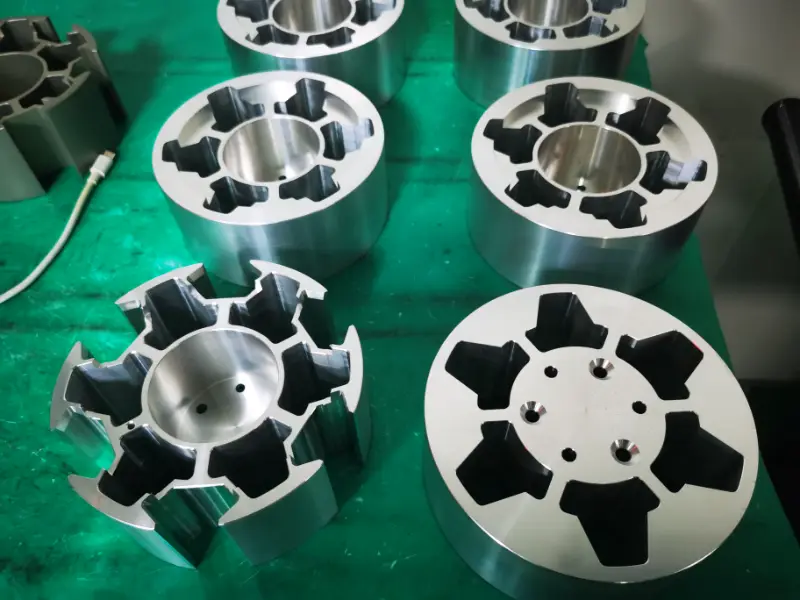
CNC-gefreesd aluminium onderdeel
Finishes and secondary processes: anodizing, hard anodizing, chemical conversion coating, passivation, black oxide, electroless nickel plating, zinc plating, painting and heat treatment are selected by base material, specification, masking, thickness and corrosion requirements.

Inspection and traceability

Evidence Matched to Critical Features

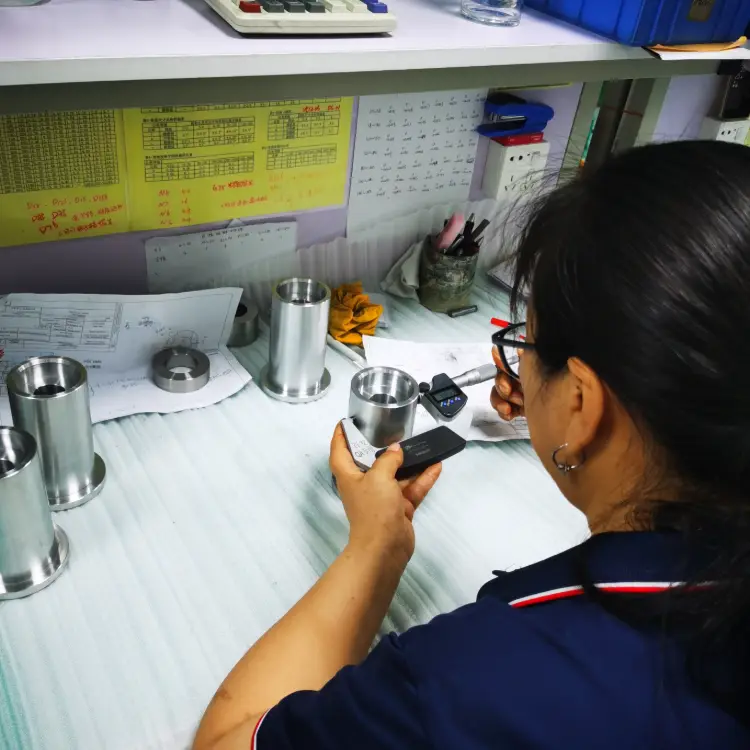
Inspection planning is agreed before production so each critical datum, fit and geometric control has a suitable measurement method and record format.

  • CMM-maatmeting
  • Height and datum measurement
  • Optical measurement
  • Thread and go/no-go gauges
  • Hardness verification
  • Customer-defined reports

Requested deliverables—including material certificates, lot traceability, dimensional reports, certificates of conformity, first-article reports and treatment records—are reviewed and confirmed before order acceptance.
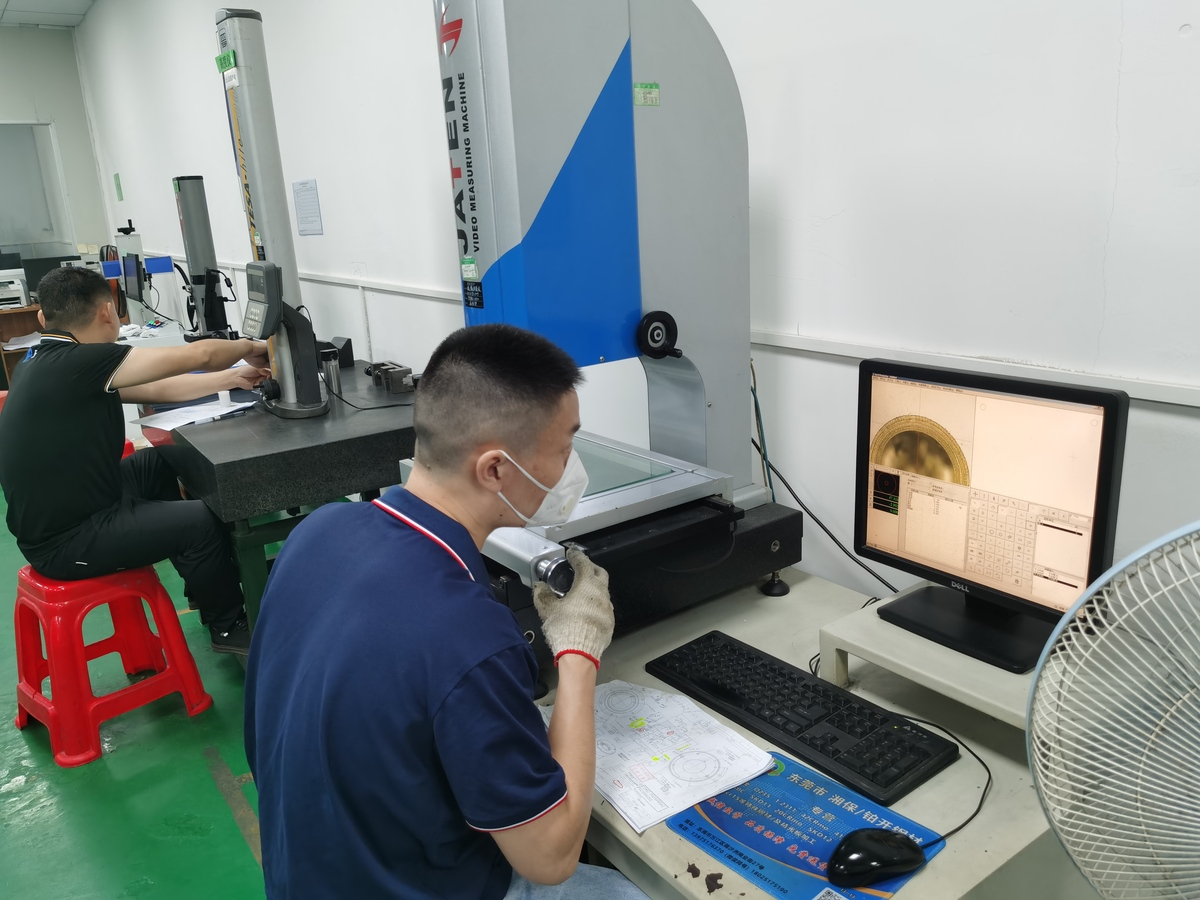
Nauwkeurige inspectie van onderdelen bij Weldo Machining
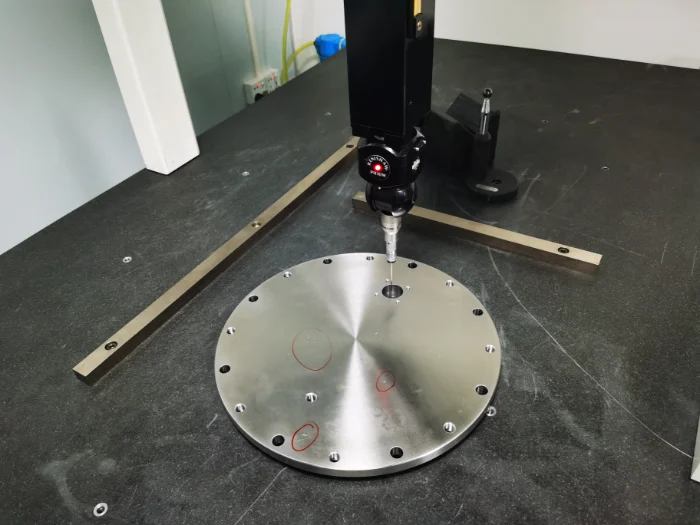
CMM-inspectie van een met precisie bewerkt onderdeel
Dimensional inspection of a precision machined component

Project eligibility and data control

Export Review Before Data Transfer and Order Acceptance

Defence and dual-use transactions can be controlled by item classification, technical data, end use, end user, destination and routing. Each party remains responsible for its applicable licences and authorisations.

Identify Parties

Confirm the purchaser, consignee, end user and relevant intermediaries.

Declare End Use

Confirm the application, installation location, destination and delivery route.

Confirm Classification

Record the applicable item and technical-data classification when required.

Screen Restrictions

Review relevant parties, destinations, transaction conditions and red flags.

Confirm Authorisations

Identify required licences, permits and end-user documentation.

Release After Review

Quotation, production and shipment proceed only after applicable requirements are resolved.

Data control: confidentiality does not replace export authorisation. NDA terms, approved transfer methods, access, revision and retention rules must be agreed before controlled drawings are shared.

Ondersteuning bij internationale projecten

Complete RFQs Prevent Requotes and Delivery Delays

Weldo supports eligible projects for customers in the Middle East, Europe and selected African markets. Destination, documentation, packaging and routing are reviewed before price and lead time are committed.

Upload Your RFQ

Vereiste informatie

  • Latest 2D drawing, 3D model and revision
  • Material grade, condition, standard and certificates
  • Quantity, target date and delivery country
  • Critical datums, tolerances, finish and inspection records
  • End use, end user, consignee and routing

Projectondersteuning

  • DFM, datum and tolerance review
  • Material, process and fixture planning
  • Inspection and document planning
  • Post-processing and supplier coordination
  • Compliance, packaging and schedule review
Incomplete or conflicting requirements are returned for clarification before production, reducing rework, requotes and avoidable delays.

Buyer questions

Defence Industry Machining FAQs

Answers to the scope, tolerance, documentation, lead-time and compliance questions buyers commonly review before releasing a project.

What defence-related CNC parts can Weldo review?

Typical eligible scope includes ruggedised electronics housings, optical and sensor mounts, brackets, shafts, manifolds, cooling plates, maintenance tooling and inspection fixtures. Acceptance depends on the drawing, classification, technical data, end use, end user, destination and applicable restrictions.

Which materials and finishes are available for defence applications?

Common options include 6061 and 7075 aluminum, 304, 316 and 17-4 PH stainless steel, alloy steel, Grade 5 titanium, copper, brass, bronze and engineering plastics. Specify the complete grade, condition and standard; finishes are then selected against the base material, environment and drawing.

What tolerances and inspection documents can be supplied?

Weldo does not apply one tolerance to every part. Untoleranced dimensions can follow an agreed ISO 2768-1 class, fits can follow ISO 286, and geometric controls can follow ISO 1101 or the drawing's stated standard. A target such as ±0.001 in applies only to specified critical features after process and inspection review. Required reports must be agreed before quotation.

What should an RFQ include, and how is lead time determined?

Provide the latest 2D drawing and 3D model, revision, material and condition, quantity, critical datums and tolerances, finish, inspection records, end use, end user and delivery country. Lead time is confirmed after reviewing material availability, geometry, fixturing, secondary processes, inspection, documentation and shipping.

How are confidential drawings and export-controlled projects handled?

NDA terms, drawing access, revision control, transfer method and retention requirements are defined for the project. The customer must identify known classification and authorisation requirements, while the relevant parties, end use, destination and transaction scope are reviewed before acceptance. Do not transmit controlled technical data until an approved sharing route is confirmed.