
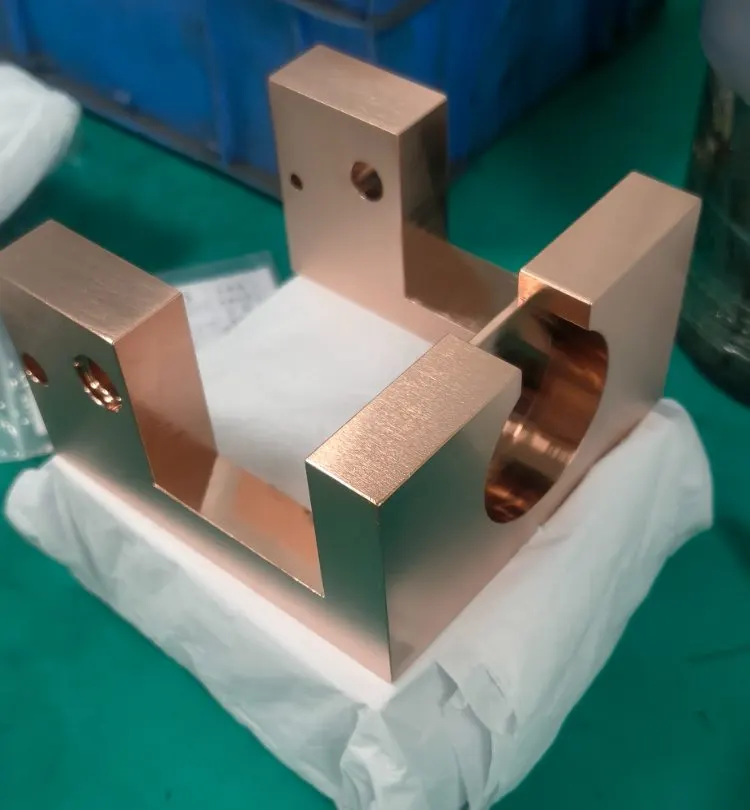
Copper CNC Machining Services
Custom copper parts made to drawing for electrical, thermal, and precision mechanical applications. We match alloy, temper, machining, finishing, and inspection to the required conductivity, strength, and final dimensions.
- Grade & Temper Selection
- Van prototype tot productie
- Afwerking en keuring
Copper Properties Depend on Alloy and Temper
Commercially pure copper favors conductivity and ductility. Alloyed grades offer different balances of machinability, strength, wear resistance, and thermal performance.
- Dichtheid
- 8.30–8.96g/cm³
- Elektrische geleidbaarheid
- 15–101% IACS
- Warmtegeleidingsvermogen
- 105–401W/(m·K)
- Treksterkte
- 200–1,400MPa
- Vloeigrens
- 50–1,200MPa
- Rek
- 2–50%
Broad ranges cover selected alloys and conditions, not one material specification. Confirm temper, product form, test temperature, hardness scale, and certified values. IACS is the International Annealed Copper Standard.
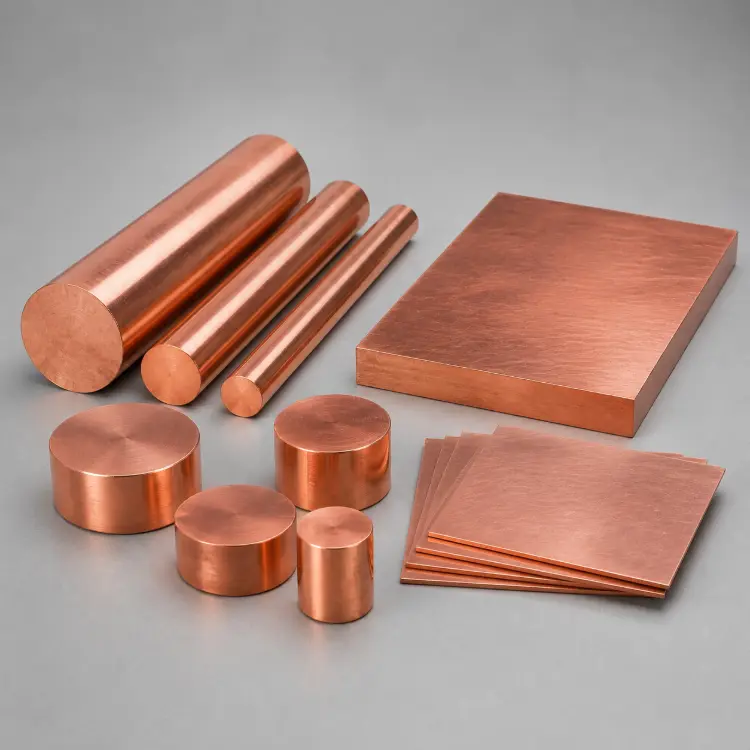
Choose the Copper Grade for the Part
Compare conductivity, strength, chip control, heat-treatment response, and the required contact or wear performance.
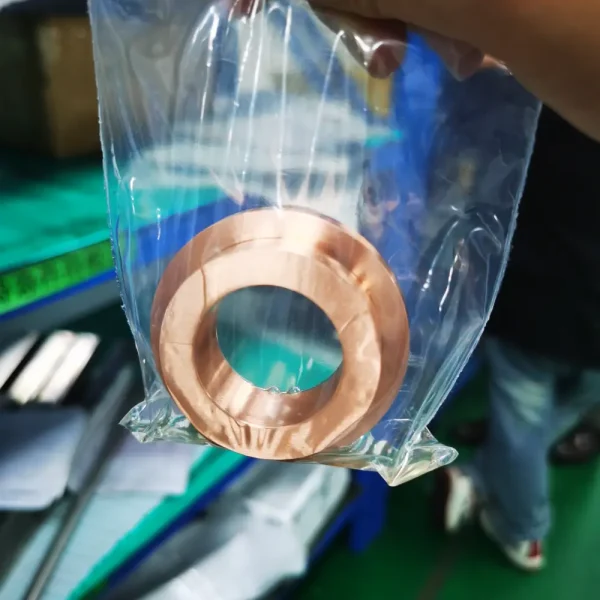
C10100 / C10200 Zuurstofvrij koper
Very high electrical and thermal conductivity with excellent ductility. C10100 is oxygen-free electronic copper; C10200 is oxygen-free copper, with a different purity specification.
Applications & machining notes
- Standaardonderdelen
- Busbars, electrical contacts, heat-transfer components, and vacuum-related parts where the exact material specification suits the application.
- Machining considerations
- Ductility can cause smearing, built-up edge, long chips, and burrs. Use sharp cutting edges, controlled engagement, suitable lubrication, and well-supported thin features.
- Materiële toestand
- Cold work changes strength and hardness. Specify the exact grade and temper; electrical conductivity is typically near 100% IACS, with the required minimum verified from the material specification.
- Finishing and joining
- State plating, contact-face requirements, cleanliness, and any brazing or vacuum-service conditions. Oxygen-free grade selection alone does not qualify a finished part for vacuum use.
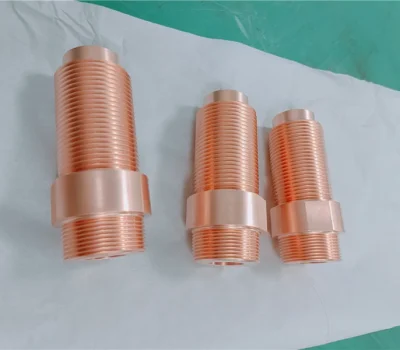
C11000 Elektrolytisch koper met grote spoed
Widely used high-conductivity copper for electrical and thermal components. Supplied temper affects strength, hardness, forming behavior, and machining stability.
Applications & machining notes
- Standaardonderdelen
- Terminals, connectors, busbars, cooling plates, and power-distribution components.
- Machining considerations
- Plan for ductile chips, burr control, tool adhesion, and clamping marks. Protect functional contact faces and define controlled deburring.
- Materiaalkeuze
- A practical general-purpose electrical copper. Specify temper and the required conductivity instead of relying on the grade name alone.
- Finishing and joining
- Tin, nickel, silver, or gold plating may be specified for the contact system. Oxygen-bearing ETP copper requires a suitability review for high-temperature hydrogen or reducing-atmosphere processing.
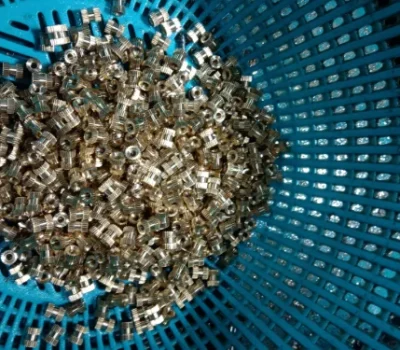
C14500 Telluriumkoper
Tellurium additions improve chip breaking and machinability while retaining high conductivity. A useful choice for detailed turned, drilled, and threaded electrical parts.
Applications & machining notes
- Standaardonderdelen
- Contact pins, threaded inserts, terminals, precision fittings, and screw-machine components.
- Machining considerations
- Improved chip control supports repetitive precision work. Tool geometry, feed, burr control, and the supplied temper still determine the finished result.
- Conductivity reference
- Approximately 93% IACS in the annealed condition at 20°C; confirm the required minimum and material temper with the supplier.
- Finishing and joining
- Specify plating and final thread or fit dimensions. Review joining needs before choosing a free-machining copper; brazing and soldering are distinct from fusion welding.
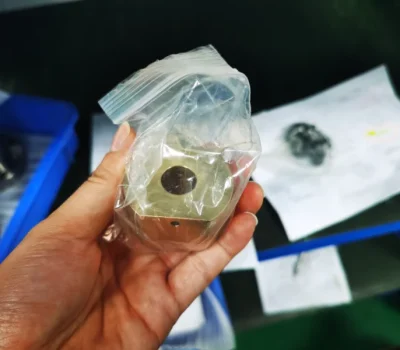
C17200 Berylliumkoper
A precipitation-hardenable alloy selected for high strength, fatigue resistance, and wear performance. Its conductivity is lower than that of commercially pure copper.
Applications & machining notes
- Standaardonderdelen
- Springs, electrical contacts, wear components, and selected mold or tooling inserts.
- Machining considerations
- Match the route to the incoming temper and required aged condition. Follow material-specific controls for machining, dust-generating finishing, cleaning, and chip handling.
- Warmtebehandeling
- Plan aging, dimensional movement, finishing allowance, and final inspection together. Strength and hardness values depend on the exact temper and product form.
- Electrical and surface requirements
- Specify conductivity, contact performance, plating, and finished dimensions in the final condition. C17200 should not be substituted for high-conductivity copper solely by appearance.
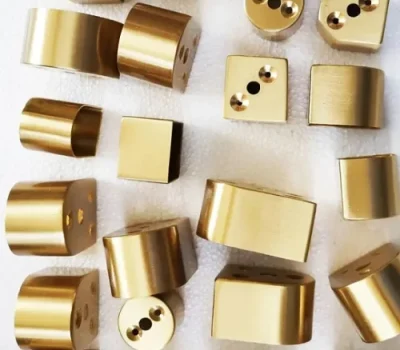
C18150 Chroom-zirkonium-koper
An age-hardenable copper alloy that balances conductivity with strength and resistance to softening at elevated temperatures. Final performance depends on treatment and supplied condition.
Applications & machining notes
- Standaardonderdelen
- Resistance-welding electrodes, electrical contacts, heat-transfer parts, and selected mold components.
- Machining considerations
- Confirm hardness and temper before machining. Plan clamping, burr removal, and finish allowance around the thermal or mechanical function of the part.
- Materiële toestand
- Specify the required heat-treated condition, hardness, and conductivity. The best balance for welding electrodes may differ from that for electrical contacts or tooling.
- Afwerking en keuring
- Define contact-face geometry, roughness, plating or masking where applicable, and final dimensional acceptance after any specified treatment.
Heeft u C17510, C18200, C19400 of een andere koperlegering nodig?
Discuss your copper grade →Drawing-Based Copper Machining Capabilities
Review alloy, temper, feature access, flatness, workholding, and final inspection before confirming a machining plan.
Machining Reference Parameters
| Part-envelope reference | Tot 3000 × 1600 × 1000 mm*Subject to stock availability, equipment, usable travel, clamping, and tool access. |
|---|---|
| Turning references | Ø1–200 mm / length up to 1000 mm*Independent references. Diameter, unsupported length, support, and rigidity require a combined review. |
| Thin-wall reference | From 0.5 mm*Depends on alloy, temper, wall height, span, support, and finishing requirements. |
| Dimensional references | General ±0.05 mm / selected features down to ±0.005 mm*Quotation references; drawing tolerances and acceptance conditions are agreed for each feature. |
| Oppervlakteruwheid | Ra 0.2–3.2 µm*Process-dependent range. Fine surfaces may require additional finishing and a defined measurement area. |
Control Burrs, Heat, and Deformation
Sharp Cutting Edges
Match edge geometry and engagement to the grade to reduce adhesion, smearing, built-up edge, and heavy burrs.
Stable Cutting Conditions
Use suitable feeds, speeds, and lubrication to manage tool adhesion and thermal movement. Keep measurement conditions stable for critical dimensions.
Ondersteunde dunne functies
Use appropriate distributed support and controlled clamping to limit marks, deflection, and distortion in soft or thin sections.
Plating and Final Fits
Include coating thickness, underlayers, masking, deburring, and contact-face requirements before final sizing and inspection.
*Planning references confirmed against the drawing. Maximum size, minimum diameter, long parts, thin walls, fine roughness, and tight tolerances are assessed separately and should not be assumed achievable together.
Weldo Copper Machining Projects
Examples of copper machining projects completed by Weldo, including flanges, threaded inserts, nuts, and custom precision components.


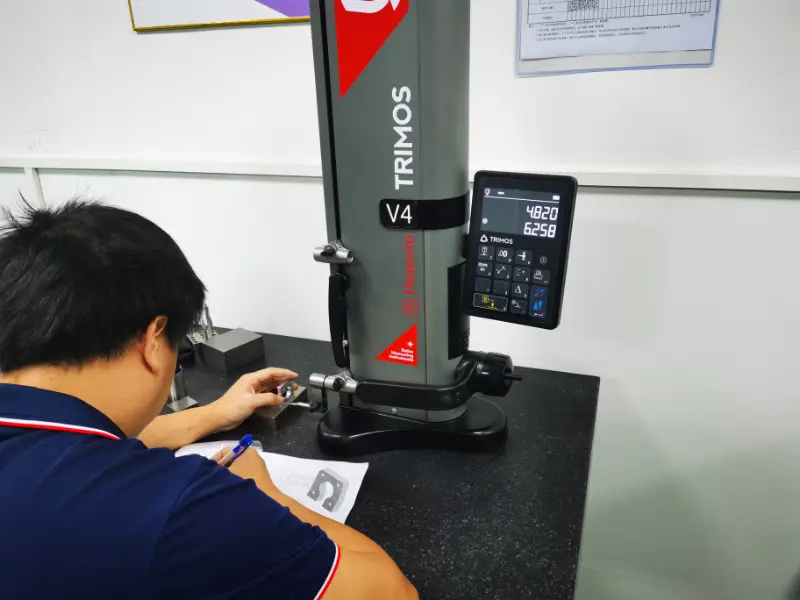
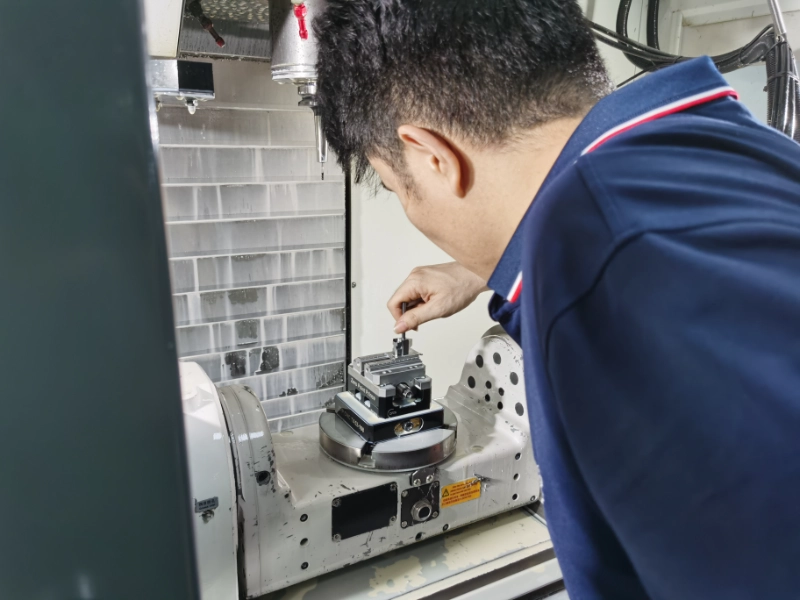
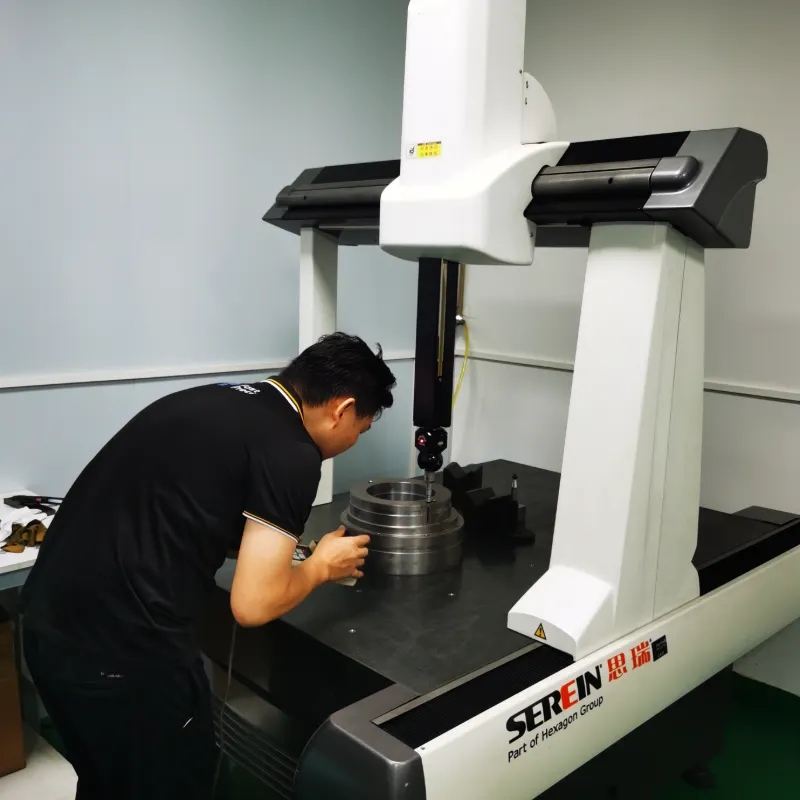
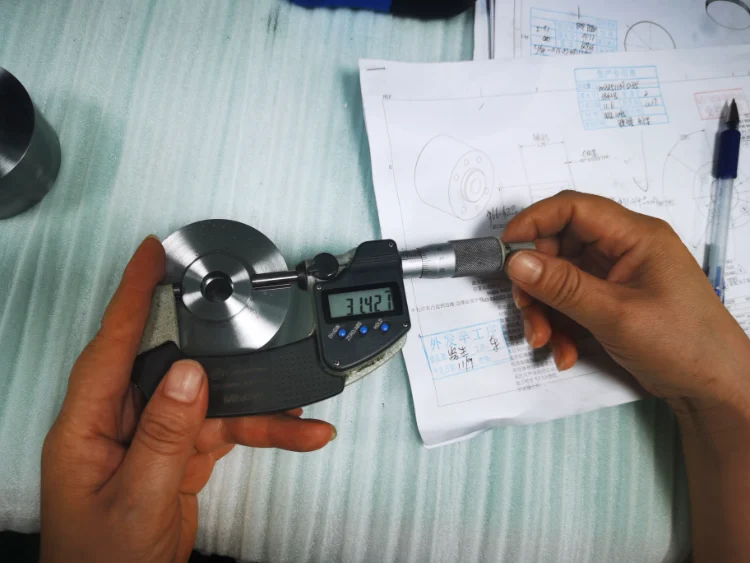
Machining and Inspection Resources
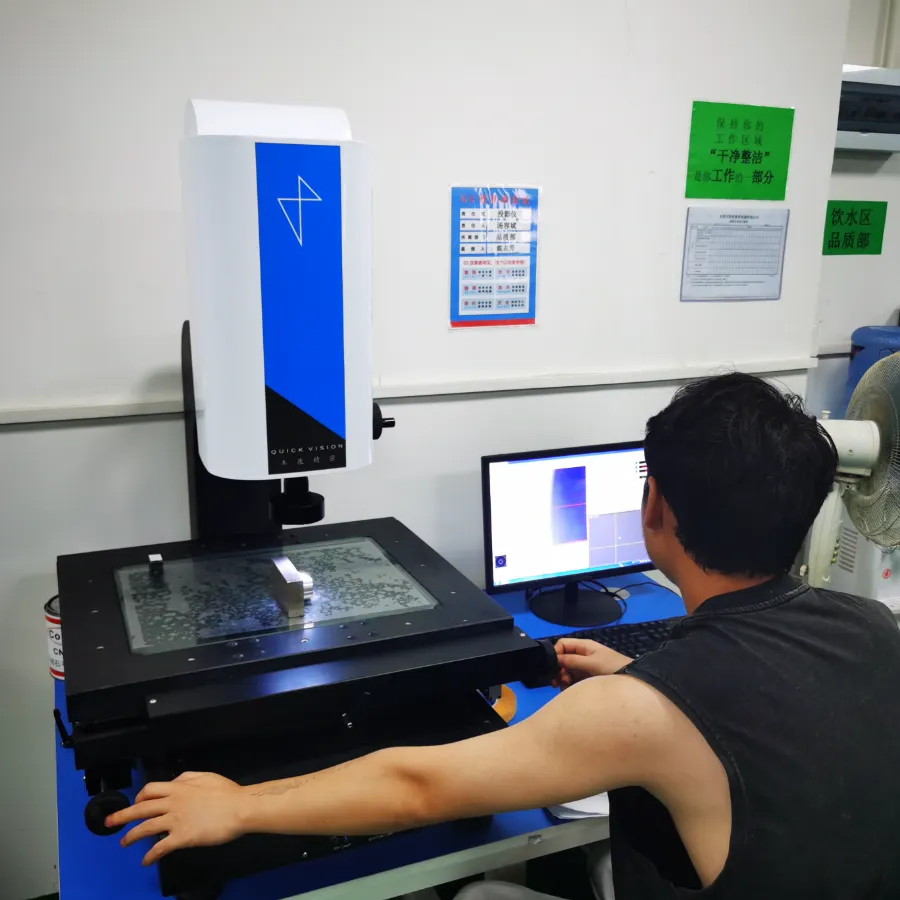
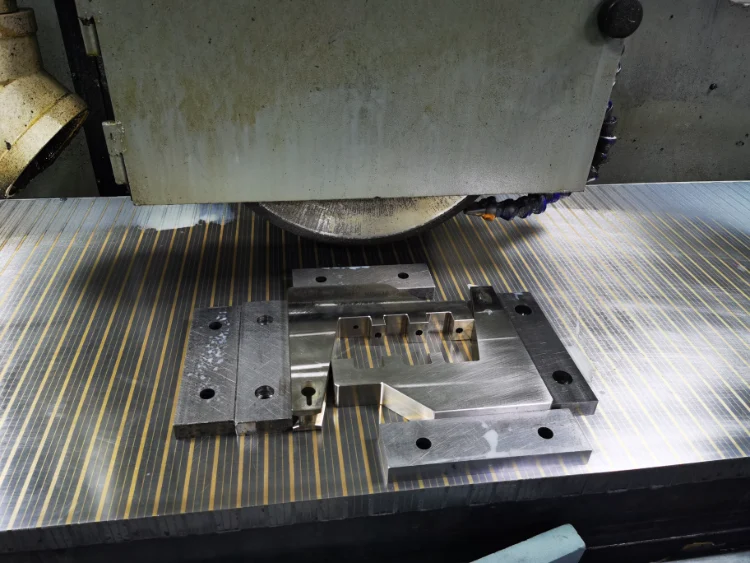
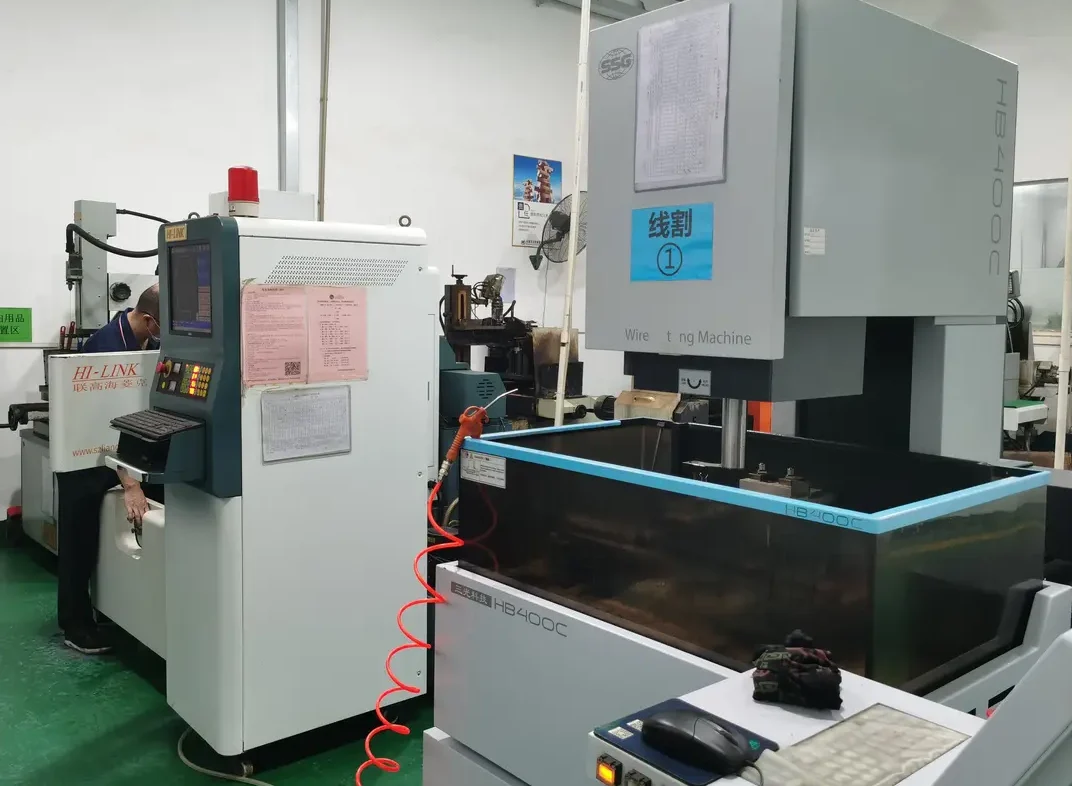
Machining, grinding, EDM, and dimensional inspection support the agreed production route for copper parts. Methods are selected for the alloy, temper, and feature requirements.
Copper Machining Questions
Is koper moeilijk te bewerken met een CNC-machine?
Commercially pure copper is ductile and can smear, form built-up edge, produce long chips, and leave burrs. Alloy, temper, sharp tooling, lubrication, chip control, and supported workholding determine machining stability.
Which copper grade offers good machinability?
C14500 tellurium copper is a common choice when improved chip breaking and detailed machining are needed alongside high conductivity. Final selection must also consider strength, joining, conductivity, material condition, and the service environment.
How are burrs and deformation controlled?
Use sharp edges, a planned cutting sequence, supported thin walls, balanced material removal, and controlled clamping. Define deburring and edge requirements so contact faces, threads, and small details are protected.
Kunnen machinaal bewerkte koperen onderdelen worden geplateerd?
Yes. Tin, nickel, silver, and gold systems are used for different contact, solderability, wear, and corrosion requirements. Specify the full coating system, thickness, any underlayer, masking, and finished dimensions rather than the metal name alone.
What does the copper temper change?
Cold-work and heat-treatment conditions affect strength, hardness, ductility, and machining response. Age-hardenable alloys such as C17200 and C18150 need a defined incoming and final condition. Confirm conductivity and critical dimensions in the required finished state.