Op maat gemaakte bronzen onderdelen
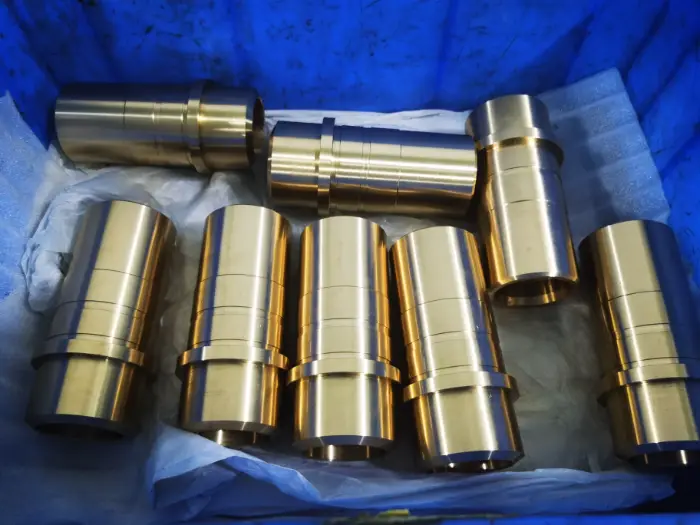
CNC-bewerking van brons op maat
Brons combineert slijtvastheid, een lage wrijving bij glijbewegingen en corrosiebestendigheid. Stuur ons uw tekening voor een beoordeling van de materiaalkwaliteit, toleranties en productiemethode, inclusief een duidelijke offerte op maat voor de bewerking.
Materiaalprestaties
Belangrijkste eigenschappen van bewerkte bronslegeringen
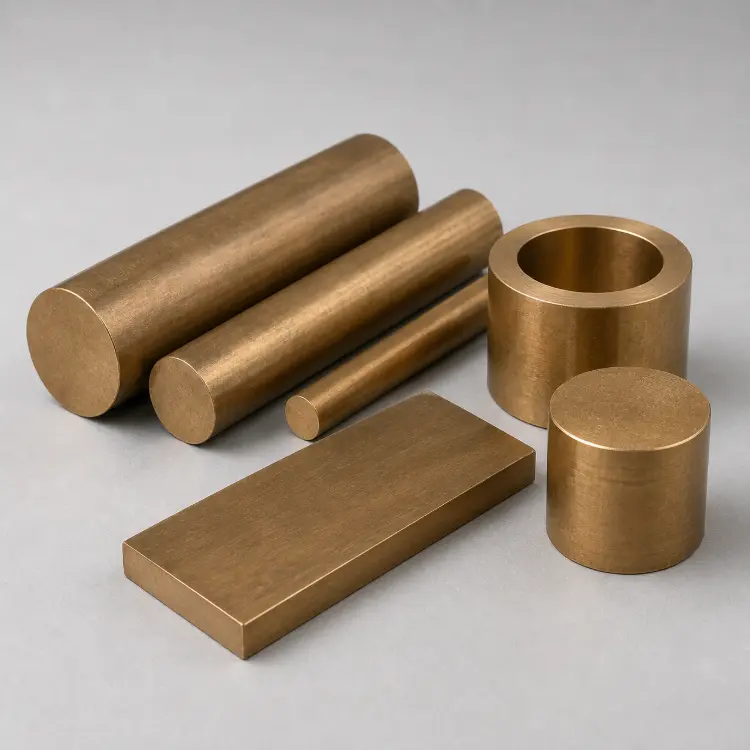
De eigenschappen van brons variëren sterk, afhankelijk van de legeringsfamilie, de productvorm en de hardheid. Deze waarden gelden voor gangbare soorten lagerbrons, aluminiumbrons, nikkel-aluminiumbrons en siliciumbrons.
Gebruik bij het ontwerp de opgegeven UNS-kwaliteit en materiaaltoestand. De uiteindelijke waarden moeten in overeenstemming zijn met het geldige materiaalcertificaat en de geldende norm.
Selectie van bronslegeringen
Bronzen families voor CNC-gefreesde onderdelen
Vergelijk gangbare bronssoorten op basis van materiaaleigenschappen, internationale kwaliteitsklasse, typische onderdelen en afwerkingsvereisten. Controleer de legering, de hardheidsgraad, de productvorm en de gebruiksomstandigheden vóór de productie.
Tinbrons
Tinbrons combineert een hoog draagvermogen, slijtvastheid en corrosiebestendigheid in zeewater en pekel. Het wordt gebruikt voor doorvoerbussen, lagers, tandwielen, klepgeleiders, pomponderdelen en zuigerringen in scheepsuitrusting, krachtoverbrenging en zware machines.
Fosforbrons
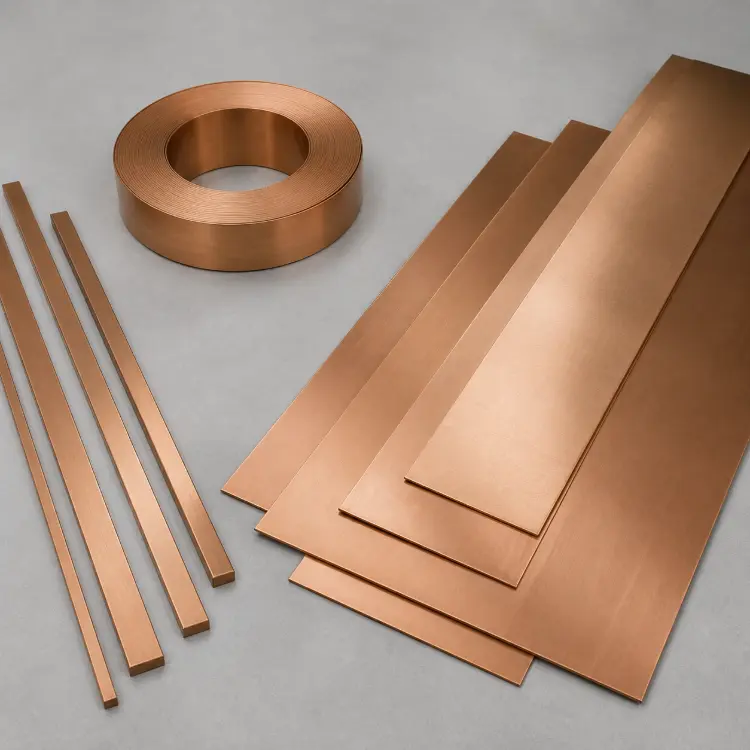
Fosforbrons biedt een hoge elasticiteit, vermoeidheidssterkte, slijtvastheid en stabiele elektrische contactprestaties. Het wordt gebruikt voor veren, elektrische contacten, klemmen, drukringen, kleine bussen en wormwielen in elektronica, instrumenten en precisiemechanismen.
Aluminiumbrons
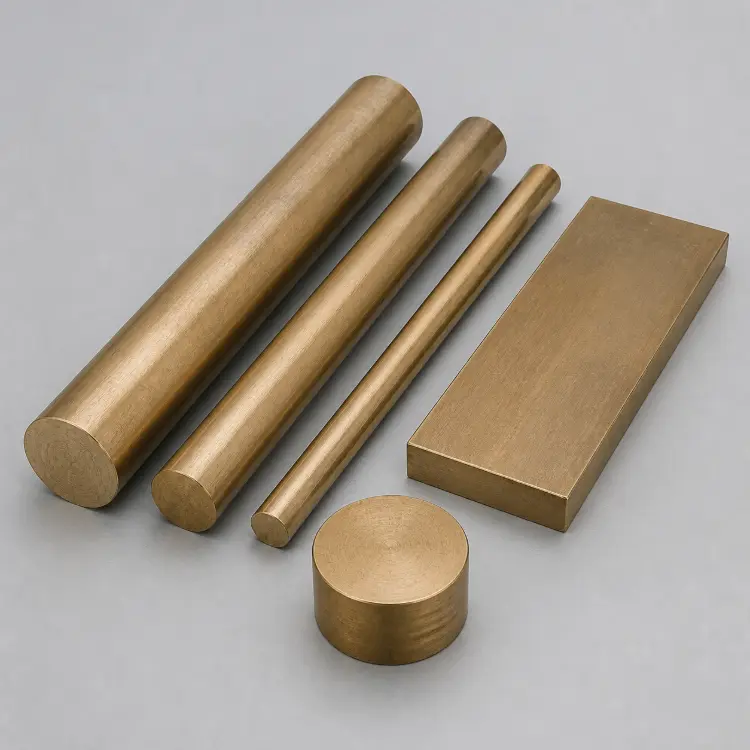
Aluminiumbrons biedt een hoge sterkte, slagvastheid, sterkte bij hoge temperaturen en een hoge weerstand tegen zeewater en cavitatie. Het wordt gebruikt voor zwaar belaste bussen, tandwielen, klepzittingen, waaiers, slijtplaten en scheepsbeslag in offshore- systemen, pompen en industriële machines.
berylliumbrons
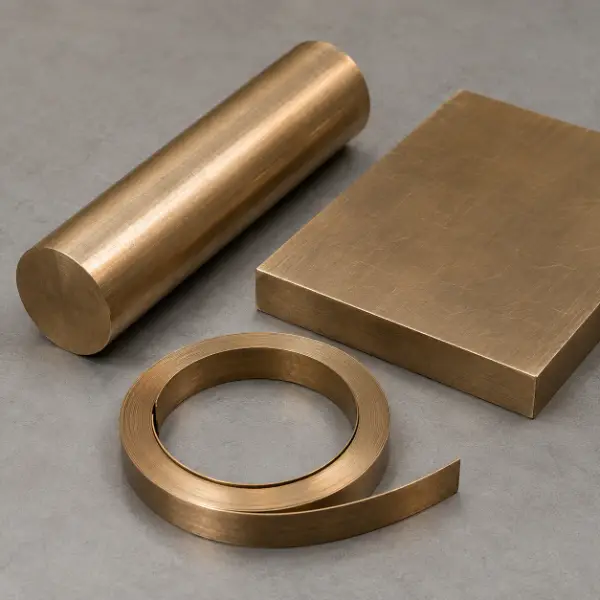
Door neerslaggeharde berylliumbrons biedt een hoge sterkte, elasticiteit, vermoeidheidsweerstand, niet-magnetische eigenschappen en een goede elektrische geleidbaarheid. Het wordt gebruikt voor precisieveren, elektrische contacten, membranen, bussen, matrijsinzetstukken en gecertificeerd vonkvrij gereedschap.
Siliciumbrons
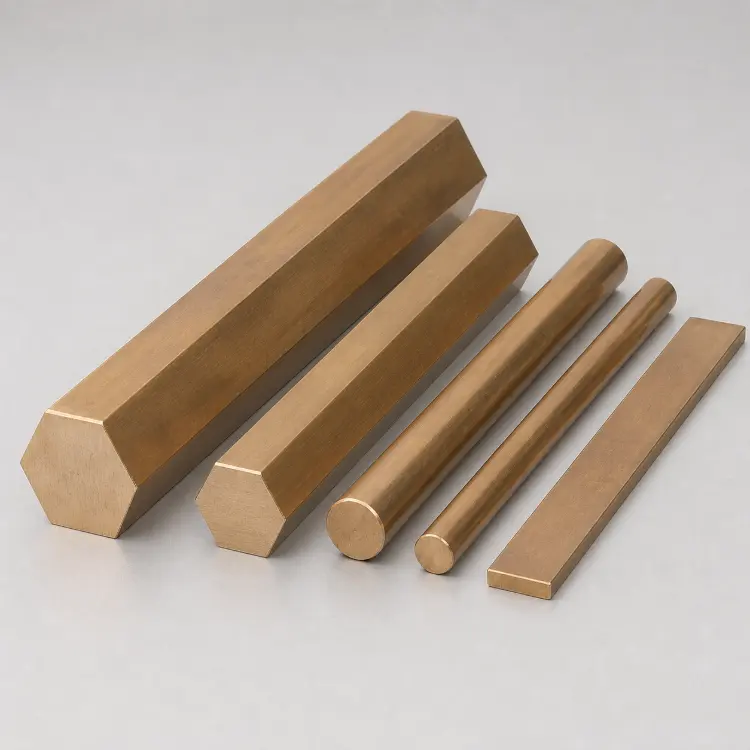
Siliciumbrons combineert corrosiebestendigheid, sterkte, verwerkbaarheid en betrouwbare verbindingskwaliteiten. Het wordt gebruikt voor bevestigingsmiddelen, klepstelen, pomponderdelen, fittingen, beugels en bouwbeslag in maritieme, buiten- en industriële omgevingen.
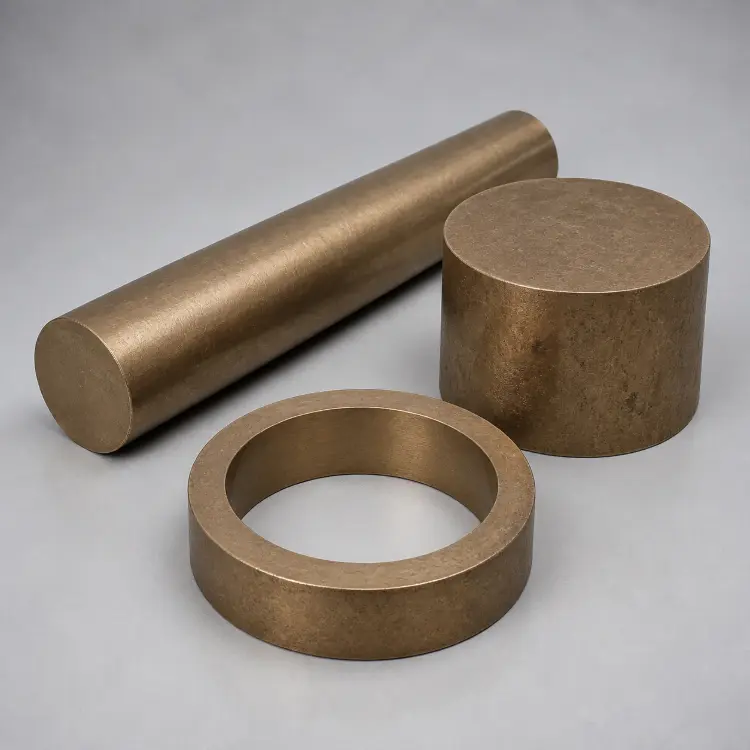
Mangaanbrons
Mangaanbrons biedt een hoge sterkte, slagvastheid en betrouwbare prestaties bij zware belastingen. Het wordt gebruikt voor bruglagers, moeren voor walsmachines, bussen, tandwielen, geleiders en slijtplaten in de mijnbouw, de bouw, hijsapparatuur en apparatuur voor staalverwerking .
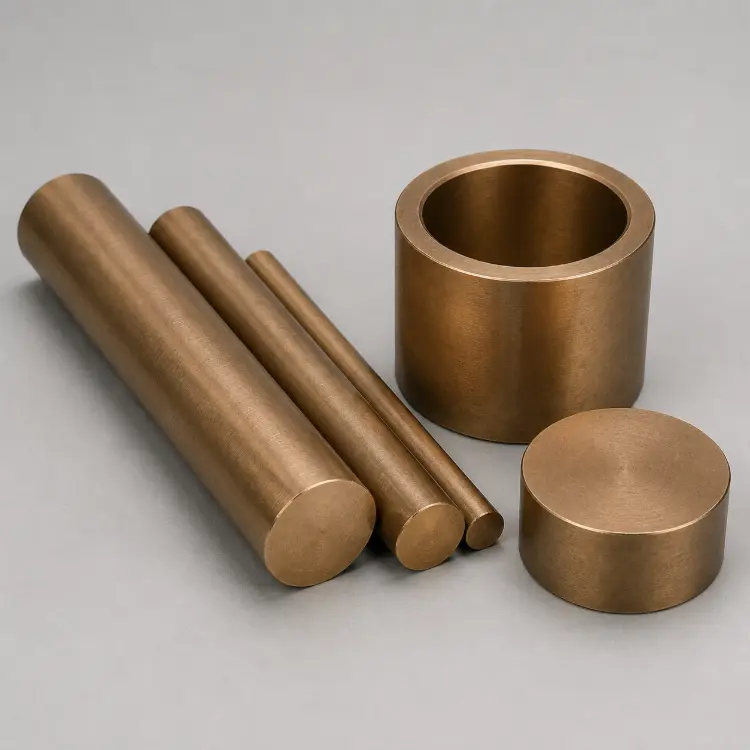
Loodbrons
Loodbrons biedt een uitstekende bewerkbaarheid, lage wrijving, vormbaarheid en weerstand tegen vastlopen. Het wordt gebruikt voor glijlagers, bussen, drukringen en pomplagers die werken bij matige belastingen en snelheden, met inbegrip van systemen met intermitterende of grenssmering.
Kwaliteitscontrole
Van tekeningbeoordeling tot eindcontrole
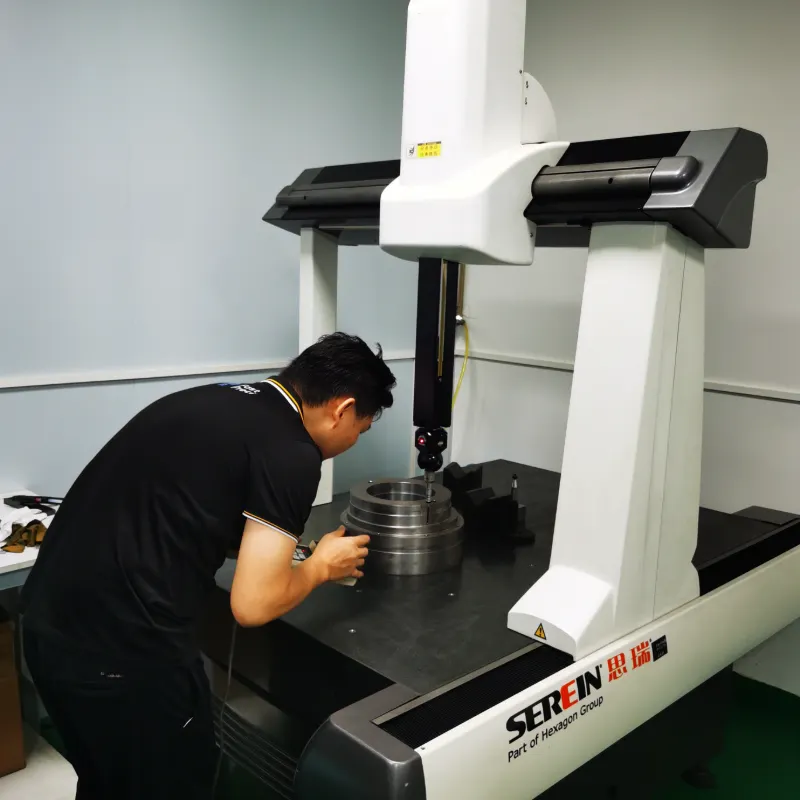
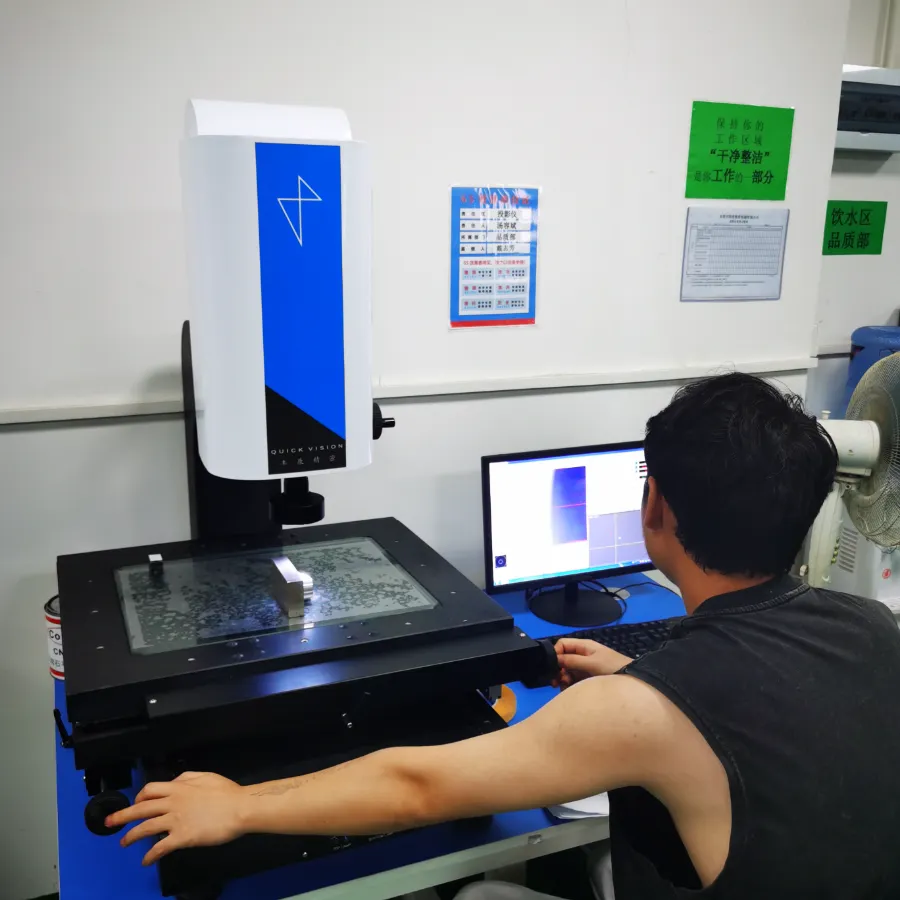
Kritieke koppelpunten worden vóór de productie in kaart gebracht en gecontroleerd voordat goedgekeurde onderdelen worden verpakt.