
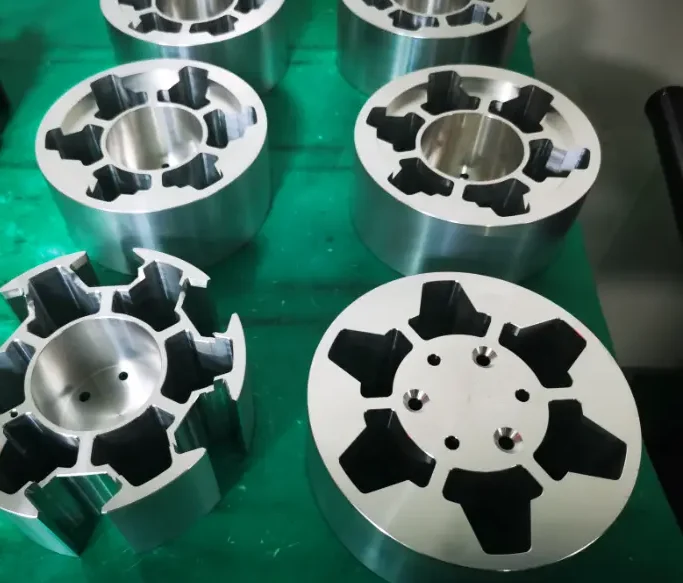
Maatwerk op het gebied van CNC-bewerking
Drawing-based CNC machining for precision metal, plastic, ceramic, and composite parts—from prototypes and low-volume builds to repeat production.
Mogelijkheden op het gebied van CNC-bewerking
Core ranges for initial project review. Final capability is confirmed against geometry, material, workholding, tolerance, and inspection requirements.
Unless tighter critical features are identified and reviewed.
Subject to geometry, process route, material, and agreed inspection.
Practical minimums vary with part size, material, and feature depth.
Usable part size depends on fixturing, travel, access, and machine choice.
Maximum diameter and length are confirmed from the full geometry.
Finer surfaces are evaluated with grinding or secondary finishing.
*Quoted limits are not universal guarantees; critical dimensions are confirmed after drawing and process review.
CNC Machining Processes
Combine the required processes to control external geometry, internal features, round profiles, hard materials, and final dimensions.
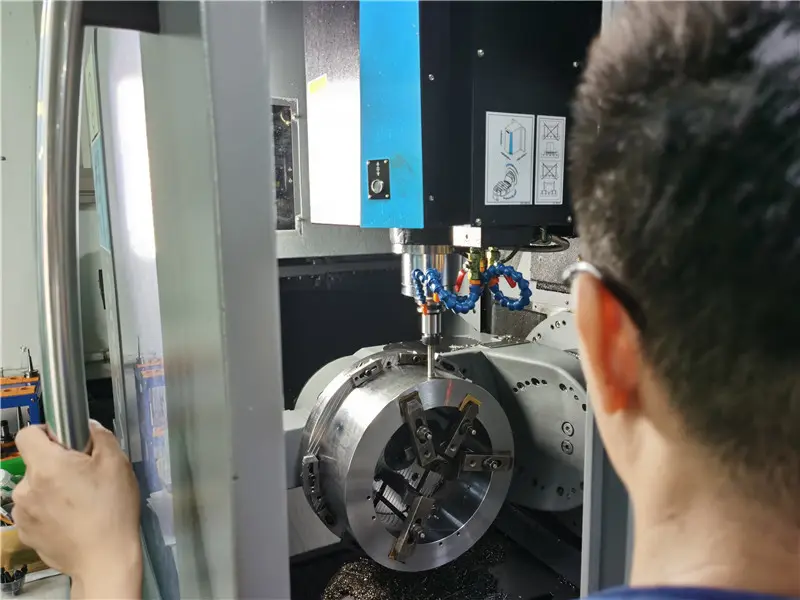
CNC-frezen
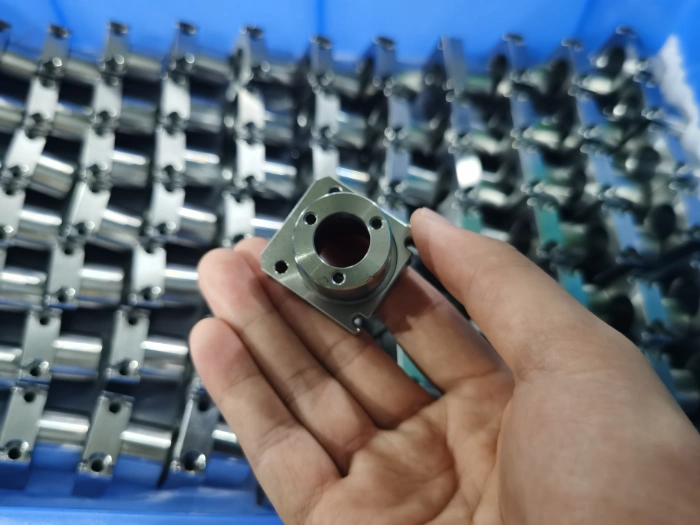
3-, 4-, and 5-axis machining for housings, pockets, surfaces, and multi-sided features.
Explore CNC milling →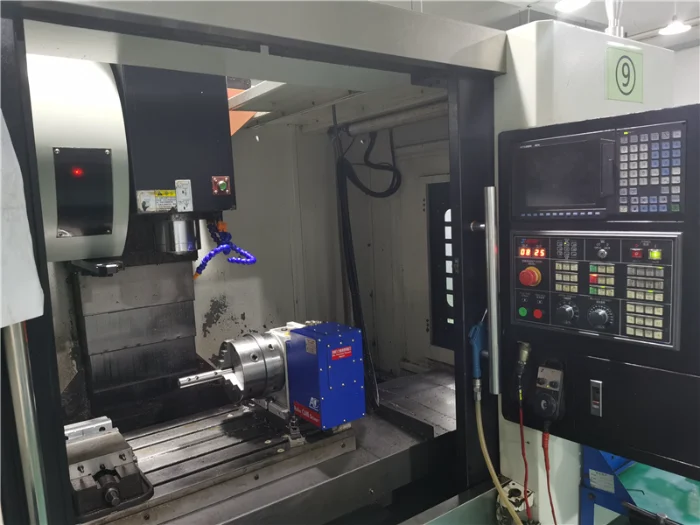
CNC-draaien
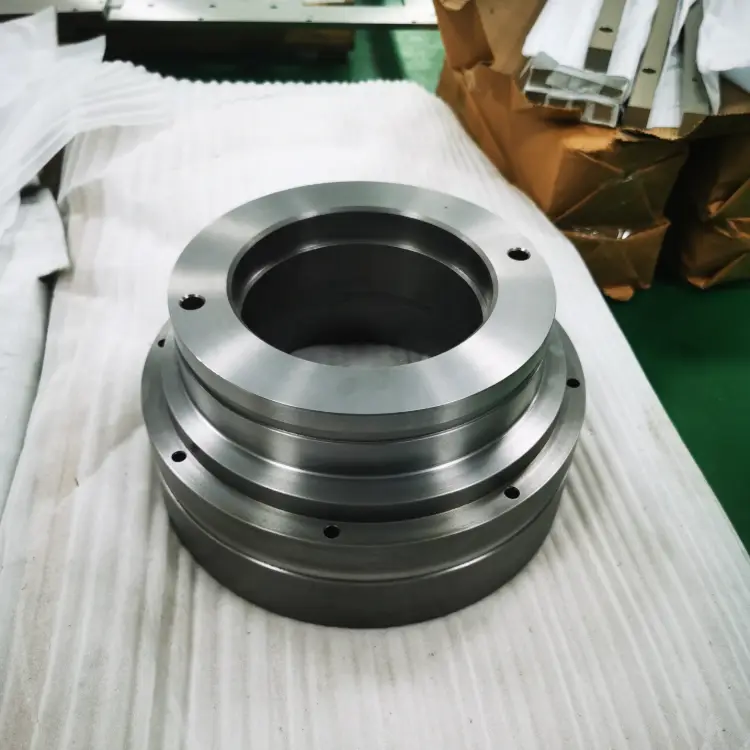
Diameters, bores, threads, grooves, and combined features for rotational parts.
Explore CNC turning →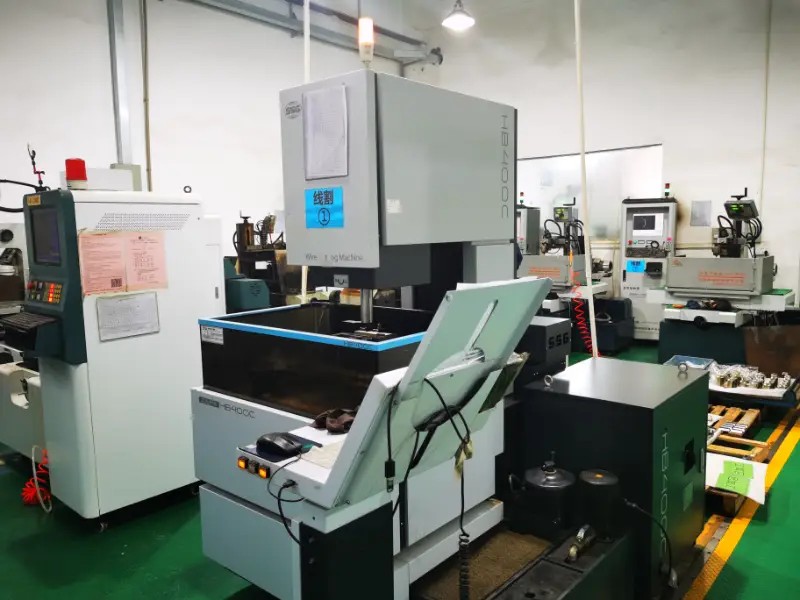
Draad EDM
Low-force cutting for hard conductive materials, narrow slots, and complex profiles.
Explore Wire EDM →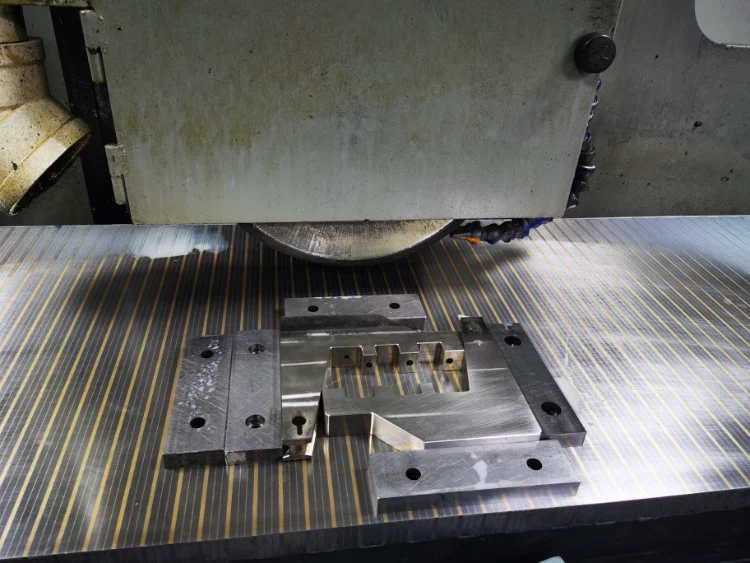
Precisieslijpen
Secondary control of size, flatness, roundness, and surface condition.
Materialen voor CNC-bewerking
Compare common metals and engineering plastics by strength, stability, wear, corrosion resistance, temperature, and end-use requirements.
Aluminium
Lightweight, machinable, and corrosion resistant; common for housings, plates, fixtures, and structural parts.
Roestvrij staal
Strength, cleanliness, and corrosion resistance for medical, food, marine, and industrial components.
Carbon & Alloy Steel
Broad strength, hardness, and heat-treatment options for shafts, tooling, supports, and wear parts.
Titanium
High specific strength and corrosion resistance for aerospace, medical, and chemically exposed parts.
Koper
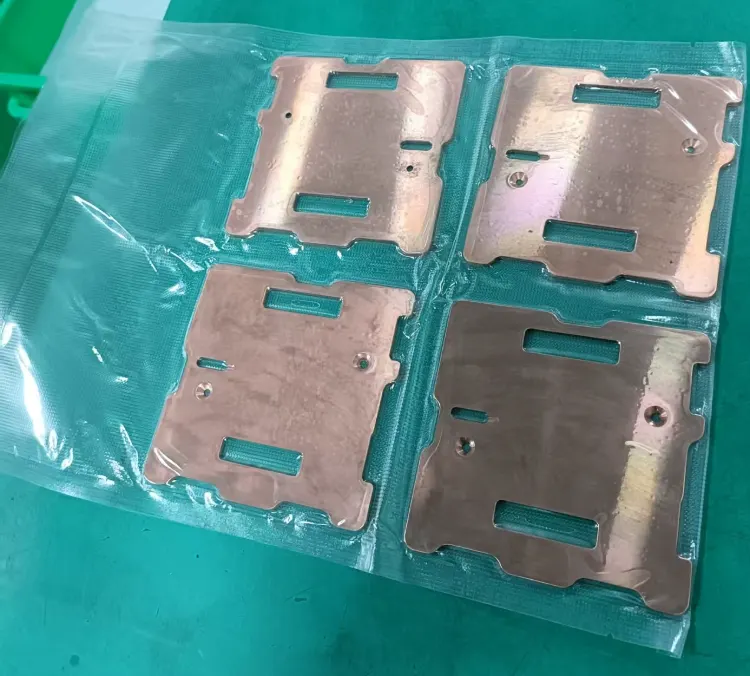
High electrical and thermal conductivity for electrodes, heat-transfer parts, and power components.
Messing
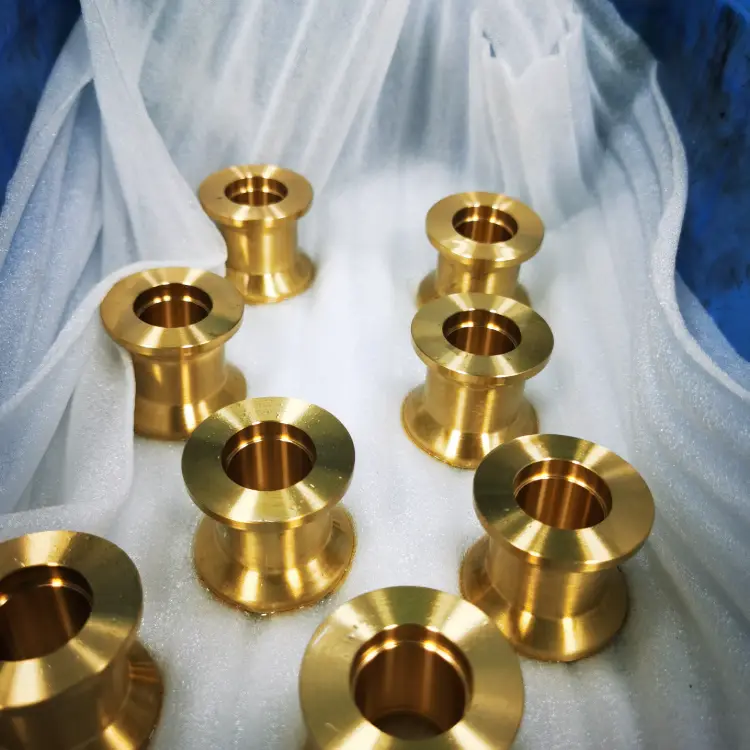
Good machinability, conductivity, and corrosion resistance for fittings, valves, and precision hardware.
Brons
Wear and anti-galling performance for bushings, sliding parts, and lubricated mechanisms.
Magnesium
Very low density for weight-sensitive structures, with alloy-specific handling and finishing controls.
ABS
Economical and impact resistant for functional prototypes, covers, housings, and general components.
Acryl / PMMA
Optical clarity and good dimensional definition for windows, displays, and transparent components.
POM / Acetaal
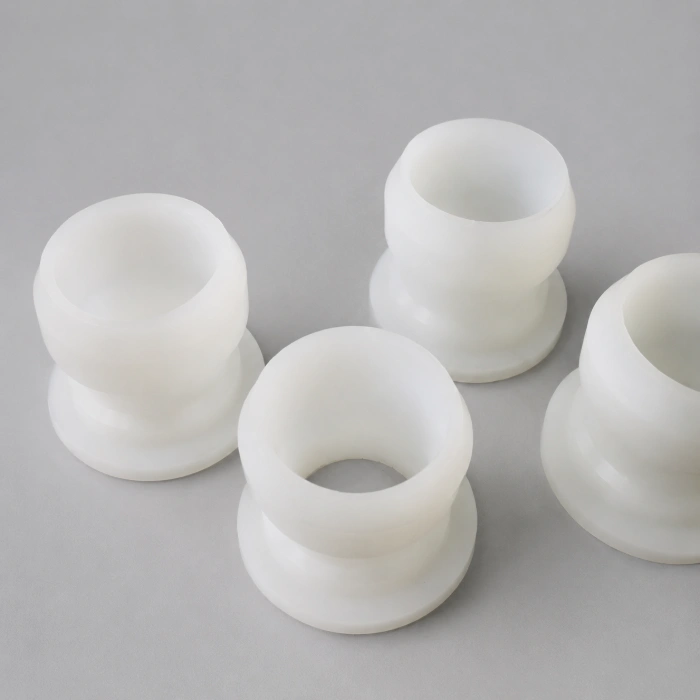
Low friction and stable dimensions for gears, bushings, guides, and precision moving parts.
PEEK
High-temperature strength and chemical resistance for demanding aerospace, medical, and semiconductor use.
PA / Nylon
Tough and wear resistant for mechanical parts, with moisture absorption considered in fits and tolerances.
PTFE
Low friction and broad chemical resistance for seals, insulators, liners, and sliding components.
FR4 / G10
Electrical insulation and structural stability for fixtures, plates, and electronic equipment components.
PE / UHMW-PE
Impact, wear, and low-friction performance for guides, wear strips, and handling equipment.
Specify the exact grade, temper or supplied condition, certification needs, and any restricted substances in the drawing package.
Opties voor oppervlakteafwerking
Finishes are selected for appearance, corrosion resistance, wear, conductivity, cleanability, or identification.
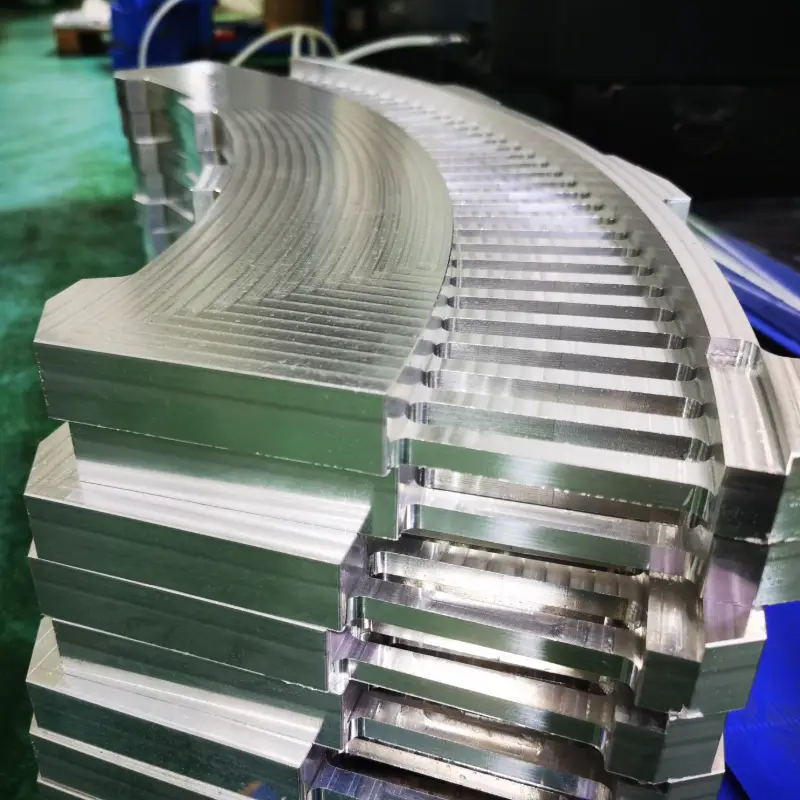
Machinaal bewerkte afwerking
Visible tool marks with burr removal and drawing-defined edge treatment.
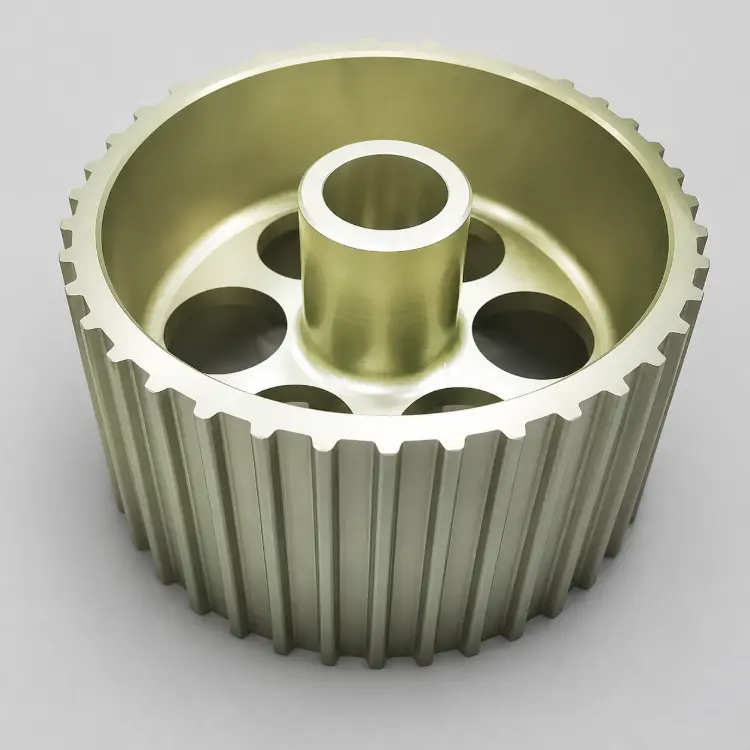
Anodiseren
Decorative or hard anodizing for compatible aluminum alloys and applications.
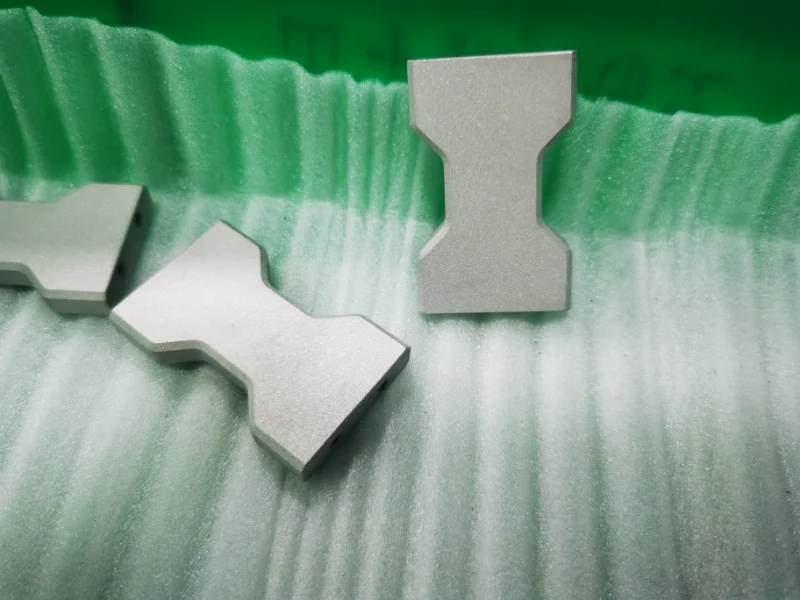
Zandstralen
Uniform matte texture for appearance or preparation before another finish.
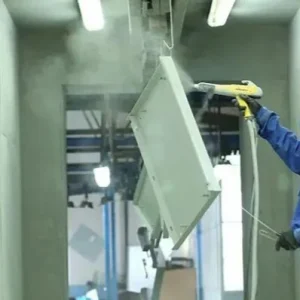
Poedercoating
Durable colored coating for suitable parts with masked functional surfaces.
From Drawing Review to Final Release
A controlled route connects engineering review, machining, inspection, cleaning, and protective packaging.
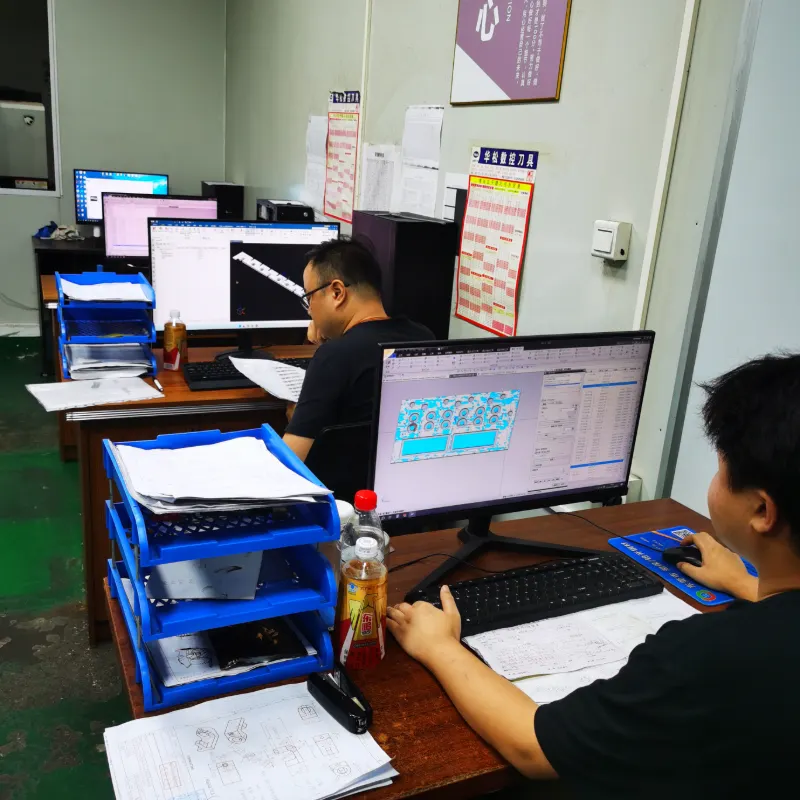
Confirm requirements
Material, datums, tolerances, finish, quantity, and inspection scope.
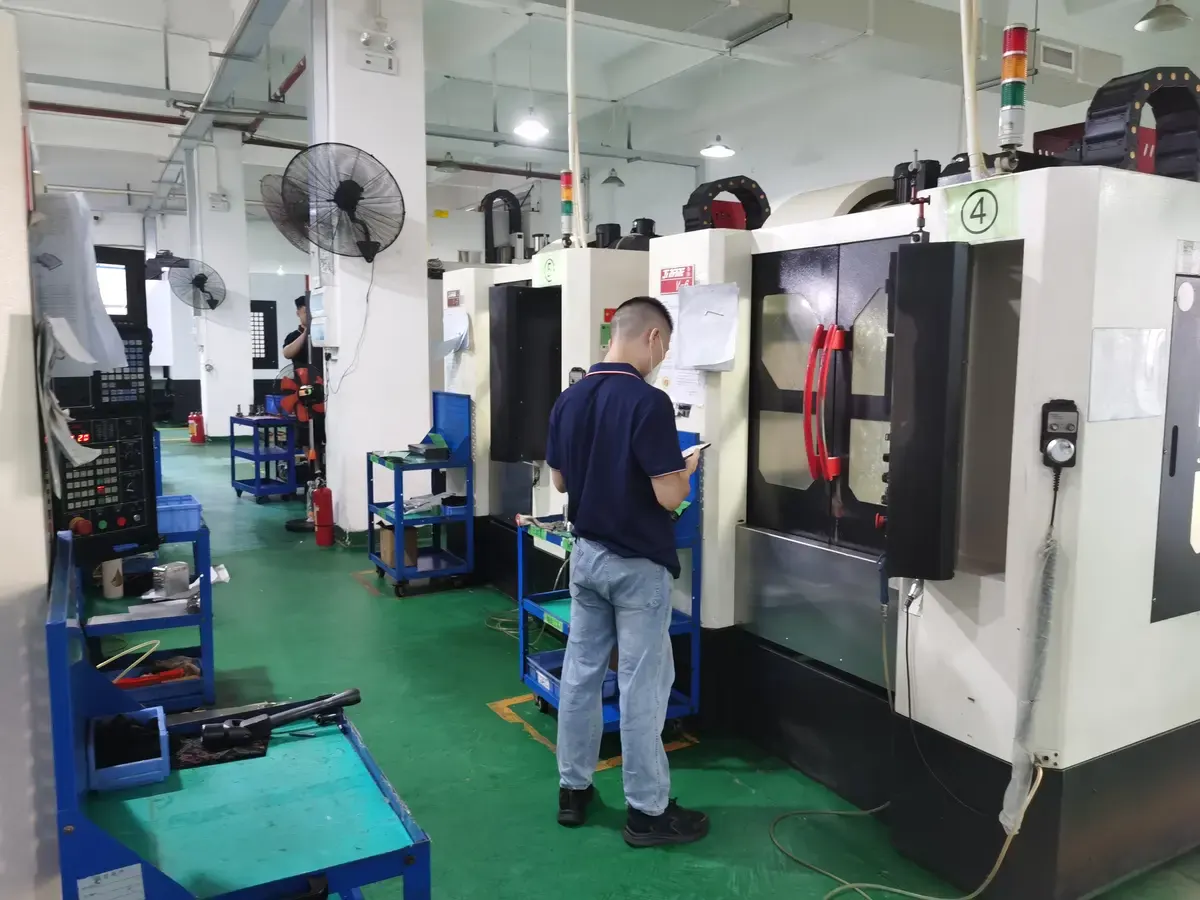
Plan the route
Programming, tooling, workholding, sequencing, and in-process checks.
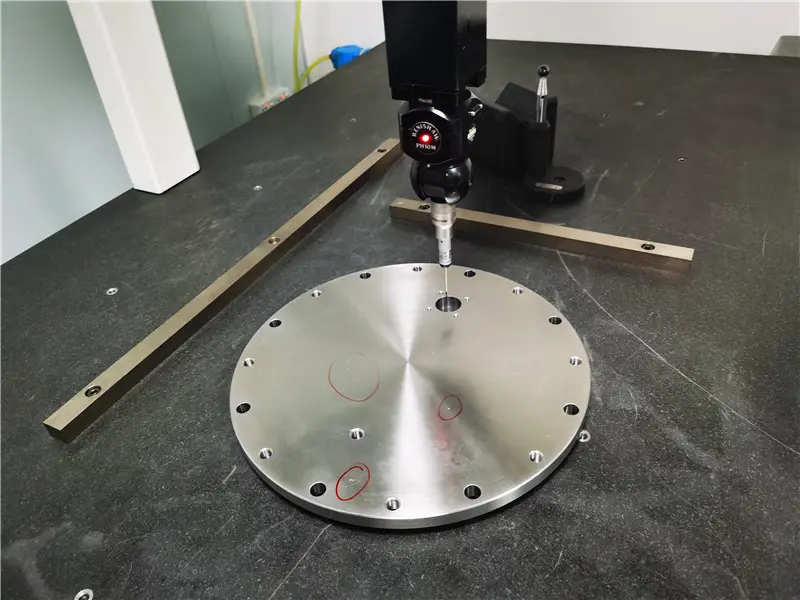
Verify critical features
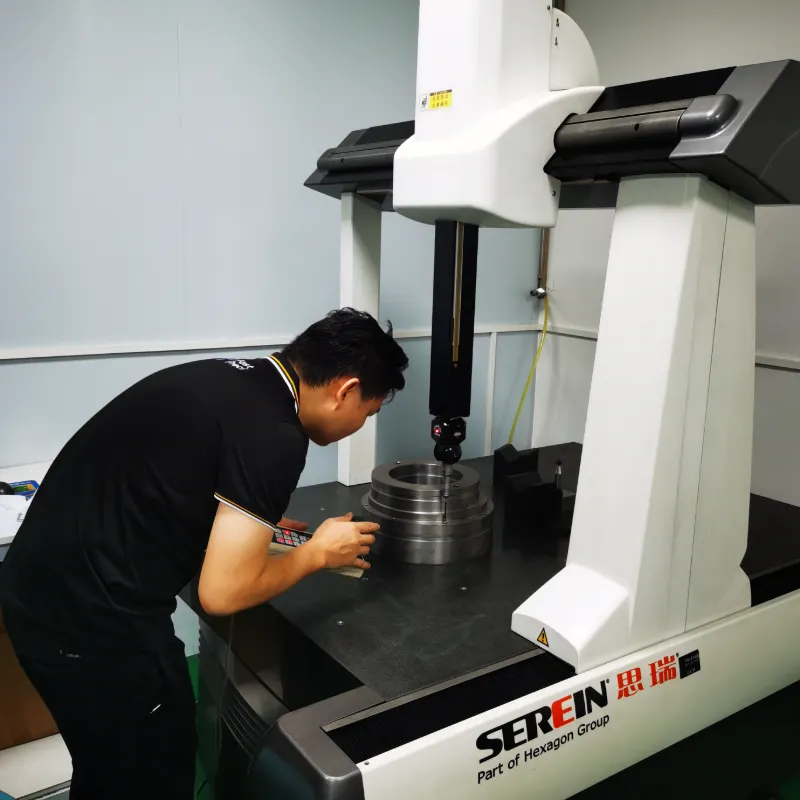
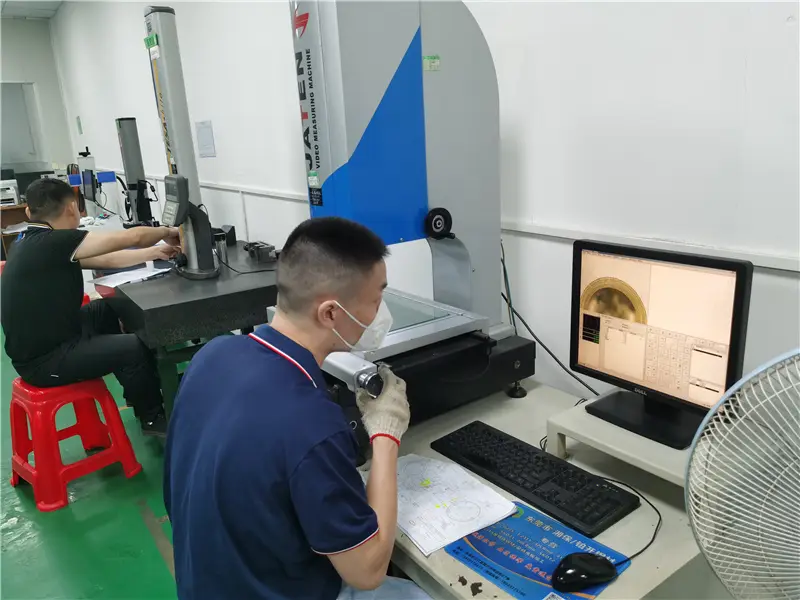
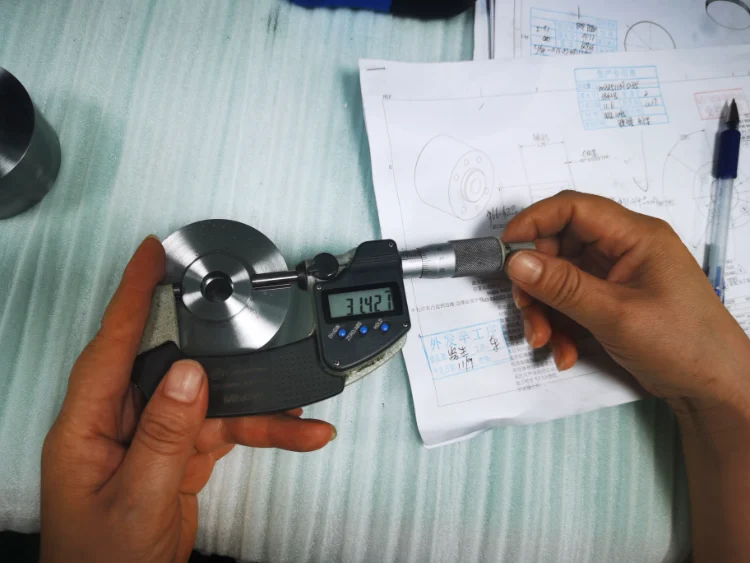
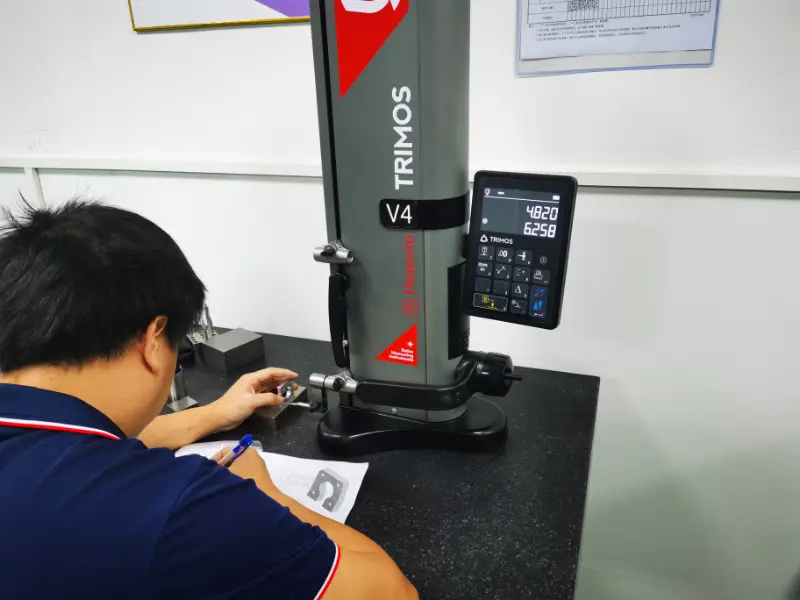
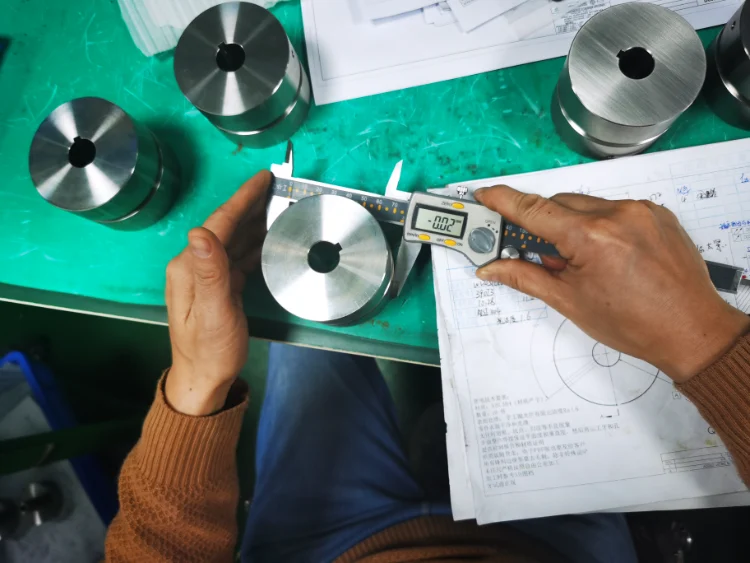
Inspection uses suitable calibrated equipment and agreed methods.

Clean and protect
Parts are cleaned, identified, protected, and packed for shipment.
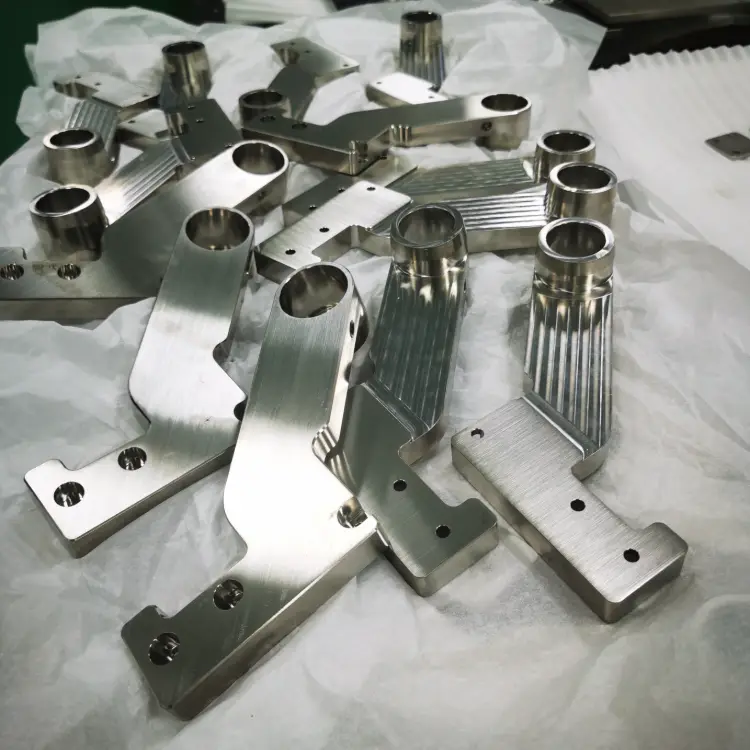
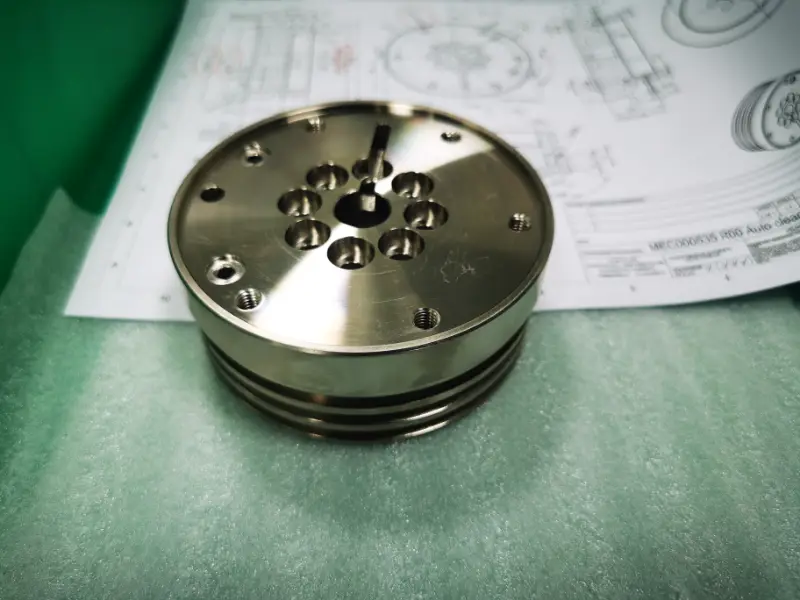
Inspection Matched to Part Risk
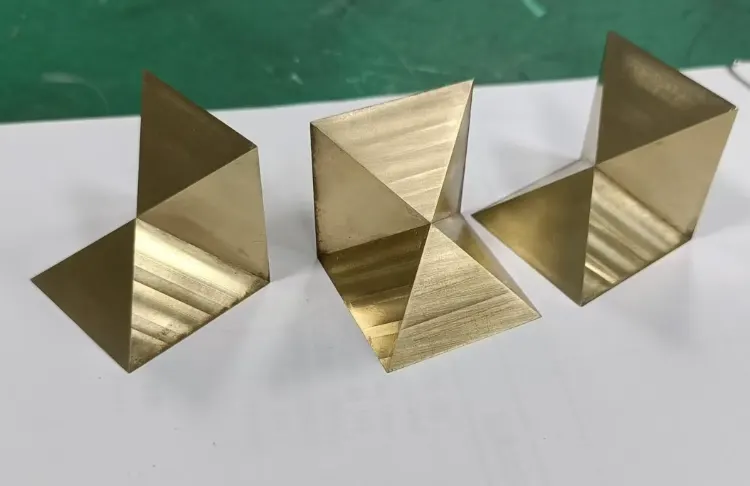
Inspection planning follows the drawing, critical-to-function features, process capability, and the level of documentation agreed for the order.



Why Work With Weldo
Engineering review, flexible process selection, and inspection planning support both development work and ongoing production.
ISO 9001-kwaliteitssysteem
Defined procedures support document control, inspection, release, and traceability requirements.
Producent sinds 2012
Experience across common alloys, engineering plastics, machining routes, and secondary processes.
Technische beoordeling en DFM-beoordeling
Drawings are checked for material, datums, tolerances, workholding, access, and inspection strategy.
Van prototype tot productie
Support for one-off validation parts, low-volume batches, and repeat orders under controlled revisions.
CNC Machining Questions
How does CNC machining produce a part?
A programmed machine removes material with controlled cutting tools. The process route, workholding, tools, and inspection method are selected from the drawing and material.
What information is needed for an accurate quote?
Provide a 3D model and controlled drawing, material grade, quantity, critical tolerances, finish, inspection records, and delivery target.
Wat zijn de factoren die de kosten en doorlooptijd van CNC-bewerkingen beïnvloeden?
Material, stock form, geometry, setups, tight tolerances, surface finish, inspection, secondary processing, quantity, and material availability all affect the quote.
How should a part be prepared for DFM review?
Identify functional datums and critical features, use practical tolerances, allow tool access, and distinguish cosmetic surfaces from standard machined areas.
When is CNC machining preferred over 3D printing?
CNC machining is typically selected for production-grade stock materials, tighter tolerances, stronger directional properties, and controlled machined surfaces.