
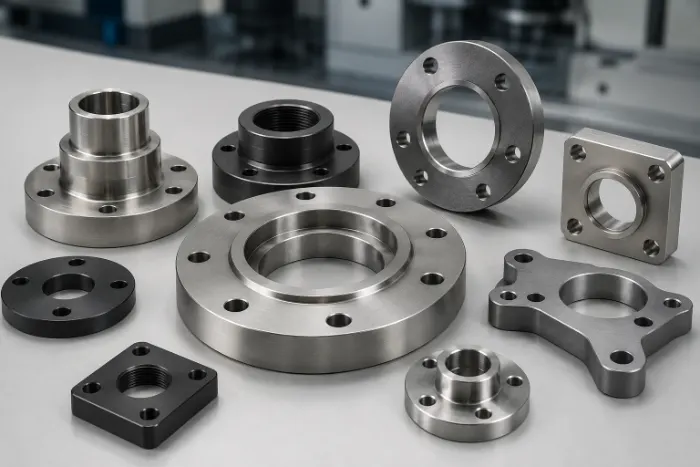
Op maat gemaakte flenscomponent
Bewerking van op maat gemaakte flensonderdelen
CNC-bewerking van flenzen op basis van tekeningen voor leidingen, afsluiters, pompen en apparatuur en koppelingen. Stuur de geometrie van de flens, het materiaal, het afdichtvlak en de inspectie-eisen op voor een technische beoordeling en een transparante offerte.
Prototypes, onderdelen in kleine series en in serie geproduceerde flensonderdelen worden vervaardigd op basis van de goedgekeurde tekening.
Upload je flenstekening →Flensconstructies
Soorten flenzen en ontwerpopties
Kies eerst de aansluitstructuur en leg vervolgens de norm, de drukklasse, het afdichtingsvlak en de bedrijfsomstandigheden vast.
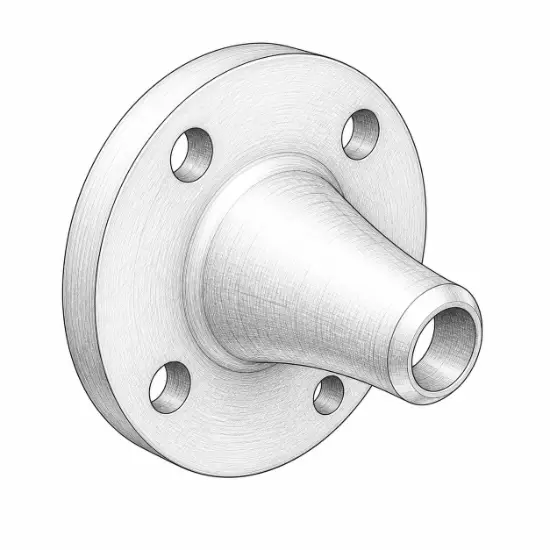
Lasnek
Taps toelopende hals voor gebruik onder hoge druk, bij hoge temperaturen of bij cyclisch gebruik.
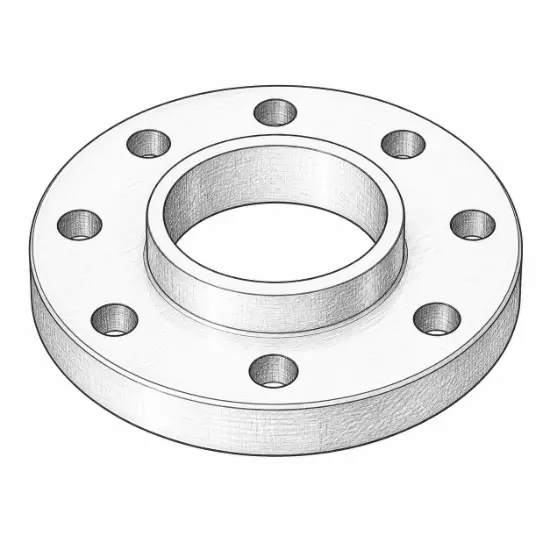
Slip-On
Praktische lasverbinding voor algemene leidingsystemen.
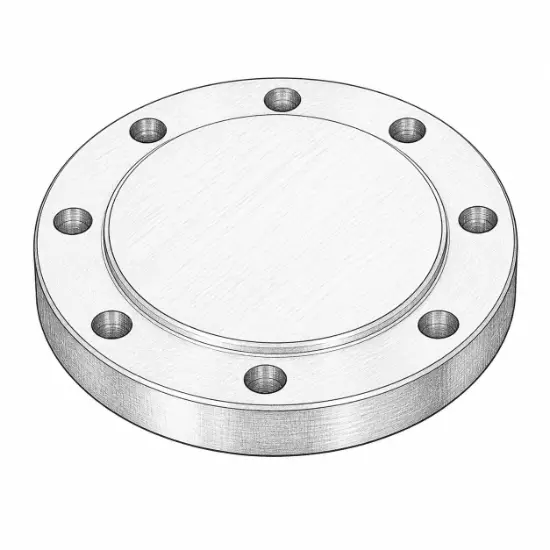
Blind
Stevige afsluiting voor isolatie, testen of toekomstige uitbreiding.
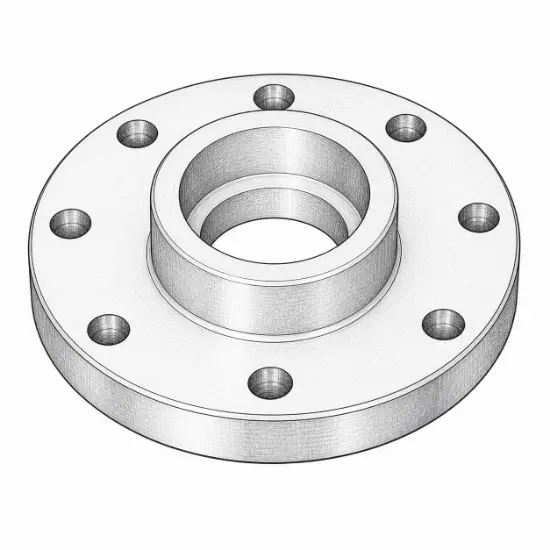
Lasverbinding
Compacte, starre verbinding voor bepaalde leidingen met een kleine diameter.
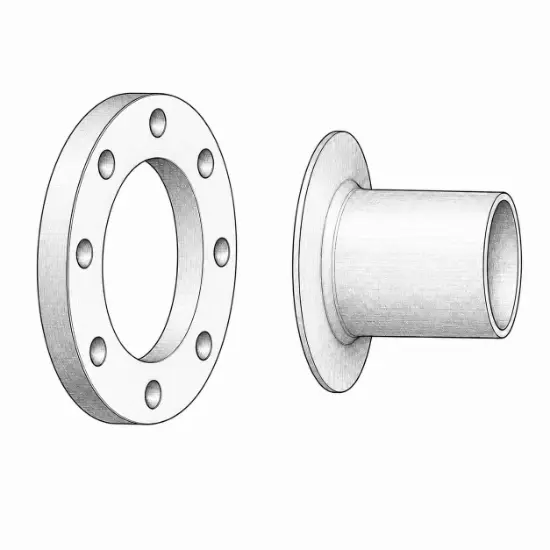
Overlappingsverbinding
Losse flensconstructie voor uitlijning en herhaaldelijke demontage.
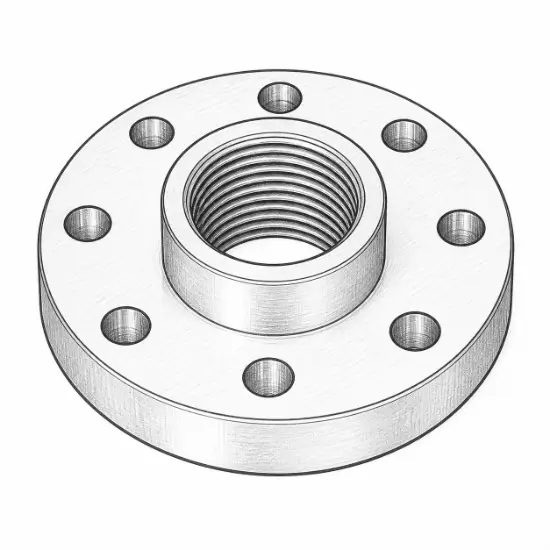
Met schroefdraad
Niet-gelaste verbinding waarbij het ontwerp en de gebruiksomstandigheden schroefdraad toestaan.
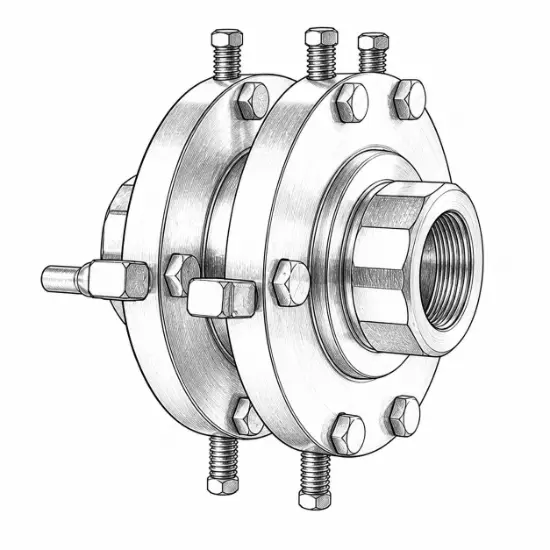
Openingen
Machinaal bewerkte drukaftakkingen en plaatbevestiging voor debietmeting.
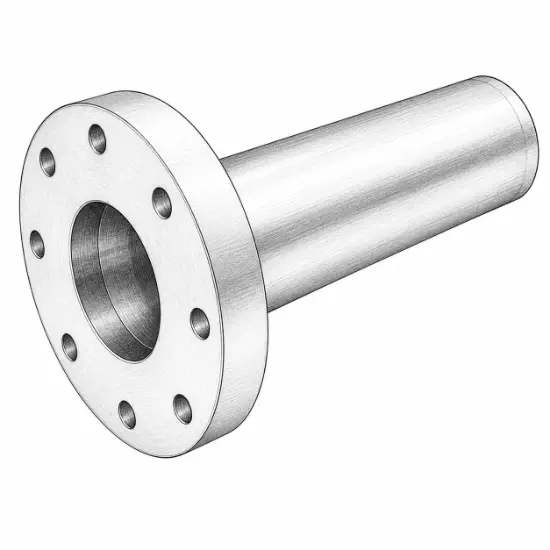
Integraal
Stijve flens die uit één stuk met de buis of het apparaatlichaam is gevormd.
Keuze van materiaal en afdichting
Materialen van flenzen en afdichtvlakken
Vergelijk metalen en technische kunststoffen op basis van kwaliteit, belasting, temperatuur, blootstelling aan corrosie, afdichtingsvlak en gebruiksomgeving.
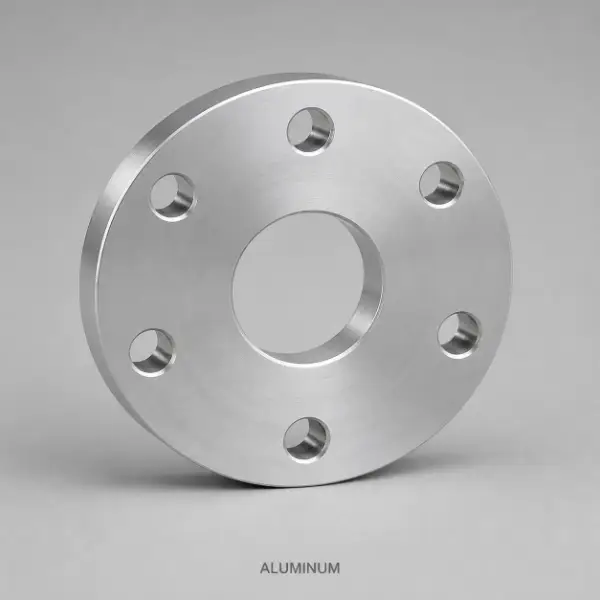
Aluminium
Licht van gewicht, gemakkelijk te bewerken en bestand tegen atmosferische corrosie.
- Veelvoorkomende cijfers
- 6061-T6, 6082-T6, 7075-T6
- Druk en temperatuur
- Lage tot gemiddelde druk; doorgaans omgevingstemperatuur tot gematigde temperatuur.
- Afdichtingsvlakken
- FF en RF; gebruik geschikte zachte of gecoate pakkingen om het gezicht te beschermen.
- Typische omgeving
- Lichtgewicht apparatuur, ventilatie en algemene industriële leidingen.
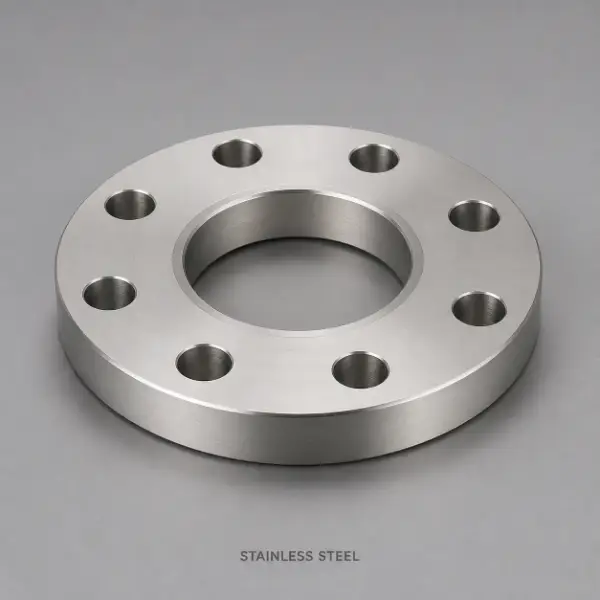
Roestvrij staal
Hoge sterkte, goede reinigbaarheid en brede corrosiebestendigheid.
- Veelvoorkomende cijfers
- 304, 304L, 316, 316L, 321
- Druk en temperatuur
- Middelhoge tot hoge druk; omgevingstemperatuur tot verhoogde temperatuur, afhankelijk van de kwaliteit.
- Afdichtingsvlakken
- FF, RF en RTJ; de afwerking van het contactvlak moet voldoen aan de pakking- en gebruiksnorm.
- Typische omgeving
- Systemen voor de chemische, medische, voedingsmiddelen- en farmaceutische sector, en voor natte toepassingen.
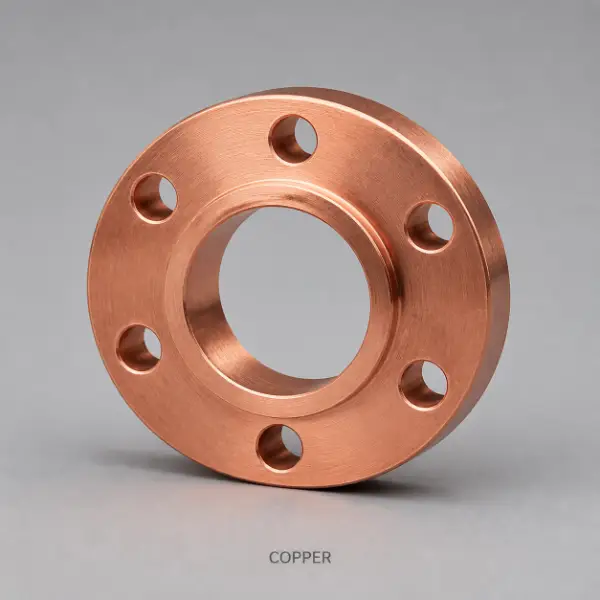
Koper
Uitstekende thermische en elektrische geleidbaarheid in combinatie met een goede bewerkbaarheid.
- Veelvoorkomende cijfers
- C101, C110, C122
- Druk en temperatuur
- Lage tot gemiddelde druk; lage tot gematigde temperatuur.
- Afdichtingsvlakken
- FF en RF met een pakking die geschikt is voor koper en de procesvloeistof.
- Typische omgeving
- Koelcircuits, warmtewisselaars, elektrische systemen en temperatuurregelsystemen.
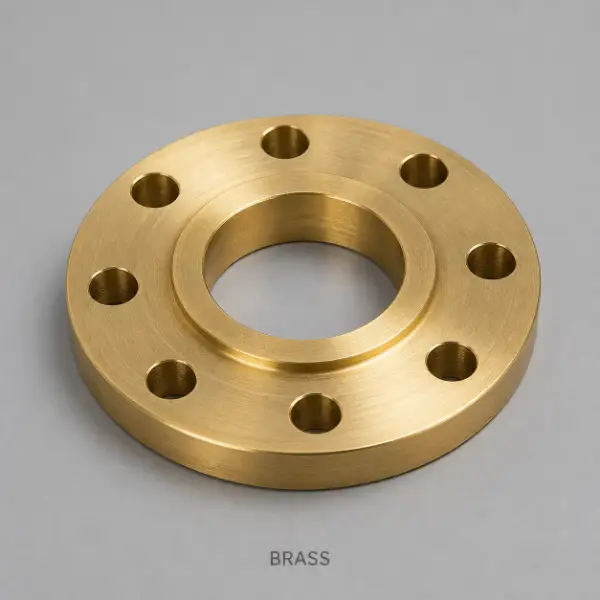
Messing
Goed verspaanbaar, slijtvast en maatvast.
- Veelvoorkomende cijfers
- C360, C464, C693
- Druk en temperatuur
- Lage tot gemiddelde druk; omgevingstemperatuur tot matige temperatuur.
- Afdichtingsvlakken
- FF en RF; controleer of de pakking en de galvanische compatibiliteit in orde zijn.
- Typische omgeving
- Water, instrumenten, afsluiters en systemen voor niet-agressieve vloeistoffen.
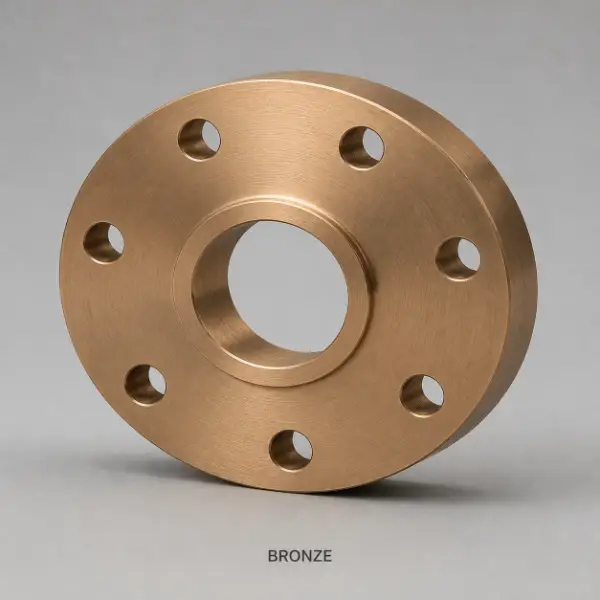
Brons
Slijtvastheid, betrouwbaar glijgedrag en uitstekende prestaties in zeewater.
- Veelvoorkomende cijfers
- C932, C954, C958
- Druk en temperatuur
- Lage tot gemiddelde druk; omgevingstemperatuur tot matige temperatuur.
- Afdichtingsvlakken
- FF, RF en RTJ wanneer de legering, de pakking en de bedrijfsspecificaties compatibel zijn.
- Typische omgeving
- Scheepsuitrusting, pompen, afsluiters en watersystemen.
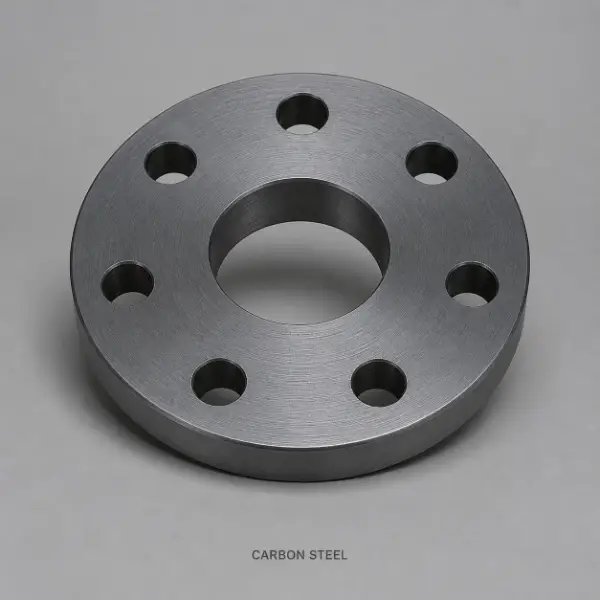
Koolstofstaal
Hoog draagvermogen, ruime beschikbaarheid en kostenefficiëntie.
- Veelvoorkomende cijfers
- A105, A350 LF2, C20, Q235
- Druk en temperatuur
- Lage tot hoge druk, afhankelijk van de kwaliteit, de afmetingen en de geldende norm.
- Afdichtingsvlakken
- FF, RF en RTJ; geef aan welke pakking en corrosiebescherming geschikt zijn.
- Typische omgeving
- Industriële leidingen, energiecentrales en constructieve verbindingen.
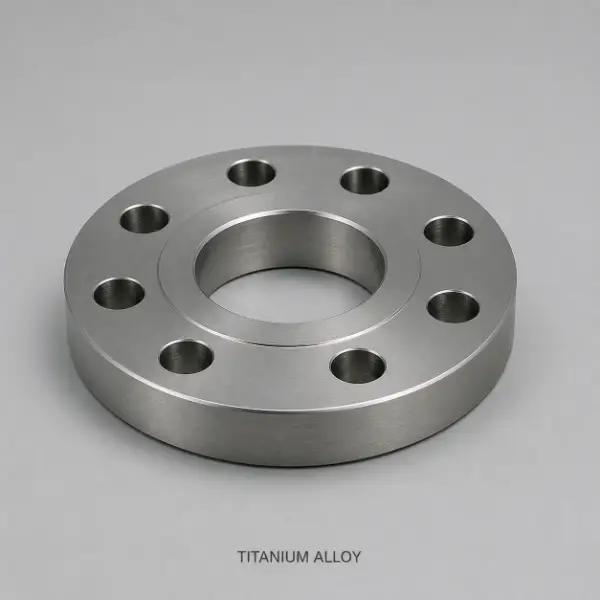
Titanium
Hoge sterkte-gewichtsverhouding en uitstekende bestendigheid tegen chloridehoudende omgevingen.
- Veelvoorkomende cijfers
- Kwaliteit 2, Kwaliteit 5 (Ti-6Al-4V)
- Druk en temperatuur
- Middelhoge tot hoge druk; omgevingstemperatuur tot verhoogde temperatuur, afhankelijk van de kwaliteit.
- Afdichtingsvlakken
- FF, RF en RTJ; beschermen het oppervlak en voorkomen vastlopen tijdens de montage.
- Typische omgeving
- Lucht- en ruimtevaart, scheepvaart, chemische industrie en zeer corrosieve omgevingen.
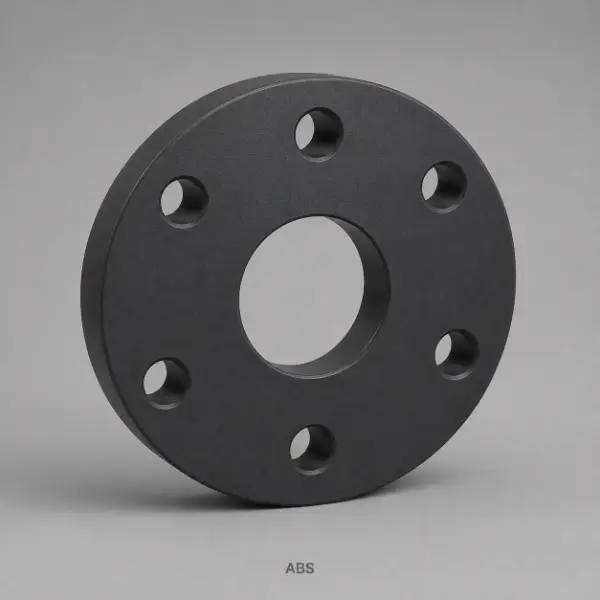
ABS
Licht van gewicht, slagvast en voordelig voor niet-kritische verbindingen.
- Veelvoorkomende cijfers
- ABS voor algemeen gebruik, vlamvertragend ABS
- Druk en temperatuur
- Lage druk en een temperatuur die dicht bij de omgevingstemperatuur ligt.
- Afdichtingsvlakken
- FF en RF met zachte pakkingen; vermijd een te hoge voorspanning van de bouten.
- Typische omgeving
- Niet-agressieve media, afdekkingen en leidingen voor lichte toepassingen.
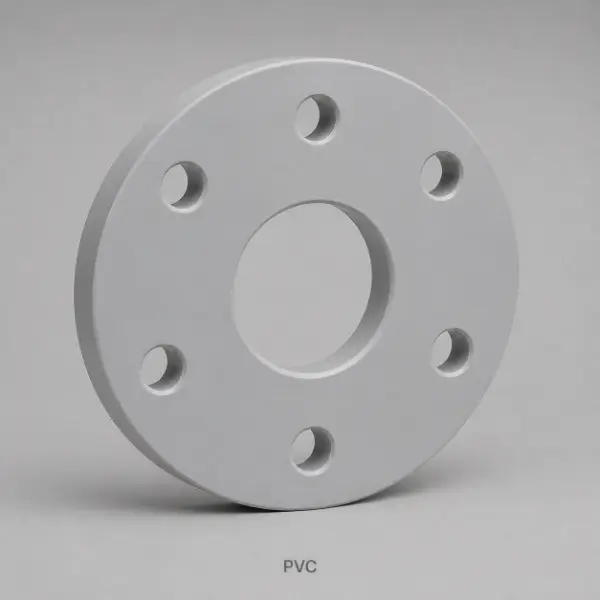
PVC
Laag gewicht en goede bestendigheid tegen vocht, zuren en basen.
- Veelvoorkomende cijfers
- PVC-U, PVC-C
- Druk en temperatuur
- Lage tot gemiddelde druk; PVC-C is geschikt voor hogere bedrijfstemperaturen dan PVC-U.
- Afdichtingsvlakken
- FF en RF met elastomeerpakkingen en geregelde boutspanning.
- Typische omgeving
- Waterbehandeling, afwatering en leidingen voor chemische stoffen in de omgeving.
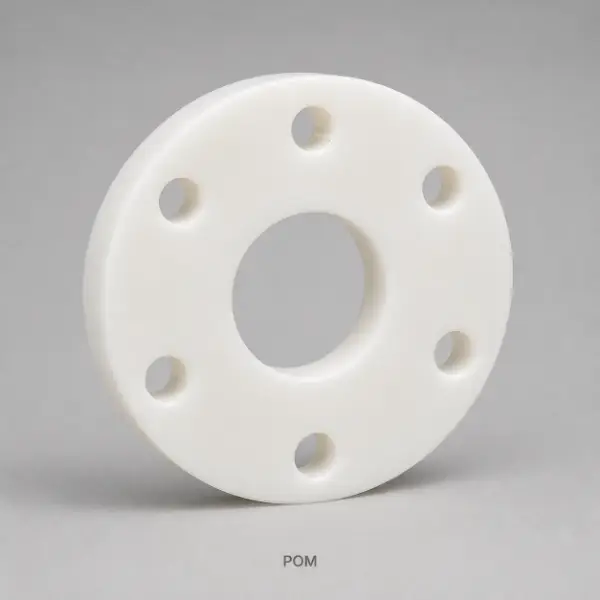
POM / Delrin
Lage wrijving, slijtvastheid en goede maatvastheid.
- Veelvoorkomende cijfers
- POM-C, POM-H
- Druk en temperatuur
- Lage druk; omgevingstemperatuur tot matige temperatuur.
- Afdichtingsvlakken
- FF en RF met zachte pakkingen en gelijkmatige contactspanning.
- Typische omgeving
- Verbindingen en assemblages met lage wrijving die vaak moeten worden gedemonteerd.
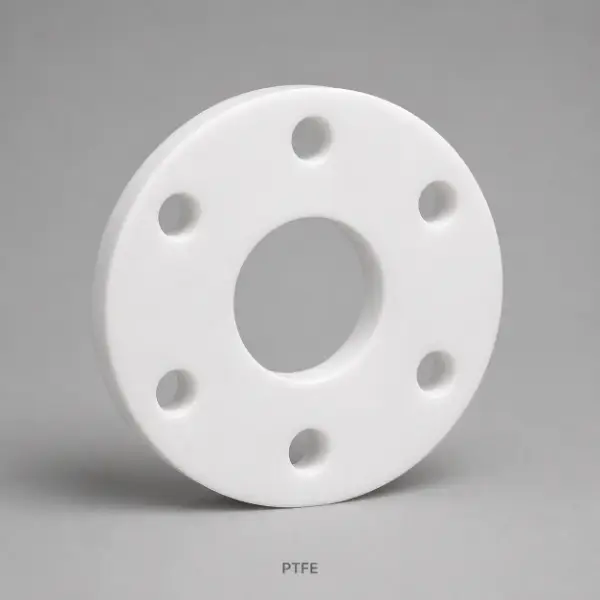
PTFE
Uitstekende chemische bestendigheid en zeer lage wrijving.
- Veelvoorkomende cijfers
- Zuiver PTFE, met glas versterkt PTFE, andere versterkte soorten
- Druk en temperatuur
- Lage tot gemiddelde druk binnen een breed temperatuurbereik voor chemische toepassingen.
- Afdichtingsvlakken
- FF, RF en gevoerde vlakken met zachte of PTFE-compatibele pakkingen.
- Typische omgeving
- Sterke chemicaliën, procesleidingen en corrosiebestendige bekledingen.
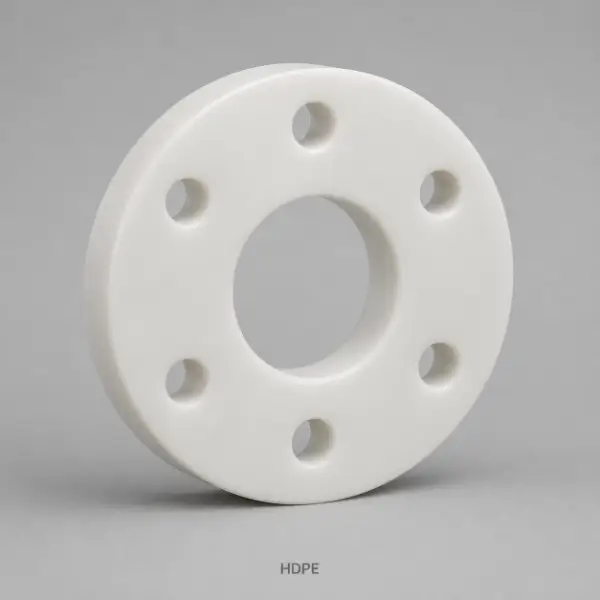
HDPE
Stevig, vochtbestendig en geschikt voor tal van systemen voor het verpompen van chemicaliën.
- Veelvoorkomende cijfers
- HDPE, PE100
- Druk en temperatuur
- Lage tot gemiddelde druk; omgevingstemperatuur tot matige temperatuur.
- Afdichtingsvlakken
- FF en RF met elastomeerpakkingen en rekening houdend met kruip en uitzetting.
- Typische omgeving
- Waterbehandeling, transport van chemicaliën en buitendienst.
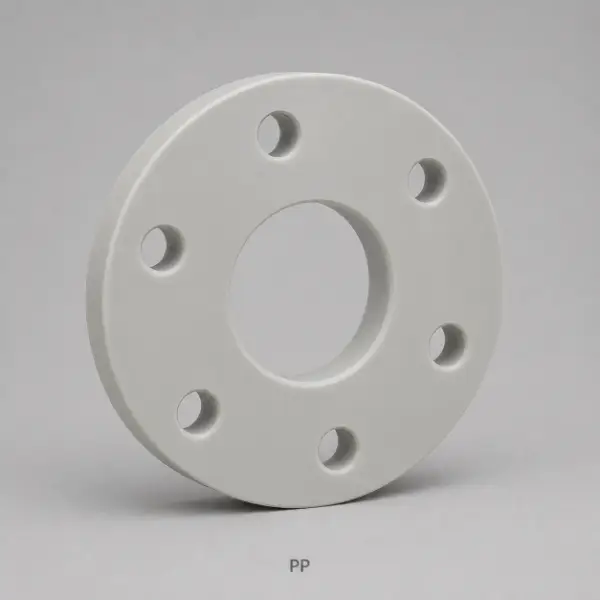
PP
Lage dichtheid en goede bestendigheid tegen water en talrijke chemicaliën.
- Veelvoorkomende cijfers
- PP-H, PP-R, PP-C
- Druk en temperatuur
- Lage tot gemiddelde druk; omgevingstemperatuur tot gematigde temperatuur, afhankelijk van de kwaliteit.
- Afdichtingsvlakken
- FF en RF met zachte pakkingen en geregelde compressie.
- Typische omgeving
- Chemische leidingen, vloeistoftransportsystemen en vochtige omgevingen.
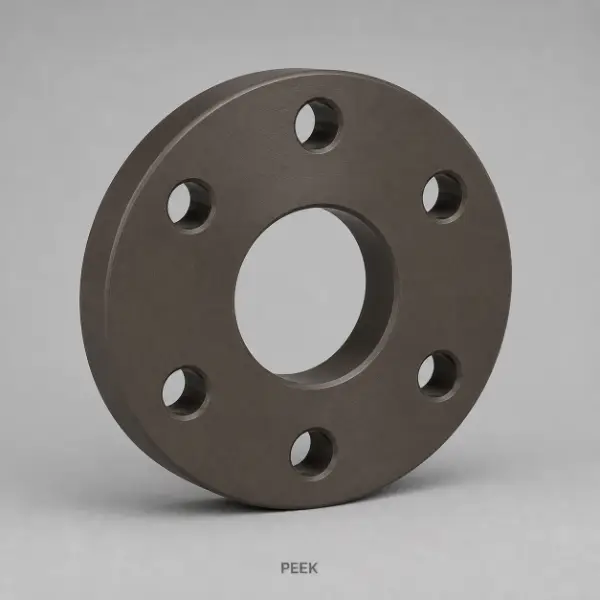
PEEK
Hoge sterkte, chemische bestendigheid en geschiktheid voor hoge temperaturen.
- Veelvoorkomende cijfers
- Zuiver PEEK, met glas versterkt PEEK en met koolstof versterkt PEEK
- Druk en temperatuur
- Lage tot gemiddelde druk; verhoogde temperatuur, afhankelijk van de kwaliteit en het ontwerp.
- Afdichtingsvlakken
- FF, RF en speciaal beklede oppervlakken met bijpassende hoogwaardige pakkingen.
- Typische omgeving
- Halfgeleiders, medische toepassingen, lucht- en ruimtevaart en veeleisende industriële systemen.
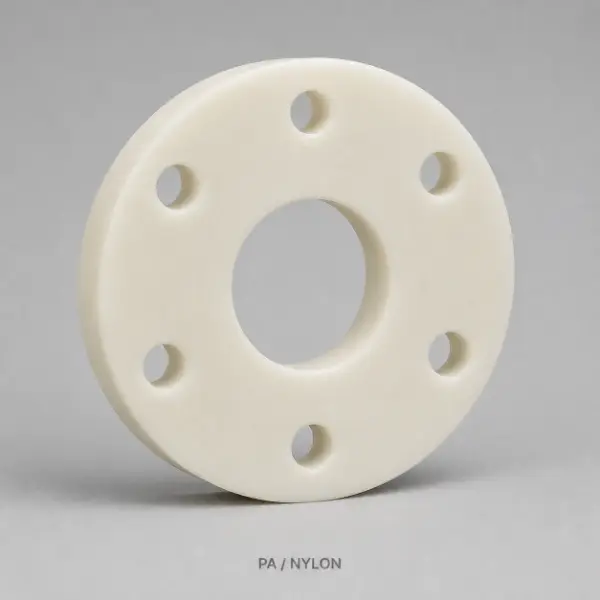
Nylon / PA
Licht van gewicht, slijtvast en schokbestendig.
- Veelvoorkomende cijfers
- PA6, PA66, versterkt nylon
- Druk en temperatuur
- Lage druk; omgevingstemperatuur tot matige temperatuur, waarbij enige vochtigheid is toegestaan.
- Afdichtingsvlakken
- FF en RF met zachte pakkingen; houd rekening met uitzetting door vocht.
- Typische omgeving
- Toepassingen waarbij lichte belasting, lage druk en algemene slijtage een rol spelen.
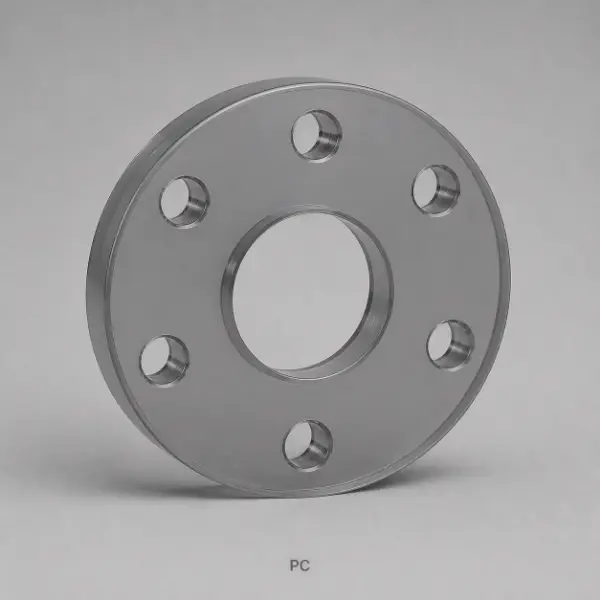
Polycarbonaat / PC
Hoge slagvastheid, maatvastheid en optionele transparantie.
- Veelvoorkomende cijfers
- PC, vlamvertragend PC, transparant PC
- Druk en temperatuur
- Lage druk; omgevingstemperatuur tot matige temperatuur.
- Afdichtingsvlakken
- FF en RF met zachte pakkingen en een lage, gelijkmatige boutbelasting.
- Typische omgeving
- Kijkvensters, doorzichtige afdekkingen en lichtgewicht constructies.
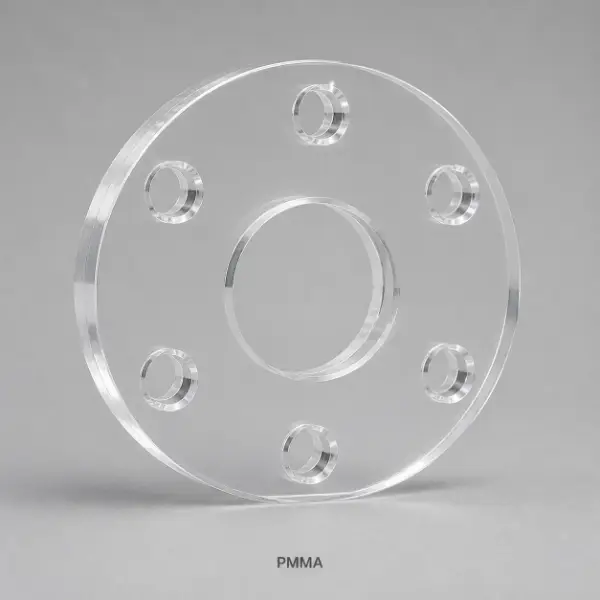
PMMA / Acryl
Optische helderheid, weersbestendigheid en een strakke uitstraling.
- Veelvoorkomende cijfers
- Gegoten PMMA, geëxtrudeerd PMMA
- Druk en temperatuur
- Lage druk en een temperatuur die dicht bij de omgevingstemperatuur ligt.
- Afdichtingsvlakken
- FF en RF met zachte, niet-schurende pakkingen.
- Typische omgeving
- Kijkvensters en transparante verbindingen die niet onder hoge druk staan.
De geschiktheid wat betreft druk en temperatuur hangt af van de materiaalkwaliteit, de flensmaat, de wanddikte, de bouten, de pakking en de geldende norm. Controleer de definitieve keuze aan de hand van de tekening en de bedrijfsomstandigheden.
Op tekeningen gebaseerde mogelijkheden
CNC-bewerkingsparameters voor flenzen
De belangrijkste productieseries worden getoetst aan de eisen op het gebied van materiaal, geometrie, opspanning, afdichtingsvlakken en inspectie.
| Capaciteit | Metalen flenzen | Flenzen van technische kunststof |
|---|---|---|
| Typische maattolerantie | ±0,02 mm | ±0,05 mm |
| Buitendiameter | 10–1000 mm | 10–600 mm |
| Minimale wanddikte | 1,0 mm | 1,5 mm |
| Minimale boring / gat | 2,0 mm | 2–3 mm |
| Typische bewerkingsruwheid | Ra 0,8–3,2 μm | Ra 1,6–3,2 μm |
De uiteindelijke waarden zijn afhankelijk van de afmetingen van het onderdeel, de toestand van het materiaal, de geometrie en de inspectiemethode; kritische eisen moeten op de tekening worden vermeld.
Productie en keuring
Van tekeningbeoordeling tot eindcontrole
Een gestructureerd traject omvat het programmeren, de bewerking, de maatcontrole en de bescherming van de zending.
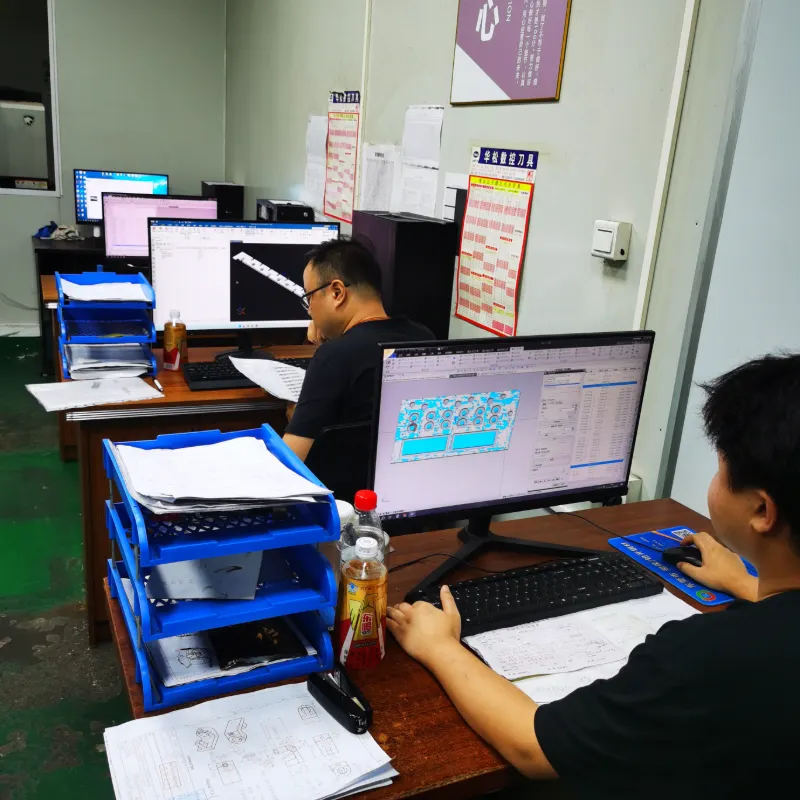
Controleer de referentiepunten, de norm, het afdichtingsvlak en de kritische afmetingen.
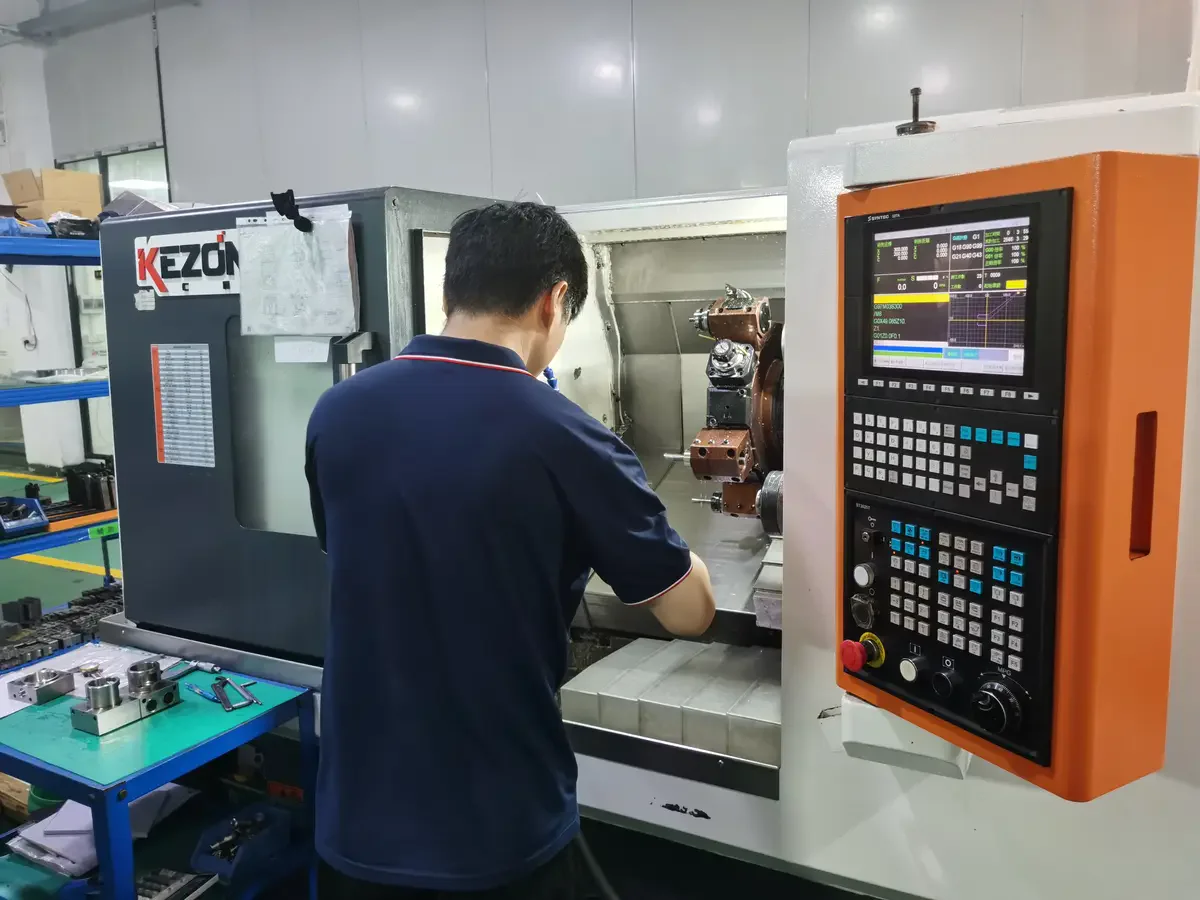
Voer de bewerkingen draaien, frezen, boren en groeven uit in de goedgekeurde volgorde.
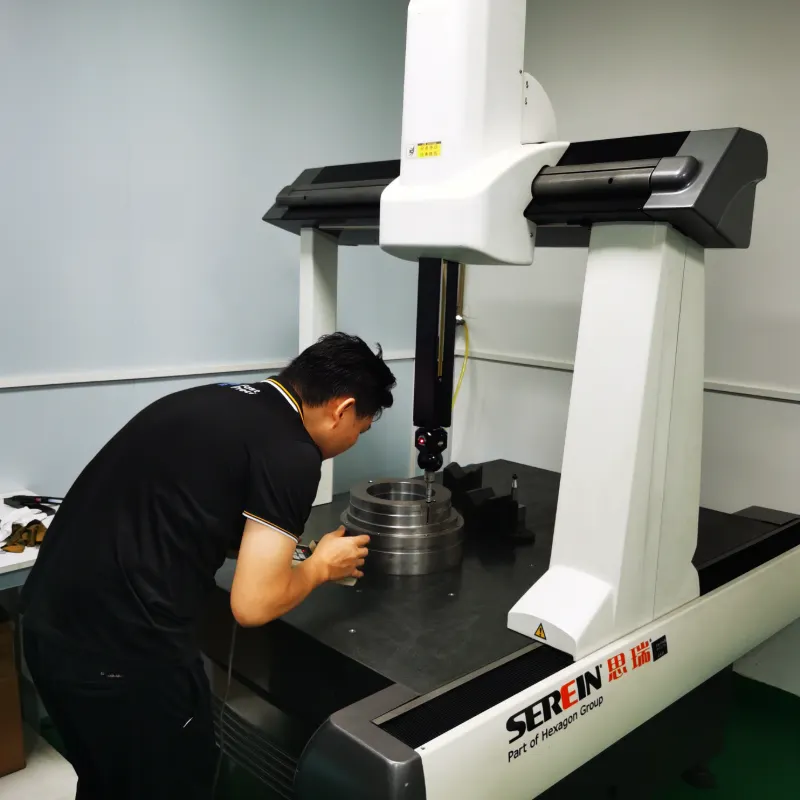
Controleer de boring, de buitendiameter, het boutpatroon, de vlakheid en de positionele kenmerken.
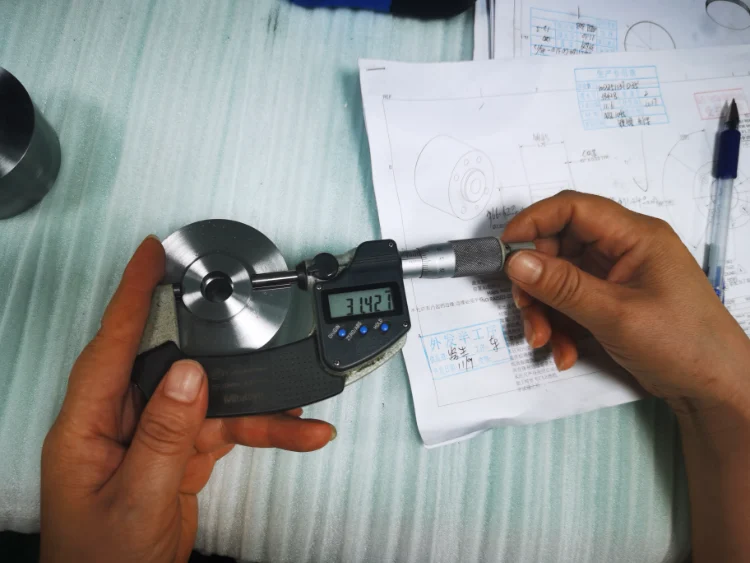
Bescherm de afdichtingsvlakken en maak de benodigde documenten klaar voor verzending.
Projecten met machinaal bewerkte flenzen
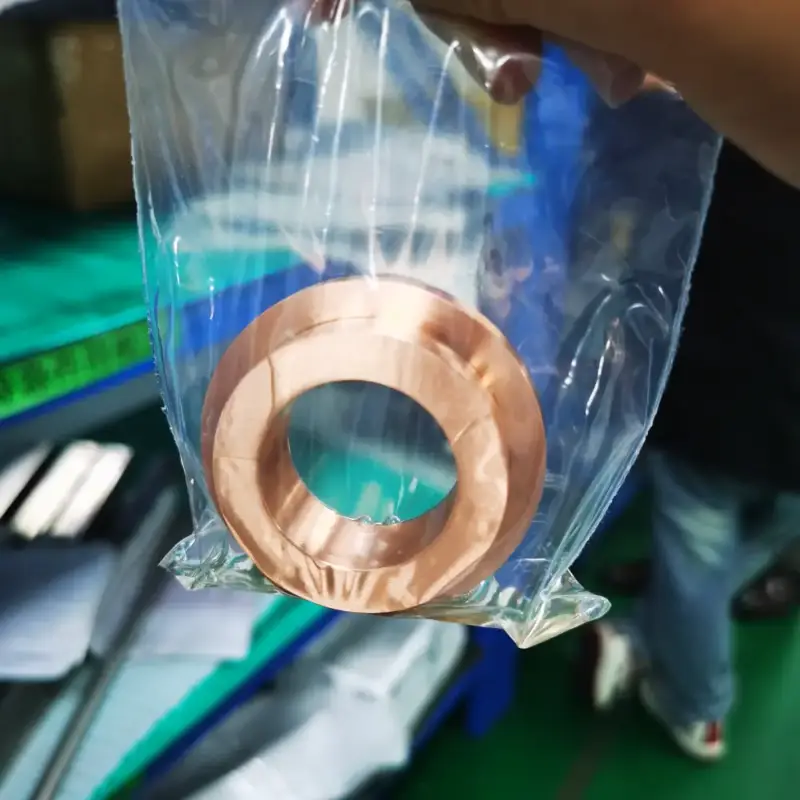
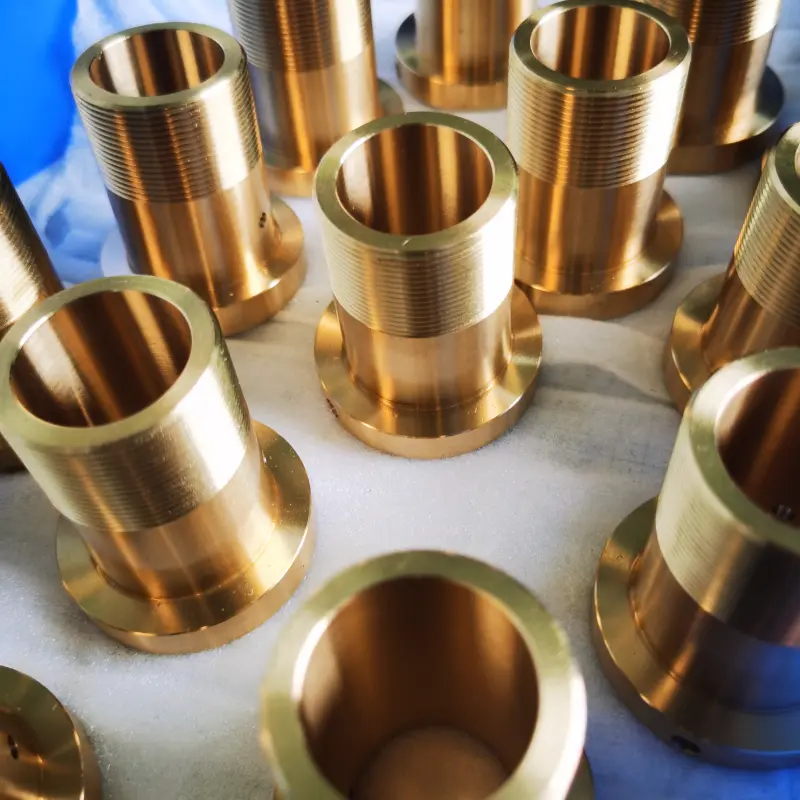
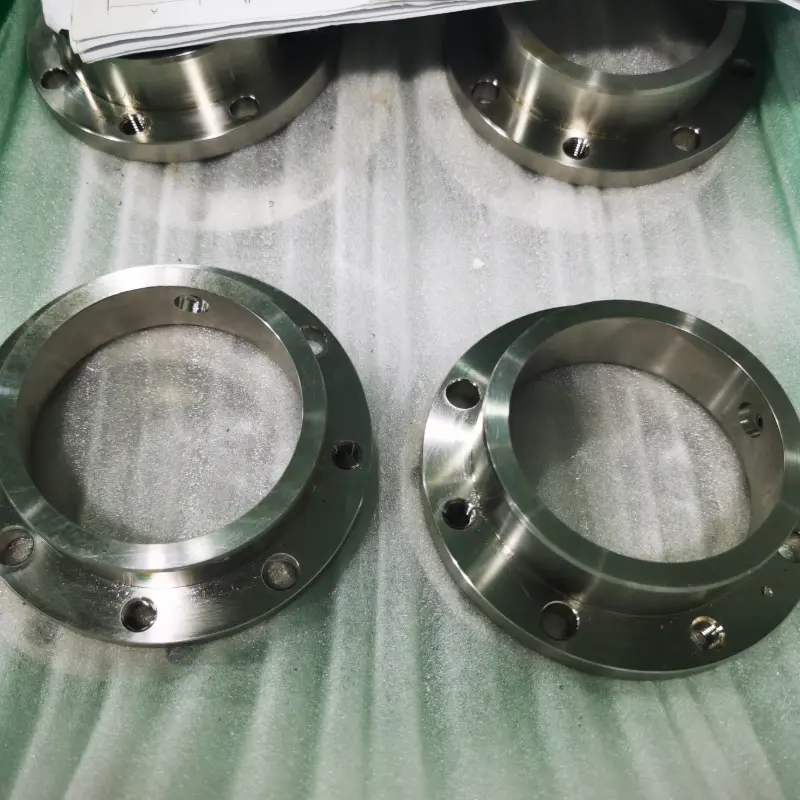
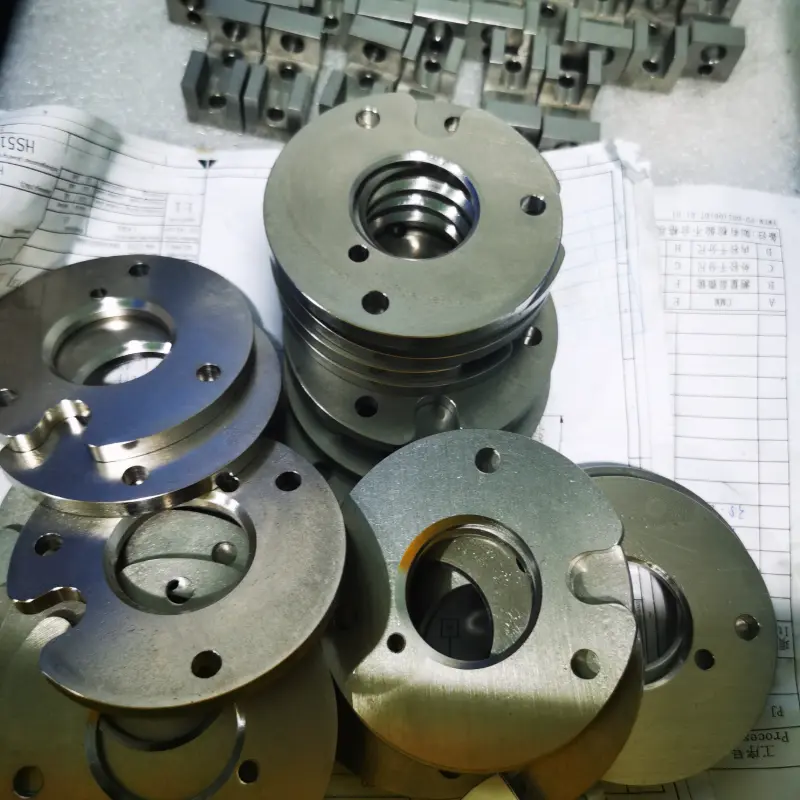
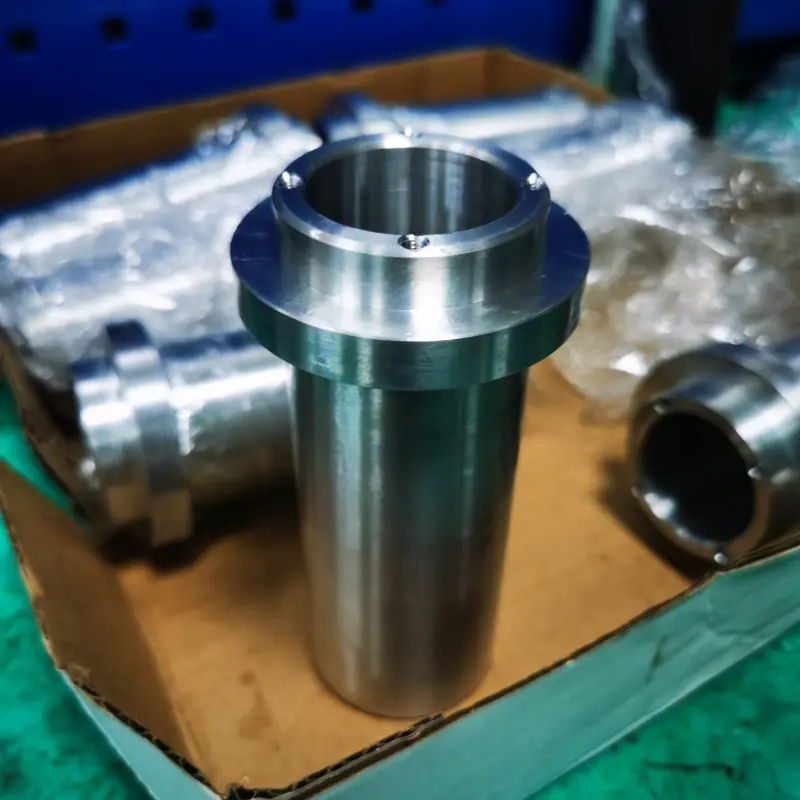
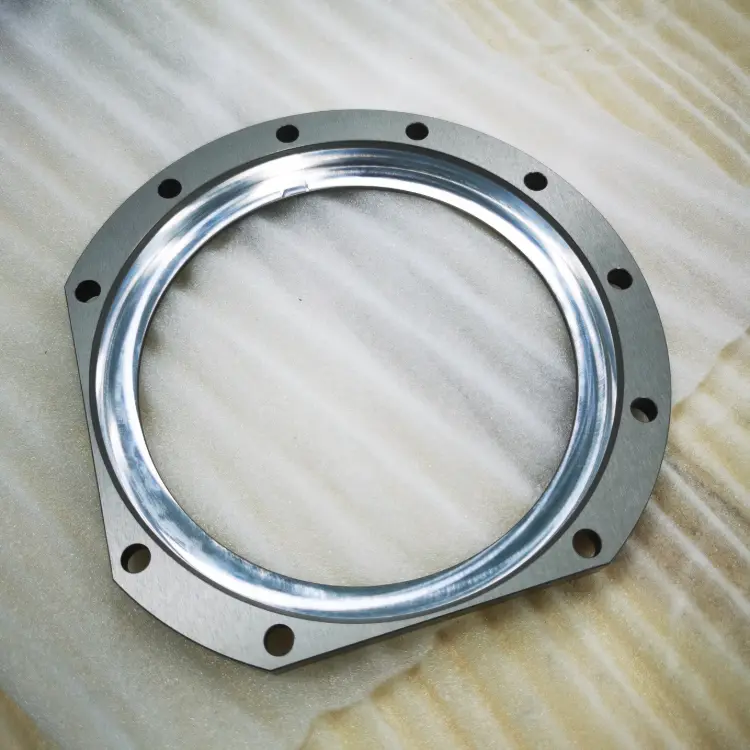
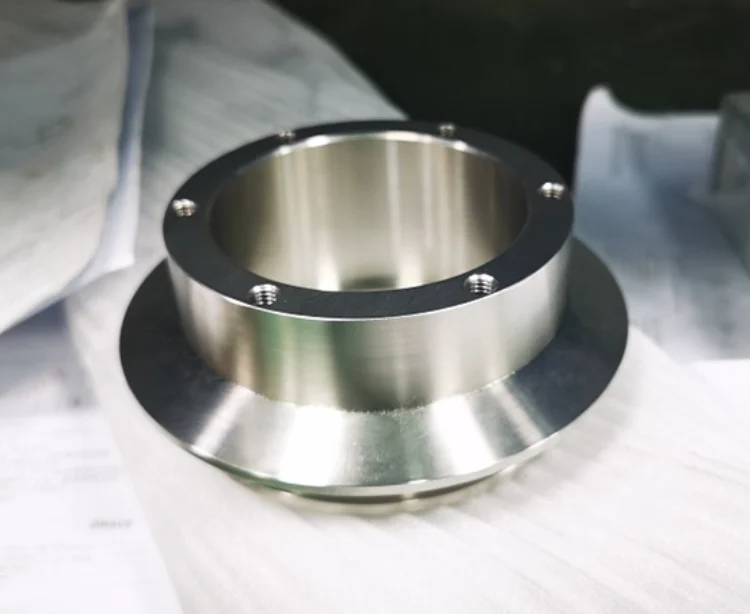
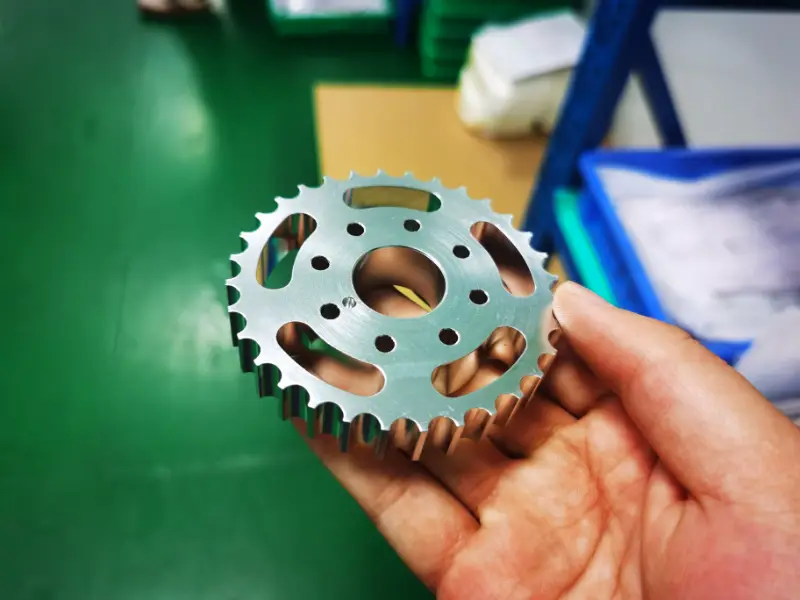
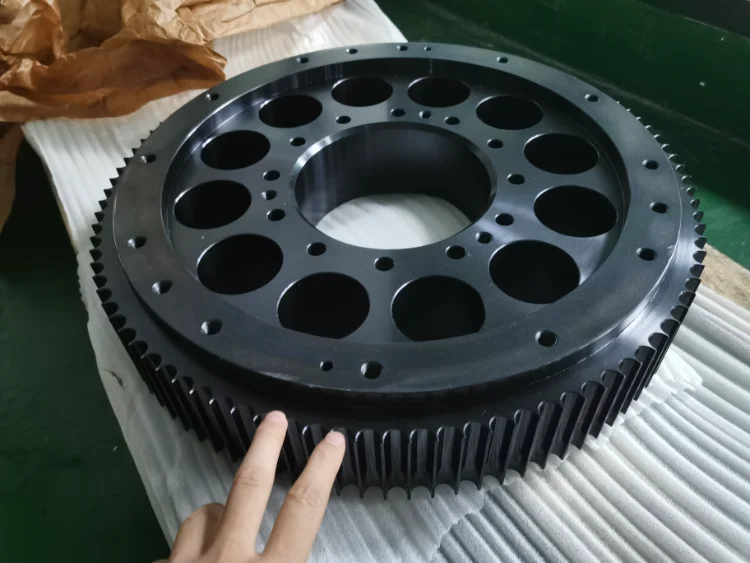
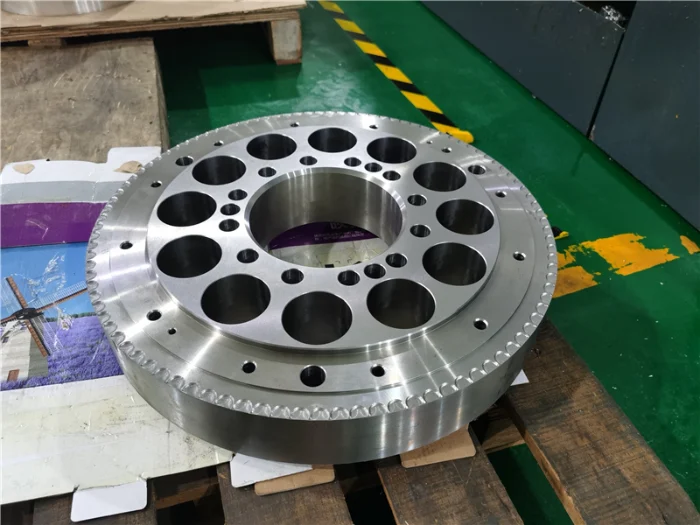
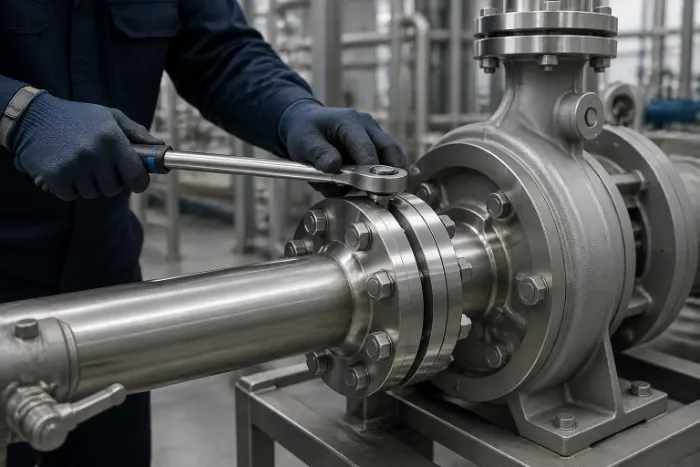
Op maat gemaakte, CNC-gefreesde flensonderdelen
Flangecomponenten van metaal en technische kunststof, vervaardigd volgens tekeningen van de klant.


Beoordeling van de aanvraag
Geef de flens aan op basis van de bedrijfsomstandigheden
Een bruikbaar citaat begint met de eisen ten aanzien van de aansluiting, de afdichting en de documentatie – niet alleen met de buitendiameter.
- 2D-tekening of 3D-CAD-bestand
- Materiaalsoort en -toestand
- Flensnorm en drukklasse
- Vereisten voor afdichtvlak en pakking
- Hoeveelheid en leveringsdoelstelling
- Omvang van de inspectie en documentatie
Veelgestelde vragen over het bewerken van flenzen