
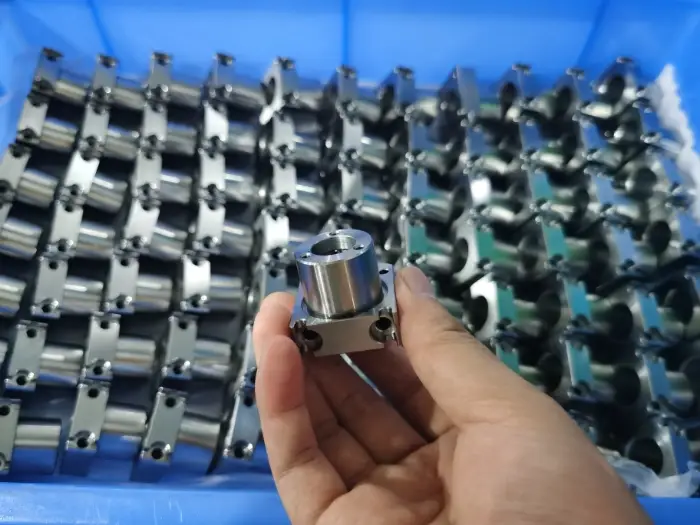
CNC-bewerkingsdiensten voor roestvrij staal
Custom stainless steel parts made to drawing, with grade selection, machining, finishing, and inspection matched to the application. From prototypes to repeat production, we review corrosion exposure, strength, wear, and critical dimensions before manufacturing.
- Grade-Specific Machining
- Van prototype tot productie
- Afwerking en keuring
Stainless Steel Properties Vary by Grade
Austenitic, martensitic, and precipitation-hardening grades offer different combinations of corrosion resistance, strength, and hardness. These broad ranges cover selected common material conditions.
- Dichtheid
- 7.7–8.0g/cm³
- Treksterkte
- 500–1,400MPa
- Vloeigrens
- 190–1,200MPa
- Rek
- 5–60%
- Elasticiteitsmodulus
- 190–205GPa
- Hardheid
- Grade-SpecificSpecify HB or HRC and condition
Reference values are not design allowables or a single grade specification. Confirm alloy, product form, heat treatment, test method, and material certification for the required condition.
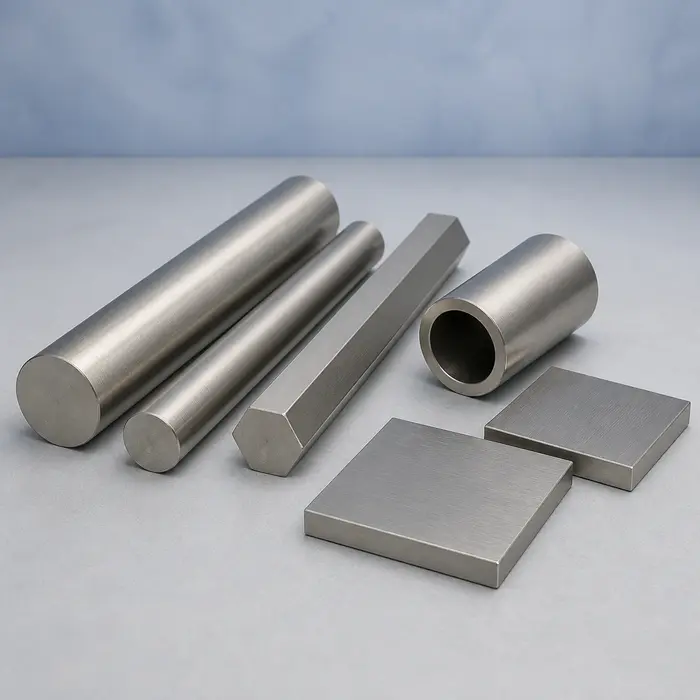
Choose the Stainless Steel Grade for the Job
Match the material to service conditions, machining needs, heat treatment, and the specified finish.
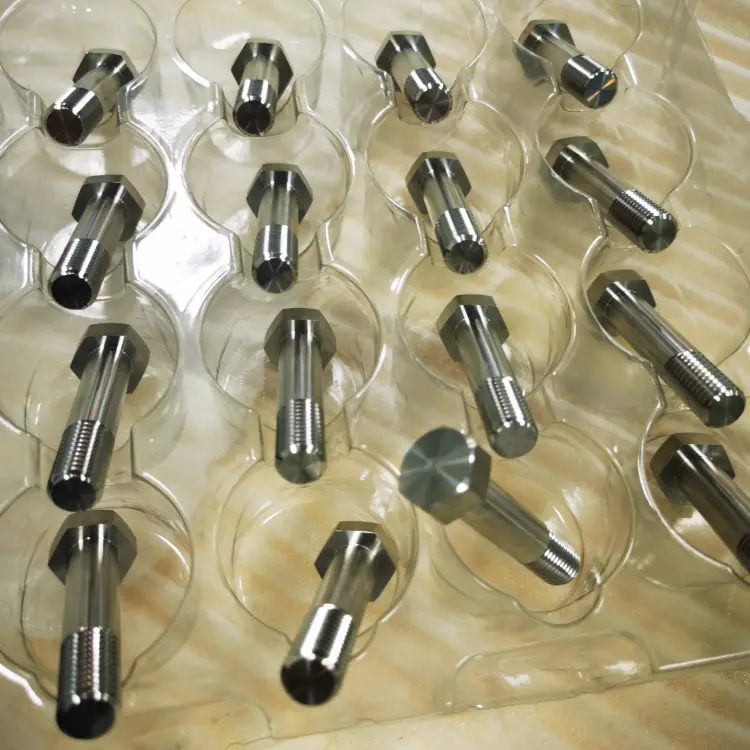
304 / 304L
General-purpose austenitic grades with useful corrosion resistance, formability, and weldability. The lower carbon content of 304L reduces sensitization risk during welding.
Applications & machining notes
- Standaardonderdelen
- Fittings, brackets, housings, fasteners, and food or fluid-handling components where the grade suits the service conditions.
- Machining considerations
- Control work hardening and heat with sharp tools, rigid workholding, consistent feed, and effective coolant. Avoid rubbing or dwelling at the cutting edge.
- Afwerkingsopties
- Passivation, polishing, and brushing. Define roughness, cosmetic faces, cleanliness, and inspection requirements separately.
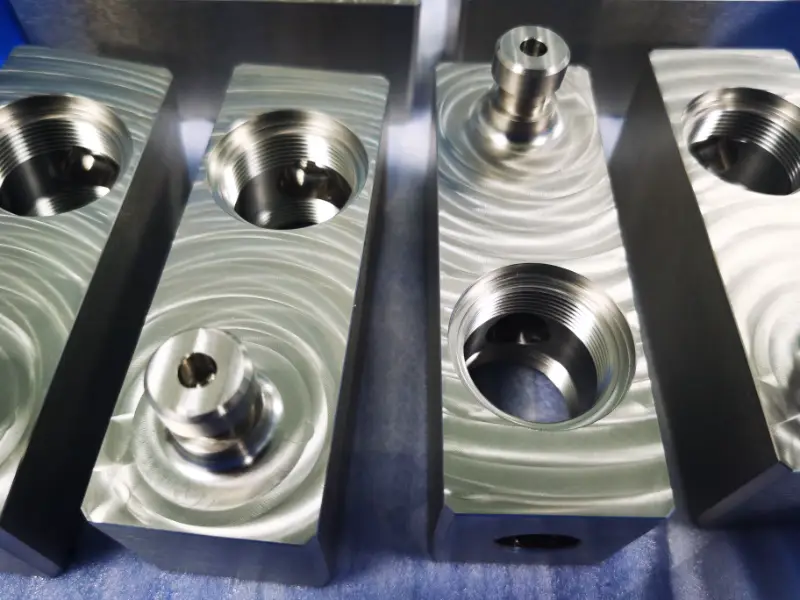
316 / 316L
Molybdenum improves resistance to pitting and crevice corrosion compared with 304 in many chloride-containing environments. Selection still depends on chloride level, temperature, chemistry, and part design.
Applications & machining notes
- Standaardonderdelen
- Pump and valve components, fittings, and chemical or hygienic equipment. Marine use requires a review of exposure and crevice conditions.
- Machining considerations
- Plan for work hardening, heat, and chip control. Compare stock condition and tooling rather than assuming one fixed machinability ranking against 304.
- Afwerkingsopties
- Passivation, polishing, or electropolishing to the specified surface and dimensional requirements. Low carbon in 316L reduces weld sensitization risk.
- Material guide
- Explore 316 stainless steel →
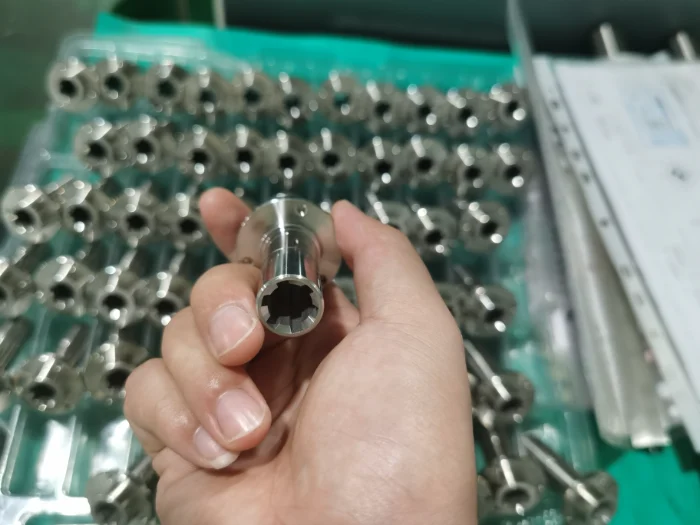
17-4 PH
A precipitation-hardening stainless steel used where high strength and useful corrosion resistance are required. The specified aging condition determines the balance of strength, toughness, and service performance.
Applications & machining notes
- Standaardonderdelen
- Loaded shafts, valve components, mechanical hardware, and precision mechanisms with defined strength and heat-treatment requirements.
- Machining considerations
- Define the incoming and final material conditions. Plan machining, aging, and final finishing together; heat-treatment movement can affect critical dimensions.
- Afwerkingsopties
- Passivation, polishing, or precision grinding as required. Aging is a heat-treatment operation, not a surface finish.
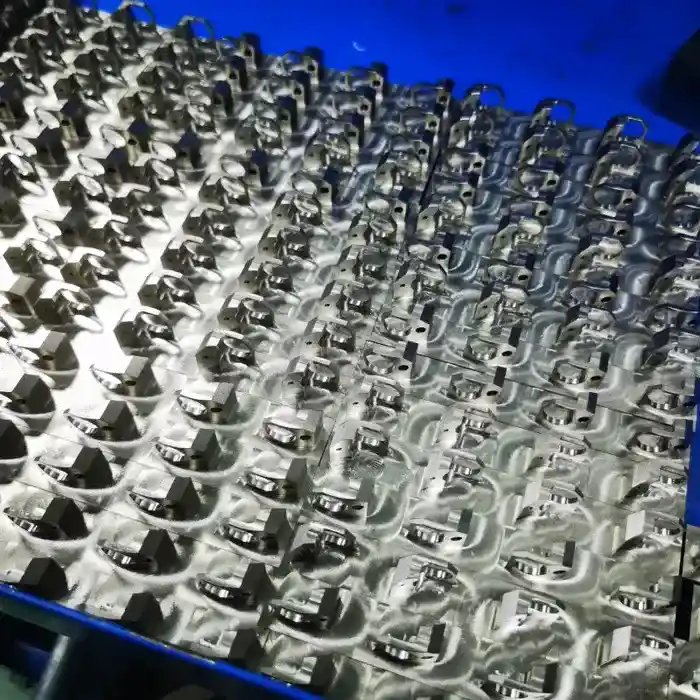
303
A free-machining austenitic grade with sulfur additions that improve chip breaking and machinability. Its corrosion resistance, ductility, and weldability are generally lower than those of 304.
Applications & machining notes
- Standaardonderdelen
- Turned fasteners, fittings, shafts, bushings, and repeat-production components where the service environment permits.
- Machining considerations
- Useful for repetitive turned features and chip control. Review corrosion exposure and welding requirements before substituting 303 for another austenitic grade.
- Afwerkingsopties
- Brushing, polishing, or a grade-appropriate passivation process. Passivation does not make 303 equivalent to 304 or 316 in corrosion performance.

420
A hardenable martensitic grade for wear resistance and edge retention. Final hardness and corrosion behavior depend on the exact composition, heat treatment, and surface condition.
Applications & machining notes
- Standaardonderdelen
- Wear components, tooling, blades, and mechanical parts with a specified hardness and compatible corrosion environment.
- Machining considerations
- Plan the machining condition, hardening and tempering sequence, finishing allowance, and final inspection. Tight features may require grinding after heat treatment.
- Afwerkingsopties
- Grinding, polishing, and an appropriate passivation process. Specify the final hardness and condition rather than the grade name alone.
Specify the exact grade, product form, material condition, and required records. Stainless steel is corrosion-resistant within suitable service conditions; no grade is universally resistant to every environment.
Drawing-Based Stainless Steel Machining
Review geometry, grade, material condition, workholding, and measurement requirements before confirming the production route.
Machining Capability References
| Freesbereik | Up to 2000 × 1000 × 800 mm*Subject to stock, workholding, tool access, and usable machine travel. |
|---|---|
| Machining length | Up to 3000 mm*Confirmed for the specific process, part geometry, and support arrangement. |
| Draaidiameter | Ø3–Ø500 mm*Diameter and length limits require a combined setup and rigidity review. |
| Selected dimensional tolerance | ±0.01 mm*For agreed critical features after engineering and inspection review. |
| Oppervlakteruwheid | Ra 0.2–1.6 µm*Process-dependent range. Finer values may require grinding or finishing beyond milling. |
| Selected cylindrical features | Cylindricity ≤0.01 mm*Requires suitable geometry, finishing, measurement, and acceptance conditions. |
Controls That Matter to the Part
Heat and Work Hardening
Match tooling, engagement, feed, and coolant to the grade and supplied condition. Avoid rubbing and uncontrolled heat buildup.
Rigidity and Chip Control
Plan stable clamping, tool reach, chip breaking, and evacuation to protect surfaces and maintain consistent dimensions.
Material and Surface Integrity
Specify heat treatment and finishing in sequence. Control iron contamination, burrs, surface damage, and any required cleaning.
Final Feature Inspection
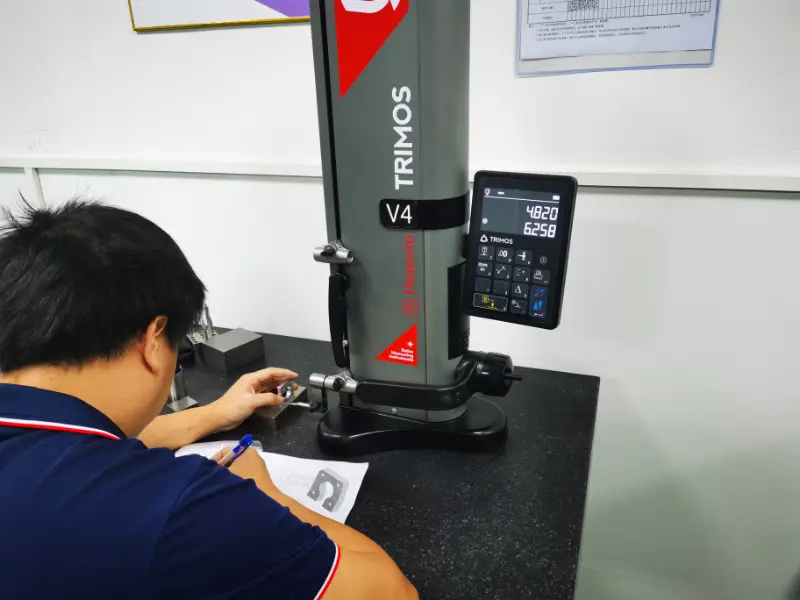
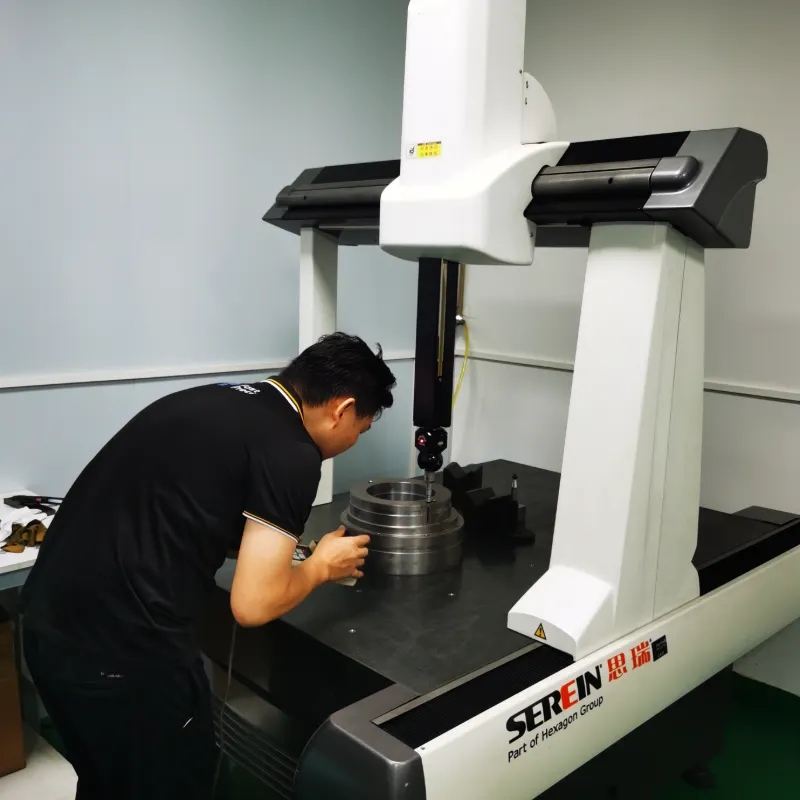
Define datums, fits, form tolerances, roughness, and measurement conditions, including acceptance after heat treatment or finishing.
*Planning references, confirmed against the drawing. Maximum size, length, minimum diameter, tight tolerances, cylindricity, and roughness should not be assumed achievable together.
Oppervlakteafwerkingen voor roestvrijstalen onderdelen
Choose the finish around appearance, cleanliness, corrosion exposure, wear, and final dimensions.
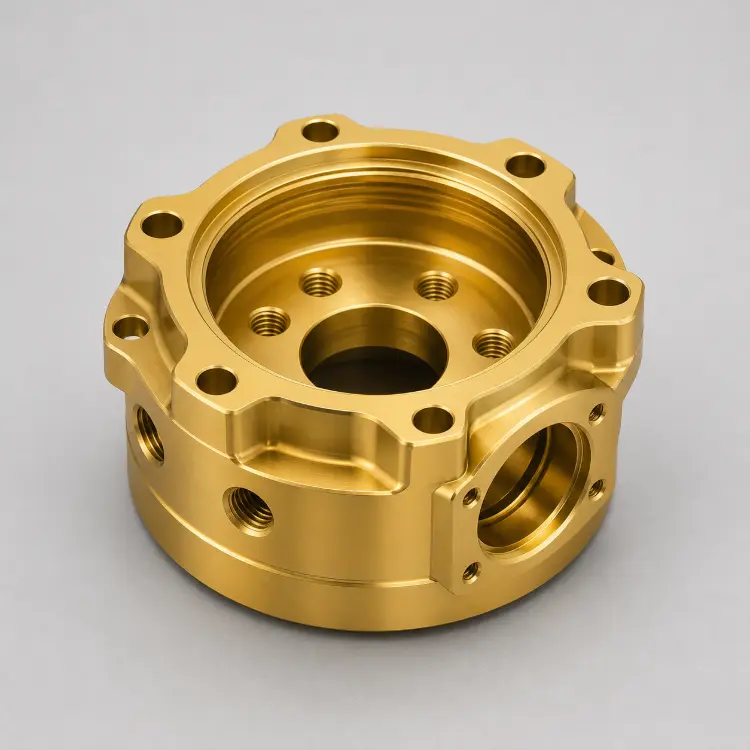
Gouden PVD-coating
Decorative gold-tone coating, with coating system, preparation, thickness, and functional surfaces agreed in advance.
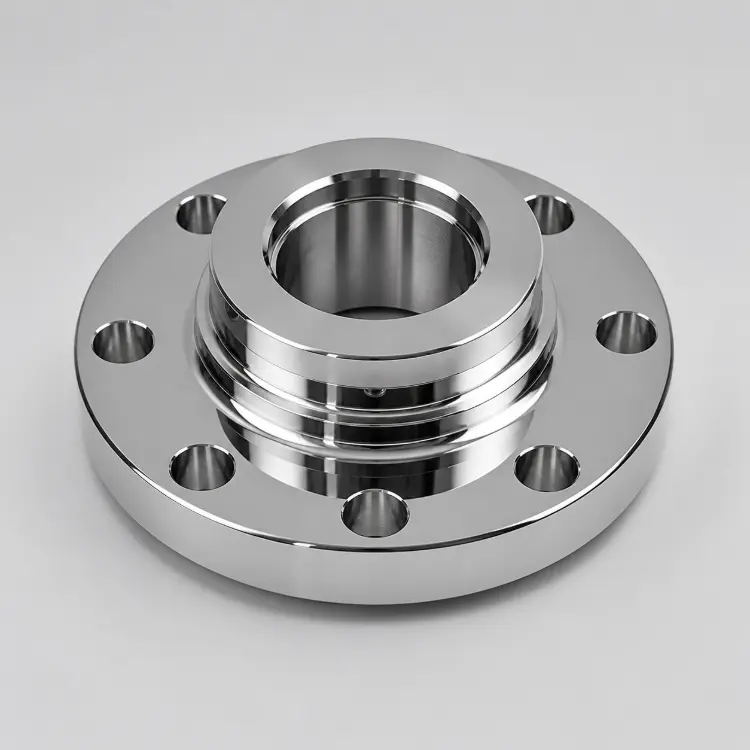
Spiegelpolijsten
Reflective surfaces to an agreed visual standard. Specify roughness separately and protect critical edges and fits.
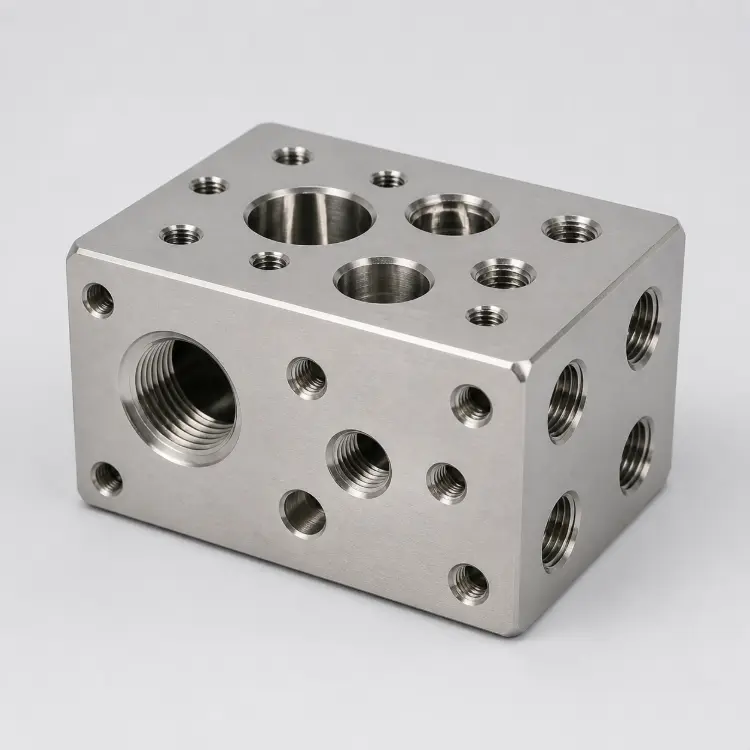
Beitsen en passiveren
Pickling removes scale and affected surface layers; passivation removes free iron. Specify the process appropriate to the grade.
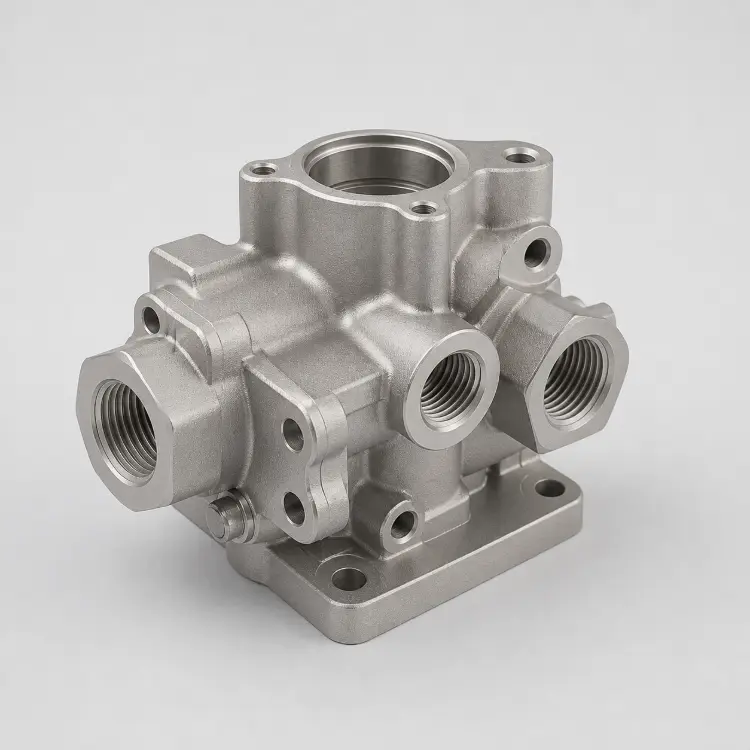
Parelstralen
Uniform matte texture using suitable clean media. Define masking and roughness; blasting does not replace passivation.
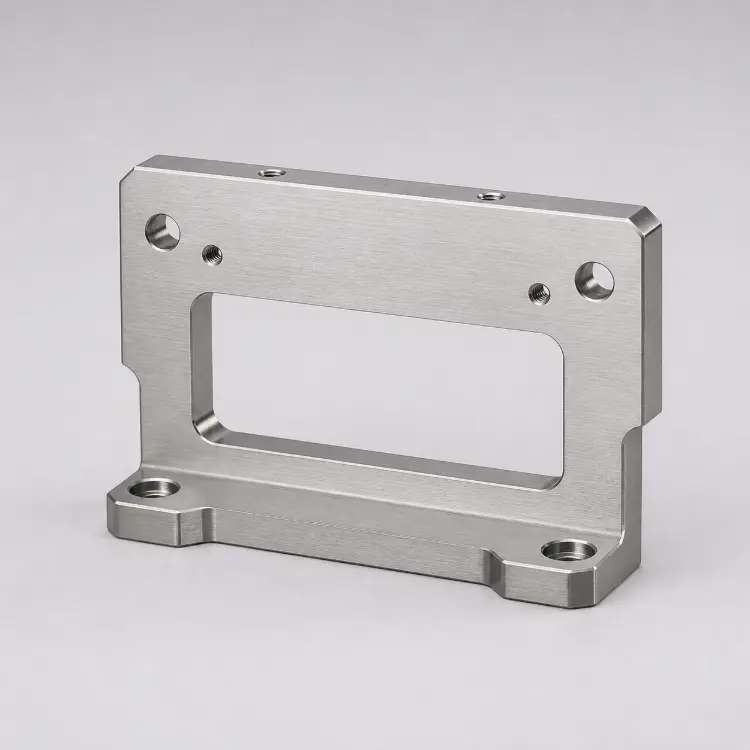
Geborstelde afwerking
Directional surface texture with agreed grain, visual reference, and protected faces. State roughness where function requires it.
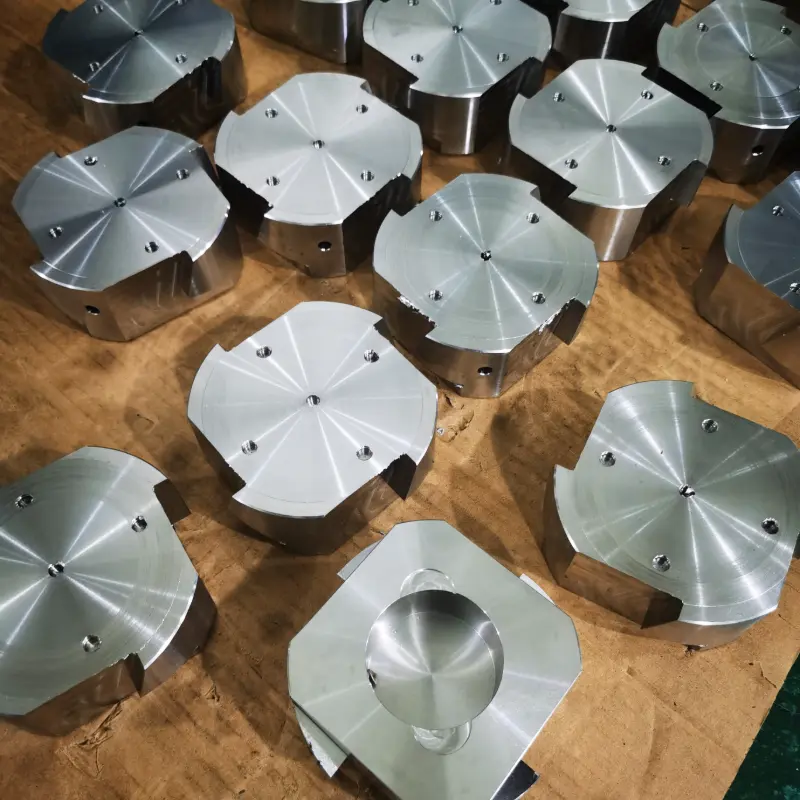
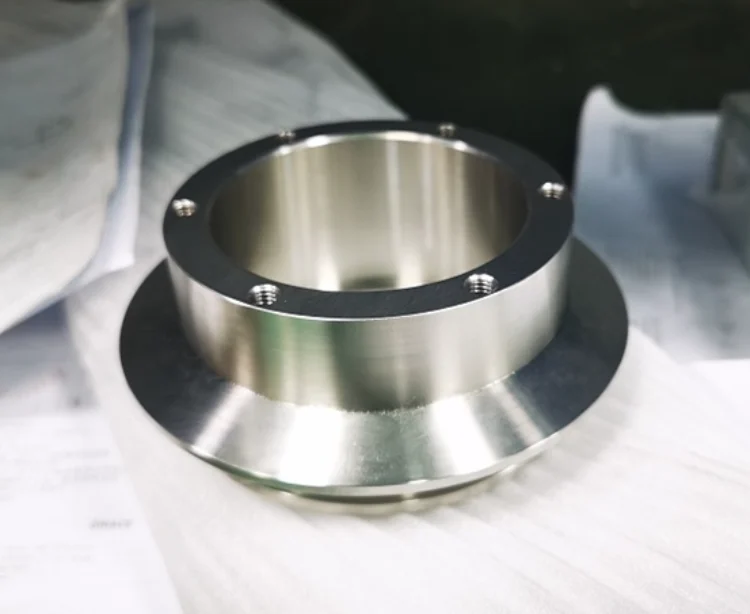
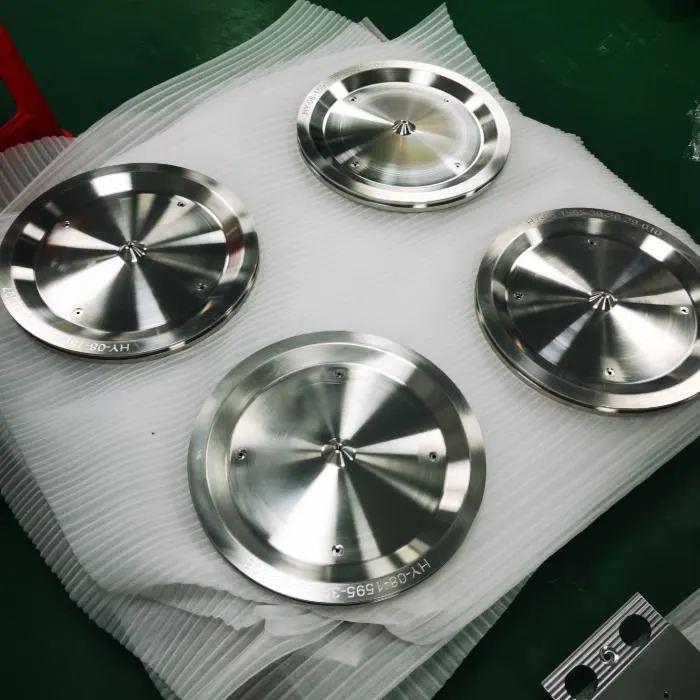
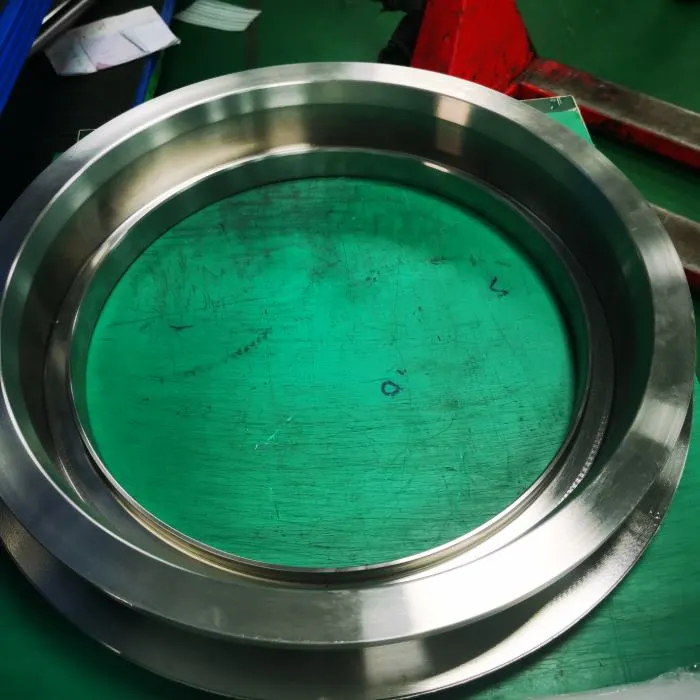
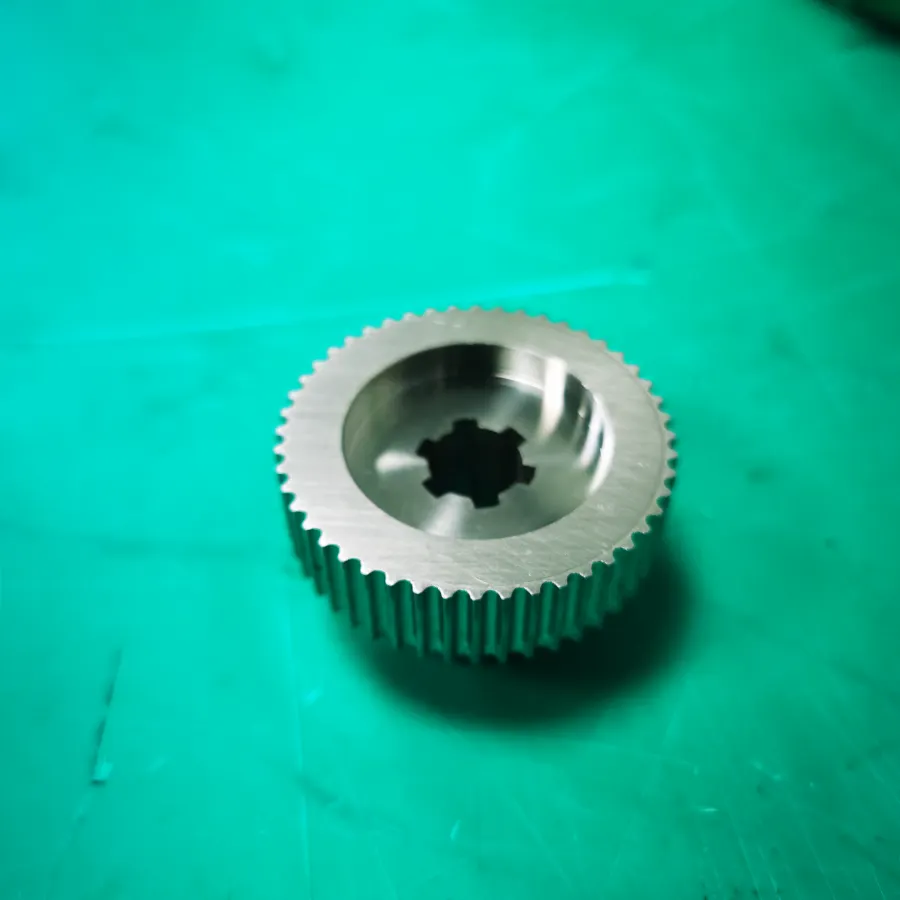
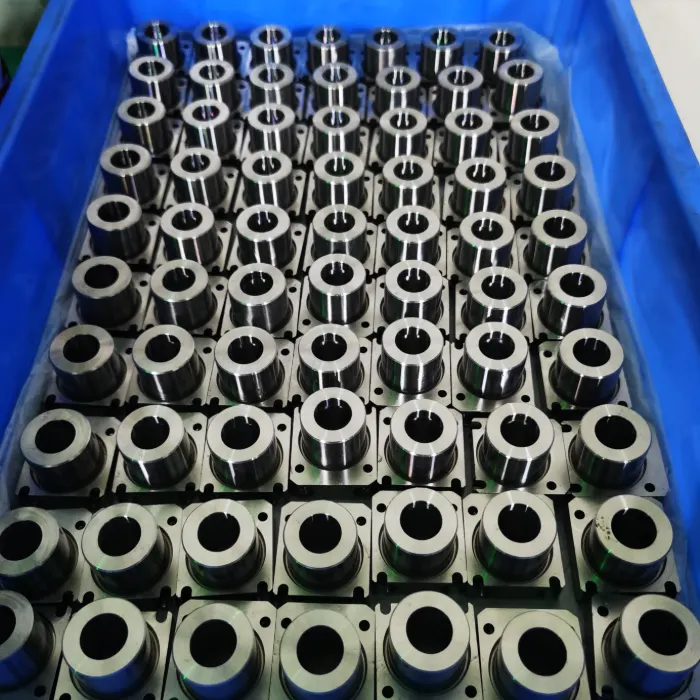
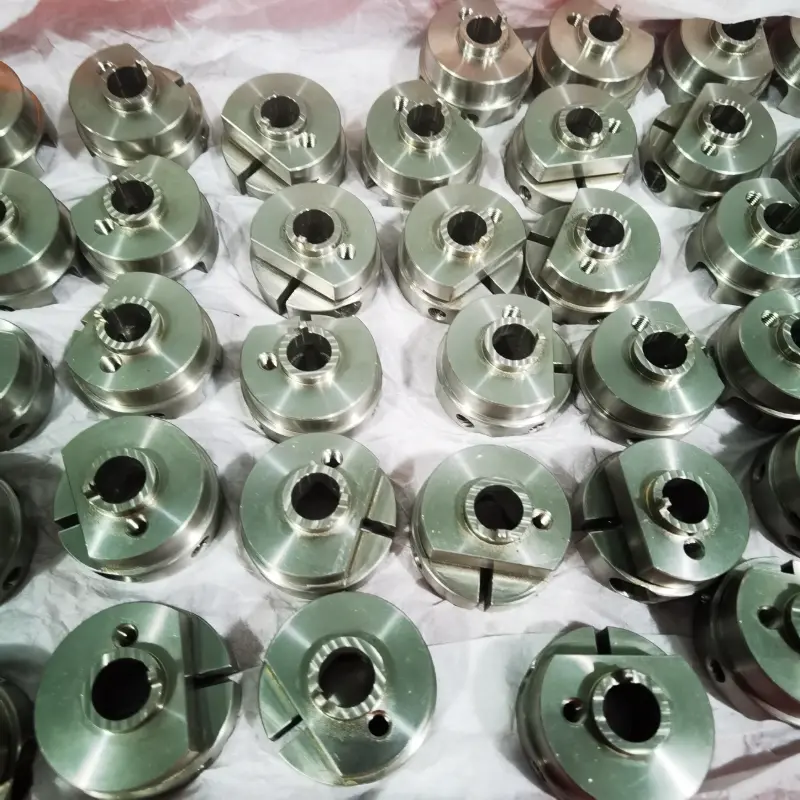
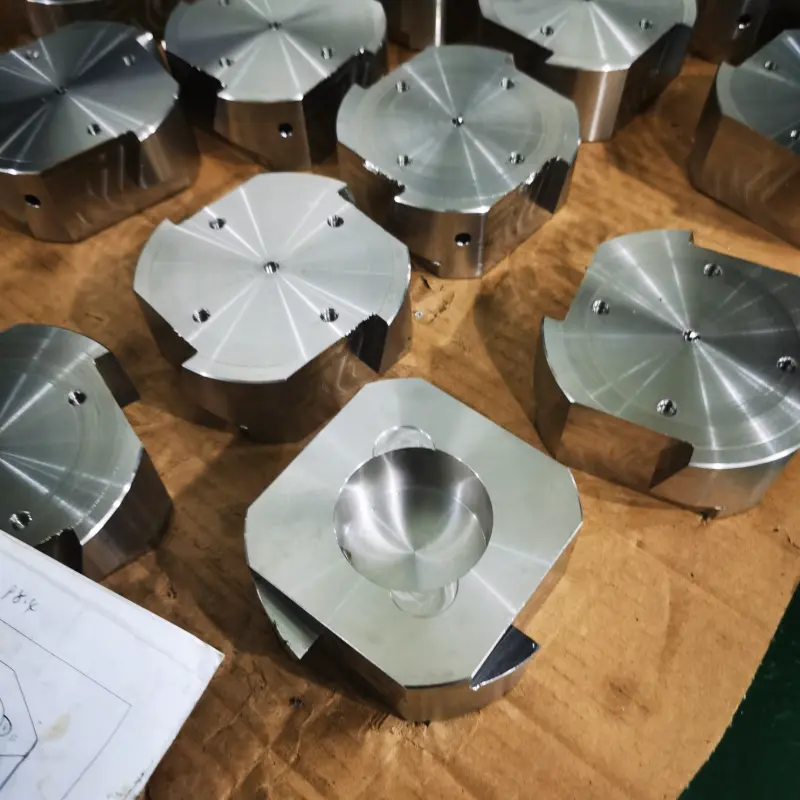
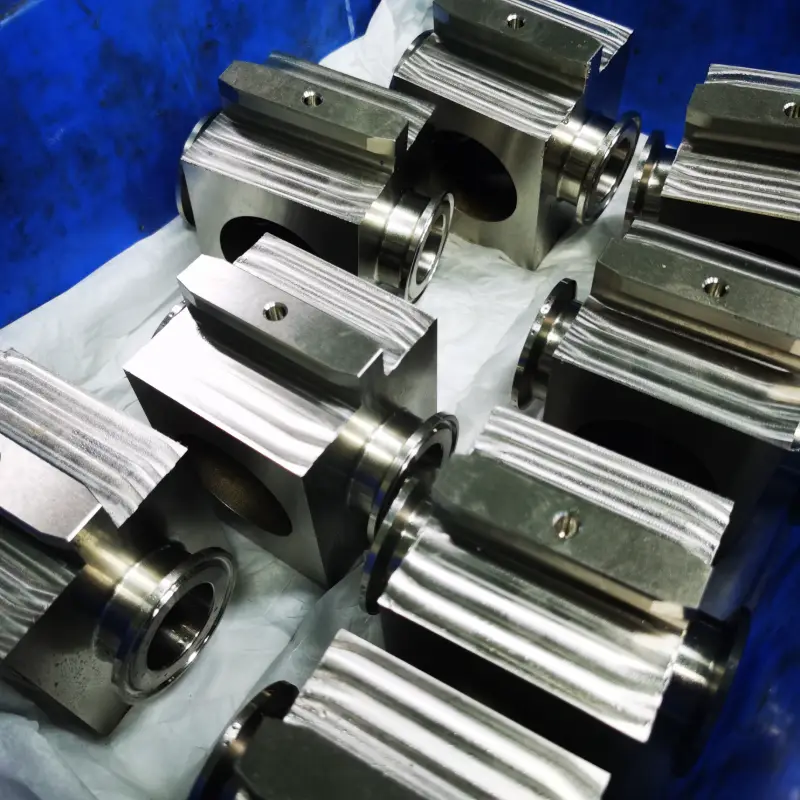
Weldo Stainless Steel Machining Projects
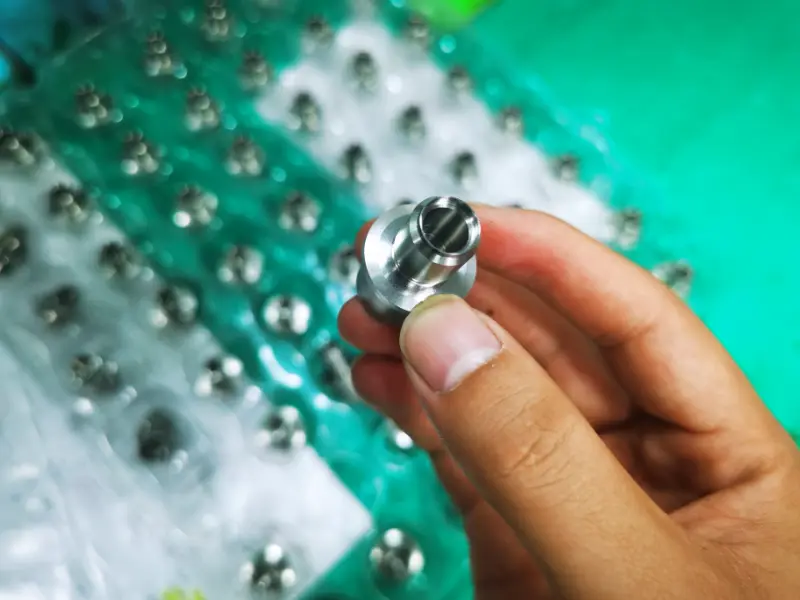
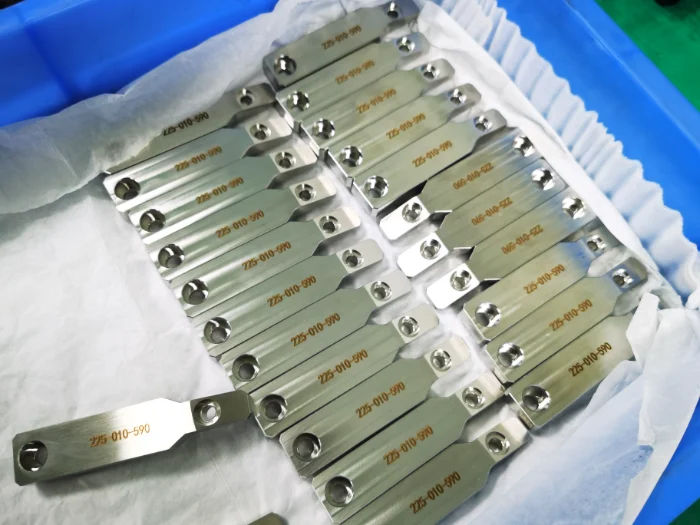
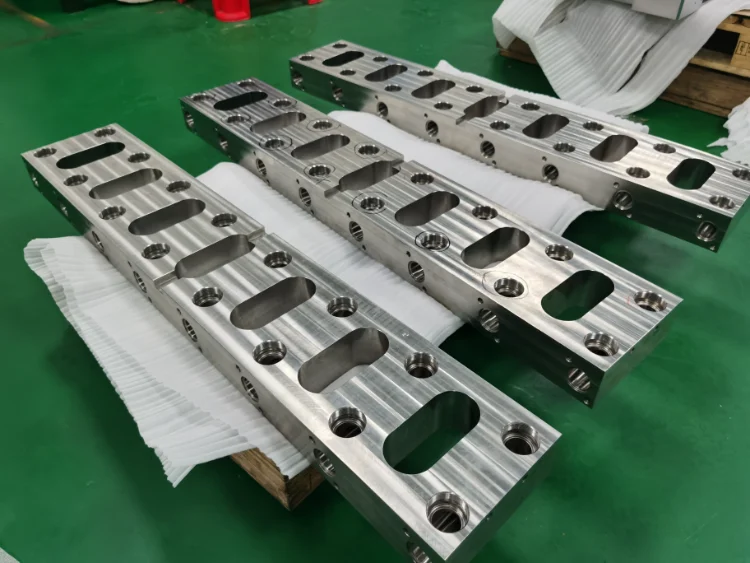
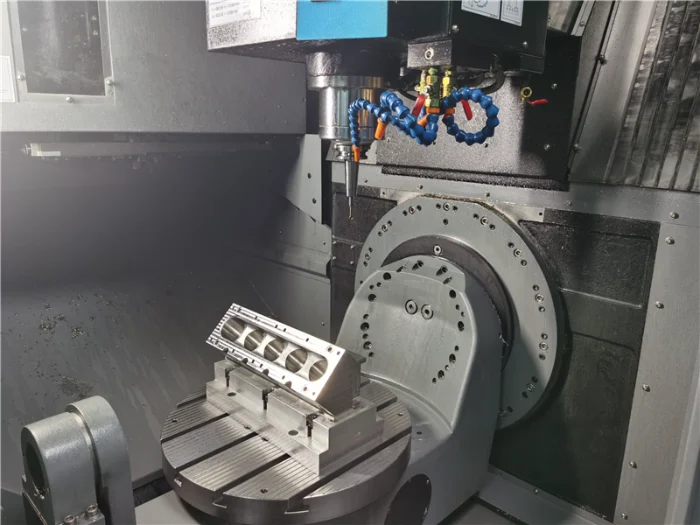
Examples of stainless steel machining projects completed by Weldo, including fittings, bushings, valve bodies, fixture blocks, and other custom components.

Machining and Inspection Resources
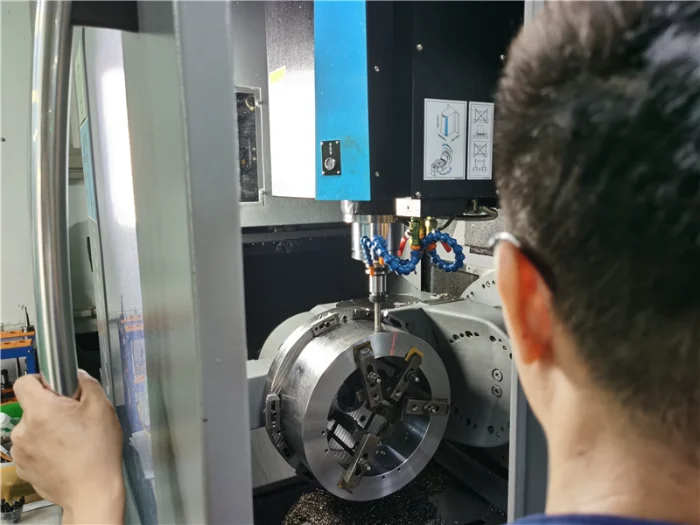
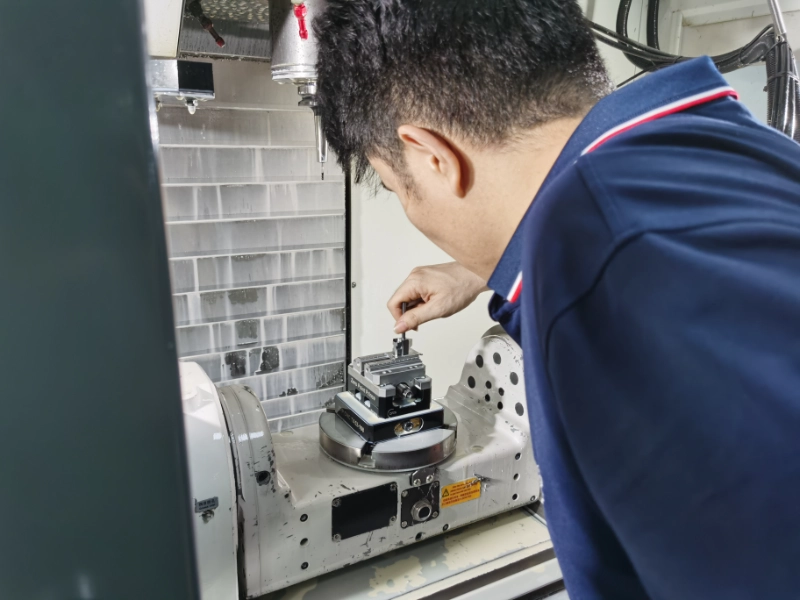
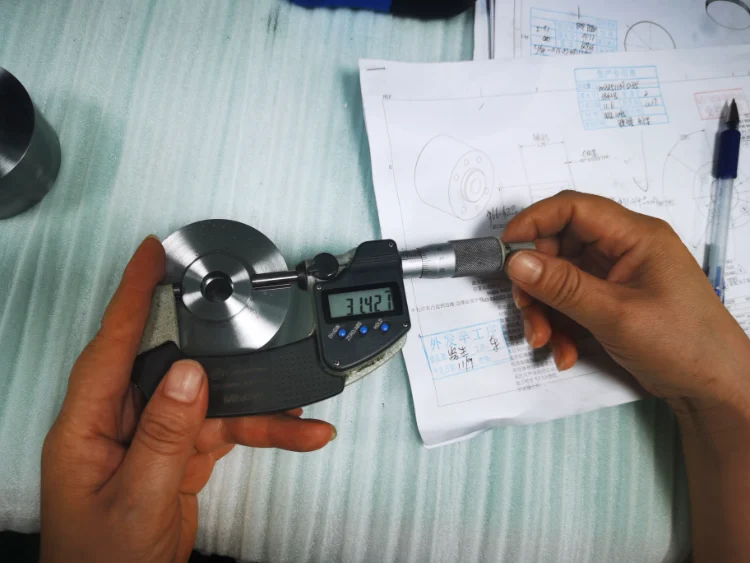
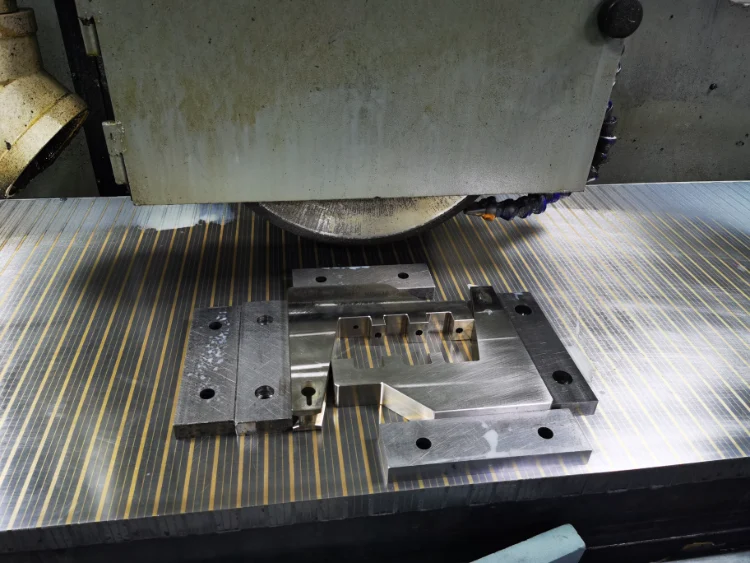
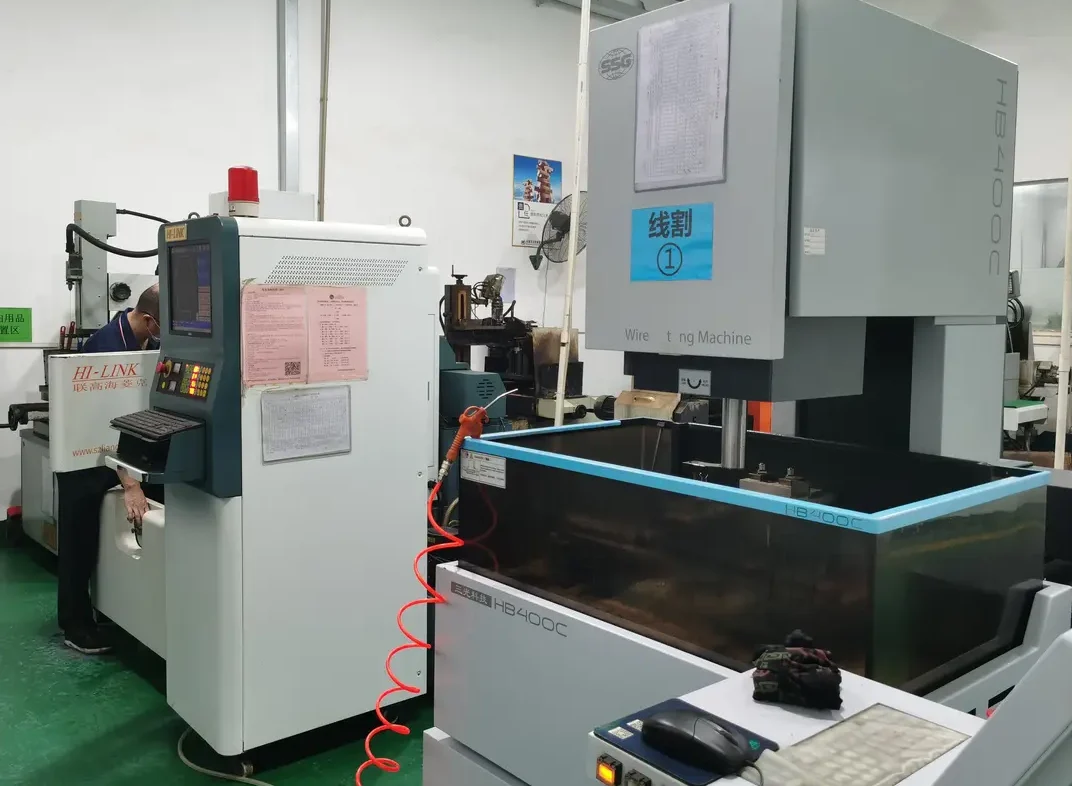
Machining, grinding, EDM, and dimensional inspection support the agreed manufacturing and acceptance requirements for stainless steel parts.
Stainless Steel Machining Questions
Is 304 or 316 easier to machine?
Both are austenitic grades that work-harden and require good heat and chip control. Their relative machinability depends on composition, supplied condition, product form, and tooling; some supplier ratings are similar. Choose the grade for the service environment, then develop the machining route.
What causes tool wear and dimensional movement?
Heat buildup, work hardening, rubbing, poor chip evacuation, and flexible setups can affect tool life and dimensions. Use suitable cutting tools, rigid workholding, consistent engagement, effective coolant, and a planned roughing and finishing sequence.
Waar wordt roestvrij staal van gemaakt?
Stainless steel is an iron-based alloy containing at least 10.5% chromium. A chromium-rich passive film supports corrosion resistance. Nickel, molybdenum, carbon, sulfur, and other additions change properties such as strength, machinability, weldability, and resistance to specific environments.
Can heat-treated stainless steel be machined?
Yes, when the grade, hardness, geometry, and tooling permit. For grades such as 17-4 PH and 420, define the incoming and final conditions, heat-treatment sequence, and finishing allowance. Grinding or final machining may be needed to achieve critical finished features.
Does stainless steel need passivation?
Specify passivation when required by the application, drawing, or purchase specification. A suitable process removes free-iron contamination and supports a clean passive surface. It does not replace correct grade selection, scale removal, or a defined corrosion acceptance requirement.