Hastelloy, als teures Legierungsmetall mit größerer Festigkeit und Zähigkeit als Edelstahl, nimmt eine sehr wichtige Position im High-End-Fertigungsbereich ein. Es kann in Hochtemperaturumgebungen eine gute Festigkeit aufrechterhalten, ist nicht leicht zu deformieren und besitzt eine starke Oxidations- und Reduktionsbeständigkeit, wodurch es den Anforderungen in verschiedenen extremen Umgebungen gerecht wird. Nachfolgend geben wir eine systematische Erklärung dieses Materials.
Was ist Hastelloy
Hastelloy ist eine Hochleistungslegierung mit Korrosionsbeständigkeit, basierend auf Nickelmetall, mit Zugabe von Chrom, Molybdän und Wolfram, die bei etwa 1000°C gleichmäßig verschmolzen werden. Die natürliche Farbe des Metalls ist silberweiß, aber nach Hochtemperaturbehandlung oder anderen spezifischen Verarbeitungen bildet sich eine dunkelgoldene Tiger-Muster-Oxidschicht auf der Oberfläche. Hastelloy-Materialien werden hauptsächlich in drei Kategorien eingeteilt: B, C und G. Es wird hauptsächlich in stark korrosiven Umgebungen eingesetzt, in denen eisenbasierte Cr-Ni- oder Cr-Ni-Mo-Edelstähle und Nichtmetallmaterialien nicht verwendet werden können. Es wurde im Ausland in den Bereichen Erdöl, Chemie, Umweltschutz und vielen anderen Bereichen weit verbreitet angewendet.
Wie man Hastelloy herstellt
Der Herstellungsprozess von Hastelloy beginnt in der Regel mit der strengen Auswahl hochreiner Rohstoffe wie Nickel, Chrom und Molybdän. Diese werden dann einer Vakuum-Induktionsschmelze (VIM) bei etwa 1450–1550°C unterzogen (Vakuumniveau etwa 10⁻³–10⁻⁴ Torr). Falls erforderlich, wird eine Vakuum-Arc-Remelting (VAR) zur weiteren Veredelung eingesetzt, um den Verunreinigungsgehalt zu reduzieren und die strukturelle Homogenität zu verbessern.
Nach dem Schmelzen wird das Legierungsmaterial in Blöcke gegossen, dann bei etwa 1200–1250°C (Schmiedeverhältnis in der Regel ≥4:1) verformt, gefolgt von Warmwalzen oder Warmextrusion, um Körner zu verfeinern und die Dichte zu verbessern. Anschließend erfolgt eine Lösungsglühtung bei 1050–1150°C (für etwa 30–60 Minuten gehalten und schnell abgekühlt zum Anlassen). Einige Sorten erfordern auch eine Alterung, um verstärkende Phasen auszuscheiden. Schließlich werden Oberflächenreinigung und Inspektionen der chemischen Zusammensetzung, mechanischen Eigenschaften und Korrosionsbeständigkeit durchgeführt, um sicherzustellen, dass das Legierungsmaterial den Anwendungsstandards entspricht.
Hastelloy-Zusammensetzung
Hastelloy verwendet drei Kategorien von Sorten: B/C/G, da ihre Materialzusammensetzungsverhältnisse unterschiedlich sind, um den Anforderungen verschiedener Umgebungen gerecht zu werden.
Hastelloy B-2 (N10665)
B-2 ist eine typische Hoch-Molybdän-, Niedrig-Chrom-Nickel-Legierung, mit Nickel (etwa 70%) als Matrix, sehr hohem Molybdängehalt (26%–30%) und extrem niedrigem Chromgehalt (≤1%). Diese Zusammensetzung verleiht ihm eine ausgezeichnete Korrosionsbeständigkeit in stark reduzierenden Umgebungen (wie Salzsäure), aber eine vergleichsweise schwächere Leistung in oxidierenden Umgebungen. Das Gesamtmerkmal ist “hohes Mo, niedriges Cr”.
Hastelloy B-3 (N10675)
B-3 ist eine optimierte Version basierend auf B-2, mit etwa 65% Nickel + hohem Molybdän (28%–32%), während Chrom (1%–3%) angemessen erhöht und die Legierungselementkontrolle verbessert wird. Seine Vorteile liegen in einer besseren thermischen Stabilität und einer stärkeren Beständigkeit gegen interkristalline Korrosion, was es für komplexere Arbeitsbedingungen geeignet macht. Insgesamt ist es eine “verbesserte Hoch-Mo-Legierung”.
Hastelloy C-276 (N10276)
C-276 ist eine typische Mehrkomponenten-Synergistische-Korrosionsbeständigkeit-Legierung. Basierend auf Nickel (etwa 57%), fügt es relativ hohen Chrom (14.5%–16.5%), Molybdän (15%–17%) und Wolfram (3%–4.5%) hinzu. Diese Kombination verleiht ihm eine hervorragende Korrosionsbeständigkeit in oxidierenden und reduzierenden Umgebungen, insbesondere eine herausragende Beständigkeit gegen Lochfraß und Spaltkorrosion. Hastelloy C276 ist eine der am weitesten verbreiteten allgemeinen Korrosionsbeständigkeitssorten.
Hastelloy C-22 (N06022)
Hastelloy C22 ist eine weiter verbesserte Version basierend auf Hastelloy C276. Es weist einen höheren Chromgehalt (20%–22.5%) + mittleres Molybdän (12.5%–14.5%) + Wolfram auf. Diese Anpassung verbessert signifikant seine Korrosionsbeständigkeit in stark oxidierenden Medien, während die gute Resistenz gegen lokale Korrosion erhalten bleibt. Es gehört zur “C-Serie Legierung, optimiert für oxidierende Umgebungen”.
Hastelloy G-30 (N06030)
G-30 zeichnet sich durch hohen Chromgehalt (30%–35%) + mittleren bis niedrigen Molybdängehalt (5%–7%) + hinzugefügtes Kupfer (2%–3%) aus, mit relativ niedrigem Nickelgehalt (etwa 43%). Dieses Zusammensetzungsdesign verleiht ihm hervorragende Leistung in stark oxidierenden Säuren (insbesondere Salpetersäure und fluoridhaltigen Umgebungen). Die Zugabe von Kupfer verbessert seine Anpassungsfähigkeit an bestimmte saure Medien und macht es zu einer typischen “hoch-Cr oxidationsbeständigen Legierung”.
Kurzfassung in einem Satz: Hastelloy B-Serie ist für starke reduzierende Korrosionsbeständigkeit (wie Salzsäure) ausgelegt, Hastelloy C-Serie erreicht ein Gleichgewicht der Korrosionsbeständigkeit in oxidierenden und reduzierenden Umgebungen, und G-Serie Hastelloy zeigt hervorragende Leistungen in oxidierenden Umgebungen.
Eigenschaften von Hastelloy
Physikalische Eigenschaften:
Dichte: Üblicherweise zwischen 8,6–9,2 g/cm³, gehört zu den hochdichten Metallmaterialien. Das bedeutet, es hat eine dichte Struktur und hohe Festigkeit, was es in Hochdruck-, Dichtungs- und korrosionsbeständigen Anlagen stabiler macht, aber auch das Gewicht der Komponenten erhöht.
Schmelzpunkt: Ca. 1325–1418°C, was eine gute Hochtemperaturbeständigkeit widerspiegelt. Ein hoher Schmelzpunkt bedeutet, dass das Material bei hohen Temperaturen nicht leicht erweicht oder versagt (wie in chemischen Reaktoren und Wärmeaustauschgeräten).
Wärmeleitfähigkeit: Ca. 9–11 W/(m·K) bei Raumtemperatur, steigend auf etwa 18–19 W/(m·K) bei zunehmender Temperatur. Dies zeigt eine mäßige bis niedrige Wärmeleitfähigkeit, was hilft, schnelle Wärmeübertragung in hochtemperaturigen korrosiven Umgebungen zu verlangsamen und die Systemstabilität zu verbessern.
Spezifische Wärmekapazität: Ca. 370–425 J/(kg·K), leicht steigend mit der Temperatur. Das Material erwärmt sich nach Wärmeaufnahme langsamer, was hilft, Temperaturschwankungen abzufedern und eine gute thermische Stabilität zu gewährleisten.
Elektrischer Widerstand: Ca. 1,2–1,37 μΩ·m (oder etwa 137 μΩ·cm), gehört zu den relativ hochwiderstandsfähigen Materialien. Dies zeigt eine schlechte elektrische Leitfähigkeit, kann aber in bestimmten korrosionsbeständigen elektrischen oder Heizungsanwendungen vorteilhaft sein.
Elastischer Modul: Ca. 200–217 GPa, leicht abnehmend bei steigender Temperatur. Das Material besitzt eine hohe Steifigkeit und geringe Verformung unter Belastung.
Wärmeausdehnungskoeffizient: Ca. 10,3–12,4×10⁻⁶/K, mit kaum Veränderung bei steigender Temperatur. Das bedeutet, dass das Material bei Temperaturschwankungen kleine Dimensionsänderungen durchläuft, was hilft, die Dimensionsstabilität und Dichtungsleistung in thermischen Zyklen aufrechtzuerhalten.
Mechanische Eigenschaften:
Zugfestigkeit: Im Allgemeinen zwischen 690–960 MPa. Je höher der Wert, desto stärker die Tragfähigkeit, was es für Hochdruck- und Hochbelastungsbedingungen geeignet macht.
Streckgrenze (0,2TP3T-Versatz): Üblicherweise im Bereich von 283–417 MPa, was auf eine gute strukturelle Stabilität hinweist.
Dehnung (A5): Ca. 40%–53%. Es besitzt gute Plastizität und Zähigkeit, erlaubt große Verformungen vor Bruch, macht es weniger anfällig für sprödes Versagen und geeignet für komplexe Verarbeitung und stoßfeste Bedingungen.
Härte: Ca. HBW 90–110 HRB. Mittlere Härte, bietet Verschleißfestigkeit bei gleichzeitig guter Bearbeitbarkeit (wie Kaltumformung und Schweißen).
Elektrische Eigenschaften:
Die elektrischen Eigenschaften von Hastelloy variieren leicht je nach Legierung, zeigen aber insgesamt eine relativ hohe Resistivität (etwa 1,2–1,4 μΩ·m oder entsprechend) und geringe Leitfähigkeit, deutlich niedriger als Kupfer und Aluminium, aber besser als gewöhnlicher Edelstahl. Der Widerstand steigt bei steigender Temperatur leicht an, was eine gute Hochtemperaturstabilität zeigt. Gleichzeitig ändern sich in stark korrosiven Umgebungen wie starken Säuren, Laugen und chlorhaltigen Medien die elektrischen Eigenschaften kaum und bleiben über lange Zeit stabil. Daher eignet es sich für elektrische Verbindungen, Sensoren und funktionale Komponenten unter Hochtemperatur- und stark korrosiven Bedingungen.
Korrosionsbeständigkeit
Verschiedene Serien von Hastelloy haben ihren eigenen Fokus in der Korrosionsbeständigkeit:
B-Serie (wie B-2, B-3) verfügt über eine äußerst starke Korrosionsbeständigkeit gegenüber stark reduzierenden Medien wie Salzsäure und Flusssäure, zeigt jedoch in oxidierenden Umgebungen vergleichsweise schwache Leistungen;
C-Serie hat die stärkste Gesamteigenschaft, wobei C-276 für eine Vielzahl von gemischten oxidierenden und reduzierenden Umgebungen geeignet ist, C-22 in stark oxidierenden Medien besser abschneidet, und C-2000 sowohl in oxidierenden als auch in reduzierenden Umgebungen eine Top-Korrosionsbeständigkeit aufweist;
G-Serie (wie G-30), unter dem Einfluss von hohem Chrom, zeigt herausragende Korrosionsbeständigkeit gegenüber oxidierenden Mischsäuren wie Phosphorsäure und Schwefelsäure.
Insgesamt basiert Hastelloy auf Elementen wie Cr, Mo und W, die eine stabile Schutzschicht bilden, die effektiv gegen Gleichmäßige Korrosion, Lochfraßkorrosion, Spaltkorrosion und Spannungsrisskorrosion schützt. Die spezifische Auswahl muss umfassend anhand der Mediumeigenschaften, Temperatur und Konzentration bestimmt werden.
Häufige Formen von Hastelloy
Die anfängliche verarbeitete Form von Hastelloy sind Brammen, die anschließend durch Walzen, Schmieden, Extrusion und Ziehen in Platten, Rohre, Stäbe und andere Formen umgewandelt werden, um sie anschließend weiterzuverarbeiten und zu verwenden. Im Folgenden sind die gängigen Formen von Hastelloy aufgeführt:
1. Stäbe & Profile
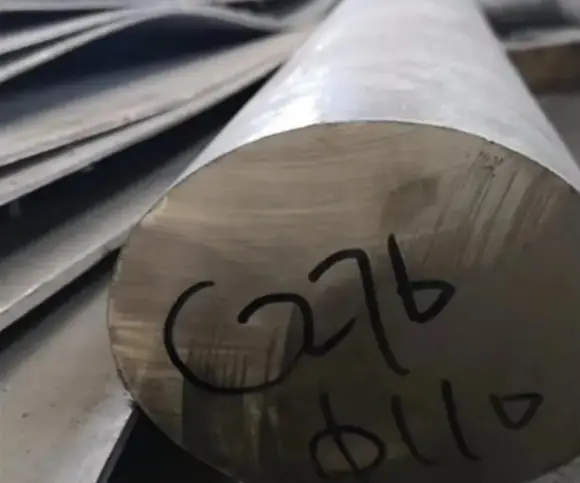
Rundstäbe: Dies ist die häufigste Form von Hastelloy. Mit hoher Festigkeit und Beständigkeit gegen Säure, Alkalien und Korrosion wird sie zur Herstellung von Kernübertragungskomponenten wie Pumpenwellen und Ventilstemmen sowie hochfesten Schrauben, Muttern und anderen Befestigungs- und Elektroden verwendet.
Spezialgeformte Stäbe: Einschließlich hexagonaler, quadratischer und rechteckiger Querschnitte, die entwickelt wurden, um spezifische Montage- und Strukturanforderungen zu erfüllen und nachfolgende Bearbeitung zu reduzieren. Wird häufig für die Herstellung von Schwerlastmuttern, Ventilgriffen, Schlüsseln, Schiebern und speziellen unterstützenden Strukturkomponenten verwendet.
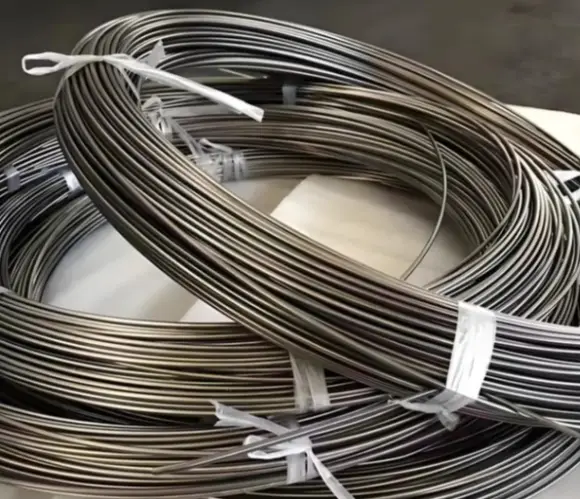
Draht: Wird üblicherweise in Spulenform geliefert, mit ausgezeichneter Flexibilität und Schweißkontinuität. Wird als Schweißdraht verwendet, um sicherzustellen, dass die Schweißnaht die gleiche Korrosionsbeständigkeit wie das Grundmaterial aufweist. Wird auch zur Herstellung von Präzisionsfedern, Drahtgeflechten und Filterelementen in stark korrosiven Umgebungen eingesetzt.
2. Platten, Blätter & Streifen
Platten (Hastelloy-Platten): Dicke 0,5 mm - 150 mm, Hastelloy-Dünnplatten und mittel-dicke Platten, oberflächenbehandelt durch Beizen, Schleifen oder Polieren. Hastelloy-Metallplatten können korrosionsbeständige Barrieren bieten und werden in Reaktordruckbehältern, Wärmetauscherröhrenscheiben und -gehäusen, Tankinnenauskleidungen, Schornsteininnenauskleidungen sowie schweren Flanschen und Rohrleitungssystemen eingesetzt.
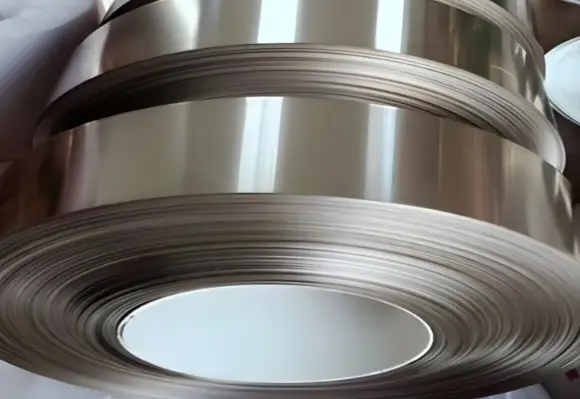
Hastelloy-Streifen: Schmale und dünne Hastelloy-Spulen, hauptsächlich für Faltenbälge oder gestanzte Teile verwendet. Mit guter Flexibilität und Maßgenauigkeit, geeignet für kontinuierliche Stanzprozesse, hauptsächlich zur Herstellung von Metallfaltenbälgen (Ausdehnungsfugen), Dichtungsdichtungen, Federunterlegscheiben, Kabelummantelungen und verschiedenen präzisen gestanzten Strukturteilen.
Hastelloy-Folie: Äußerst dünne Hastelloy-Folie (meist weniger als 0,1 mm), verwendet in Präzisionsinstrumenten. Mit ultradünnen Eigenschaften und hoher spezifischer Oberfläche, ist die Oberfläche frei von Poren und hat eine gute Glätte. Wird häufig für die Isolierung von Spurmedien oder hochpräzise Sensoren verwendet. Einsatz in Hochtemperatur-/starken Korrosionsumgebungen für Dichtungsfolien, Präzisionssensor-Diaphragmen, Batteriestromabnehmer, elektromagnetische Abschirmlagen und Isolationsschichten in der Nuklearindustrie.
3. Rohre & Röhren
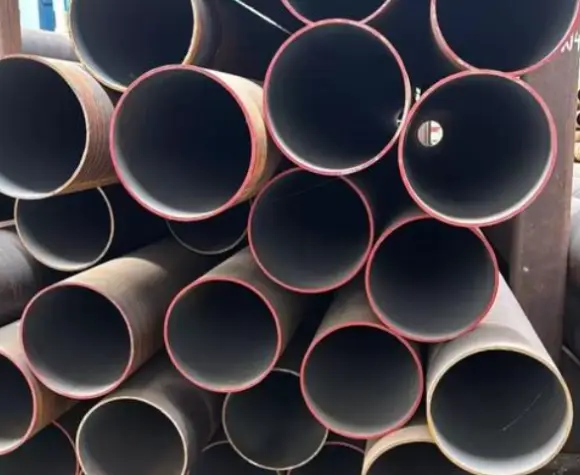
Nahtlose Rohre: Hergestellt aus massiven Hastelloy-Barren durch Warmumformung und Kaltwalzen, ohne Schweißnähte über die gesamte Länge und mit einer einheitlichen und dichten Struktur. Nahtlose Hastelloy-Rohre werden in Hochdruckleitungen in chemischen Anlagen, Kernkraftwerkskühlungssystemen, Tiefseeöl- und Gasförderung sowie in Kesseln verwendet, häufig in Kombination mit Hastelloy-Rohrfittings.
Schweißrohre: Hastelloy-Schweißrohre werden durch Walzen von Stahlplatten oder -bändern geformt und anschließend longitudinal geschweißt, beispielsweise durch Plasma- oder Laserschweißen. Im Vergleich zu nahtlosen Rohren bieten sie höhere Produktionseffizienz, Kostenvorteile und flexiblere Abmessungen, ermöglichen Rohrdurchmesser in großen Größen und werden häufig mit Hastelloy-Fittings verwendet.
Kapillarröhren: Hastelloy-Kapillarröhren sind hochpräzise Hastelloy-Rohre mit einem Außendurchmesser von etwa 0,2–6 mm und extrem dünnen Wänden. Sie erfordern präzises Ziehen, Schleifen, Reinigen und Inspektionsprozesse, zeichnen sich durch hohe Maßgenauigkeit und hervorragende Innenwandglätte aus. Materialien wie C-276 besitzen eine ausgezeichnete Korrosionsbeständigkeit, hohe Temperatur- und Druckfestigkeit sowie Pitting-Beständigkeit, was einen stabilen Betrieb in stark korrosiven Umgebungen ermöglicht.
4. Schmiedeteile & Halbfabrikate
Dies sind in der Regel Rohstoffe für die Weiterverarbeitung.
Schmiedeteile: Hergestellt durch Schmiedeverfahren, mit besserer Dichte und Festigkeit, werden häufig zur Herstellung von Schlüsselkomponenten wie Flanschen, Bögen, Ventilgehäusen usw. verwendet.
Brammen & Barren: Primärformen nach dem Schmelzen, die für das anschließende Walzen oder Schmieden verwendet werden, können auch für CNC-Bearbeitung genutzt werden, um zuverlässigere Teile zu fertigen.
5. Sonderformen
Drahtgeflecht: Hastelloy-Drahtgeflecht (wie C-276, B-2, C-22) ist in Plain- oder Twill-Webart gewebt, was effektiv feine Partikel abfangen und elektromagnetische Störungen blockieren kann. Wird in Filtration und Siebung in der chemischen und petrochemischen Industrie, beim Schutz von Rauchgasentschwefelungs- und -nitrifizierungsanlagen, in Filtersystemen in Kernkraftwerken und in der Präzisionsfiltration in biopharmazeutischen Anwendungen eingesetzt, um Trennleistungen in extremen Umgebungen zu gewährleisten.
Pulver: Hastelloy-Pulver (häufige Sorten wie Hastelloy X, Hastelloy C-276, Hastelloy C-22) wird durch fortschrittliche Zerstäubungsverfahren hergestellt, mit hoher Reinheit, guter Fließfähigkeit und Sphärizität, speziell für additive Fertigung (3D-Druck) und Pulvermetallurgie entwickelt. Wird in Hochtemperaturkomponenten von Luft- und Raumfahrttriebwerken, komplexen Strömungskanalteilen im chemischen Bereich und maßgeschneiderten Komponenten in der Nuklearindustrie eingesetzt, ermöglicht eine schnelle Formgebung und Reparatur von Hochleistungslegierungen unter extremen Bedingungen.
Um Ihnen eine anschauliche Übersicht zu geben, ist die folgende Tabelle organisiert:
| Formkategorie | Spezifische Formen | Typische Anwendungen |
| Hastelloy-Stäbe | Rundstäbe, Sechskantstäbe, geschliffene Stäbe | Schrauben, Muttern, Scheiben, Pumpenkomponenten, Ventilstiele |
| Hastelloy-Platten | Blätter, mittel-/dicke Platten, Streifen | Chemische Behälterbeschichtungen, Wärmetauscher, Reaktoren |
| Hastelloy-Rohre | Nahtlose Rohre, Kapillarröhren | Fluidleitungen, Instrumentierungsrohre |
| Hastelloy-Forgings | Flansche, Bögen, Fittings | Rohrverbinder, Hochdruckventilkomponenten |
| Andere Formen von Hastelloy | Drähtnetze, Pulver | Filter, komplexe 3D-gedruckte Teile |
Ergänzung: Hastelloy (wie C-276, B-2, C-22 usw.) ist relativ schwer zu bearbeiten und neigt zur Arbeitserholung. Daher sollte beim Kauf oder bei der Konstruktion neben der Form auch auf den Lieferzustand des Materials (wie Lösungsglühen) geachtet werden, da dieser die nachfolgende Bearbeitungsleistung direkt beeinflusst.
Anwendungen von Hastelloy:
Medizinische Geräte: Hastelloy weist bei längerer Exposition gegenüber oxidierenden Umgebungen bei hohen Temperaturen eine ausgezeichnete Beständigkeit auf. Gängige medizinische Anwendungen umfassen Stents, Knochenbohrer, Cerclage-Kabel, Führungsstangen, orthopädische Kabel und Herzklappen.
Petrochemische und maritime Technik: Wird für Transport- und Verarbeitungsausrüstung von Medien wie konzentrierten Säuren, konzentrierten Laugen und Mischsäuren verwendet, z.B. Rohrleitungen, Ventile und Reaktorgehäusekomponenten, und ist auch für raue Arbeitsbedingungen geeignet, wie Rauchgasentschwefelung, Behandlung hochchlorhaltiger Medien und Hilfssysteme in der Nuklearindustrie. Im Öl- und Gassektor wird es häufig in Bohrgeräten, Bohrhülsen, Öl- und Gaspipelines sowie Separatoren eingesetzt; in der maritimen Technik findet es Anwendung in Meerwasserentsalzungsanlagen, Strukturelementen von Offshore-Plattformen, Schiffen und Tiefseeölgewinnungsanlagen.
Luft- und Raumfahrt: Herstellung wichtiger Hot-End-Komponenten von Motoren. Zum Beispiel Turbinenschaufeln, Turbinenscheiben, Brennkammern und Komponenten des Abgassystems; Verwendung für hochfeste Befestigungselemente wie Schrauben, Muttern, Scheiben für Motoren und Kraftstoffsysteme sowie einige Strukturteile von Flügeln und Rumpf.
Pharmazeutische und Lebensmittelindustrie: Hastelloy wird in der pharmazeutischen und Lebensmittelindustrie weit verbreitet eingesetzt und kann in pharmazeutischer Maschinerie, Bioreaktoren sowie in Rohrleitungen und Ventilen in Hochreinstoff-Transport-Systemen verwendet werden. Es ist auch geeignet für Reinraum-Ausrüstung, lebensmittelgeeignete Reaktoren und Rohrleitungssysteme sowie andere hygienische Zubehörteile, die die Sauberkeit und Sicherheit des Produktionsprozesses gewährleisten.
Was kann Weldo-Bearbeitung helfen
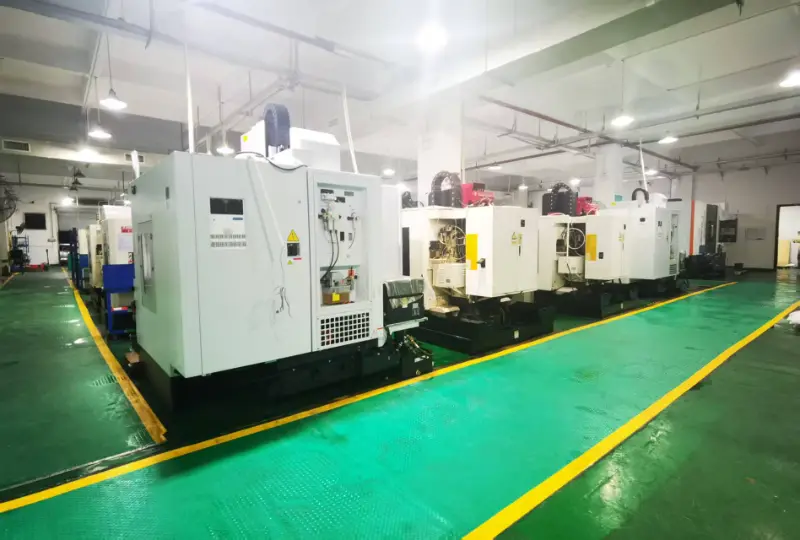
Die Wahl eines professionellen und zuverlässigen Hastelloy-Bearbeitungslieferanten ist ebenso wichtig. Weldo bietet CNC-Bearbeitung, Extrusion, Schleifen und Blechbearbeitung. Mit über zehn Jahren Produktionserfahrung können wir die meisten Fertigungsherausforderungen bewältigen, während wir die Bearbeitungsgenauigkeit sicherstellen und fertige Produkte so schnell wie möglich an die Kunden liefern. Wenn Sie Bedarf haben, zögern Sie nicht, Kontaktieren Sie uns für das neueste Angebot und eine virtuelle Fabrikführung.
Hastelloy Präzisionsbearbeitungsprojekt
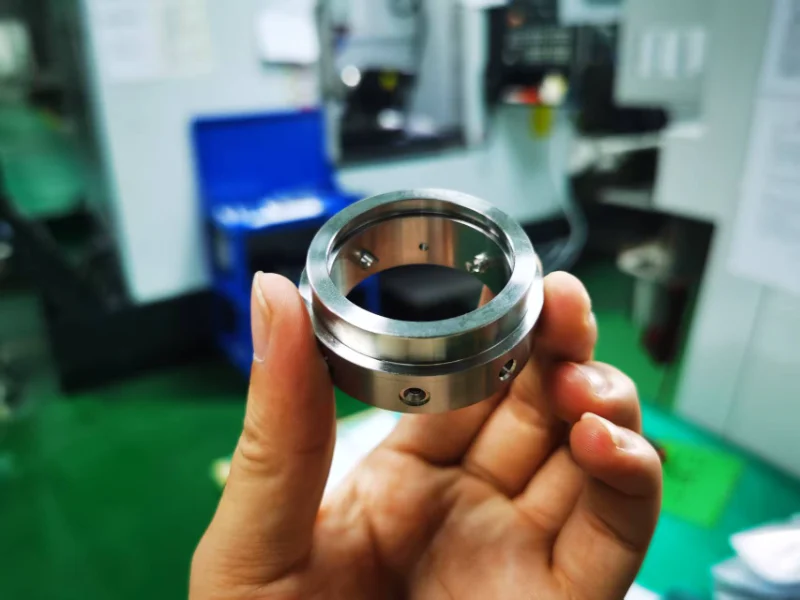
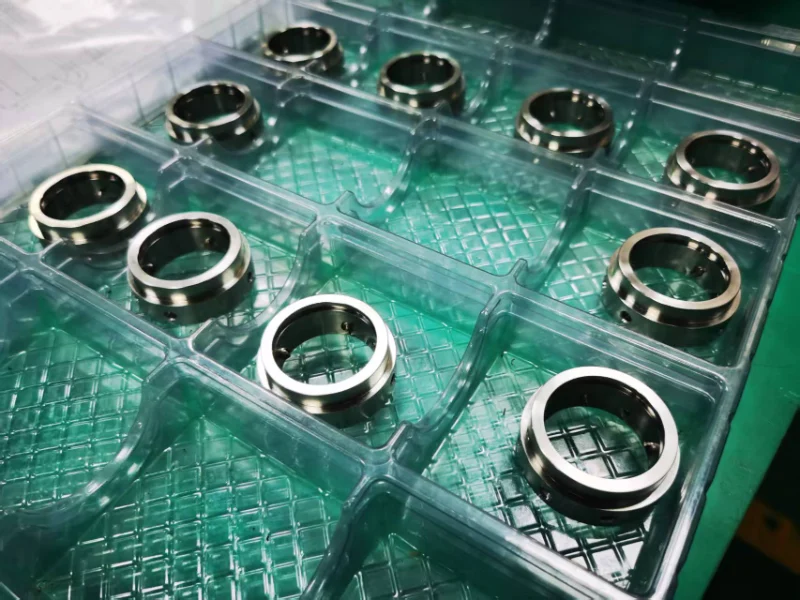
Unten ist unser kundenspezifisches Hastelloy-Komponenten, es wird für die Basisstücknutzung verwendet. Unser Kunde erforderte die Produktion von 500 Hastelloy-Basisbauteilen, mit einer Wandstärke von 4 mm, einer Länge von 16 mm, einem Lochdurchmesser von 2,5 mm, einer Präzisionsanforderung von 0,01 mm und einer Toleranz von maximal 0,015 mm.
Basierend auf den Anforderungen des Kunden wählten wir Hastelloy-Rohrleitungen mit einer Wandstärke von mindestens 5 mm. Durch die Integration von CNC-Drehen und 5-Achs-Haas-Bearbeitung stellten wir Rundheitstoleranzen und Mehrpositionsbohrfunktionen sicher, während wir kumulative Fehler durch mehrere Spannvorgänge vermieden.
Gleichzeitig führten wir eine vollständige Inspektion durch, überprüften Tiefe, Durchmesser und Präzision anhand der Zeichnungen und verwendeten eine Koordinatenmessmaschine (CMM), um die relative Position und den Durchmesser der Löcher zu verifizieren und sicherzustellen, dass alle Produktionsanforderungen erfüllt wurden.
Insgesamt wurden 503 Teile hergestellt, von denen 500 vollständig qualifiziert waren. Die Bestellung wurde innerhalb des vereinbarten Zeitrahmens an den Kunden geliefert und erhielt positives Feedback.