
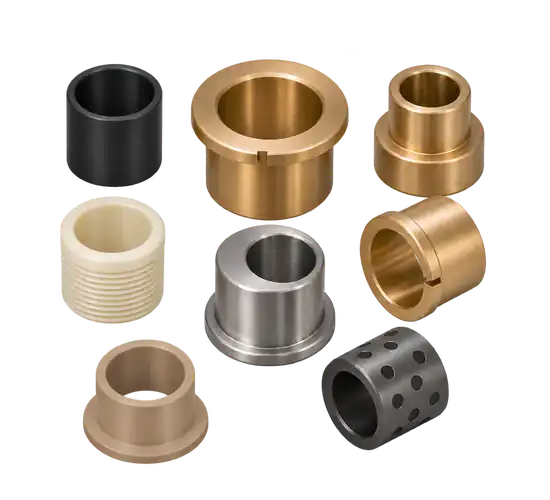
可動、支持、および摩耗制御用の特注ブッシング
図解ベースの CNC加工 for metal, plastic, and composite bushings used in rotating, sliding, locating, and vibration-control applications.
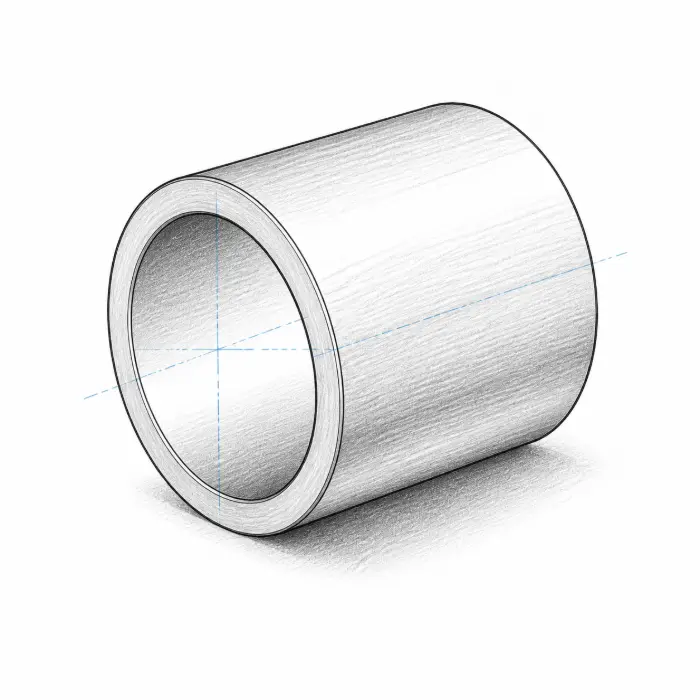
スリーブブッシング
コンパクトなラジアル支持構造と、シャフト用の交換可能な摩耗面。.
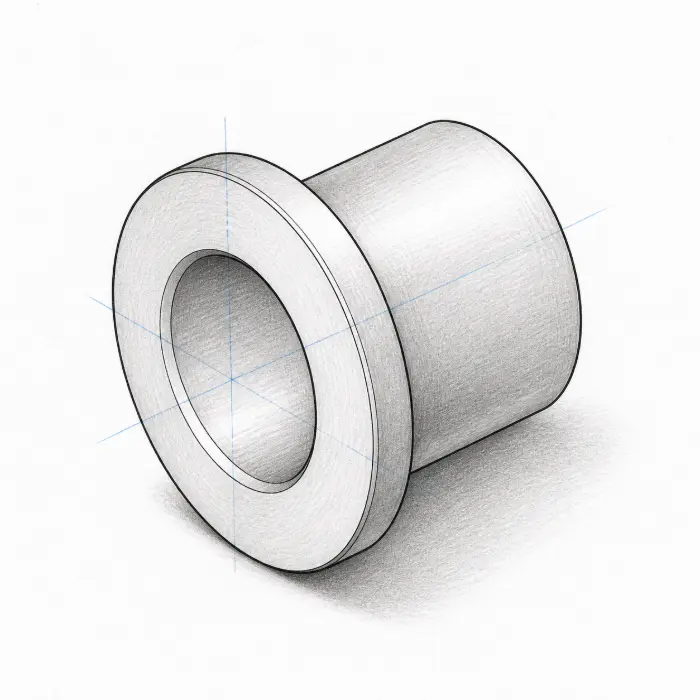
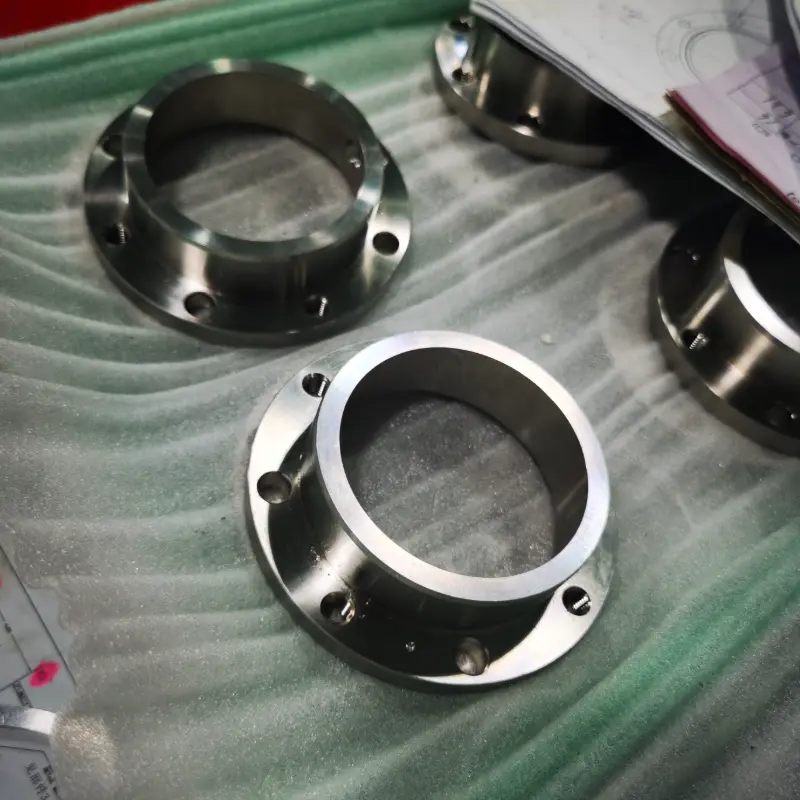
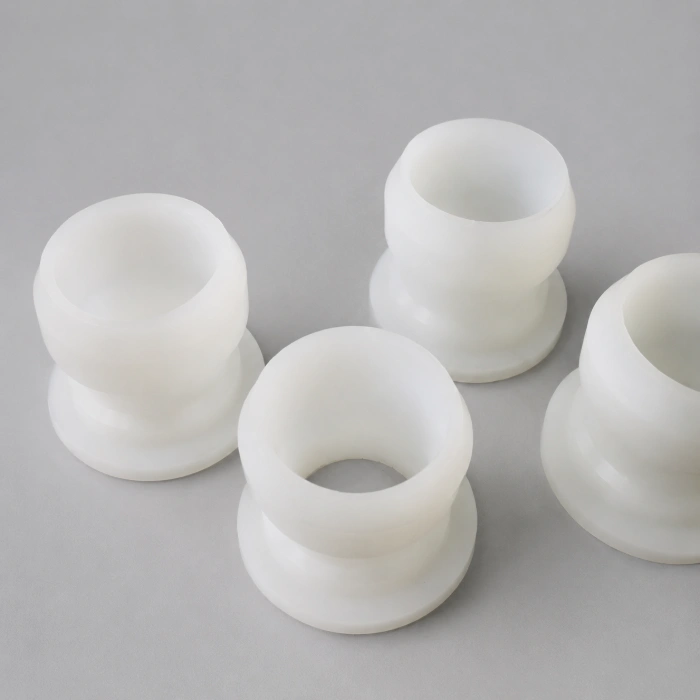
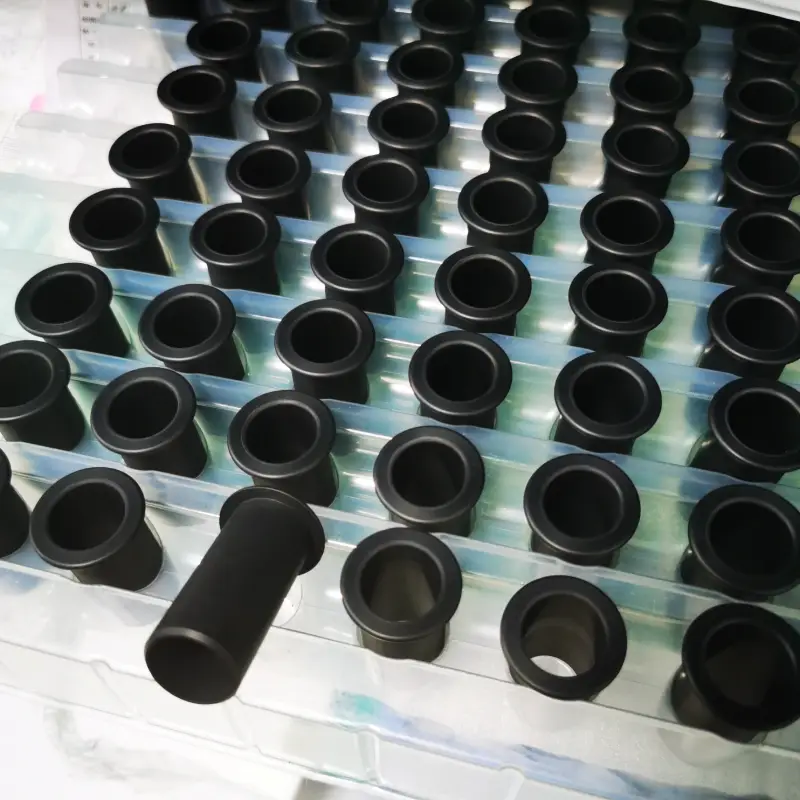
フランジ付きブッシング
軸方向の位置決め用肩部と、確実な取り付けストッパーを追加します。.
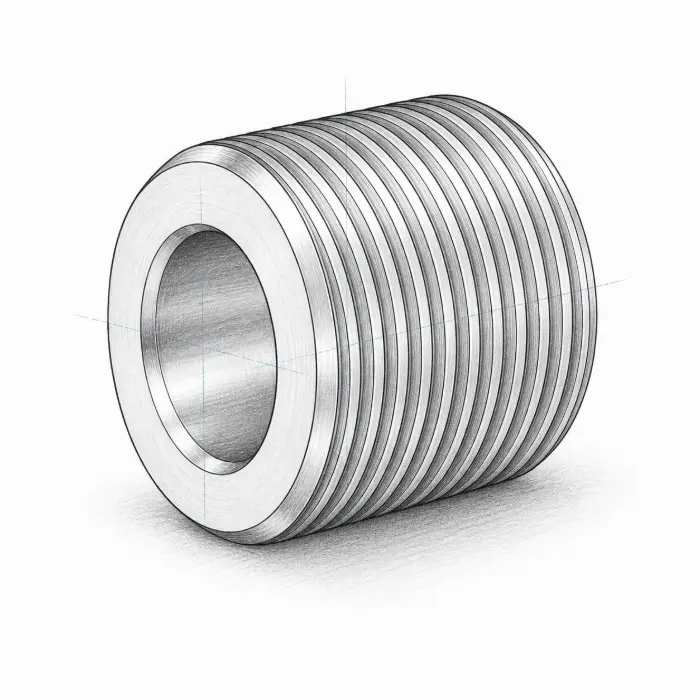
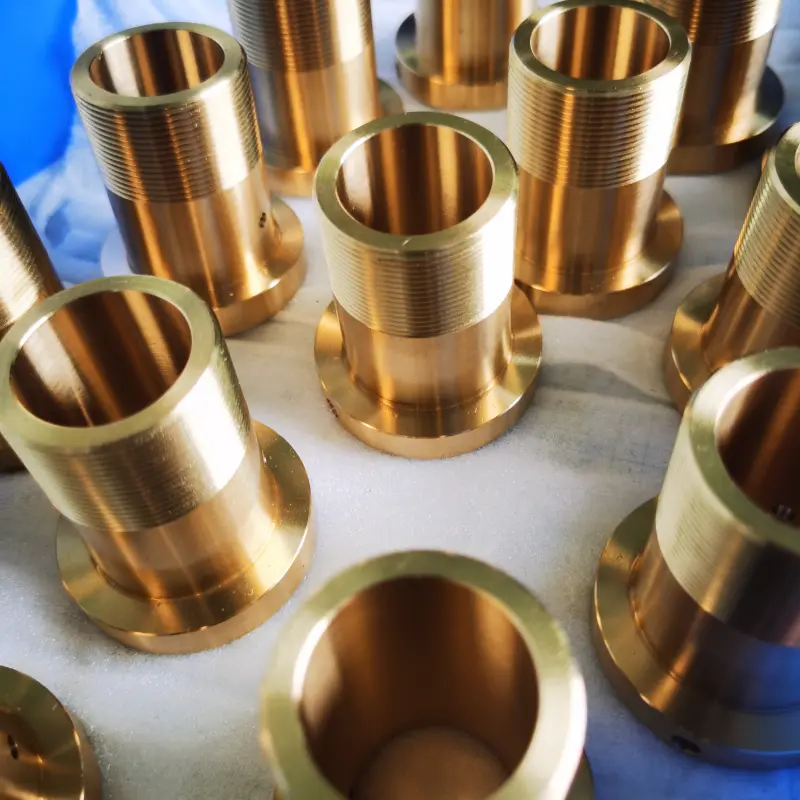
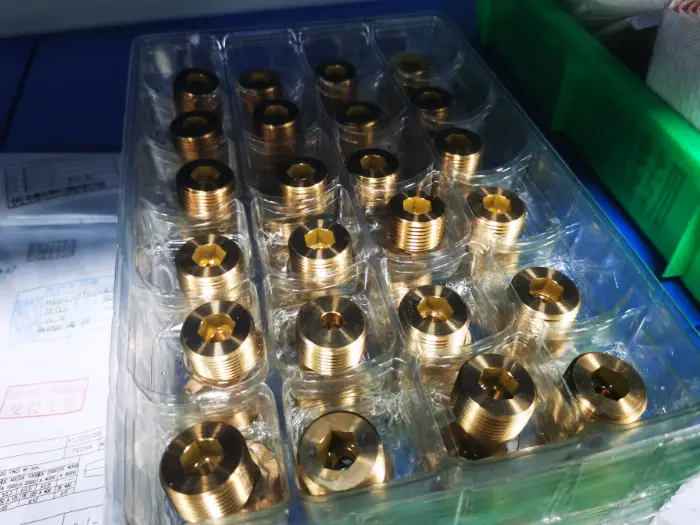
ねじ込み式ブッシング
Combine positioning, fastening, or adjustment in one component.
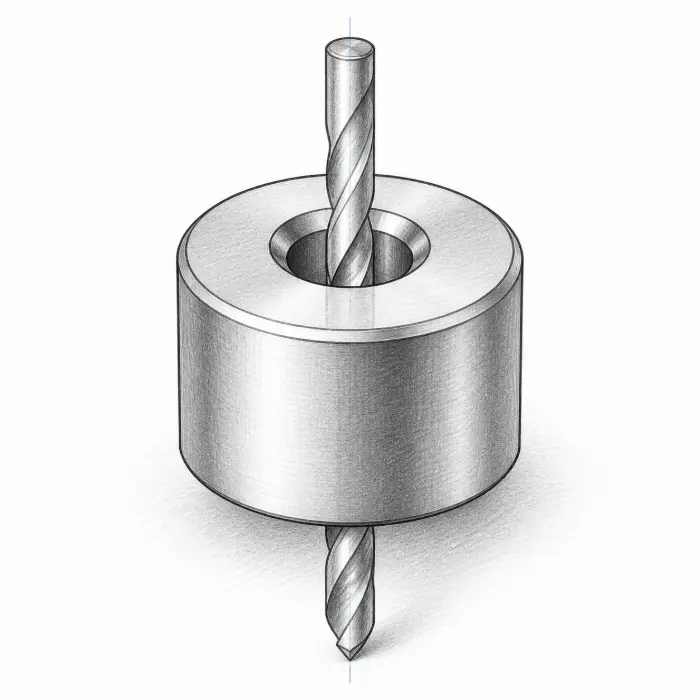
ドリルガイドブッシング
再現性の高い穴あけ加工と工具位置決めを実現するための、堅牢かつ高精度なガイド。.
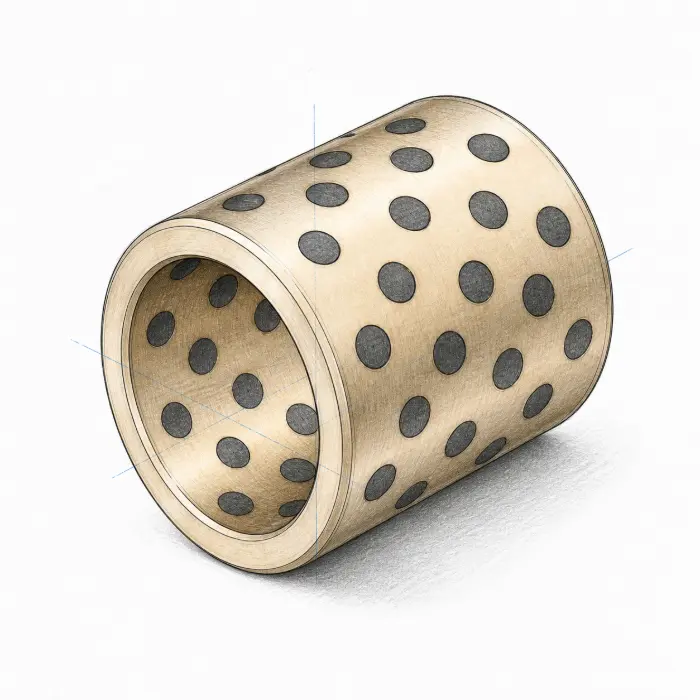
自己潤滑ブッシング
グリースの補充やメンテナンスが困難な環境での低摩擦動作。.
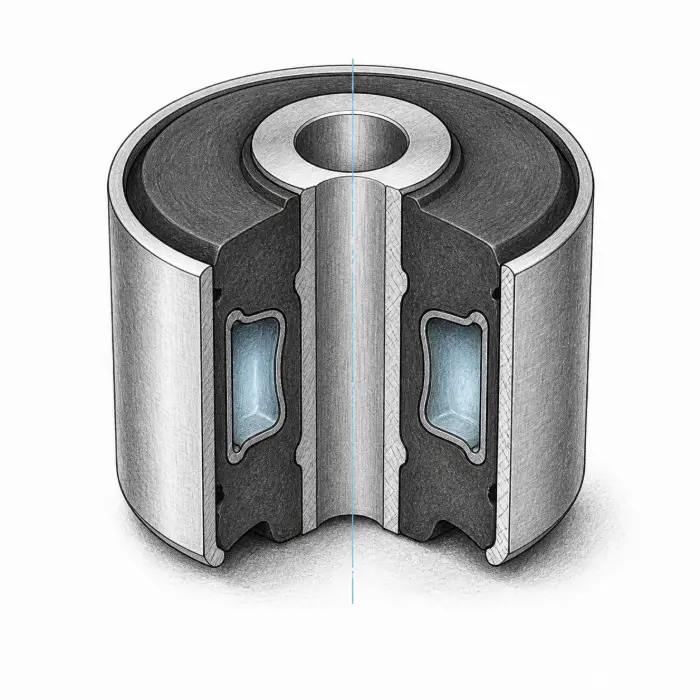
ゴム製および油圧用ブッシュ
振動、衝撃、および制御された剛性に対する適合性と減衰。.
Bushing Materials and Service Environments
荷重、速度、摩擦、潤滑、温度、化学物質、および寸法安定性の観点から、材料を比較してください。.
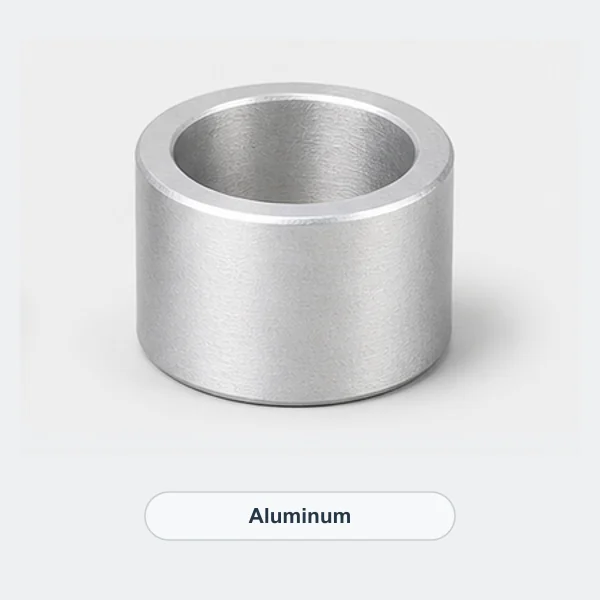
アルミニウム
Low weight, corrosion resistance, and efficient machining.
View material details
- 一般的な等級
- 6061-T6、6082-T6、7075-T6
- 代表的な部品
- Spacers, sleeves, guides, and housings.
- 仕上げのオプション
- Anodizing, hard anodizing, and bead blasting.
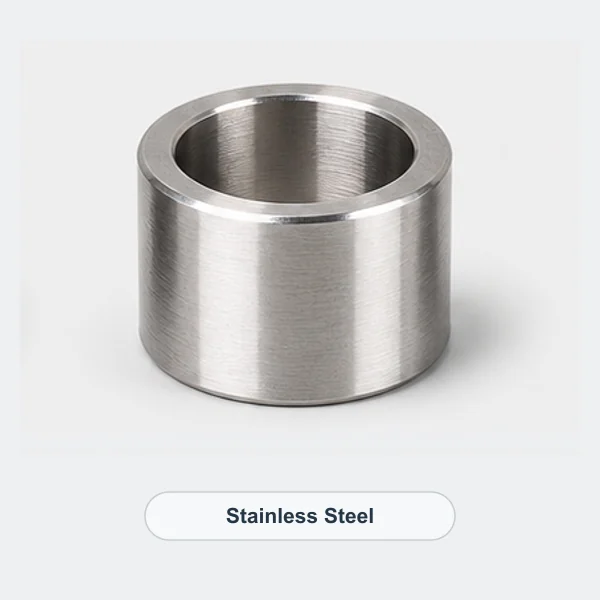
ステンレス鋼
高い強度、洗浄性、および幅広い耐食性を備えています。.
View material details
- 一般的な等級
- 303、304、316L、420、440C
- 代表的な部品
- Valve sleeves, pump parts, and precision guides.
- 仕上げのオプション
- Passivation, polishing, electropolishing, and PVD.
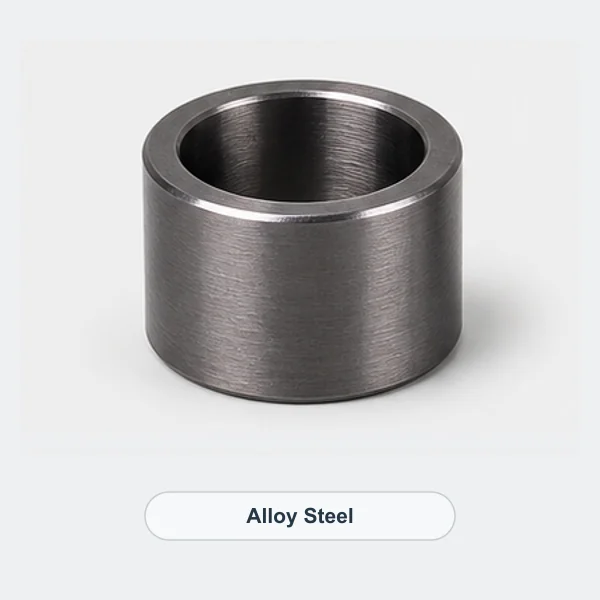
合金鋼
High strength, fatigue resistance, and heat-treatment flexibility.
View material details
- 一般的な等級
- 4140、4340、40Cr、42CrMo
- 代表的な部品
- Wear sleeves, pins, gears, and machinery bushings.
- 仕上げのオプション
- Quench and temper, nitriding, carburizing, and plating.
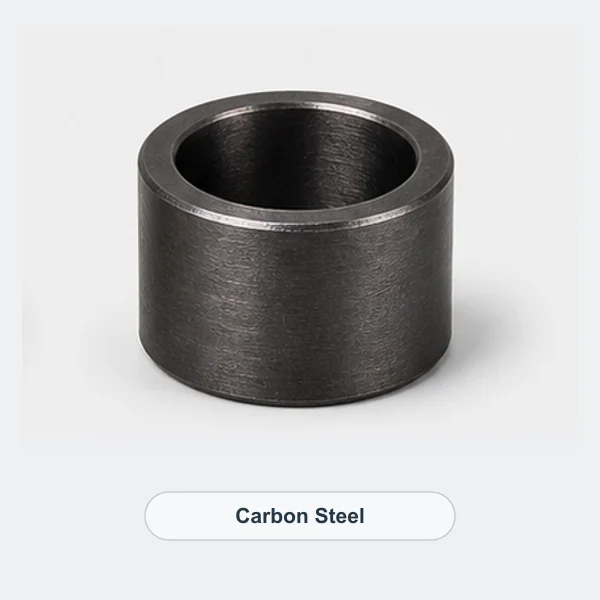
炭素鋼
一般機械向けの高コストパフォーマンスな強度と加工性。.
View material details
- 一般的な等級
- 1018、1020、1045、Q235
- 代表的な部品
- Sleeves, spacers, pins, and locating parts.
- 仕上げのオプション
- Black oxide, phosphating, zinc plating, and heat treatment.
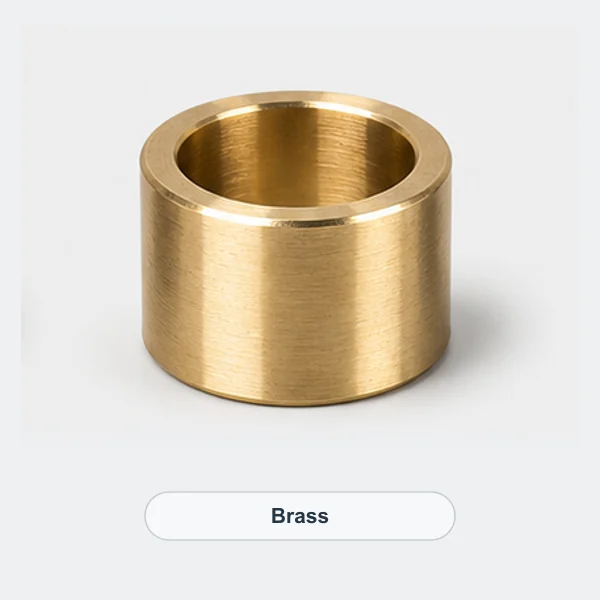
真鍮
優れた加工性と安定した寸法精度。.
View material details
- 一般的な等級
- C36000、H59、H62、CZ121
- 代表的な部品
- Threaded bushings, fittings, and valve sleeves.
- 仕上げのオプション
- Polishing, nickel plating, and tin plating.
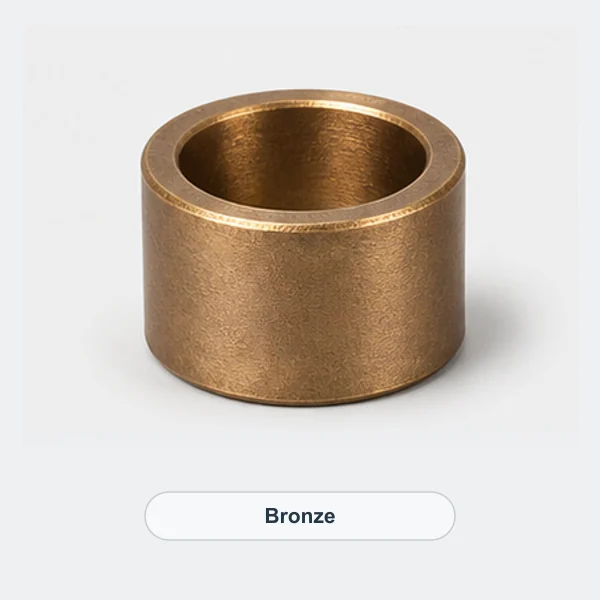
ブロンズ
低摩擦であり、負荷がかかった状態でも信頼性の高い耐摩耗性を発揮します。.
View material details
- 一般的な等級
- C93200、C95400、C95800
- 代表的な部品
- Sleeve bearings, thrust washers, and worm gears.
- 仕上げのオプション
- Oil grooves, graphite plugs, and protective treatments.
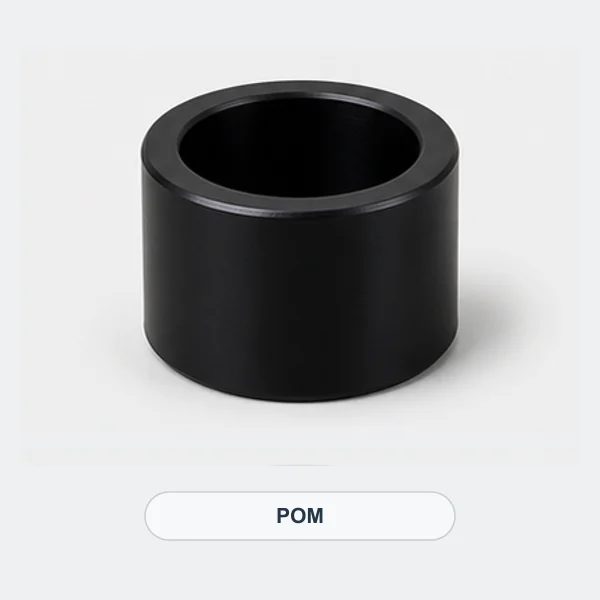
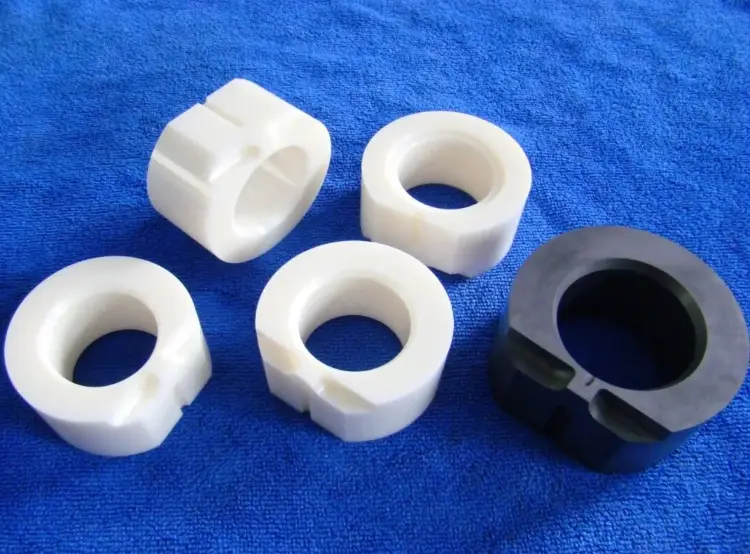
POM/アセタール
Low friction, low moisture absorption, and stable precision.
View material details
- 一般的な等級
- POM-C、POM-H、デルリン
- 代表的な部品
- Precision bushings, guides, rollers, and gears.
- Service notes
- 適度な温度下での、乾燥状態またはわずかに潤滑された状態での動作。.
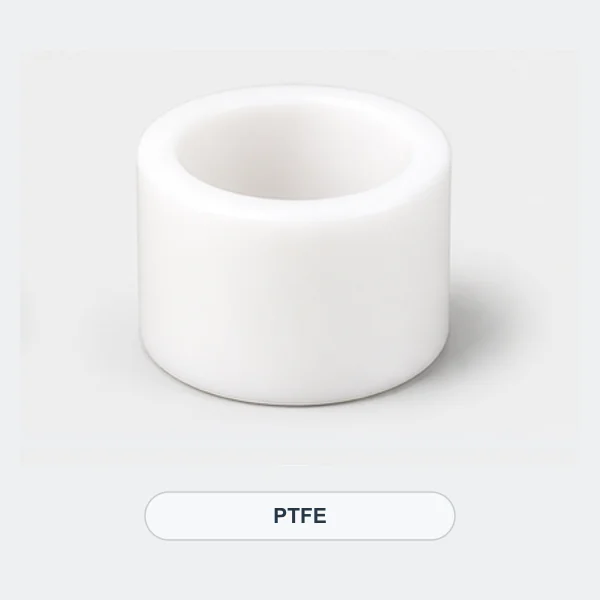
PTFE
Very low friction and strong chemical resistance.
View material details
- 一般的な等級
- Virgin, glass-filled, and carbon-filled PTFE
- 代表的な部品
- Sliding bushings, seals, and valve seats.
- Service notes
- Allow for creep, load, temperature, and dimensional stability.
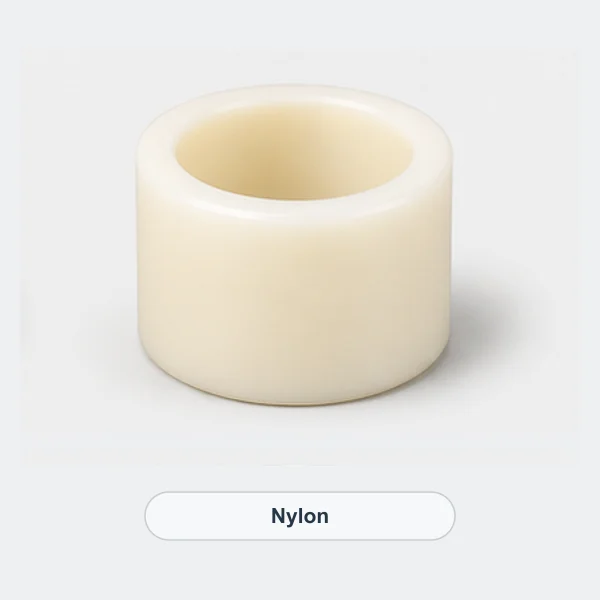
ナイロン/PA
Tough, wear-resistant, and impact tolerant.
View material details
- 一般的な等級
- PA6、PA66、PA12、MCナイロン
- 代表的な部品
- Guide bushings, rollers, gears, and conveyor parts.
- Service notes
- Account for moisture absorption and dimensional change.
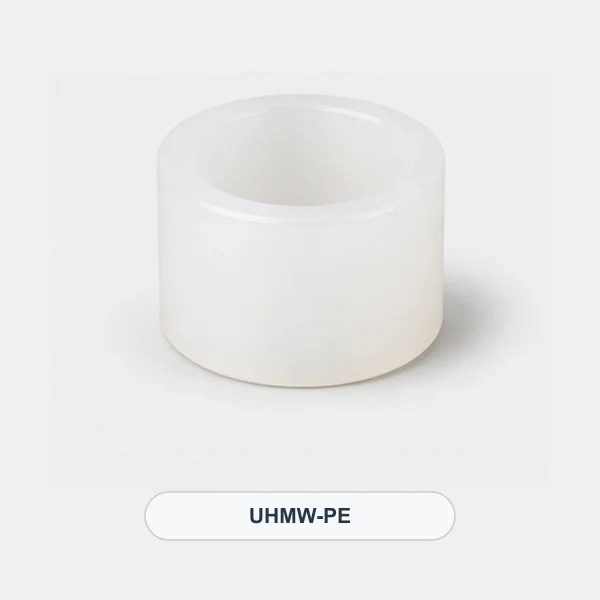
UHMW-PE
高い衝撃耐性と耐摩耗性を備え、摩擦係数が低い。.
View material details
- 一般的な等級
- UHMW-PE, antistatic, and filled grades
- 代表的な部品
- Conveyor guides, wear strips, liners, and rollers.
- Service notes
- Best suited to moisture, abrasion, and lower-load sliding.
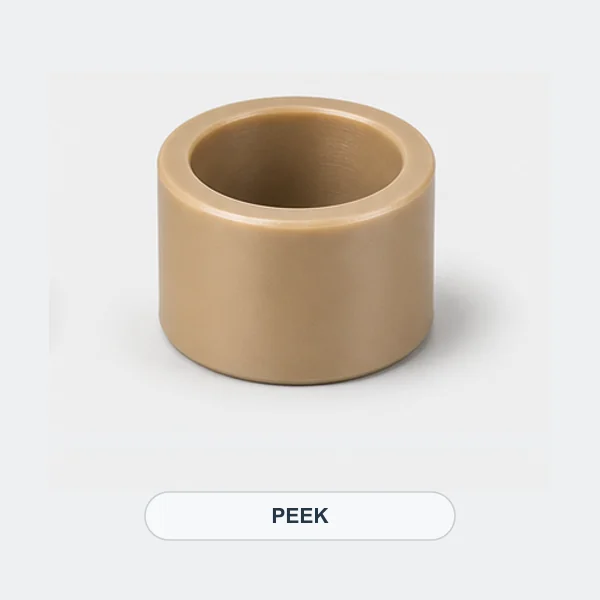
覗き見
高温強度および耐薬品性。.
View material details
- 一般的な等級
- Virgin, glass-filled, and carbon-filled PEEK
- 代表的な部品
- Bearing cages, seals, and semiconductor components.
- Service notes
- Suitable for heat, chemicals, vacuum, and precision systems.
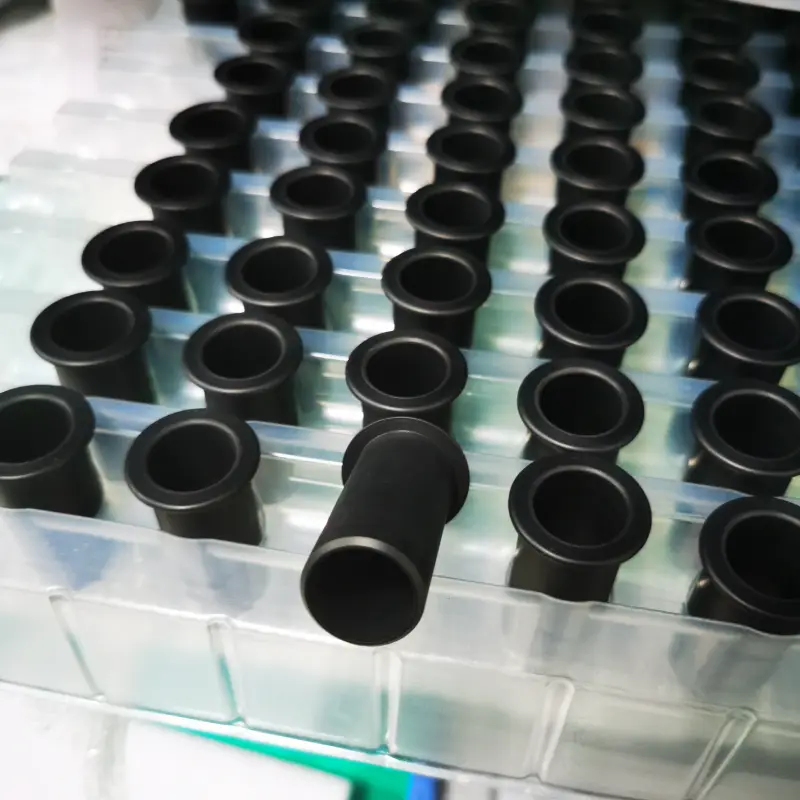
ABS
耐衝撃性に優れ、軽負荷用部品に経済的な素材です。.
View material details
- 一般的な等級
- 汎用および難燃性ABS
- 代表的な部品
- Light-duty bushings, covers, and spacers.
- Service notes
- Use for low load, near-ambient, non-aggressive conditions.
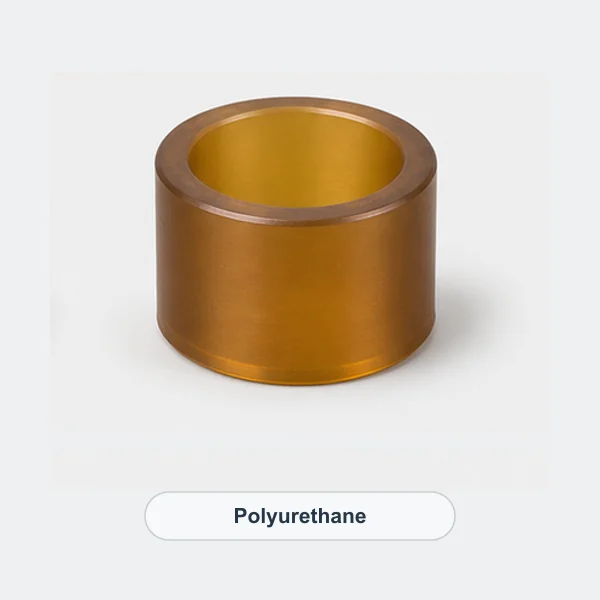
ポリウレタン
弾性による耐摩耗性と振動減衰。.
View material details
- 一般的な等級
- 70A~95A、ポリエステル系PU、ポリエーテル系PU
- 代表的な部品
- Suspension bushings, rollers, seals, and sleeves.
- Service notes
- Review dynamic load, heat buildup, oil exposure, and bonding.
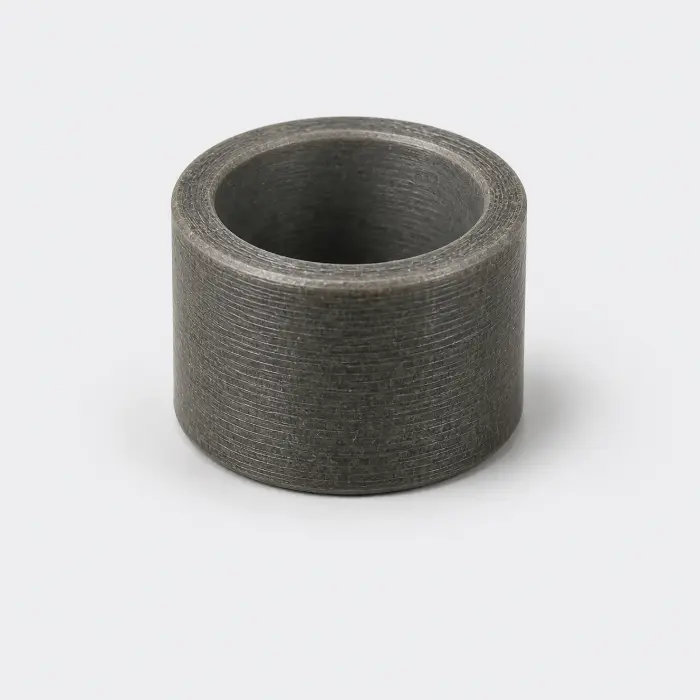
複合ブッシング
金属製の裏打ちと低摩擦ライナーにより、メンテナンスの手間が軽減されます。.
View material details
- Common types
- PTFE-lined, POM-lined, and graphite-filled
- 代表的な部品
- Pivot points, linkages, and self-lubricating guides.
- Service notes
- Confirm liner, load direction, edge pressure, and installation fit.
最終的な材質および適合性は、荷重、速度、相手軸の状態、潤滑、温度、化学物質への曝露、および耐用年数を踏まえて確認する必要があります。.
ブッシングの加工パラメータ
These ranges are practical production guidance and are confirmed against the drawing—not universal limits.
| 能力 | 金属ブッシング | エンジニアリングプラスチック製ブッシング |
|---|---|---|
| 代表的な寸法公差 | ±0.01-0.02 mm | ±0.03~0.05 mm |
| 外径 | Ø2~300 mm | Ø2~300 mm |
| 標準的な旋削長さ | 最大500 mm | 最大500 mm |
| 最小内径 | 直径2 mm | 直径2~3 mm |
| 最小壁厚 | 0.5 mm | 1.0 mm |
| 代表的な機械加工面粗さ | Ra 0.8~3.2 μm | Ra 1.6-3.2 μm |
*Final capability depends on material condition, wall thickness, length-to-diameter ratio, clamping, and inspection method. Critical requirements must be specified on the drawing.
図面審査から最終検査まで
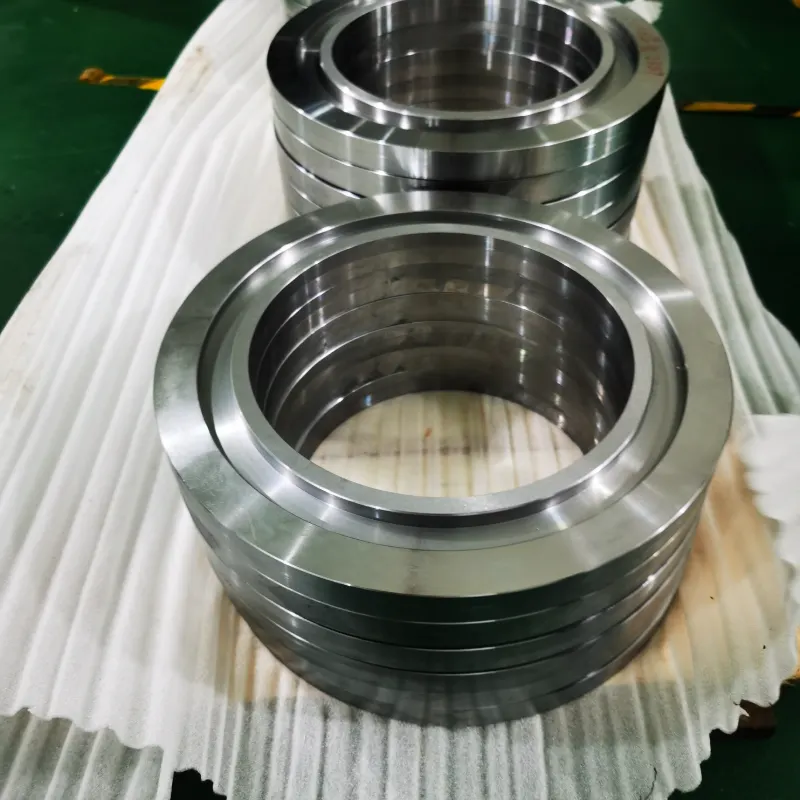
加工および検査は、内径、外径、長さ、嵌合、および摺動面を中心に計画されています。.
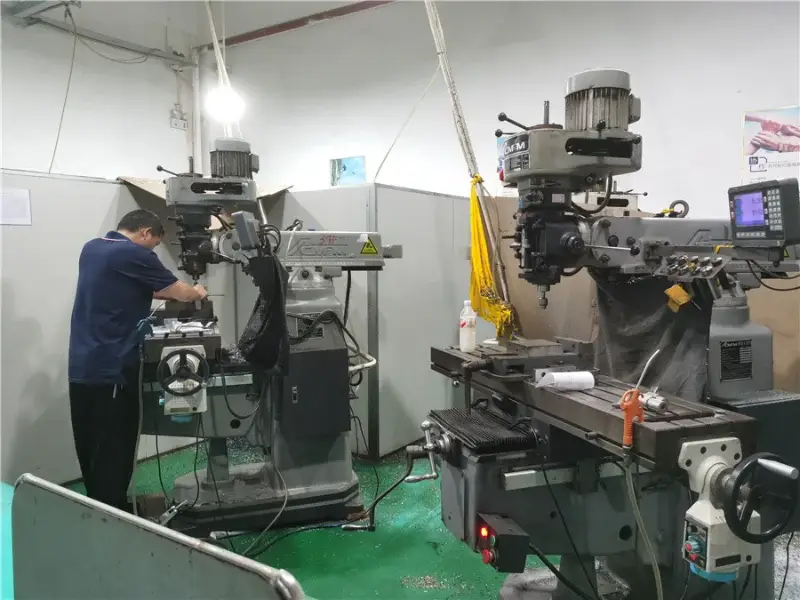
Confirm functional dimensions
Review fit, datums, wall thickness, and working surfaces.
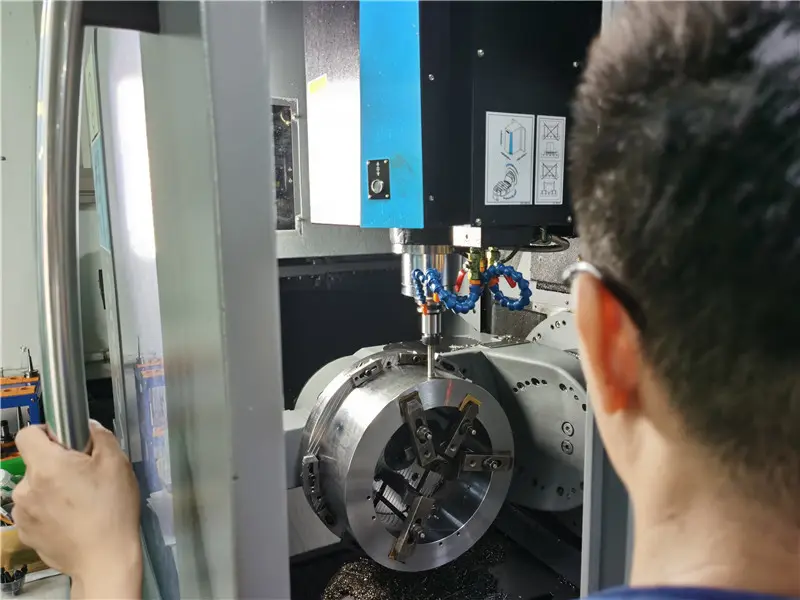
Plan the cutting sequence
Turn, bore, groove, and finish features in the approved order.
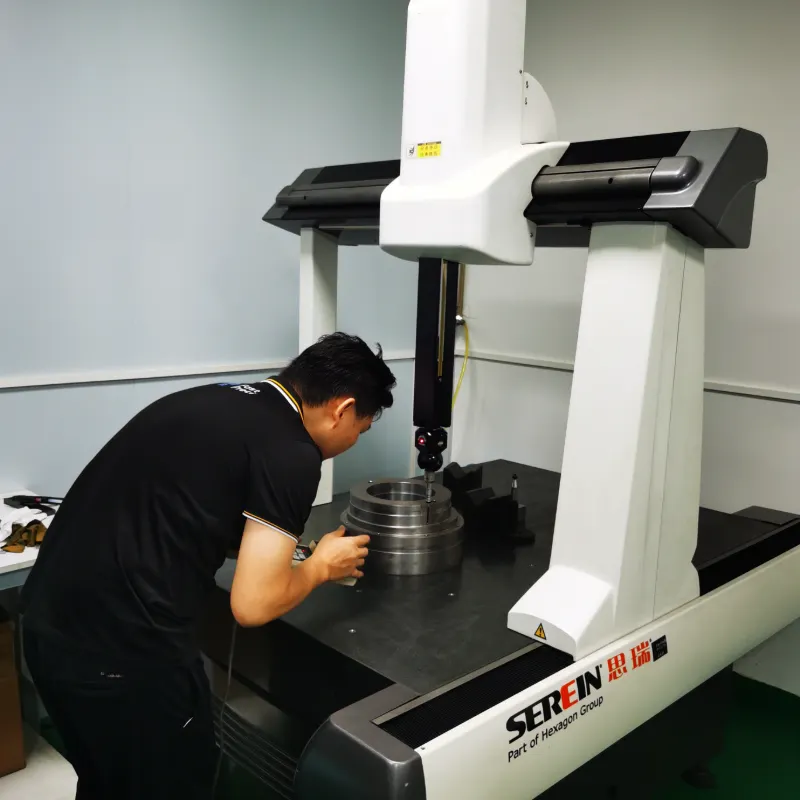
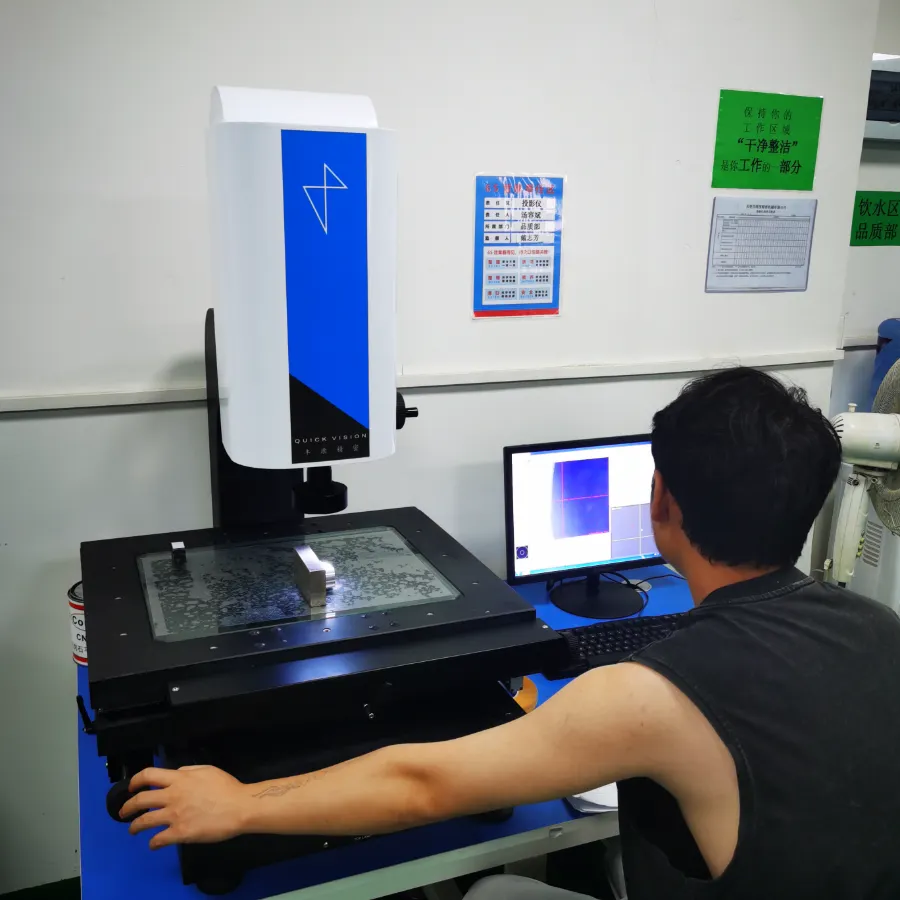
Verify critical geometry
Check bore, OD, length, position, and concentricity.
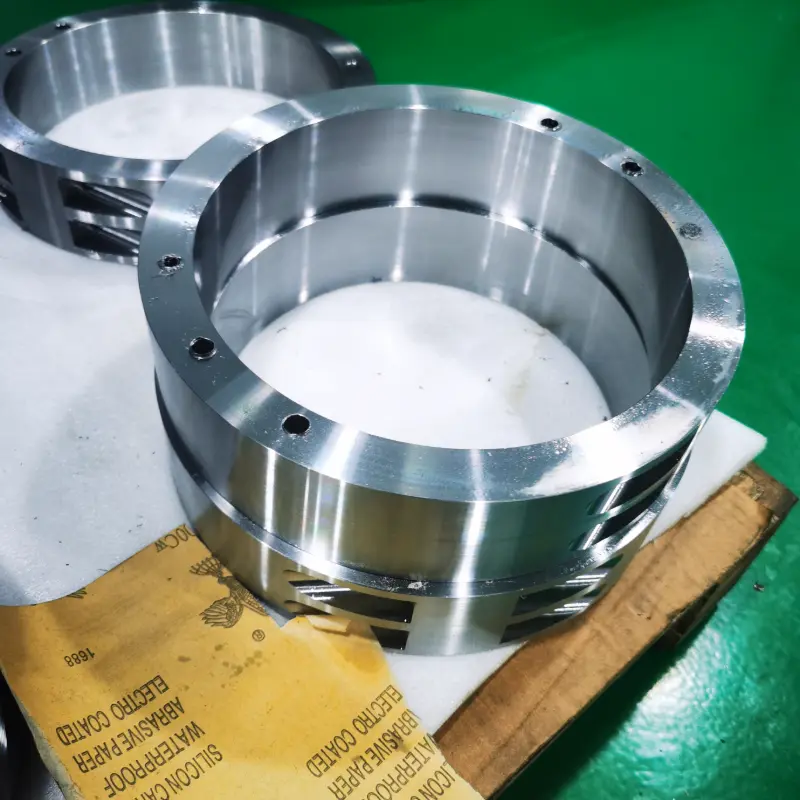
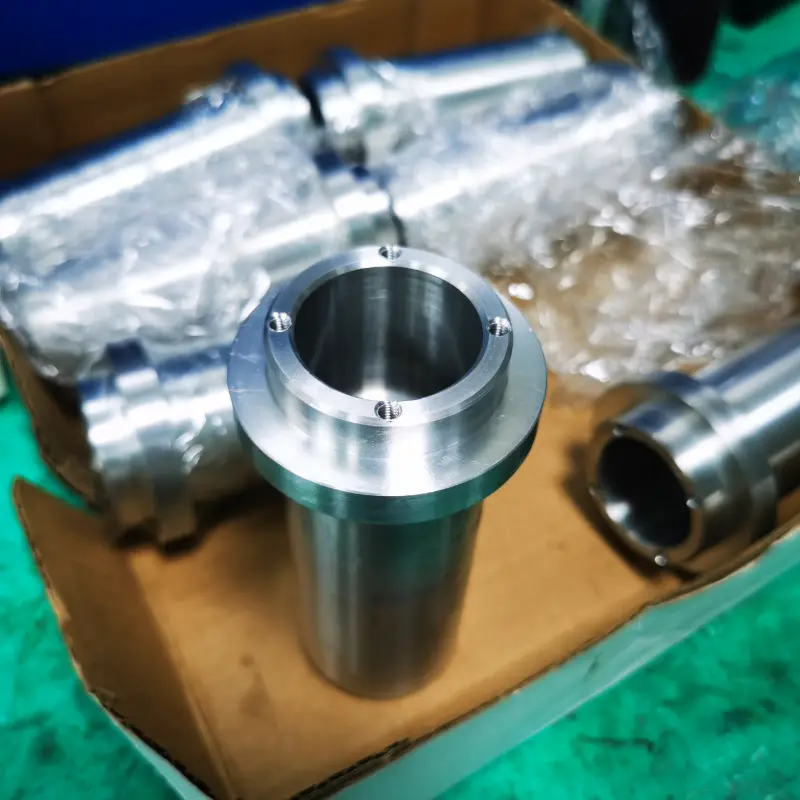
Confirm finish and records
Inspect edges, surface condition, records, and shipment protection.

使用条件に合わせてブッシングを選定する
実用的な見積もりは、内径や外径だけでなく、インターフェースとデューティサイクルから始めるものです。.
どのような場合にブッシングを選ぶか
- ハウジングまたは親穴には、交換可能な摩耗面が必要です。.
- 回転運動、直線運動、または振動運動には、摩擦を制御する必要があります。.
- Maintenance cost should be reduced through replaceable parts.
- 振動、衝撃、または位置合わせには、明確に定義されたインターフェースが必要です。.
見積もり前に確認してください
- Load direction, speed, duty cycle, and target service life.
- 連結軸の材質、硬度、および表面状態。.
- 潤滑、温度、湿気、および化学物質への曝露。.
- Fit, clearance, quantity, and inspection requirements.
Bushing Machining Questions
ブッシングの嵌合状態とクリアランスはどのように規定すべきでしょうか?
嵌合する軸、荷重、回転数、温度、および潤滑条件を規定してください。最終的な嵌合は、過度な遊びを生じさせることなく、組み立ておよび運転時の膨張に対応できるものでなければなりません。.
どのブッシングの材質を選べばよいでしょうか?
Select by load, friction, temperature, corrosion, lubrication, and service life. Bronze and steel support load; engineering plastics reduce weight and friction; elastomers isolate vibration.
オイル溝やグラファイトプラグは機械加工できますか?
はい。承認済みの図面に基づき、オイル溝、送り穴、ポケット、およびグラファイトプラグのパターンを加工することが可能です。.
特注ブッシュのコストをどのように削減できるでしょうか?
標準的な素材サイズを使用し、機能公差のみを管理し、不必要に薄い肉厚を避け、実際の稼働サイクルに合わせて材料を選定してください。.
穴の精度と同心度はどのように検査されるのですか?
内径、外径、長さ、振れ、および同心度は、定義された基準点から、状況に応じてゲージ、マイクロメーター、CMM、または光学機器を用いて検査されます。.