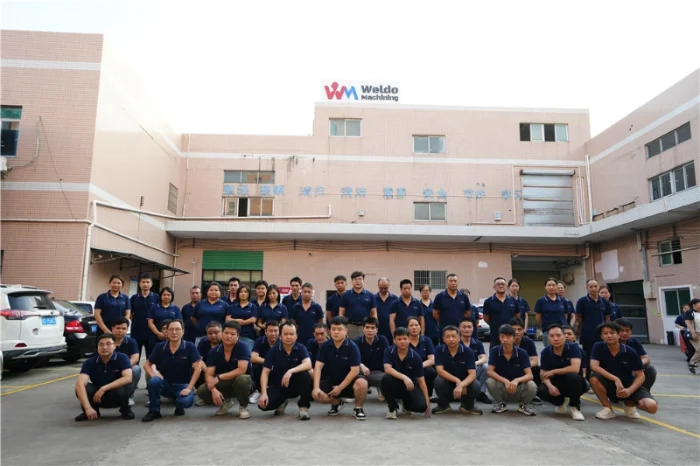
The Meaning of CNC machinist lies in understanding a key role in modern manufacturing, where skilled technicians operate CNC machines to transform engineering designs into high-precision components. These professionals are not only machine operators but also critical executors of machining processes, ensuring accuracy, efficiency, and consistency in production.
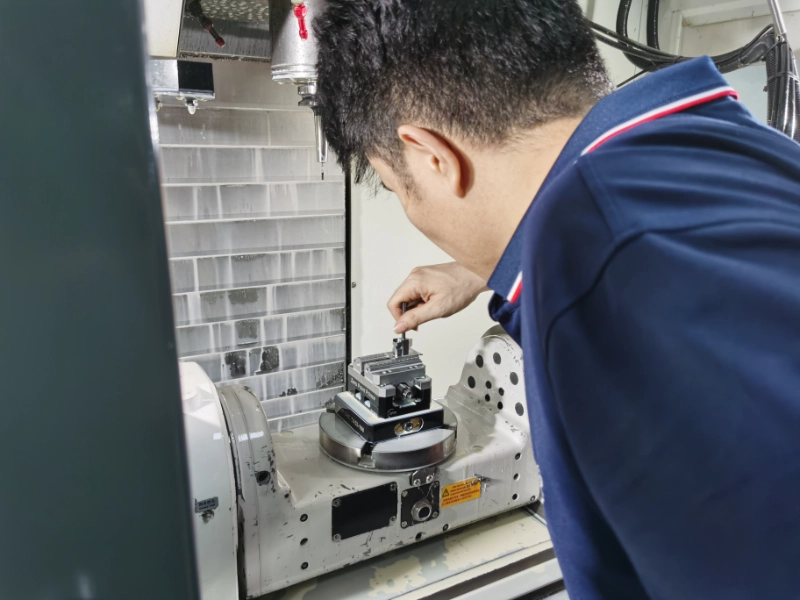
What is the meaning of CNC machinist?
CNC Machinist is a core technical position in modern precision manufacturing systems, responsible for operating Computer Numerical Control (CNC) machines to process raw materials such as metal and engineering plastics into high-precision components that meet drawing design standards.
In modern industrial systems, a CNC machinist is not only an equipment operator, but also a technical executor connecting the full chain from design and programming code to actual manufacturing results. Their professional capabilities directly affect manufacturability, precision, stability, and production efficiency.
CNC Machinist’s Real Role in Modern Manufacturing
In the actual CNC machining process, the machinist plays a three-in-one role of “process execution + process optimization + quality control.”
They not only operate machines according to drawings, but also need to understand machining logic itself, such as how to select appropriate cutting strategies among different materials (aluminum, stainless steel, engineering plastics), and how to dynamically adjust feed rate, spindle speed, and tool path during machining.
A mature CNC machinist is essentially a technical executor with engineering judgment ability, rather than just a machine operator.
CNC Machinist Core Competency System
Professional CNC machinists usually have the following capability structure:
- CNC programming capability (G-code / CAM)
Determines the rationality and efficiency of machining paths and is a fundamental capability for complex part manufacturing. - Blueprint reading ability
Used to convert 2D engineering design into 3D machining logic and avoid machining errors caused by structural misinterpretation. - Precision machining and tolerance control capability
Controls dimensional stability under micron-level precision requirements and is a core capability of high-end CNC machining. - Material and tooling matching capability
Understands different material cutting characteristics and selects appropriate tools to improve surface quality and production efficiency. - On-site problem-solving capability
Focuses on machining path execution, spindle motion path, tool movement status, and independently solves machining deviation, tool wear, vibration, and other production issues to ensure production continuity.
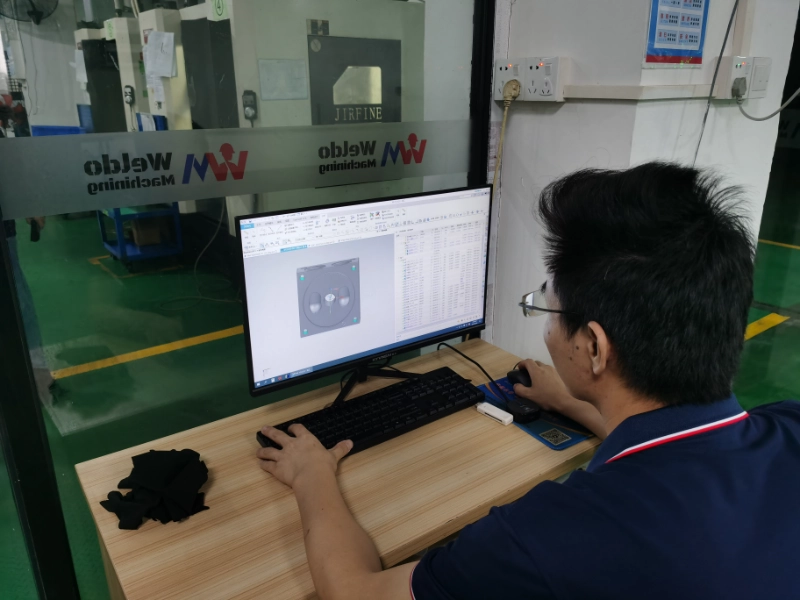
CNC Machinist vs CNC Machining Outsourcing Production
In the modern CNC machining industry, companies usually choose between two manufacturing models:
- One is building an internal CNC machinist team (capability-building model)
- The other is using professional CNC machining service (resource outsourcing model)
From a fundamental perspective, CNC machinists represent the company’s deep control capability over the manufacturing process, while CNC machining outsourcing represents the use of external manufacturing supply chain resources.
In-house CNC Machinist Team
An enterprise building its own CNC machining system is essentially constructing a complete manufacturing capability loop, including CNC machining equipment, factory facilities, and technical personnel training.
Core Advantages
- Full control over CNC production process
- Suitable for long-term stable production structures
- Continuously optimize processes and production efficiency
Core Limitations
- High CNC machine investment cost
- Long CNC machinist training cycle (1–3 years of experience accumulation)
- Weak early-stage production stability
- High requirements for management and engineering capabilities
This model is more suitable for manufacturing companies with stable product structures and long-term demand.
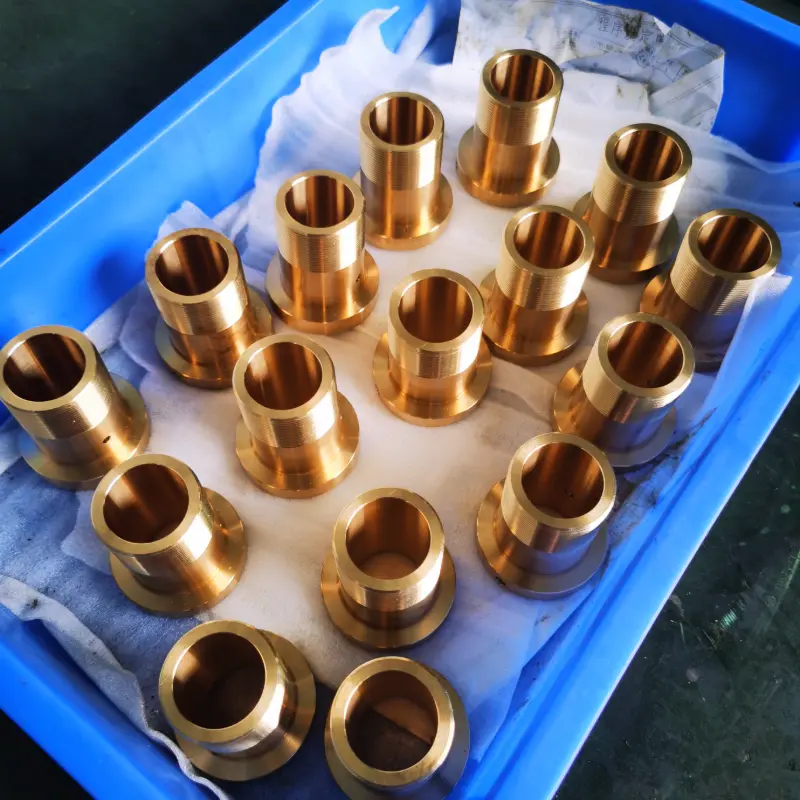
Outsourced CNC Machining Production
Finding a professional CNC machining supplier is a mature industrial manufacturing solution.
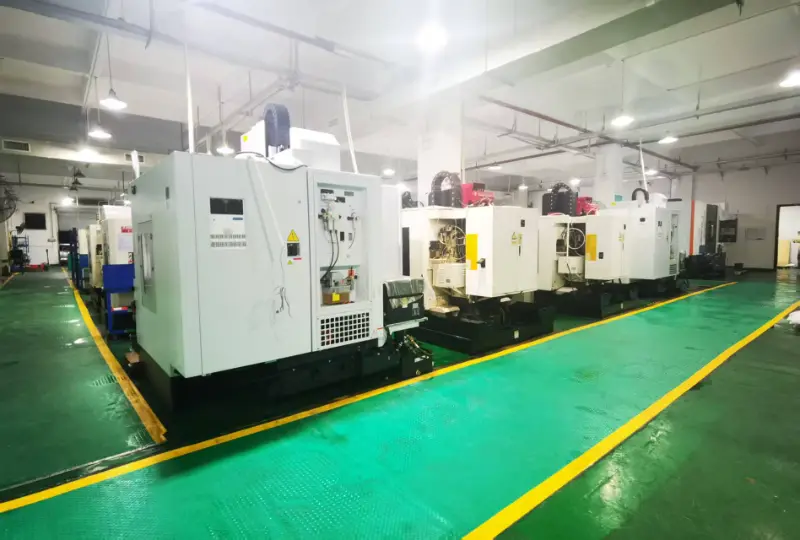
Taking Weldo Machining as an example, suppliers usually have mature CNC machinist teams, standardized machining workflow, and high-precision CNC equipment systems. They can directly convert CAD designs into deliverable precision parts. At the same time, there are dedicated inspection teams responsible for testing and recording various parts, and defective products will be reworked or scrapped.
Core Advantages
- Fast production start, no equipment investment required
- Professional CNC machinist team ensures machining quality
- Supports prototype / small batch / mass production
- Higher machining stability and consistency
- Reduces machining deformation and control issues
Core Limitations
- Dependence on external suppliers
- Machining accuracy depends on drawings and communication quality
- Possible delivery time risks
Manufacturing Decision Logic
From an industrial manufacturing strategy perspective, these two models are not simply alternatives, but optimal solutions at different development stages.
A CNC machinist team represents the company’s long-term machining capability building, while CNC machining outsourcing represents the rapid utilization of mature external industrial capabilities.
In actual production, more mature manufacturing companies often adopt a “hybrid strategy”:
If a company has a large volume of orders but has not yet established a complete manufacturing capability system, it can first build a small basic machining team, such as configuring 3-axis CNC equipment, ordinary lathes, or conventional milling machines, to quickly produce standardized parts such as bolts, nuts, bushings, flanges, pipes, and other simple structural components with low machining requirements, thereby achieving fast delivery and basic production capacity support.
For parts with complex structures, diverse machining features, or high tolerance requirements (difficult-to-control geometric tolerances), it is more suitable to outsource production to a professional CNC machining factory to ensure machining accuracy, stability, and overall yield.
This “basic in-house capability + complex outsourcing” combination model has become one of the most common and cost-efficient manufacturing solutions in modern U.S. manufacturing companies.
Application Scenarios of CNC Machining Outsourcing
CNC machining service is especially suitable for the following situations:
- Product development and rapid prototyping stage
- Small batch or customized part production
- Lack of internal CNC machinist team
- Need for fast delivery and stable machining quality
Summary
CNC machinists play an irreplaceable technical role in modern manufacturing systems, and their capabilities directly determine the upper limit of CNC machining part quality. However, from a business perspective, building a complete internal manufacturing capability requires long-term investment, including equipment acquisition, project experience accumulation, management systems, and operator training.
In contrast, professional CNC machining services such as Weldo Machining provide a more efficient, low-risk, and scalable manufacturing solution, especially suitable for product development stages and small-to-medium batch production needs.
Therefore, companies should make rational decisions between internal manufacturing capability building and external machining services based on production scale, technical capability, and development stage to achieve optimal balance among cost, efficiency, and quality.