Inwendig slijpen
Onze precisie-binnenslijpdiensten bieden een nauwkeurigheid van IT5-klasse en een oppervlakteruwheid van Ra 0,2 μm voor kritieke onderdelen in de lucht- en ruimtevaart, de automobielindustrie en de medische sector. Neem nu contact met ons op voor op maat gemaakte bewerkingsoplossingen en ontvang binnen 24 uur een gedetailleerde offerte.
- Nauwkeurigheid tot 0,001 inch'
- Met inbegrip van het slijpen van metalen en kunststof binnenoppervlakken
- ISO 9001:2015-gecertificeerd
Wat is inwendig slijpen?
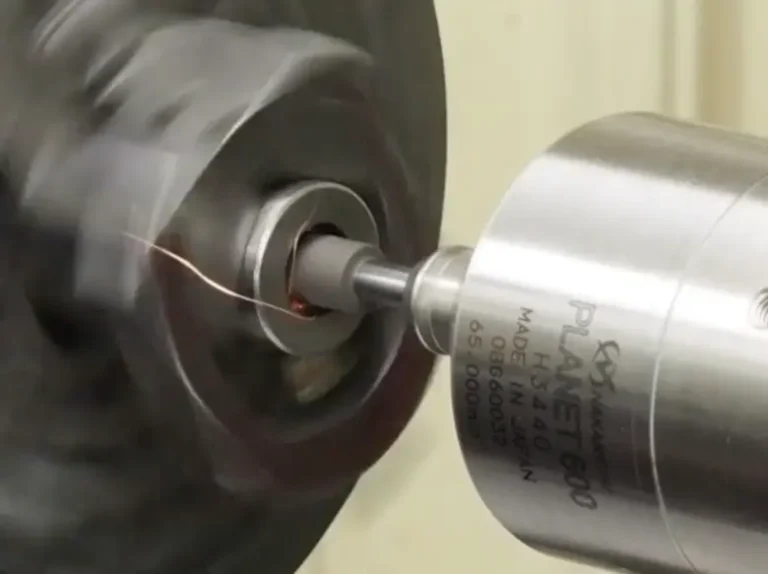
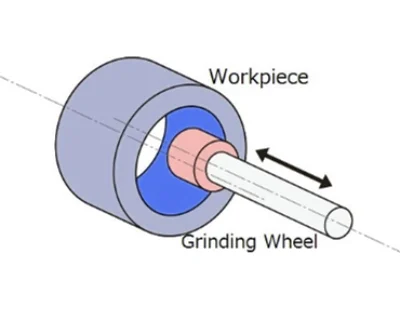
Inwendig slijpen is een samengesteld proces waarbij tegelijkertijd zowel de afwerking van inwendige boringen (binnencirkels) als van uitwendige cilindrische oppervlakken plaatsvindt. Door de integratie van gespecialiseerde slijpschijven met uiterst nauwkeurige besturingssystemen maakt dit proces een gelijktijdige maatcontrole mogelijk van zowel inwendige als uitwendige kenmerken op assen, hulzen, pasvlakken en soortgelijke componenten. Deze technologie wordt op grote schaal toegepast in sectoren zoals hydraulische componenten, transmissiesystemen, precisie-instrumenten en energieapparatuur.
Materialen die geschikt zijn voor inwendig slijpen
Bij het inwendig slijpen worden meer dan 80 metalen en niet-metalen materialen ondersteund. Wij optimaliseren materialen en processen op basis van prestaties, milieu, kosten en precisie-eisen.
Metaalsoort:
Aluminium
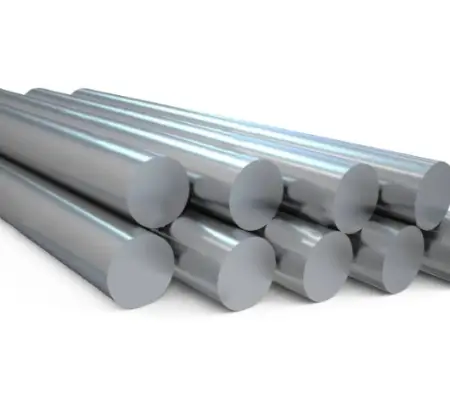
Aluminium is het meest gebruikte materiaal voor precisiebewerkte onderdelen. Het heeft een lage dichtheid, een harde structuur en is een zacht materiaal. Dankzij zijn corrosiebestendigheid wordt het op grote schaal gebruikt in de lucht- en ruimtevaart, bij de productie van bionische botten en bij de fabricage van auto-onderdelen.
Kleur : Zilver.
Soorten : Aluminium 6061、7075、2024、5052、6063 en MIC-6.
Oppervlakteafwerking : Polijsten, borstelen, zandstralen, verchromen, anodiseren, galvaniseren, poedercoaten, laseretsen.
Levertijd : 1-5 dagen.
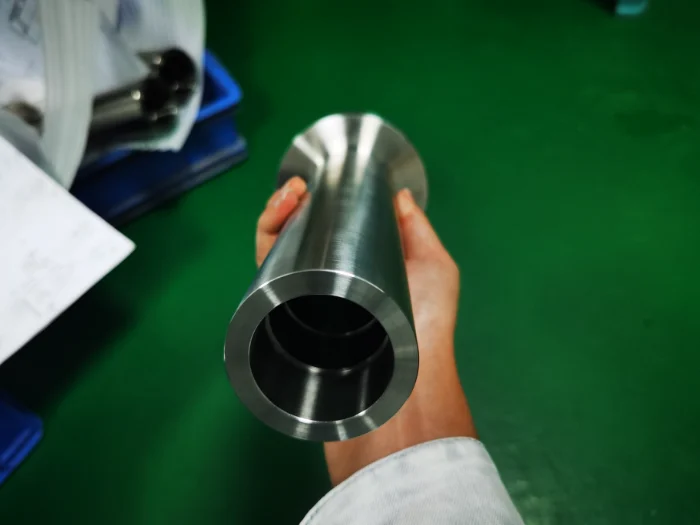
Roestvrij staal
Roestvrij staal biedt een hoge corrosiebestendigheid en een glad, gemakkelijk te reinigen oppervlak. Het wordt voornamelijk gebruikt in onderdelen van keukenapparatuur, medische hulpmiddelen, bouwmaterialen en de bouw, evenals in auto-onderdelen.
Kleur : Zilver.
Soorten : Roestvrij staal 304/316/201/202/430/444/410/420/440c/2205/2507/17-4ph/17-7ph.
Oppervlakteafwerking : Polijsten, borstelen, zandstralen, galvaniseren, spuiten, PVD (Physical Vapor Deposition), passiveren, beitsen, kleuren.
Levertijd : 2-5 dagen.
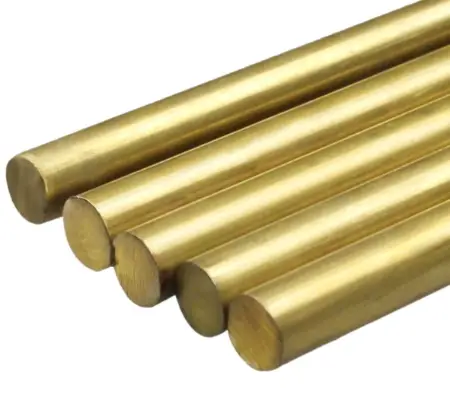
Koper
Het materiaal bezit elektrische geleidbaarheid, trekductiliteit en antimicrobiële eigenschappen, en wordt voornamelijk gebruikt voor de verwerking tot ambachtelijke producten, decoratieve voorwerpen en medische apparatuur.
Kleur :Oranje, geel.
Soorten : koper H59/H62/Hpb59-1/C36000/HAI77-2/HSN62-1/HPb/HMn/HAl/HSn/HNi.
Oppervlakteafwerking: Passivering, galvaniseren, chemisch beplaten, kogelstoten, zandstralen, chemische filmbehandeling, polijsten, glansreiniging.
Levertijd : 1-5 dagen.

Brons
Brons (Cu-Sn-legering) heeft een laag smeltpunt en een goede vloeibaarheid. Het is corrosiebestendig en wordt gebruikt in lagers, tandwielen, kleppen, beeldhouwwerken en scheepsonderdelen.
Kleur : goud/bruin.
Soorten : Tinbrons, aluminiumbrons, berylliumbrons, siliciumbrons, mangaanbrons.
Oppervlakteafwerking : Zandstralen, polijsten, kartelen, slijpen, passiveren, chemische coating, impregneren en kleuren, kleuren met een kwast of spuit, galvaniseren, anodiseren, poedercoaten, borstelen.
Levertijd : 1-5 dagen.

Staal
Staal (ijzer met 0,1–1,7% koolstof en legeringen) biedt sterkte, taaiheid en slijtvastheid en is corrosiebestendig. Het wordt gebruikt voor bouten, assen, tandwielen, gereedschap, kleppen en turbineonderdelen.
Kleur : Zilver. .
Soorten : Staal S20C, S45C, S50C, SK85, SK95, 40Cr, 4140, 4130, H13, D2, W1, A2, D2, M2, SKD11, ASP-23, S136.
Oppervlakteafwerking:Zandstralen, spiegelglans, PVD-coating, geborstelde afwerking, spuitcoating, galvaniseren.
Levertijd : 1-5 dagen
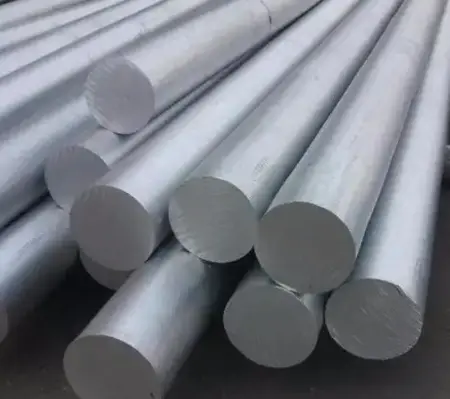
Magnesium
Magnesium is ultralicht, heeft een lage snijkracht en is goed bewerkbaar. De verhouding tussen sterkte en gewicht en de dempende eigenschappen zijn beter dan die van aluminium, waardoor het ideaal is voor de lucht- en ruimtevaart, de automobielindustrie en de elektronica.
Kleur : Zilver.
Soorten : Magnesiumlegering AZ91D/AM60B/AM50A/AS41B/ZK60/MB8/AZ31/WE43/ZE41/LA141/LZ91.
Oppervlakteafwerking: Chemische conversielak, anodiseren, vernikkelen, galvaniseren, composietcoating, spuitlakken, poedercoating, elektroforetische coating.
Levertijd : 1-5 dagen.
Kunststof:
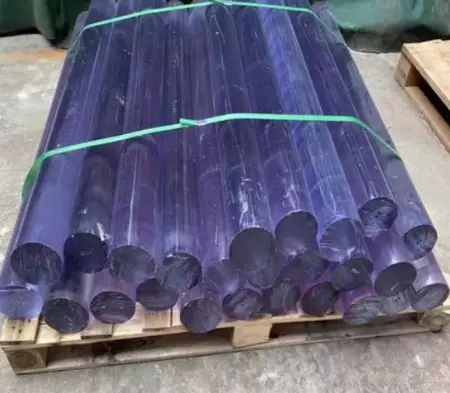
PC
Hoogwaardig thermoplastisch materiaal dat zowel taai als stijf is, ideaal voor CNC-bewerking. Licht van gewicht, kruipbestendig en isolerend. Recyclebaar; wordt gebruikt in behuizingen en bevestigingen voor elektronische apparatuur.
Kleur : wit of zwart.
Soorten : Algemeen bewerkbaar/vlamvertragend/versterkt/gemengd PC.
Oppervlakteafwerking: Polijsten, harden, spuiten, lasergraveren, galvaniseren, warmstempelen.
Levertijd : 1-5 dagen.
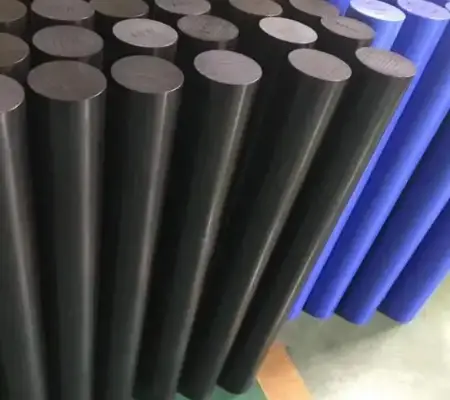
POM
Hoge sterkte, lage wrijving en stabiele afmetingen. Gemakkelijk te bewerken en kan metaal vervangen in slijtageonderdelen zoals tandwielen en lagers. Wordt gebruikt in de automobielindustrie, de machinebouw en medische instrumenten.
Kleur : wit, zwart, blauw, geel, enz.
Soorten : POM-H, POM-C.
Oppervlakteafwerking: Polijsten, zandstralen, chemisch polijsten, laserpolijsten, anodiseren/lakken.
Levertijd : 1-5 dagen.
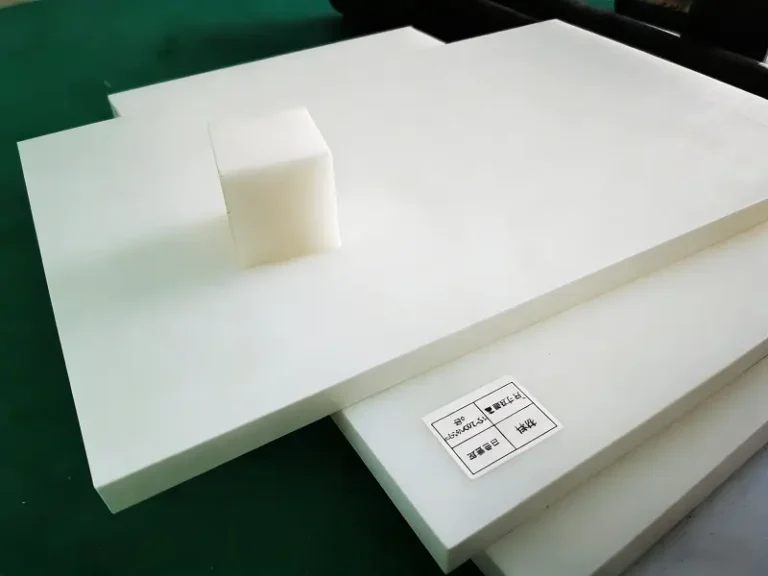
PA
PA (nylon) biedt een treksterkte van 62–85 MPa, een lage wrijving en hittebestendigheid. Ideaal voor tandwielen en lagers in onderdelen voor de automobielindustrie, elektronica en industriële machines.
Kleur : Gekleurd.
Soorten : PA6, PA66, PA6T, PA9T.
Oppervlakteafwerking:Mechanisch slijpen, etsen met zuren of basen, hydrolysetchnologie, coating.
Levertijd : 1-5 dagen.
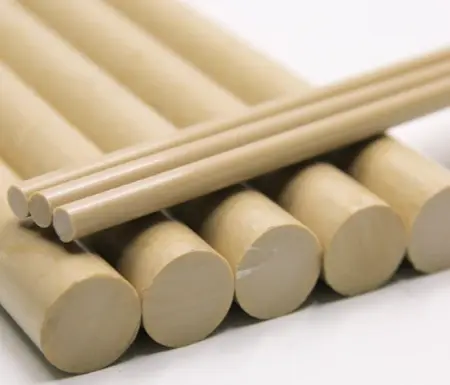
PEEK
PEEK is een zeer sterke, hittebestendige technische kunststof met een lage wrijvingscoëfficiënt en een uitstekende chemische bestendigheid, die wordt gebruikt in de lucht- en ruimtevaart, bij medische hulpmiddelen en voor precisieonderdelen.
Kleur : Beige, zwart.
Soorten : CF-PEEK, GF-PEEK, PEEK met vulstoffen zoals roet, keramiek, PTFE of grafiet.
Oppervlakteafwerking:Zandstralen, polijsten, metaalcoating, polymeercoating.
Levertijd : 1-5 dagen.
Mogelijkheden op het gebied van inwendig slijpen
| Artikel | Specificatie |
|---|---|
| Rondheid | ≤ 0,001 mm (precisieklasse), ≤ 0,005 mm (middelprecisieklasse) |
| Cilindriciteit | ≤0,002 mm/m (precisiekwaliteit) |
| Oppervlakteruwheid | Ra 0,025 μm (spiegelslijpen) ~ Ra 3,2 μm (grof slijpen) |
| Maximale bewerkingsdiameter | ≤500 mm (buitenmaat) / ≤300 mm (binnenmaat) |
| Maximale bewerkingslengte | ≤2000 mm |
| Minimale bewerkingsdiameter | ≥0,5 mm (buitenkant) / ≥2 mm (binnenkant) |
| Gemiddelde leveringstermijn | 5-7 dagen voor precisieonderdelen, 3-5 dagen voor standaardonderdelen |
| Procescapabiliteitsindex | CPK ≥ 1,33 (belangrijkste afmetingen) |
Handleiding voor inwendig slijpen
Aanbevelingen voor de keuze van slijpschijven
| MATERIAAL VAN HET WERKSTUK | AANBEVOLEN SCHUURMIDDEL | KENMERKEN |
|---|---|---|
| Koolstofstaal, gelegeerd staal | Wit korund | Hoge hardheid, lage warmteontwikkeling, geschikt voor precisieslijpen |
| Roestvrij staal/titaniumlegering | Kubisch boornitride | Goede thermische stabiliteit; de slijtvastheid is 100 keer zo groot als die van korund |
| Aluminiumlegering/messing | Groen siliciumcarbide | Hoge scherpte, voorkomt verstopping door spaanders |
| Keramiek/glas | Diamant | Superhard schuurmiddel, geschikt voor harde en broze materialen |
Grofslijpen (Ra 1,6-3,2 μm): slijpschijf met korrelgrootte 24#-60#, zachte hardheidsklasse (G-J)
Precisieslijpen (Ra 0,4-0,8 μm): slijpschijf met korrelgrootte 80#-120#, gemiddelde korrelgrootte (K-M)
Superprecisieslijpen (Ra ≤ 0,2 μm): slijpschijf met korrelgrootte 150#-240#, harde kwaliteit (N-P)
Bewerkingsparameters voor gangbare werkstukmaterialen
De juiste verwerkingsparameters zijn essentieel voor het bereiken van een stabiele kwaliteit, maatnauwkeurigheid en een consistente oppervlakteafwerking. De volgende parameters gelden voor zowel buiten- en binnenslijpen, waarbij belangrijke factoren zoals het toerental van de slijpschijf, de voedingssnelheid, de slijpdiepte, de koelmethode en de oppervlakteruwheid aan bod komen.
In de onderstaande tabellen staan de aanbevolen slijpparameters voor metaalachtig en niet-metaalhoudend werkstukmaterialen.
| MATERIAAL | Snelheid slijpschijf (m/s) | VOEDINGSSNELHEID (MM/MIN) | SLEEPDIEPTE (MM) | KOELMETHODE |
|---|---|---|---|---|
| 45#-staal | 30 – 35 | 100 – 150 | 0,05 – 0,1 | Spuiten met emulsie onder hoge druk |
| 304 roestvrij staal | 25 – 30 | 80 – 120 | 0,03 – 0,08 | Extreme – snijvloeistof onder druk + interne koeling |
| 7075-aluminiumlegering | 20 – 25 | 150 – 200 | 0,1 – 0,2 | Koeling door middel van kerosinesproeiers |
| NIET-METALEN MATERIAAL | TYPE SLIJPschijf | VOEDINGSSNELHEID (MM/MIN) | DOELSTELLING VOOR OPPERVLAKTERUWHEID |
|---|---|---|---|
| POM | Slijpschijf van atmosferische poriënhars | 60 – 100 | Ra 0,8 μm |
| PEEK | CBN-slijpschijf | 40 – 60 | Ra 0,4 μm |
| GFRP | Slijpschijf van gecarboniseerd silicium | 80 – 120 | Ra 1,6 μm |
Voordelen van inwendig slijpen
Hoognauwkeurige verspaning
Bij inwendig en uitwendig slijpen wordt een nauwkeurigheid van ±0,001 mm en een rondheid van ≤0,0005 mm bereikt, wat ideaal is voor assen voor de lucht- en ruimtevaart en hydraulische componenten.
Uitstekende oppervlaktekwaliteit
De oppervlakteruwheid bedraagt Ra ≤ 0,04 μm, of Ra ≤ 0,01 μm voor ultraprecisie, waarmee wordt voldaan aan de eisen op het gebied van optische toepassingen, matrijzen en hoogwaardige afwerking.
Brede materiaalcompatibiliteit
Geschikt voor metalen, keramiek, glas, kunststoffen en composietmaterialen, waaronder harde, broze en zachte materialen voor uiteenlopende toepassingen.
Hoge efficiëntie
CNC-slijpen met hogesnelheidsgereedschappen zoals CBN zorgt voor een stabiele bewerking, waardoor de productiviteit toeneemt en de cyclustijden worden verkort.
Toepassingsgebieden voor inwendig slijpen
1. Lucht- en ruimtevaart:Turbineassen, motorbladen, landingsgestelpoten, precisieassen voor navigatiesystemen.
2. Automobielindustrie: Krukassen, nokkenassen, tandwielen voor de versnellingsbak, blokken voor hydraulische cilinders, bussen voor het stuursysteem.
3. Matrijs- en vormbouw: Kernen/holtes van kunststofmatrijzen, geleidingspennen/bussen voor stansmatrijzen, boringen in spuitgietmatrijzen.
4. Medische hulpmiddelen:Kunstgewrichten (heup/knie), chirurgische instrumenten (boren, frezen), implantatiegaten.
Veelgestelde vragen over inwendig slijpen
Welke factoren beïnvloeden de oppervlakteruwheid bij het inwendig en uitwendig cilindrisch slijpen, en hoe kunnen deze worden aangepast?
Verschillende factoren beïnvloeden de oppervlakteruwheid. De korrelgrootte van de slijpschijf is een belangrijke factor. Een fijnere korrelgrootte levert over het algemeen een gladder oppervlak op, omdat er per slijpgang minder materiaal wordt afgeschuurd. Dit kan echter ook leiden tot een lagere materiaalafname. Ook het materiaal van het werkstuk speelt een rol. Bij zachtere materialen is de kans op smeerslijpen groter, wat mogelijk tot een ruwer oppervlak leidt als dit niet goed wordt beheerst. Om de oppervlakteruwheid aan te passen, kunt u de slijpschijf vervangen door een exemplaar met een andere korrelgrootte. Als er bijvoorbeeld een gladder oppervlak vereist is, schakel dan over op een slijpschijf met een fijnere korrelgrootte. Daarnaast kan het helpen om de slijpparameters, zoals de aanvoersnelheid en de slijpdiepte, te optimaliseren. Een lagere aanvoersnelheid en een kleinere slijpdiepte dragen doorgaans bij aan een betere oppervlakteafwerking.
Hoe kies je de juiste slijpschijf voor het inwendig en uitwendig cilindrisch slijpen?
Bij het kiezen van een slijpschijf voor het uitwendig cilindrisch slijpen moet rekening worden gehouden met factoren zoals het materiaal van het werkstuk, de hardheid en de vereiste oppervlakteafwerking. Voor werkstukken van hard materiaal, zoals gehard staal, is een slijpschijf van kubisch boornitride (CBN) vaak een goede keuze vanwege de hoge hardheid en slijtvastheid. Voor zachtere materialen is een korundslijpschijf wellicht geschikter. Bij het inwendig cilindrisch slijpen is de diameter van de binnenboring van cruciaal belang. De slijpschijf moet klein genoeg zijn om in de boring te passen en voldoende sterkte hebben om effectief te kunnen slijpen. Voor binnenboringen met een kleine diameter is een dunne en kleine slijpschijf vereist.
Wat zijn de meest voorkomende oppervlaktefouten die kunnen optreden bij het inwendig en uitwendig cilindrisch slijpen, en hoe kunnen deze worden voorkomen?
Veelvoorkomende oppervlaktefouten zijn onder meer krassen, brandsporen en trillingssporen. Krassen kunnen worden veroorzaakt door onzuiverheden op het oppervlak van de slijpschijf of door een onjuiste aanvoersnelheid. Voorkom krassen door de slijpschijf regelmatig af te dresseren en te zorgen voor een stabiele aanvoersnelheid. Brandplekken ontstaan door overmatige slijpwarmte; gebruik effectieve koelmethoden zoals het sproeien van koelvloeistof onder hoge druk en houd de slijpparameters onder controle. Trillingssporen kunnen het gevolg zijn van ongebalanceerde slijpschijven of een slechte opspanning van het werkstuk; breng de slijpschijf in balans en verbeter de opspanningsmethoden.
Hoe kan de maatnauwkeurigheid bij het inwendig en uitwendig cilindrisch slijpen worden gewaarborgd?
De maatnauwkeurigheid wordt gecontroleerd door middel van nauwkeurige metingen met instrumenten zoals micrometers. Optimaliseer de slijpparameters (slijpschijfsnelheid, aanvoersnelheid, slijpdiepte) op basis van het materiaal en de nauwkeurigheidseisen. Gebruik voor hoge precisie kleinere slijpdieptes en lagere aanvoersnelheden. Zorg voor stabiliteit van de machine door regelmatig onderhoud en kalibratie om trillingen te verminderen.
Wat zijn de voordelen van het gebruik van CNC-technologie bij het inwendig en uitwendig cilindrisch slijpen?
CNC-technologie zorgt voor uiterst nauwkeurige, consistente resultaten door de bewegingen van de slijpschijf en het werkstuk nauwkeurig te regelen. Deze technologie verhoogt de productie-efficiëntie door middel van geautomatiseerde bewerkingen en continue slijpprocessen. CNC-machines kunnen meerdere programma’s opslaan, waardoor eenvoudig kan worden omgeschakeld tussen verschillende soorten werkstukken en slijpvereisten, wat flexibiliteit biedt in uiteenlopende productieomgevingen.