
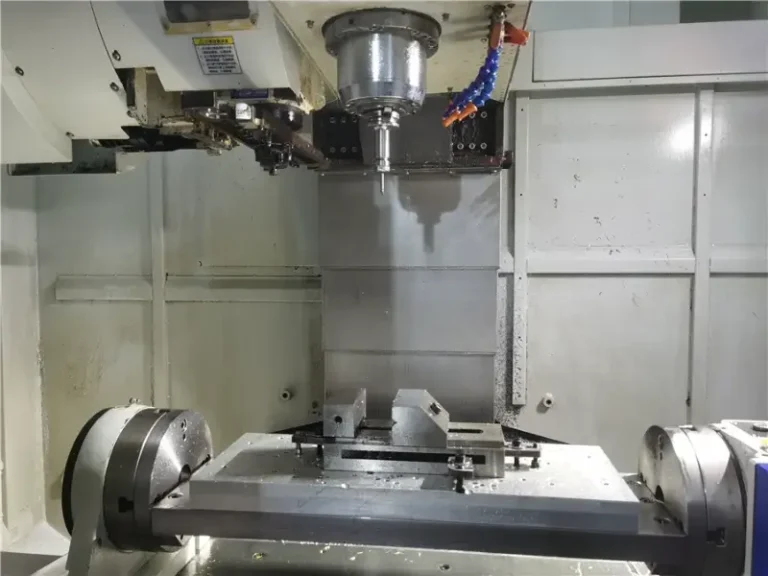
4-Axis CNC Machining Services
Machine features around your part with controlled rotary positioning. Weldo combines linear milling with a fourth rotary axis to produce multi-face metal and plastic components, from prototypes to repeat production.
- Multi-face machining
- Fewer setups
- Metal & plastic parts
How 4-Axis CNC Machining Works
Four-axis milling adds a rotary axis to X, Y and Z motion. An A-axis rotates the workpiece around X; other configurations use B or C rotation. The extra orientation helps reach features around the part without repeatedly removing it from the fixture.
Rotary access depends on the fixture, tool reach and part shape. The clamped end, deep undercuts and compound-angle features may still need another setup or five-axis machining.
Indexed 4-Axis Machining
The rotary axis positions the workpiece at a selected angle, then holds position while the linear axes cut. This suits flats, radial holes, pockets and repeated features on several faces.
Simultaneous 4-Axis Machining
Rotary and linear motion are coordinated during cutting. Suitable machine control and CAM toolpaths enable wrapped profiles, helical grooves and continuous circumferential features.
We review geometry and access before selecting indexed or simultaneous machining. Adding a rotary axis alone does not make every feature accessible.
Materials for 4-Axis CNC Machining
Compare metals and engineering plastics by strength, stiffness, wear, chemical exposure and service temperature. Expand each material for grades, uses and machining considerations.
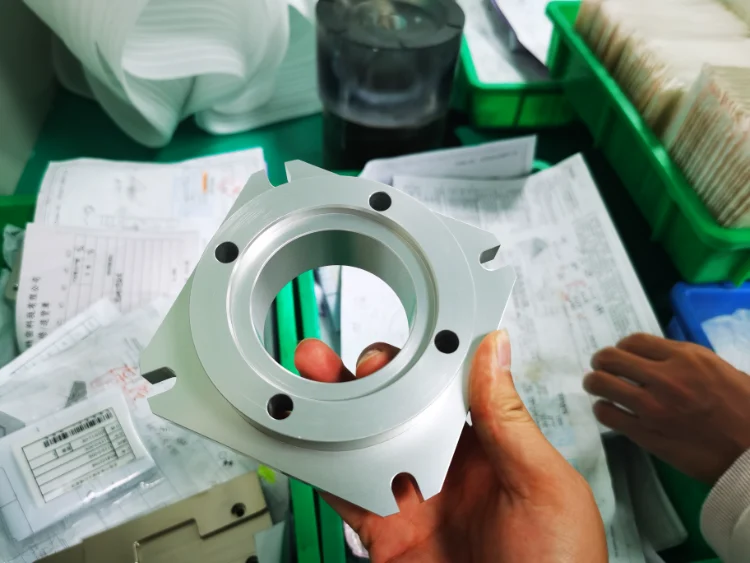
Aluminium
Low weight and good machinability make aluminum a practical choice for pockets, plates and structural parts.
View material details
- Veelvoorkomende kwaliteiten
- 6061, 6082, 7075, 2024, 5052, 6063, MIC-6
- Standaardonderdelen
- Brackets, housings, mounting plates and prototype fixtures.
- Machining considerations
- Thin walls and large pockets can move as residual stress is released. Select the temper and plan the stock-removal sequence.
- Afwerkingsopties
- Anodizing, bead blasting, brushing or powder coating; suitability depends on the alloy.
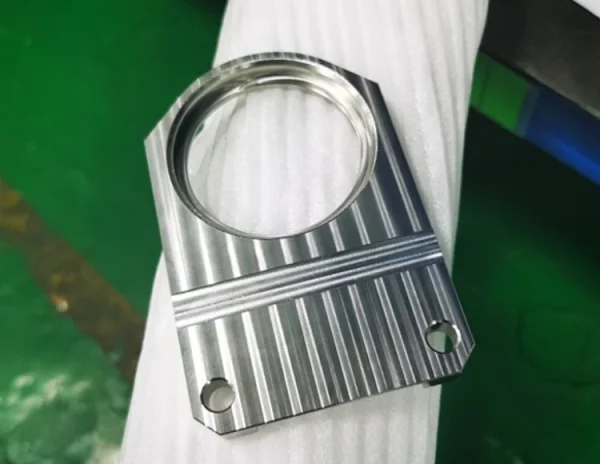
Roestvrij staal
Corrosion-resistant grades suit durable parts; machinability varies with alloy and heat-treatment condition.
View material details
- Veelvoorkomende kwaliteiten
- 304, 316, 410, 420, 440C, 17-4 PH, 2205
- Standaardonderdelen
- Equipment housings, manifolds, mounting blocks and medical-equipment components.
- Machining considerations
- Control heat and work hardening with suitable tooling, chip load and coolant. Specify the required material condition.
- Afwerkingsopties
- Passivation, bead blasting, brushing or polishing.
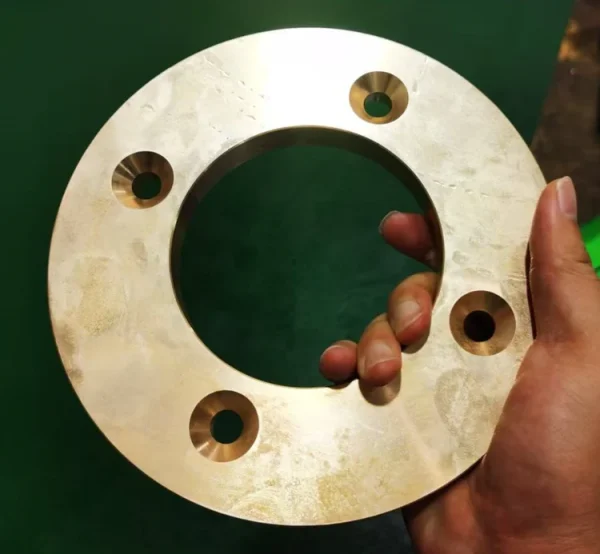
Copper & Copper Alloys
High conductivity is useful for electrical and thermal components; pure copper can be ductile and prone to burrs.
View material details
- Veelvoorkomende kwaliteiten
- C101, C110 and grade-specific copper alloys
- Standaardonderdelen
- Electrical contacts, heat-transfer components and conductive mounting blocks.
- Machining considerations
- Use sharp tools and reliable chip evacuation. Brass and beryllium-copper grades require distinct process choices; identify the exact alloy.
- Afwerkingsopties
- Deburring, polishing or specified plating.

Brons
Copper-based bronze alloys offer useful wear, sliding and corrosion properties, depending on the grade.
View material details
- Veelvoorkomende kwaliteiten
- Tin bronze, aluminum bronze, silicon bronze
- Standaardonderdelen
- Wear plates, valve components, bearing blocks and locating parts.
- Machining considerations
- Confirm the alloy and stock form. Machinability and tool wear differ substantially between bronze grades.
- Afwerkingsopties
- Deburring, polishing or compatible protective plating.
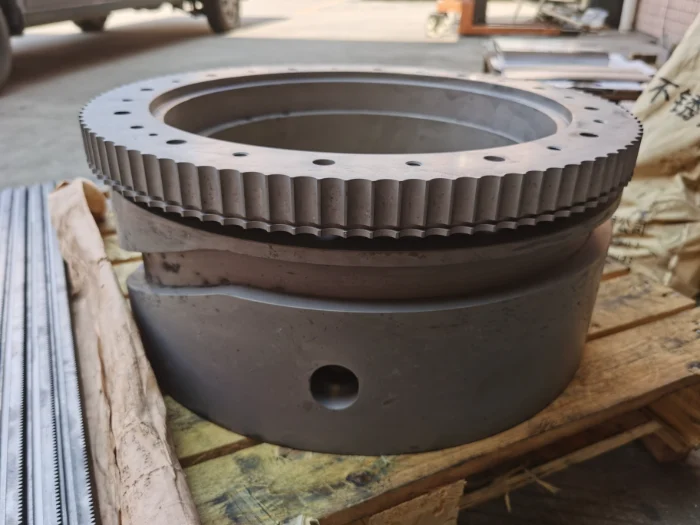
Staal
Carbon, alloy and tool steels provide a wide range of strength, toughness and wear resistance.
View material details
- Veelvoorkomende kwaliteiten
- S45C, 4130, 4140, H13, D2, A2, M2
- Standaardonderdelen
- Tooling plates, fixtures, machine brackets and hardened wear components.
- Machining considerations
- Plan machining around heat treatment, hardness and distortion. Most carbon and alloy steels need corrosion protection.
- Afwerkingsopties
- Black oxide, plating, paint or selected PVD coatings.
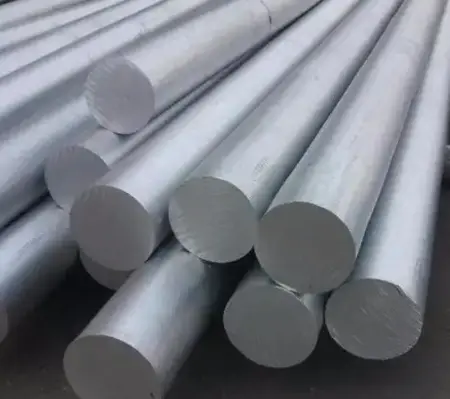
Magnesium
Very low density and good machinability support weight-sensitive housings and structural parts.
View material details
- Veelvoorkomende kwaliteiten
- AZ31, AZ91, ZK60, WE43
- Standaardonderdelen
- Lightweight enclosures, brackets and equipment components.
- Machining considerations
- Chip collection, fire precautions and coolant selection require a magnesium-specific machining plan.
- Afwerkingsopties
- Conversion coating, compatible anodizing or protective painting.
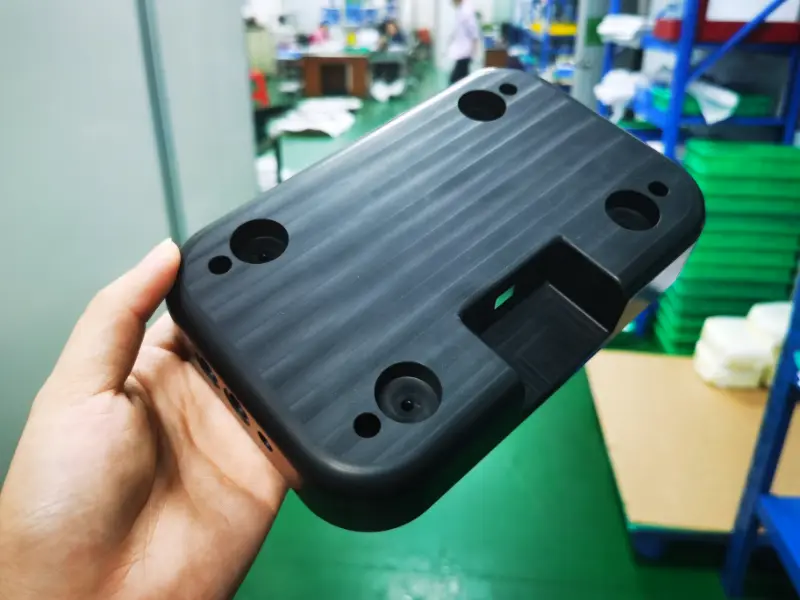
ABS
A tough, economical plastic for functional prototypes and enclosure components.
View material details
- Veelvoorkomende kwaliteiten
- General-purpose, high-impact and heat-resistant grades
- Standaardonderdelen
- Covers, equipment housings and interior brackets.
- Machining considerations
- Manage cutting heat and clamping pressure to avoid softening, distortion or surface marking.
- Afwerkingsopties
- Deburring, sanding, painting or compatible printing.
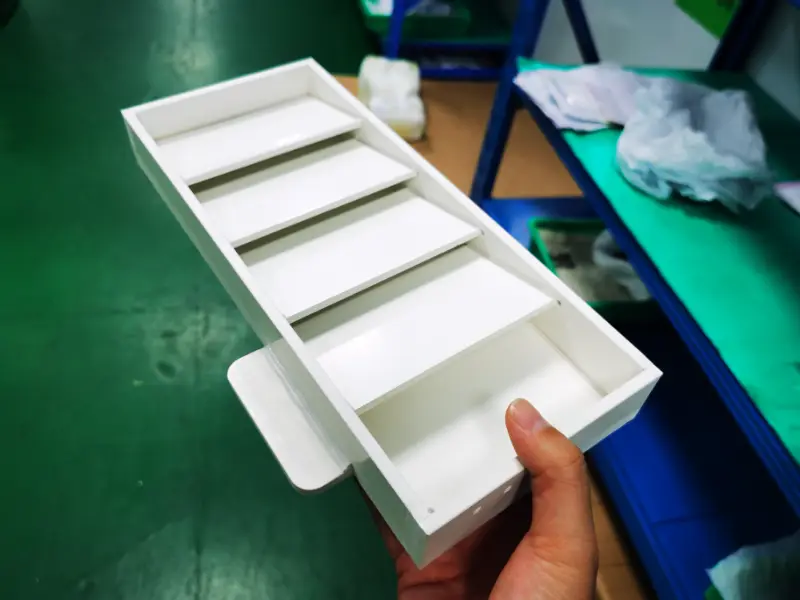
PVC
Rigid PVC offers chemical resistance for many wet-process and equipment applications.
View material details
- Veelvoorkomende kwaliteiten
- Rigid PVC; other grades by review
- Standaardonderdelen
- Chemical-equipment housings, manifolds and mounting components.
- Machining considerations
- Control heat and chip removal; do not overheat the polymer. Confirm chemical compatibility for the actual service conditions.
- Afwerkingsopties
- Deburring and compatible painting or printing.

POM / Acetaal
Low friction, good machinability and useful dimensional stability suit precision mechanical components.
View material details
- Veelvoorkomende kwaliteiten
- POM-C, POM-H
- Standaardonderdelen
- Gears, guide blocks, bushings and fixture components.
- Machining considerations
- Avoid excessive clamping and uneven stock removal. Account for temperature when inspecting tight fits.
- Afwerkingsopties
- Fine machining and deburring; coating or bonding needs special surface preparation.

PMMA / Acryl
A transparent plastic for optical covers and visual prototypes; machined surfaces need finishing for clarity.
View material details
- Veelvoorkomende kwaliteiten
- Clear, colored and impact-modified grades
- Standaardonderdelen
- Windows, light guides, display covers and inspection panels.
- Machining considerations
- Sharp tools and gentle clamping reduce chipping and cracking. Check chemical and solvent compatibility.
- Afwerkingsopties
- Mechanical polishing; other clarity treatments depend on geometry and stress.
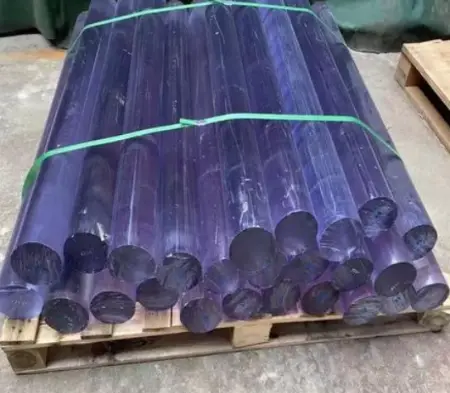
PC / Polycarbonate
High impact strength makes PC useful for tough covers and transparent protective components.
View material details
- Veelvoorkomende kwaliteiten
- General-purpose and selected modified grades
- Standaardonderdelen
- Guards, electronic housings and impact-resistant equipment covers.
- Machining considerations
- Control heat and residual stress. Some solvents and finishing processes can cause stress cracking.
- Afwerkingsopties
- Fine machining, compatible polishing or qualified hard coating.
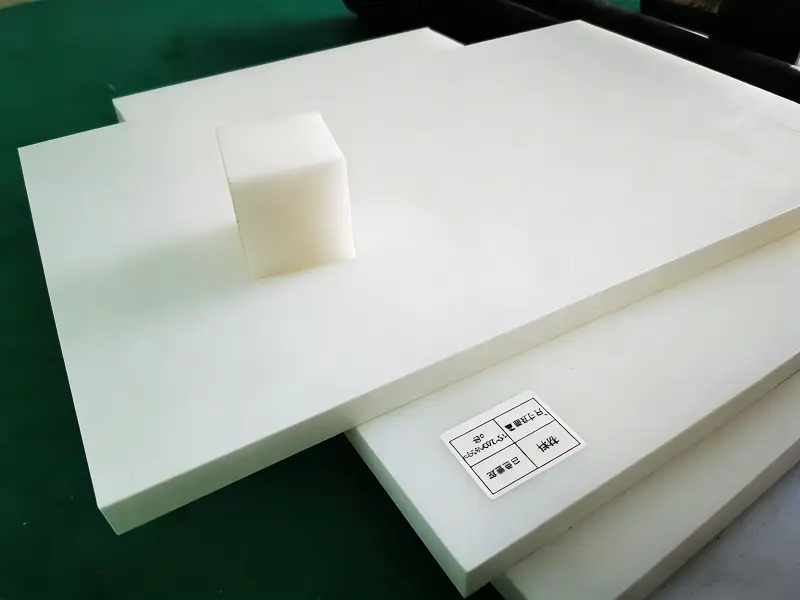
PA / Nylon
Wear resistance and toughness suit sliding and load-bearing mechanical parts.
View material details
- Veelvoorkomende kwaliteiten
- PA6, PA66; reinforced grades by review
- Standaardonderdelen
- Gears, guides, wear pads and support blocks.
- Machining considerations
- Moisture absorption affects size and fit. Define conditioning and measurement conditions for critical dimensions.
- Afwerkingsopties
- Deburring and fine machining; coatings require compatibility review.

PE
A chemically resistant, low-friction family used for sliding surfaces and equipment parts.
View material details
- Veelvoorkomende kwaliteiten
- LDPE, HDPE, UHMWPE
- Standaardonderdelen
- Guides, liners, contact blocks and conveyor components.
- Machining considerations
- Low stiffness and thermal expansion can affect size. Allow for deflection, burr removal and service temperature.
- Afwerkingsopties
- Clean machining and deburring; adhesion treatments need separate review.

PEEK
A high-performance polymer for elevated-temperature service and demanding chemical environments.
View material details
- Veelvoorkomende kwaliteiten
- Unfilled, glass-filled, carbon-filled and bearing grades
- Standaardonderdelen
- Insulating components, high-temperature fixtures and wear components.
- Machining considerations
- Manage residual stress and heat. Filled grades are more abrasive; medical uses require grade-specific qualification.
- Afwerkingsopties
- Fine machining, deburring or qualified surface treatment.
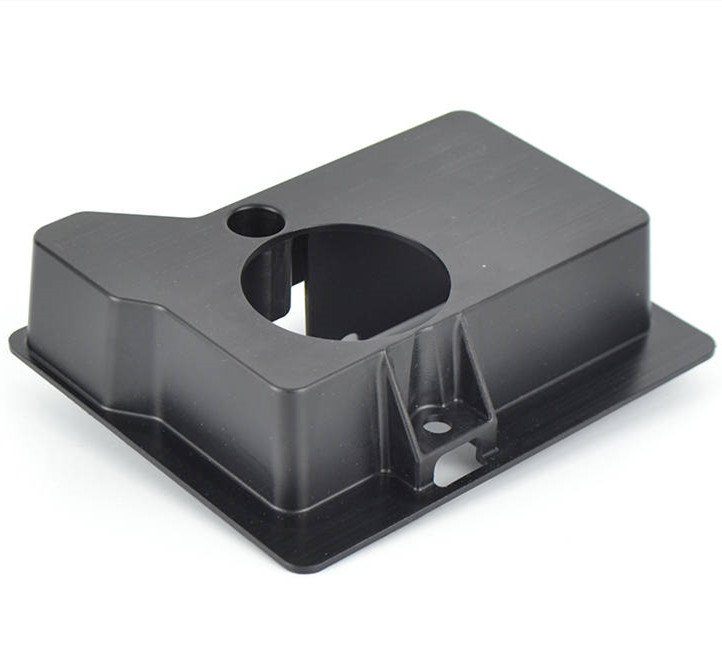
PP
Low density and chemical resistance suit equipment components where high stiffness is not essential.
View material details
- Veelvoorkomende kwaliteiten
- PP-H, PP copolymers and selected filled grades
- Standaardonderdelen
- Fluid-handling parts, covers, fittings and prototype housings.
- Machining considerations
- Flexible sections can deflect during cutting. Control heat, support the part and allow for thermal movement.
- Afwerkingsopties
- Deburring and compatible marking; coating requires adhesion review.
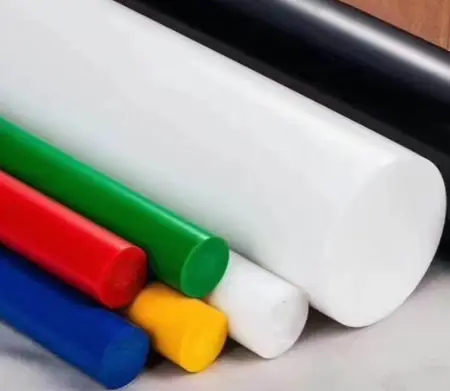
HDPE
HDPE is a polyethylene grade with useful impact strength and chemical resistance.
View material details
- Veelvoorkomende kwaliteiten
- Standard, UV-stabilized and selected modified grades
- Standaardonderdelen
- Wear strips, fluid-handling blocks, guides and equipment components.
- Machining considerations
- Large thermal expansion and low stiffness limit tight-tolerance stability. Define inspection temperature and service conditions.
- Afwerkingsopties
- Machined finish and deburring; special preparation is needed for coatings.
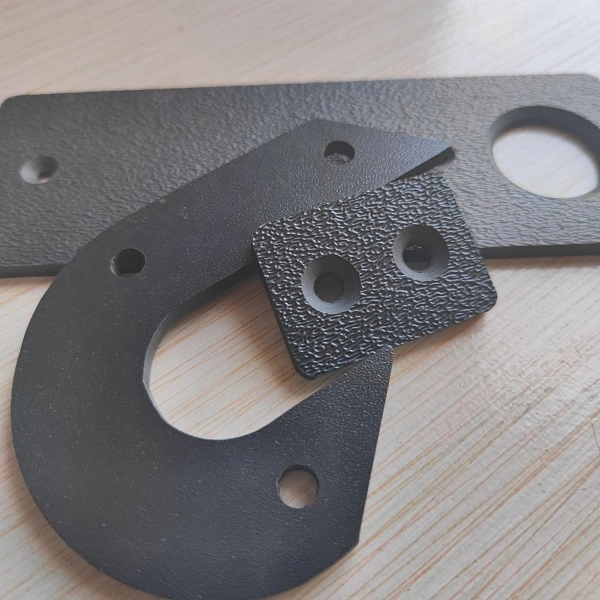
HIPS
An economical, impact-modified polystyrene for appearance models and lightly loaded housings.
View material details
- Veelvoorkomende kwaliteiten
- Standard and selected modified grades
- Standaardonderdelen
- Display components, covers and product-development prototypes.
- Machining considerations
- Keep cutting temperatures controlled and avoid incompatible solvents; heat resistance is limited.
- Afwerkingsopties
- Sanding, compatible painting or printing.
Need a different grade or composite? Share its specification for review. Stock availability, machining behavior and finishing compatibility are confirmed with your quotation.
4-Axis CNC Machining Specifications
Key size limits, tolerances and lead times for project planning.
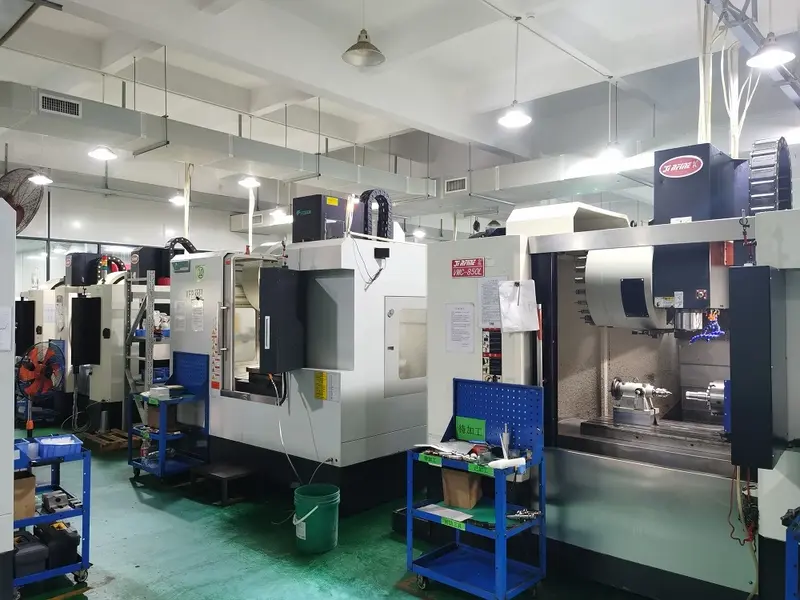
- Rotary workpiece size
- Tot Ø600 × 1,200 mm nominal diameter × length; subject to fixture, tailstock and tool clearance.
- Small workpieces
- Down to Ø3 mm on suitable parts; workholding and geometry reviewed.
- Feature tolerances
- ±0,01 mm when specified; down to ±0,005 mm on selected features after review.
- General tolerances
- ISO 2768-1: class f for metals; class m for plastics, when specified.
- Vereisten voor het oppervlak
- Drawing-specified Ra and finish. ISO 21920-1 for surface-texture indications, where specified.
- Indicative lead time
- Prototypes: 1–3 days.
Small batches: 3–5 days.
Expedited requests: 24–48 hours, subject to approval.
Drawing callouts take priority. Size, tolerance and lead time are confirmed after part review; finishing and shipping may add time.
Minder installaties
Index around accessible faces while retaining one fixture reference, reducing repeated handling.
Consistent Datums
Keep related features referenced to the same setup. Final accuracy still depends on the machine, tooling and fixture.
Rotary Features
Produce suitable radial patterns, multi-face pockets and circumferential features with the right machining strategy.
Herhalingsproductie
Reusable fixtures and controlled toolpaths can improve consistency and reduce handling across a batch.
Design Guidance for Better Machined Parts
Practical starting points for four-axis access, workholding and feature design. Final limits depend on the complete part.
Internal Corners
Start with an internal radius of 2 mm or larger where practical. A rotary axis does not remove the need for cutter clearance.
Walls & Floors
Starting wall thickness: ≥1 mm for metals en ≥1.5 mm for plastics. Tall or unsupported walls may need more thickness.
Radial & Angled Holes
Small holes from Ø1 mm by review; target depth ≤5× diameter. Hole direction must be reachable with the available rotary orientation.
Discussies
Metric threads from M2–M50 by review. Specify thread class and depth; engagement length depends on the material and fastener load.
Rotary Clearance
Allow space for the full swept shape of the part, clamps and tailstock. Keep tool reach practical and identify interference around every indexed position.
Workholding & Datums
Provide a suitable clamping surface or sacrificial allowance. Identify the primary datums and angular relationships between faces on the drawing.
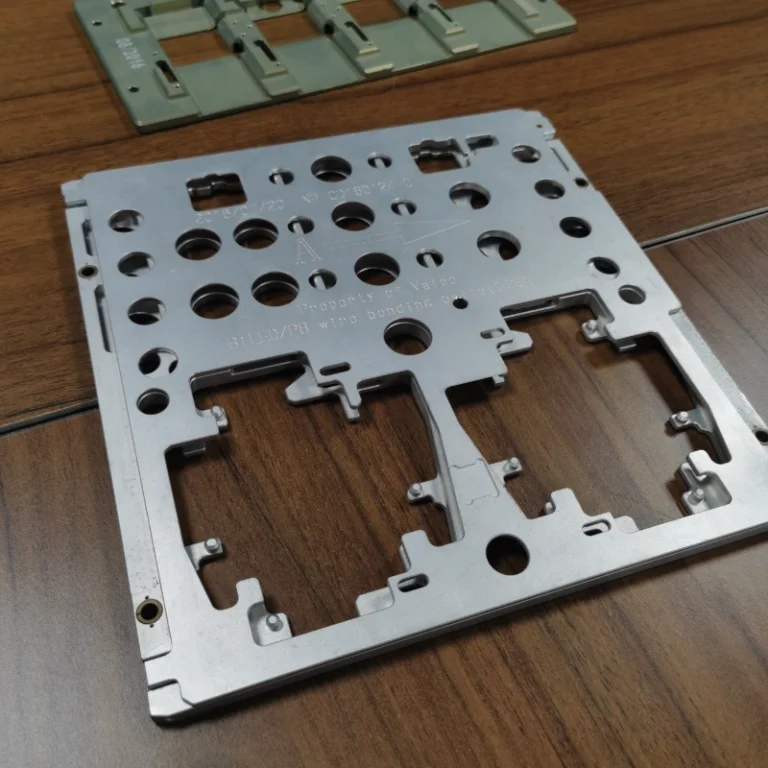
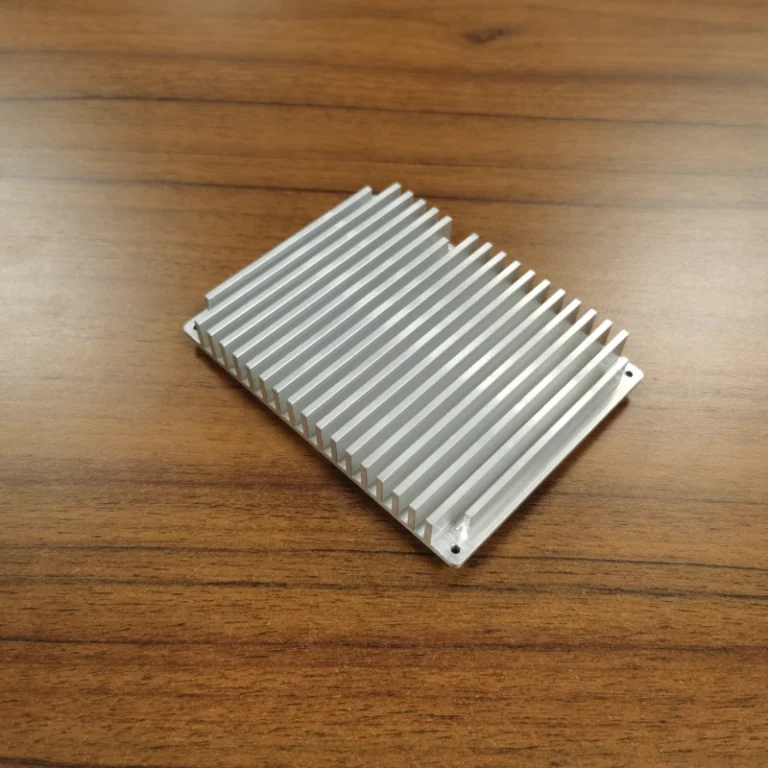
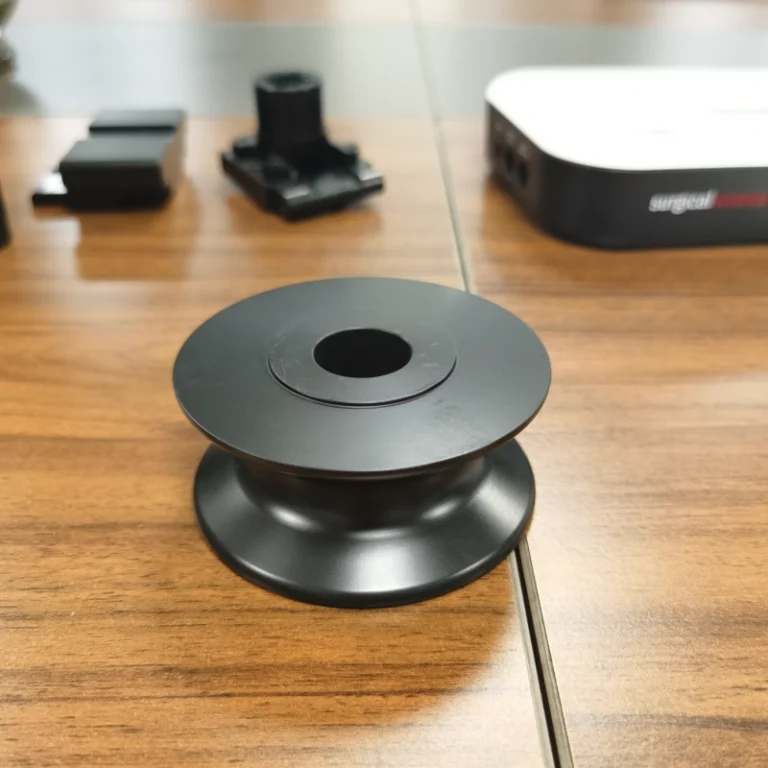
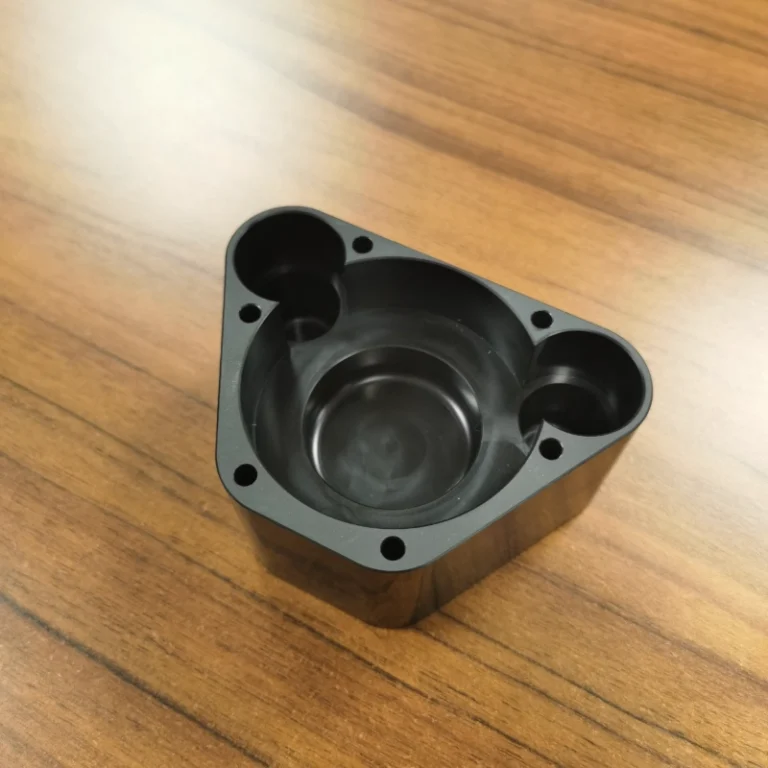
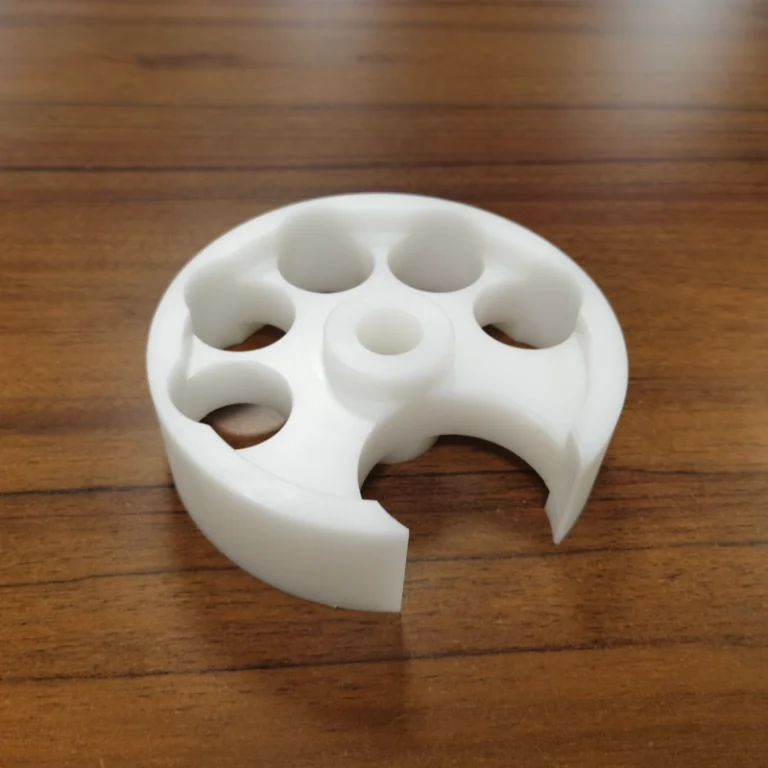
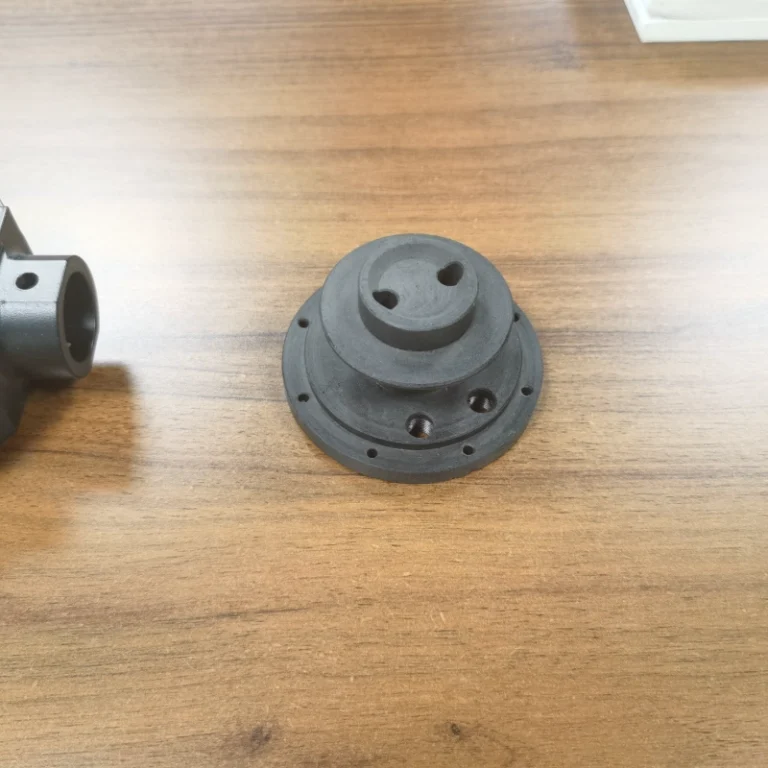
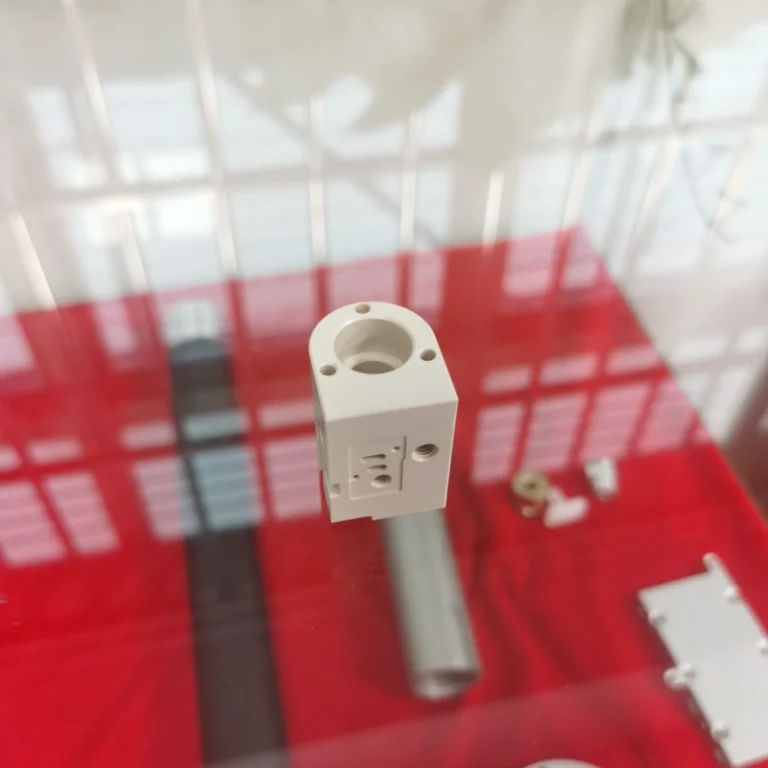
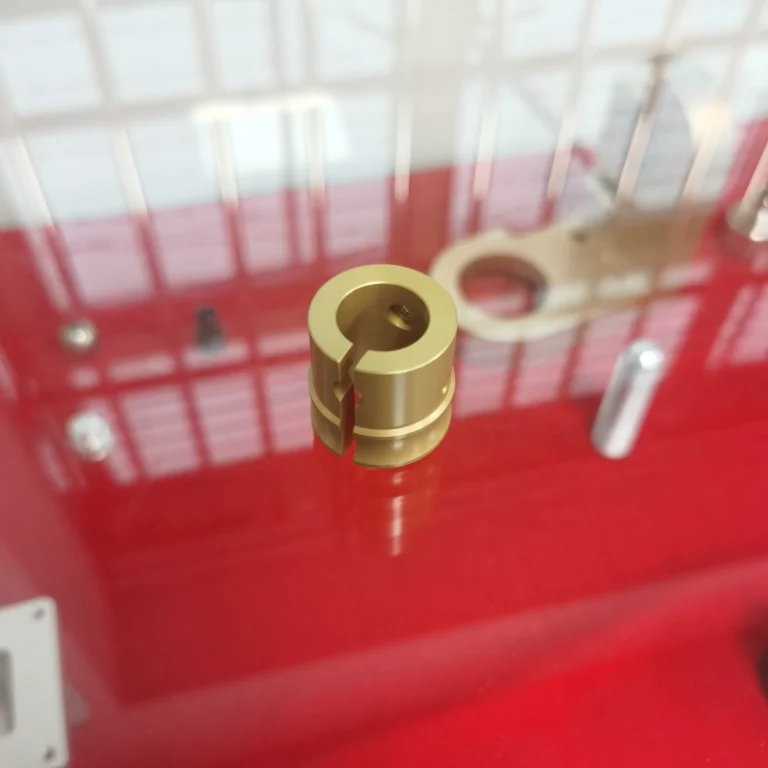
Weldo 4-Axis Machining Projects
Examples from Weldo’s machining work, including metal and engineering-plastic components. Share your drawing to review rotary access, setup options and finishing.
Applications for 4-Axis Machined Parts
Four-axis machining is useful when rotary access simplifies the part, setup or production sequence.
Aerospace Equipment
Sensor housings, actuator components and multi-face mounts, with material and documentation requirements defined by the project.
Automotive & Mobility
Shaft flats, radial hole patterns, housings and fixture components with features around the workpiece.
Medische apparatuur
Instrument components and equipment housings. Implant and patient-contact parts need grade-specific qualification.
Mold & Tooling
Accessible mold-core details, cavities and tooling features. Undercuts or compound angles may require a different setup or process.
4-Axis CNC Machining FAQ
Practical details for quotation and order preparation.
Which file formats should I send?
Send a STEP model with a dimensioned PDF drawing. For rotary engraving or special profiles, include the artwork or profile definition. Make sure the model and drawing use the same units and revision.
How should I submit a drawing revision?
Send the updated model and drawing together, identify the revision and highlight the changes. If the quotation or order is already in progress, request a review of any cost or schedule impact before the revised design is released for production.
How do I request inspection or material documents?
List the required documents in your enquiry, such as a dimensional report or material certificate. Identify the dimensions to report and any traceability requirements so document availability and cost can be confirmed in the quotation.
Ready for a Quote on Your Design?
Send your drawing, material and quantity. We’ll review rotary access and prepare a practical quotation.