
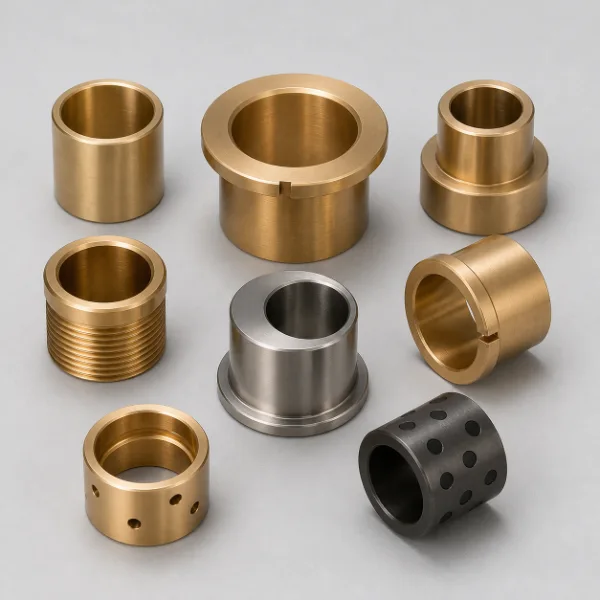
Custom Bushing Machining
Custom Bushings for Motion, Support and Wear Control
Drawing-based metal, plastic and composite bushings for rotating, sliding, locating and vibration-control applications. Send the load, fit, material and service conditions for an engineering review and transparent quote.
Prototype, low-volume and repeat-production bushings are manufactured from the approved drawing.
Upload Your Bushing Drawing →Bushing Structures
Bushing Types for Different Loads and Fits
A bushing forms a replaceable interface between moving parts. Select the structure from load direction, installation method, available space, lubrication and replacement needs.
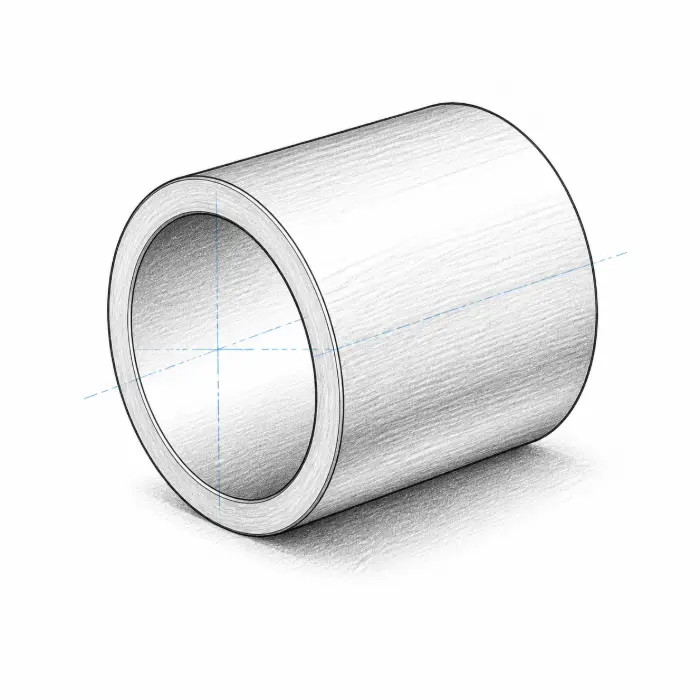
Sleeve Bushings
Compact radial support and a replaceable wear surface for shafts.
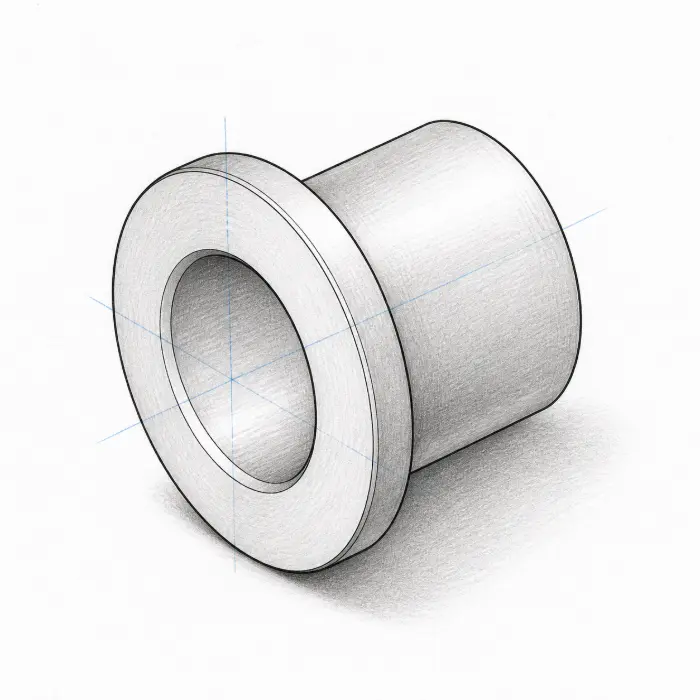
Flanged Bushings
Adds an axial locating shoulder and a positive installation stop.
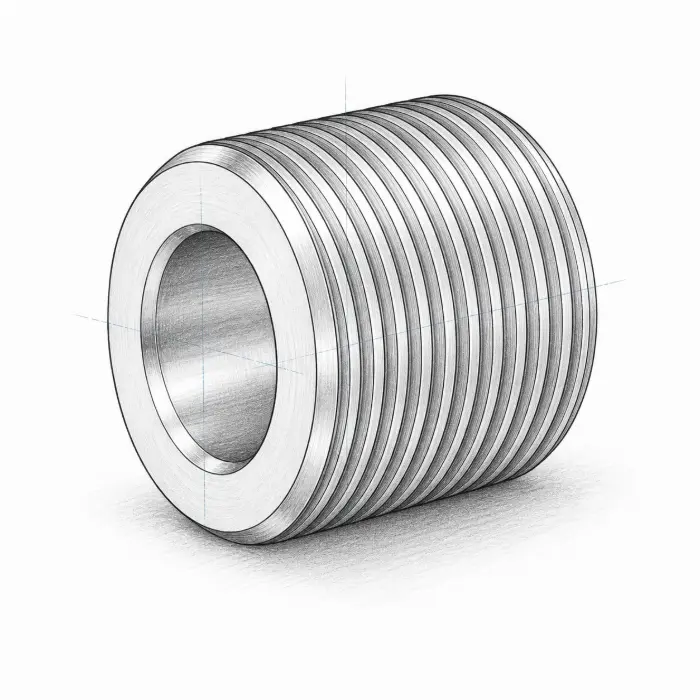
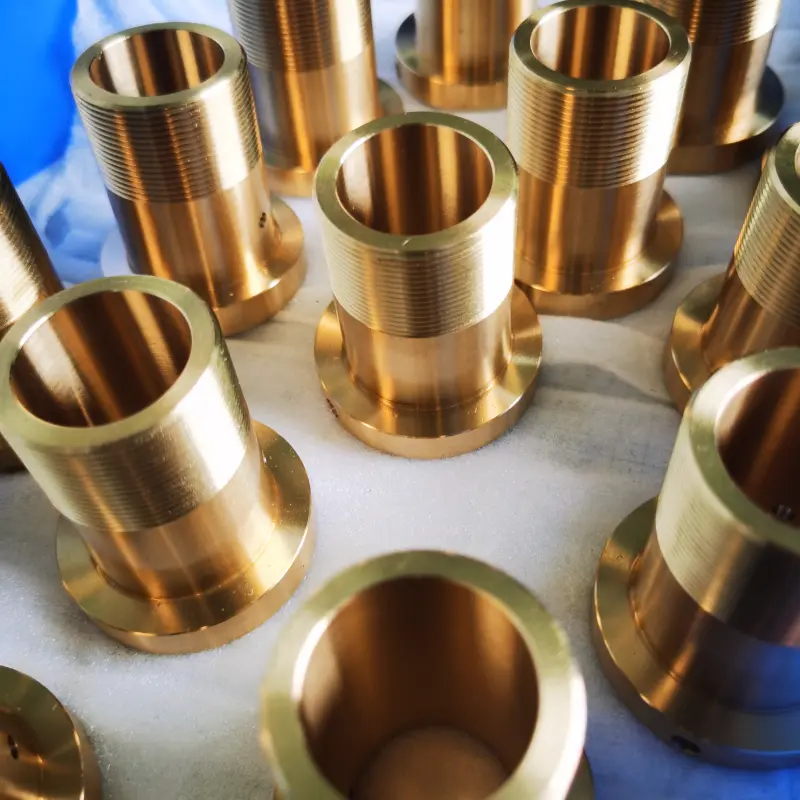
Threaded Bushings
Combines positioning, fastening or adjustment in one component.
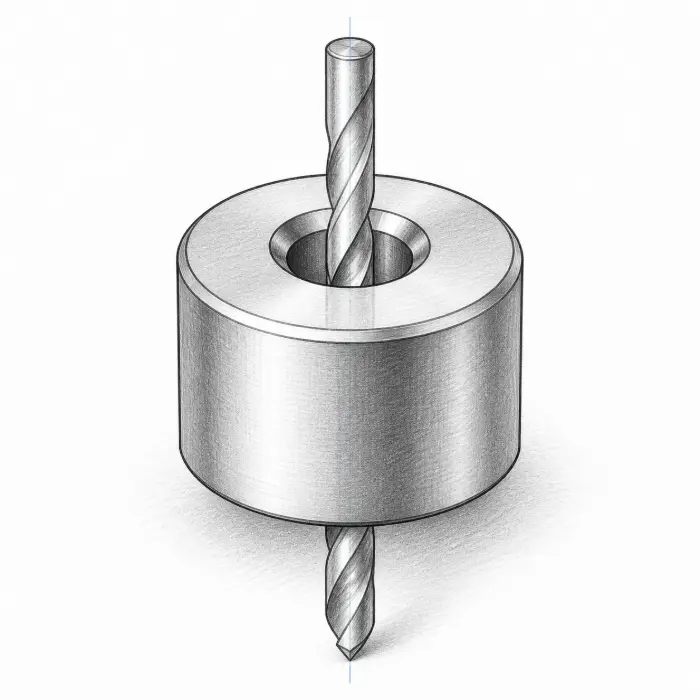
Drill Guide Bushings
Hard, accurate guidance for repeatable drilling and tooling location.
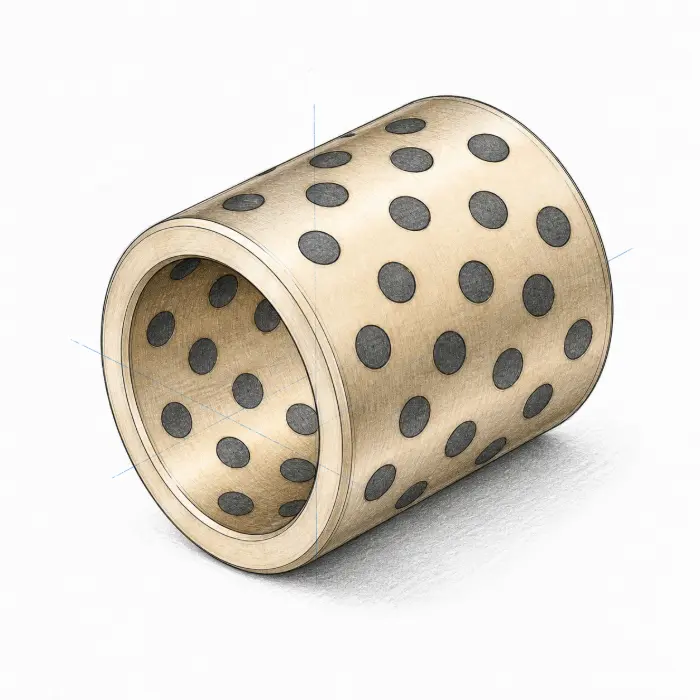
Self-Lubricating Bushings
Low-friction motion where grease access or maintenance is limited.
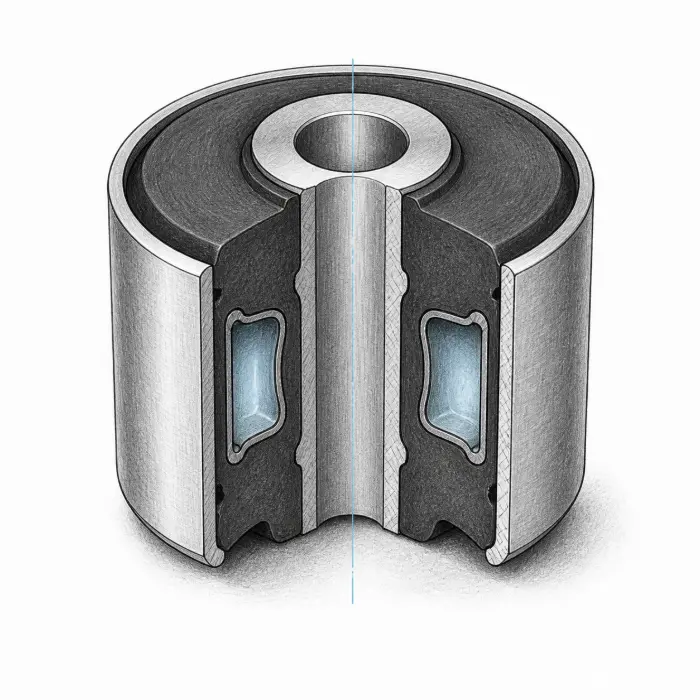
Rubber & Hydraulic Bushings
Compliance and damping for vibration, shock and controlled stiffness.
Material Selection
Bushing Materials, Grades and Service Environments
Compare materials by load, speed, friction, lubrication, temperature, chemicals and dimensional stability.
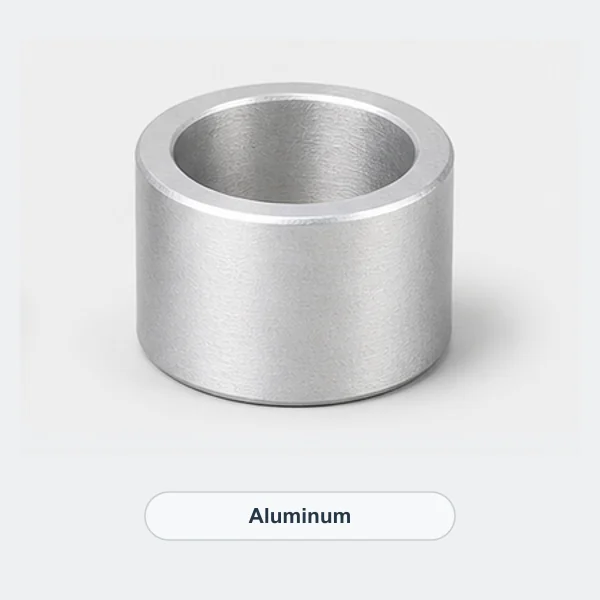
Aluminum
Low weight, corrosion resistance and efficient machining.
- Common Grades
- 6061-T6, 6082-T6, 7075-T6
- Service Environment
- Lightweight equipment, robotics and mild environments.
- Typical Parts
- Spacers, sleeves, guides and housings.
- Finish Options
- Anodizing, hard anodizing and bead blasting.
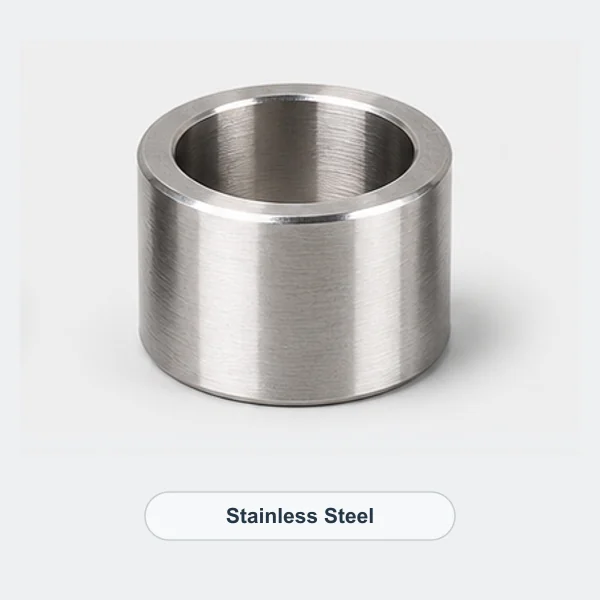
Stainless Steel
Strength, cleanliness and broad corrosion resistance.
- Common Grades
- 303, 304, 316L, 420, 440C
- Service Environment
- Wet, chemical, marine and clean-service systems.
- Typical Parts
- Valve sleeves, pump parts and precision guides.
- Finish Options
- Passivation, polishing, electropolishing and PVD.
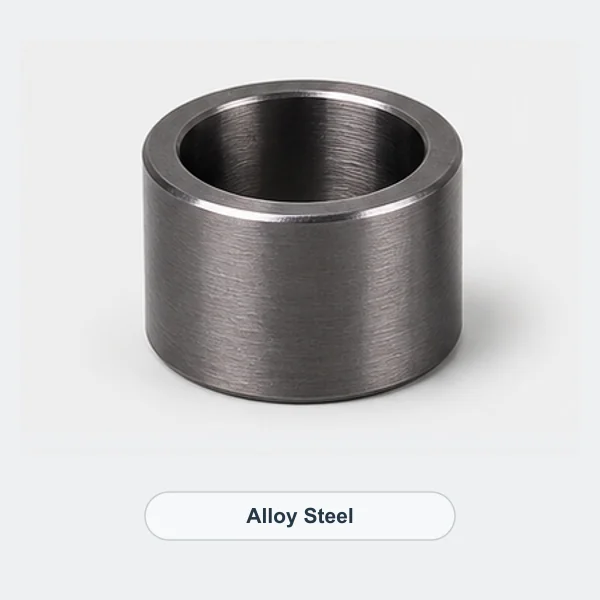
Alloy Steel
High strength, fatigue resistance and heat-treatment flexibility.
- Common Grades
- 4140, 4340, 40Cr, 42CrMo
- Service Environment
- Heavy load, impact, fatigue and hydraulic service.
- Typical Parts
- Wear sleeves, pins, gears and machinery bushings.
- Finish Options
- Quench and temper, nitriding, carburizing and plating.
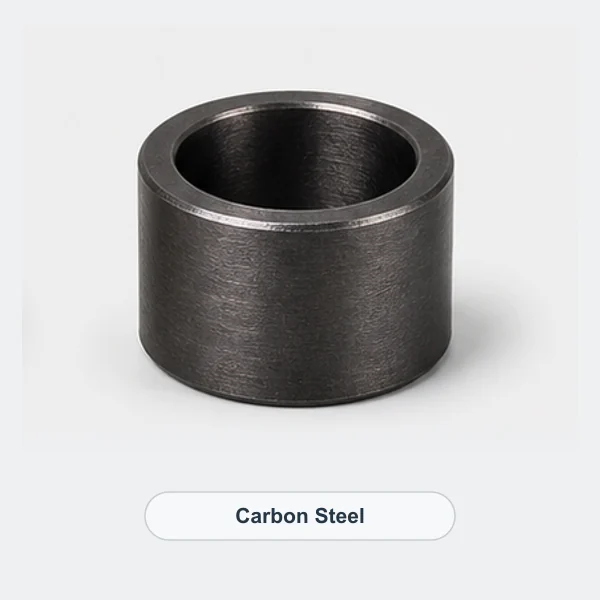
Carbon Steel
Cost-effective strength and machinability for general machinery.
- Common Grades
- 1018, 1020, 1045, Q235
- Service Environment
- Controlled corrosion exposure and general industrial use.
- Typical Parts
- Sleeves, spacers, pins and locating parts.
- Finish Options
- Black oxide, phosphating, zinc plating and heat treatment.
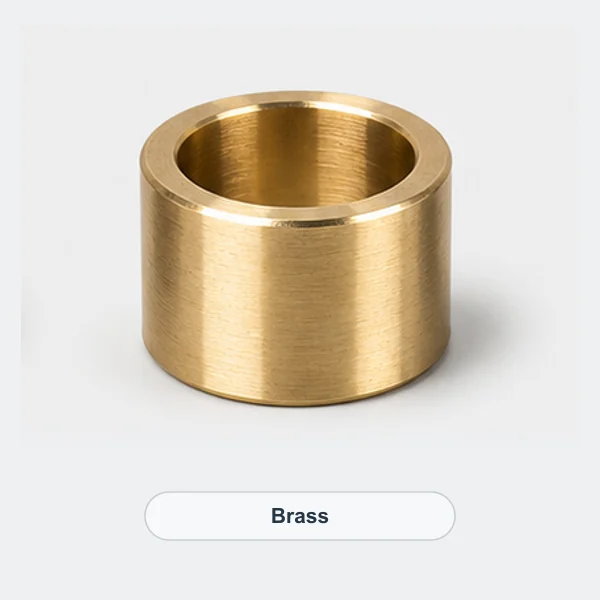
Brass
Excellent machinability and stable dimensions.
- Common Grades
- C36000, H59, H62, CZ121
- Service Environment
- Instrumentation, valves and non-aggressive fluids.
- Typical Parts
- Threaded bushings, fittings and valve sleeves.
- Finish Options
- Polishing, nickel plating and tin plating.
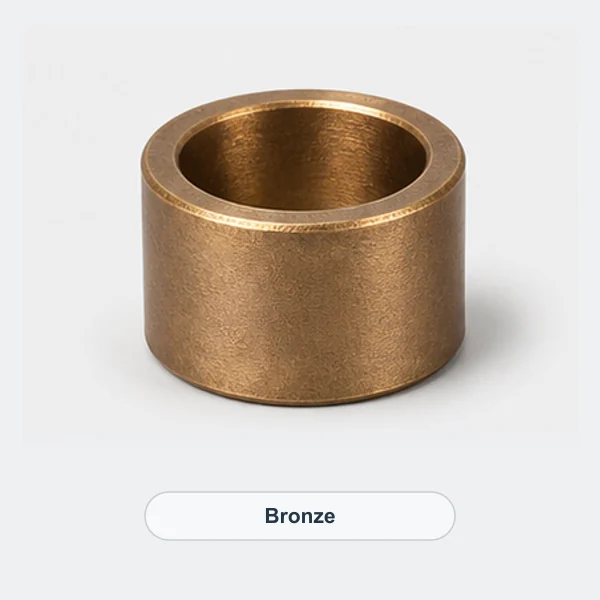
Bronze
Low friction and dependable wear performance under load.
- Common Grades
- C93200, C95400, C95800
- Service Environment
- Lubricated sliding, marine and heavy-duty machinery.
- Typical Parts
- Sleeve bearings, thrust washers and worm gears.
- Finish Options
- Oil grooves, graphite plugs and protective treatment.
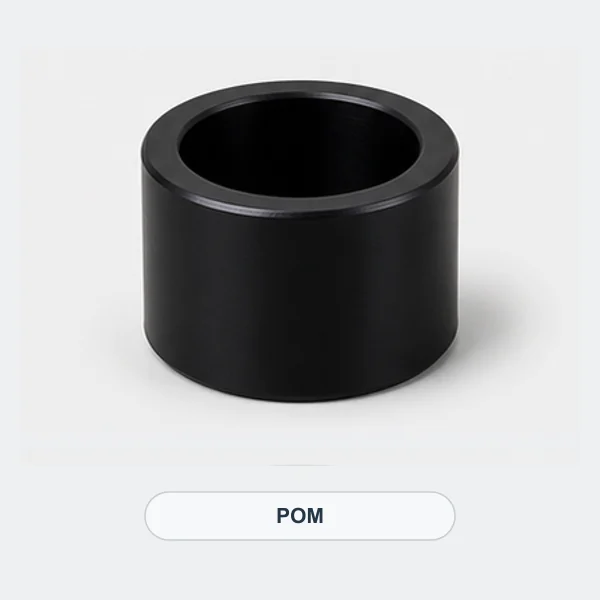
POM / Acetal
Low friction, low moisture absorption and stable precision.
- Common Grades
- POM-C, POM-H, Delrin
- Service Environment
- Dry or lightly lubricated motion at moderate temperature.
- Typical Parts
- Precision bushings, guides, rollers and gears.
- Finish Options
- Machined finish, deburring and light polishing.
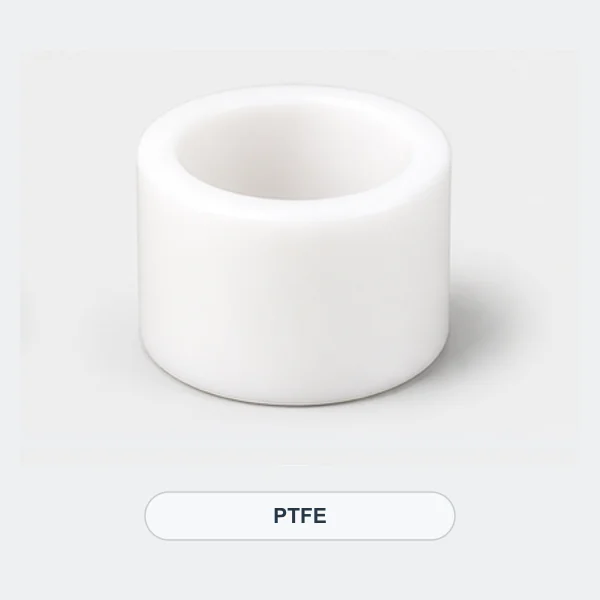
PTFE
Extremely low friction and outstanding chemical resistance.
- Common Grades
- Virgin, glass-filled and carbon-filled PTFE
- Service Environment
- Chemical exposure, clean service and low-friction motion.
- Typical Parts
- Sliding bushings, seals and valve seats.
- Finish Options
- Precision machining and controlled deburring.
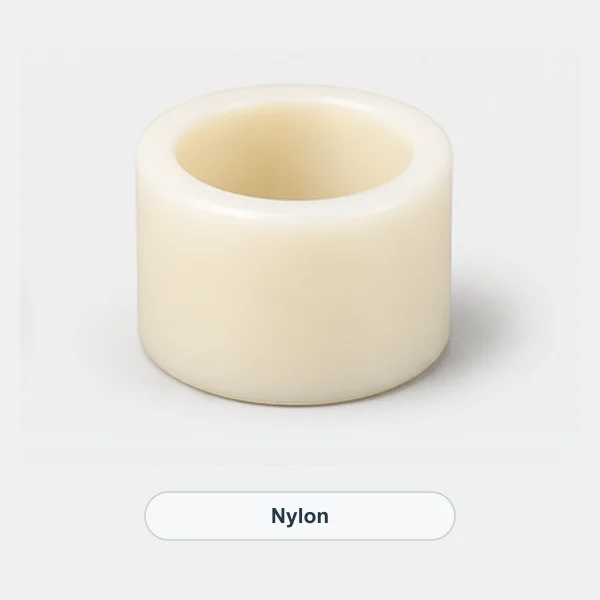
Nylon / PA
Toughness, wear resistance and impact tolerance.
- Common Grades
- PA6, PA66, PA12, MC Nylon
- Service Environment
- Moderate load, impact and general wear applications.
- Typical Parts
- Guide bushings, rollers, gears and conveyor parts.
- Finish Options
- Machined finish and light edge polishing.
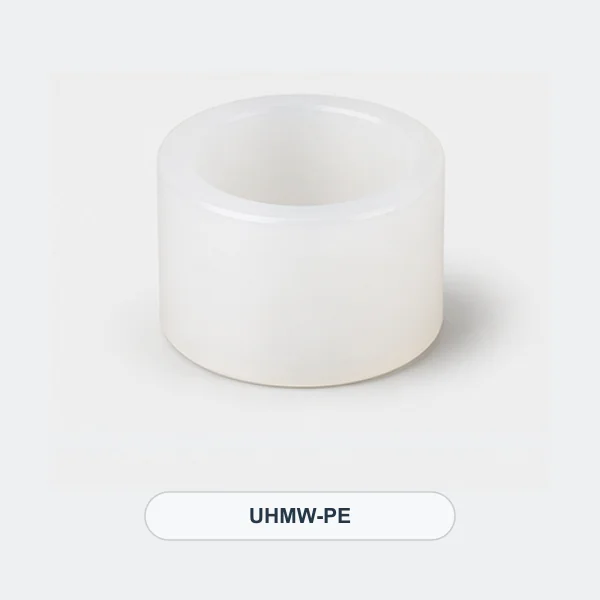
UHMW-PE
High impact and abrasion resistance with low friction.
- Common Grades
- UHMW-PE, antistatic and filled grades
- Service Environment
- Moisture, abrasion and low-load sliding service.
- Typical Parts
- Conveyor guides, wear strips, liners and rollers.
- Finish Options
- Machined finish and controlled edge rounding.
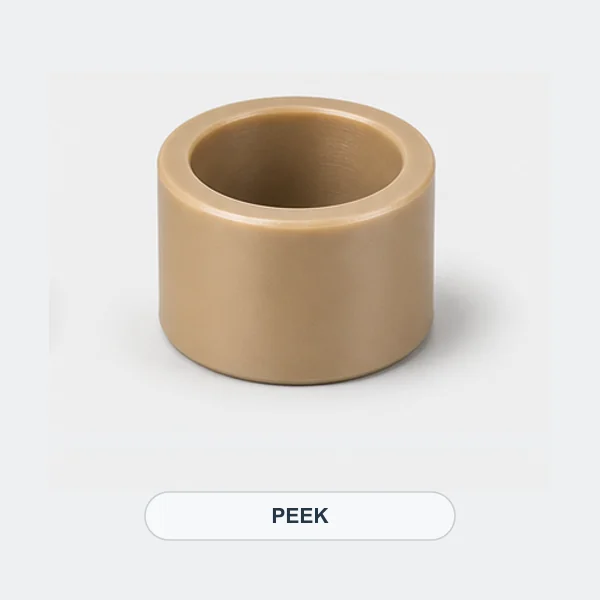
PEEK
High-temperature strength and chemical resistance.
- Common Grades
- Virgin, glass-filled and carbon-filled PEEK
- Service Environment
- High heat, chemicals, vacuum and precision systems.
- Typical Parts
- Bearing cages, seals and semiconductor parts.
- Finish Options
- Precision machining and controlled finishing.
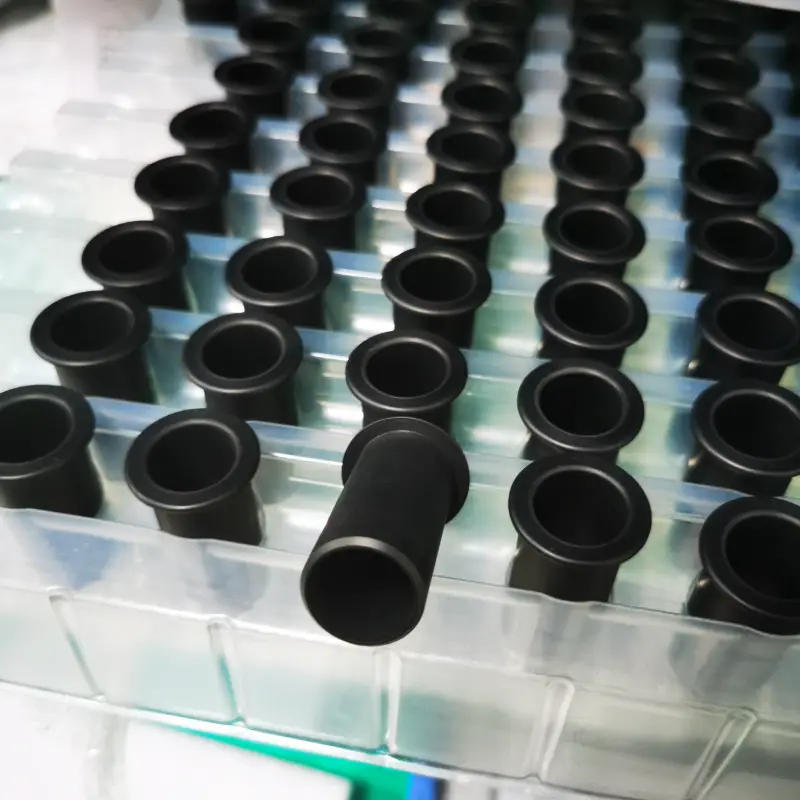
ABS
Impact-resistant and economical for light-duty parts.
- Common Grades
- General-purpose and flame-retardant ABS
- Service Environment
- Low load, near-ambient and non-aggressive conditions.
- Typical Parts
- Light-duty bushings, covers and spacers.
- Finish Options
- Machined finish, polishing and painting.
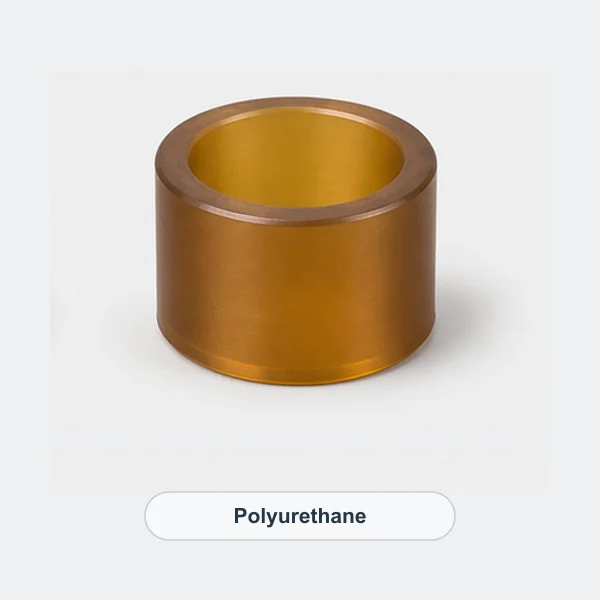
Polyurethane
Elastic wear resistance and vibration damping.
- Common Grades
- 70A–95A, polyester PU, polyether PU
- Service Environment
- Impact, vibration and moderate oil exposure.
- Typical Parts
- Suspension bushings, rollers, seals and sleeves.
- Finish Options
- Molded finish, trimming and bonded inserts.
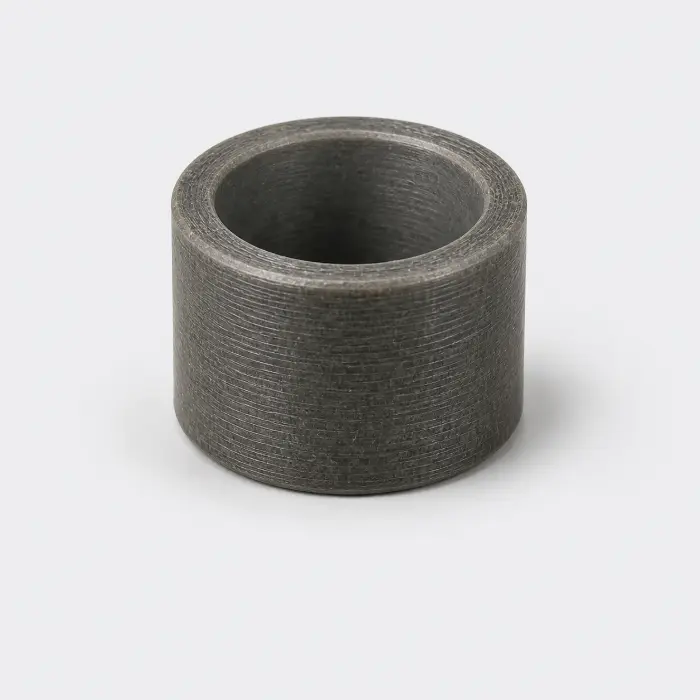
Composite Bushings
Metal backing and low-friction liners reduce maintenance.
- Common Grades
- PTFE-lined, POM-lined and graphite-filled
- Service Environment
- Dry running, limited lubrication and compact spaces.
- Typical Parts
- Pivot points, linkages and self-lubricating guides.
- Finish Options
- Sizing, oil grooves and application-specific liners.
Final material and fit must be confirmed against load, speed, mating-shaft condition, lubrication, temperature, chemical exposure and service life.
Drawing-Based Capability
Bushing Machining Parameters
The following ranges are practical production guidance, not universal drawing limits.
| Capability | Metal Bushings | Engineering-Plastic Bushings |
|---|---|---|
| Typical dimensional tolerance | ±0.01–0.02 mm | ±0.03–0.05 mm |
| Outside diameter | Ø2–300 mm | Ø2–300 mm |
| Typical turning length | Up to 500 mm | Up to 500 mm |
| Minimum bore | Ø2 mm | Ø2–3 mm |
| Minimum wall | 0.5 mm | 1.0 mm |
| Typical machined roughness | Ra 0.8–3.2 μm | Ra 1.6–3.2 μm |
Final capability depends on material condition, wall thickness, length-to-diameter ratio, clamping and inspection method.
Manufacturing and Inspection
From Drawing Review to Final Inspection
Machining and inspection are planned around the bore, outside diameter, length, fit and sliding surfaces.
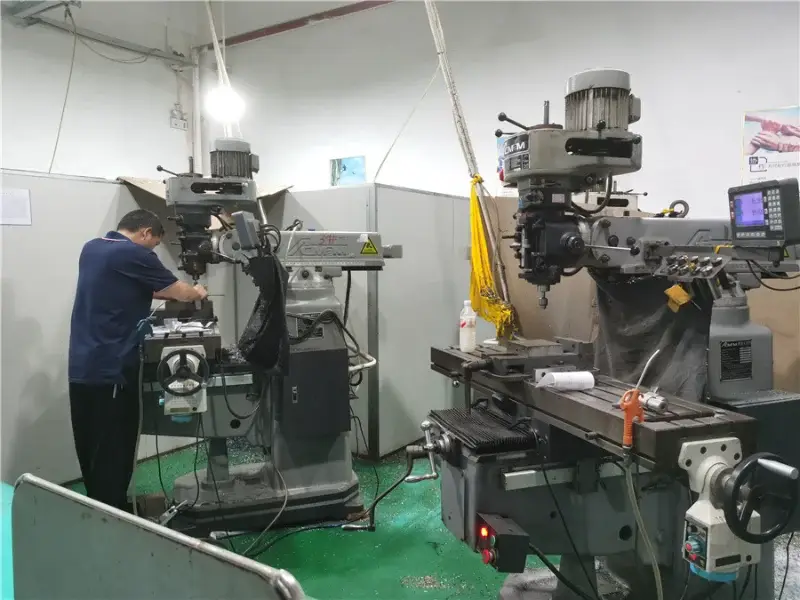
Confirm fit, datums, wall thickness and functional surfaces.
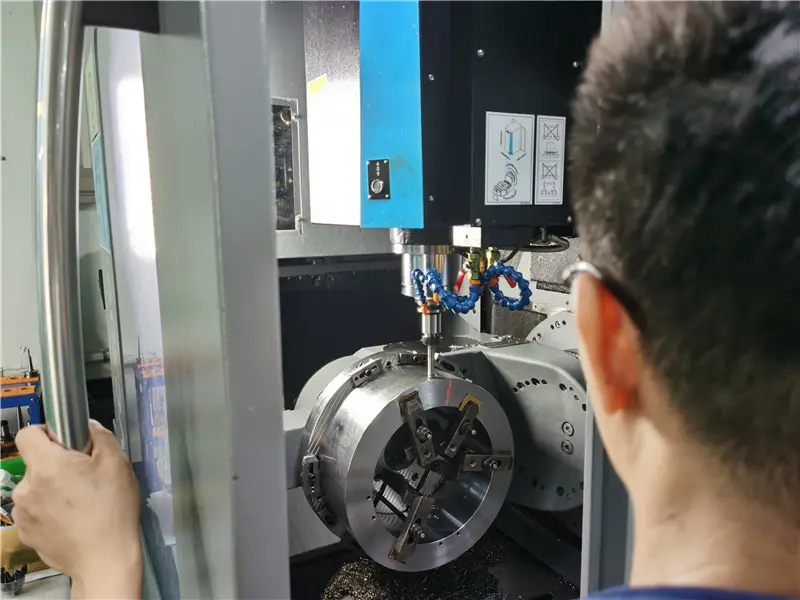
Turn, bore, groove and finish features in the approved sequence.
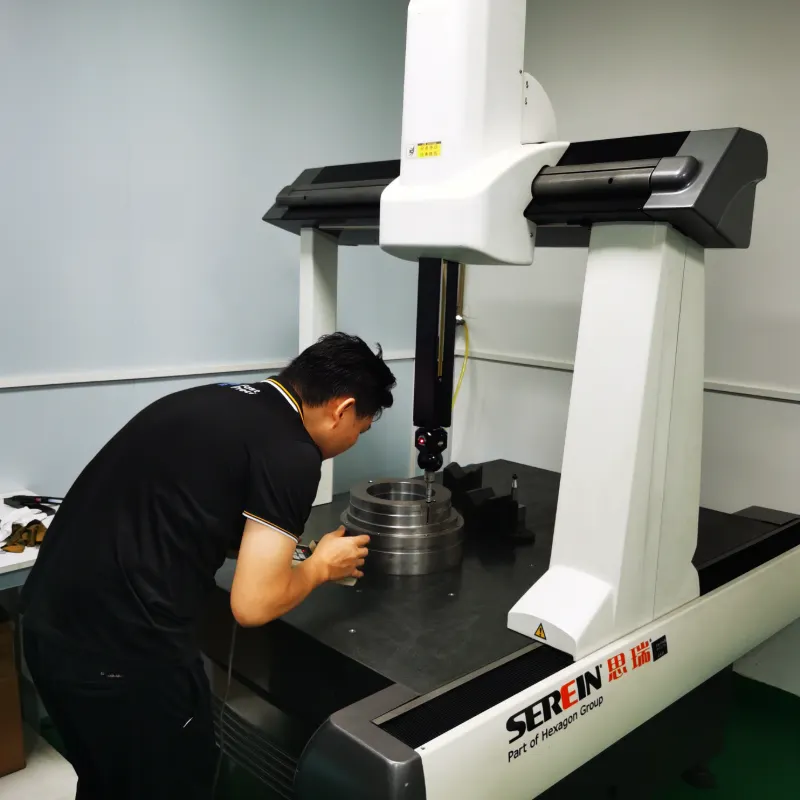
Verify bore, OD, length, position and concentricity.
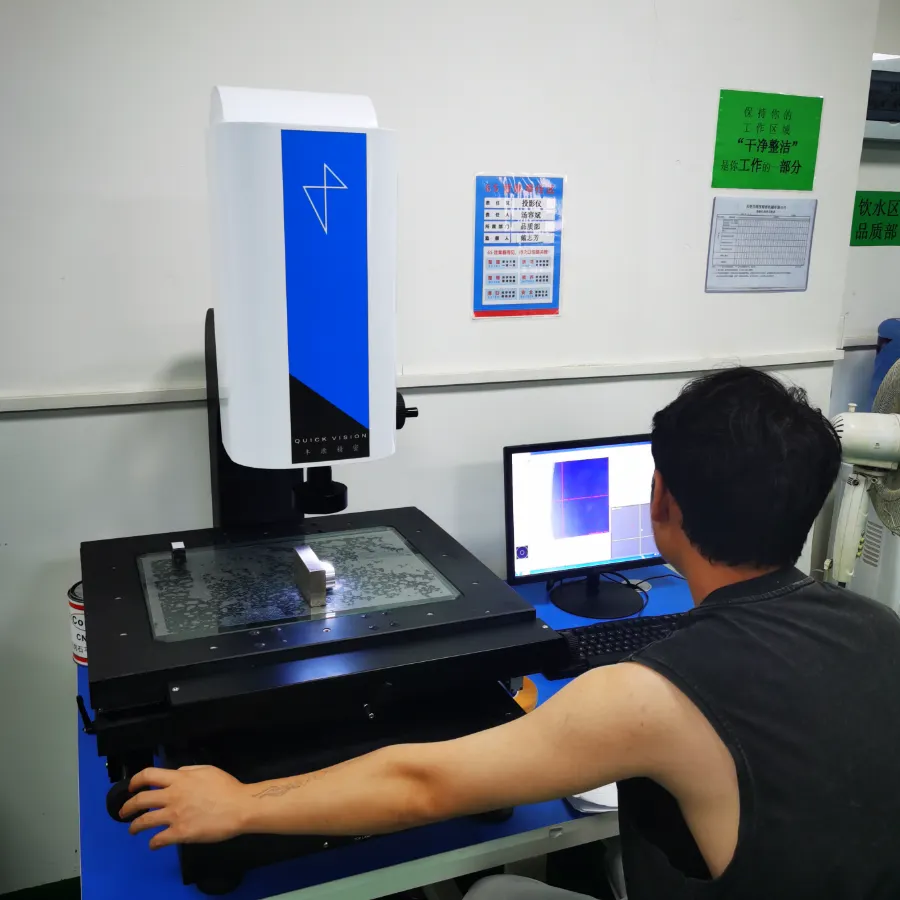
Confirm edges, finish, records and shipment protection.
Machined Bushing Projects
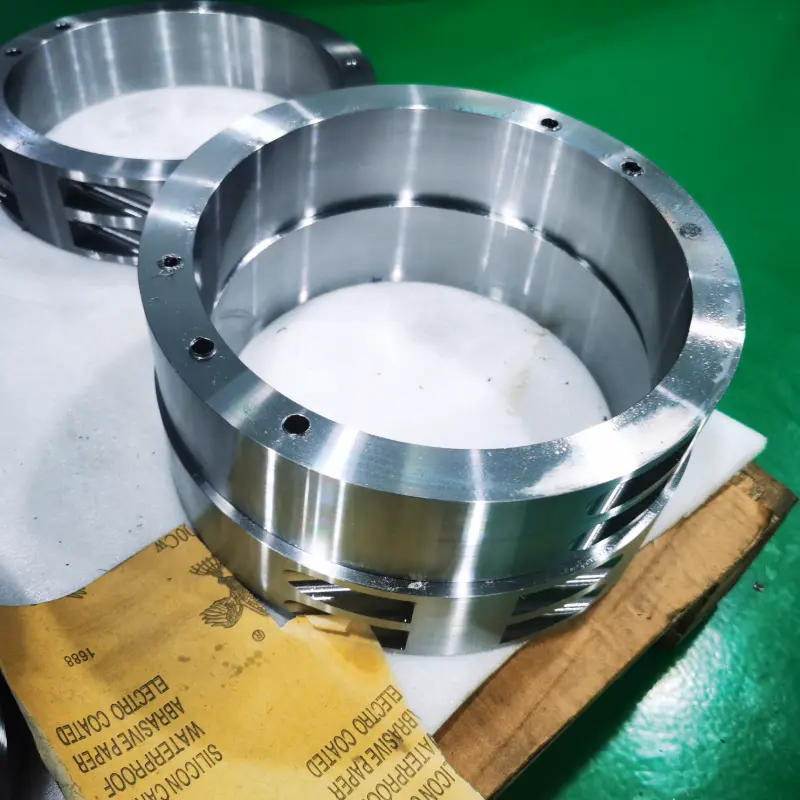
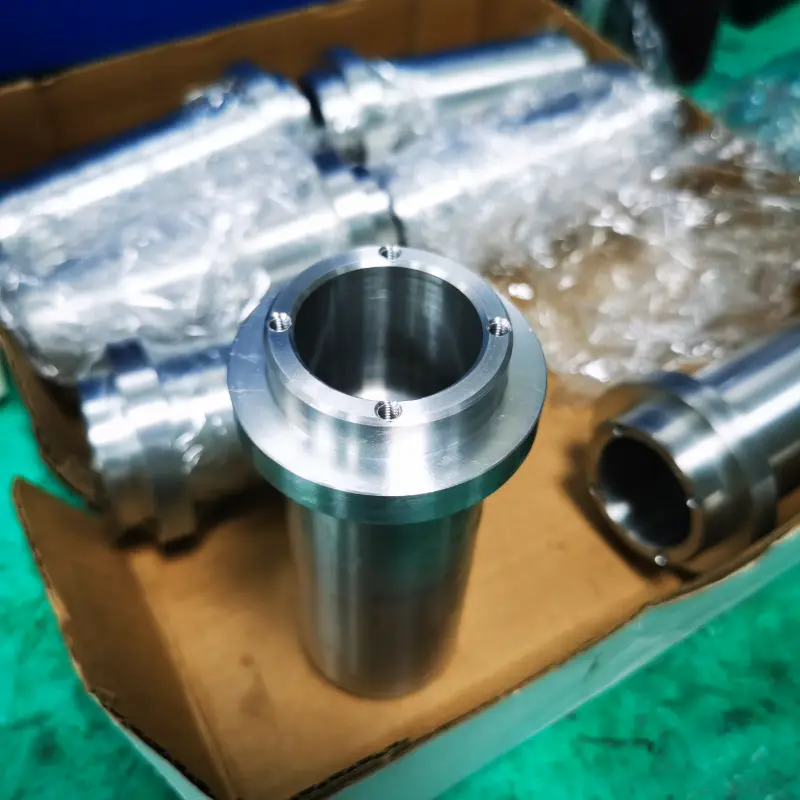
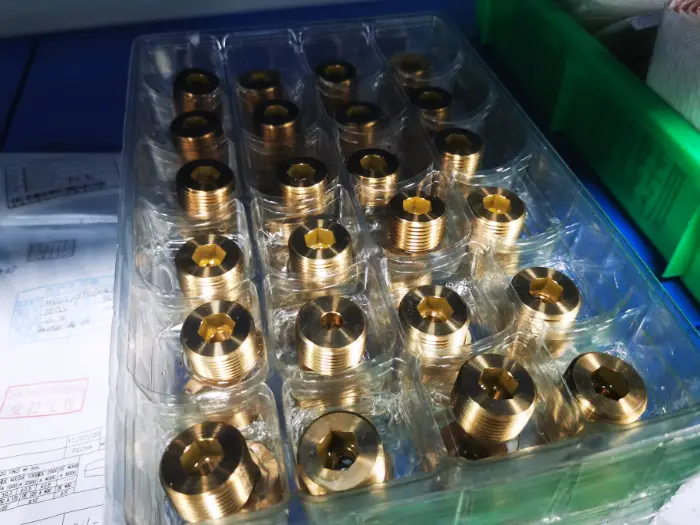
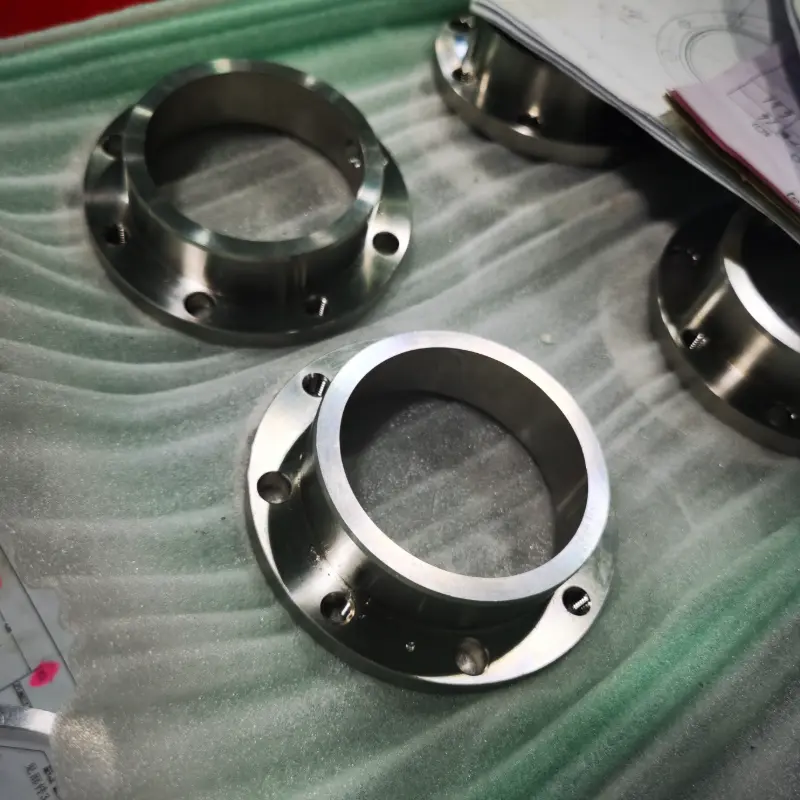
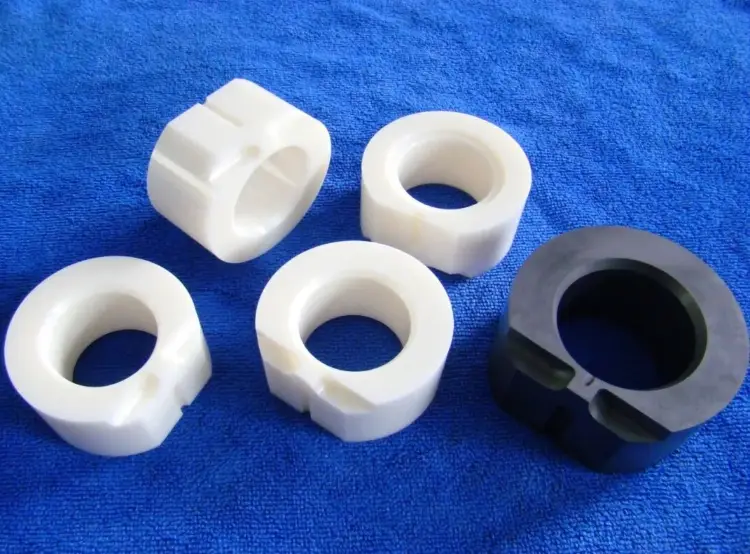
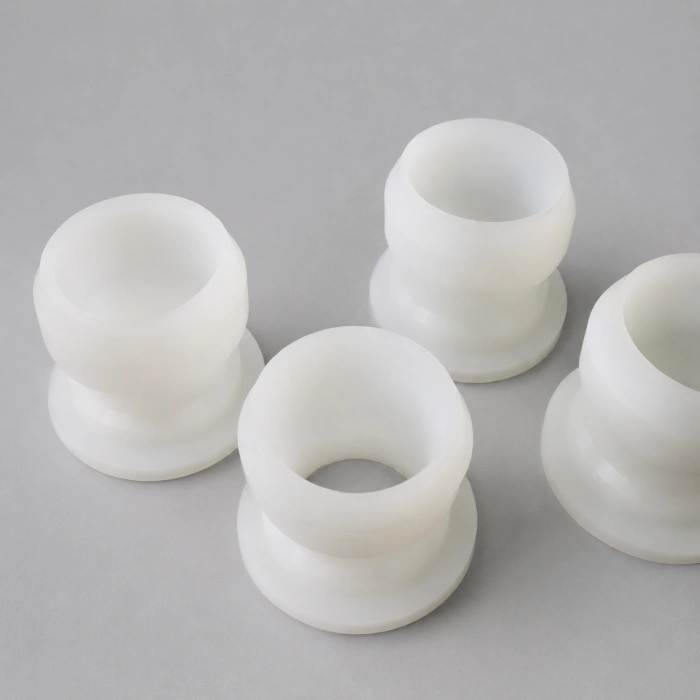
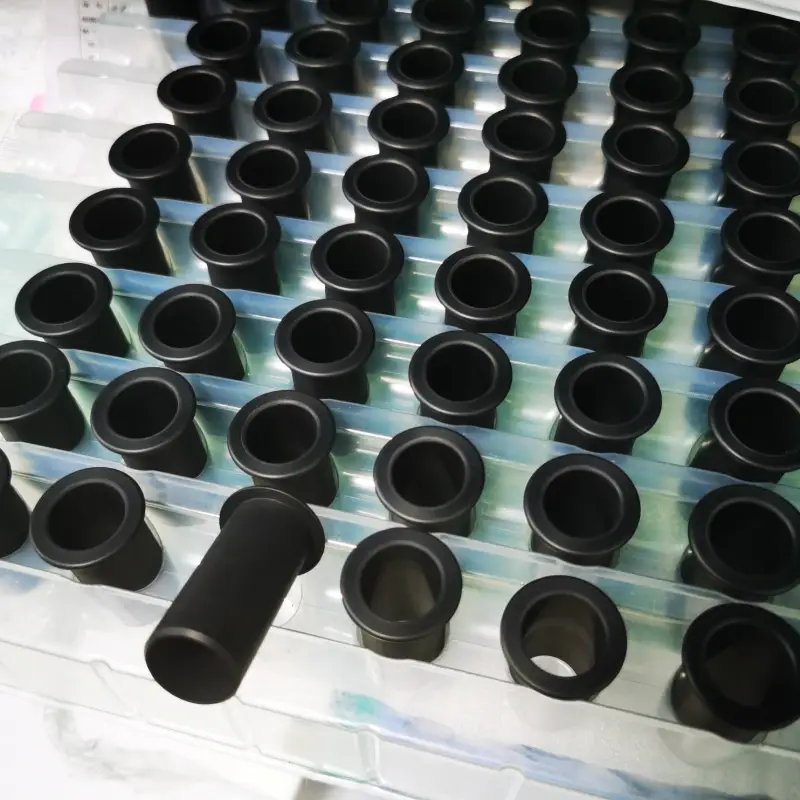
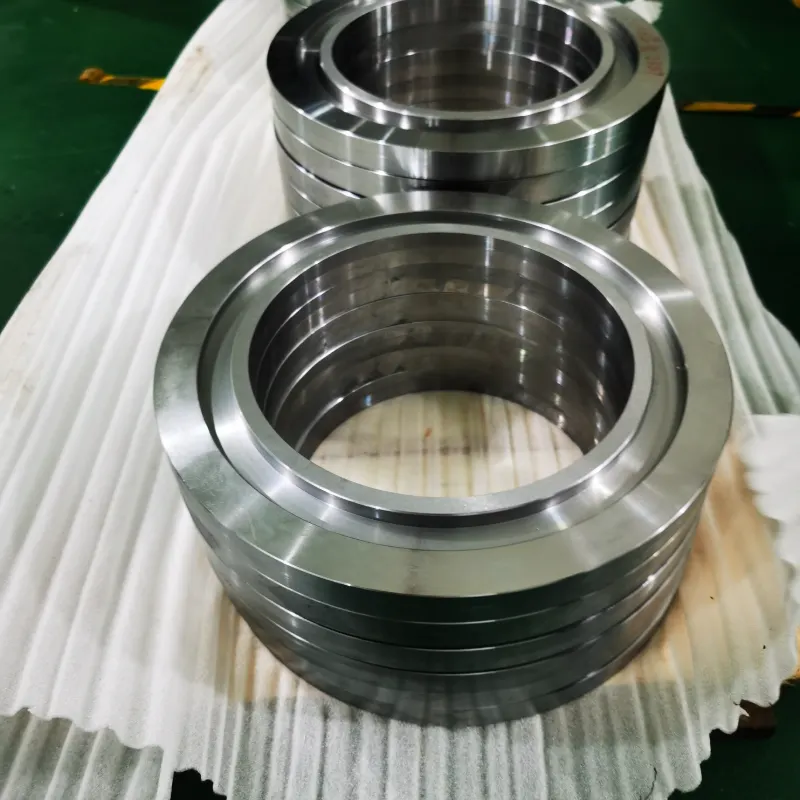
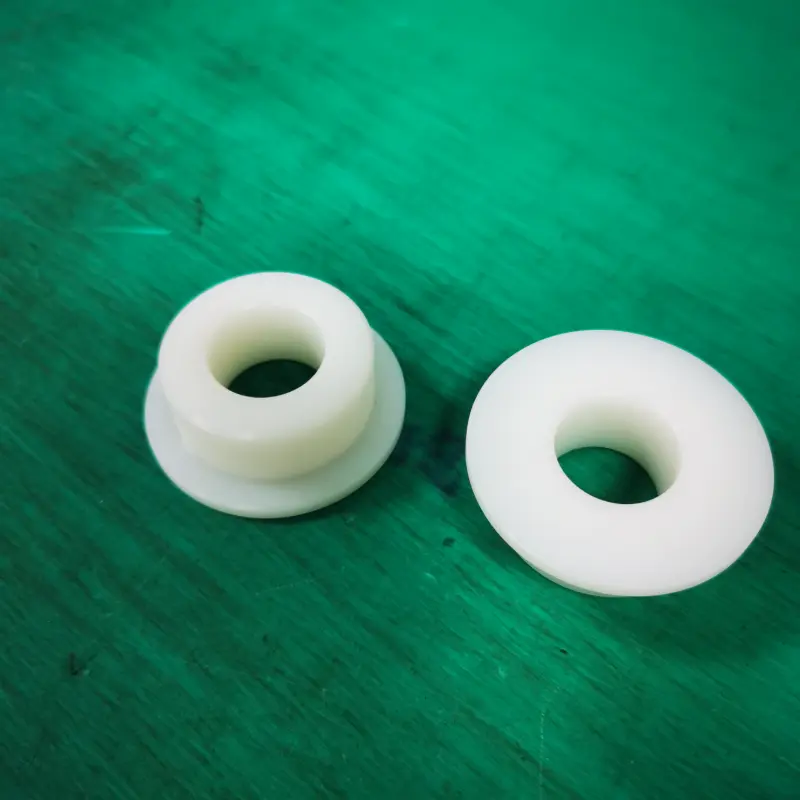
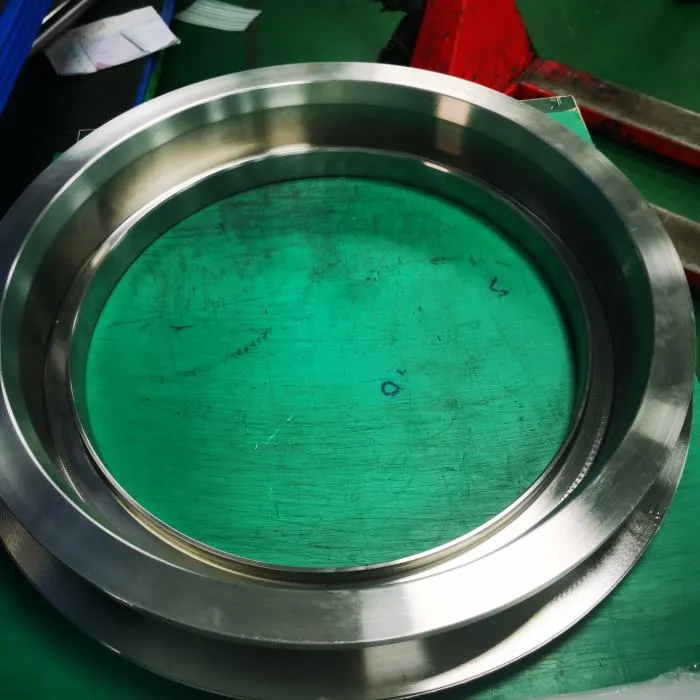
Custom Metal and Plastic Bushings
Drawing-based bushings produced in different materials, fits and quantities.

Application Review
Choose the Bushing Around Its Working Conditions
A practical quotation starts with the interface and duty cycle—not only the inside and outside diameters.
Choose a Bushing When
- The housing or parent bore needs a replaceable wear surface.
- Rotary, linear or oscillating motion needs controlled friction.
- Maintenance cost should be reduced through replaceable components.
- Vibration, shock or alignment requires a defined interface.
Confirm Before Quotation
- Load direction, speed, duty cycle and service life.
- Mating-shaft material, hardness and surface condition.
- Lubrication, temperature, moisture and chemical exposure.
- Fit, clearance, quantity and inspection requirements.
Bushing Machining FAQ