Mining Equipment Manufacturing

CNC Machining for Mining Industry Parts

Heavy-duty components and replacement spares for crushers, mills, drilling systems, conveyors, pumps and loading equipment. Send your drawing or sample details for a DFM review and transparent quotation.
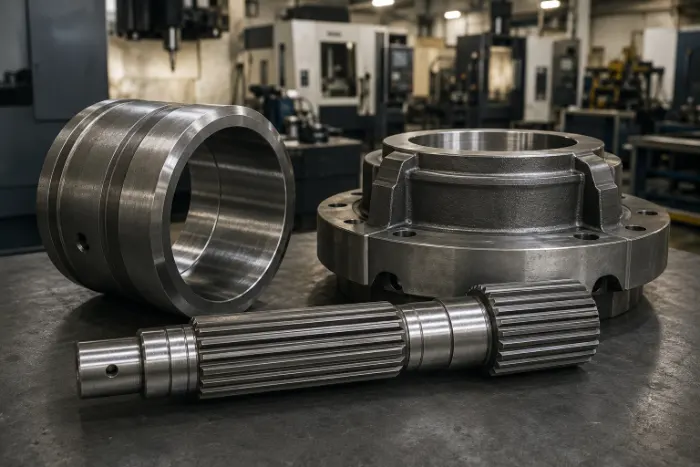
ProductionPrototype to Repeat Spares
Part FocusLoad, Wear & Critical Fits
Project ReviewMaterial · DFM · Inspection
Upload Mining Part Files  →
CNC machining for mining equipment components

Common Mining Equipment Parts

Custom Components for Extraction and Material Handling

Mining procurement teams can source drawing-based replacement parts and new components for abrasive, impact-loaded and contaminated service.

Crushing & Grinding

Crusher shafts, rotors, liners, hammers, gears and mill components.

Excavation & Loading

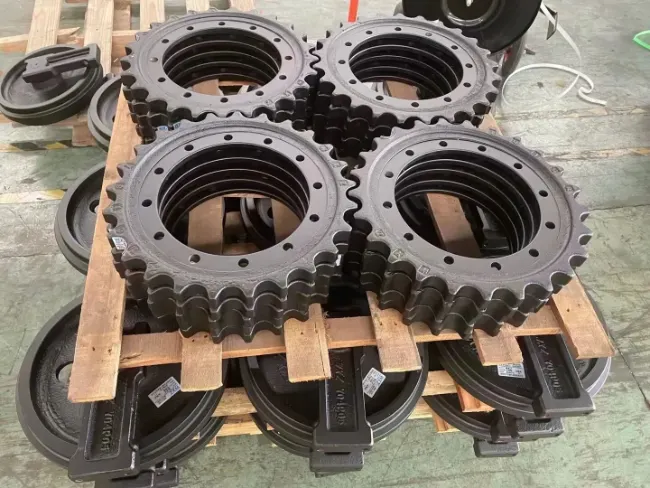
Pins, bushings, cutting-tool holders, bucket hardware and hydraulic parts.

Drilling Systems

Drill rods, threaded couplings, adapters, sleeves and support hardware.

Conveyors & Chutes

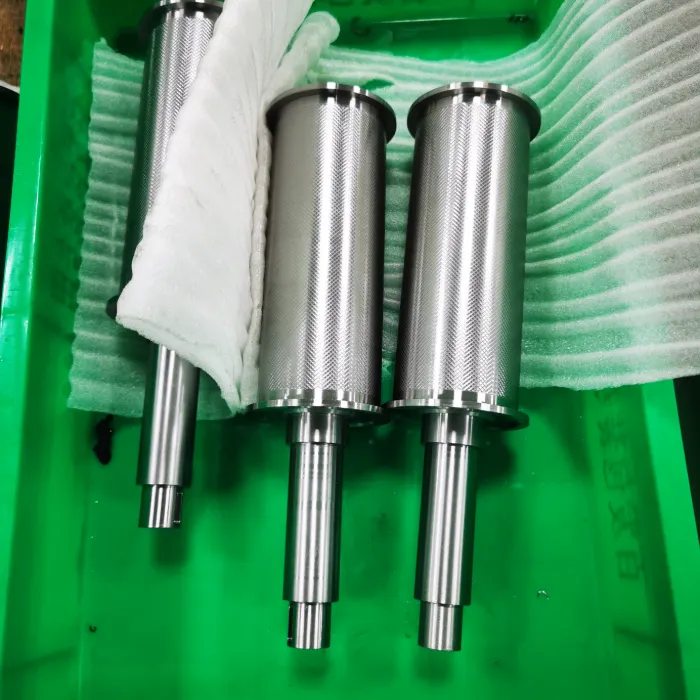
Rollers, shafts, scrapers, wear plates, guides and mounting brackets.

Pumps & Fluid Handling

Impellers, casings, sleeves, seal interfaces and corrosion-resistant fittings.

Drive & Support Parts

Couplings, flanges, bearing housings, bases, frames and planetary-drive parts.

Machined Mining Projects

Heavy-Duty Machined Parts and Replacement Spares

Representative steel, bronze and fabricated components for load-bearing, wear and transmission applications.
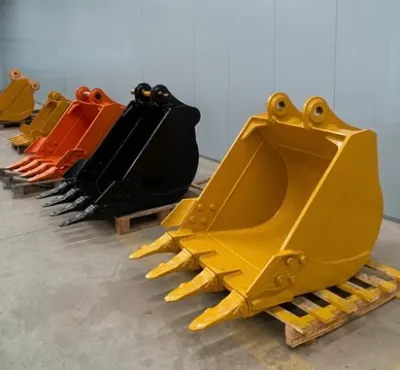
Excavator bucket for mining equipment
Heavy excavator component
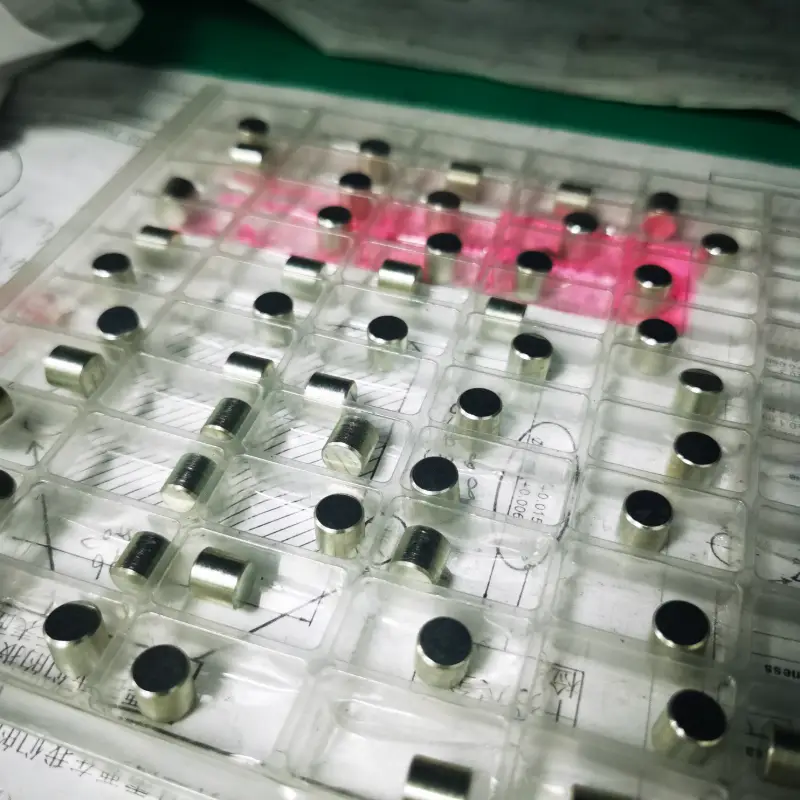
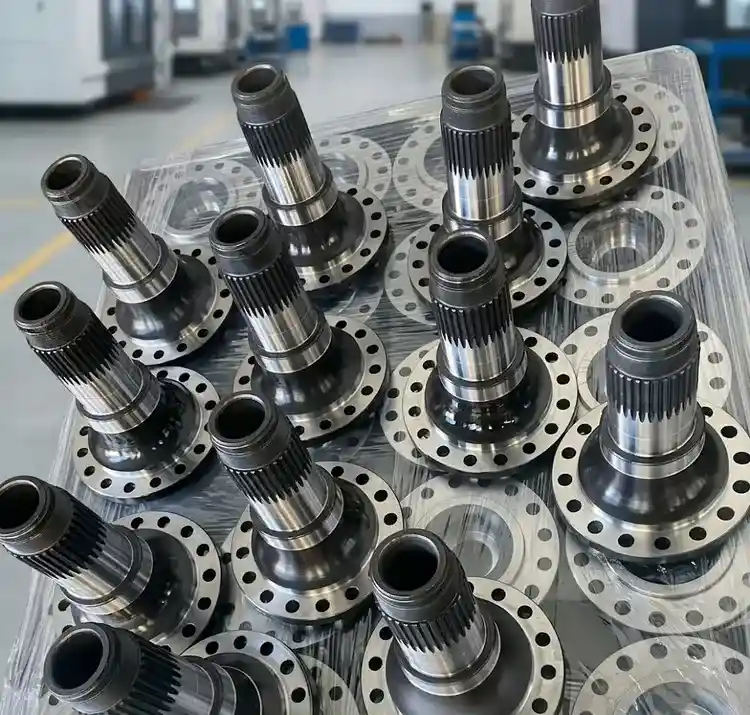
Machined mining equipment component
1045 steel roller shaft
Heat-treated 4340 steel component
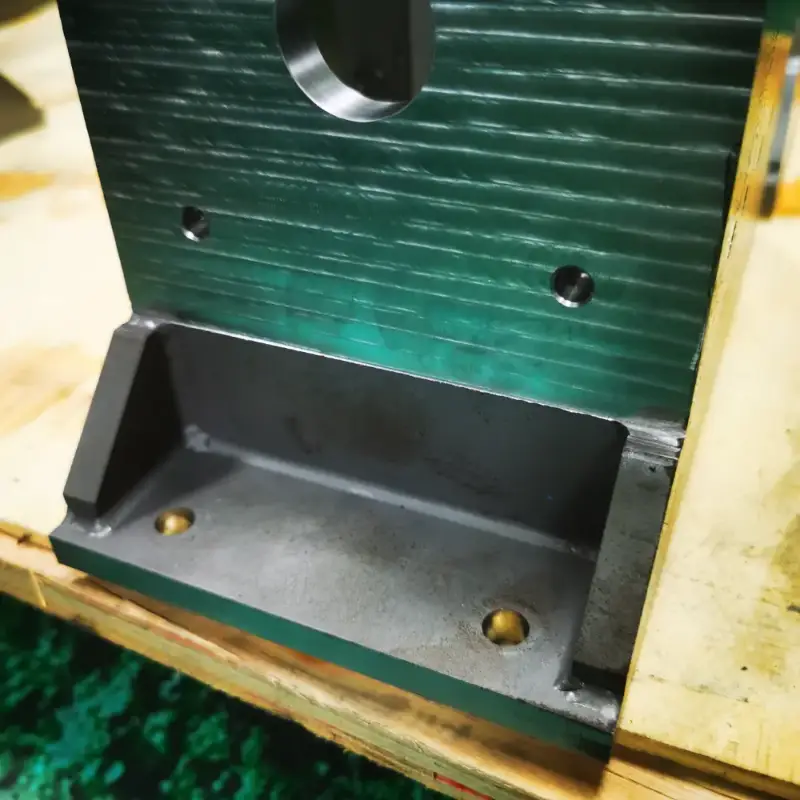
Welded Q235 steel assembly
CNC-machined bronze wear component

Process Selection

Machining Routes Based on Geometry, Hardness and Wear

The production route is planned around component size, stock condition, heat treatment, critical fits and the required repair or replacement strategy.

Large mining component CNC machining

CNC Milling

Bases, housings, plates, pockets and multi-face welded structures.

CNC Turning

Shafts, axles, sleeves, rings, pins and threaded couplings.

Wire EDM

Hardened profiles, slots and features unsuitable for conventional cutting.

Boring & Deep Drilling

Large bores, aligned holes, pin locations and deep internal features.

Welding & Secondary Work

Fabrication, stress-relief planning, hardfacing, coating and assembly support.

Materials & Surface Protection

Select for Impact, Abrasion, Load and Corrosion

Material grade, heat treatment and surface protection are reviewed together because wear life depends on the complete service condition.

Materials for Mining Components

Common choices for structures, transmission parts, wear zones and corrosive equipment.

  • Carbon and structural steel: frames, brackets, fabricated bases and general replacement parts.
  • Alloy steel: 4140, 4340 and comparable grades for shafts, pins, gears and high-load interfaces.
  • Wear-resistant plate: AR400–AR500 classes for liners, chutes, wear strips and bucket protection.
  • High-manganese steel: selected crusher and impact-wear components that benefit from work hardening.
  • Stainless steel: wash plants, pumps, corrosive fluids and chemical-handling assemblies.
  • Bronze and polymers: bushings, guides, seals and low-friction interfaces.

Heat Treatment & Surface Protection

Processes are selected by material compatibility, wear mechanism and repair requirements.

  • Quench and temper for strength, toughness and controlled bulk hardness.
  • Induction hardening for localized shaft, pin and bearing-seat wear resistance.
  • Carburizing or nitriding for selected gears, sleeves and transmission components.
  • Hard chrome or electroless nickel for wear, corrosion and dimensional restoration.
  • Hardfacing and wear overlays for high-abrasion edges, liners and contact zones.
  • Protective finishes: zinc, phosphate, black oxide, industrial paint and powder coating.

Material certificates, hardness range, coating thickness, masking and post-treatment dimensions should be defined on the RFQ.

Heavy-Part Engineering Control

Control the Features That Affect Fit and Service Life

Tolerances and inspection effort are concentrated on load paths, mating interfaces and wear surfaces instead of tightening every feature.

Drawing & Sample Review

Confirm geometry, material, datums, fits, wear zones and missing functional information.

Large-Part Setup

Plan stable references, workholding, tool access and stock removal to limit movement.

Critical Fits

Control bearing seats, bores, shafts, seal surfaces, keyways and mounting interfaces.

Heat-Treatment Allowance

Reserve machining stock and verify hardness before final grinding or finish machining.

Replacement-Part Strategy

Separate wear items from long-life structures to simplify repair and future sourcing.

Revision & Repeat Control

Maintain approved drawings, programs and inspection requirements for repeat spares.

Mining Project Assurance

Inspection and Documentation for Reliable Spares

Quality planning follows the drawing, service risk and agreed documentation requirements.

Mining equipment buyers can define material traceability, hardness records, first-article inspection, critical dimensions, packing and delivery milestones before order release.
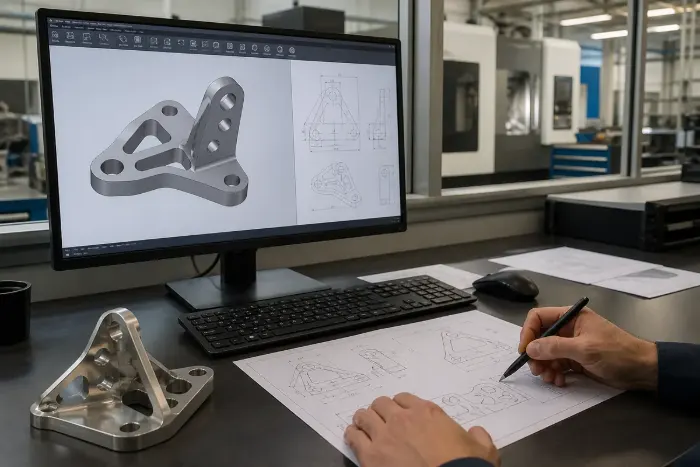
Drawing and CAD review for mining component

Drawing Review

Datums, fits, wear zones and inspection points are confirmed before production.
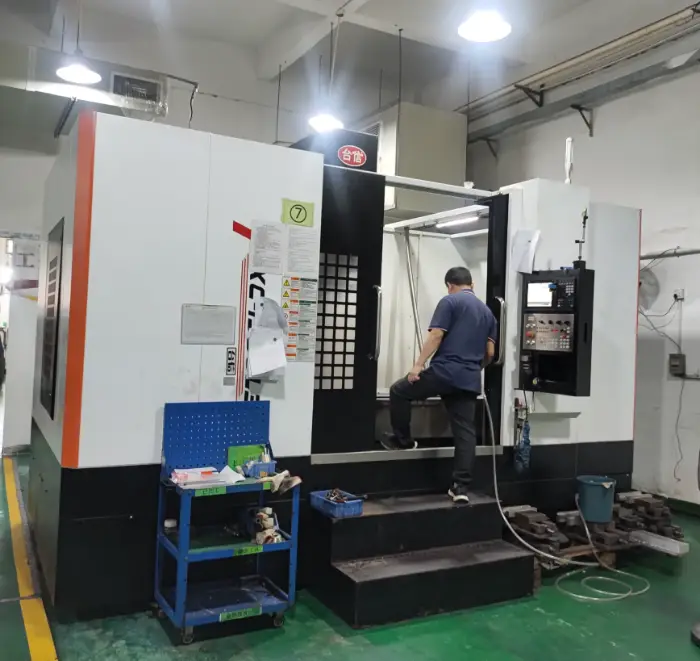
Large machined component setup

Process Control

Setup, stock removal, heat treatment and final machining follow the approved route.
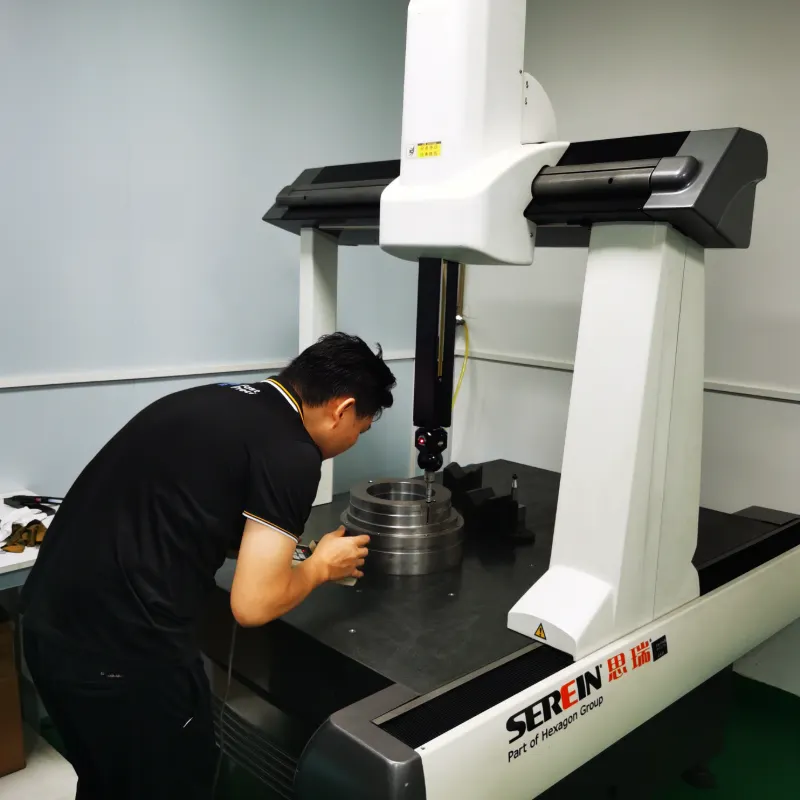
CMM inspection for mining equipment component

Dimensional Inspection

CMM and calibrated gauges verify the specified critical interfaces.
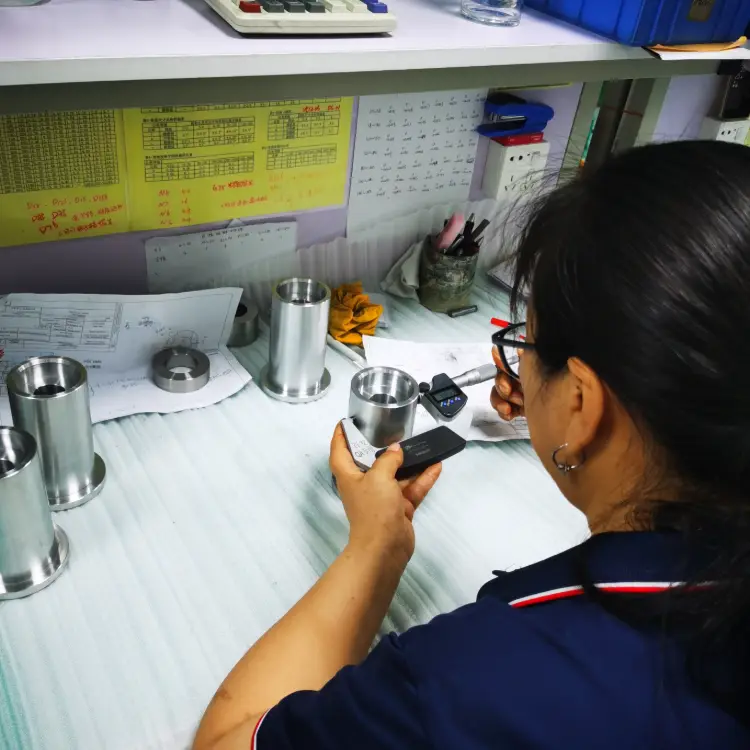
Manual dimensional inspection of machined part

Final Release

Approved parts are identified, protected and packed for the agreed delivery route.

Mining Machining FAQ

Plan Your Mining Component Project

What information is needed for a mining-part quotation?

Send the drawing or sample details, material, quantity, operating load, wear areas, fits, heat treatment, finish and inspection requirements.

Can an existing mining spare be reproduced?

Yes, when a usable sample or complete drawing provides enough geometry and functional information. Material identification and critical fits must be confirmed before release.

How should tolerances and surface roughness be specified?

Apply tight tolerances and finer finishes only to bearings, seals, sliding fits and assembly interfaces. General structures and guards normally need wider limits.

How can mining-part service life be improved?

Match base material, hardness, heat treatment and surface protection to the actual impact, abrasion, corrosion and lubrication conditions.

How are late delivery or nonconforming parts handled?

Delivery risks are reported with a recovery plan. Nonconforming parts are contained, investigated and resolved through rework, replacement or another customer-approved disposition.