
In the fields of industrial manufacturing, electronic equipment, and composite material processing, FR4 and G10 are two very common glass fiber reinforced epoxy materials. The two materials are very similar in mechanical strength, electrical insulation performance, and processing methods, but there are significant differences in flame retardancy, cost structure, and application scenarios.
FR4 and G10 are both thermosetting composite materials, and ordinary FDM printers cannot directly perform 3D printing on these two materials.
FR4 and G10 are usually manufactured through an indirect 3D printing process: first, a 3D printer is used to produce part prototypes, molds, or processing fixtures. Then, according to design requirements, lamination molding or composite material forming processes are used to manufacture FR4 or G10 plates or workpieces. Finally, post-processing steps such as drilling, cutting, CNC machining, or surface treatment are carried out to obtain the final parts. This approach enables rapid design verification and mold manufacturing using 3D printing while retaining the high strength and insulation properties of FR4 and G10 materials.
This article will comprehensively analyze FR4 vs G10 3D printing cost from multiple dimensions, including material properties, 3D printing costs, application scenarios, and future development trends.
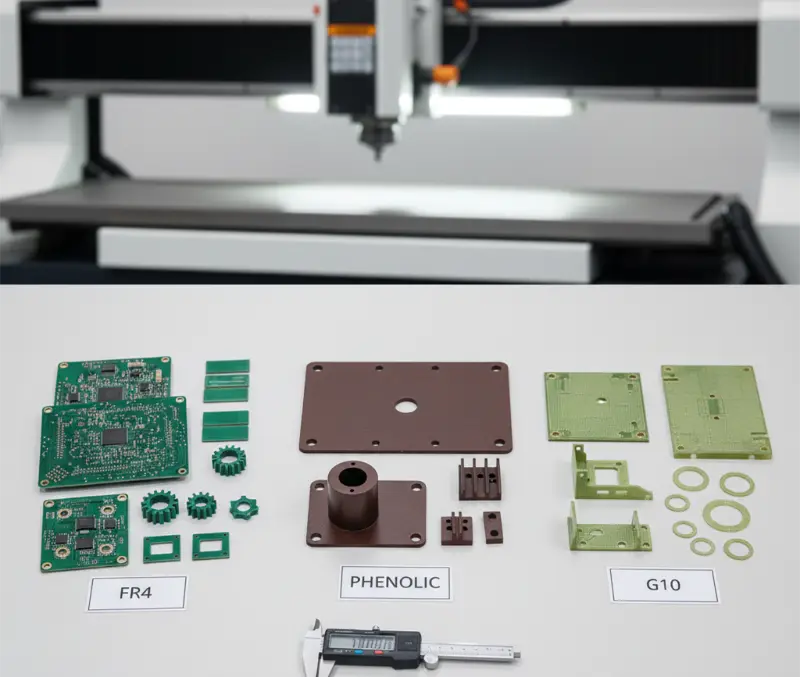
1. Material Introduction and Mechanical Property Comparison
FR4 Material Introduction
FR4 is a composite material laminated with glass fiber and epoxy resin, where FR stands for Flame Retardant. It is made by combining fiberglass cloth with epoxy resin and adding flame-retardant components, which gives it good fire resistance.
Main characteristics:
Excellent electrical insulation performance, flame retardant performance (UL94 V-0 rating), high strength, low water absorption.
FR4 is widely used in:
PCB circuit boards, electrical insulation structural parts, electronic equipment housings.
G10 Material Introduction
G10 is the predecessor of FR4 glass epoxy laminate material. The structure is similar, but it does not contain flame retardant additives. Characteristics of G10 material:
Higher mechanical strength, good wear resistance, excellent moisture resistance, and good machinability.
Common applications of G10 include:
Mechanical structural parts, insulation gaskets, industrial equipment components.
Mechanical Property Comparison
| Property | FR4 | G10 |
|---|---|---|
| Density | ≈1.85 g/cm³ | ≈1.80 g/cm³ |
| Tensile Strength | ≈42,000 psi | ≈40,000 psi |
| Flexural Strength | ≥415 MPa | ≈60,000 psi |
| Young’s Modulus | ≈3.0–3.5 Mpsi | ≈2.7 Mpsi |
| Flame Retardancy | Yes | No |
| Mechanical Strength | High | Higher |
Overall:
G10 has slightly higher mechanical strength.
FR4 has better flame-retardant performance.
2. FR4 vs G10 3D Printing Cost Structure and Price Comparison
3D printing costs usually consist of the following parts:
Material cost, processing cost, and post-processing cost.
Material Cost
General market prices (industrial-grade materials):
| Material | Raw Material Cost |
|---|---|
| FR4 | $5 – $15/kg |
| G10 | $4 – $12/kg |
FR4 is more expensive because it contains flame-retardant chemical components and its manufacturing process is more complex.
Equipment and Processing Cost
Since both materials contain glass fiber reinforced structures, processing will cause:
3D printer nozzle wear and CNC tool wear.
Glass fiber materials are more difficult to process, so processing costs are usually higher than ordinary plastics.
Comprehensive Cost Comparison
| Cost Type | FR4 | G10 |
|---|---|---|
| Material Cost | Higher | Lower |
| Printing Equipment Wear | High | High |
| Processing Cost | Medium | Medium |
| Overall Cost | Medium-High | Medium-Low |
Conclusion:
G10 usually has a lower overall processing cost.
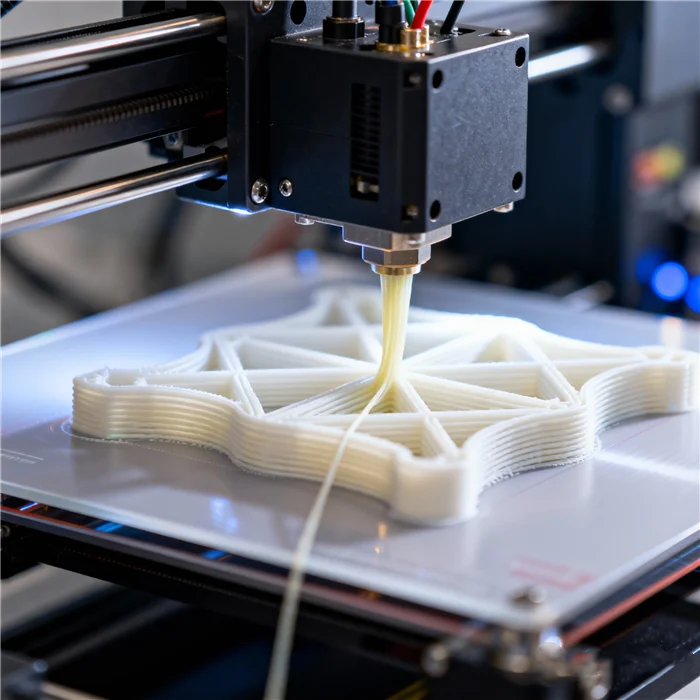
3. How to Control the Processing Cost of FR4 and G10
In actual production, costs can be reduced in the following ways:
Use wear-resistant milling cutter: such as PCD cutter and carbide mills, which can reduce glass fiber wear.
Optimize printing structures: reduce unnecessary feature designs to lower processing difficulty. Hollow structures and honeycomb structures can also be used to reduce material consumption.
Batch production: helps reduce per-part equipment costs and process preparation costs.
Hybrid manufacturing: use 3D printing to produce the approximate shape of the workpiece and then perform feature machining and excess material removal through CNC processing to improve efficiency and reduce processing time.
4. Application Fields of FR4 and G10 in 3D Printing
FR4 Application Fields
FR4 is mainly used in the electronics industry:
PCB brackets, electrical insulation components, electronic equipment structural parts, and equipment requiring high flame retardancy.
G10 Application Fields
G10 is more suitable for mechanical engineering:
Industrial mechanical parts, insulation gaskets, knife handle materials, aerospace structural components.
Industry Application Scenarios
| Industry | Common Material |
|---|---|
| Electronics Industry | FR4 |
| Electrical Insulation | FR4 |
| Mechanical Structural Parts | G10 |
| Aerospace | G10 |
5. Maintenance Methods for FR4 and G10 Components
To extend the service life of FR4 and G10 parts, the following maintenance methods should be noted.
Regular Cleaning
Mainly use non-corrosive cleaning agents, and use soft brushes and cotton cloth to wipe and maintain the parts to keep the surface dry.
Avoid High-Temperature Environments
Continuous high temperatures can cause the epoxy resin matrix in the material to gradually age or thermally degrade, reducing the durability and service life of composite material parts such as FR4 and G10.
Prevent Mechanical Impact
When subjected to strong mechanical impact, the internal layered structure is prone to microcracks or delamination, thereby reducing the overall structural strength and stability of the material.
Cracks or damage caused by impact may destroy the internal structure, resulting in reduced electrical insulation performance or local failure. It can also accelerate component fatigue and aging, shortening the service life of FR4 and G10 components.
6. Alternative Processing Solutions and Optional Materials
If FR4 or G10 costs are too high, the following alternative materials can be considered:
| Material | Characteristics |
|---|---|
| G11 | Higher temperature resistance |
| FR5 | High-temperature PCB material |
| PEEK | High-performance engineering plastic |
| Nylon CF | Carbon fiber reinforced nylon |
| CFRP | Carbon fiber composite material |
These materials have different advantages in mechanical strength, insulation performance, and temperature resistance. Weldo can adjust composite materials for parts and design processing solutions according to customer needs.
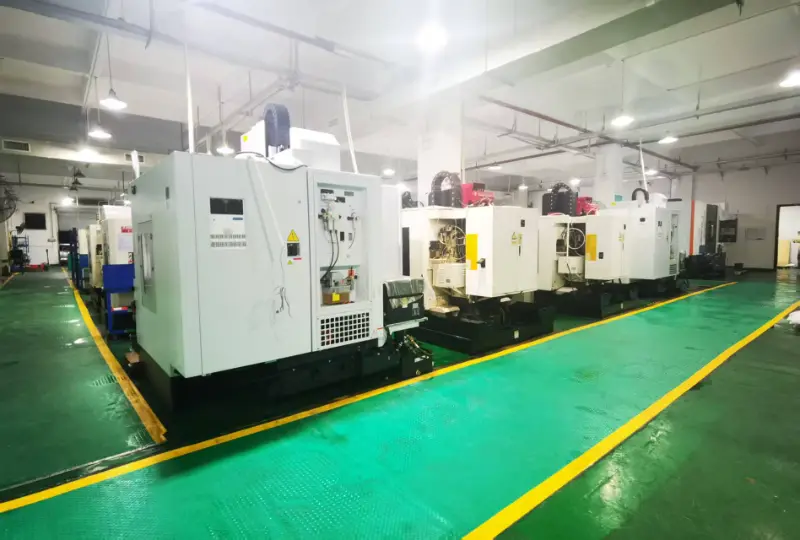
7. Post-Processing Methods After Indirect 3D Printing of FR4 and G10
CNC Precision Machining
Mainly used for milling, drilling, tapping, or chamfering and rounding specific areas to achieve required dimensions and features.
Surface Coating
Epoxy resin coating: used to improve moisture resistance and corrosion resistance of FR4 and G10 surfaces while enhancing electrical insulation performance.
Polyurethane coating: provides good wear resistance and impact resistance, protecting the surface from mechanical wear.
Anti-static coating: reduces static electricity accumulation and is suitable for electronic equipment and precision instrument environments.
UV protective coating: reduces the aging effect of ultraviolet radiation on the epoxy resin matrix and extends the service life of materials in outdoor environments.
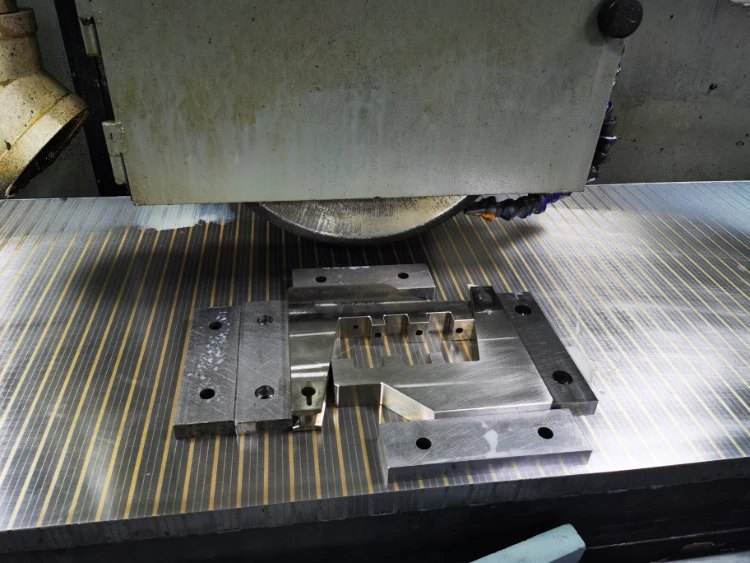
Polishing and Grinding
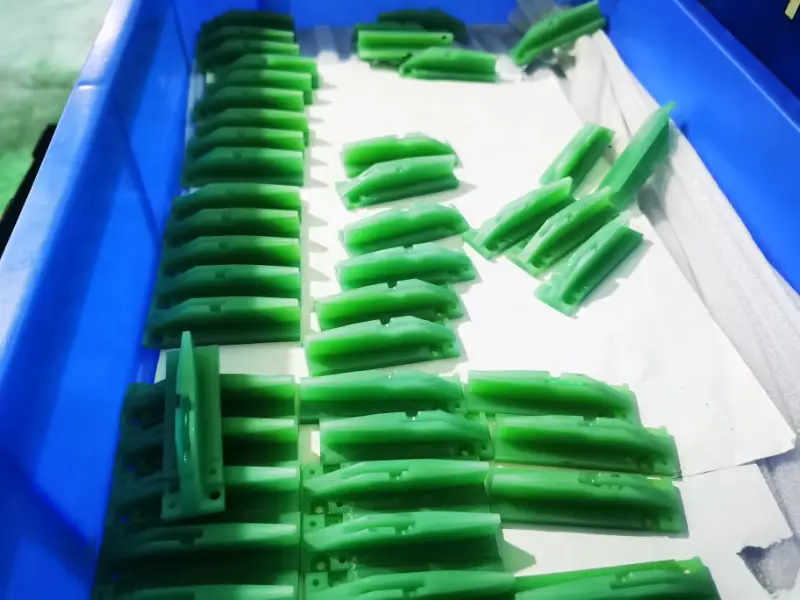
Use CNC grinding machines to remove excess material at the micron level and polish the surface to improve surface finish. If precision requirements are not high, sandpaper or grinding equipment can also be used to polish composite material parts to improve surface smoothness and durability.
8. Future Development Trends of FR4 and G10 Materials
With the development of composite material technology, FR4 and G10 are developing in the following directions:
Higher performance composite materials: nano-reinforced composites and high-temperature epoxy materials will provide better strength and toughness.
More suitable for additive manufacturing: future materials will be more suitable for industrial 3D printing and automated manufacturing by optimizing the ratio of glass fiber and resin to improve flowability in molten states.
Environmentally friendly materials: reducing halogen flame retardants and lowering environmental pollution.
Summary
When comparing FR4 vs G10 3D printing cost, the following conclusions can be drawn:
G10 has higher mechanical strength and lower cost, while FR4 has flame-retardant properties and is more suitable for the electronics industry.Both materials have excellent electrical insulation performance and structural strength.If the project focuses on electronic equipment, FR4 is recommended. If the focus is on mechanical structures and cost control, G10 is recommended.Choosing the right material can effectively reduce manufacturing costs and improve product performance.
If you want know more details or get your design quote,you can feel free to contact with us.