Usinage sur mesure du cuivre
Services d'usinage CNC du cuivre
Le cuivre allie une conductivité électrique et thermique élevée à une bonne résistance à la corrosion et à une ductilité utile. Envoyez-nous votre plan pour le choix de l'alliage, l'évaluation de la faisabilité de la fabrication et un devis détaillé.
Téléchargez votre dessin →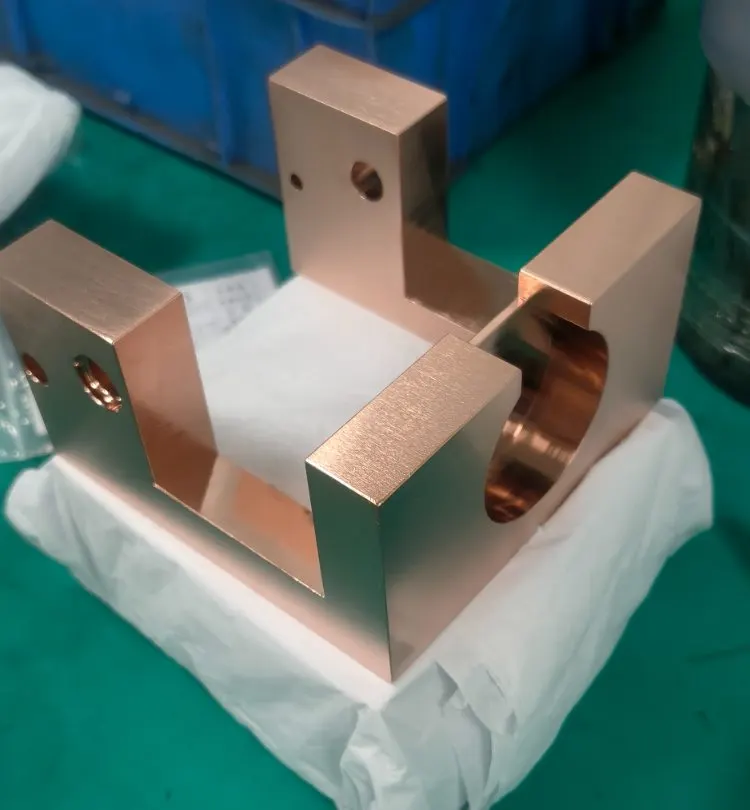
Performances des matériaux
Principales propriétés du cuivre
Les gammes types comprennent le cuivre commercialement pur et les alliages de cuivre courants usinables. La nuance et l'état de durcissement déterminent les valeurs finales.
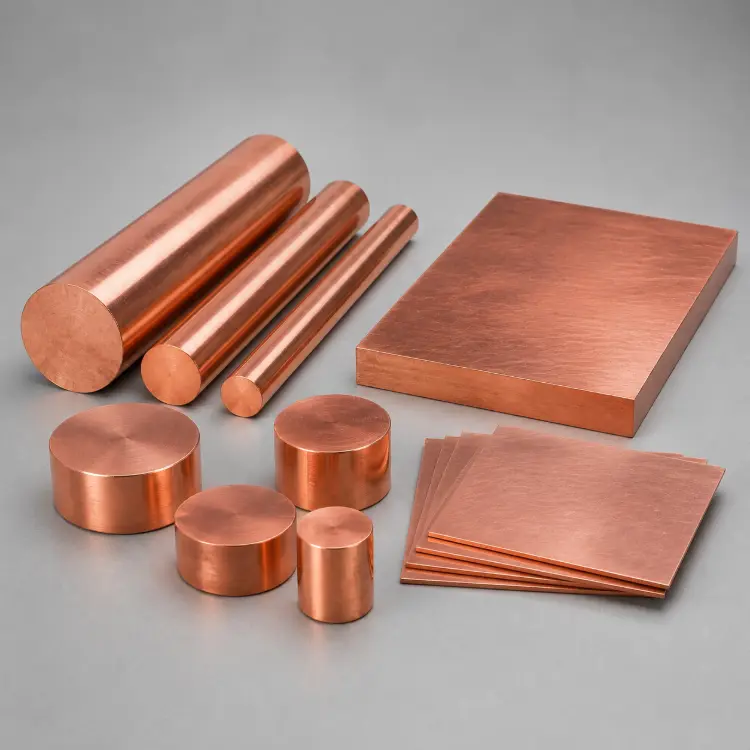
| Densité | 8,30–8,96 g/cm³ |
|---|---|
| Conductivité électrique | 15–101% IACS |
| Conductivité thermique | 105–401 W/m·K |
| Résistance à la traction | 200 à 1 400 MPa |
| Limite d'élasticité | 50 à 1 200 MPa |
| Élongation | 2–50% |
| Dureté | 35 à 400 HB |
Sélection de la teneur en cuivre
Alliages de cuivre couramment utilisés pour les pièces usinées par CNC
Choisissez la nuance en fonction de la conductivité, de la résistance mécanique, de l'usinabilité et de la résistance à l'usure.
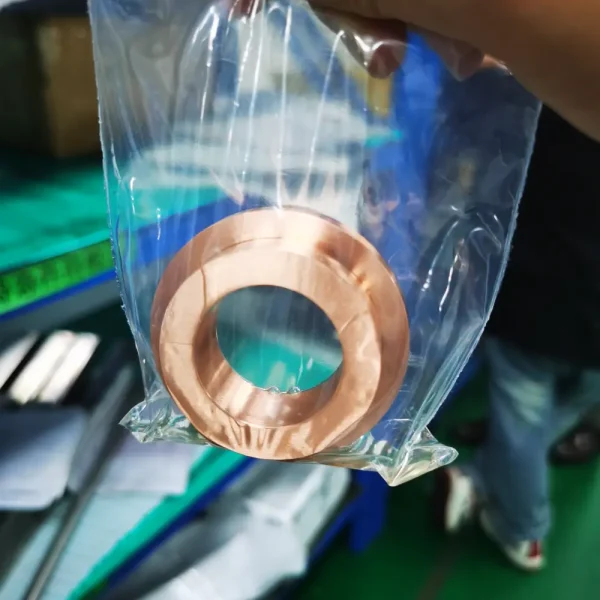
C10100 / C10200 Cuivre sans oxygène
Une conductivité très élevée et une excellente ductilité pour les composants électriques soumis à des exigences élevées.
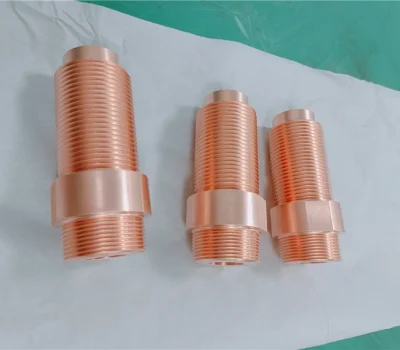
C11000 Cuivre électrolytique à pas serré
Cuivre largement disponible, présentant une conductivité élevée et de bonnes propriétés de formage.
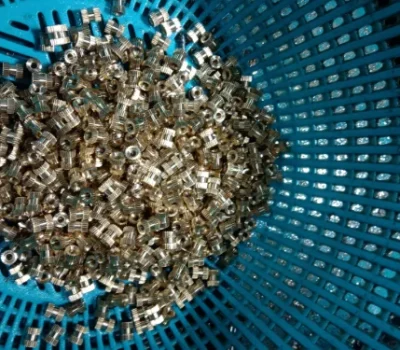
C14500 Cuivre au tellure
Haute conductivité et meilleur contrôle des copeaux pour le tournage et le filetage de précision.
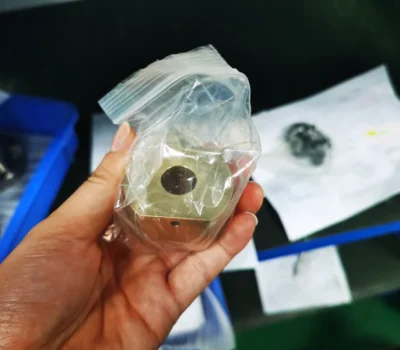
C17200 Cuivre au béryllium
Alliage de cuivre traitable thermiquement, présentant une résistance mécanique élevée, une bonne résistance à la fatigue et une bonne conductivité.
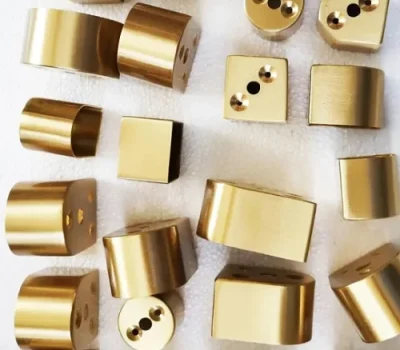
C18150 Chrome-zirconium-cuivre
Haute conductivité, associée à une résistance mécanique accrue et à une meilleure résistance au ramollissement thermique.
Discuter d'une autre teneur en cuivre →
Projets d'usinage
Pièces en cuivre usinées sur mesure par CNC
Pièces en cuivre : des prototypes aux petites séries, en passant par la production en série.
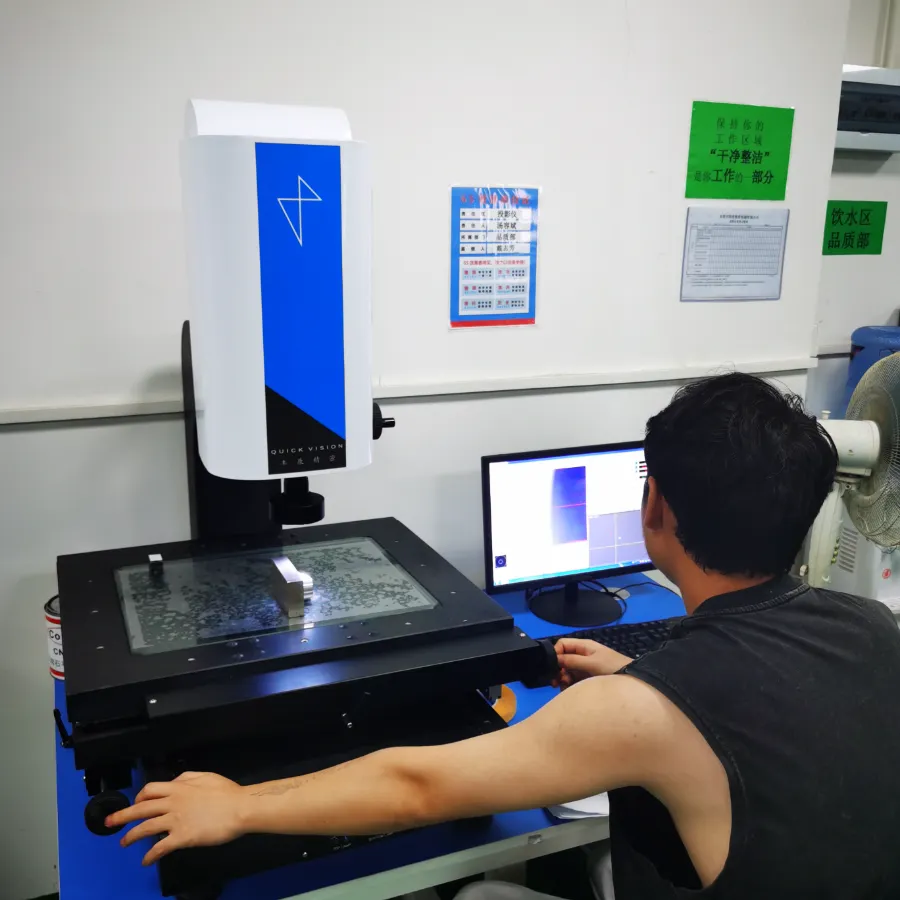
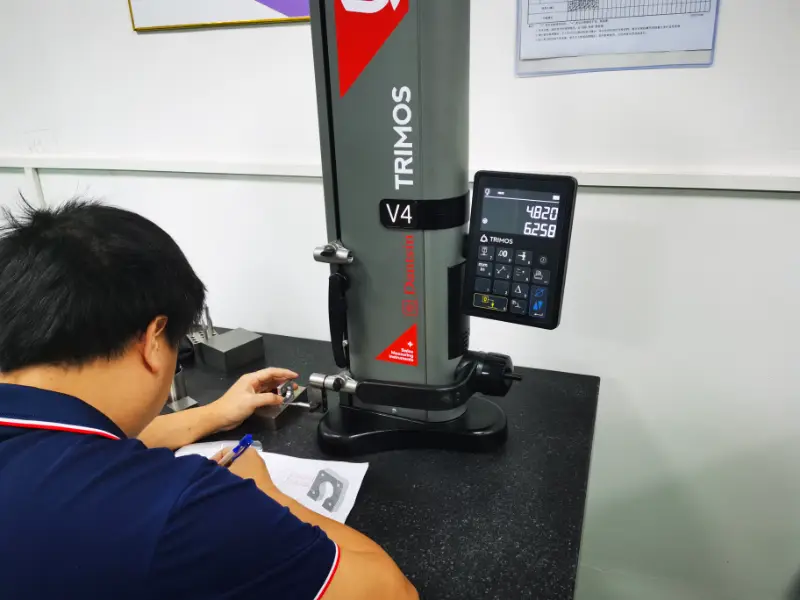
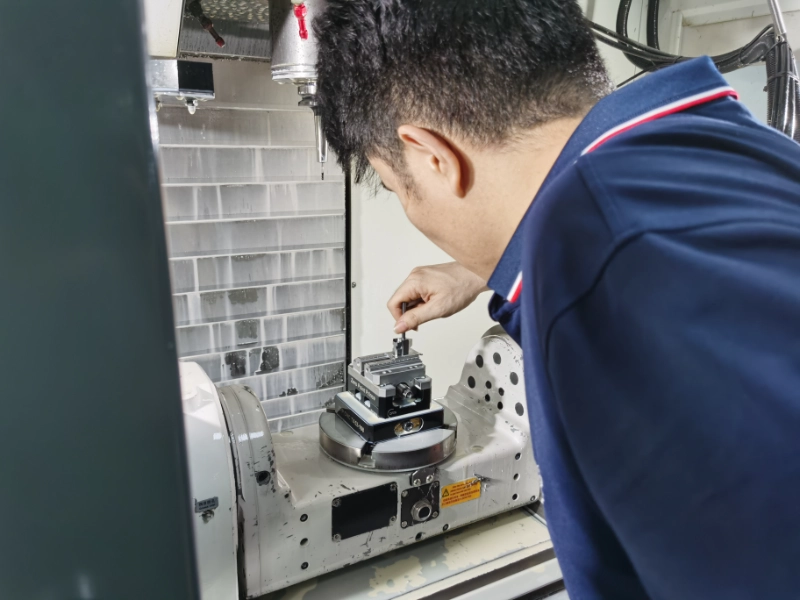
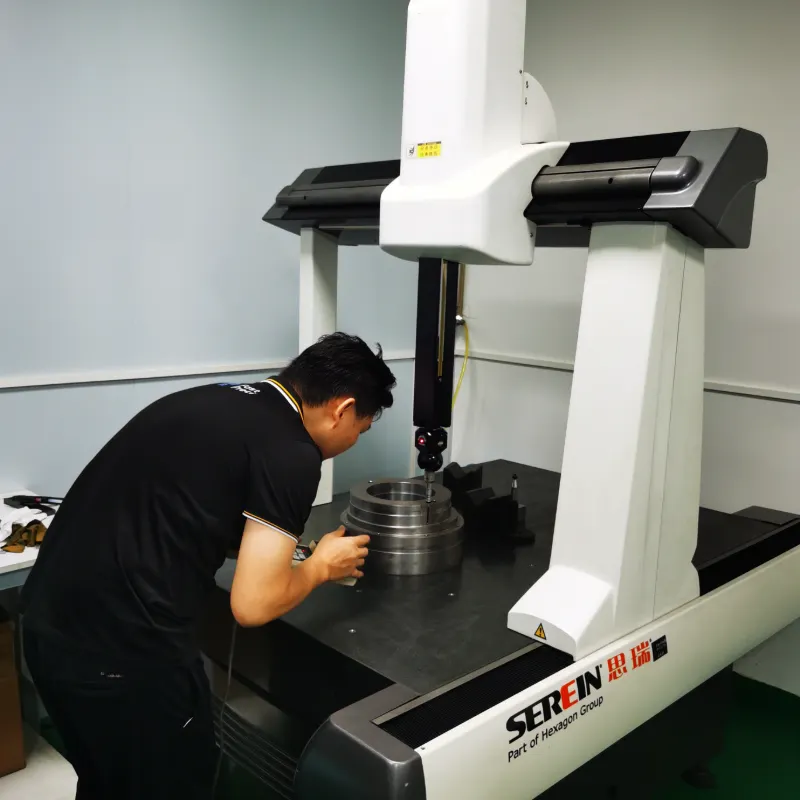
Usinage et contrôle qualité
De la révision des processus au contrôle final
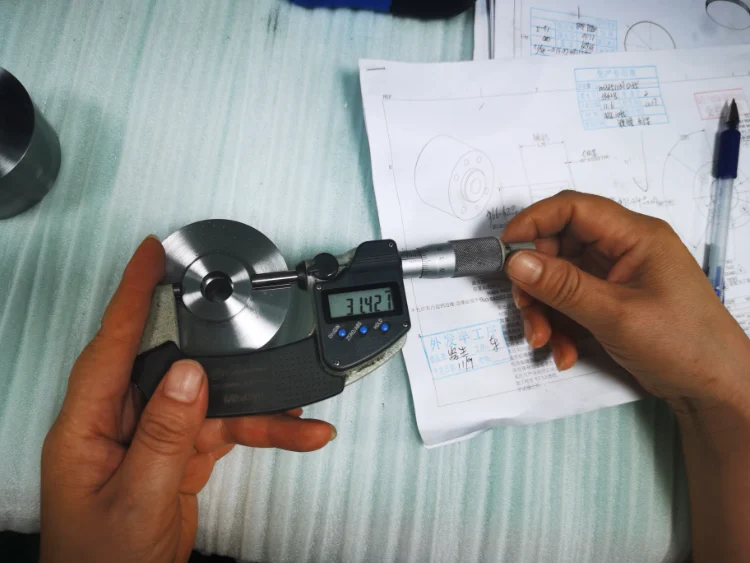
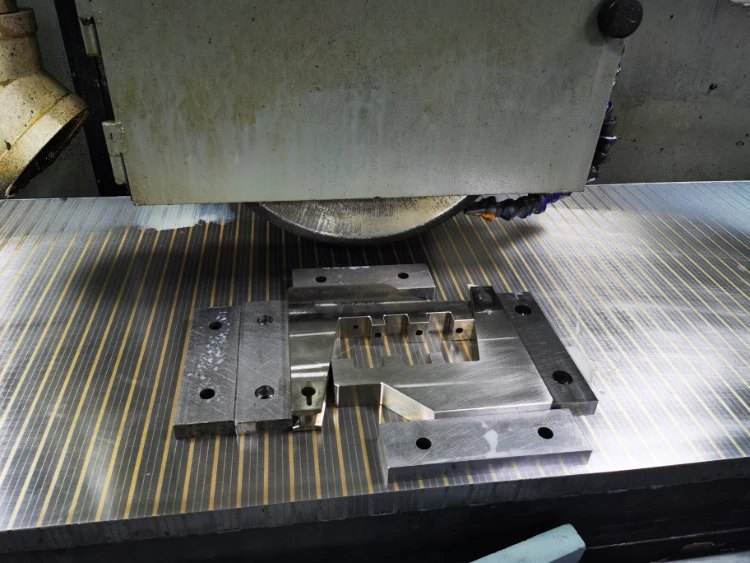
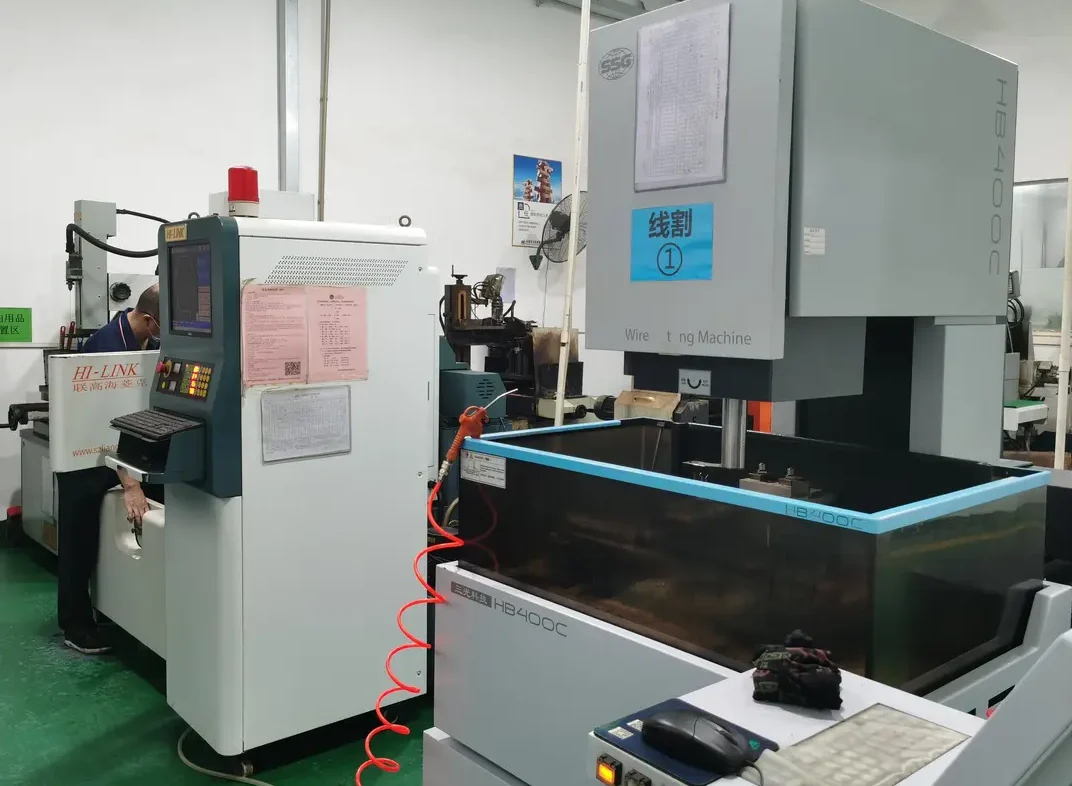
L'usinage, la rectification, l'électroérosion et le contrôle dimensionnel permettent d'assurer une production maîtrisée de pièces en cuivre.