Composants en bronze sur mesure
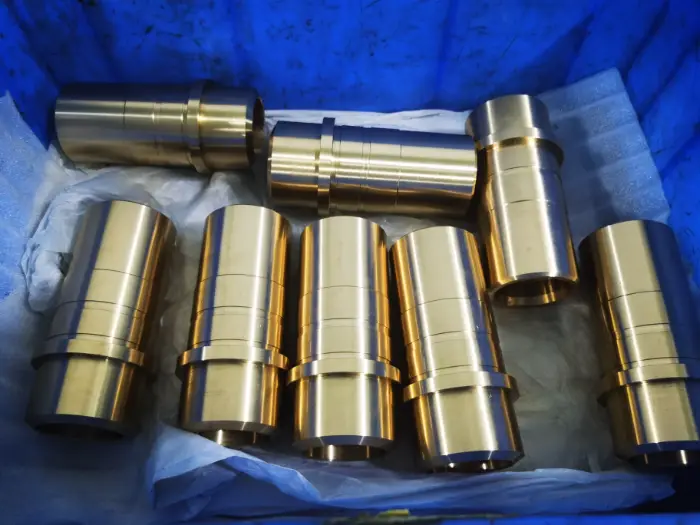
Usinage CNC sur mesure du bronze
Le bronze allie résistance à l'usure, faible coefficient de frottement et résistance à la corrosion. Envoyez-nous votre plan afin que nous puissions examiner la nuance, les tolérances et le processus de fabrication, et vous proposer un devis d'usinage sur mesure clair et précis.
Performances des matériaux
Principales propriétés des alliages de bronze usinés
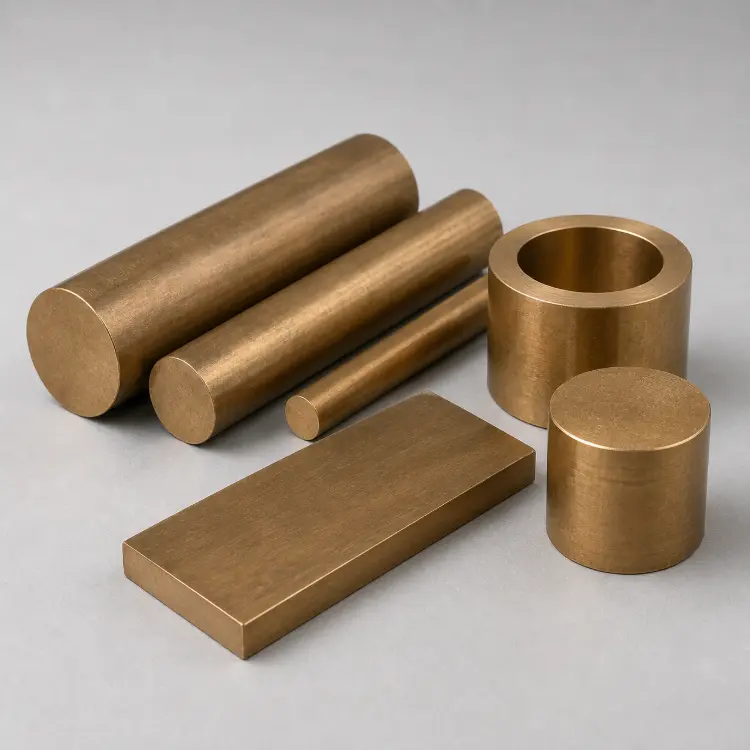
Les propriétés du bronze varient considérablement en fonction de la famille d'alliages, de la forme du produit et de l'état de trempe. Ces plages couvrent les bronzes courants utilisés pour les roulements, ainsi que les bronzes d'aluminium, de nickel-aluminium et de silicium.
Utilisez la classe UNS et l'état du matériau spécifiés pour la conception. Les valeurs finales doivent être conformes au certificat de matériau et à la norme applicables.
Sélection d'alliages de bronze
Familles de pièces en bronze usinées par CNC
Comparez les familles de bronzes courantes en fonction des performances du matériau, des normes internationales, des pièces types et des exigences de finition. Vérifiez l’alliage, le état de trempe, la forme du produit et les conditions d’utilisation avant la production.
Bronze étain
Le bronze à l'étain allie une capacité de charge élevée, une résistance à l'usure et une résistance à la corrosion dans l'eau de mer et les saumures. Il est utilisé pour la fabrication de bagues, de roulements, d'engrenages, de guides de soupapes, de composants de pompes et de segments de piston dans les équipements maritimes, les systèmes de transmission de puissance et les machines lourdes.
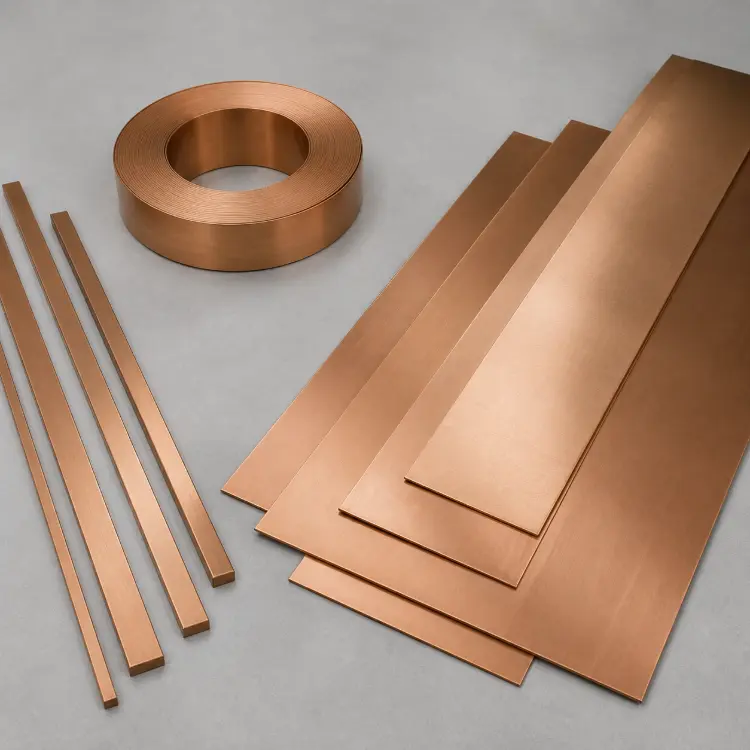
Bronze phosphoreux
Le bronze phosphoreux offre une élasticité élevée, une bonne résistance à la fatigue, une bonne résistance à l'usure et des performances de contact électrique stables. Il est utilisé pour la fabrication de ressorts, de contacts électriques, de clips, de rondelles de butée, de petites douilles et d'engrenages à vis sans fin dans les domaines de l'électronique, de l'instrumentation et des mécanismes de précision.
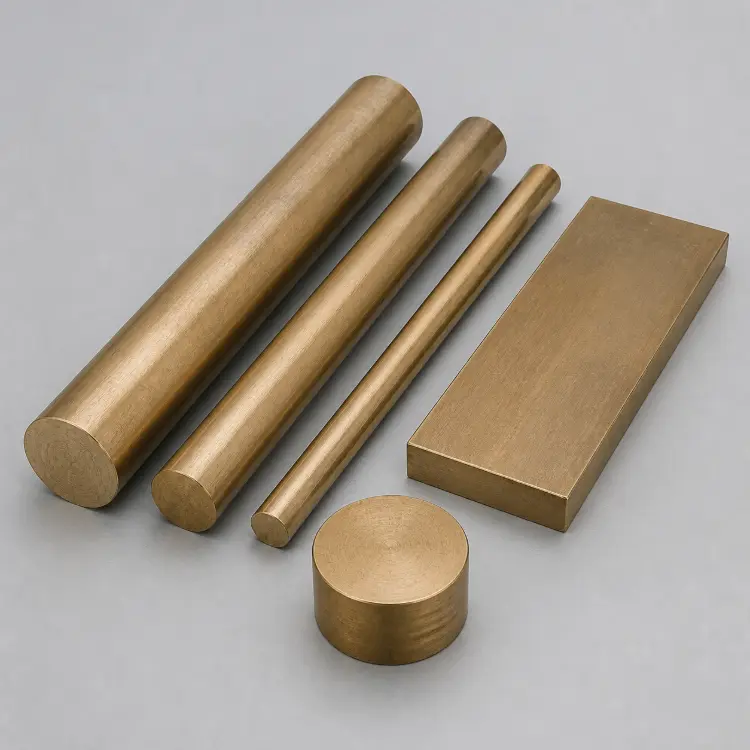
Aluminium Bronze
Le bronze d'aluminium offre une résistance mécanique élevée, une bonne résistance aux chocs, une résistance à haute température ainsi qu'une forte résistance à l'eau de mer et à la cavitation. Il est utilisé pour la fabrication de bagues de grande résistance, d'engrenages, de sièges de soupapes, de roues, de plaques d'usure et de pièces de quincaillerie marine dans les systèmes offshore, les pompes et les machines industrielles.
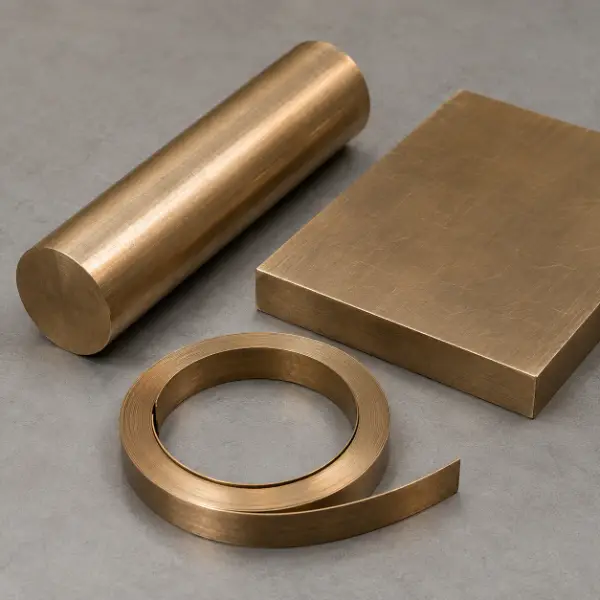
Bronze au béryllium
Le bronze au béryllium durci par précipitation offre une résistance mécanique élevée, une bonne élasticité, une résistance à la fatigue, des propriétés amagnétiques et une conductivité électrique utile. Il est utilisé pour la fabrication de ressorts de précision, de contacts électriques, de membranes, de bagues, d’inserts de moules et d’outils certifiés anti-étincelles.
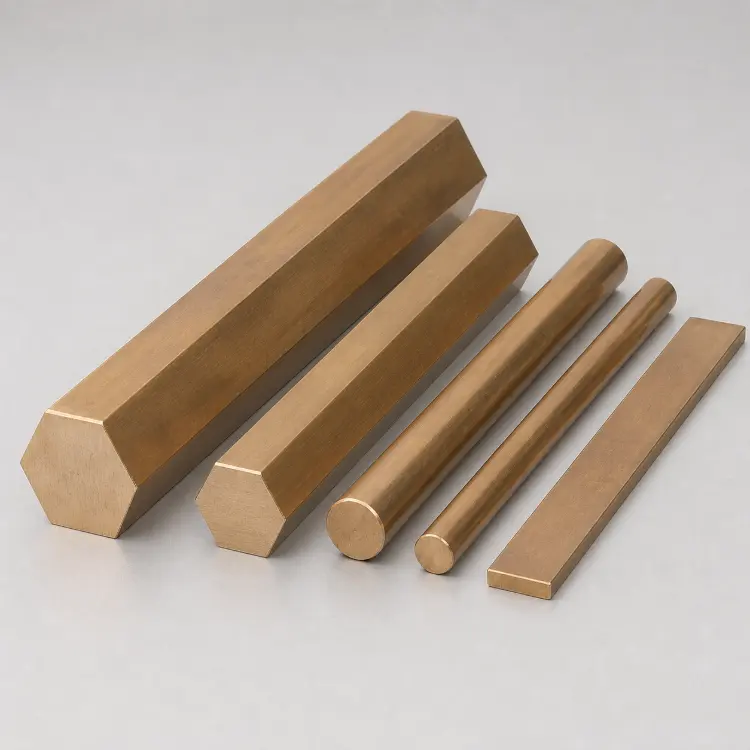
Bronze au silicium
Le bronze au silicium allie résistance à la corrosion, solidité, malléabilité et performances d'assemblage fiables. Il est utilisé pour la fabrication d'éléments de fixation, de tiges de soupapes, de pièces de pompes, de raccords, de supports et de quincaillerie architecturale dans les environnements maritimes, extérieurs et industriels .
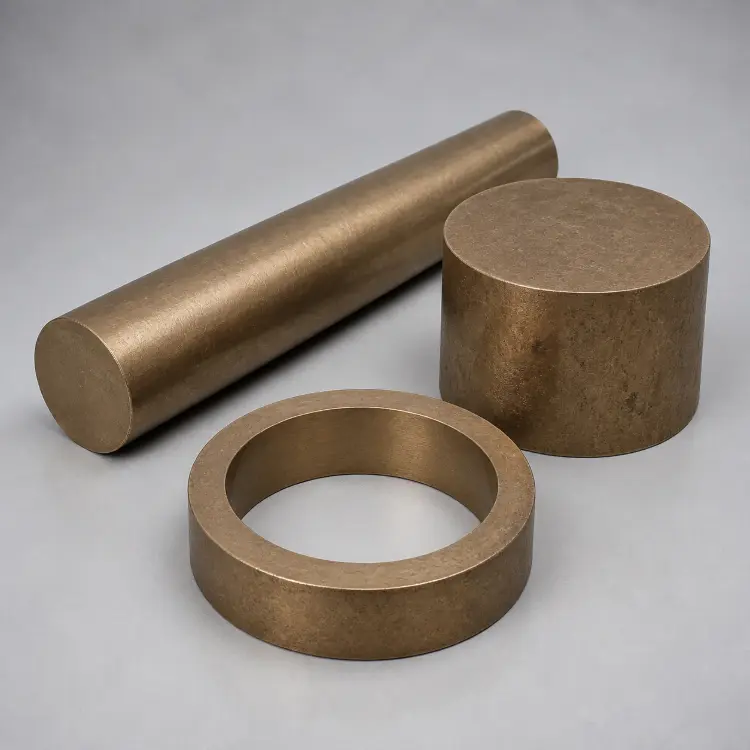
Bronze au manganèse
Le bronze au manganèse offre une grande solidité, une bonne résistance aux chocs et des performances fiables sous des charges importantes. Il est utilisé pour les appuis de ponts, les écrous de laminoirs, les bagues, les engrenages, les guides et les plaques d'usure dans les équipements destinés à l'exploitation minière, à la construction, au levage et à la transformation de l'acier.
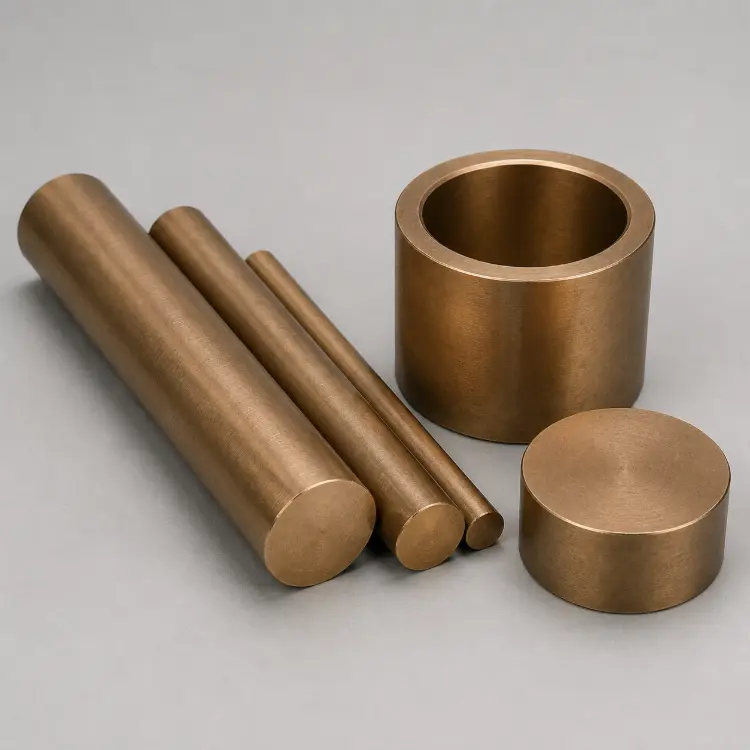
Bronze au plomb
Le bronze au plomb offre une excellente usinabilité, un faible coefficient de frottement, une bonne adaptabilité et une bonne résistance au grippage. Il est utilisé pour les paliers lisses, les douilles, les rondelles de butée et les paliers de pompe fonctionnant sous des charges et à des vitesses modérées, y compris dans les systèmes à lubrification intermittente ou limite.
Contrôle de la qualité
De la révision des plans à la réception définitive
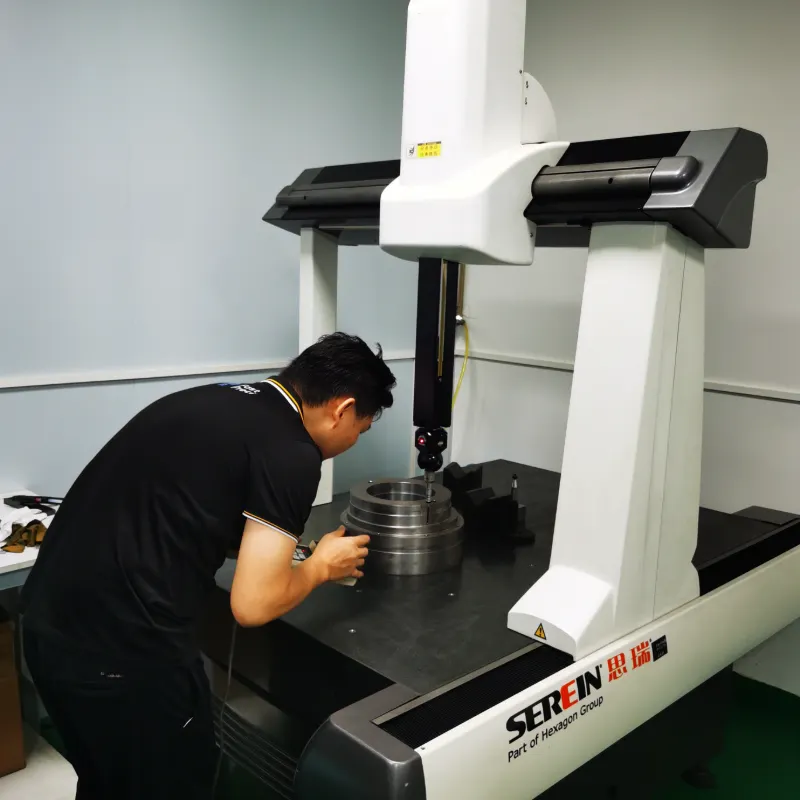
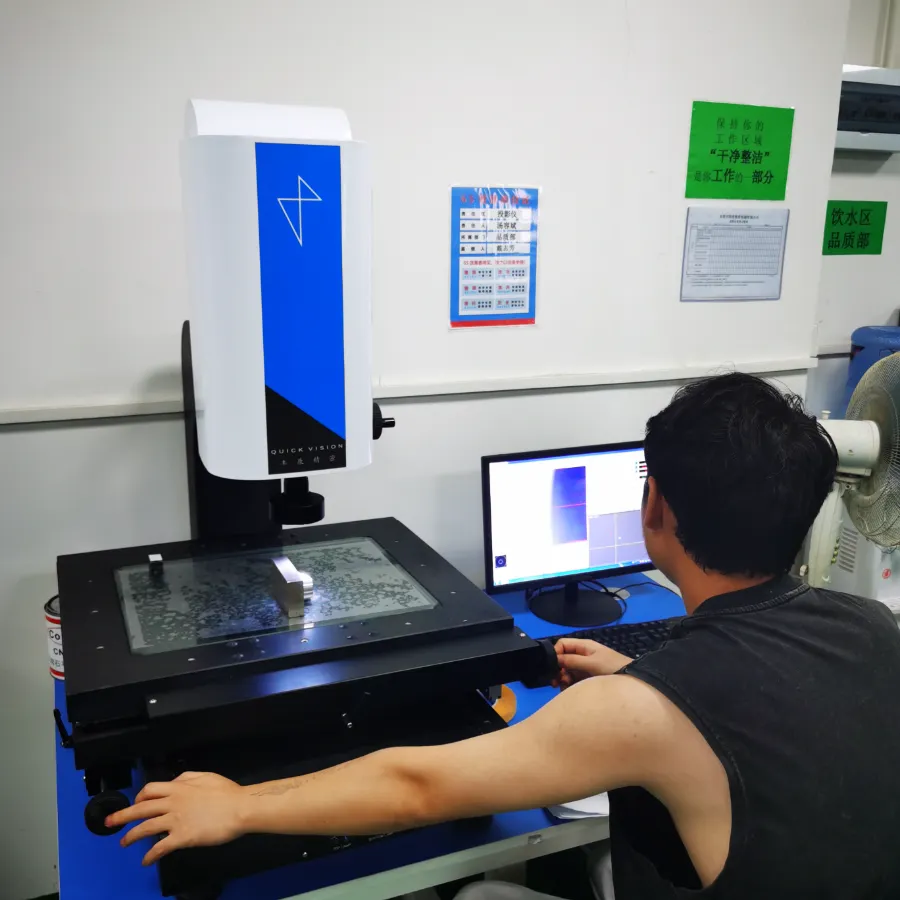
Les interfaces critiques sont identifiées avant la production et vérifiées avant l'emballage des pièces homologuées.