

Services d'usinage CNC pour l'aérospatiale
Drawing-based machining for aircraft, UAV, avionics, and propulsion-related components. Weldo reviews material, geometry, tolerances, and inspection requirements to plan prototypes and repeat production.
- Drawing-Based Manufacturing
- Du prototype à la production
- DFM & Inspection Review
Critical features and required project records are confirmed before quotation.
Contrôler les caractéristiques qui influent sur le fonctionnement des pièces
A clear specification connects the design intent with material selection, workholding, machining, and final acceptance.
Contrôle dimensionnel
Datums, feature relationships, and inspection access are reviewed from the controlled drawing.
Intégrité du matériau
Grade, condition, stock form, and required material records are defined before production.
Géométrie complexe
Multi-axis strategies are assessed for ribs, pockets, compound angles, and limited-access features.
Planification des inspections
Critical dimensions, surface requirements, and the required report format are agreed in advance.
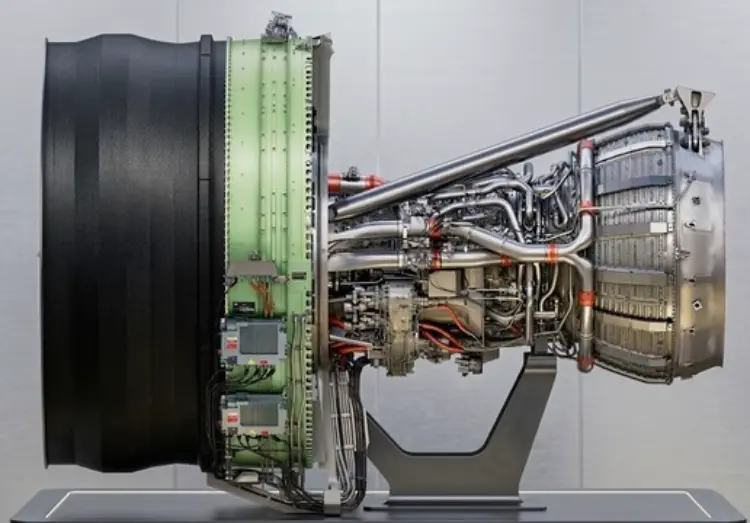
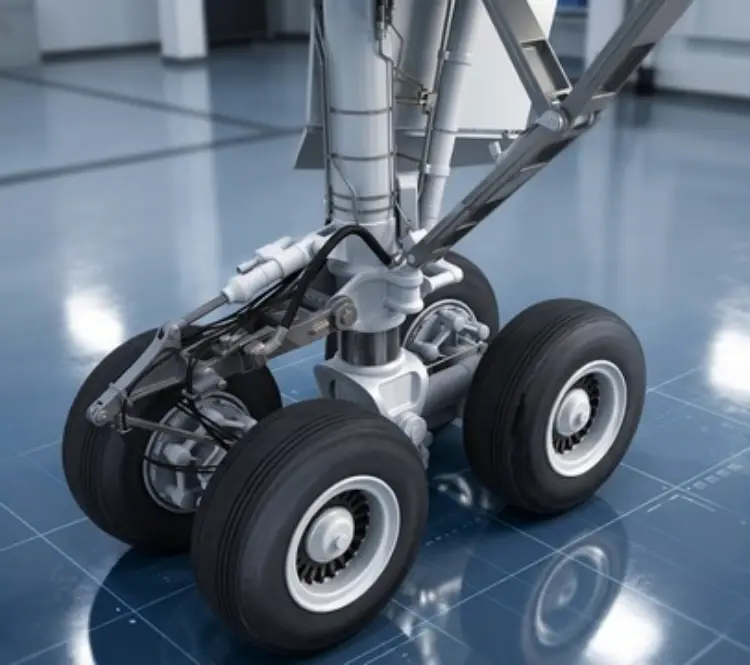
Common Aerospace Component Types
- Supports et nervures structurelles
- Boîtiers avioniques et dissipateurs thermiques
- Blocs de distribution hydrauliques et pneumatiques
- Liens et bagues du train d'atterrissage
- Supports pour capteurs et caméras
- Châssis et supports de moteur pour drones
- Carter d'accessoires moteur
- Shafts, spacers, and fittings
Choisissez le processus en fonction du dessin
Combine the operations needed for material, geometry, surface condition, and inspection, with a defined route from stock to finished part.
3-, 4- & 5-Axis Milling
Pockets, angled faces, thin ribs, and multi-sided details, with setups planned around the datums.
Turning & Turn-Mill
Shafts, fittings, bushings, and rotational parts with milled or cross-drilled features.
Rectification de précision
Selected surfaces requiring controlled size, form, or finish after review of material and geometry.
Electro-érosion à fil
Fine slots and complex profiles in conductive materials, with surface integrity reviewed for the application.
Fabrication de tôles
Brackets, panels, covers, and formed components with drawing-defined bend and assembly requirements.
Finition de surface
Substrate-compatible treatments matched to corrosion, wear, electrical contact, and masking requirements.
Tolerances Follow the Specification
- Drawing Dimensions and Datums
- Explicit dimensions, GD&T, datum systems, and acceptance notes take priority.
- General Tolerances and Fits
- Use the drawing’s stated system; ISO 2768-1 or ISO 286 applies only when specified and agreed.
- Geometric Controls
- Follow the specified ISO 1101 or ASME Y14.5 basis and revision; the systems are not interchangeable by default.
- Selected Critical Features
- Features down to ±0.005 mm require individual process and measurement review. This is not a blanket part tolerance.
Matériaux destinés aux composants aérospatiaux
Match the specified grade and condition to weight, load, fatigue, temperature, corrosion exposure, and finishing requirements.
| Matériau | Grade Examples | Selection and Use |
|---|---|---|
| Aluminium | 2024, 6061, 7075 | Structures, brackets, housings, and heat sinks; alloy and temper follow the drawing. |
| Titane | CE1, CM2 | Corrosion-resistant components; Grade 5 is commonly considered for higher strength requirements. |
| Acier inoxydable | 304, 316, 17-4 PH | Fittings, housings, and shafts; confirm corrosion duty and heat-treatment condition. |
| Aciers alliés et aciers à outils | 4140, 4340; specified tooling grades | High-load mechanical interfaces and tooling; strength depends on the required condition. |
| Alliages de nickel | Inconel 625, Inconel 718 | Heat- and corrosion-resistant components, subject to grade, heat-treatment, and machining review. |
| Alliages de cuivre | Drawing-specified bronze grades | Selected bushings, bearings, and interfaces where wear behavior and mating conditions suit the alloy. |
| Matériau | Grade Examples | Selection and Use |
|---|---|---|
| Polymères techniques | PEEK, PTFE, PA | Insulators, seals, bushings, and lightweight interfaces; verify temperature, load, fluids, and documentation. |
| Insulating Laminates | Drawing-specified glass-epoxy grades | Electrical spacers, supports, and fixtures; review laminate direction, edge condition, and required ratings. |
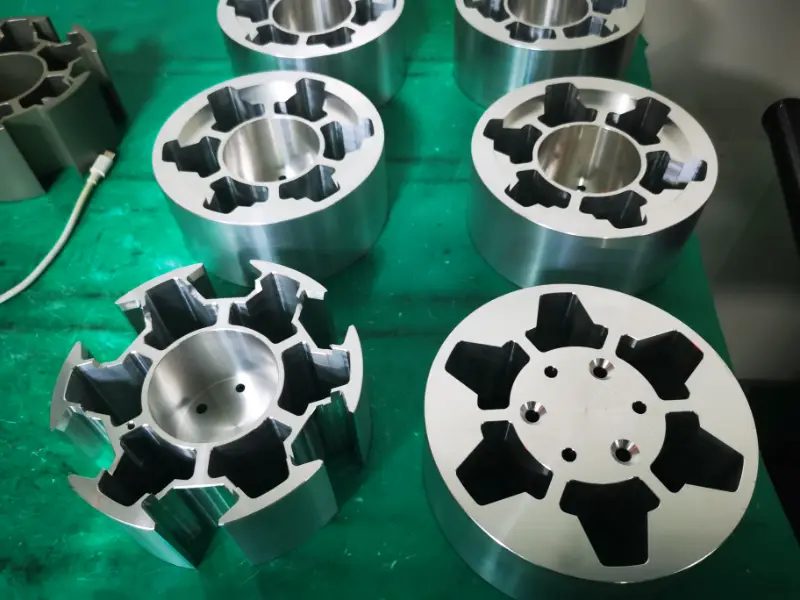
Machined Aluminum
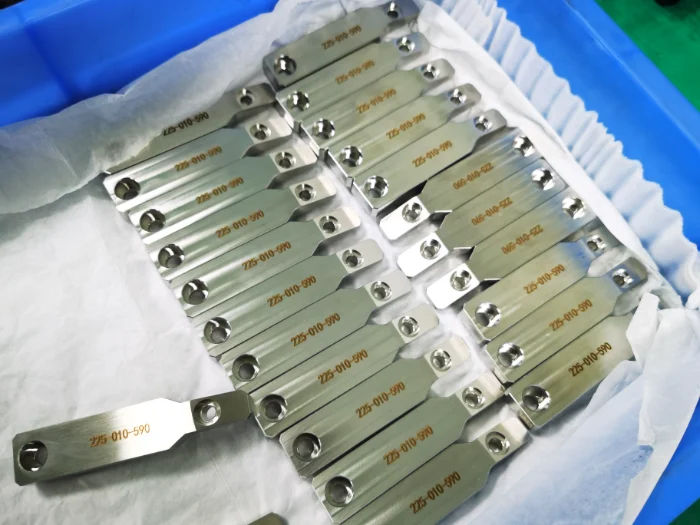
Machined Stainless Steel
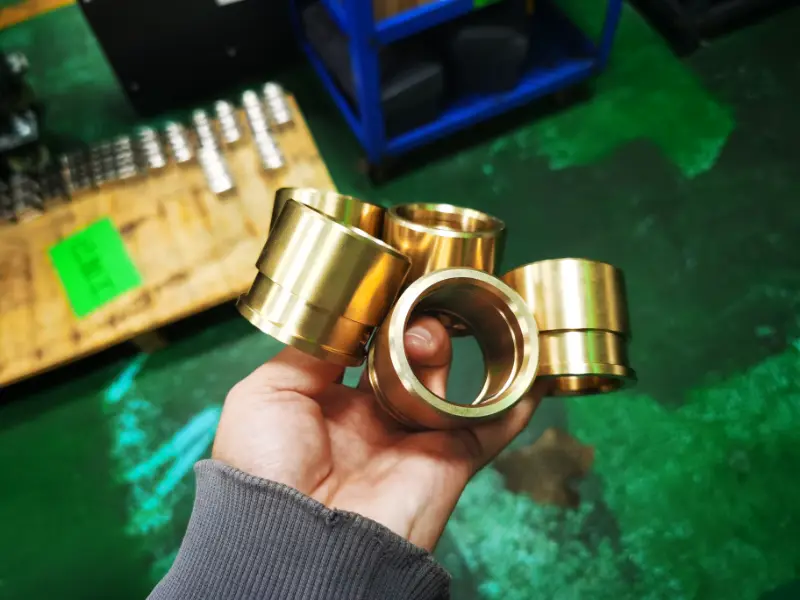
Machined Bronze
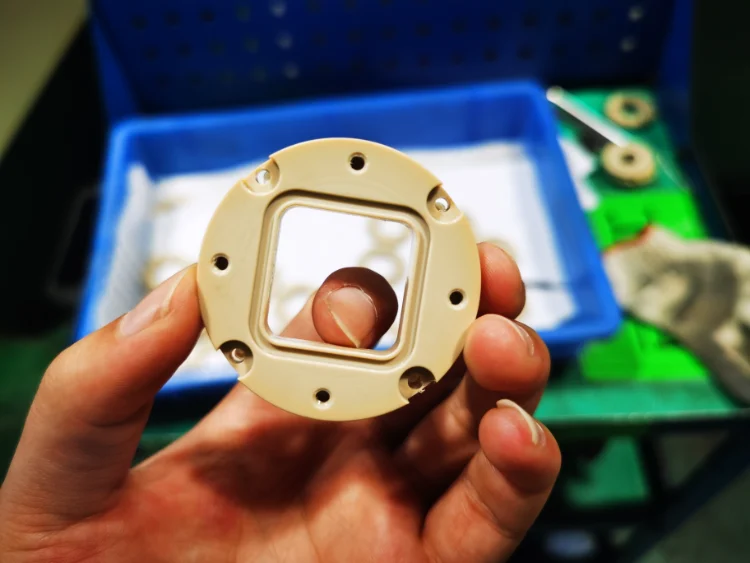
Machined PEEK
Grade examples are starting points, not substitutions for the drawing. Confirm material specification, temper or heat treatment, traceability, certificates, and substitution rules before production.
Finitions des pièces aérospatiales
Define substrate compatibility, coating buildup, corrosion and wear duty, electrical contact areas, masking, and the required process specification.
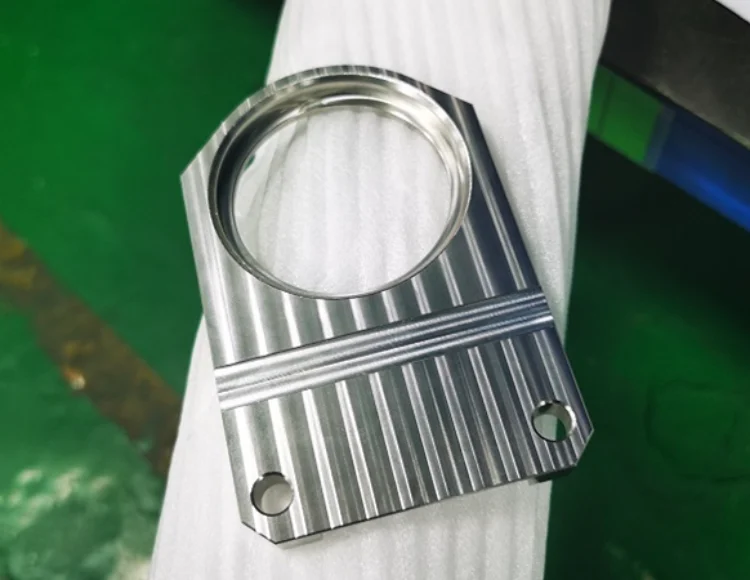
Finition usinée
Drawing-defined texture and edge condition, with controlled machining marks where permitted.
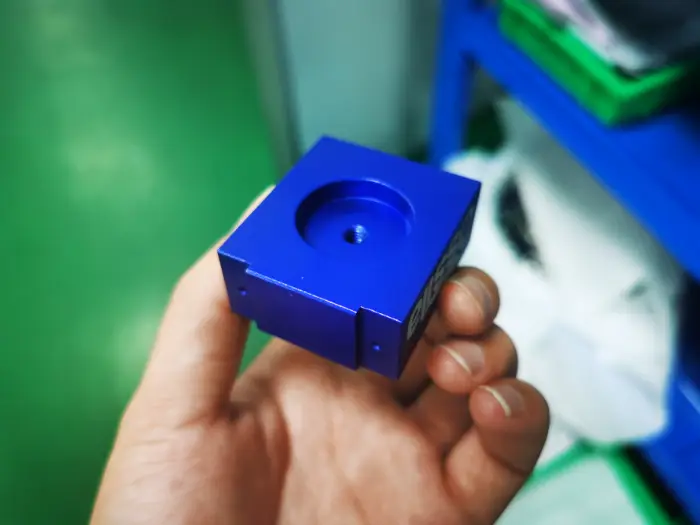
Anodisation
For suitable aluminum alloys. Specify coating type, thickness, masking, and dimensional allowance.
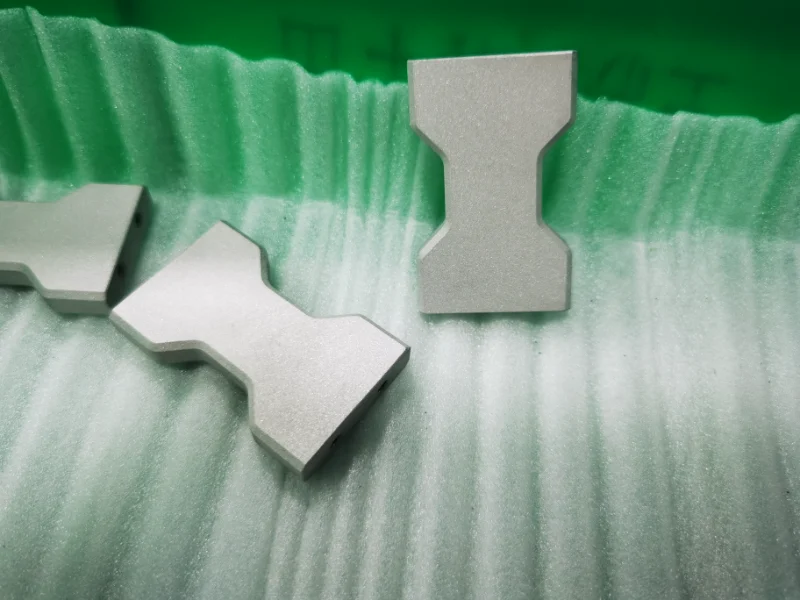
Sablage de perles
A controlled matte texture where specified. Review media, cleanliness, and fatigue-sensitive surfaces.
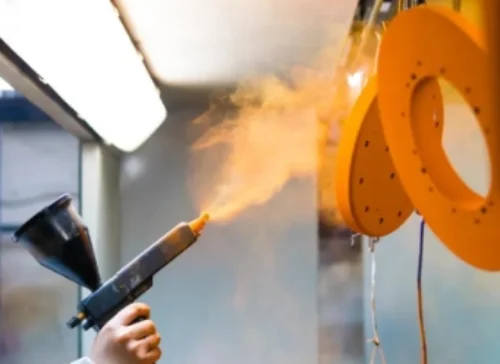
Revêtement par poudre
For compatible applications and approved surfaces. Review cure temperature, film buildup, masking, and grounding.
Quality Controls from Review to Release
Controlled drawings, production planning, and documented inspection support consistent sourcing from the first part to repeat orders.
Weldo’s ISO 9001:2015 quality system supports drawing and revision control, calibration, inspection, and production records.
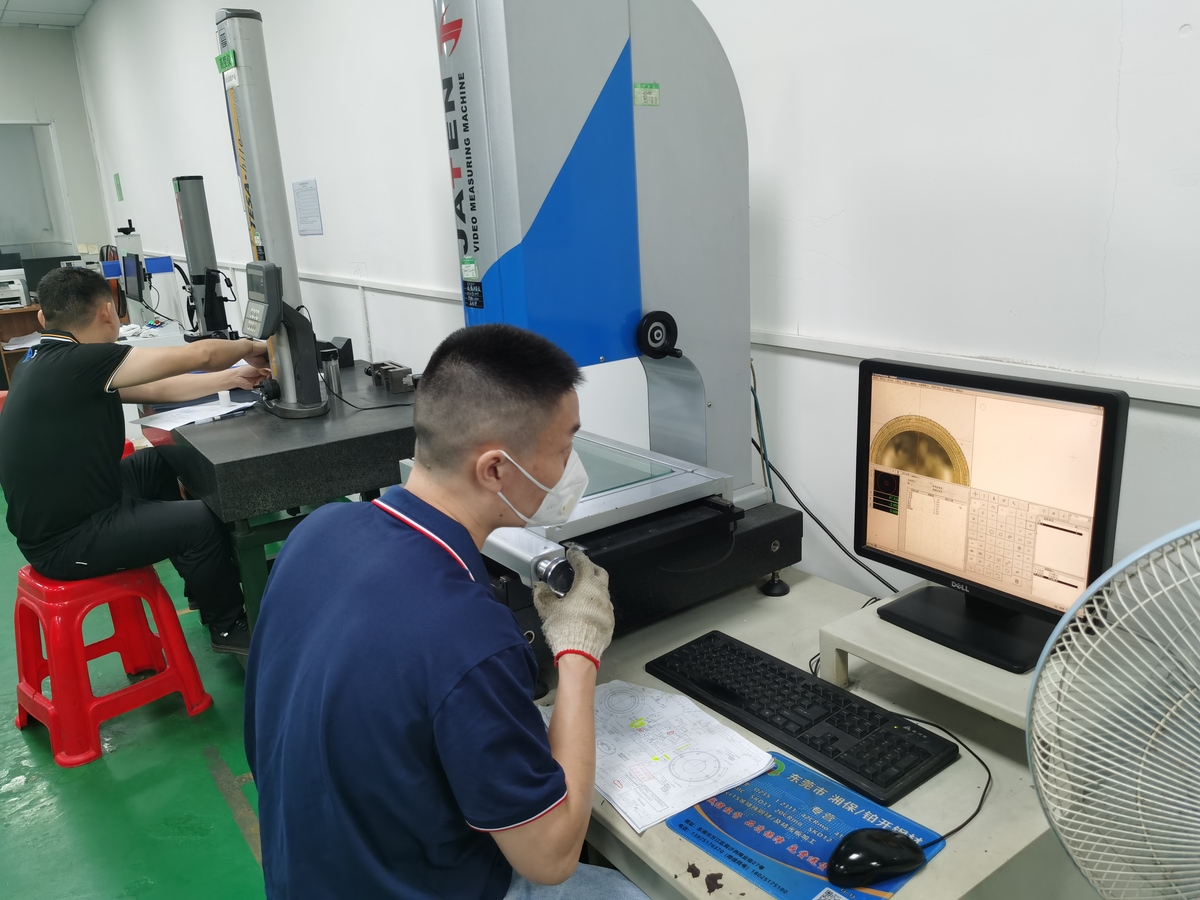
Drawing and Material Control
Confirm revision, material grade and condition, certificates when specified, and any restrictions on substitution.
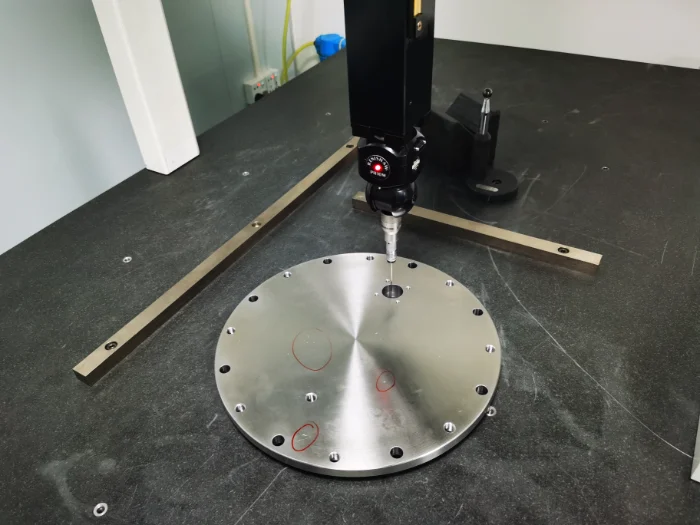
Contrôle dimensionnel
Plan CMM and other suitable measurement methods around critical datums, tolerances, access, and the inspection environment.
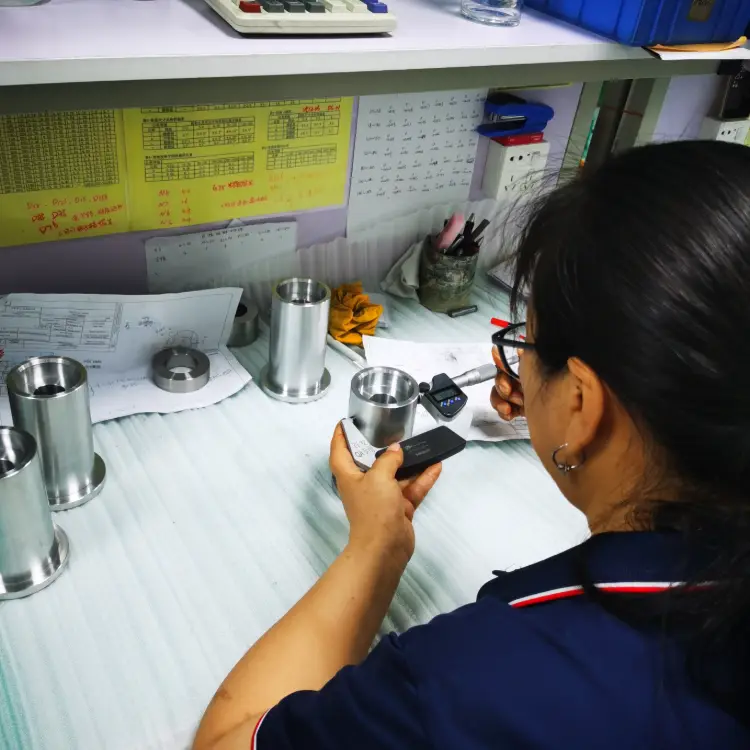
Project Records and Release
Agree dimensional, first-article, material, and finish records, then complete final review, protection, and packing.
State required AS9100 certification, Nadcap approvals, AS9102 first-article scope, approved-source restrictions, and document formats on the RFQ for written confirmation. Aerospace-specific approvals are not implied by ISO 9001 certification.
Aerospace Machining Questions
Plan the drawing, process, documentation, and repeat-order requirements before quotation.
Quels sont les fichiers nécessaires pour obtenir un devis d'usinage dans le secteur aérospatial ?
Send the 3D model and controlled 2D drawing, with revision, material condition, datums, tolerances, finish, quantity, and inspection requirements. Include approved-source or certification requirements in the enquiry.
How are aerospace machining tolerances determined?
The drawing and its stated standards control acceptance. General tolerances, fits, and geometric controls must be explicitly defined. Selected features may be reviewed to ±0.005 mm under suitable manufacturing and measurement conditions; this is not a general tolerance for the whole part.
Can titanium and nickel-alloy components be machined?
The exact grade, condition, stock form, geometry, tooling, heat management, and inspection route are reviewed before confirming a production plan. Include any required material specification and heat-treatment records.
Est-il possible de fournir les rapports d'inspection du premier article et les rapports d'inspection ?
Customer-defined first-article, dimensional, material, and finish records can be planned before quotation. If AS9102 is required, state the applicable revision and deliverables for written confirmation of the scope.
How are repeat orders controlled?
Current drawings and purchase requirements are checked against the approved programs, fixtures, inspection points, material requirements, and production records before the repeat order proceeds.
Which quality approvals should I state in the RFQ?
List required quality-system certifications, special-process approvals, approved-source restrictions, and document formats. The page’s ISO 9001 quality-system information does not establish AS9100 certification, Nadcap accreditation, or customer-specific approval.