
Fabrication robotisée
Usinage CNC de pièces destinées à l'industrie robotique
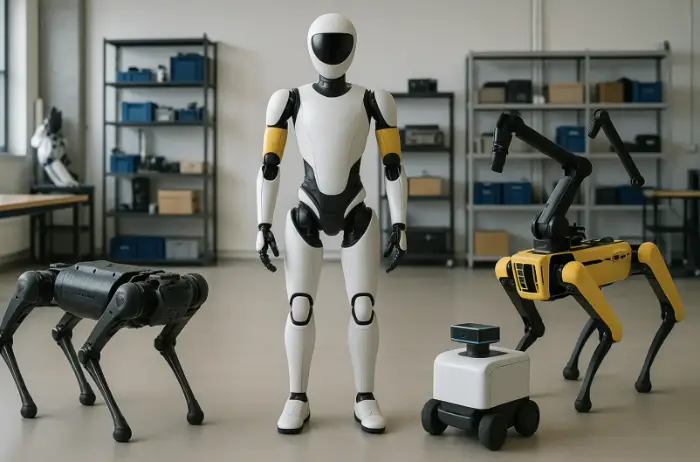
Composants métalliques et plastiques de précision destinés aux robots humanoïdes, industriels, collaboratifs et mobiles. Envoyez-nous votre plan pour obtenir une analyse DFM concrète, un plan de production et un devis détaillé.
Composants personnalisés
Pièces sur mesure couramment utilisées dans les systèmes robotiques
Les ingénieurs concepteurs du secteur de la robotique peuvent se procurer des composants structurels, de mouvement et d'interface conformes aux références, aux tolérances d'ajustement et aux exigences d'assemblage spécifiées.
Boîtiers de raccordement
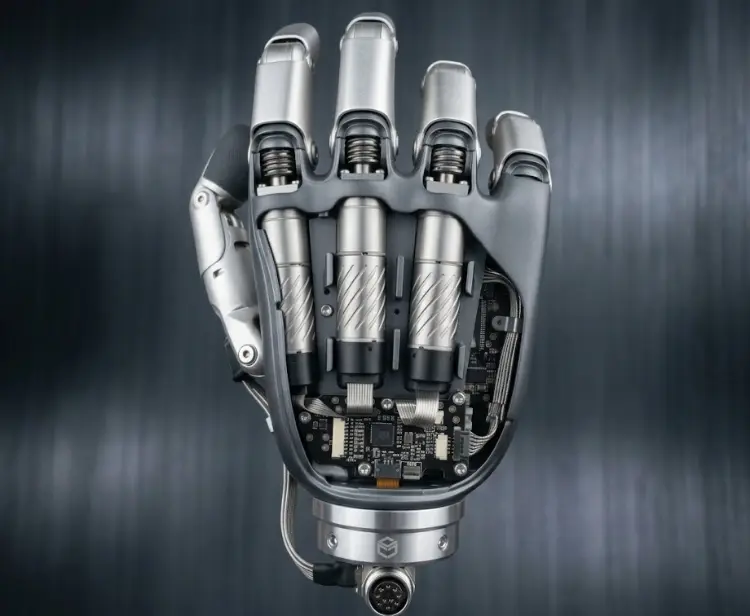
Interfaces pour moteurs, roulements, réducteurs et codeurs.
Bras et liaisons structurelles
Composants et cadres légers à faces multiples.
Effecteurs terminaux et préhenseurs
Doigts, mâchoires, plaques porte-outils et dispositifs de manutention.
Arbres et accouplements
Raccords concentriques pour la transmission et les actionneurs.
Interfaces de boîte de vitesses
Logements de roulements, brides, couvercles et plaques de fixation.
Supports de capteurs
Interfaces pour codeur, caméra, capteur de force et câble.
Matériel AMR et AGV
Moyeux de roue, supports, pièces de suspension et de châssis.
Entretoises et fixations
Dispositifs de positionnement, caches, guides et outillage de contrôle.
Projets de robotique d'usinage
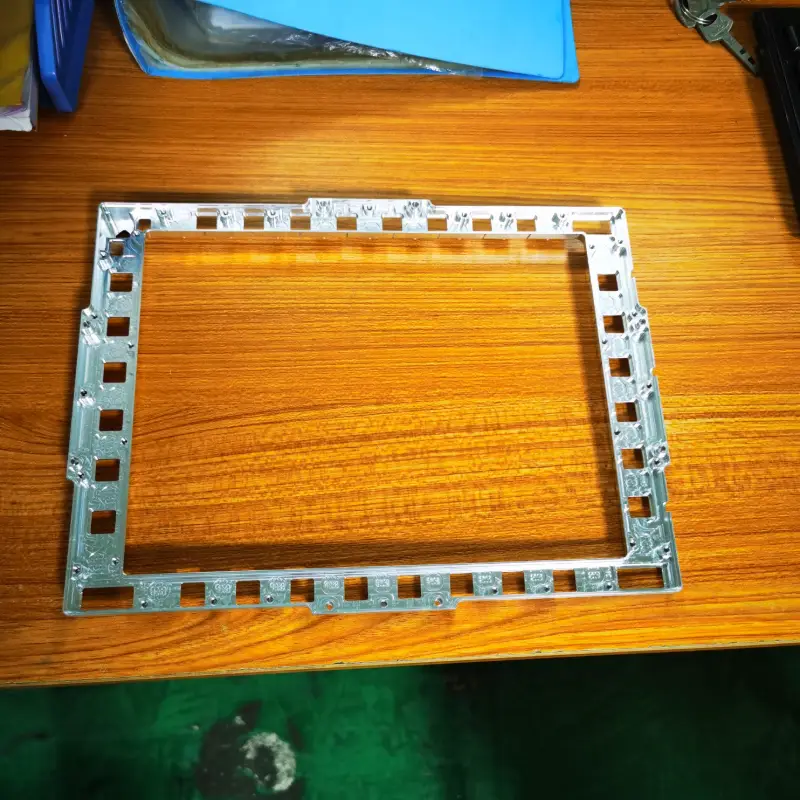
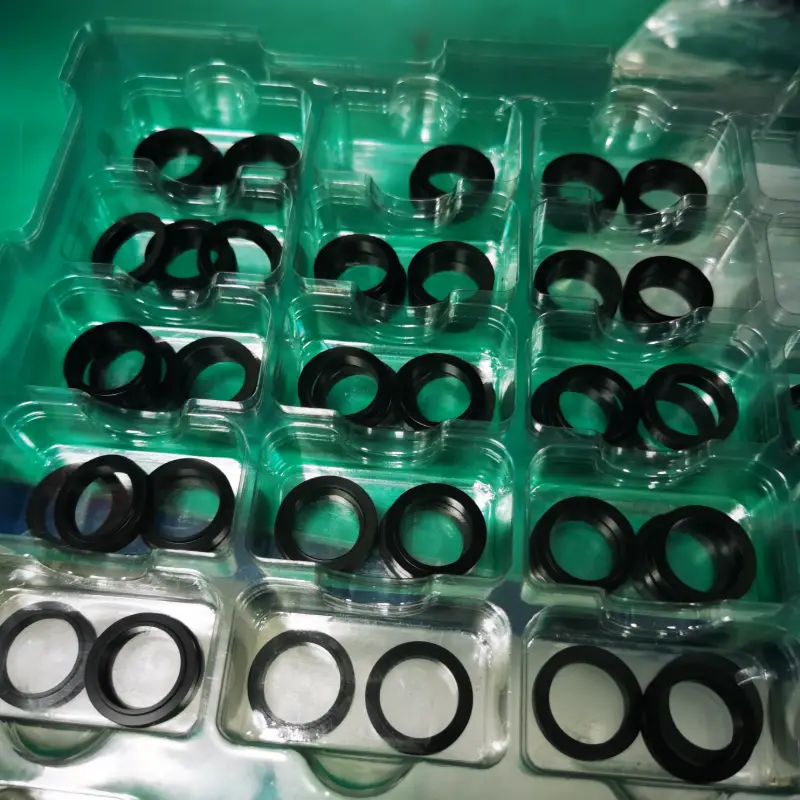
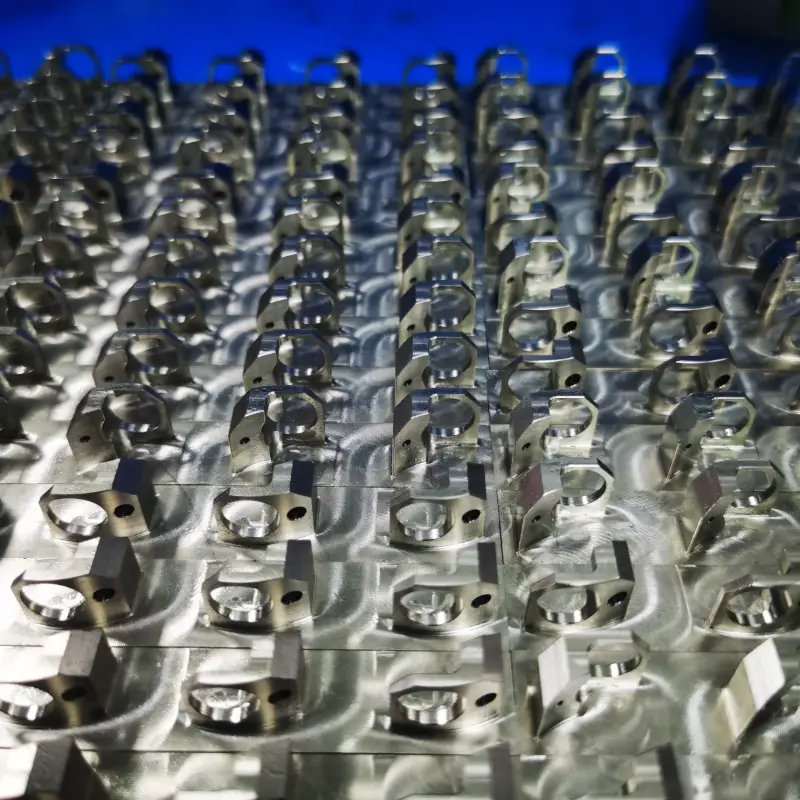
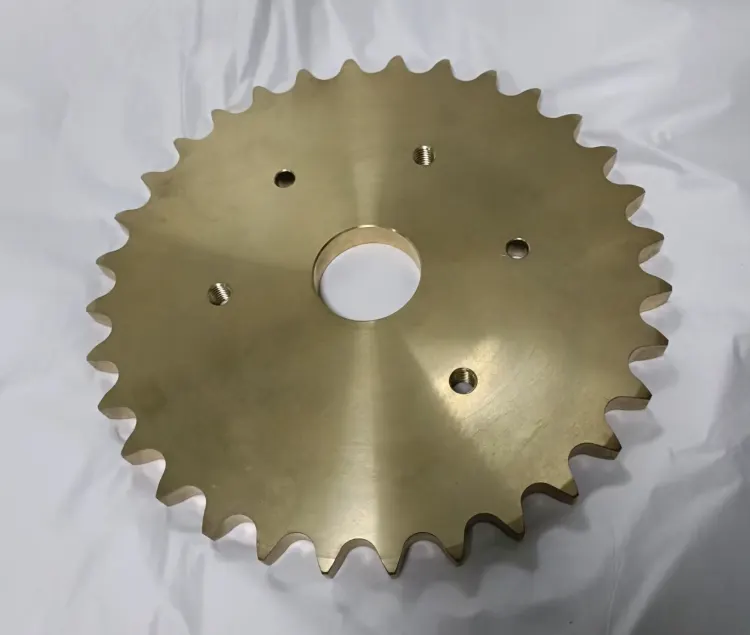
Composants robotiques sur mesure usinés par CNC
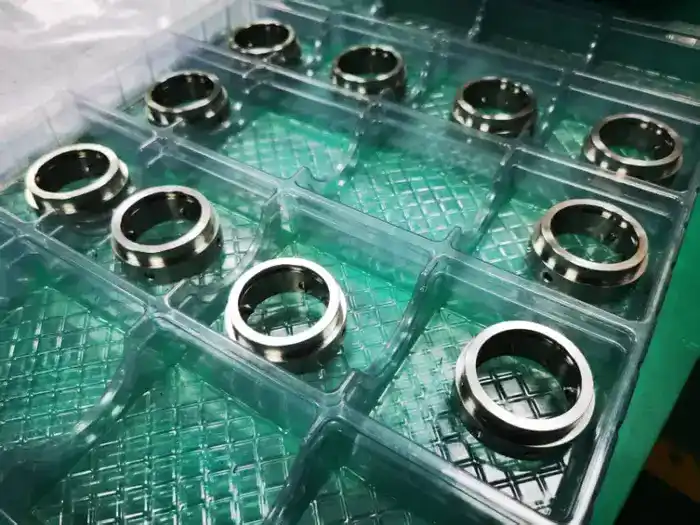
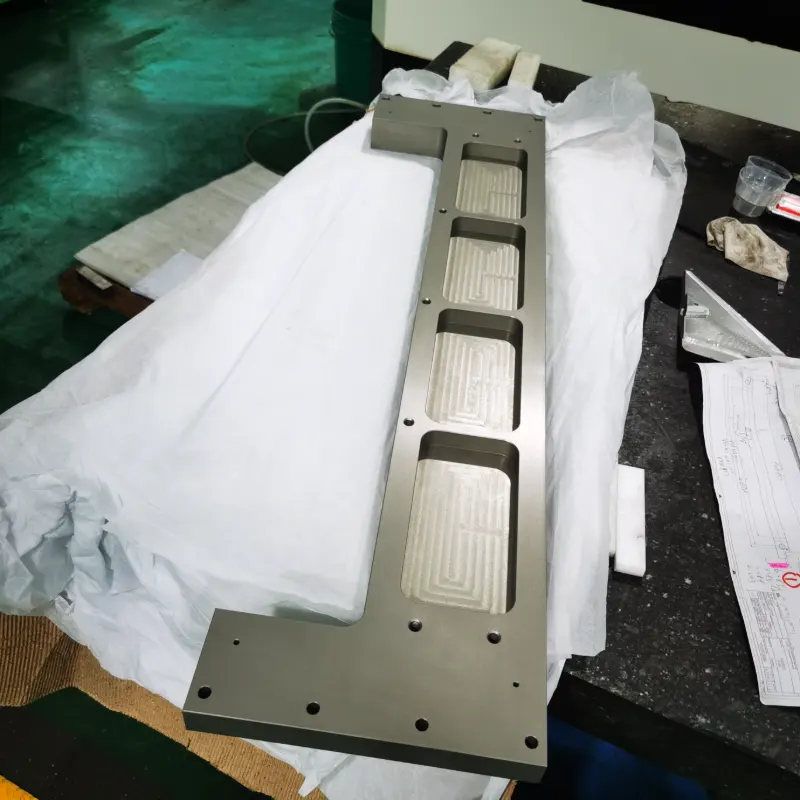
Composants de précision destinés notamment aux systèmes de mouvement, aux structures, à l'outillage et aux systèmes d'assemblage robotisés.
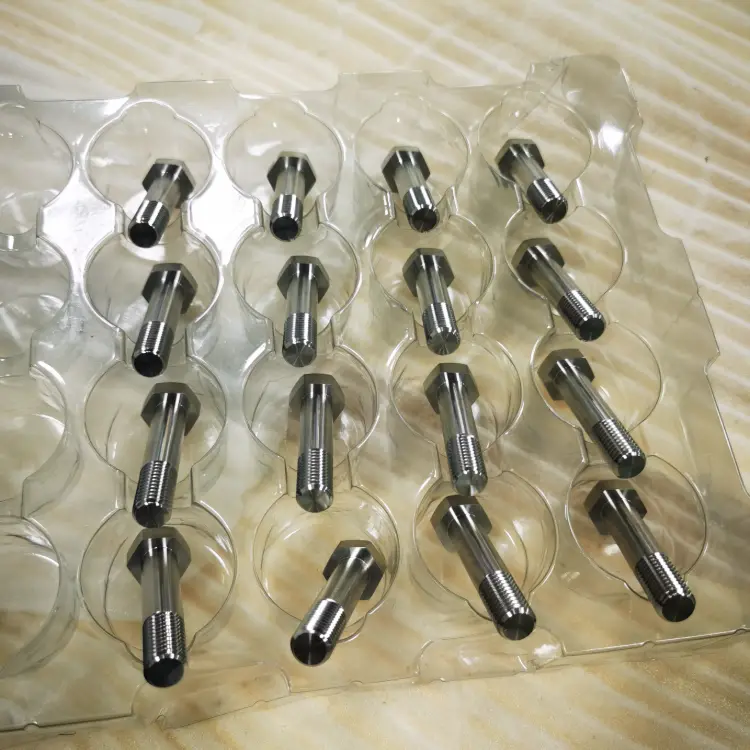
Ingénierie des mouvements critiques
Maîtrisez les interfaces qui déterminent les performances des robots
Les repères fonctionnels, les ajustements et les méthodes de contrôle sont définis en fonction du mécanisme assemblé, plutôt que d'appliquer la même tolérance à chaque élément.

Ajustements des roulements et des arbres
Contrôler le diamètre, la circularité, la concentricité et les exigences relatives à l’ajustement.
Références du moteur et de la boîte de vitesses
Associer les alésages de guidage, les gabarits de boulonnage et les surfaces de montage aux repères fonctionnels.
Structures à parois minces
Planifier le stockage, le serrage et l'ordre de découpe afin de limiter la déformation.
Surfaces d'usure et de glissement
Adapter le matériau, la rugosité et l’état de surface à la charge, au mouvement et à la lubrification.
Interfaces de capteurs
Protégez les repères de positionnement, les chemins de câbles et les relations d'étalonnage.
Stratégie d'inspection
Définir les dimensions critiques, les conditions de mesure et les enregistrements requis.
Assurance qualité des projets de robotique
Contrôles qualité pour un approvisionnement fiable en pièces robotiques
La vérification des plans, le contrôle des révisions et les rapports d'inspection permettent de réduire les risques liés à l'assemblage, depuis la validation du prototype jusqu'aux commandes répétées.
Les ingénieurs chargés des achats dans le domaine de la robotique peuvent définir la traçabilité des matériaux, les exigences relatives aux premiers articles, les rapports d'inspection, ainsi que les conditions d'emballage et de livraison avant de valider la commande.
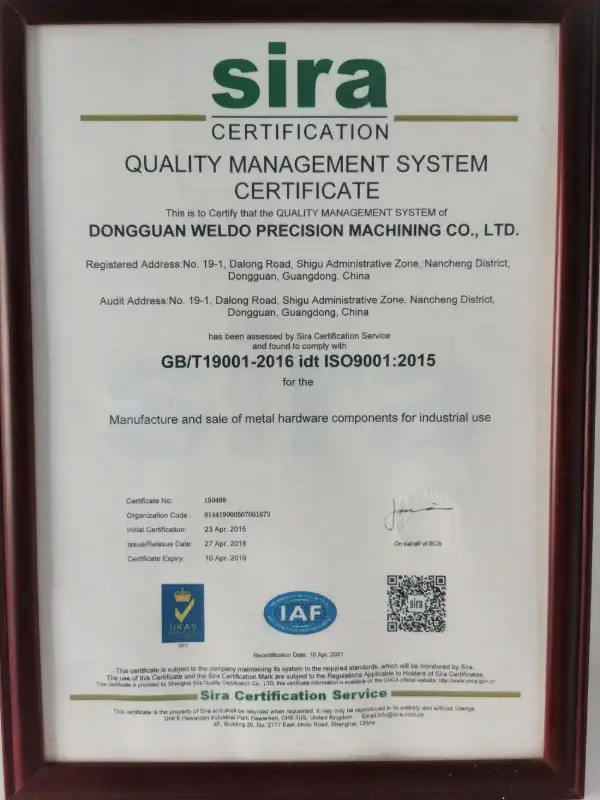
Système de qualité ISO 9001
Les procédures documentées garantissent la cohérence de la production et du contrôle qualité sur la base des plans.
- Certifié ISO 9001:2015
- Contrôle des dessins et des révisions
- Procédures d'inspection étalonnées
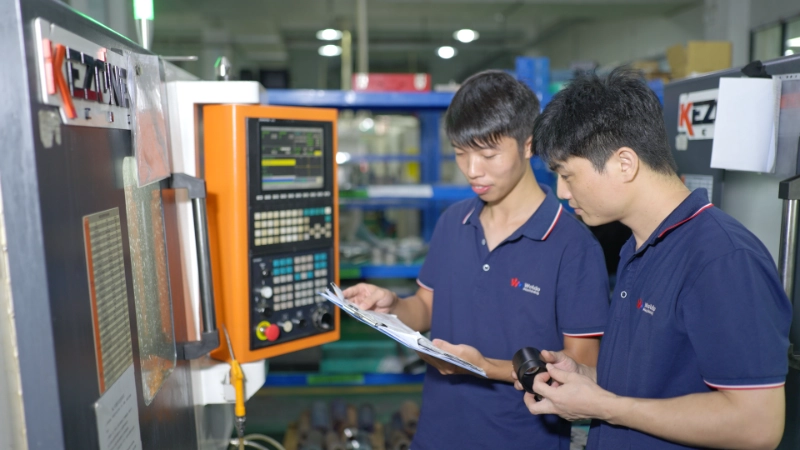
Documentation relative à la qualité du projet
Les documents requis sont convenus avant la production et préparés selon le format demandé.
- Rapports d'inspection dimensionnelle
- Certificats de conformité des matériaux, le cas échéant
- Fiches de contrôle du premier article et de finition disponibles sur demande
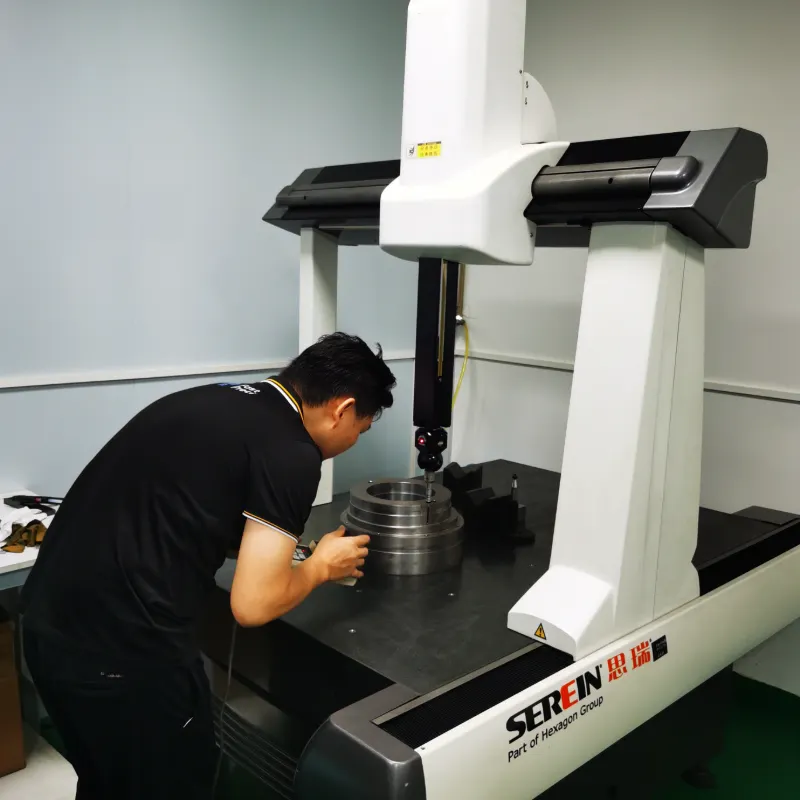
Contrôle de la production et des livraisons
Les caractéristiques essentielles sont vérifiées par rapport au plan approuvé avant l'emballage sécurisé.
- Machine à coordonnées (CMM) et mesures étalonnées
- Vérification finale et gestion des non-conformités
- Emballage de protection et état de la livraison