
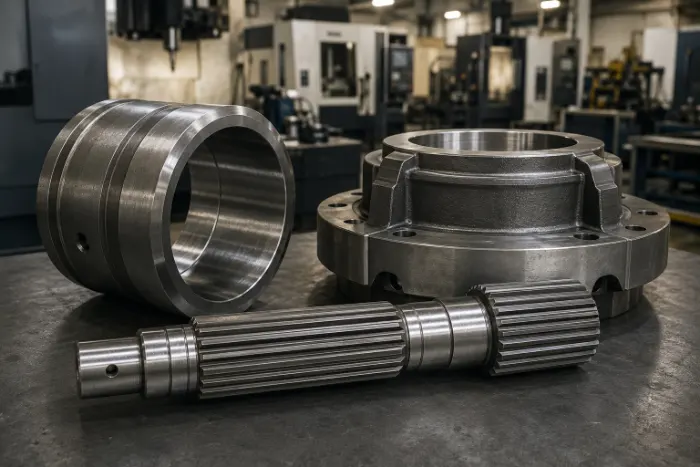
CNC Machining for Mining Equipment
Custom components and replacement spares for crushers, mills, drilling systems, conveyors, pumps, and loading equipment. Weldo reviews the drawing, material, wear conditions, critical fits, and inspection needs before quotation.
- Custom Replacement Spares
- Load & Wear Review
- 도면 기반 검사
Components for Extraction and Material Handling
Drawing-defined new parts and replacement components for abrasive, impact-loaded, and contaminated service.
Crushing & Grinding
분쇄기 샤프트, 로터, 라이너, 해머, 기어 및 분쇄기 부품.
Excavation & Loading
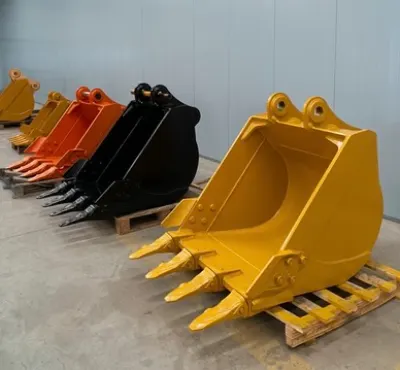
Pins, bushings, tool holders, bucket hardware, and hydraulic components.
시추 시스템
드릴 로드, 나사산 커플링, 어댑터, 슬리브 및 지지용 부속품.
Conveyors & Chutes
롤러, 샤프트, 스크레이퍼, 마모 방지판, 가이드 및 장착 브래킷.
Pumps & Fluid Handling
Impellers, casings, sleeves, seal interfaces, and suitable corrosion-resistant fittings.
Drive & Support Parts
Couplings, flanges, bearing housings, bases, frames, and drive-system interfaces.
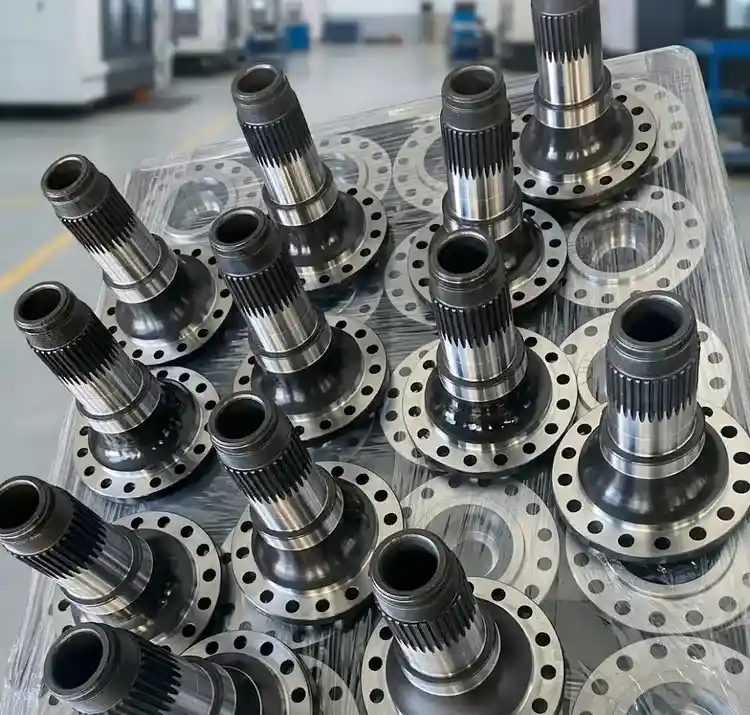
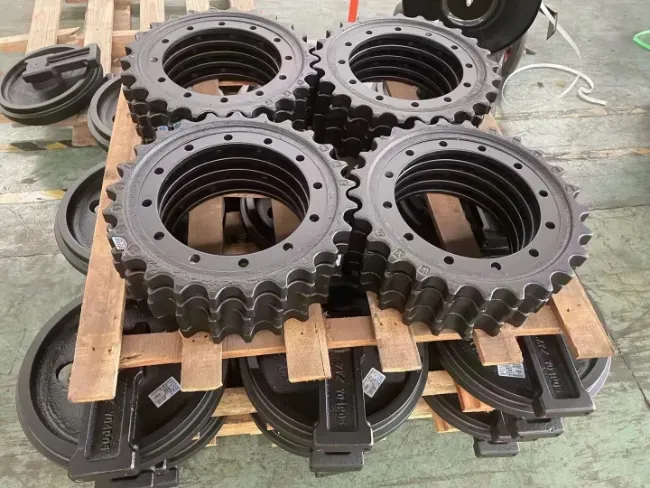
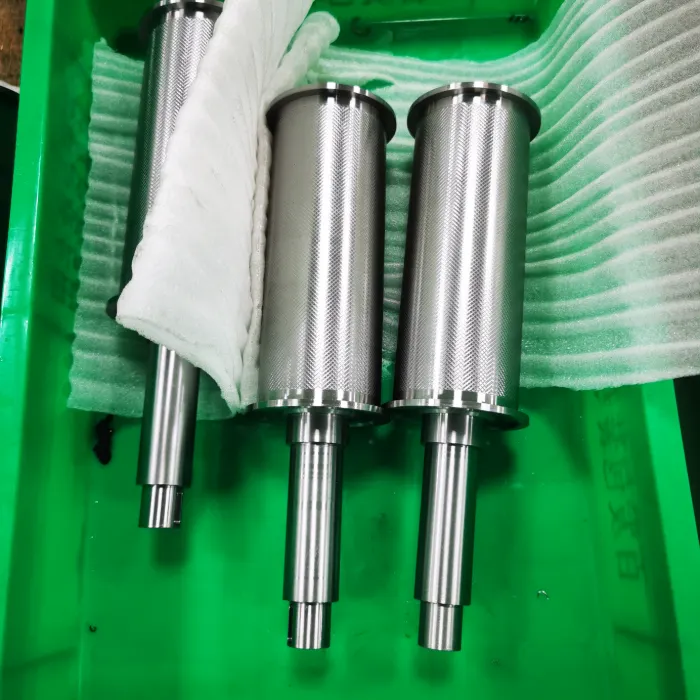
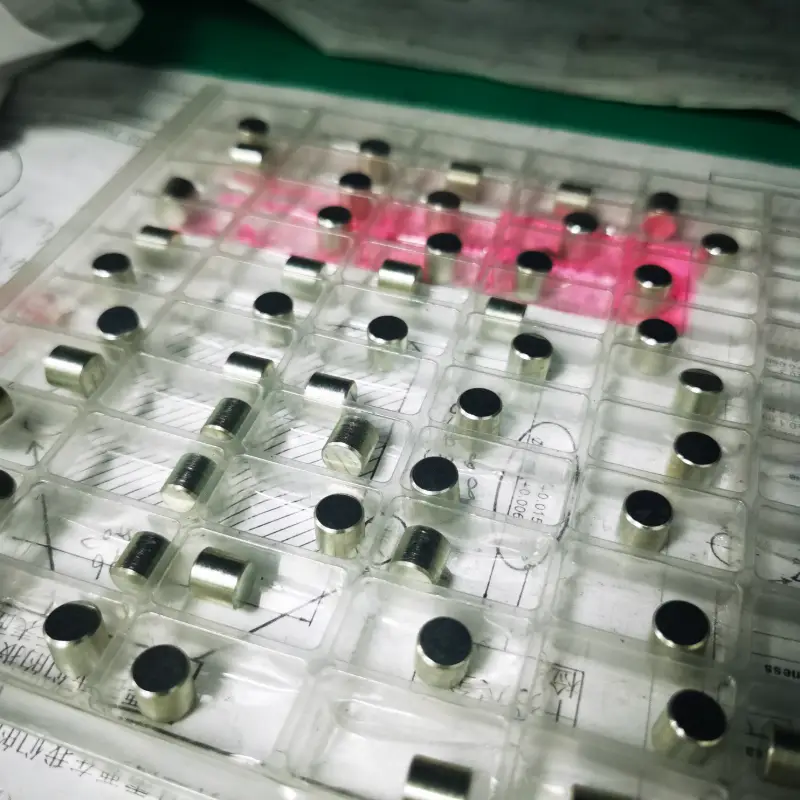
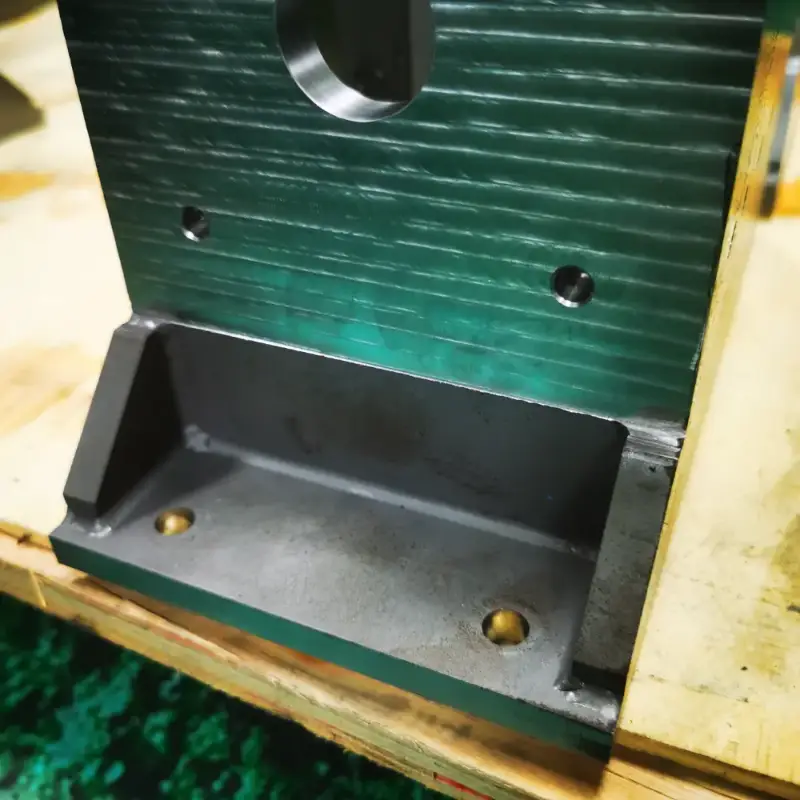
Weldo Mining Machining Projects
하중 지지, 마모 방지 및 동력 전달 용도에 사용되는 대표적인 강철, 청동 및 가공 부품.

Plan the Route Around Geometry, Hardness, and Wear
Consider stock condition, part size, treatment sequence, critical fits, and the replacement or repair strategy together.
CNC 밀링
Bases, housings, plates, pockets, and multi-face fabricated structures.
CNC 선반 가공
축, 차축, 슬리브, 링 및 나사산 커플링.
정밀 연삭
Bearing seats, seal surfaces, and drawing-defined final diameters.
와이어 EDM
Profiles and slots in conductive materials, including suitable hardened parts.
Boring & Deep Drilling
Aligned bores, pin locations, and internal features after access and depth review.
Welding & Secondary Work
가공, 응력 제거 계획, 표면 경화, 코팅 및 조립 지원.
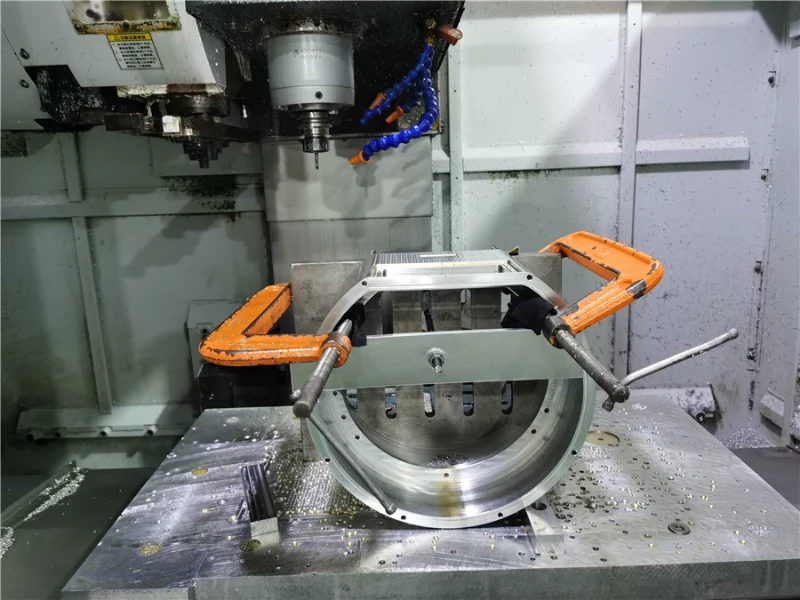
Select for Impact, Abrasion, Load, and Corrosion
Material grade, heat treatment, and surface protection work together; the correct choice depends on the actual service conditions.
재료 옵션
Carbon & Structural SteelFabricated frames, bases, and general spares.
Specify grade, stock form, weld requirements, and any stress-relief or final-machining needs for structures and general replacement parts.
Explore Material Options →합금강Loaded shafts, pins, gears, and interfaces.
4140, 4340, and drawing-specified alternatives are reviewed with heat treatment, hardness, toughness, section size, and final machining allowance.
Explore Material Options →Wear-Resistant PlateLiners, chutes, strips, and bucket protection.
AR400–AR500 class designations are selection references. Confirm the exact supplier grade, thickness, toughness, weldability, and machining requirements; hardness alone does not define suitability.
High-Manganese SteelSelected impact and crusher wear components.
Work-hardening behavior can benefit suitable impact-loaded service. Review the actual wear mechanism, loading, casting condition, and machining route rather than assuming it suits every abrasion application.
스테인리스강Corrosive fluids, wash plants, and pumps.
Select the exact grade for fluid chemistry, temperature, erosion, load, and surface condition. Confirm finish and material-record requirements.
Explore Material Options →Bronze & Engineering PolymersBushings, guides, seals, and sliding interfaces.
Match the alloy or resin to contact load, speed, lubrication, contamination, temperature, and the mating surface. Specify grade and clearance rather than relying on a generic material name.
Explore Material Options →열처리 및 표면 보호
Strength & Case Treatments
Quench and temper, induction hardening, carburizing, or nitriding are considered for compatible grades and specified strength, toughness, and surface-hardness needs.
Wear & Restoration Coatings
Hard chrome or electroless nickel may support specified wear, corrosion, or restoration duties. Review substrate condition, coating thickness, adhesion, and final dimensions.
Hardfacing & Wear Overlays
For appropriate contact zones, edges, and liners. Match the deposit and procedure to the wear mechanism, base material, heat input, and cracking limits.
Protective Finishes
Zinc, phosphate, black oxide, industrial paint, or powder coating where suitable. Specify preparation, masking, environment, and protected functional surfaces.
Define material certificates, hardness range, coating thickness, masking, and final dimensions after treatment on the RFQ.
적합성과 수명에 영향을 미치는 요소를 제어하십시오
Focus tolerances and inspection on load paths, mating interfaces, and wear surfaces.
Drawing & Sample Review
Confirm geometry, material, datums, fits, wear zones, and missing functional information before release.
Stable Large-Part Setup
Plan references, support, workholding, tool access, and stock removal to limit movement.
핵심 핏
Concentrate control on bearing seats, bores, shafts, seal faces, keyways, and mounting interfaces.
Treatment Allowance
Reserve suitable machining stock and verify the specified condition before final grinding or finishing.
Replacement Strategy
Identify replaceable wear items and long-life structures to simplify maintenance and repeat sourcing.
Revision & Repeat Control
Maintain approved drawings, programs, material requirements, and inspection criteria for repeat spares.
Inspection and Records for Reliable Spares
Agree material traceability, hardness records, critical dimensions, first-article requirements, and delivery protection before order release.
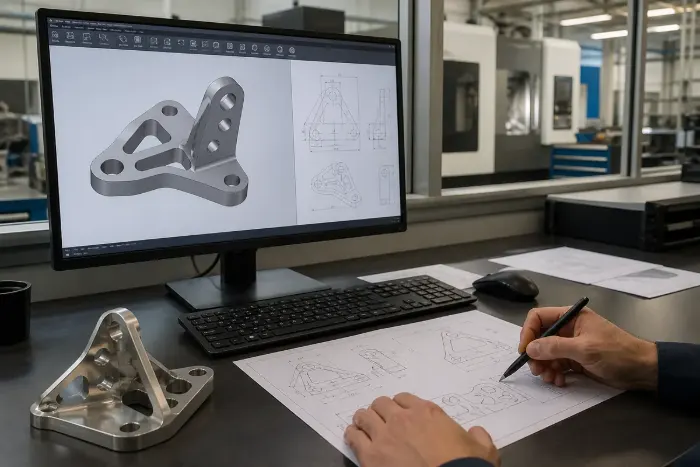
그림 리뷰
Confirm functional references, wear zones, fits, and inspection points before machining.
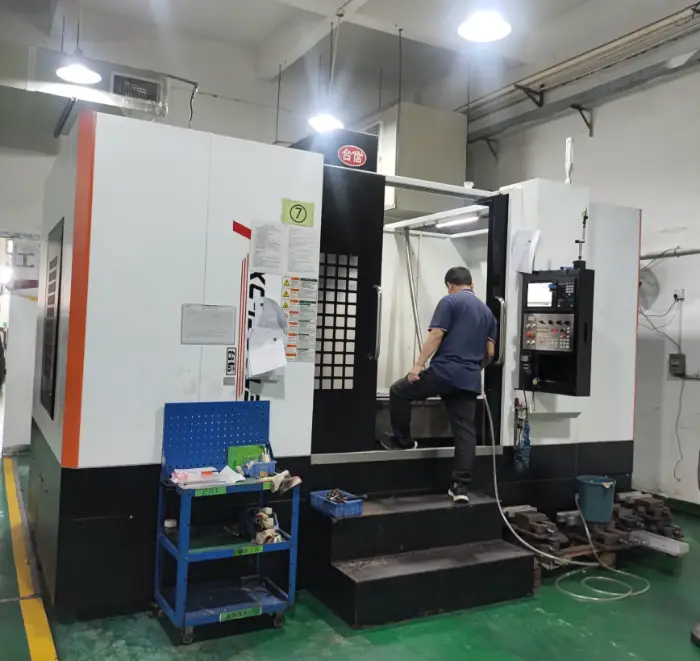
공정 관리
Plan setups, stock removal, treatment, and final machining around the approved route.
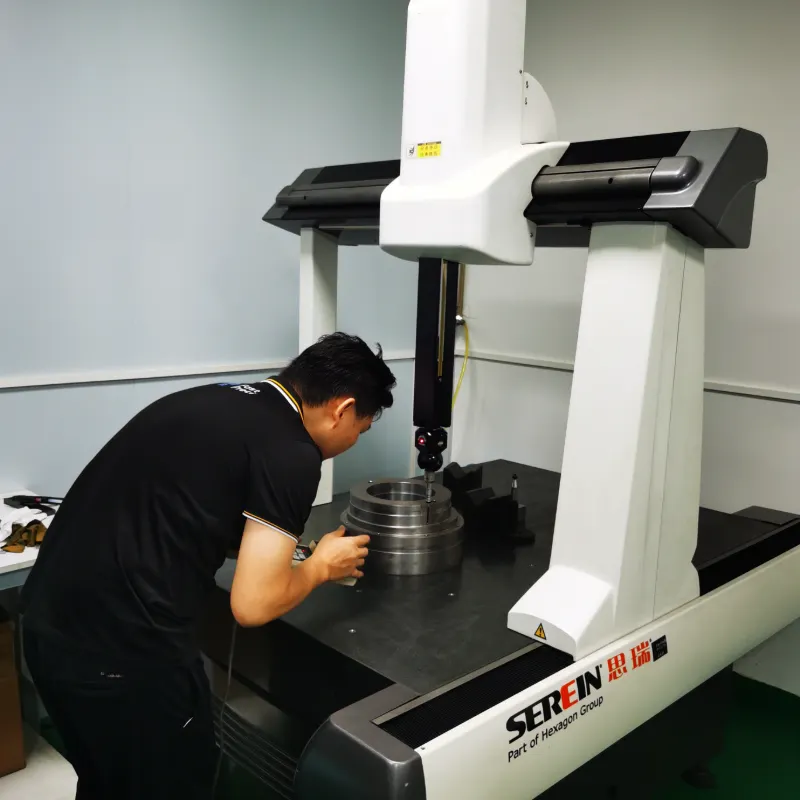
치수 검사
Use suitable CMM and calibrated gauges for the part size and specified interfaces.
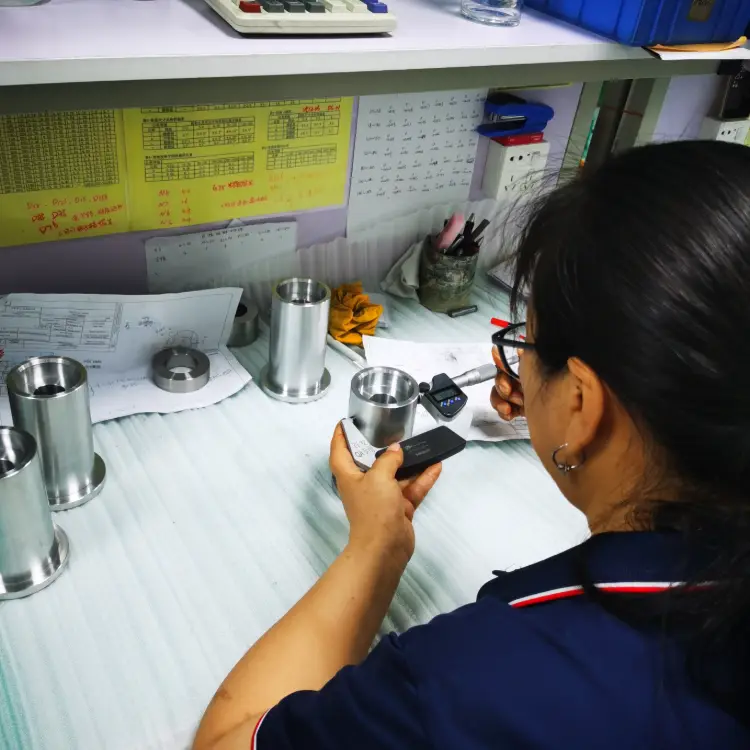
최종 릴리스
Identify, protect, and pack accepted parts for the agreed handling and delivery route.
Mining Machining Questions
Clarify materials, wear conditions, critical fits, and inspection before quotation.
What should I send for a mining-part quotation?
Send the drawing or sample information, material, quantity, operating conditions, wear areas, critical fits, heat treatment, finish, inspection needs, and delivery target.
Can an existing replacement spare be reproduced?
A usable sample or drawing can support a review. Confirm the material and original functional dimensions, especially on worn interfaces; copying the worn geometry alone may not produce an acceptable replacement.
How should tolerances and roughness be specified?
Define functional requirements for bearing seats, seals, sliding fits, and assembly interfaces. Use suitable general limits elsewhere. Capability depends on material, size, workholding, treatment, and measurement access.
How can service life be improved?
Review impact, abrasion, corrosion, lubrication, and contamination together, then select the base material, hardness, treatment, and surface protection. A harder material or coating is not automatically the best choice for every duty.
Which records can be requested?
Define material certificates, hardness records, first-article inspection, critical-dimension reports, treatment certificates, and traceability before quotation so availability and scope can be agreed.
How are delays or nonconforming parts handled?
Delivery risks are communicated for review of a recovery plan. Affected parts are contained and investigated, with rework, replacement, or another customer-approved disposition agreed as appropriate.