
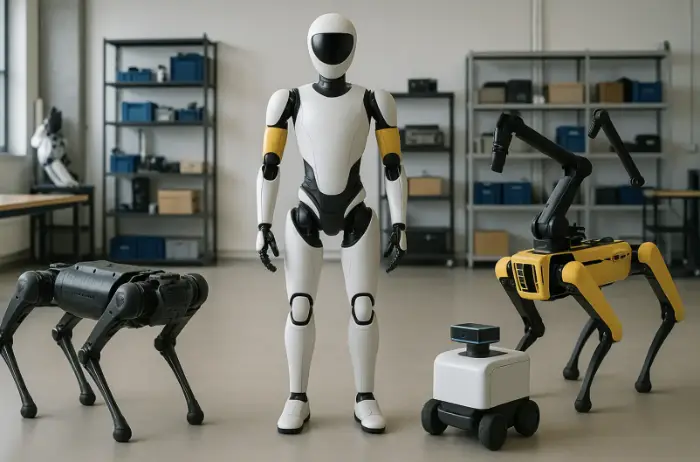
CNC Machining for Robotics Parts
Custom metal and plastic components for humanoid, industrial, collaborative, and mobile robots. Weldo supports prototypes, pilot builds, and repeat orders with drawing-based machining and inspection planning.
- 시제품부터 양산까지
- Metals & Plastics
- Precision Interface Review
Custom Components for Robotic Systems
Structural, motion, and interface parts made to specified datums, fits, and assembly requirements.
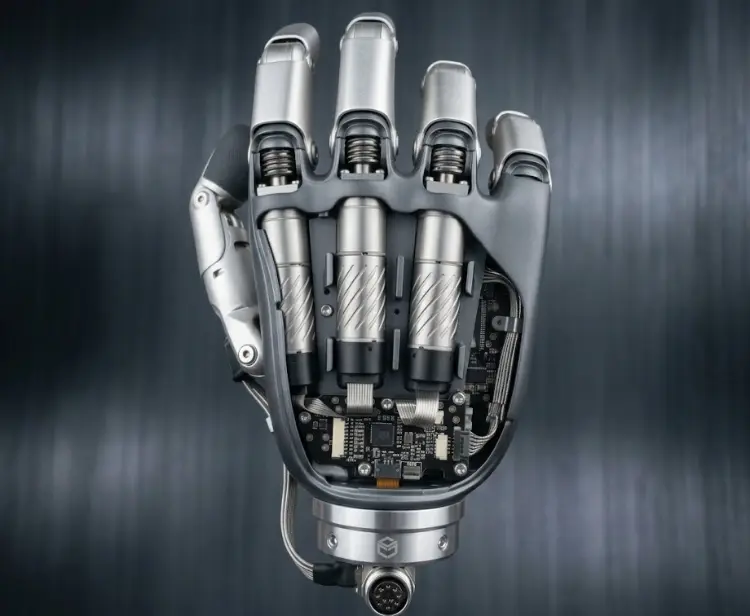
조인트 하우징
Motor, bearing, gearbox, and encoder interfaces.
Arms & Structural Links
Lightweight links, multi-face parts, and frames.
End-Effectors & Grippers
Fingers, jaws, tool plates, and handling fixtures.
Shafts & Couplings
Transmission and actuator connection parts.
기어박스 인터페이스
베어링 좌대, 플랜지, 커버 및 장착판.
센서 마운트
인코더, 카메라, 힘 센서 및 케이블 인터페이스.
AMR & AGV Hardware
Wheel hubs, chassis brackets, and mounting hardware.
Spacers & Fixtures
Locators, guides, covers, and assembly or test tooling.
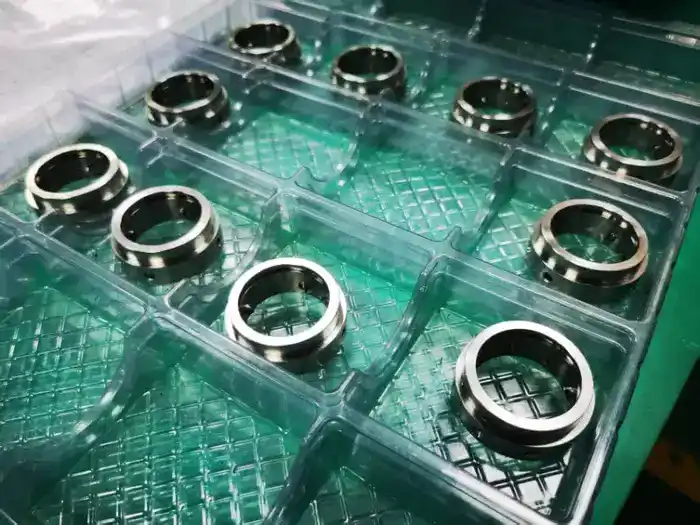
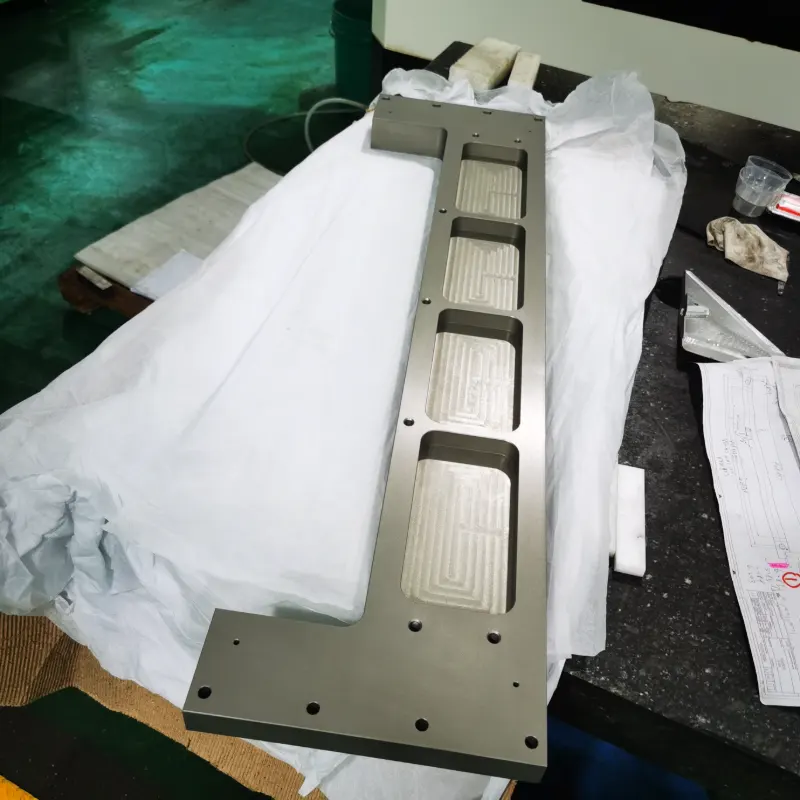
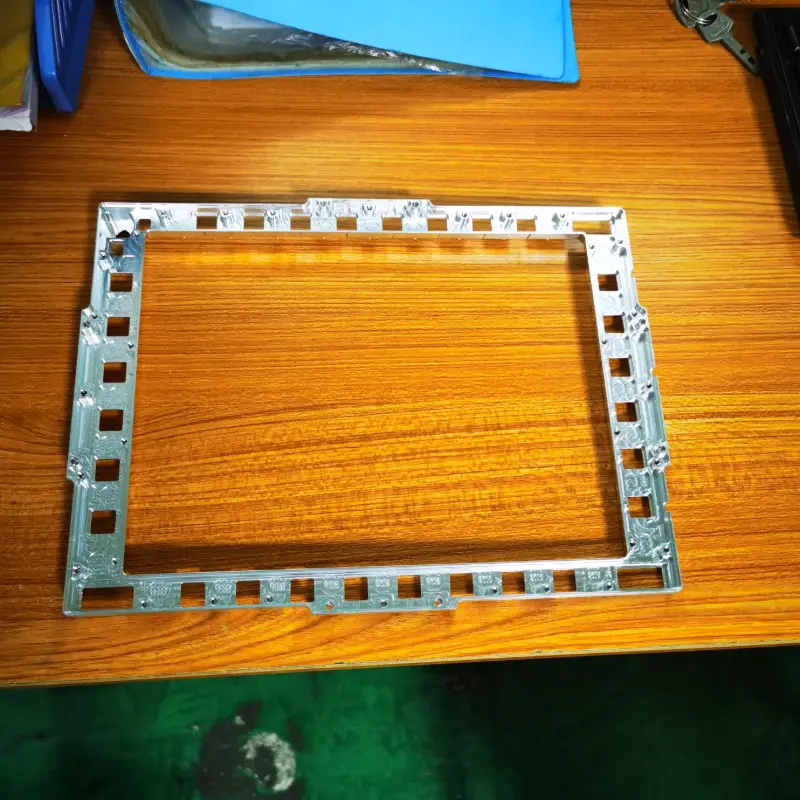
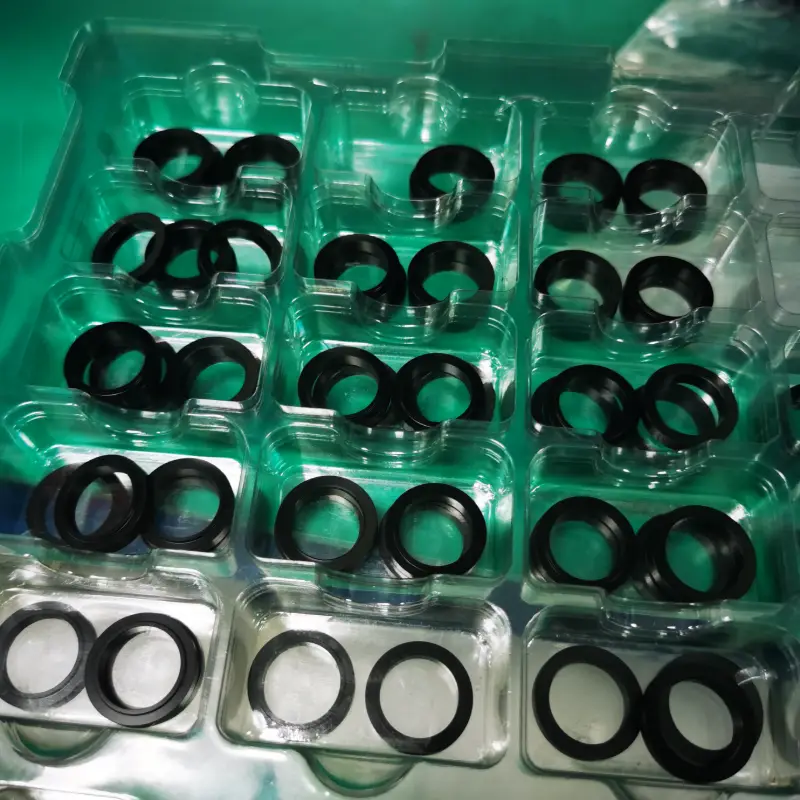
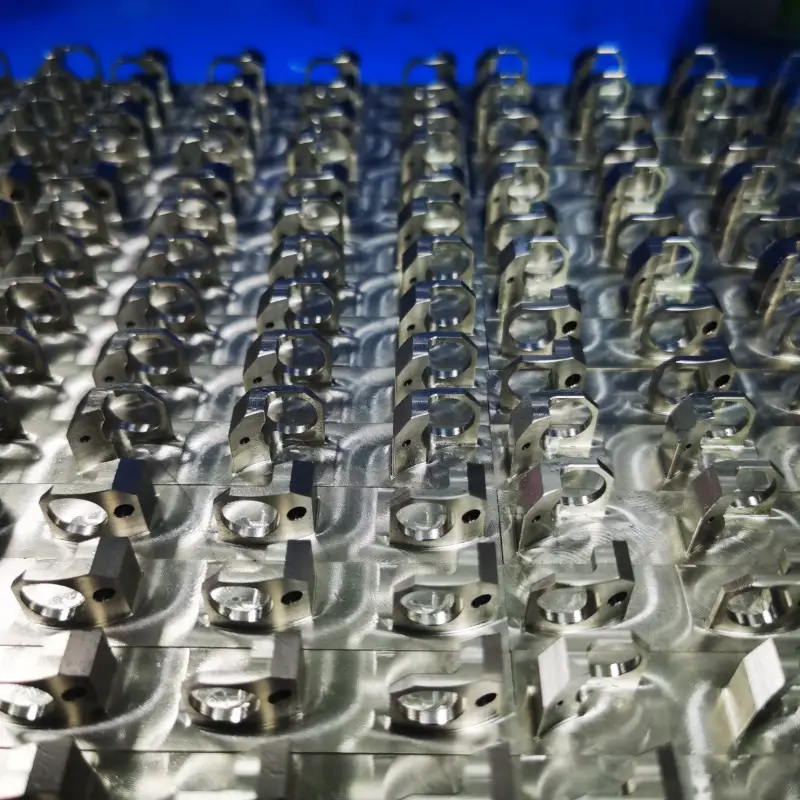
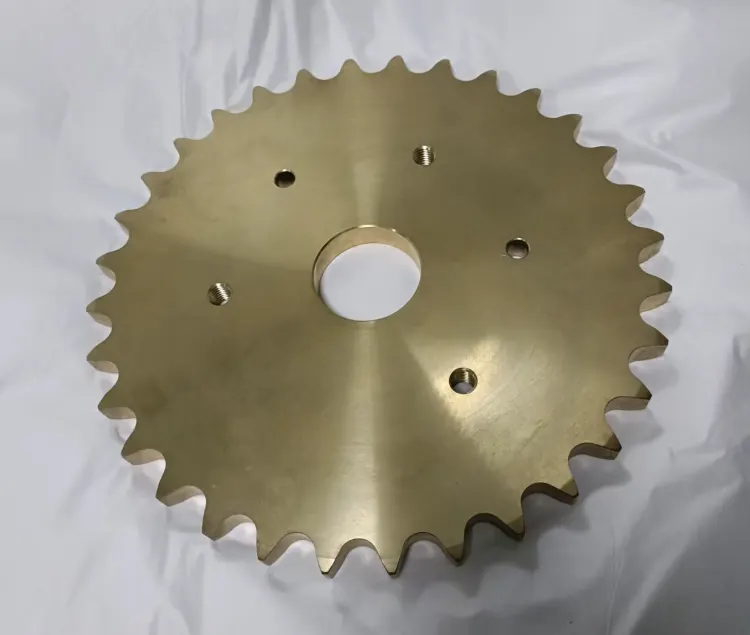
Weldo Robotics Machining Projects
Representative components for robotic motion, structures, tooling, and assembly interfaces.
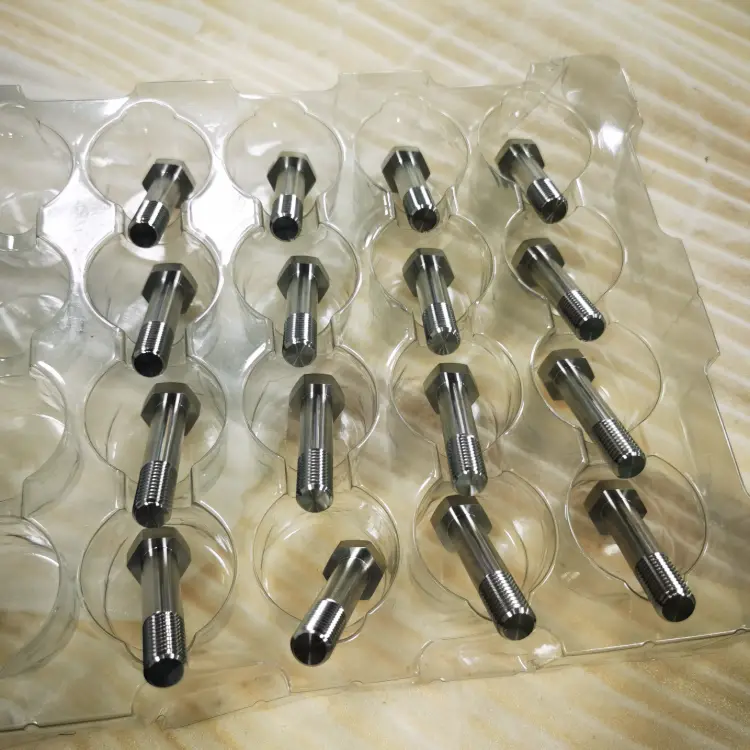
CAD 검토에서 양산 단계까지
Maintain drawing control while testing fit and motion, approving revisions, and moving from development parts to repeat builds.
DFM 검토
Review geometry, functional datums, material, tolerances, and tool access before machining.
기능성 시제품
Produce drawing-defined parts for customer fit, motion, load, and assembly testing.
파일럿 빌드
Support small batches with agreed inspection records and feedback from assembly.
재생산
Release the approved revision with defined manufacturing, inspection, and delivery requirements.
로봇 성능을 결정하는 인터페이스를 제어하세요
Plan datums, fits, surfaces, and inspection around the assembled mechanism rather than applying one tight tolerance to every feature.

Bearing & Shaft Fits
Define diameters, form, runout, and mating-fit requirements against the drawing.
Motor & Gearbox Datums
Relate pilots, bores, bolt patterns, and mounting faces to functional references.
얇은 벽 구조물
Plan stock, support, clamping, and cutting sequence to limit distortion.
Wear & Sliding Surfaces
Match material, roughness, clearance, and finish to load, motion, and lubrication.
센서 인터페이스
Control locating faces, cable access, and specified alignment relationships.
검사 전략
Agree critical dimensions, measurement conditions, sampling, and report requirements.
로봇의 기능에 맞춰 재질과 마감 처리 선택하기
Selections follow the drawing, load, weight, wear, electrical behavior, environment, and production requirements.
로봇 부품용 소재
알루미늄Lightweight structures and housings.
6061, 6082, 7075, and 5083 are common starting points for arms, links, housings, and tooling plates. Confirm temper, loads, stiffness, corrosion, and finishing allowance.
Explore Material Options →합금강Loaded transmission and wear interfaces.
4140, 4340, and specified tool steels suit selected shafts, pins, gears, and tooling. Define heat-treatment condition, hardness, and dimensional requirements after processing.
Explore Material Options →스테인리스강Corrosion-resistant fittings and hardware.
303, 304, 316, and 17-4 PH cover different machining, strength, and corrosion needs. Select the exact grade and condition for fasteners, housings, fittings, and exposed assemblies.
Explore Material Options →구리 합금Electrical, thermal, and bearing functions.
Copper, brass, and bronze are considered for contacts, busbars, bearings, and selected gears. Match alloy, conductivity, wear behavior, and mating conditions to the assembly.
Explore Material Options →엔지니어링 플라스틱Low-friction, insulating, and lightweight parts.
POM, nylon, PEEK, ABS, and PE suit selected guides, gears, insulators, and covers. Review resin grade, filler, creep, moisture conditioning, temperature, and chemical exposure.
Explore Material Options →티타늄Specialized weight-sensitive hardware.
Selected titanium grades can suit links, fasteners, and other specified components. Review stiffness, strength, environment, machining cost, and the actual material condition.
Explore Material Options →표면 마감 옵션
Anodizing & Hard Anodizing
For compatible aluminum parts; define thickness, masking, wear faces, and post-finish dimensions.
Passivation & Electropolishing
For specified stainless-steel parts, with surface removal, cleaning, and acceptance requirements reviewed.
Plating & Conversion Treatments
Nickel or zinc plating, black oxide, and phosphate are selected for suitable materials and service conditions.
레이저 마킹
Define identification, orientation marks, location, contrast, and any traceability requirements.
Define coating thickness, masking, cosmetic areas, and post-finish dimensions before quotation.
신뢰할 수 있는 로봇 부품 조달을 위한 품질 관리
Define drawing revision, material traceability, first-article needs, inspection records, packing, and delivery requirements before order release.
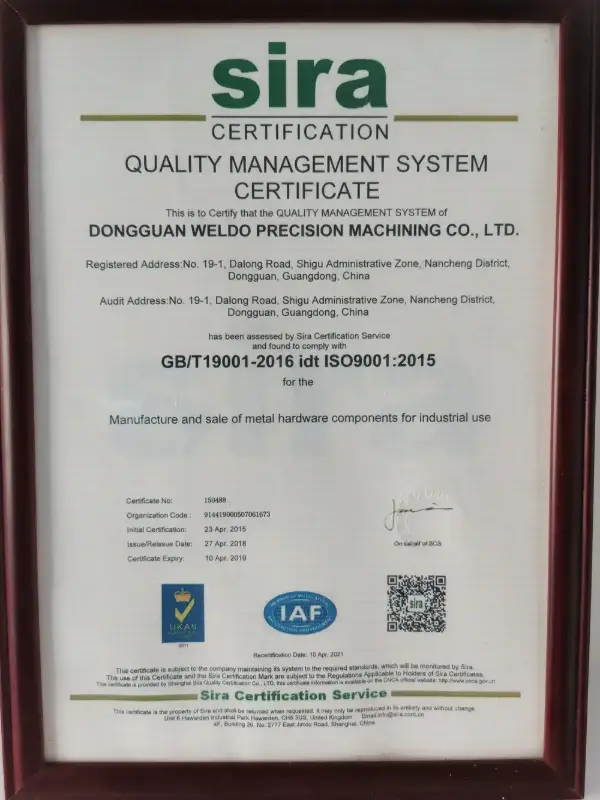
ISO 9001 품질 경영 시스템
Drawing and revision control, documented production, and calibrated inspection procedures support consistent sourcing.
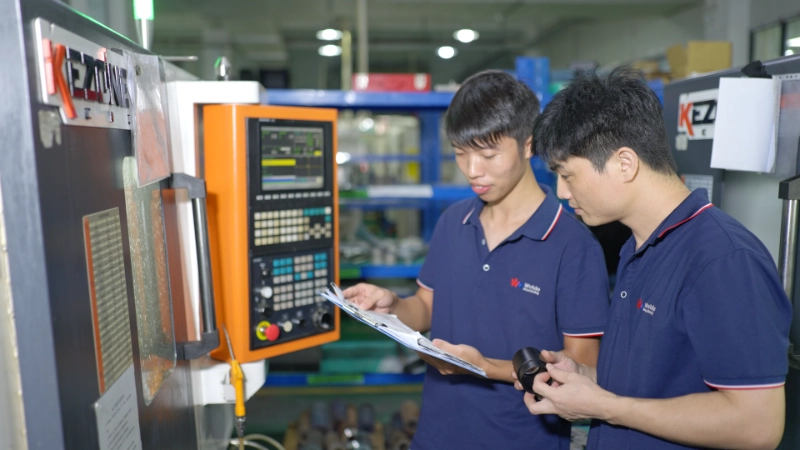
Project Quality Records
Agree dimensional reports, material certificates, first-article requirements, and finish records before production.
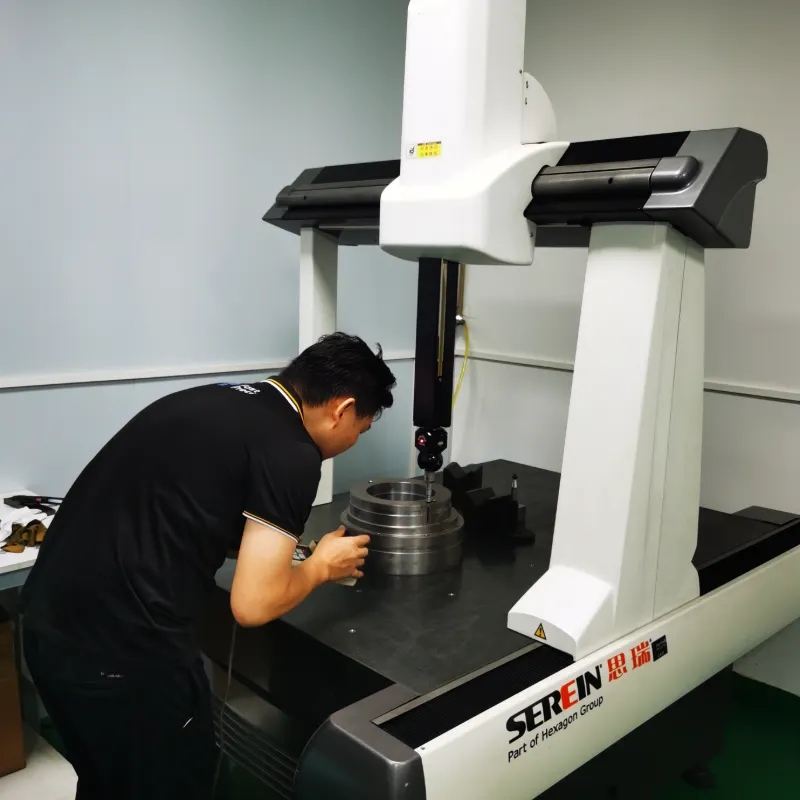
Manufacturing & Release Control
Check critical features with suitable measuring equipment, complete final review, and protect parts for delivery.
Robotics Machining Questions
Plan critical interfaces, material choices, drawing changes, and inspection before quotation.
What should I send for a robotics-part quotation?
Send the model, dimensioned drawing, revision, material, quantity, finish, and required inspection records. Identify bearing fits, motion datums, cosmetic surfaces, and the intended operating conditions.
모터, 베어링 및 기어박스 간의 연동은 어떻게 제어되나요?
Functional datums are defined from the assembly requirements. Pilots, bores, bolt patterns, and mounting faces are machined and inspected to the drawing’s specified relationships.
Can drawing changes be supported between prototype and production?
Each approved revision is controlled separately. Changes to features, fixtures, tooling, inspection, and any existing inventory are reviewed before release.
Which materials suit lightweight robotic structures?
Aluminum is a common starting point, but stiffness, load, fatigue, thermal conditions, corrosion, and cost govern selection. Titanium or other specified materials may suit specialized requirements after engineering review.
How are tolerances selected for motion-critical components?
Define critical fits, datum relationships, and surface requirements on the drawing. Capability is reviewed by feature, considering material, size, geometry, setups, and measurement access rather than applying one tight tolerance to the whole part.
How are delivery risks or nonconforming parts handled?
Delivery risks are communicated for review of a recovery plan. Affected parts are contained and investigated, with rework, replacement, or another customer-approved disposition agreed as appropriate.