
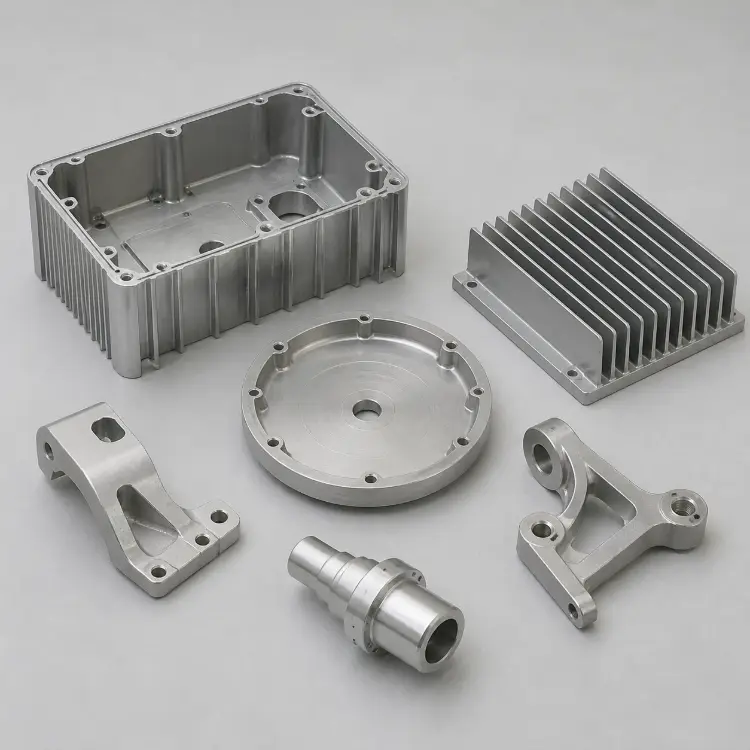
Magnesium CNC Machining Services
Custom magnesium parts made to drawing for lightweight housings, brackets, and structural assemblies. We match alloy, material condition, machining, and surface protection to the required strength, weight, service environment, and finished dimensions.
- Low-Weight Alloy Options
- 시제품부터 양산까지
- 마감 및 검사
Magnesium Properties Depend on Grade and Condition
Low density makes magnesium attractive for weight-sensitive parts. Specific strength, damping, shielding behavior, and thermal performance depend on the alloy and the finished component design.
- 밀도
- 1.74–1.85g/cm³
- 인장 강도
- 200–380MPa
- 항복 강도
- 90–300MPa
- 연신율
- 2–20%
- 탄성 계수
- 44–45GPa
- 열전도율
- 50–160W/(m·K)
Illustrative ranges cover selected engineering alloys and conditions. Confirm the full grade, product form, temper, test direction, and certified properties for the application.
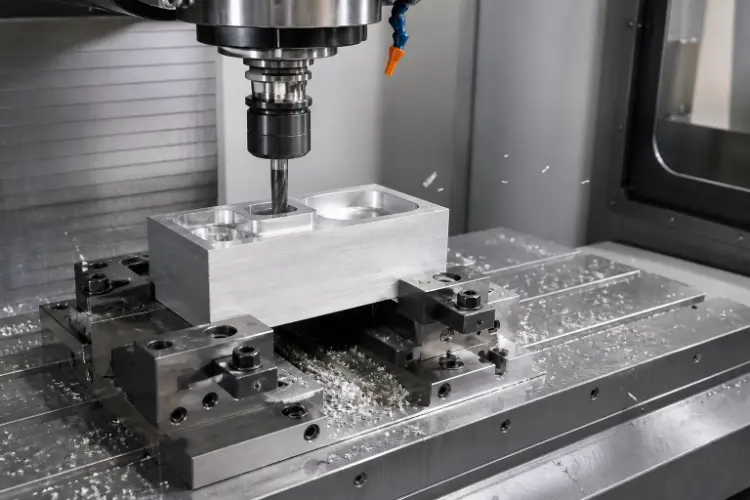
Choose the Magnesium Alloy for the Part
Compare product form, load, operating temperature, corrosion exposure, and the required material condition.
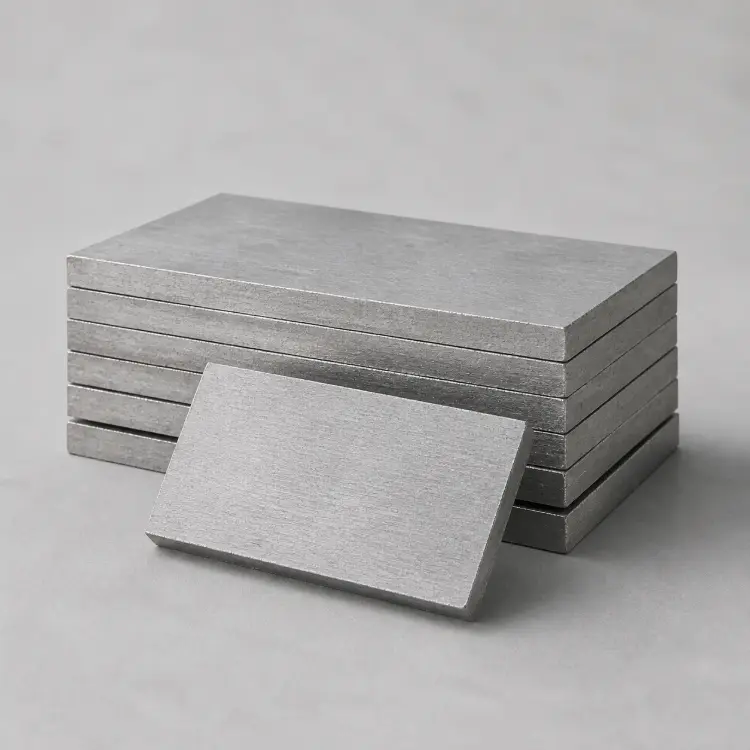
AZ31B
A wrought magnesium alloy used for lightweight sheet, plate, and extruded components. Formability, weldability, and strength depend on temper, thickness, and the selected production route.
Applications & machining notes
- Product forms
- Sheet, plate, and extrusion, subject to the required material specification and availability.
- 일반적인 부품
- Housings, panels, brackets, and other lightweight structural components.
- Machining considerations
- Confirm temper and grain direction, support thin features, and plan clamping and material removal to control movement. Forming and welding require suitable grade-specific procedures.
- Finishing requirements
- Specify corrosion exposure, connected materials, contact faces, coating thickness, and any required electrical continuity or masking.
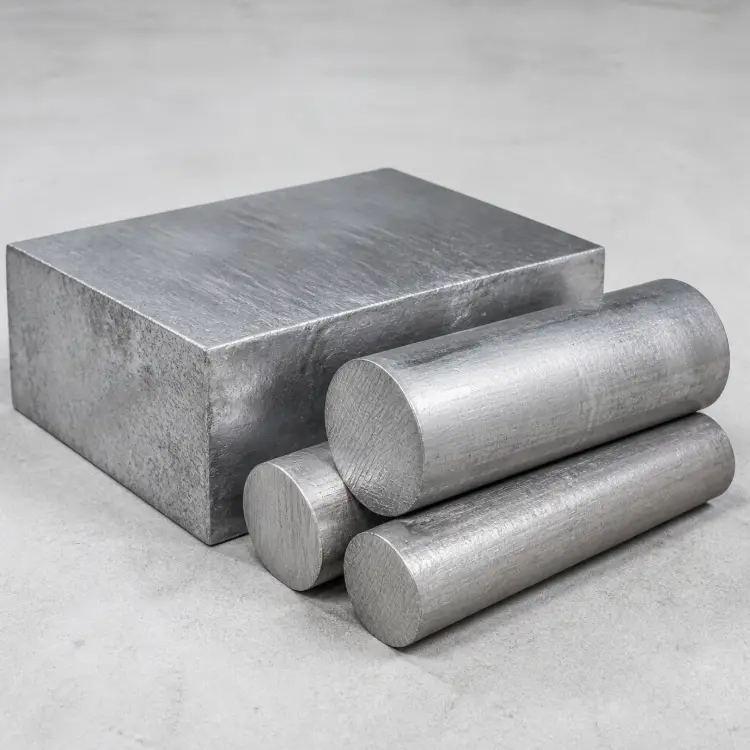
AZ61A
A wrought alloy offering a useful balance of strength, ductility, and low weight for structural parts. Product form and supplied condition determine the machining and inspection plan.
Applications & machining notes
- Product forms
- Extrusion and forging stock, with the exact grade suffix and material condition specified.
- 일반적인 부품
- Frames, brackets, structural members, and machined features in lightweight assemblies.
- Machining considerations
- Confirm hardness, temper, grain direction, and residual-stress condition. Plan stable workholding and tool access around thin or asymmetric sections.
- Finishing requirements
- Define corrosion protection, coating compatibility, mating metals, and final dimensions after finishing.
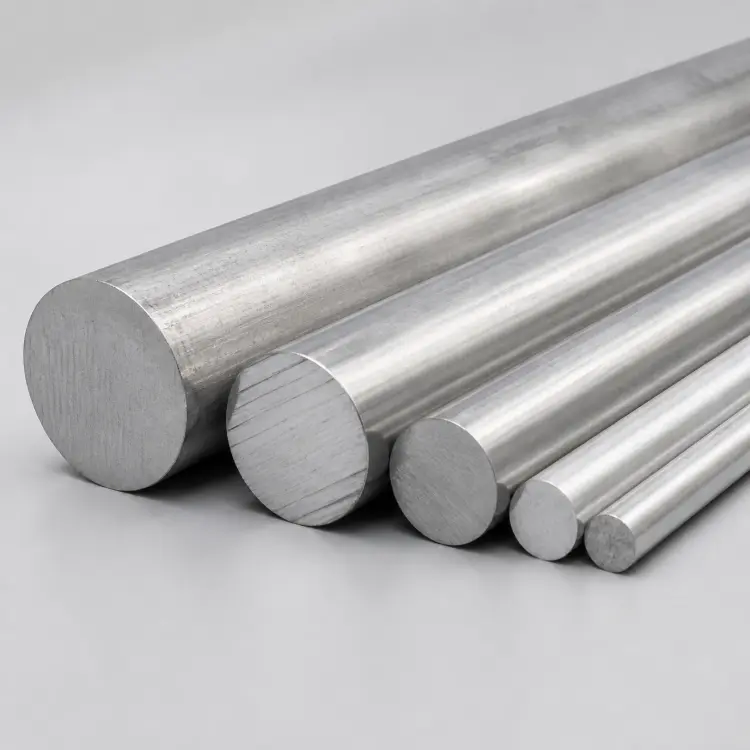
AZ80A
A higher-strength wrought magnesium alloy used in forged and extruded parts. The required heat-treatment condition must be defined alongside the final strength and dimensional requirements.
Applications & machining notes
- Product forms
- Forgings and extrusions in a specified supplied condition.
- 일반적인 부품
- Loaded structural components, forged shapes, and weight-sensitive mechanical parts.
- Machining considerations
- Plan roughing, any specified heat treatment, and final sizing together. Allow for material movement and verify critical features in the required final condition.
- Finishing requirements
- Match pretreatment and coating cure conditions to the required alloy condition. Specify masking and finished fits.
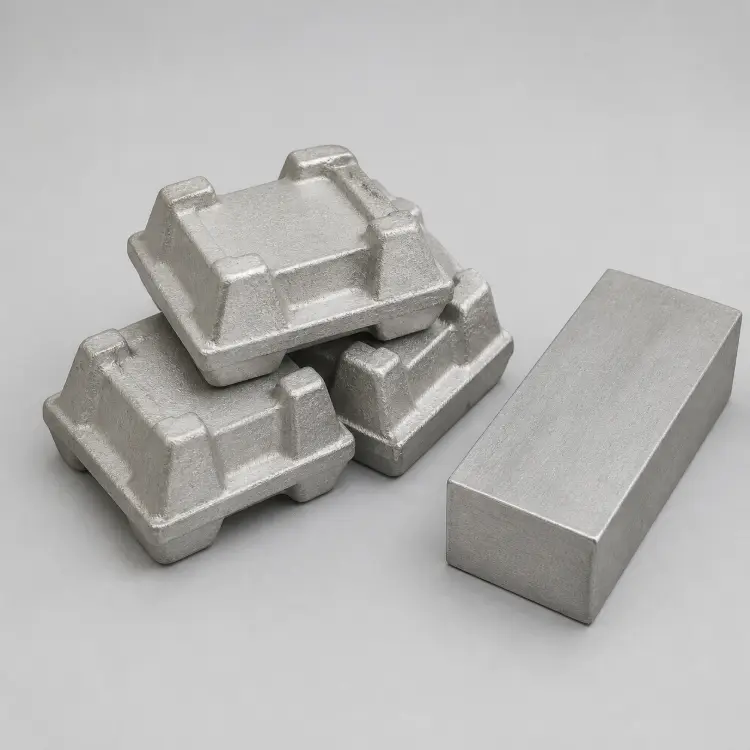
AZ91D
A widely used die-casting alloy for near-net-shape lightweight components. CNC machining establishes the required bores, threads, sealing faces, and other precision interfaces on suitable cast blanks.
Applications & machining notes
- Product forms
- Die-cast blanks and components made to an agreed casting specification.
- 일반적인 부품
- Covers, housings, brackets, and other cast enclosures or structural shapes.
- Machining considerations
- Review casting porosity, skin removal, blank variation, datums, and machining allowance. Later heat exposure requires a casting-specific review.
- Finishing requirements
- Define pretreatment, coating, sealing faces, and any casting soundness or leak requirements. A suitable coating does not replace material-quality acceptance.
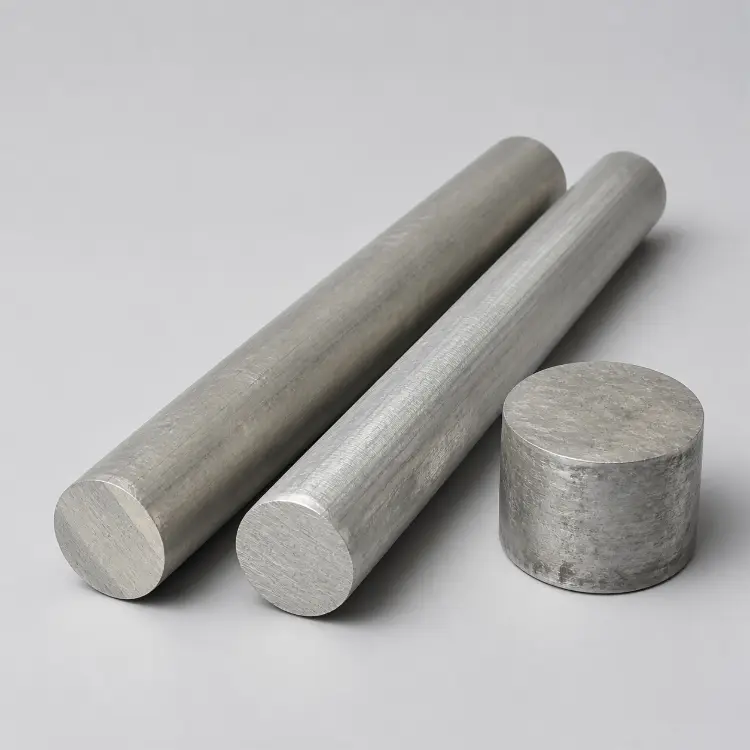
ZK60A
A zinc-zirconium wrought magnesium alloy used where high specific strength is important. Strength, ductility, and machining behavior vary with product form, direction, and treatment.
Applications & machining notes
- Product forms
- Forgings and extrusions in a defined material condition.
- 일반적인 부품
- Performance structures, mechanical components, and lightweight aerospace parts made to the required specification.
- Machining considerations
- Confirm the supplied condition, grain direction, and required final properties. Plan support, balanced removal, and inspection of critical structural interfaces.
- Finishing requirements
- Specify the service environment, corrosion-protection system, coating allowance, and any joining or assembly requirements.
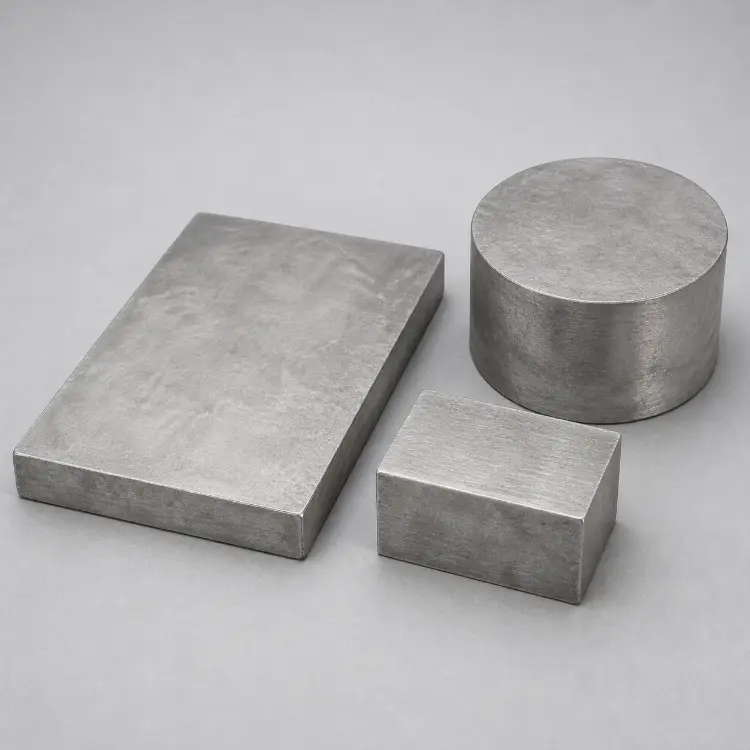
WE43
A rare-earth-containing magnesium alloy family used for demanding structural and elevated-temperature applications. The full material designation, product form, and heat-treated condition govern performance.
Applications & machining notes
- Product forms
- Cast or wrought products, with the full grade suffix and applicable specification confirmed.
- 일반적인 부품
- Selected aerospace components and lightweight structures with defined temperature, strength, and qualification requirements.
- Machining considerations
- Review casting or wrought condition, heat treatment, feature access, and dimensional movement. Define the acceptance condition before final machining.
- Finishing requirements
- Select a compatible pretreatment and coating system. Application qualification, corrosion acceptance, and thermal requirements must follow the actual part specification.
Specify alloy, grade suffix, supplied and final conditions, product standard, and required material records. Include connected metals and electrical contact areas when planning corrosion protection, isolation, and masking.
도면을 기반으로 한 마그네슘 부품 관리
Review geometry, alloy condition, workholding, coating allowance, and inspection requirements before confirming capability.
Machining Reference Parameters
| Precision-machining reference | ±0.01 mm*Confirmed for the specified features, geometry, material condition, and measurement plan. |
|---|---|
| 주요 기능 | ±0.005 mm*까지Subject to engineering review and agreed acceptance conditions. |
| 가공 표면 거칠기 | Ra 0.8–3.2 µm*Depends on tool access, alloy condition, surface geometry, and any additional finishing. |
| Thin-wall starting point | From 0.8 mm*Review height, unsupported span, support, clamping, and coating requirements. |
| Small-hole reference | From Ø0.8 mm*Confirm depth, access, chip removal, deburring, and inspection for the hole geometry. |
| 제작 지원 | Prototype to repeat ordersMaintain controlled drawings, revisions, material condition, and agreed inspection records. |
Controls for Consistent Magnesium Machining
Cutting and Chip Control
Match sharp tools, engagement, and chip evacuation to the alloy and operation. Avoid rubbing, chip recutting, and uncontrolled heat.
Magnesium-Specific Handling
Plan chip segregation, collection, housekeeping, and ignition controls. Any cutting fluid must be suitable for magnesium and the complete handling route.
안정적인 공작물 고정
Use suitable support, balanced removal, and controlled clamping to protect lightweight and thin-wall structures.
Edges and Finished Fits
Plan controlled deburring, coating buildup, masking, and inspection in the required finished condition.
*Planning references confirmed against the drawing. Precision, wall thickness, small holes, and roughness are assessed for each feature and should not be assumed achievable together.
마그네슘 부품의 표면 처리
Select the complete finish system for corrosion exposure, wear, appearance, coating thickness, and electrical requirements.
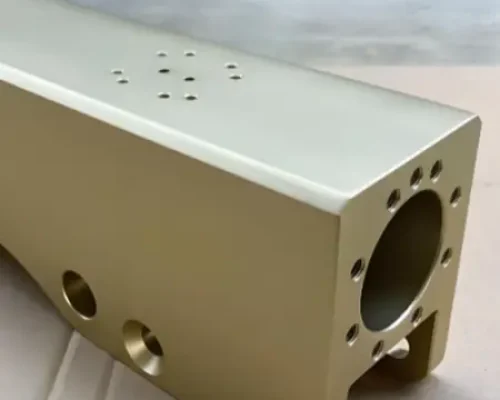
화학적 변환 코팅
A thin conversion layer used for specified corrosion protection and paint adhesion. Define the chemistry, final system, and electrical requirements.
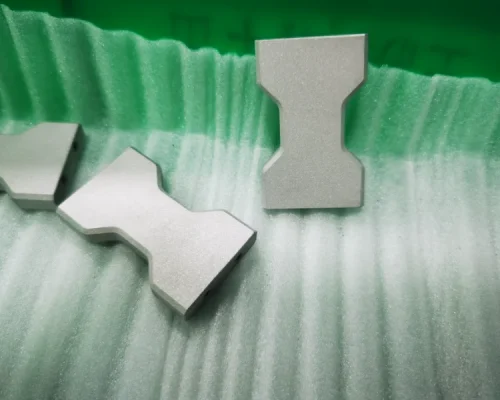
마이크로 아크 산화
MAO/PEO forms a ceramic oxide layer. Specify thickness, sealing, roughness, wear or corrosion acceptance, and any protected contact surfaces.
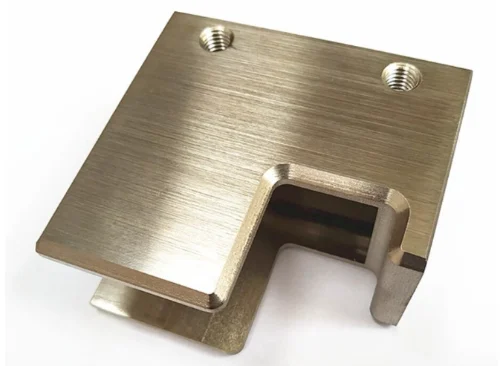
무전해 니켈 도금
Requires a magnesium-compatible pretreatment and plating route. Agree coating thickness, adhesion, masking, and the finished dimensions.

분체 도장
A colored barrier system applied over compatible pretreatment. Confirm cure conditions, coverage, coating thickness, and protected functional areas.
Explore more surface finishing options →
Specify mating metals, fasteners, wet exposure, and required electrical continuity. Plan corrosion protection and any galvanic isolation at the assembly level, with masking and final-fit allowances agreed before machining.
공정 검토부터 최종 검사까지
Identify material, dimensional, and finishing requirements before production, then verify the agreed finished-part condition.
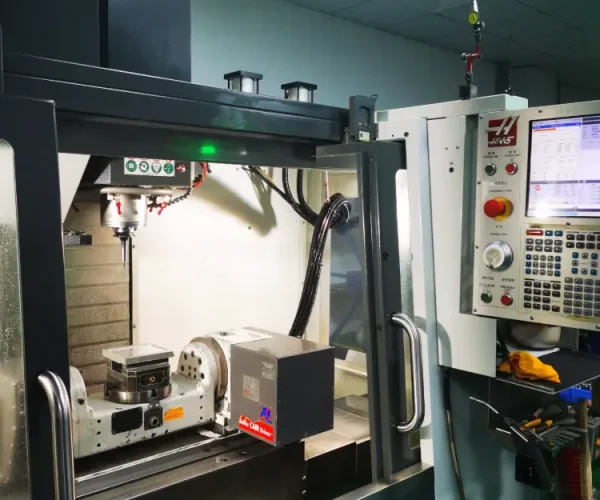
프로세스 검토
Confirm alloy, supplied condition, feature access, coating, and the agreed manufacturing route.
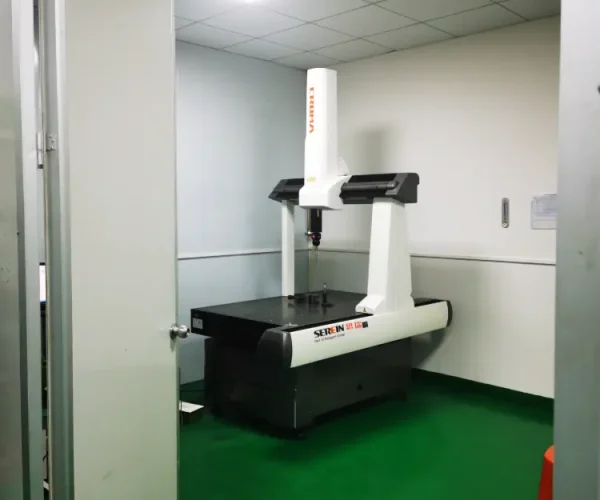
치수 검사
Check critical bores, fits, datums, and dimensions against the controlled drawing.
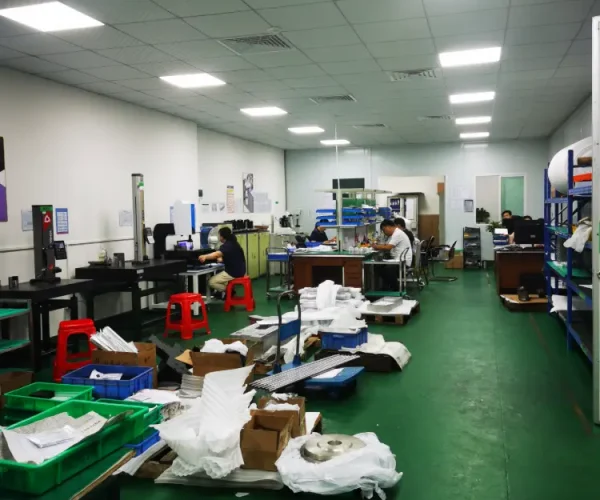
검증 완료
Review surface condition, masking, and any specified coating-thickness or acceptance checks.
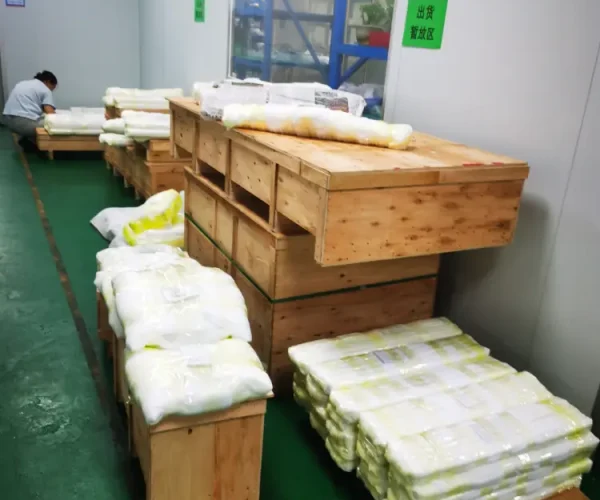
출하 승인
Verify agreed records and protect functional features and coated surfaces during packing.
Magnesium Machining Questions
Which magnesium alloy should I choose?
Start with product form, load, operating temperature, corrosion exposure, and finish. AZ31B is commonly used in wrought sheet or plate parts, AZ91D is associated with die-cast components, and higher-strength or rare-earth grades address different structural requirements.
What needs special attention during machining?
Tool sharpness, chip evacuation, rubbing, support, and temperature control affect the part. Magnesium also requires a defined process for chip collection, segregation, ignition control, cleaning, and any cutting-fluid use.
Do magnesium parts need corrosion protection?
Review the environment, mating metals, fasteners, and electrical contact requirements. Conversion coatings, PEO, plating, or organic coatings serve different purposes. Specify the complete compatible system and final acceptance requirements for the assembly.
Can tight fits be accepted after coating?
Yes, when coating thickness, buildup, masking, and inspection are defined in advance. Identify which features are accepted before finishing and which must meet the drawing in the final coated condition.