

Custom Surface Finishing Services
Process selection, masking, treatment, and inspection for custom metal and engineering-plastic parts. Match the finish to corrosion exposure, wear, appearance, conductivity, and final fit requirements.
- Material-Matched Processes
- Masking & Fit Control
- Agreed Inspection
부품 요구 사항에서 마감 처리를 선택하십시오
Start with the exact base material, service environment, functional surfaces, and the performance or appearance the part needs.
부식 방지
Define moisture, chemicals, salt exposure, outdoor conditions, and the required service performance.
마모 및 경도
Review contact pressure, sliding, wear mode, target hardness, and the intended operating conditions.
외관과 식감
Agree on color, gloss, texture, grain direction, cosmetic zones, and approved visual references.
Fits and Critical Surfaces
Identify final dimensions, threads, sealing faces, electrical contacts, and surfaces requiring masking.
표면 마감 옵션
Compare processes by purpose, material compatibility, dimensional effects, and the inspection requirements agreed for the order.
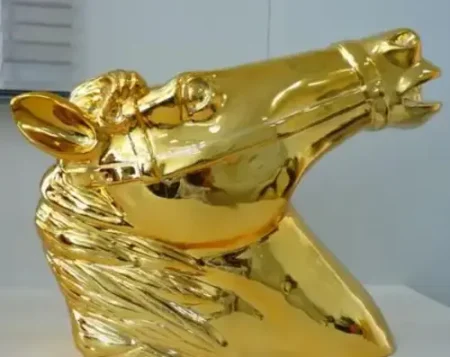
도금
Deposits a specified metallic layer for corrosion protection, conductivity, wear, or appearance.
Review process requirements
- Material and function
- Select the plating metal and pretreatment for the actual base alloy, heat-treatment state, and application.
- Dimensional focus
- Account for buildup, distribution, threads, holes, contacts, and masked functional surfaces.
- Specification and acceptance
- Define system, thickness, appearance, adhesion, corrosion or electrical requirements, and any specified post-treatment.
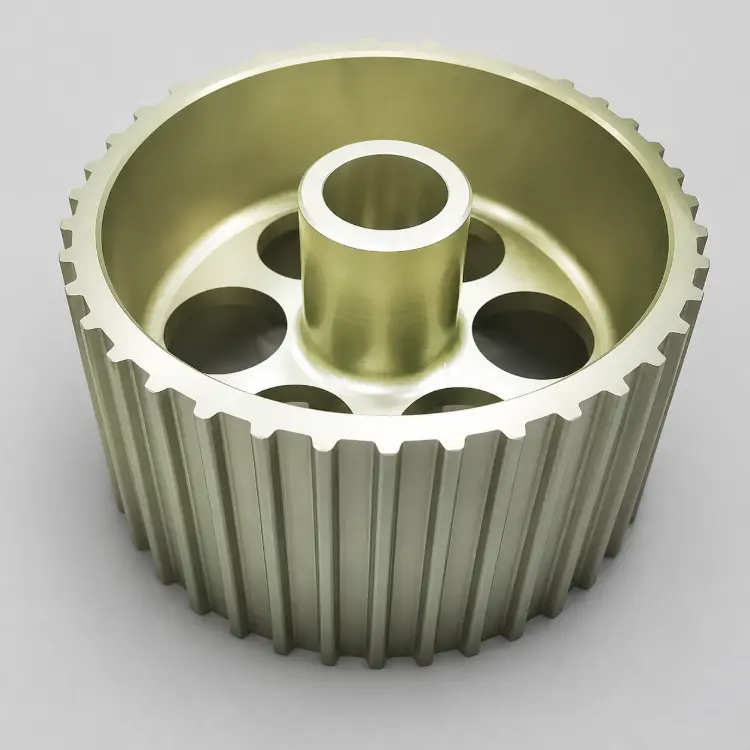
아노다이징
Forms an oxide finish on suitable aluminum alloys for protection, appearance, or wear-related requirements.
Review process requirements
- Material and function
- Review alloy, temper, decorative or hard-anodizing needs, color, sealing, and cosmetic variability.
- Dimensional focus
- Define dimensional allowance and masking, especially for fits, threads, sealing faces, and electrical contacts.
- Specification and acceptance
- Specify coating type, thickness, color range, sealing, rack marks, and required checks. Anodized surfaces are generally electrically insulating.
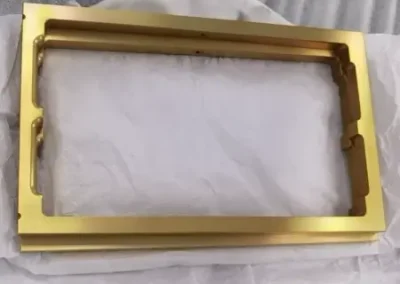
Aluminum Conversion Coating
Thin chemical conversion systems for reviewed aluminum corrosion, paint-preparation, or conductivity requirements.
Review process requirements
- Material and function
- Often referred to by trade names such as Alodine; select the actual chemistry, class, and application specification.
- Dimensional focus
- Review contact surfaces, masking, appearance, and final functional requirements even where film buildup is low.
- Specification and acceptance
- Define corrosion, paint-adhesion, and electrical criteria for the chosen system rather than assuming all conversion coatings perform identically.
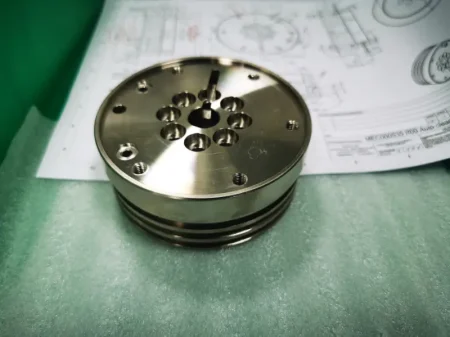
니켈 도금
Nickel-based deposits for reviewed corrosion, wear, dimensional restoration, conductivity, or appearance needs.
Review process requirements
- Material and function
- Specify the nickel system and substrate; electrolytic and electroless processes have different characteristics and require separate review.
- Dimensional focus
- Include deposit thickness and distribution in the final fit, bore, edge, and thread requirements.
- Specification and acceptance
- Define the coating system, thickness, hardness where needed, adhesion, corrosion requirements, and any thermal or post-treatment limits.
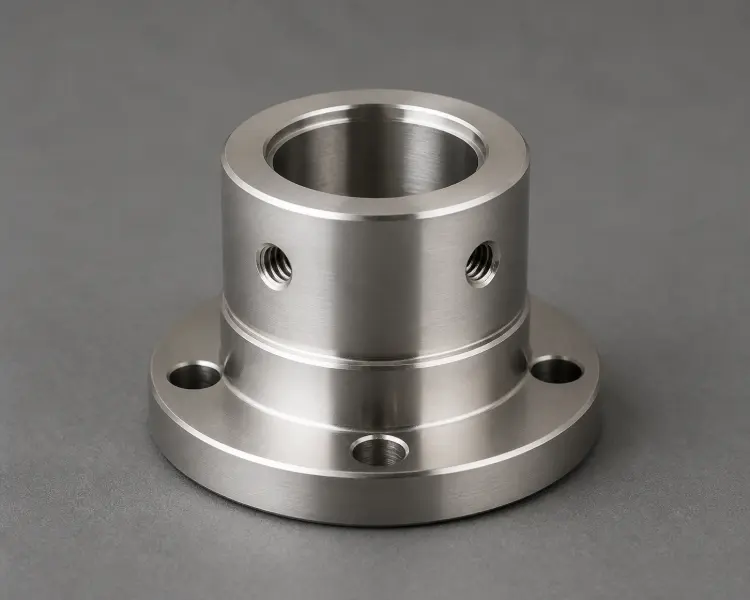
피막 처리
Removes free-iron contamination and supports the corrosion resistance of suitable stainless-steel surfaces.
Review process requirements
- Material and function
- Match the cleaning and passivation route to stainless grade, prior processing, and the required surface condition.
- Dimensional focus
- Passivation is not a deposited dimensional coating or a polishing process. Review prior scale, heat tint, and surface preparation separately.
- Specification and acceptance
- Specify cleaning, passivation method or applicable specification, verification, and final cleanliness requirements.
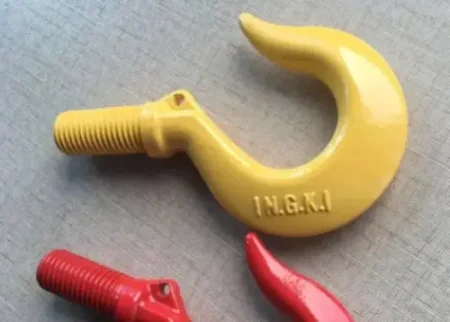
E-코팅
Electrodeposited organic coating for conductive metal parts requiring a protective film.
Review process requirements
- Material and function
- Review metal compatibility, pretreatment, access, drainage, racking, and the selected coating system.
- Dimensional focus
- Allow for film buildup and specify masked contacts, bearing surfaces, threads, and critical fits.
- Specification and acceptance
- Confirm coating thickness, cure compatibility, appearance, adhesion, and the environmental performance required.
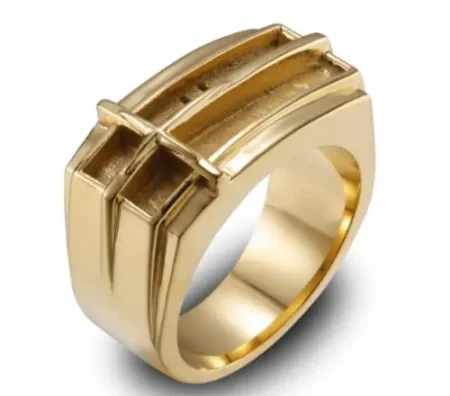
연마
Refines roughness and reflectivity on reviewed metal or compatible plastic surfaces.
Review process requirements
- Material and function
- Select the polishing route for material, geometry, visible faces, and the required texture or reflection.
- Dimensional focus
- Material removal can change edges, flatness, fits, and fine details; identify protected geometry.
- Specification and acceptance
- Define roughness, gloss or visual sample, edge limits, and the inspection area.
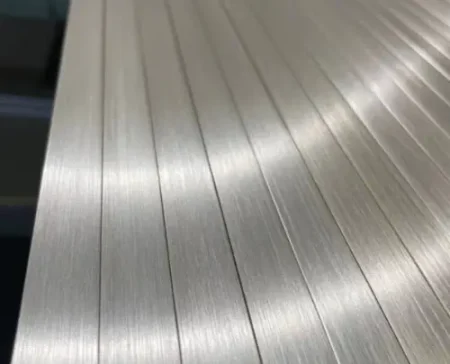
브러싱
Creates a controlled directional grain on suitable visible surfaces.
Review process requirements
- Material and function
- Review alloy, initial condition, geometry, access, and consistency between adjacent faces.
- Dimensional focus
- Protect sharp functional edges, small features, and areas that must retain their existing dimensions.
- Specification and acceptance
- Specify grain direction, texture, visual sample, cosmetic zones, and handling protection.
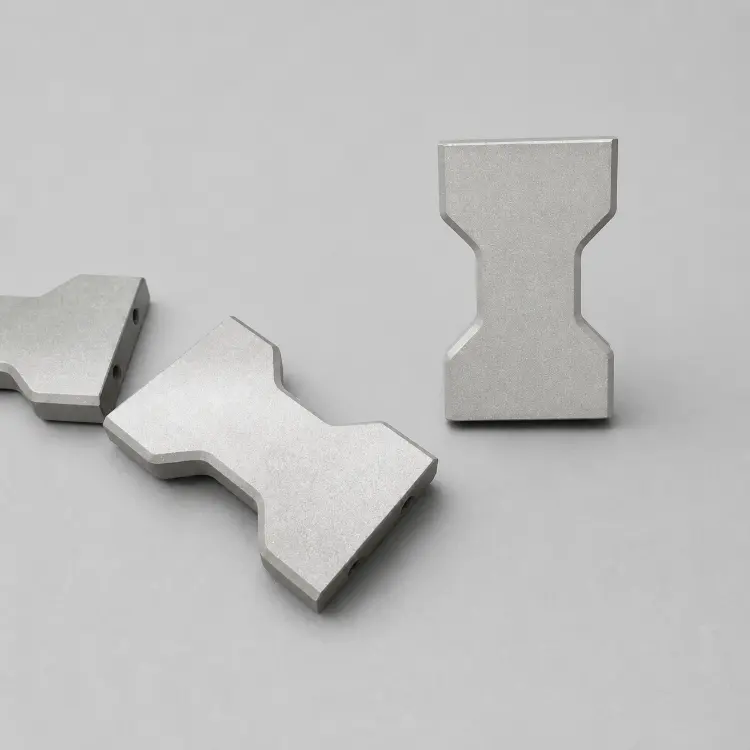
샌드블라스팅
Uses controlled abrasive media to prepare or texture suitable surfaces.
Review process requirements
- Material and function
- Match media, intensity, cleanliness, and exposure to the alloy, part thickness, and subsequent finish.
- Dimensional focus
- Review masking, edge rounding, thin-wall distortion, contact areas, and possible surface contamination.
- Specification and acceptance
- Agree on texture, coverage, media restrictions, cosmetic condition, and the required preparation standard.
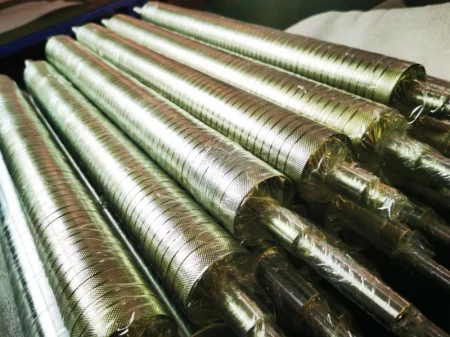
나사무늬 가공
Forms or cuts a patterned grip on knobs, shafts, handles, and similar features.
Review process requirements
- Material and function
- Select the pattern and forming or cutting method for the material and feature geometry.
- Dimensional focus
- Knurling changes feature geometry and may alter diameter. Include it in the manufacturing and final-sizing plan.
- Specification and acceptance
- Define pattern, pitch, coverage, diameter limits, appearance, and any mating or retention requirements.
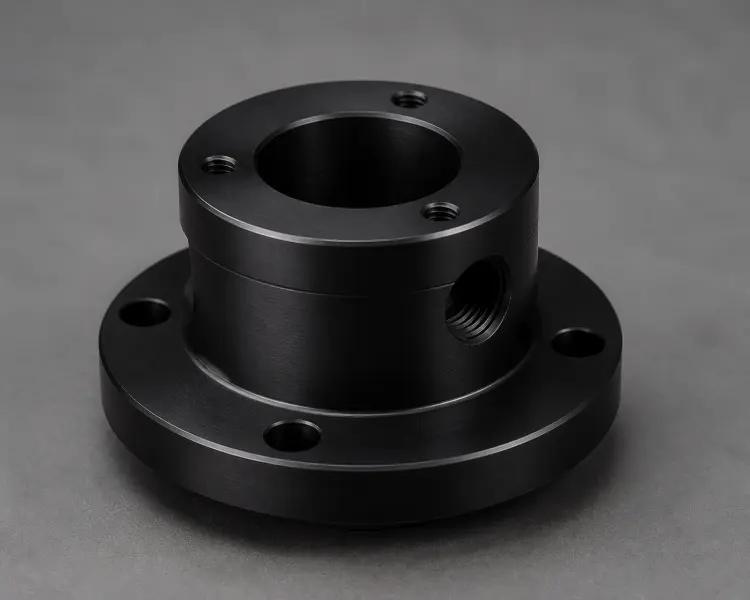
흑색 산화
Low-build black conversion finishing for reviewed ferrous parts and appearance requirements.
Review process requirements
- Material and function
- Confirm material and the required oil, wax, or other supplementary protection for the intended environment.
- Dimensional focus
- Low buildup does not remove the need to review precision fits, masking, or final surface condition.
- Specification and acceptance
- Specify system, sealing or supplementary treatment, appearance, handling, and corrosion acceptance.
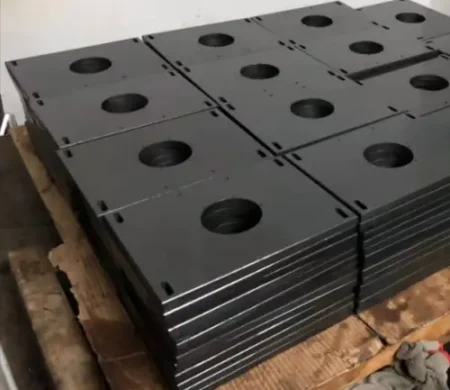
인산염 처리
Conversion treatment for suitable steels as part of a protection, lubrication, or coating-preparation system.
Review process requirements
- Material and function
- Review phosphate type, substrate, subsequent oil or coating, and the final service requirements.
- Dimensional focus
- Allow for surface conversion and the complete finish stack on threads, bores, fits, and contacts.
- Specification and acceptance
- Specify pretreatment, phosphate system, supplementary finish, and required appearance or performance checks.
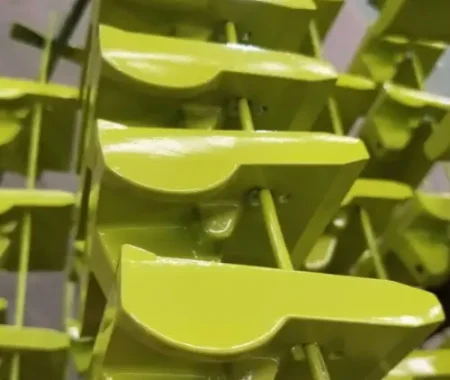
Painting & Powder Coating
Colored barrier finishes for appearance and environmental protection on compatible parts.
Review process requirements
- Material and function
- Review pretreatment, substrate, cure conditions, geometry, racking, and the selected paint or powder system.
- Dimensional focus
- Define coating allowance, masked threads, bearing seats, sealing faces, and electrical contacts.
- Specification and acceptance
- Agree on color, gloss, texture, thickness, adhesion, cure, and exposure-related acceptance.
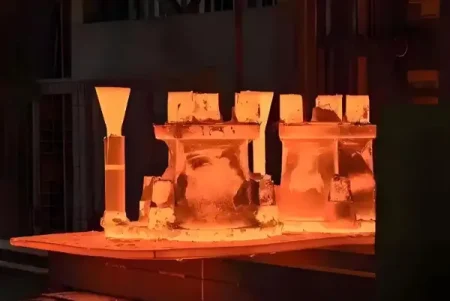
열처리
Changes material condition to develop specified strength, hardness, toughness, or wear properties.
Review process requirements
- Material and function
- Heat treatment modifies the material state; it is not a cosmetic coating. Select the route for the exact alloy and supplied condition.
- Dimensional focus
- Review distortion, scale, decarburization where applicable, allowance, and the sequence of final machining or finishing.
- Specification and acceptance
- Specify material condition, hardness or case requirements where relevant, applicable process requirements, and records.
Not every process is suitable for every alloy or resin. Confirm the exact grade, supplied condition, geometry, treatment system, and required final properties during review.
Additional Surface Treatments
Additional options are selected for the material, function, production quantity, and defined acceptance criteria.
비드 블라스팅
A reviewed bead-media process for a controlled matte texture and reduced visibility of light surface marks. Confirm media, masking, texture, and dimensional effects.
Vibratory Finishing
Batch deburring or smoothing for suitable small metal or plastic parts. Review media access, edge rounding, fine features, cleanliness, and part-to-part contact.
Controlled Shot Peening
A specified peening process can introduce compressive residual stress for fatigue-related requirements. Define intensity, media, coverage, masking, and acceptance; cosmetic blasting is not an equivalent process.
PVD / DLC Coatings
Thin-film coating systems for reviewed wear, friction, color, or other functional requirements. Confirm substrate condition, process temperature, adhesion, thickness, and the exact coating system.
PTFE Coatings
Reviewed fluoropolymer coating systems for low friction, release, or chemical-service needs. Specify formulation, pretreatment, cure compatibility, thickness, and the actual environment.
Zinc Flake Coatings
Specified zinc-flake protection systems for suitable steel fasteners or components. Review the complete coating stack, dimensions, friction requirements, and corrosion acceptance.
레이저 마킹
Part numbers, logos, or traceability marks applied by a material-appropriate marking route. Agree on location, contrast, depth, legibility, and effects on any protective coating.
공정과 모재에 맞춰 조정하십시오
Use the material family as a starting point, then confirm grade, condition, finish system, and the actual service requirements.
| Base Material | Options to Review | 엔지니어링 중점 |
|---|---|---|
| 알루미늄 | Anodizing, conversion coating, compatible plating, or painting. | Alloy, temper, coating allowance, color range, and masked electrical or functional areas. |
| 스테인리스강 | Passivation, polishing, brushing, or controlled blasting. | Grade, roughness, grain direction, prior weld or scale condition, and contamination control. |
| Carbon & Alloy Steel | Plating, black oxide, phosphating, painting, or selected heat treatment. | Strength and hardness, complete corrosion system, specified hydrogen-relief requirements, and final dimensions. |
| 구리 및 황동 | Compatible plating, polishing, brushing, or protective coatings. | Conductivity, solderability, contact areas, visible surfaces, and the selected alloy condition. |
| 티타늄 | Reviewed anodizing, blasting, polishing, or PVD systems. | Grade, color or functional target, surface integrity, cleanliness, and fatigue-critical features. |
| 엔지니어링 플라스틱 | Compatible polishing, texturing, painting, or selected metallization. | Exact resin and fillers, pretreatment, adhesion, solvent sensitivity, cure temperature, and dimensional stability. |
Specify the Finish Before Production
Clear requirements protect functional features and establish a consistent basis for treatment, appearance, and final release.
Thickness and Allowance
State the layer thickness or material-removal limit, final inspection stage, and the dimensions that must remain within tolerance.
Masking and Rack Contacts
Mark bearing seats, sealing faces, threads, contacts, and untreated areas. Agree where rack, contact, or support marks are acceptable.
Cosmetic References
Define color, gloss, texture, grain direction, visible zones, and a visual sample or acceptance range.
Inspection and Records
Agree on required checks for thickness, adhesion, roughness, color, hardness, corrosion, cleanliness, or dimensions.
Specify the required process standard and edition, finish sequence, supplementary treatments, and report requirements where applicable. Acceptance is based on the agreed finish system and final part condition.
Surface Finishing Questions
표면 마감 비용은 얼마인가요?
Cost depends on process, base material, preparation, part size, masking, racking, quantity, thickness, testing, and documentation. Provide the drawing and intended finish for a project-specific quote.
Does finishing add production time?
Preparation, treatment, curing or post-treatment, inspection, and batch scheduling are included in the production plan. Requirements for multiple layers, testing, or special masking also affect the schedule.
Can color or an existing sample be matched?
Provide a color code or physical reference. Confirm the material, finish system, gloss, texture, viewing criteria, and approved variation before production; appearance can vary with alloy and surface preparation.
How does a finish affect fits and dimensions?
Processes may add a layer, convert part of the surface, remove material, or cause thermal change. Define final dimensions and masking, then review the process allowance for holes, threads, contacts, and sealing faces.
Can prototypes and production batches be finished?
Weldo supports prototypes, small batches, and repeat orders with reviewed material, process, appearance, and inspection requirements. Sample approval can establish the finish criteria for later batches.
What should be included in a finish-review request?
Send the drawing, exact material and condition, quantity, desired process or performance, cosmetic references, critical surfaces, masking, and any required standards, tests, or reports.