
PTFE 테플론(Teflon)의 CNC 가공은 정밀 제조 분야에서, 특히 씰, 저마찰 부품, 전기 절연체 및 내화학성 부품의 경우 흔히 다루어지는 소재 선정 주제입니다. 많은 가공 프로젝트에서 ‘테플론’은 브랜드명인 PTFE를 지칭하는 용어로 사용되지만, 정확한 등급, 충전재, 소재 품질 및 문서화 요건에 따라 가공 안정성과 사용 성능이 결정됩니다. 이러한 요소를 이해하면 엔지니어들이 기능에 적합한 소재와 CNC 공정을 선택하는 데 도움이 됩니다. 시제품 그리고 제어된 과정을 통해 생산 구성 요소를 CNC 가공.
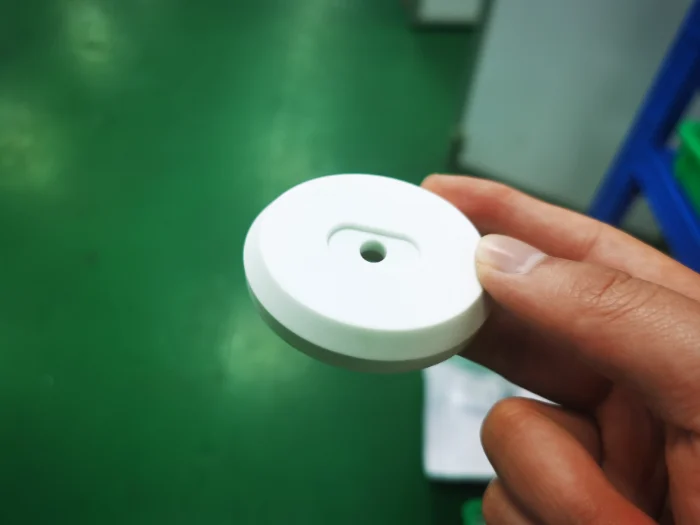
PTFE란 무엇인가요?
PTFE(폴리테트라플루오로에틸렌)는 이 플루오로폴리머의 일반 화학 명칭 입니다. 탁월한 내화학성, 낮은, 마찰계수 CNC 터닝, 밀링, 및 높은 내열성으로 잘 알려져 있어.
및 씰링 응용 분야에서 널리 사용됩니다.
테플론이란 무엇인가요? 테플론®은 등록 상표로서, 듀폰.
의 프리미엄 PTFE 제품을 의미하며, 관리된 순도, 인증된 추적성, 일관된 기계적 특성을 제공합니다.
자재 조달에서 PTFE와 테플론은 어떤 관계가 있을까요?
PTFE는 저마찰성, 내화학성 및 뛰어난 전기 절연성으로 잘 알려진 불소 중합체인 폴리테트라플루오로에틸렌(polytetrafluoroethylene)의 총칭입니다. 테플론™(Teflon™)은 켐어스(Chemours)가 소유한 불소 중합체 브랜드입니다. 이 브랜드의 제품군에는 PTFE뿐만 아니라 PFA, FEP, ETFE도 포함됩니다.
켐어스(Chemours)의 공식 참고 자료:
https://www.teflon.com/en/news-events/history
따라서 PTFE와 테플론은 완전히 별개의 두 가지 소재로 비교해서는 안 됩니다. 만약 “테플론”이 구체적으로 테플론™ PTFE를 가리키는 것이라면, 실제 비교 대상은 일반적인 PTFE와 정의된 특정 브랜드 및 등급의 PTFE 사이가 됩니다. 기본 폴리머는 동일할 수 있으나, 실질적인 차이는 수지 등급, 공급처, 문서화, 추적성 및 프로젝트 인증 요건 등에서 나타납니다.
맞춤형 부품 도면에 단순히 “테플론”이라고만 명시하는 것은 불충분합니다. 구매자는 최소한 다음 사항을 명확히 정의해야 합니다:
• 재질: PTFE, PFA, FEP 또는 ETFE.
• 재료 상태: 비충진, 개질, 또는 충진.
• 원료 요건: 특정 켐어스(Chemours) 등급의 사용이 필수인지, 그리고 동등한 소재의 사용이 허용되는지 여부.
• 문서: 자재 인증서, 배치 추적성 및 관련 규제 문서.
프로젝트가 특정 브랜드에 국한되지 않는 경우, PTFE 등급, 충전재, 재료 규격 및 성능 요건을 명확히 정의하면 공급업체가 적합한 재료를 선택하고 비용을 관리하는 데 더 큰 유연성을 확보할 수 있습니다. 도면에 Teflon™ 등급이 명시된 경우, 기계 가공 업체는 서면 승인을 받지 않고는 다른 PTFE 재료를 대체해서는 안 됩니다.
테플론™은 단일 소재가 아닙니다
테플론™ PTFE
테플론™ PTFE는 낮은 마찰계수, 내화학성, 전기 절연성, 비교적 높은 연속 사용 온도 등 폴리테트라플루오로에틸렌의 전형적인 특성을 갖추고 있습니다. CNC 가공용 부품은 일반적으로 압축 성형 시트, 성형 튜브, 성형 빌렛 또는 램 압출 봉으로 제작됩니다.
테플론™ PFA
PFA는 사출 성형, 압출 성형 및 용접이 가능한 용융 가공형 불소중합체입니다. 이 소재는 반도체, 제약 및 고순도 유체 처리 시스템에서 널리 사용됩니다. PFA는 강성, 크리프 거동, 투과 저항성 및 가공 방법이 PTFE와 다릅니다. PFA와 PTFE가 모두 테플론™ 제품군에 속한다고 해서 PFA를 PTFE로 단순히 대체할 수는 없습니다.
테플론™ FEP
FEP는 우수한 내화학성, 투명성 및 전기 절연성을 갖추고 있습니다. 일반적으로 튜브, 필름, 케이블 절연재 및 내화학성 라이닝에 사용됩니다. FEP의 연속 사용 온도는 PTFE 및 PFA보다 낮습니다. 또한 FEP는 더 부드러운 소재이기 때문에 정밀 가공 시 클램핑 압력과 절삭 열에 더 민감합니다.
Tefzel™ ETFE
ETFE는 PTFE보다 강도, 강성 및 내충격성이 뛰어나, 중간 정도의 구조적 하중을 받는 전기 및 유체 처리 부품에 적합합니다. 그러나 사용 가능 온도 범위, 마찰 특성 및 내화학성은 PTFE와 다르므로 실제 작동 조건에 맞춰 평가해야 합니다.
모든 테플론은 PTFE이지만, 모든 PTFE가 테플론은 아닙니다.
PTFE와 테플론은 가공성 및 안정성으로 인해 CNC 가공에서 널리 사용됩니다. 매우 낮은 마찰 계수로 인해 슬라이딩 부품, 화학 접촉 부품, 고온 인터페이스에 이상적입니다.
CNC 가공에서 중요한 소재인 이유
- 날카로운 공구로 깨끗한 칩이 생성됩니다.
- 열로 인한 치수 변화가 최소화됩니다.
- 우수한 밀봉 성능을 제공합니다.
- 유리 충진 플라스틱에 비해 공구 마모가 거의 없습니다.
- 습기를 흡수하지 않아 장기적인 치수 안정성이 보장됩니다.
PTFE/테플론은 최상급 CNC 플라스틱으로 간주됩니다 을(를) 내화학성, 비점착성, 또는 저마찰 부품입니다.

CNC 가공을 위한 화학 및 물리적 특성 비교
1. 내화학성
| 특성 | PTFE | 테플론 |
|---|---|---|
| 산/알칼리 저항성 | 전기 전도성 | 우수함(인증 등급) |
| 용매 저항성 | 전기 전도성 | 전기 전도성 |
| 순도 관리 | 표준 산업용 | 고순도(의료/반도체 가능) |
2. 온도 성능
| 특성 | PTFE | 테플론 |
|---|---|---|
| 연속 작업 온도 | ~260°C | ~260°C |
| 융점 | ~327°C | ~327°C |
| 열 안정성 | 매우 높음 | 매우 높고, 더 일관됨 |
3. 기계적 특성
| 특성 | PTFE | 테플론 |
|---|---|---|
| 인장 강도 | 20–30 MPa | 25–35 MPa (더 일관됨) |
| 연신율 | 높음 | 높음 |
| 경도(쇼어 D) | 50–60 | 50–60 |
| 마모 저항 | 보통 | 중간~높음(최적화된 등급) |
4. 전기적 특성
| 특성 | PTFE | 테플론 |
|---|---|---|
| 유전율 | 2.0–2.1 | 2.0–2.1 |
| 전기 절연 | 전기 전도성 | 우수함(의료 및 항공우주 인증) |
화학적으로나 물리적으로 PTFE와 테플론은 거의 동일합니다. 실제 차이점은 일관성, 인증, 순도 관리.
일반 PTFE와 테플론™ PTFE의 성능 차이
두 소재 모두 비충진 PTFE이며 수지 품질, 밀도, 스톡 형태 제조 공정 및 소결 품질이 유사하다면, 이들의 화학 구조와 기본 특성은 본질적으로 동일합니다. 따라서 테플론™ PTFE가 자동으로 더 높은 강도, 더 높은 순도 또는 더 우수한 내마모성을 제공한다고 가정하는 것은 정확하지 않습니다.
| 비교 요소 | 일반 PTFE | 테플론™ PTFE |
|---|---|---|
| 재료의 정체성 | 폴리테트라플루오로에틸렌의 일반명 | Chemours 제품군에 포함된 브랜드 PTFE |
| 핵심 성과 | 정확한 등급, 충전재 및 원료 품질에 따라 결정됩니다. | 정확한 테플론™ 등급 및 재고 품질에 따라 결정됩니다. |
| 공급 옵션 | 여러 자격을 갖춘 공급업체를 통해 구입 가능 | 해당 브랜드의 공급망을 통해 조달되어야 합니다. |
| 추적성 | 공급업체의 품질 관리 체계에 따라 다릅니다 | 지정된 수지 등급을 기준으로 추적성을 확보할 수 있습니다. |
| 규정 준수 | 정확한 등급은 서류를 통해 입증되어야 합니다. | 또한 정확한 등급 및 용도에 대한 증빙 자료가 필요합니다. |
| 비용 및 소요 기간 | 더 다양한 조달 옵션과 전반적으로 더 높은 유연성 | 지정된 등급에 따라 공급 가능 여부와 조달 옵션이 제한될 수 있습니다. |
테플론™의 주요 조달 가치는 명확히 정의된 제품 등급의 제공, 일관된 수지 조달, 그리고 추적 가능한 자재 문서화입니다. 브랜드명 자체만으로는 자동으로 우수한 기계적 성능이 보장되는 것은 아닙니다. 충전제가 첨가된 일반 PTFE 등급은 충전제가 첨가되지 않은 테플론™ PTFE 등급보다 더 뛰어난 하중 수용 능력, 내마모성 및 내크리프성을 제공할 수 있습니다.
기술적으로 타당한 비교는 두 가지 특정 등급의 데이터시트를 바탕으로, 일관된 시험 방법, 시편 조건 및 시험 온도를 적용하여 이루어져야 합니다.
PTFE CNC 가공 성능을 실제로 좌우하는 요인은 무엇인가?
테플론 정밀 가공과 일반 PTFE 가공은 동일한 기본 가공 원리를 따릅니다. 폴리머 종류, 충전재, 소재 상태가 동일하다면, 필요한 절삭 공구, 고정구 및 치수 제어 방법도 비슷합니다.
가공 안정성은 주로 다음 네 가지 요인에 의해 결정됩니다:
- 재료 구성: 충전재가 없는 PTFE, 개질 PTFE 및 충전재가 포함된 PTFE 등급은 강성, 내마모성 및 절삭 공구 수명에 미치는 영향이 서로 다릅니다.
- 재질 품질: 성형 또는 압출 공정, 밀도, 기공률, 소결 조건 및 내부 응력은 치수와 표면 품질에 영향을 미칩니다.
- 공정 제어: 최첨단 절삭 날카로움, 절삭 열, 클램핑 압력 및 공작물 지지 상태가 반동, 변형 및 버 형성에 영향을 미칩니다.
- 검사 조건: 실온, 안정화 시간 및 접촉력 측정값은 최종 치수 측정 결과에 직접적인 영향을 미칩니다.
따라서 치수가 안정적이고 표면 품질이 우수한 테플론 CNC 가공 부품의 성능은 일반적으로 일관된 재료 배치, 규격에 맞는 반제품, 그리고 엄격히 관리된 가공 공정에 기인하며, 단순히 브랜드 이름 때문만은 아닙니다.
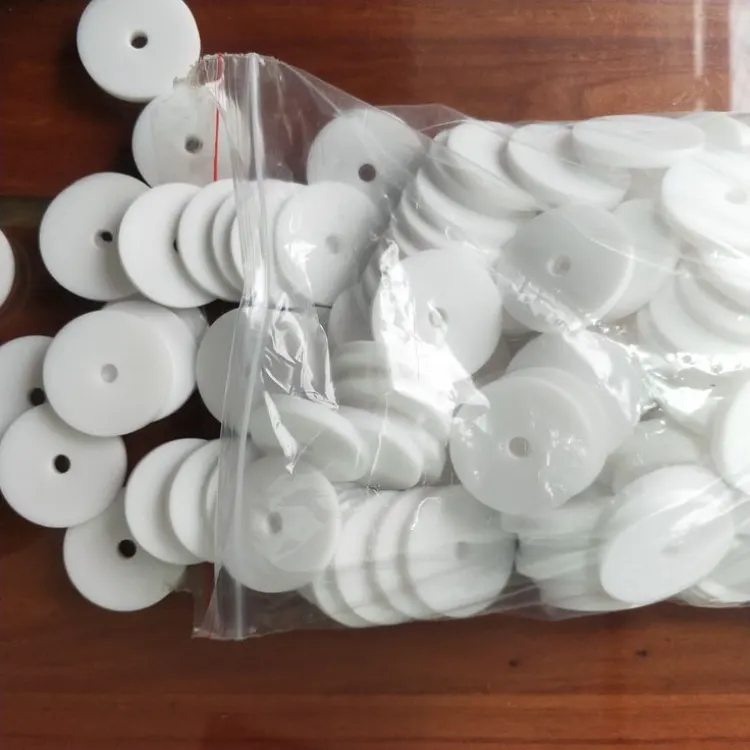
PTFE와 테플론™ PTFE는 서로 다른 가공 공정이 필요한가요?
두 재료가 모두 동일한 종류의 PTFE인 경우, 선반 가공, 밀링, 드릴링, 디버링 또는 치수 안정화 공정에서 근본적인 차이는 없습니다. 두 재료 모두 낮은 강성, 높은 열팽창 계수, 탄성 회복 및 장기 크리프 현상을 제어해야 합니다.
특정 등급의 테플론™이 필요한 경우, 주요 차이점은 입고 자재 관리 및 생산 관리 과정에서 나타납니다. 기계 가공 부서는 실제 등급, 배치 번호 및 관련 문서가 일치하는지 확인해야 하며, 자재 대체나 배치 혼합을 방지하기 위해 지정된 자재를 일반 PTFE와 별도로 보관해야 합니다.
입고 자재 검사
입고 검사는 재료 등급, 충전재, 반제품 형태 및 배치 관련 문서에 중점을 두어야 합니다. 테플론™(Teflon™)을 명시한 프로젝트의 경우, 기계 가공 업체는 반제품이 요구된 브랜드 수지로 제조되었는지, 그리고 “테플론”이 단순히 PTFE의 총칭으로 사용되고 있지 않은지 반드시 확인해야 합니다.
가공 제어
무충진 PTFE와 테플론™ PTFE는 모두 날카롭고 연마된 절삭 공구로 가공해야 합니다. 클램핑으로 인한 변형을 최소화하기 위해 부드러운 조, 콜릿 또는 넓은 면적의 지지대를 사용해야 합니다. 얇은 벽의 부품과 씰링 링은 최종 마무리 가공 전에 절삭 열과 내부 응력이 안정화될 수 있도록 단계적으로 가공해야 합니다.
충진 PTFE의 경우 공구 수명을 별도로 관리해야 합니다. 유리, 탄소, 청동 충전재는 절삭날의 마모를 가속화합니다. 마모된 공구로 가공을 계속하면 치수 편차, 과도한 버, 표면 찢어짐이 발생합니다.
초도품 검증
브랜드명만으로는 첫 번째 제품 검증을 대체할 수 없습니다. 프로젝트에서 일반 PTFE를 사용하든 Teflon™ PTFE를 사용하든, 첫 번째 제품 검사를 통해 다음 사항을 확인해야 합니다:
- 고정 장치를 해제한 후의 치수, 원형도 및 평탄도.
- 온도 안정화 전후의 치수 변화.
- 밀봉면, 얇은 벽면 및 나사산의 변형.
- 선정된 검사 방법의 재현성.
첫 번째 시제품의 결과를 바탕으로 생산 과정에서 적용할 클램핑 압력, 마무리 여유, 안정화 시간 및 검사 주기를 확정해야 합니다.
수지 인증서, 재고 형상 인증서 및 완제품 추적성
CNC 가공 업체들은 일반적으로 수지 분말로 직접 부품을 생산하기보다는 PTFE 봉, 시트, 튜브 또는 성형 빌렛을 구입합니다. 수지는 먼저 성형 또는 압출, 소결, 냉각, 절단 과정을 거쳐야만 CNC 가공에 적합한 반제품 형태가 됩니다.
Teflon™ PTFE를 지정하는 프로젝트에서는 다음 세 가지 중요한 단계를 철저히 관리해야 합니다:
- 수지 출처: 자재 문서에는 Chemours 제품명, 정확한 등급 및 수지 배치 번호가 명시되어야 합니다.
- 원자재 추적: 봉재 또는 시트 제조업체는 완제품 원자재 배치와 원래의 수지 배치를 서로 연결할 수 있어야 합니다.
- 완성품 상관관계: CNC 가공 공장은 원자재 배치, 제조 주문서 및 완성품 검사 기록을 서로 연계해야 합니다.
구매 주문서나 기계 가공 업체의 자재 라벨에 “테플론”이라고 기재되어 있다고 해서 해당 자재의 출처를 입증하는 것은 아닙니다. 중요한 프로젝트의 경우, 원료 수지 인증서, 반제품 적합성 인증서 및 완제품 배치 기록을 검토해야 합니다.
고객이 PTFE 소재 표준 준수를 요구하지만 특정 브랜드를 지정하지 않는 경우, 공급업체는 적절한 성능과 배치 문서를 갖춘 다른 적격 PTFE 소재를 사용할 수 있습니다. 이를 통해 공급 기반을 확대하고, 리드 타임을 단축하며, 불필요한 자재 비용을 절감할 수 있습니다.

CNC 가공의 장점과 단점
‘테플론’이 Teflon™ PTFE를 지칭할 때, 이는 일반적인 PTFE와 다른 폴리머가 아닙니다. 주요 차이점은 근본적인 가공 특성보다는 지정된 등급, 원료 출처, 추적 가능성, 공급 가능 여부 및 문서화에 있습니다.
일반 PTFE의 장점
- 유연한 조달 및 비용 절감: 일반 PTFE 봉, 시트, 튜브는 여러 검증된 공급업체를 통해 구입할 수 있습니다. 이를 통해 기계 가공 업체는 적합한 재고 규격을 더 유연하게 선택하고, 자재 낭비를 줄이며, 조달 기간을 단축할 수 있습니다.
- 우수한 CNC 가공성: 충전재가 첨가되지 않은 PTFE는 절삭 저항이 낮아, 날카롭고 연마된 공구를 사용하여 선삭, 밀링, 드릴링 및 보링 가공이 가능합니다. 이 소재는 씰, 밸브 시트, 절연 부품, 스페이서 및 저하중 부싱에 적합합니다.
- 다양한 등급 선택 가능: 버진, 개질, 충전형 PTFE 등급을 선택할 수 있습니다. 유리, 탄소, 흑연 또는 청동 충전재를 사용하면 특정 용도에 따라 강성, 내마모성, 열전도율 또는 크리프 저항성을 향상시킬 수 있습니다.
일반 PTFE의 단점
- 품질은 재료 사양에 따라 달라집니다. 도면에 등급, 충전재, 원재 형태 또는 재료 규격이 명시되어 있지 않은 경우, 배치마다 기공률, 내부 응력 및 치수 안정성이 다를 수 있습니다.
- 정밀 가공에는 추가적인 제어가 필요합니다. PTFE는 강성이 낮고, 열팽창률이 높으며, 탄성 회복성이 있고, 장기 크리프 현상이 나타납니다. 공차가 엄격한 부품의 경우, 제어된 클램핑, 단계별 가공, 온도 안정화 및 저하중 검사가 필요합니다.
- 관련 문서를 요청해야 합니다: 일반 PTFE의 경우 완전한 재료 인증서 및 배치 추적성을 제공할 수 있으나, 이러한 요구 사항은 구매 사양서에 명시되어야 합니다. 식품, 의료 및 반도체 용도의 경우, 정확한 등급 및 용도에 대한 문서로 뒷받침되어야 합니다.
특정 테플론™ PTFE의 장점
- 확정된 수지 공급처: 정확한 테플론™ PTFE 등급을 지정함으로써 구매자는 수지 공급처를 고정할 수 있습니다. 이는 OEM이 이미 해당 소재를 검증한 경우나, 소재 변경 시 재검증이 필요한 경우에 유용합니다.
- 공급망 추적성 향상: 체계적으로 관리되는 공급망을 통해 테플론™ 수지 배치, 반제품 배치 및 CNC 가공 완제품을 서로 연결할 수 있습니다. 이를 통해 고객 감사와 반복 생산을 원활하게 지원할 수 있습니다.
- 브랜드 제한이 있는 프로젝트에 적합: 도면, 고객 사양 또는 승인된 자재 목록에 특정 Chemours 등급의 사용이 요구되는 경우, Teflon™ PTFE를 사용하면 적합합니다.
특정 테플론™ PTFE의 단점
- 높은 비용과 제한된 공급: 특정 브랜드와 등급을 지정하면 자재 조달 옵션이 제한됩니다. 비표준 규격, 특수 등급, 그리고 완벽한 추적성 요건은 가격, 최소 주문 수량 및 리드 타임을 증가시킬 수 있습니다.
- 해당 브랜드는 규정 준수 여부를 보장하지 않습니다. 테플론™(Teflon™)이라는 명칭만으로는 FDA 규정 준수, 의료용 등급, 항공우주용 승인 또는 반도체용 등급을 자동으로 의미하지 않습니다. 규정 준수 여부는 구체적인 등급, 용도 및 관련 증빙 서류에 따라 달라집니다.
- 가공상의 어려움은 여전히 변함없이 남아 있습니다. 테플론™ PTFE는 여전히 강성이 낮고, 열팽창률이 높으며, 탄성 회복성과 크리프 현상이 있습니다. 이 브랜드를 사용한다고 해서 자동으로 공차가 더 엄격해지거나 가공 표면이 더 좋아지는 것은 아닙니다.
실용적인 선택
브랜드 제한이 없고, 프로젝트가 기능적 성능, 비용 및 납기 일정에 따라 결정되는 경우에는 적합한 일반 PTFE 제품을 선택하십시오.
고객이 고정된 수지 공급처, 승인된 자재 또는 완전한 브랜드 추적성을 요구하는 경우, 지정된 테플론™ PTFE 등급을 선택하십시오.
두 경우 모두, 최종 결정은 브랜드 이름만으로는 안 되며, 정확한 등급, 충전재, 재질 품질, 작동 조건, 허용 오차 및 필요한 문서를 바탕으로 내려져야 합니다.

애플리케이션 및 CNC 가공 부품
PTFE는 내화학성, 낮은 마찰계수, 전기 절연성 또는 넓은 온도 범위에서 안정적인 성능이 요구되는 CNC 가공 부품에 사용됩니다.
‘테플론’이 테플론™ PTFE를 지칭할 경우, 이는 일반 PTFE와 동일한 기본적인 고분자 특성을 지닙니다. 최종 적용 성능은 구체적인 등급, 충전재, 원료 품질, 작동 조건 및 제조 관리에 따라 달라집니다.
산업 및 화학 공정
일반적인 가공 부품으로는 밸브 시트, 씰링 링, 개스킷, 다이어프램, 파이프 라이너, 노즐 및 펌프 마모 부품 등이 있습니다. PTFE는 금속 구조물을 부식성 유체로부터 차단하고, 밀봉면이 낮은 마찰로 작동하도록 돕습니다.
PTFE는 일반적으로 고하중을 받는 구조용 하우징보다는 씰, 라이너, 시트 또는 교체 가능한 마모 부품으로 사용됩니다. 고압 시스템의 경우, 설계 시 압출 간극과 장기적인 냉간 유동을 제어해야 합니다. 부품이 지속적인 압력을 받는 상황에서는 충전 PTFE나 금속 지지형 씰 구조가 필요한 경우가 많습니다.
Mechanical and Sliding Components
PTFE can be machined into bushings, bearing liners, sliding pads, guide rings, wear strips, thrust washers, and shaft spacers. Its low coefficient of friction supports dry-running or minimally lubricated motion.
Unfilled PTFE is suitable for light loads and moderate sliding conditions. Continuous motion, higher surface pressure, or extended service life normally requires glass-, carbon-, graphite-, or bronze-filled PTFE. The filler should be selected according to load, speed, temperature, mating surface, and required electrical properties.
Electrical and Electronic Components
Typical components include high-frequency insulators, connector bodies, cable sleeves, terminal supports, dielectric spacers, and electronic test fixtures. PTFE combines low moisture absorption with strong electrical insulation and stable dielectric performance.
Unfilled PTFE is normally preferred for electrical insulation. Carbon-, graphite-, and bronze-filled grades can alter electrical resistance and should not be substituted without confirming the circuit and insulation requirements.
의료 및 실험실 장비
PTFE is used for fluid-handling blocks, sampling-valve components, seals, instrument insulators, and low-friction laboratory parts. Its chemical resistance supports contact with many laboratory fluids, while its low surface energy helps reduce material adhesion.
Medical or laboratory suitability must be confirmed for the exact grade and intended use. Buyers should define cleanliness, sterilization, chemical exposure, material traceability, and required regulatory documents. Neither generic PTFE nor Teflon™ PTFE is automatically medical-grade based on its name alone.
Aerospace and Cryogenic Systems
Aerospace applications include cryogenic seals, backup rings, low-friction washers, bearing liners, electrical insulators, and fluid-control components. PTFE remains flexible at very low temperatures and provides low-friction sealing in demanding environments.
The design must still account for thermal contraction, creep, pressure, and dimensional change during temperature cycling. Aerospace projects also require customer-approved material specifications, controlled traceability, and documented inspection. The Teflon™ brand name alone does not establish aerospace approval.
Generic PTFE or Teflon™ PTFE?
Qualified generic PTFE is suitable for most industrial, chemical, mechanical, and electrical components when the drawing clearly defines the grade, filler, performance, and documentation requirements.
A specified Teflon™ PTFE grade is appropriate when an OEM has already approved the material, the drawing identifies a Chemours grade, or the customer requires a fixed resin source and complete brand traceability.
In either case, reliable CNC-machined parts depend on the exact material grade, stock quality, fixture design, cutting tools, temperature control, and inspection method—not on the material name alone.
Application Selection for Generic PTFE and Teflon™ Materials
General Industrial PTFE Parts
Generic PTFE that meets the drawing and quality requirements is suitable for industrial valve seats, sealing rings, gaskets, lightly loaded bushings, electrical insulating sleeves, and chemical-resistant liners. These projects are normally driven by material performance, dimensions, tolerance, lead time, and cost rather than by a specific resin brand.
Parts Requiring a Specified Teflon™ PTFE Grade
The original Teflon™ grade should be retained when a customer drawing specifies a Chemours grade, an OEM has already validated the material, or changing the resin source would require product requalification. In these projects, the primary value of the specified brand is supply-chain consistency and material traceability.
Specifying the brand does not reduce the need for process control. Thermal expansion, creep, clamping rebound, and surface quality must still be managed during CNC machining and inspection.
Semiconductor and High-Purity Fluid Components
Semiconductor equipment can use high-purity PTFE or high-purity PFA. PTFE is commonly machined into valve seats, insulators, and structural components, while PFA is frequently used for weldable tubing, fittings, and high-purity fluid-transfer components.
The selection should be based on ionic extractables, permeation, surface quality, operating temperature, and joining method. Teflon™ PFA and Teflon™ PTFE must not be treated as interchangeable materials.
Food and Medical Components
Neither generic PTFE nor Teflon™ PTFE can be considered food- or medical-compliant based solely on the material name. Regulatory suitability depends on the exact grade, additives, manufacturer documentation, intended use, and operating conditions.
“Branded material,” “high-purity material,” and “regulatory compliance” are three separate requirements and should be verified independently in the procurement documentation.
어느 것을 선택해야 할까요?
Should You Choose Generic PTFE or Teflon™ PTFE?
| 프로젝트 현황 | Recommended Selection | Main Reason |
|---|---|---|
| General industrial corrosion-resistant parts | Qualified generic PTFE | Meeting the material and documentation requirements is sufficient |
| Cost- and lead-time-sensitive projects | 일반 PTFE | More material sources and greater inventory flexibility |
| Drawing specifies a Teflon™ grade | The specified Teflon™ material | Substitution requires customer approval |
| OEM has already validated the grade | Retain the original Teflon™ grade | Avoids requalification and material-change risks |
| Fixed resin source is required | Specified brand and grade | Supports batch traceability and long-term supply control |
| Food, medical, or aerospace projects | A specific grade with applicable documentation | The brand name cannot replace regulatory or customer approval |
| Semiconductor high-purity parts | Validated high-purity PTFE or PFA | Selection depends on cleanliness, permeation, and joining method |
| High-load or high-wear parts | Filled PTFE or another engineering plastic | Unfilled PTFE has limited rigidity and wear resistance |
The first step is to determine whether the project genuinely requires a fixed brand. When the application only requires chemical resistance, low friction, and electrical insulation, qualified generic PTFE can normally satisfy the functional requirements. When a customer specification already identifies a Teflon™ grade, any substitution requires written approval.
Cost and Lead-Time Differences Between Generic PTFE and Teflon™ PTFE
Generic PTFE stock shapes are available from a broader range of suppliers. The machine shop can select qualified rods, sheets, and tubes according to available sizes, material utilization, and required lead time. This provides greater cost flexibility for industrial projects without a brand restriction.
Specifying an exact Teflon™ grade narrows the available supply base. Quotation and lead time are mainly affected by:
- Availability of the specified grade and required stock dimensions.
- Traceability between the branded resin and the finished stock shape.
- Special fillers, high-purity requirements, or non-standard molded billets.
- Minimum order quantities and leftover material that cannot be used for other projects.
Tight tolerances, thin-wall geometry, controlled cleaning, special packaging, and comprehensive inspection can affect the final price as much as—or more than—the material brand. Buyers should therefore distinguish between branded-material cost and precision-machining cost.
How Can Procurement Costs Be Controlled?
- Specify a Teflon™ grade only when required by the drawing or customer standard.
- Use material standards and performance requirements for projects without a brand restriction.
- Design around standard rod, sheet, and tube dimensions whenever possible.
- Validate the material during prototyping and maintain a stable source during production.
These measures prevent unnecessary brand premiums while reducing the revalidation costs caused by frequent material changes during production.
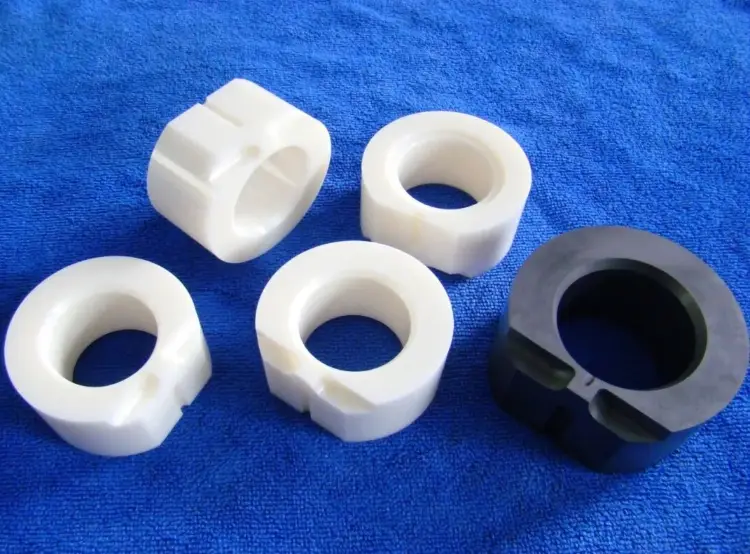
3 Material-Selection Misconceptions to Avoid
Teflon™ Is Always Stronger Than Generic PTFE
Material strength depends on the exact grade, filler, and stock condition. A brand name cannot replace technical data. Generic PTFE filled with glass, carbon, or bronze can provide greater rigidity and wear resistance than unfilled Teflon™ PTFE.
Teflon™ Always Produces a Better Machined Surface
CNC surface quality is primarily controlled by stock porosity, cutting-edge sharpness, cutting parameters, workholding, and deburring. Even when branded resin is used, poor stock sintering or inadequate machining control can still cause surface pulling, burrs, and dimensional variation.
Teflon™ Automatically Meets FDA or Aerospace Requirements
A brand name does not demonstrate regulatory compliance. Food, medical, and aerospace projects must verify the exact material grade, conditions of use, customer material specification, and batch documentation.
What Information Should Be Included in a PTFE or Teflon™ Custom Parts RFQ?
A complete RFQ should organize the project requirements into four categories:
- Material: Exact polymer, grade, filler, brand restriction, and permitted substitutes.
- Function: Fluid medium, temperature, pressure, load, friction, and electrical requirements.
- Manufacturing: 2D drawing, 3D model, critical tolerances, inspection datums, and surface requirements.
- Documentation: Material certificates, batch traceability, regulatory documents, inspection reports, and packaging requirements.
When Teflon™ is mandatory, the RFQ should identify whether the material is PTFE, PFA, FEP, or ETFE and provide the exact product grade. Specifying only “Teflon material” does not provide enough information for an accurate quotation.
How Should a PTFE and Teflon Precision Machining Supplier Be Evaluated?
Supplier evaluation should focus on 5 core capabilities.
Material Identification
The supplier must correctly distinguish PTFE, PFA, FEP, and ETFE and identify unfilled, modified, and filled grades. Selecting the wrong fluoropolymer can lead to an incorrect machining process and inadequate service performance.
배치 추적성
For a specified Teflon™ project, the supplier should trace the finished parts back to the stock shape and original resin grade. Projects using non-brand-restricted PTFE should still retain stock batch records and material certificates.
Soft-Material Machining Experience
The machine shop should understand low-pressure workholding, sharp-tool management, staged machining, and dimensional stabilization. Conventional metal-machining experience alone does not provide all the process knowledge required for precision PTFE parts.
검사 역량
Thin-walled parts, sealing components, and precision fits require temperature-controlled, low-force, or optical inspection. Inspection reports should record the measurement conditions to prevent disputes caused by differences in temperature or measuring force.
Cleaning and Packaging
Parts for food, medical, and semiconductor equipment require suitable cleaning, segregation, and packaging procedures to prevent contamination from metal chips, oils, abrasives, and packaging fibers.
Weldo can review PTFE and Teflon™ material requirements from customer drawings and confirm the grade, stock form, filler, documentation, tolerance, cleaning, and packaging requirements. For orders requiring a specified brand, material availability, batch traceability, minimum order quantity, and actual lead time are verified during the quotation stage.
결론 – 전문가 지원 받기
PTFE와 테플론은 거의 동일한 화학적 및 물리적 특성을 가지고 있지만, 인증, 일관성, 비용에서 차이가 있습니다. 올바른 소재 선택은 장기적인 신뢰성, 내식성, 이상적인 CNC 가공 성능을 보장합니다.
전문가 상담 및 지원이 필요하다면 PTFE/테플론 가공에 대해 문의하세요 웰도 머시닝 자세한 안내, 정확한 소재 선택, 맞춤 제조 솔루션을 제공합니다.
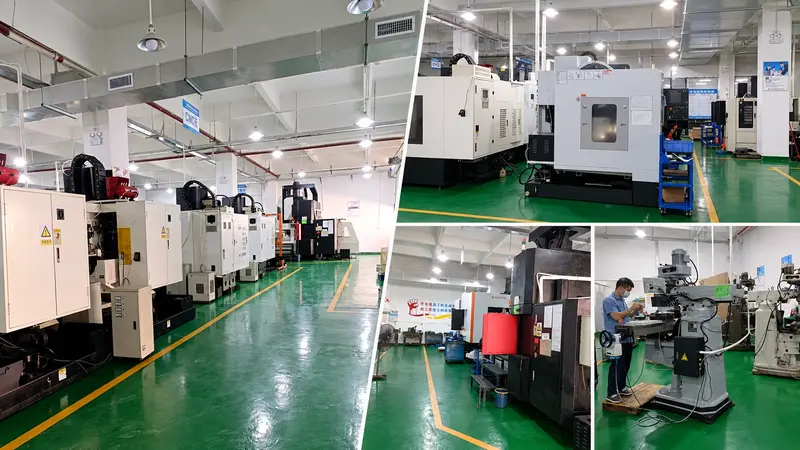
FAQ of PTFE vs Teflon CNC machining
PTFE와 테플론 사이에 가공 성능 차이가 있나요?
두 소재 모두 유사하게 가공되지만, 테플론은 더 높은 순도와 우수한 배치 일관성으로 인해 예측 가능한 거동을 보여 정밀 공차 CNC 부품에 유리합니다.
테플론이 일반 PTFE보다 더 나은 표면 마감을 제공합니까?
네. 테플론의 관리된 순도는 특히 씰링 표면, 저마찰 슬라이더, 의료 등급 가공 부품에서 약간 더 매끄러운 마감을 제공합니다.
PTFE와 테플론은 고정밀 CNC 부품에 사용할 수 있나요?
네. 두 소재 모두 ±0.02–0.05 mm의 공차를 달성할 수 있지만, 안정적인 반복성과 문서화된 품질이 요구되는 경우 테플론이 선호됩니다.
PTFE와 테플론은 CNC 가공 시 특별한 냉각이 필요한가요?
두 소재 모두 열 팽창, 칩 부착, 표면 연화를 방지하기 위해 에어 블라스트 또는 부드러운 냉각수를 사용하는 것이 좋습니다. 적절한 열 제어는 마감 품질을 향상시킵니다.
테플론™ PTFE는 일반 PTFE보다 가공하기 더 쉬운가요?
꼭 그렇지는 않습니다. 폴리머 종류, 충전재, 그리고 소재 상태가 동일할 경우, 가공 방법은 본질적으로 동일합니다. 가공 안정성은 주로 소재 품질, 절삭 공구, 공작물 고정 방식, 그리고 온도 제어에 좌우됩니다.
테플론™ PTFE는 더 엄격한 공차를 충족할 수 있을까?
이 브랜드는 PTFE가 본래 지닌 낮은 강성, 높은 열팽창률, 크리프 현상을 완전히 해소하지는 못합니다. 엄격한 공차 준수는 여전히 적절한 부품 형상, 안정적인 원자재, 전용 고정구, 그리고 체계적인 검사에 달려 있습니다.
구매자는 해당 부품이 테플론™ 소재로 제작되었음을 어떻게 확인할 수 있나요?
Chemours의 제품 등급, 수지 배치, 반제품 배치 및 CNC 생산 주문은 추적 가능한 문서를 통해 서로 연계되어야 합니다. 공급망 기록이 없는 “테플론” 라벨만으로는 충분한 증거가 될 수 없습니다.
테플론™ PFA가 테플론™ PTFE를 대체할 수 있을까요?
직접적으로는 아닙니다. PFA와 PTFE는 성형 방법, 강성, 크리프 거동, 투과 성능 및 접합 공정이 서로 다릅니다. 소재를 대체하려면 설계 변경과 공정 검증이 다시 필요합니다.
브랜드가 없는 PTFE를 중요 부품에 사용할 수 있나요?
네. 정확한 등급, 물성, 재고 품질, 배치 추적성 및 검사 결과가 프로젝트 사양을 충족하는 경우, 브랜드 제한이 없는 PTFE를 중요 부품에 사용할 수 있습니다.