
PTFE vs Teflon CNC machining is a common material-selection topic in precision manufacturing, particularly for seals, low-friction components, electrical insulators, and chemical-resistant parts. In many machining projects, Teflon is used to refer to branded PTFE, but the exact grade, filler, stock quality, and documentation requirements determine its machining stability and service performance. Understanding these factors helps engineers select the correct material and CNC process for functional prototypes and production components through controlled CNC machining.
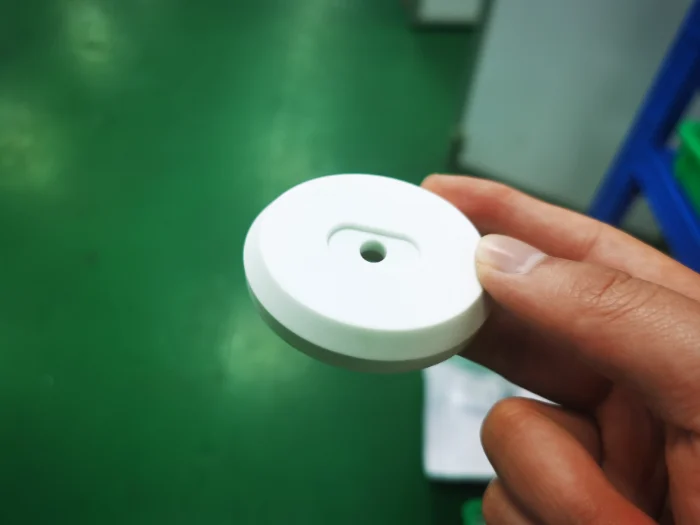
What Is PTFE?
PTFE (Polytetrafluoroethylene) is the generic chemical name of this fluoropolymer. It is known for exceptional chemical resistance, low friction, and high temperature stability, making it a popular material for CNC turning, milling, and sealing applications.
What Is Teflon?
Teflon® is the registered trademark of DuPont, representing premium PTFE products with controlled purity, certified traceability, and consistent mechanical behavior.
All Teflon is PTFE, but not all PTFE is Teflon.
What Is the Relationship Between PTFE and Teflon in Material Procurement?
PTFE is the generic name for polytetrafluoroethylene, a fluoropolymer known for its low friction, chemical resistance, and excellent electrical insulation. Teflon™ is a fluoropolymer brand owned by Chemours. Its product family includes not only PTFE but also PFA, FEP, and ETFE.
Official Chemours reference:
https://www.teflon.com/en/news-events/history
Therefore, PTFE and Teflon should not be compared as two completely separate materials. If “Teflon” refers specifically to Teflon™ PTFE, the actual comparison is between generic PTFE and a defined brand and grade of PTFE. The base polymer may be the same, while the practical differences lie in resin grade, supply source, documentation, traceability, and project certification requirements.
Specifying only “Teflon” on a custom part drawing is insufficient. At a minimum, the buyer should define:
• Material type: PTFE, PFA, FEP, or ETFE.
• Material condition: Unfilled, modified, or filled.
• Source requirement: Whether a specific Chemours grade is mandatory and whether equivalent materials are permitted.
• Documentation: Material certificates, batch traceability, and applicable regulatory documents.
When a project is not restricted to a specific brand, defining the PTFE grade, filler, material standard, and performance requirements gives the supplier greater flexibility to select a suitable material and control costs. When the drawing specifies a Teflon™ grade, the machine shop must not substitute another PTFE material without written approval.
Teflon™ Is Not a Single Material
Teflon™ PTFE
Teflon™ PTFE provides the typical properties of polytetrafluoroethylene, including low friction, chemical resistance, electrical insulation, and a relatively high continuous service temperature. Parts intended for CNC machining are generally produced from compression-molded sheets, molded tubes, molded billets, or ram-extruded rods.
Teflon™ PFA
PFA is a melt-processable fluoropolymer that can be injection molded, extruded, and welded. It is frequently used in semiconductor, pharmaceutical, and high-purity fluid-handling systems. Its rigidity, creep behavior, permeation resistance, and processing methods differ from PTFE. PFA cannot be substituted with PTFE simply because both belong to the Teflon™ product family.
Teflon™ FEP
FEP provides good chemical resistance, transparency, and electrical insulation. It is commonly used for tubing, film, cable insulation, and chemical-resistant linings. Its continuous service temperature is lower than that of PTFE and PFA. Because FEP is also softer, precision machining is more sensitive to clamping pressure and cutting heat.
Tefzel™ ETFE
ETFE offers greater strength, rigidity, and impact resistance than PTFE, making it suitable for electrical and fluid-handling components that carry moderate structural loads. However, its temperature range, friction characteristics, and chemical performance are different from those of PTFE and must be evaluated against the actual operating conditions.
Role of PTFE and Teflon in CNC Machining
Both PTFE and Teflon are widely used in CNC machining because of their machinability and stability. Their extremely low friction coefficient makes them ideal for sliding parts, chemical-contact components, and high-temperature interfaces.
Why They Are Important Materials in CNC Machining
- They produce clean chips with sharp tools.
- Dimensional changes due to heat are minimal.
- They provide excellent sealing performance.
- Tools experience minimal wear compared to glass-filled plastics.
- They do not absorb moisture, ensuring long-term dimension stability.
PTFE/Teflon are considered top-tier CNC plastics for chemical-resistant, non-stick, or low-friction components.

Chemical & Physical Property Comparison for CNC Machining
1. Chemical Resistance
| Property | PTFE | Teflon |
|---|---|---|
| Acid/alkali resistance | Excellent | Excellent (certified grade) |
| Solvent resistance | Excellent | Excellent |
| Purity control | Standard industrial | High-purity (medical/semiconductor capable) |
2. Temperature Performance
| Property | PTFE | Teflon |
|---|---|---|
| Continuous working temp | ~260°C | ~260°C |
| Melting point | ~327°C | ~327°C |
| Thermal stability | Very high | Very high, more consistent |
3. Mechanical Properties
| Property | PTFE | Teflon |
|---|---|---|
| Tensile strength | 20–30 MPa | 25–35 MPa (more consistent) |
| Elongation | High | High |
| Hardness (Shore D) | 50–60 | 50–60 |
| Wear resistance | Moderate | Moderate–high (optimized grades) |
4. Electrical Properties
| Property | PTFE | Teflon |
|---|---|---|
| Dielectric constant | 2.0–2.1 | 2.0–2.1 |
| Electrical insulation | Excellent | Excellent (medical- and aerospace-certified) |
Chemically and physically, PTFE and Teflon are nearly identical. The only real difference is consistency, certification, and purity control.
Performance Differences Between Generic PTFE and Teflon™ PTFE
If both materials are unfilled PTFE and have comparable resin quality, density, stock-form manufacturing methods, and sintering quality, their chemical structure and fundamental properties are essentially the same. It is therefore inaccurate to assume that Teflon™ PTFE automatically provides higher strength, higher purity, or better wear resistance.
| Comparison Factor | Generic PTFE | Teflon™ PTFE |
|---|---|---|
| Material identity | Generic name for polytetrafluoroethylene | Branded PTFE supplied within the Chemours product family |
| Core performance | Determined by the exact grade, filler, and stock quality | Determined by the exact Teflon™ grade and stock quality |
| Supply options | Available from multiple qualified suppliers | Must be sourced through the corresponding branded supply chain |
| Traceability | Depends on the supplier’s quality system | Traceability can be established around a specified resin grade |
| Regulatory compliance | Must be demonstrated by documents for the exact grade | Also requires documentation for the exact grade and intended use |
| Cost and lead time | More sourcing options and generally greater flexibility | Specified grades can restrict availability and sourcing options |
The main procurement value of Teflon™ is the availability of defined product grades, consistent resin sourcing, and traceable material documentation. The brand name itself does not automatically provide superior mechanical performance. A filled generic PTFE grade can offer greater load capacity, wear resistance, and creep resistance than an unfilled Teflon™ PTFE grade.
A technically valid comparison must be based on the datasheets of two specific grades, using consistent test methods, specimen conditions, and test temperatures.
What Actually Determines PTFE CNC Machining Performance?
Teflon precision machining and generic PTFE machining follow the same fundamental machining principles. If the polymer type, filler, and stock condition are equivalent, the required cutting tools, fixtures, and dimensional-control methods are also similar.
Machining stability is primarily determined by four factors:
- Material composition: Unfilled, modified, and filled PTFE grades have different rigidity, wear characteristics, and effects on cutting-tool life.
- Stock quality: Molding or extrusion method, density, porosity, sintering condition, and internal stress affect dimensions and surface quality.
- Process control: Cutting-edge sharpness, cutting heat, clamping pressure, and workpiece support determine rebound, deformation, and burr formation.
- Inspection conditions: Room temperature, stabilization time, and measuring contact force directly affect final dimensional results.
Consequently, Teflon CNC-machined components with stable dimensions and good surface quality normally owe their performance to consistent material batches, qualified stock shapes, and controlled machining processes—not to the brand name alone.
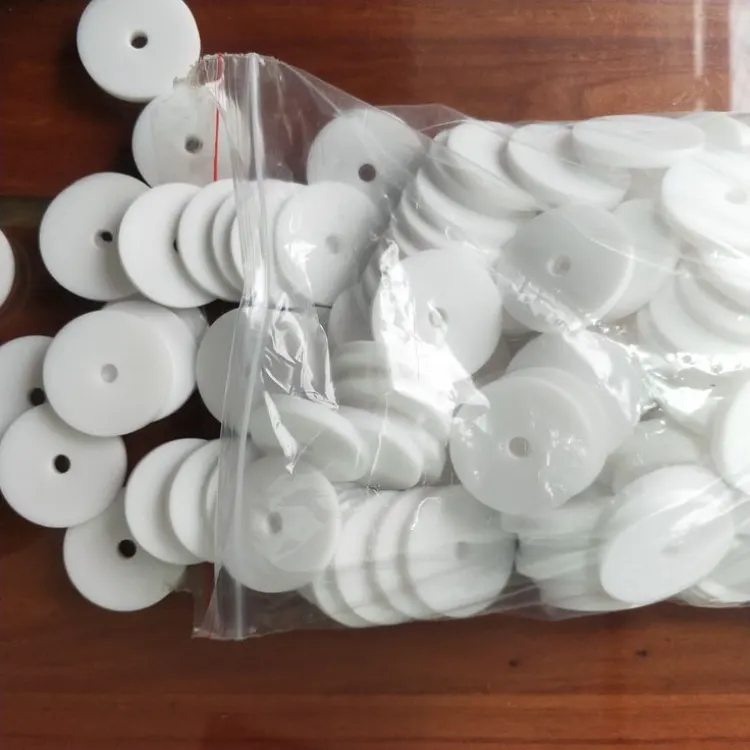
Do PTFE and Teflon™ PTFE Require Different Machining Processes?
When both materials are the same type of PTFE, there is no fundamental difference in their turning, milling, drilling, deburring, or dimensional-stabilization processes. Both require control of low rigidity, high thermal expansion, elastic recovery, and long-term creep.
When a specific Teflon™ grade is required, the main differences arise during incoming-material control and production management. The machine shop must verify that the actual grade, batch, and documentation are consistent and must store the specified material separately from generic PTFE to prevent material substitution or batch mixing.
Incoming Material Inspection
Incoming inspection should focus on the material grade, filler, stock form, and batch documentation. For projects specifying Teflon™, the machine shop must also confirm that the stock shape was manufactured from the required branded resin and that “Teflon” is not merely being used as a general name for PTFE.
Machining Control
Unfilled PTFE and Teflon™ PTFE should both be machined with sharp, polished cutting tools. Soft jaws, collets, or large-area support should be used to minimize clamping deformation. Thin-walled parts and sealing rings should be machined in stages so that cutting heat and internal stress can stabilize before final finishing.
Filled PTFE requires separate tool-life control. Glass, carbon, and bronze fillers accelerate cutting-edge wear. Continuing to machine with a worn tool causes dimensional drift, excessive burrs, and surface tearing.
First Article Validation
A brand name cannot replace first article validation. Whether the project uses generic PTFE or Teflon™ PTFE, first article inspection should confirm:
- Dimensions, roundness, and flatness after the fixture is released.
- Dimensional changes before and after temperature stabilization.
- Deformation of sealing surfaces, thin walls, and threads.
- Repeatability of the selected inspection method.
The first article results should establish the clamping pressure, finishing allowance, stabilization time, and inspection frequency used during production.
Resin Certificates, Stock-Shape Certificates, and Finished-Part Traceability
CNC machine shops normally purchase PTFE rods, sheets, tubes, or molded billets rather than producing parts directly from resin powder. The resin must first be molded or extruded, sintered, cooled, and cut before it becomes a stock shape suitable for CNC machining.
Projects that specify Teflon™ PTFE should control three critical stages:
- Resin source: Material documentation should identify the Chemours product name, exact grade, and resin batch.
- Stock conversion: The rod or sheet manufacturer should be able to connect the finished stock batch to the original resin batch.
- Finished-part correlation: The CNC machine shop should link the stock batch, manufacturing order, and finished-part inspection records.
Writing “Teflon” on a purchase order or machine-shop material label does not prove the source of the material. Critical projects should review the original resin certificate, stock-shape certificate of conformity, and finished-part batch records.
When the customer requires compliance with a PTFE material standard but does not restrict the brand, the supplier can use another qualified PTFE material with suitable performance and batch documentation. This broadens the supply base, shortens lead times, and reduces unnecessary material costs.

Advantages and Disadvantages in CNC Machining
When Teflon refers to Teflon™ PTFE, it is not a different polymer from generic PTFE. The main differences concern the specified grade, material source, traceability, availability, and documentation rather than fundamental machining behavior.
Generic PTFE Advantages
- Flexible sourcing and lower cost: Generic PTFE rods, sheets, and tubes are available from multiple qualified suppliers. This gives the machine shop more flexibility to select suitable stock sizes, reduce material waste, and shorten procurement time.
- Good CNC machinability: Unfilled PTFE produces low cutting resistance and can be turned, milled, drilled, and bored with sharp, polished tools. It is suitable for seals, valve seats, insulating parts, spacers, and lightly loaded bushings.
- Broad grade selection: Virgin, modified, and filled PTFE grades are available. Glass, carbon, graphite, or bronze fillers can improve rigidity, wear resistance, thermal conductivity, or creep resistance for specific applications.
Generic PTFE Disadvantages
- Quality depends on the material specification: If the drawing does not define the grade, filler, stock form, or material standard, different batches can vary in porosity, internal stress, and dimensional stability.
- Precision machining requires additional control: PTFE has low rigidity, high thermal expansion, elastic recovery, and long-term creep. Tight-tolerance parts require controlled clamping, staged machining, temperature stabilization, and low-force inspection.
- Documentation must be requested: Generic PTFE can provide full material certificates and batch traceability, but these requirements must be stated in the purchase specification. Food, medical, and semiconductor use must be supported by documentation for the exact grade and intended application.
Specified Teflon™ PTFE Advantages
- Defined resin source: Specifying an exact Teflon™ PTFE grade allows the buyer to maintain a fixed resin source. This is valuable when an OEM has already validated the material or when material changes require requalification.
- Improved supply-chain traceability: A controlled supply chain can connect the Teflon™ resin batch, stock-shape batch, and finished CNC parts. This supports customer audits and repeat production.
- Suitable for brand-restricted projects: Teflon™ PTFE is appropriate when the drawing, customer specification, or approved material list requires a particular Chemours grade.
Specified Teflon™ PTFE Disadvantages
- Higher cost and restricted availability: Specifying one brand and grade limits material sourcing options. Non-standard sizes, special grades, and complete traceability requirements can increase price, minimum order quantity, and lead time.
- The brand does not guarantee compliance: Teflon™ does not automatically mean FDA-compliant, medical-grade, aerospace-approved, or semiconductor-grade. Compliance depends on the exact grade, intended use, and supporting documents.
- Machining challenges remain unchanged: Teflon™ PTFE still has low stiffness, high thermal expansion, elastic recovery, and creep. The brand does not automatically provide tighter tolerances or a better machined surface.
Practical Selection
Choose qualified generic PTFE when the project is controlled by functional performance, cost, and delivery schedule without a brand restriction.
Choose a specified Teflon™ PTFE grade when the customer requires a fixed resin source, approved material, or full brand traceability.
In both cases, the final decision should be based on the exact grade, filler, stock quality, operating conditions, tolerances, and required documentation—not on the brand name alone.

Applications and CNC-Machined Parts
PTFE is selected for CNC-machined parts that require chemical resistance, low friction, electrical insulation, or reliable performance across a wide temperature range.
When Teflon refers to Teflon™ PTFE, it provides the same fundamental polymer characteristics as generic PTFE. The final application performance depends on the exact grade, filler, stock quality, operating conditions, and manufacturing control.
Industrial and Chemical Processing
Common machined parts include valve seats, sealing rings, gaskets, diaphragms, pipe liners, nozzles, and pump wear components. PTFE isolates metal structures from corrosive fluids and helps sealing surfaces operate with low friction.
PTFE is normally used as a seal, liner, seat, or replaceable wear component rather than as a heavily loaded structural housing. In high-pressure systems, the design must control extrusion clearance and long-term cold flow. Filled PTFE or a metal-supported sealing structure is often required when the part remains under continuous pressure.
Mechanical and Sliding Components
PTFE can be machined into bushings, bearing liners, sliding pads, guide rings, wear strips, thrust washers, and shaft spacers. Its low coefficient of friction supports dry-running or minimally lubricated motion.
Unfilled PTFE is suitable for light loads and moderate sliding conditions. Continuous motion, higher surface pressure, or extended service life normally requires glass-, carbon-, graphite-, or bronze-filled PTFE. The filler should be selected according to load, speed, temperature, mating surface, and required electrical properties.
Electrical and Electronic Components
Typical components include high-frequency insulators, connector bodies, cable sleeves, terminal supports, dielectric spacers, and electronic test fixtures. PTFE combines low moisture absorption with strong electrical insulation and stable dielectric performance.
Unfilled PTFE is normally preferred for electrical insulation. Carbon-, graphite-, and bronze-filled grades can alter electrical resistance and should not be substituted without confirming the circuit and insulation requirements.
Medical and Laboratory Equipment
PTFE is used for fluid-handling blocks, sampling-valve components, seals, instrument insulators, and low-friction laboratory parts. Its chemical resistance supports contact with many laboratory fluids, while its low surface energy helps reduce material adhesion.
Medical or laboratory suitability must be confirmed for the exact grade and intended use. Buyers should define cleanliness, sterilization, chemical exposure, material traceability, and required regulatory documents. Neither generic PTFE nor Teflon™ PTFE is automatically medical-grade based on its name alone.
Aerospace and Cryogenic Systems
Aerospace applications include cryogenic seals, backup rings, low-friction washers, bearing liners, electrical insulators, and fluid-control components. PTFE remains flexible at very low temperatures and provides low-friction sealing in demanding environments.
The design must still account for thermal contraction, creep, pressure, and dimensional change during temperature cycling. Aerospace projects also require customer-approved material specifications, controlled traceability, and documented inspection. The Teflon™ brand name alone does not establish aerospace approval.
Generic PTFE or Teflon™ PTFE?
Qualified generic PTFE is suitable for most industrial, chemical, mechanical, and electrical components when the drawing clearly defines the grade, filler, performance, and documentation requirements.
A specified Teflon™ PTFE grade is appropriate when an OEM has already approved the material, the drawing identifies a Chemours grade, or the customer requires a fixed resin source and complete brand traceability.
In either case, reliable CNC-machined parts depend on the exact material grade, stock quality, fixture design, cutting tools, temperature control, and inspection method—not on the material name alone.
Application Selection for Generic PTFE and Teflon™ Materials
General Industrial PTFE Parts
Generic PTFE that meets the drawing and quality requirements is suitable for industrial valve seats, sealing rings, gaskets, lightly loaded bushings, electrical insulating sleeves, and chemical-resistant liners. These projects are normally driven by material performance, dimensions, tolerance, lead time, and cost rather than by a specific resin brand.
Parts Requiring a Specified Teflon™ PTFE Grade
The original Teflon™ grade should be retained when a customer drawing specifies a Chemours grade, an OEM has already validated the material, or changing the resin source would require product requalification. In these projects, the primary value of the specified brand is supply-chain consistency and material traceability.
Specifying the brand does not reduce the need for process control. Thermal expansion, creep, clamping rebound, and surface quality must still be managed during CNC machining and inspection.
Semiconductor and High-Purity Fluid Components
Semiconductor equipment can use high-purity PTFE or high-purity PFA. PTFE is commonly machined into valve seats, insulators, and structural components, while PFA is frequently used for weldable tubing, fittings, and high-purity fluid-transfer components.
The selection should be based on ionic extractables, permeation, surface quality, operating temperature, and joining method. Teflon™ PFA and Teflon™ PTFE must not be treated as interchangeable materials.
Food and Medical Components
Neither generic PTFE nor Teflon™ PTFE can be considered food- or medical-compliant based solely on the material name. Regulatory suitability depends on the exact grade, additives, manufacturer documentation, intended use, and operating conditions.
“Branded material,” “high-purity material,” and “regulatory compliance” are three separate requirements and should be verified independently in the procurement documentation.
Which One Should You Choose?
| Project Type | Recommended |
|---|---|
| Cost-sensitive production | PTFE |
| General industrial parts | PTFE |
| Medical or FDA / NSF required | Teflon |
| Semiconductor equipment | Teflon |
| Aerospace assemblies | Teflon |
| High-volume machining | PTFE |
Should You Choose Generic PTFE or Teflon™ PTFE?
| Project Condition | Recommended Selection | Main Reason |
|---|---|---|
| General industrial corrosion-resistant parts | Qualified generic PTFE | Meeting the material and documentation requirements is sufficient |
| Cost- and lead-time-sensitive projects | Generic PTFE | More material sources and greater inventory flexibility |
| Drawing specifies a Teflon™ grade | The specified Teflon™ material | Substitution requires customer approval |
| OEM has already validated the grade | Retain the original Teflon™ grade | Avoids requalification and material-change risks |
| Fixed resin source is required | Specified brand and grade | Supports batch traceability and long-term supply control |
| Food, medical, or aerospace projects | A specific grade with applicable documentation | The brand name cannot replace regulatory or customer approval |
| Semiconductor high-purity parts | Validated high-purity PTFE or PFA | Selection depends on cleanliness, permeation, and joining method |
| High-load or high-wear parts | Filled PTFE or another engineering plastic | Unfilled PTFE has limited rigidity and wear resistance |
The first step is to determine whether the project genuinely requires a fixed brand. When the application only requires chemical resistance, low friction, and electrical insulation, qualified generic PTFE can normally satisfy the functional requirements. When a customer specification already identifies a Teflon™ grade, any substitution requires written approval.
Cost and Lead-Time Differences Between Generic PTFE and Teflon™ PTFE
Generic PTFE stock shapes are available from a broader range of suppliers. The machine shop can select qualified rods, sheets, and tubes according to available sizes, material utilization, and required lead time. This provides greater cost flexibility for industrial projects without a brand restriction.
Specifying an exact Teflon™ grade narrows the available supply base. Quotation and lead time are mainly affected by:
- Availability of the specified grade and required stock dimensions.
- Traceability between the branded resin and the finished stock shape.
- Special fillers, high-purity requirements, or non-standard molded billets.
- Minimum order quantities and leftover material that cannot be used for other projects.
Tight tolerances, thin-wall geometry, controlled cleaning, special packaging, and comprehensive inspection can affect the final price as much as—or more than—the material brand. Buyers should therefore distinguish between branded-material cost and precision-machining cost.
How Can Procurement Costs Be Controlled?
- Specify a Teflon™ grade only when required by the drawing or customer standard.
- Use material standards and performance requirements for projects without a brand restriction.
- Design around standard rod, sheet, and tube dimensions whenever possible.
- Validate the material during prototyping and maintain a stable source during production.
These measures prevent unnecessary brand premiums while reducing the revalidation costs caused by frequent material changes during production.
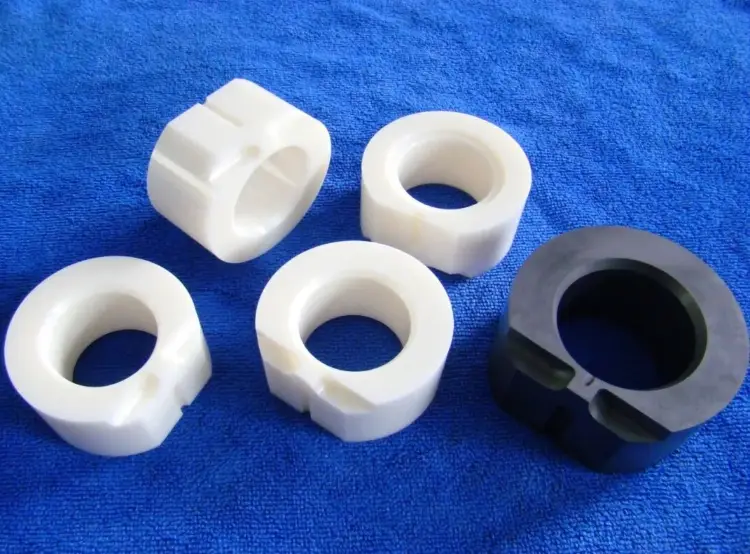
3 Material-Selection Misconceptions to Avoid
Teflon™ Is Always Stronger Than Generic PTFE
Material strength depends on the exact grade, filler, and stock condition. A brand name cannot replace technical data. Generic PTFE filled with glass, carbon, or bronze can provide greater rigidity and wear resistance than unfilled Teflon™ PTFE.
Teflon™ Always Produces a Better Machined Surface
CNC surface quality is primarily controlled by stock porosity, cutting-edge sharpness, cutting parameters, workholding, and deburring. Even when branded resin is used, poor stock sintering or inadequate machining control can still cause surface pulling, burrs, and dimensional variation.
Teflon™ Automatically Meets FDA or Aerospace Requirements
A brand name does not demonstrate regulatory compliance. Food, medical, and aerospace projects must verify the exact material grade, conditions of use, customer material specification, and batch documentation.
What Information Should Be Included in a PTFE or Teflon™ Custom Parts RFQ?
A complete RFQ should organize the project requirements into four categories:
- Material: Exact polymer, grade, filler, brand restriction, and permitted substitutes.
- Function: Fluid medium, temperature, pressure, load, friction, and electrical requirements.
- Manufacturing: 2D drawing, 3D model, critical tolerances, inspection datums, and surface requirements.
- Documentation: Material certificates, batch traceability, regulatory documents, inspection reports, and packaging requirements.
When Teflon™ is mandatory, the RFQ should identify whether the material is PTFE, PFA, FEP, or ETFE and provide the exact product grade. Specifying only “Teflon material” does not provide enough information for an accurate quotation.
How Should a PTFE and Teflon Precision Machining Supplier Be Evaluated?
Supplier evaluation should focus on 5 core capabilities.
Material Identification
The supplier must correctly distinguish PTFE, PFA, FEP, and ETFE and identify unfilled, modified, and filled grades. Selecting the wrong fluoropolymer can lead to an incorrect machining process and inadequate service performance.
Batch Traceability
For a specified Teflon™ project, the supplier should trace the finished parts back to the stock shape and original resin grade. Projects using non-brand-restricted PTFE should still retain stock batch records and material certificates.
Soft-Material Machining Experience
The machine shop should understand low-pressure workholding, sharp-tool management, staged machining, and dimensional stabilization. Conventional metal-machining experience alone does not provide all the process knowledge required for precision PTFE parts.
Inspection Capability
Thin-walled parts, sealing components, and precision fits require temperature-controlled, low-force, or optical inspection. Inspection reports should record the measurement conditions to prevent disputes caused by differences in temperature or measuring force.
Cleaning and Packaging
Parts for food, medical, and semiconductor equipment require suitable cleaning, segregation, and packaging procedures to prevent contamination from metal chips, oils, abrasives, and packaging fibers.
Weldo can review PTFE and Teflon™ material requirements from customer drawings and confirm the grade, stock form, filler, documentation, tolerance, cleaning, and packaging requirements. For orders requiring a specified brand, material availability, batch traceability, minimum order quantity, and actual lead time are verified during the quotation stage.
Conclusion – Get Expert Assistance
PTFE and Teflon share nearly identical chemical and physical properties, but they differ in certification, consistency, and cost. Choosing the correct material ensures long-term reliability, corrosion resistance, and ideal CNC machining performance.
For expert consultation and support on PTFE/Teflon machining, contact Weldo Machining for detailed guidance, accurate material selection, and custom manufacturing solutions.
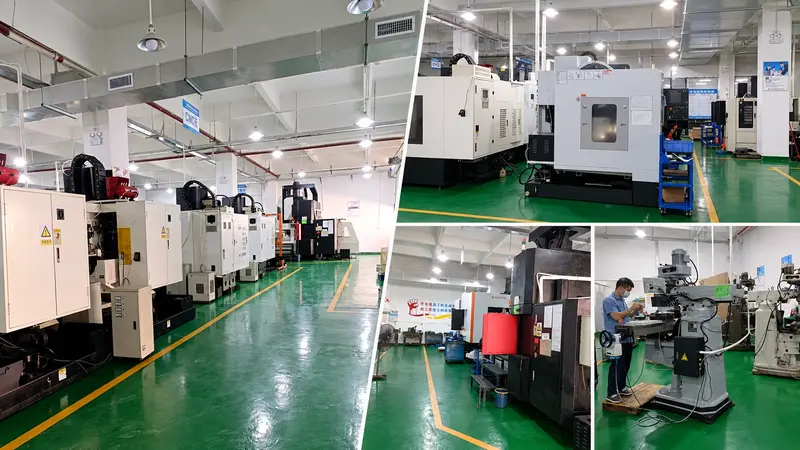
FAQ of PTFE vs Teflon CNC machining
Is there any machining performance difference between PTFE and Teflon?
Both machine similarly, but Teflon offers more predictable behavior due to higher purity and better batch consistency, which benefits tight-tolerance CNC parts.
Does Teflon provide better surface finish than generic PTFE?
Yes. Teflon’s controlled purity often results in slightly smoother finishes, especially on sealing surfaces, low-friction sliders, and medical-grade machined parts.
Can PTFE and Teflon be used for high-precision CNC components?
Yes. Both materials can achieve ±0.02–0.05 mm tolerances, though Teflon is preferred in applications where stable repeatability and documented quality are required.
Do PTFE and Teflon require special cooling during CNC machining?
Both materials benefit from air blast or gentle coolant to avoid thermal expansion, chip adhesion, and surface softening. Proper heat control improves finish quality.
Is Teflon™ PTFE Easier to Machine Than Generic PTFE?
Not necessarily. When the polymer type, filler, and stock condition are equivalent, the machining methods are essentially the same. Machining stability depends mainly on stock quality, cutting tools, workholding, and temperature control.
Can Teflon™ PTFE Hold Tighter Tolerances?
The brand does not eliminate PTFE’s inherent low rigidity, high thermal expansion, or creep. Tight tolerances still depend on suitable part geometry, stable stock, dedicated fixtures, and controlled inspection.
How Can a Buyer Confirm That the Part Was Made from Teflon™ Material?
The Chemours product grade, resin batch, stock-shape batch, and CNC production order must be connected through traceable documentation. A “Teflon” label without supply-chain records is not sufficient proof.
Can Teflon™ PFA Replace Teflon™ PTFE?
Not directly. PFA and PTFE have different forming methods, rigidity, creep behavior, permeation performance, and joining processes. A material substitution requires renewed design and process validation.
Can Non-Branded PTFE Be Used for Critical Components?
Yes. Non-brand-restricted PTFE can be used for critical components when the exact grade, properties, stock quality, batch traceability, and inspection results comply with the project specification.