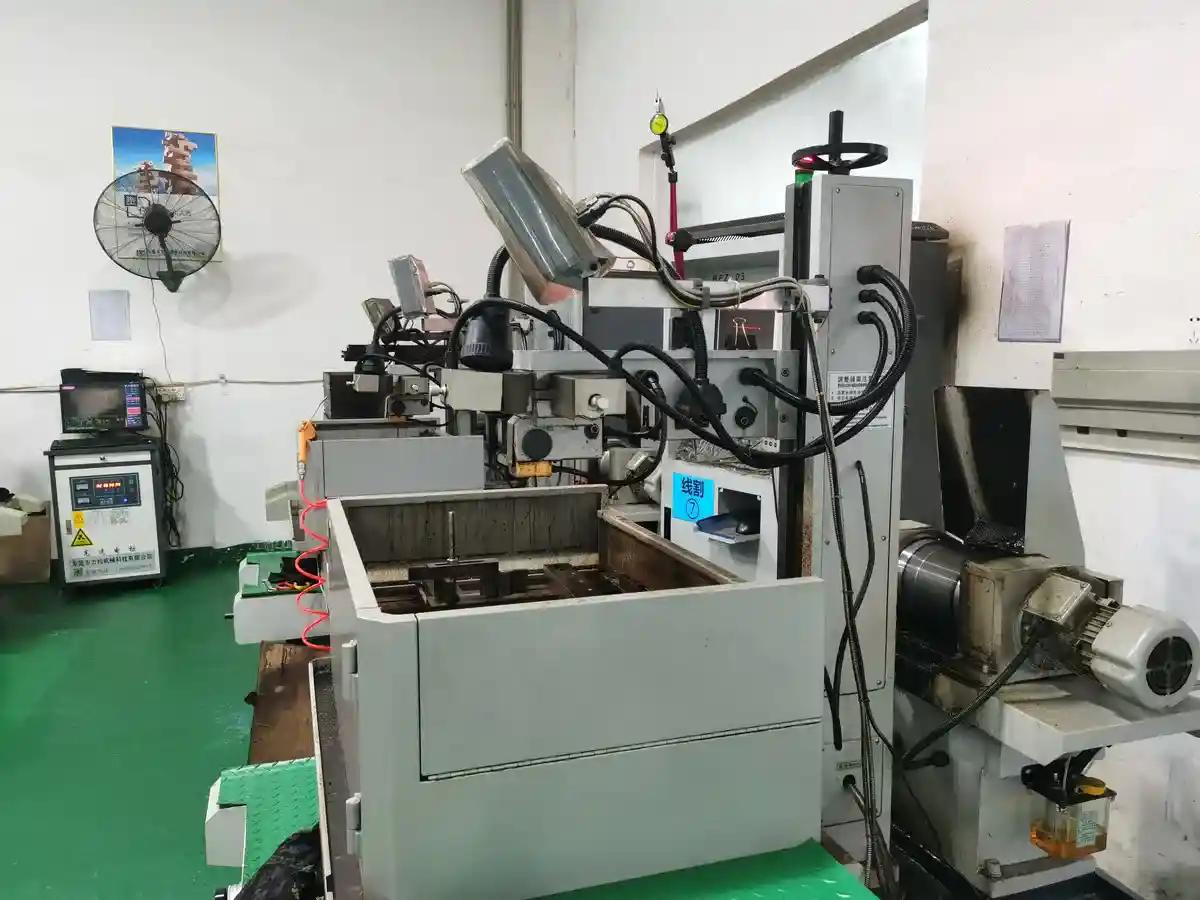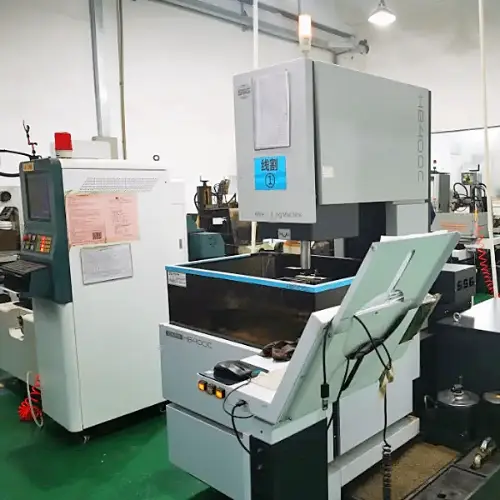
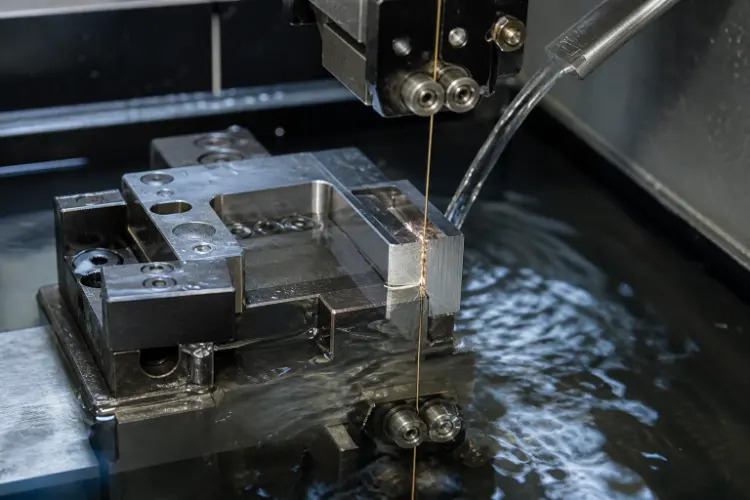
Wire EDM machining
Non-Contact Precision Cutting

Precision Wire EDM Machining

Wire EDM cuts electrically conductive materials with controlled electrical discharges, producing complex profiles, narrow slots and fine internal details without mechanical cutting force.

Typical Accuracy±0.001–0.01 mm*
Surface RoughnessBelow Ra 0.8 μm*
Material HardnessConductive Materials, Including HRC 60+
ProductionPrototype to Batch
SteelStainless SteelCarbideTitaniumCopperGraphiteConductive Ceramics
Contact us

*Final accuracy, corner radius, slot width and finish depend on wire diameter, material thickness, geometry, cut strategy and inspection method.

Electrical Discharge Cutting

How Wire EDM Works

A thin brass or molybdenum wire acts as an electrode. Controlled sparks melt and vaporize microscopic areas of the conductive workpiece while dielectric fluid removes debris and stabilizes the discharge gap.

01

Program the Profile

Convert the drawing into a controlled cutting path and offset strategy.

02

Thread and Align

Set wire diameter, tension, guides, workpiece datum and dielectric conditions.

03

Discharge Cutting

Electrical pulses remove material without mechanical cutting pressure.

04

Finish and Inspect

Additional skim cuts improve dimensions and surface finish before inspection.

Wire EDM machining close-up
Choose the Right Wire Process

Fast, Medium and Slow Wire EDM

The process is selected by tolerance, surface finish, material thickness, geometry, production volume and budget.

Fast Wire EDM

Fast Wire EDM

Reusable molybdenum wire for economical cutting of general conductive parts.

General accuracy and faster, cost-focused production.
Medium Wire EDM

Medium Wire EDM

Combines faster rough cutting with controlled finishing passes.

Balanced accuracy, finish and production efficiency.
Slow Wire EDM

Slow Wire EDM

Uses single-pass brass or coated wire with multiple precision cuts.

Best choice for tight tolerance and fine surface quality.
ComparisonFast WireMedium WireSlow Wire
Wire movementHigh-speed reciprocatingControlled reciprocatingLow-speed unidirectional
Typical accuracyGeneral precisionAbout ±0.005–0.01 mmAbout ±0.001–0.005 mm
Surface finishRougher finishRa 0.8–3.2 μmRa 0.1–0.8 μm
Conductive Material Range

Materials for Wire EDM
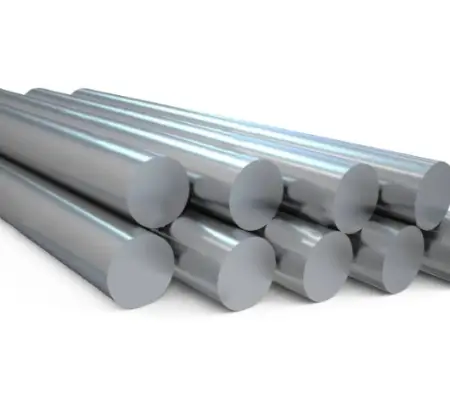
Wire EDM requires an electrically conductive workpiece. Material hardness is less limiting than conductivity, but thickness, heat behavior and flushing conditions still affect the process.

Aluminum for Wire EDM machining

Aluminum

Lightweight conductive parts, including 6061, 7075, 2024 and tooling plate.

Stainless Steel for Wire EDM machining

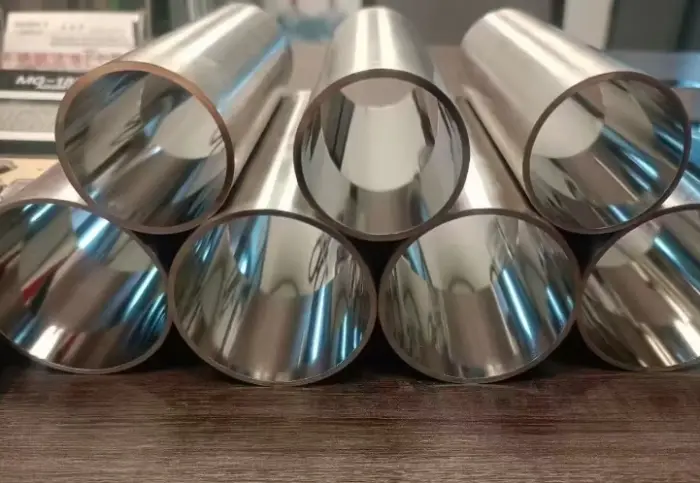
Stainless Steel

Corrosion-resistant medical, food-equipment, construction and automotive parts.

Steel and Carbide for Wire EDM machining

Steel and Carbide

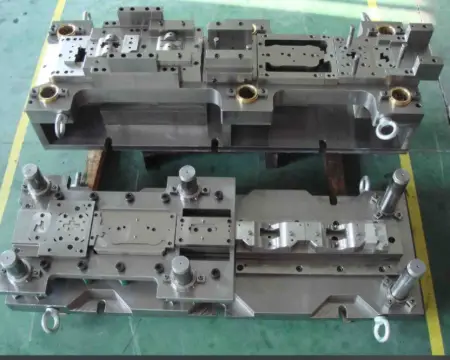
Hardened mold inserts, cutting tools, gears and wear-resistant components.

Copper and Brass for Wire EDM machining

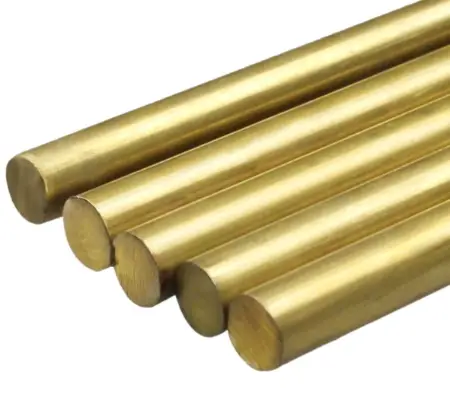
Copper and Brass

Conductive electrodes, contacts, inserts and precision components.

Titanium and High-Temp Alloys for Wire EDM machining

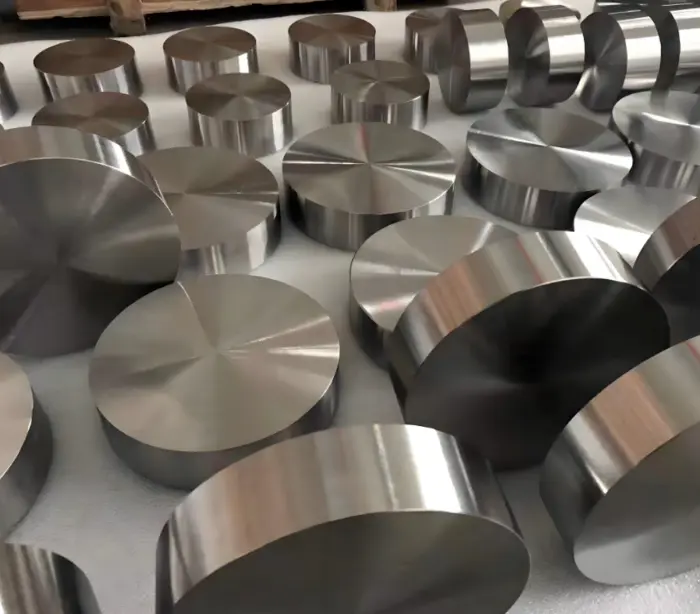
Titanium and High-Temp Alloys

Aerospace and medical components that are difficult to cut conventionally.

Tungsten and Molybdenum for Wire EDM machining

Tungsten and Molybdenum

High-melting-point conductive materials for precision profiles and features.

Graphite for Wire EDM machining

Graphite

EDM electrodes and molds requiring controlled, low-force machining.

Conductive Ceramics for Wire EDM machining

Conductive Ceramics

Hard, brittle conductive ceramics used in sensors and technical components.

Non-conductive plastics, glass and ordinary ceramics cannot be cut directly by standard Wire EDM.

Drawing-Based Capability

Wire EDM Capability and Advantages

Final capability is confirmed from the selected Wire EDM process, material, thickness, wire diameter, geometry, cut count and inspection requirements.

Typical accuracy±0.001–0.005 mm; tighter features require review
Surface roughnessBelow Ra 0.8 μm with a suitable finish-cut strategy
Feature controlNarrow slots and small internal radii depend on wire diameter and offset
Material conditionConductive materials, including hardened and difficult-to-cut grades
ProductionPrototype, low-volume and repeat batch cutting

High Precision

Supports fine profiles, narrow slots and controlled internal details.

No Cutting Force

Avoids mechanical load on thin, delicate or hardened workpieces.

Complex Geometry

Cuts intricate 2D profiles, tapers, small radii and hard-to-access features.

Hard Materials

Processes hardened steel, carbide, titanium and other conductive alloys.

Stable Automation

CNC control and automatic threading support long production cycles.

Controlled Finish

Multiple skim cuts improve dimensions and reduce surface roughness.

Wire EDM creates a thermal recast or oxide layer. Critical sealing, fatigue, medical or surface-integrity requirements may need additional skim cuts, cleaning or finishing.

Send Your Drawing for Capability Review
From Drawing to Inspection

Wire EDM Process and Quality Control

Stable cutting requires coordinated programming, wire selection, discharge parameters, dielectric control and dimensional inspection.

01

Drawing Review

Confirm datum, profile, start hole, taper, tolerance, roughness and material thickness.

02

Process Setup

Select wire diameter, tension, offset, pulse settings and dielectric conditions.

03

Rough and Skim Cuts

Use controlled passes to balance cutting time, dimensional accuracy and finish.

04

Inspection and Release

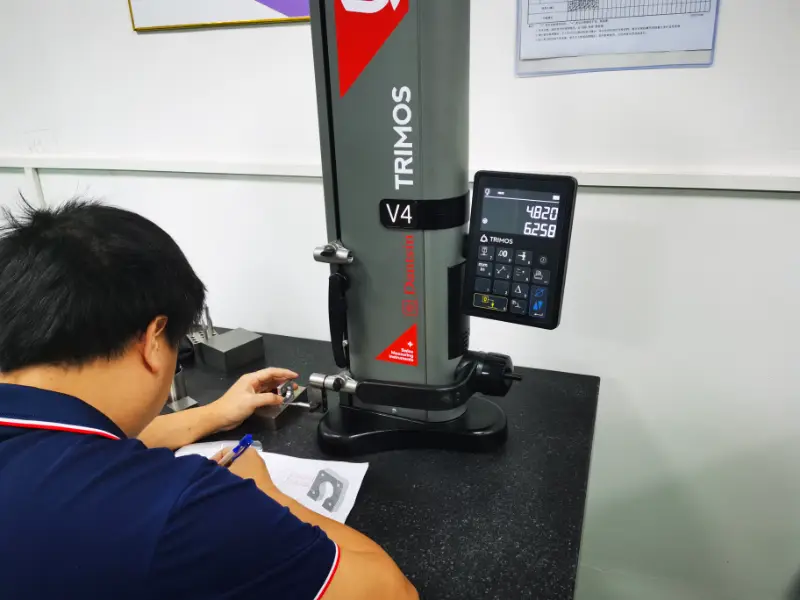
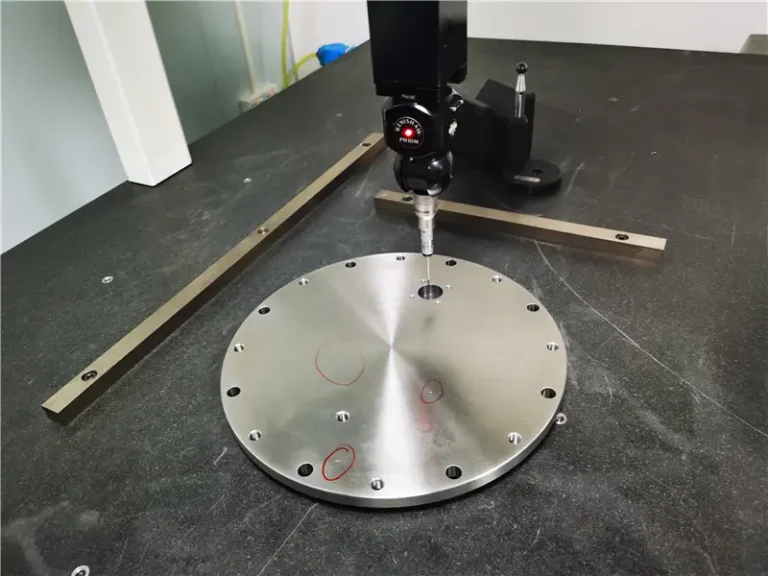
Measure critical profiles and dimensions, then clean and protect the finished parts.

Complex Conductive Components

Wire EDM Applications

Wire EDM is most valuable when conventional cutting tools cannot reach the geometry, material hardness or low-force requirement.

Applications of Wire EDM machining

Mold Manufacturing

Cavities, inserts, cooling features and precision mold components.

Aerospace

Engine components, turbine features and complex conductive-alloy profiles.

Automotive

Fuel nozzles, cooling features, gears and precision powertrain components.

Medical Devices

Surgical instruments, dental tools and fine conductive components.

Precision Machinery

Gears, bearings, cutting tools and narrow precision slots.

Energy Equipment

High-strength and corrosion-resistant components for demanding systems.

Metalworking and Art

Intricate engravings, jewelry components and decorative profiles.

Wire EDM FAQ

Frequently Asked Questions

Concise guidance on Wire EDM accuracy, materials, process selection, surface condition and quote files.

What is the working principle of Wire EDM?

A thin wire electrode creates controlled electrical sparks that remove microscopic areas of conductive material while dielectric fluid carries away debris.

What accuracy can Wire EDM achieve?

Typical work can reach about ±0.002–0.005 mm. Final capability depends on machine type, wire, material, thickness, geometry, cut count and inspection.

Which materials can Wire EDM cut?

Wire EDM cuts electrically conductive materials such as steel, stainless steel, carbide, titanium, copper alloys, graphite and conductive ceramics.

How does Wire EDM compare with milling?

Wire EDM is slower for simple bulk removal but excels at hard materials, narrow slots, intricate profiles and delicate parts because it creates no mechanical cutting force.

Does Wire EDM leave a surface layer?

Yes. Electrical discharge can create a recast or oxide layer. Skim cuts, cleaning, polishing or other finishing may be required by the application.

What files are needed for a quote?

Provide a STEP or IGES model plus a PDF or DWG drawing showing the profile, datum, tolerances, start holes, roughness, material, thickness and quantity.

Send Your Wire EDM Project for Review

Include the material, thickness, quantity, cutting profile, start holes, taper, tolerance, roughness and inspection requirements.

Upload Wire EDM Files
1Upload STEP, IGES, PDF or DWG
2Confirm Material, Thickness and Quantity
3Receive Process Feedback and Quote