
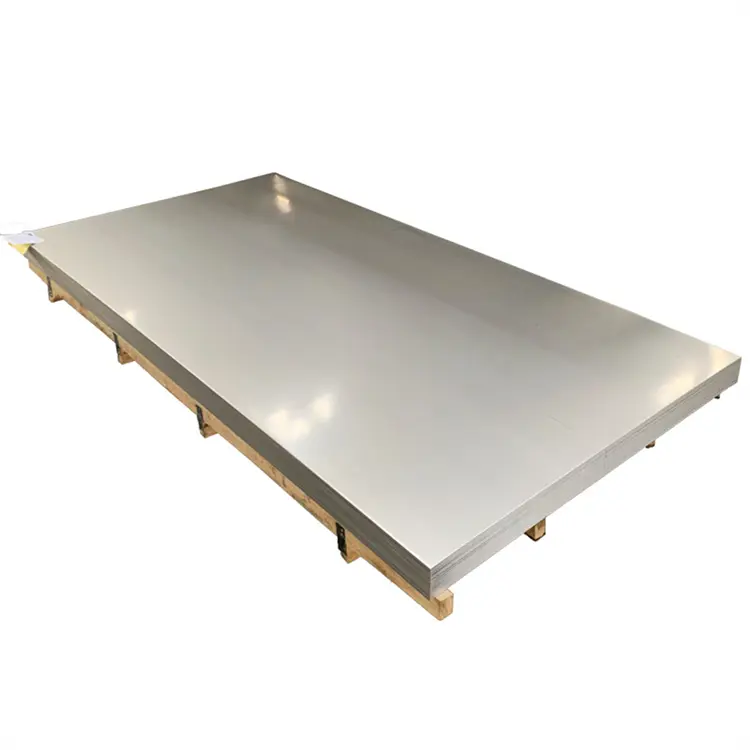
430 stainless steel is a general-purpose ferritic stainless steel with moderate corrosion resistance and strong magnetism, making it a cost-effective choice for high-volume precision part machining.
Its naming convention is straightforward: the trailing number indicates a chromium content of about 17%, and the industry commonly calls it 17/0 stainless steel—the “0” means it contains almost no nickel, which is the core cost difference between it and 304. In the annealed state, its hardness is only 150–200 HB, standard tooling can handle CNC cutting with ease, and material cost is just 50%–60% of 304.
What Is 430 Stainless Steel?
- A typical ferritic stainless steel with carbon ≤0.12% and chromium 16%–18%
- The metallographic structure remains body-centered cubic ferrite from room temperature all the way to the melting point, with no phase transformation
- Cannot be hardened by quenching—this is the fundamental difference from martensitic steels like 440C
- Performance-wise, it sits between 409 and 440C, balancing rust prevention, machinability, and cost
- The second most widely used stainless steel category in industry, behind only 304
Core Chemical Composition of 430 Stainless Steel
The following data is based on the ASTM A240/A240M standard, the international general specification for chromium and chromium-nickel stainless steel plate, sheet, and strip for pressure vessels and general applications.
表格
| Element | Content (wt%) | Key Industrial Role |
|---|---|---|
| Chromium Cr | 16.0–18.0 | Forms a dense chromium oxide passivation layer, providing fundamental rust resistance |
| Carbon C | ≤ 0.12 | Controls hardness; lower content improves ductility |
| Manganese Mn | ≤ 1.00 | Deoxidizer during smelting, improves hot workability |
| Silicon Si | ≤ 1.00 | Auxiliary deoxidizer, enhances high-temperature oxidation resistance |
| Phosphorus P | ≤ 0.045 | Residual impurity, must be strictly controlled to avoid low-temperature embrittlement |
| Sulfur S | ≤ 0.030 | Residual impurity, low content ensures ductility |
| Iron Fe | Balance | Structural base metal |
The extremely low nickel content is 430’s biggest cost advantage, driving material pricing down to half that of austenitic stainless steels. Small amounts of manganese and silicon serve as deoxidizers during smelting, preventing gas porosity inside the molten steel.
Grade equivalents: Chinese GB standard 10Cr17, American ASTM standard Type 430 (UNS S43000), Japanese JIS standard SUS430, European EN standard 1.4016.
Why Is 430 Stainless Steel Suitable for CNC Machining?
In the annealed state, hardness is only 150–200 HB, cutting resistance is low, and standard carbide tooling handles it with ease. The absence of nickel gives the material moderate toughness, chips don’t tend to stick to the tool. Thermal conductivity is about 26 W/(m·K), 70% higher than 304, so heat dissipates quickly from the cutting zone and tool life is noticeably extended.
Work hardening tendency is moderate—as long as parameters are set correctly, the surface won’t get progressively harder. Strong magnetism is a double-edged sword: electromagnetic chucks make clamping convenient, but chips stick to the workpiece surface and require additional demagnetization. Since it cannot be hardened by quenching, heat treatment procedures are simple—only stress-relief annealing is needed after machining.
Core Mechanical Properties of 430 Stainless Steel
| Property | Typical Value |
|---|---|
| Hardness | 150–200 HB |
| Tensile Strength | 450–600 MPa |
| Yield Strength | 205–310 MPa |
| Elongation | ≥ 22% |
| Density | 7.75 g/cm³ |
| Elastic Modulus | 200 GPa |
An elongation of ≥22% means sufficient plastic deformation before fracture, so the material is unlikely to suddenly crack during machining. Yield strength of 205–310 MPa requires evenly distributed clamping pressure—concentrated force at a single point will leave indentations. With an elastic modulus of 200 GPa, thin-walled parts need controlled depth of cut to avoid deflection that leads to out-of-tolerance dimensions.
Compared to 304, 430 has slightly lower hardness and is easier to cut, but both tensile and yield strength are lower than 304, making it unsuitable for high-load applications. The two have similar elongation, so machining safety is comparable.
Corrosion Resistance of 430 Stainless Steel
430 performs well in oxidizing acids, organic acids, and atmospheric environments—its everyday rust prevention is perfectly adequate. The chromium oxide passivation layer formed by the 16%–18% chromium content is the fundamental guarantee of rust resistance, but this passive film has clear weaknesses: it cannot withstand strong acids and is sensitive to chloride ions, so seaside or saltwater-contact applications are not recommended.
Pitting resistance is weaker than 304, posing a localized corrosion risk in chloride-containing environments. Intergranular corrosion resistance is also relatively poor, and the heat-affected zone after welding is prone to problems. If the part requires subsequent welding and assembly, 430 is not the optimal choice.
Physical Properties of 430 Stainless Steel
Strong magnetism is 430’s most prominent physical label—parts requiring magnetic response, such as solenoid valve cores and sensor housings, are a natural fit.
In terms of electrical conductivity, resistivity is about 60 μΩ·cm, somewhat better than 304’s 72 μΩ·cm, but nowhere near the same league as copper or aluminum, so high-current conduction scenarios are out of the question.
Thermal conductivity is worth noting: about 26 W/(m·K), roughly 70% higher than 304, which helps control tool temperature and extend tool life. Density is 7.75 g/cm³, slightly lighter than 304—keep this distinction in mind when calculating part weight.
Machining Challenges and Countermeasures for 430 Stainless Steel
Chip Control
Chips tend to be long and prone to tangling, which can mar the surface or even cause edge chipping. Use chipbreaker tooling, increase feed rate, and apply high-pressure coolant to break chips.
Work Hardening
With improper parameters, the surface gets progressively harder. Maintain sufficient cutting speed and don’t be conservative with feed—keep the tool continuously cutting into fresh material rather than rubbing the surface repeatedly.
Stress Cracking
Cold working deformation exceeding 15% carries a micro-cracking risk. Distribute clamping force evenly, keep single-pass depth of cut reasonable, and perform stress-relief annealing promptly after machining.
Magnetic Interference
Chips stick to the workpiece and fixture, and residual iron filings can scratch mating surfaces. Demagnetize or high-pressure clean after machining—demagnetization is essential for solenoid valve core type parts.
Weldability of 430 Stainless Steel
Weldability is 430’s most obvious shortcoming compared to 304. At high temperatures, grains in the heat-affected zone grow rapidly, and the material becomes brittle upon cooling. Even more troublesome is that chromium and carbon combine to precipitate chromium carbides, depleting chromium at grain boundaries and severely degrading corrosion resistance.
If welding is unavoidable: preheat to 150–200°C before welding, immediately anneal at 760–815°C after welding, and use 308 or 309 austenitic welding rods to compensate for weld brittleness. Even so, joint strength and toughness will still be lower than the base metal—design to avoid high-stress areas. For applications requiring frequent welding, prioritize 304.
Heat Treatment Processes for 430 Stainless Steel
430 cannot be hardened by quenching. Heat treatment involves only two steps, with high process tolerance.
Annealing
Heat to 760–815°C, slow cool in the furnace, hardness drops to 150–180 HB—this is the optimal state for CNC machining.
Stress-Relief Annealing
After machining, heat to 650–700°C, hold for 1–2 hours, air cool. This eliminates residual stress and prevents subsequent deformation or cracking.
Common Supply Forms of 430 Stainless Steel
- Cold-Rolled Sheet: High surface finish, tight tolerance control, directly suitable for stamping and precision part machining
- Hot-Rolled Plate: Thickness 3–100 mm, surface with mill scale, suitable for structural parts with lower surface requirements
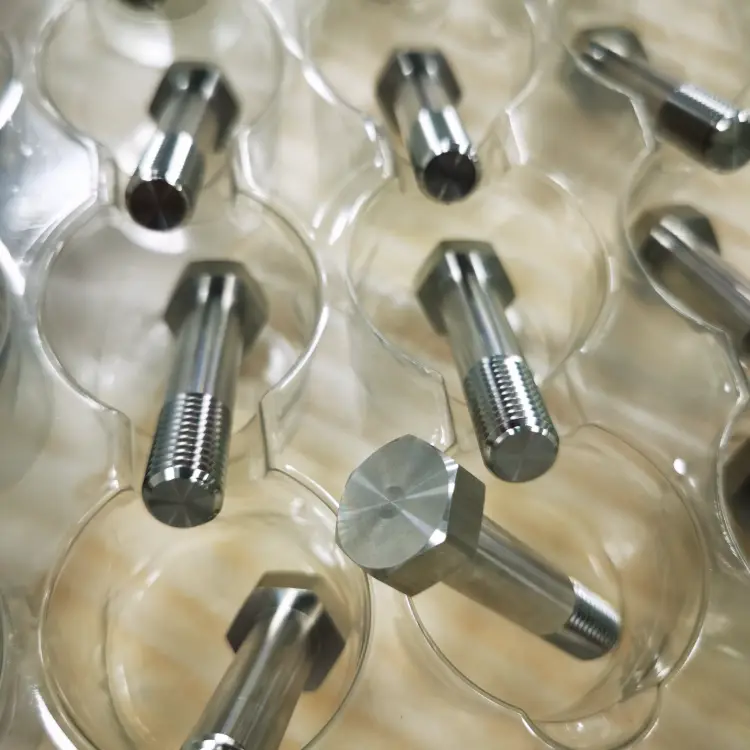
- Steel Bar: Hot-rolled or forged into round, square, or hexagonal bars, supplied in annealed condition, suitable for shafts and fasteners
- Steel Strip: Thickness 1–3 mm, uniform width specifications, the preferred raw material for stamping blades and thin-walled parts
- Wire: Supplied in coil form, used for springs, welding wire, and cold-heading of fasteners
Typical Application Scenarios for 430 Stainless Steel
Home Appliances
Washing machine inner tubs, dishwasher racks, microwave oven cavities. Strong magnetism works with electromagnetic door locks, rust resistance meets everyday humid environments, and cost is far lower than 304.
Automotive Components
Exhaust pipe trim covers, fuel filter housings, brake system sensor brackets. Heat resistance is adequate, magnetism facilitates assembly positioning, and cost control advantages are significant.
Industrial Automation
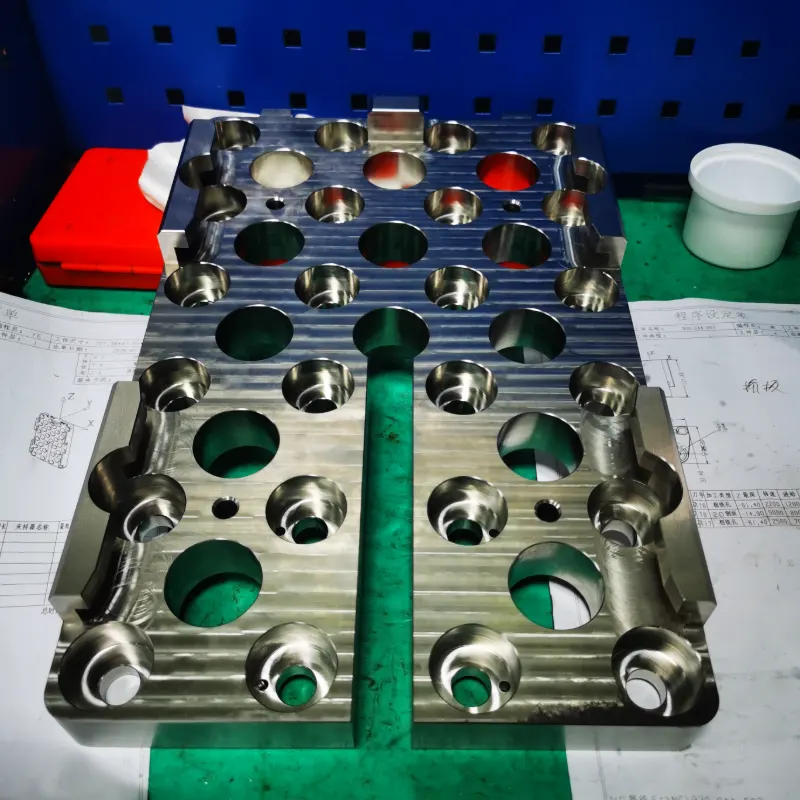
Solenoid valve cores, sensor housings, magnetic chuck accessories. Strong magnetism is a natural advantage, and annealed hardness is moderate for precision machining.
Household Hardware
Knife handles, tableware, sinks, decorative trim. Basic rust resistance is sufficient, polished surface quality is good, and low material cost suits high-volume production.
Architectural Decoration
Elevator panels, door handles, interior decorative trim. Surface can be brushed or mirror-polished, visual effect approaches 304 but at significantly lower cost.
Surface Treatment Options for 430 Stainless Steel
- Sandblasting: Matte texture, masks machining marks, suitable for cosmetic parts
- Brushing: Long-grain or short-grain texture, fingerprint-resistant, commonly used for appliance panels
- Mirror Polishing: High-gloss effect, highly decorative, but requires scratch-prevention in daily maintenance
- Passivation: Acid pickling to remove free iron from the surface, strengthens the chromium oxide layer, enhances rust resistance
- Electroplating/Coating: Chrome plating or ceramic coating to further improve corrosion and wear resistance
Key Performance Comparison: 430 vs. 304
| Comparison Dimension | 430 SS | 304 SS |
|---|---|---|
| Tensile Strength | 450–600 MPa | 515–720 MPa |
| Yield Strength | 205–310 MPa | ≥ 205 MPa |
| Weldability | Poor, requires post-weld annealing | Excellent |
| Magnetism | Strongly magnetic | Weakly magnetic or non-magnetic |
| Electrical Conductivity | 60 μΩ·cm | 72 μΩ·cm |
| Cost | Low, about 50%–60% of 304 | High |
430 vs. 304: 3-Sentence Material Selection guide
- If welding or corrosion resistance is needed, choose 304.
- If magnetism or extreme cost control is needed, choose 430.
- The strength difference is not significant—don’t blindly choose 304 just for “greater toughness.”
Daily Maintenance and Rust Prevention Guide for 430 Stainless Steel
430 falls into the basic corrosion resistance category—it is not completely rust-proof and can still rust under harsh conditions. Simple maintenance can significantly extend part life.
- After contact with water or humid environments, wipe dry promptly; a thin layer of mineral oil on the surface can form a protective barrier
- Avoid high-chloride environments such as saltwater and seawater—chloride ions will break down the passive layer and cause pitting
- Do not clean with steel wool or steel brushes—adhered iron particles will form galvanic cells and accelerate rusting
- If rust spots appear on the surface, treat promptly with passivation paste to restore the chromium oxide protective layer
- For long-term storage, keep dry and avoid direct contact with carbon steel parts
Summary
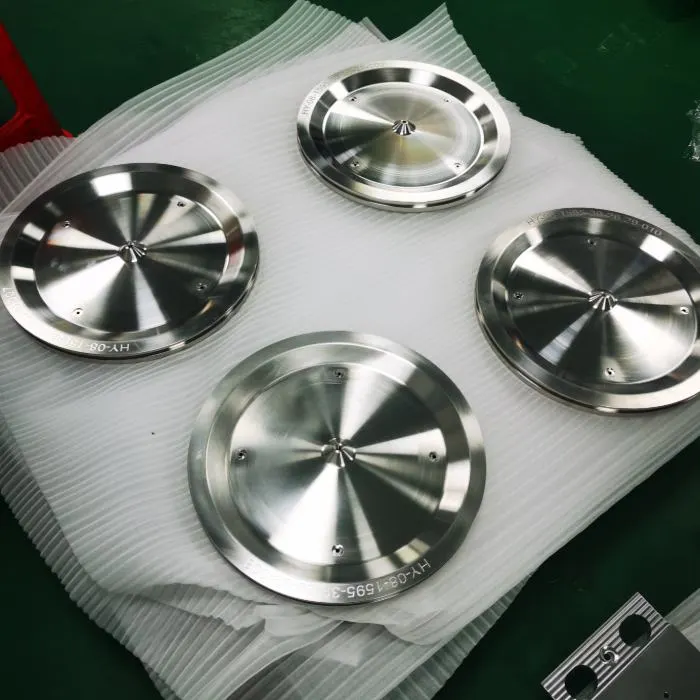
The core positioning of 430 stainless steel is clear: the go-to ferritic stainless steel for cost-sensitive projects. It sacrifices some corrosion resistance and weldability in exchange for half the material cost of 304, a smoother cutting experience, and natural strong magnetism.
For high-volume precision parts in home appliances, automotive, and industrial automation, 430 is a market-proven, mature choice. As long as the operating conditions do not involve strong acids, chloride ions, or frequent welding, 430 is fully capable. When selecting materials, remember one phrase: good enough is enough—over-specifying materials only adds unnecessary cost.