
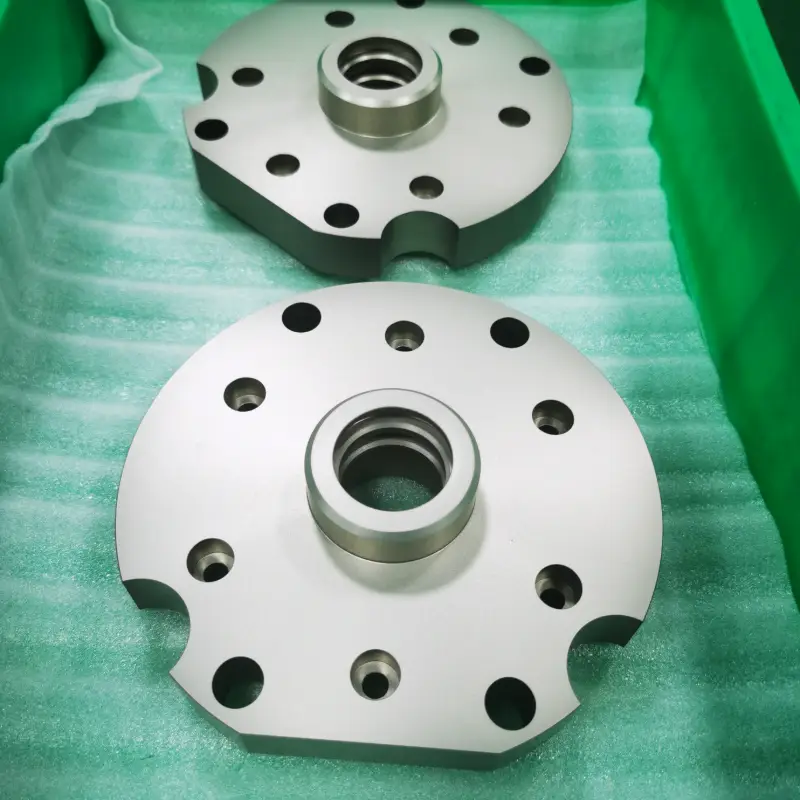
Aluminum CNC Machining Services
Custom aluminum parts made to drawing, from alloy and temper selection to machining, finishing, and inspection. Match low weight, strength, corrosion resistance, and appearance to the actual application.
- 3-, 4- & 5-Axis Machining
- Vom Prototyp zur Produktion
- Endbearbeitung und Prüfung
Aluminum Properties Depend on Grade and Temper
Broad reference ranges help compare commonly machined alloys. They do not represent one material grade, supplied condition, or a complete engineering datasheet.
- Dichte
- 2.63–2.85g/cm³
- Zugfestigkeit
- 125–600MPa
- Streckgrenze
- 55–540MPa
- Elastischer Modul
- 68–72GPa
- Wärmeleitfähigkeit
- 120–235W/(m·K)
- Dehnung
- 3–25%
Values are indicative, not design allowables. Confirm the exact alloy, temper, product form, test conditions, and supplier data for the application.
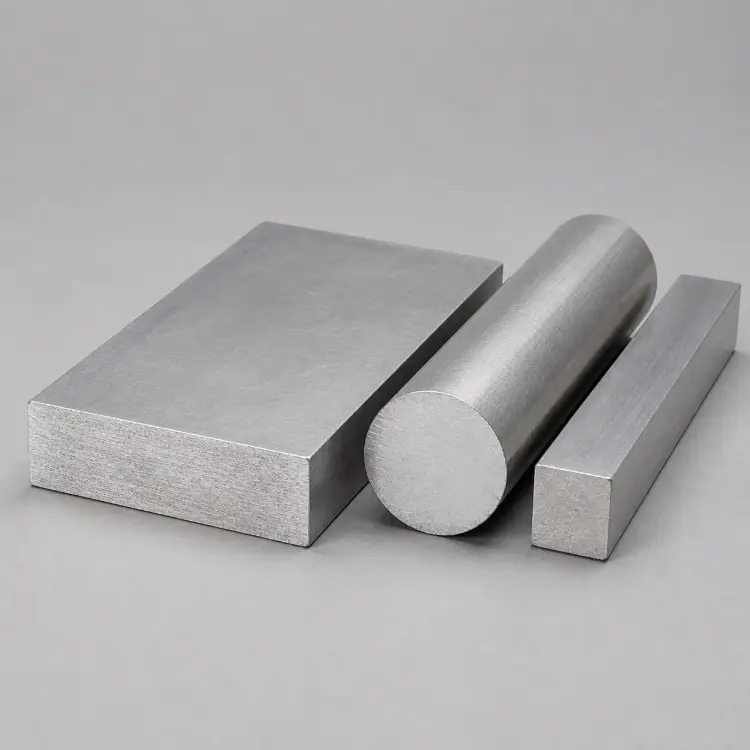
Choose the Aluminum Alloy for the Part
Compare alloy family, supplied condition, load, corrosion exposure, machining behavior, stability, and finish before choosing a grade.
Serie 2xxx
Strength and machining options for loaded components, with grade-specific corrosion and fabrication requirements.
View alloy details
- Typische Anwendungen
- Aircraft fittings, fasteners, gears, precision structures, and reviewed engineering components.
- Selection considerations
- Confirm exact grade, temper, product form, machinability, corrosion protection, and any fatigue or welding requirement rather than applying one property set to the whole family.
3xxx-Serie
Moderate strength, useful corrosion resistance, and good formability for lighter-duty applications.
View alloy details
- Typische Anwendungen
- Covers, tanks, housings, panels, and formed components with machined details.
- Selection considerations
- Review stock condition, clamping, thin sections, cutting behavior, and whether a higher-strength machined alloy is more appropriate. These alloys are not strengthened by T6 heat treatment.
5xxx-Serie
Corrosion-resistant, weldable alloy options for marine and general fabricated components.
View alloy details
- Typische Anwendungen
- Marine parts, tanks, enclosures, machined plates, and welded structures.
- Selection considerations
- Specify the required supplied condition, product form, environment, and welded properties. Mechanical behavior and machining stability are grade- and stock-dependent; T4/T5/T6 are not general 5xxx strengthening routes.
6xxx-Serie
Balanced structural, machining, corrosion, and finishing options for general precision parts.
View alloy details
- Typische Anwendungen
- Frames, housings, brackets, fixtures, rails, and general engineering components.
- Selection considerations
- Choose the actual grade and temper for strength, product form, machining, welding, and cosmetic finish. Specialized free-machining grades are not interchangeable with general structural grades.
7xxx-Serie
High-strength options for reviewed structural and heavily loaded components.
View alloy details
- Typische Anwendungen
- Aerospace structures, shafts, tooling, high-load supports, and weight-sensitive parts.
- Selection considerations
- Confirm temper, stock form, stress-corrosion requirements, finish, and fabrication route. Welding, fatigue, and corrosion behavior vary significantly by grade and condition.
Gusswerkzeugplatte
Stress-relieved cast tooling plate selected for stable flatness and predictable machining of fixtures and bases.
View alloy details
- Typische Anwendungen
- Vorrichtungen, Halterungen, Grundplatten, Werkzeuge und spannungsarme Präzisionskonstruktionen.
- Selection considerations
- Specify the exact product and supplied condition. Cast tooling plate is not interchangeable with wrought 6061 or another plate alloy solely by thickness or appearance.
State alloy, temper, product form, and required material records on the drawing or purchase specification. A family name does not define strength, weldability, fatigue behavior, or anodized appearance.
Aluminum Machining Capability References
Plan the machining route from the full geometry, stock condition, workholding, feature access, tolerance, and final inspection requirements.
Drawing-Based Parameters
| Workpiece-envelope reference | Up to 3000 × 1500 × 800 mm*Subject to machine selection, stock availability, workholding, access, and part geometry. |
|---|---|
| Thin-wall reference | From 0.5 mm*Depends on alloy, wall height, unsupported span, clamping, and the required final condition. |
| Ausgewählte Präzisionsmerkmale | ±0.01 mm*Accepted after feature-specific engineering and measurement review. |
| Bearbeitungsrauheit | Ra 0.8–3.2 µm*Tool access, material, surface geometry, and the specified measurement area affect the result. |
| Diameter references | Ø2 mm minimum / Ø500 mm maximum*Separate process-planning references. Confirm the feature type, operation, geometry, and equipment before applying either value. |
Key Engineering Controls
Stock and Supplied Condition
Review temper, product form, residual-stress condition, flatness, and any material certificate requirements.
Balanced Material Removal
Plan roughing, finishing, support, and clamping to reduce movement in thin, pocketed, or asymmetric parts.
Functional Feature Definition
Identify datum faces, fits, bores, threads, sealing areas, and surfaces needing individual tolerances.
Finish and Final Inspection
Allow for coating or material removal, specify masking, and define whether dimensions are accepted before or after finishing.
*Quotation references, not universal limits. Maximum envelope, thin walls, diameter limits, precision, and roughness are reviewed independently and should not be assumed achievable together.
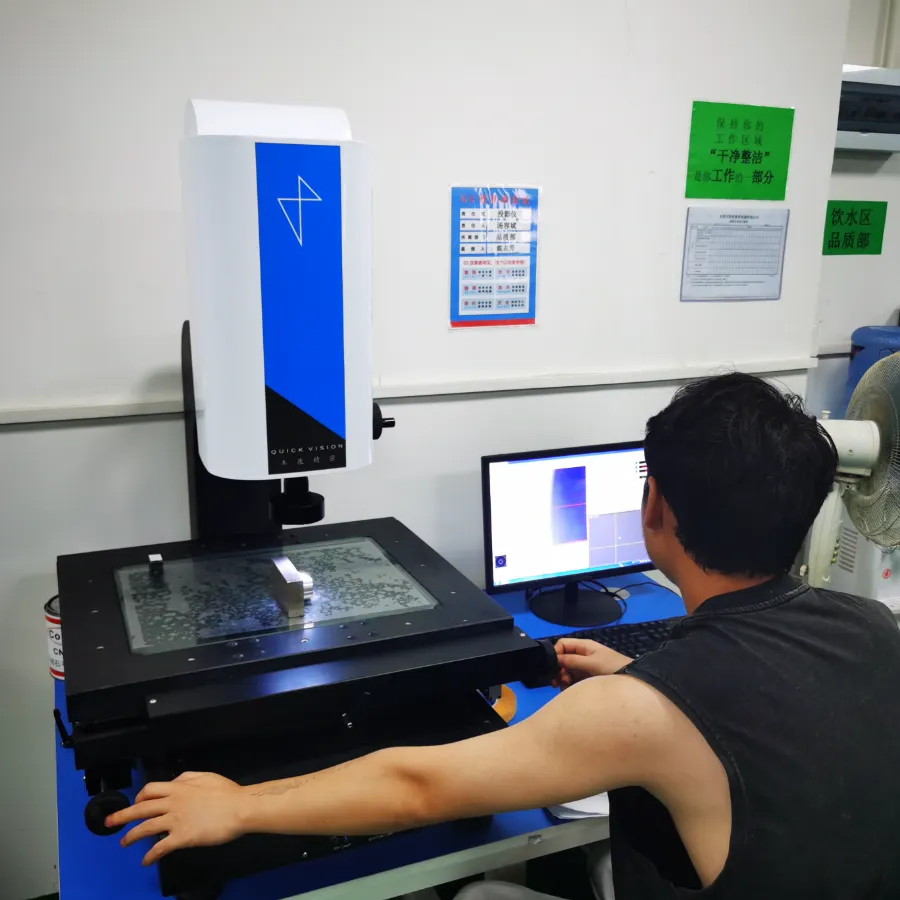
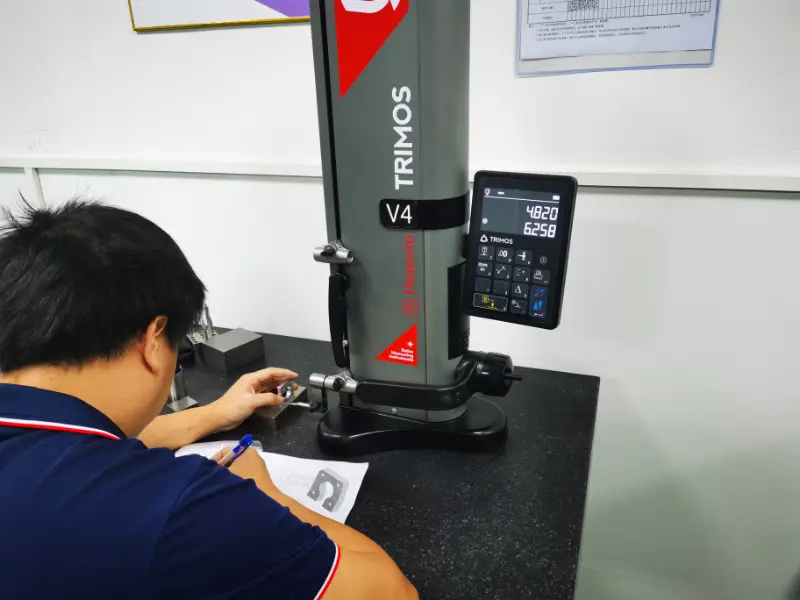
Machining and Inspection Resources
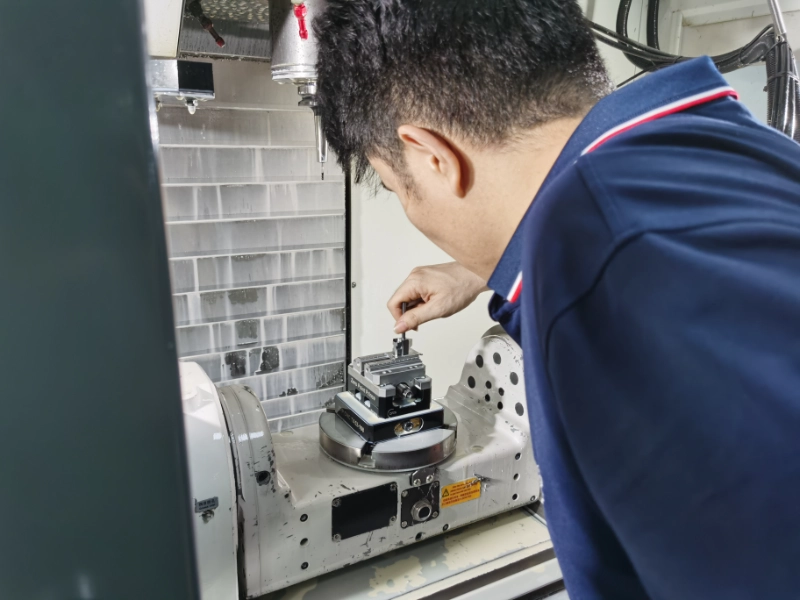
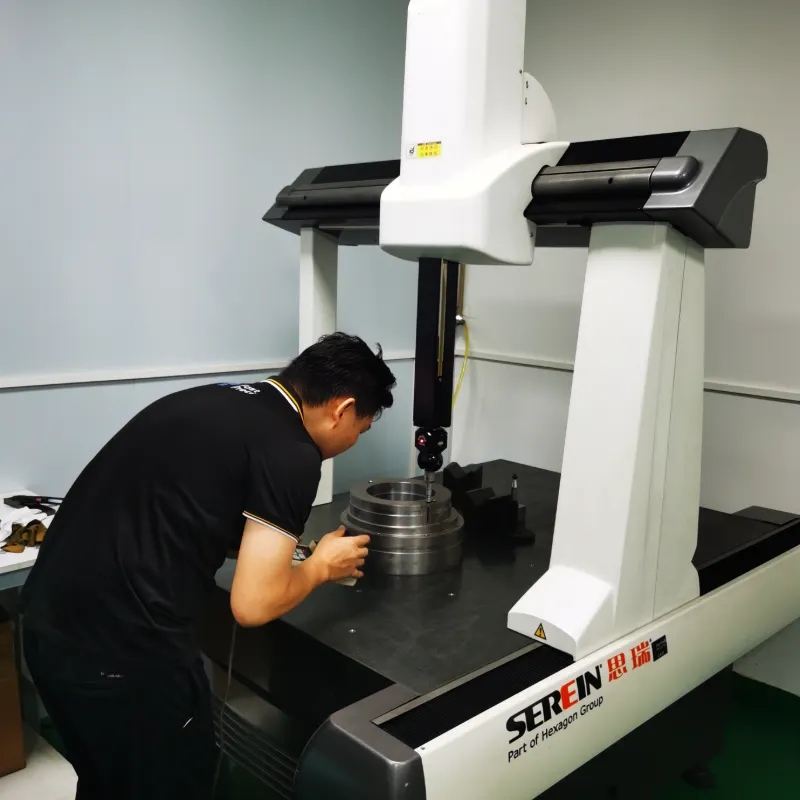
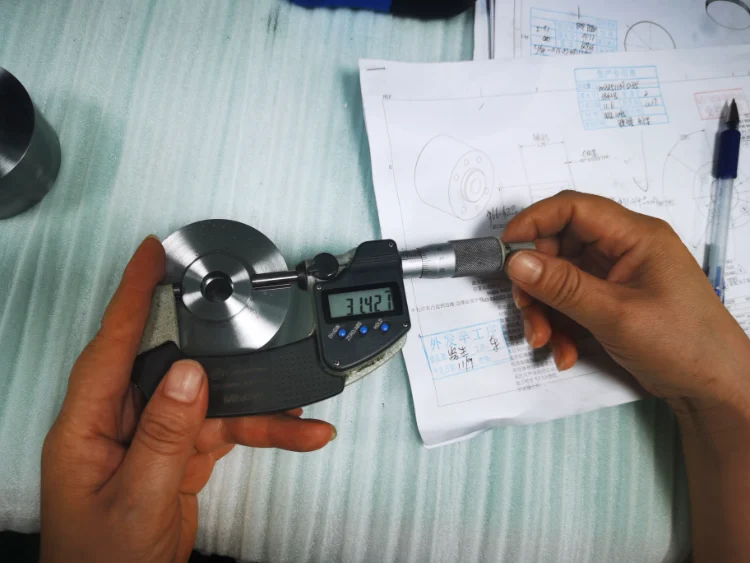
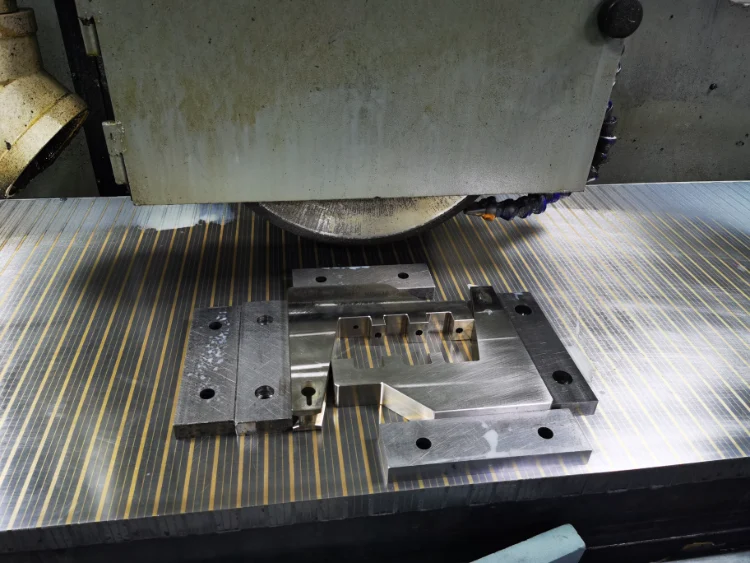
Machining, grinding, EDM, and suitable dimensional inspection support the agreed route for aluminum parts.
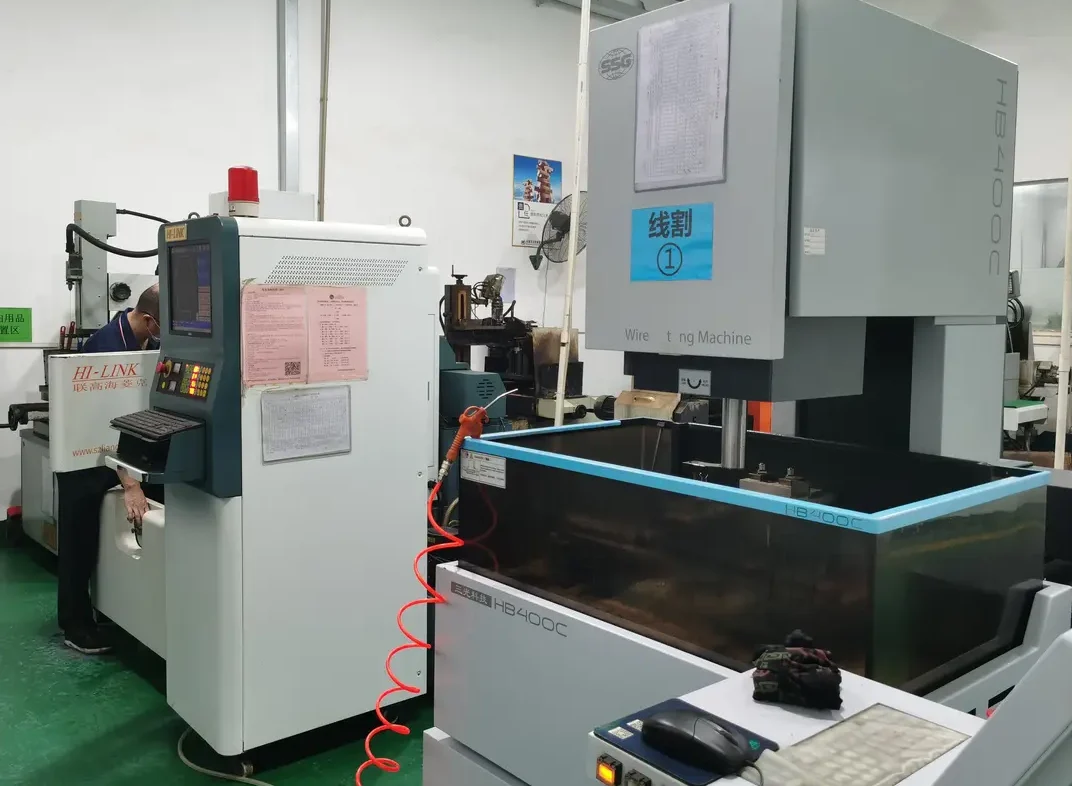
Oberflächenbehandlungen für Aluminiumteile
Define the finish by corrosion, wear, appearance, conductivity, and final dimensions. Alloy and temper also influence the result.
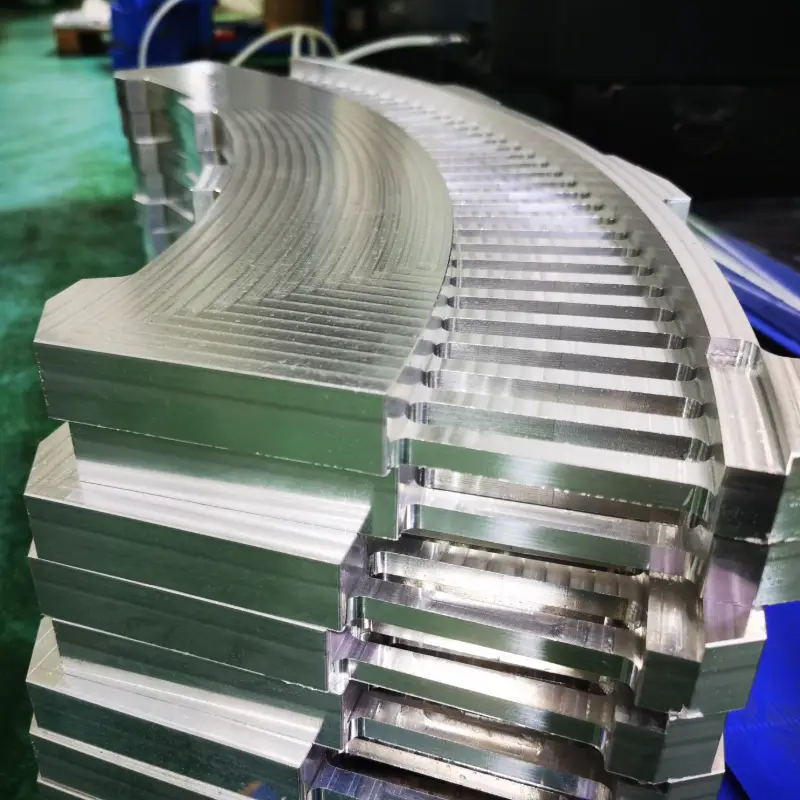
Bearbeitete Oberfläche
Visible tool texture with specified deburring and edge control. Define any critical surface roughness or cosmetic faces.
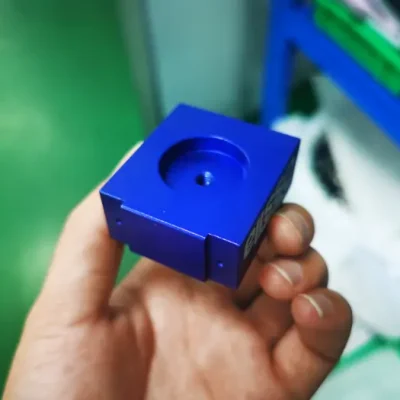
Eloxieren
Protective, decorative, or hard-anodized systems matched to alloy, appearance, wear, and final fit requirements.
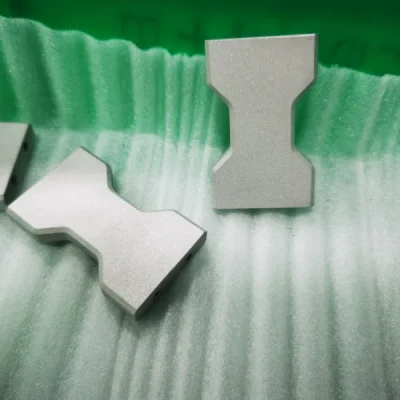
Sandstrahlen
Controlled matte texture or surface preparation, with media, masking, edge condition, and thin-wall distortion reviewed.
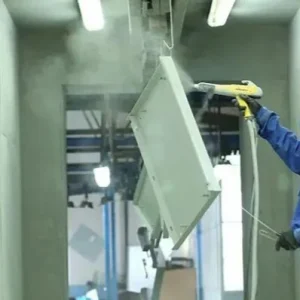
Pulverbeschichtung
Colored barrier coating with agreed pretreatment, cure conditions, film thickness, and protected functional areas.
Explore surface finishing options →
Anodizing generally creates an electrically insulating surface. For conductive contacts, specify the required surface system and masked areas; a finish description alone does not establish contact performance.
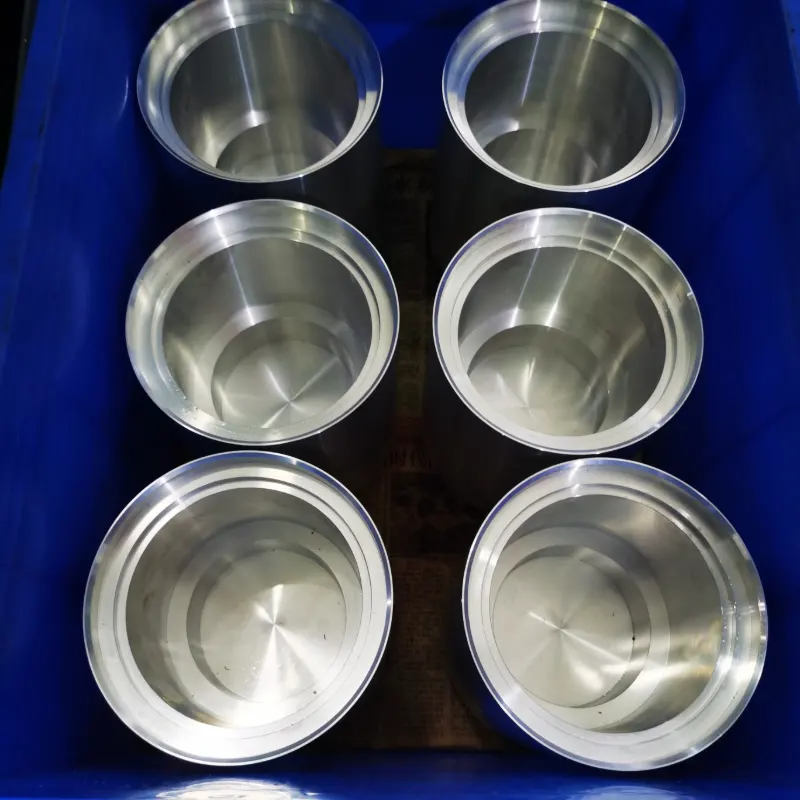
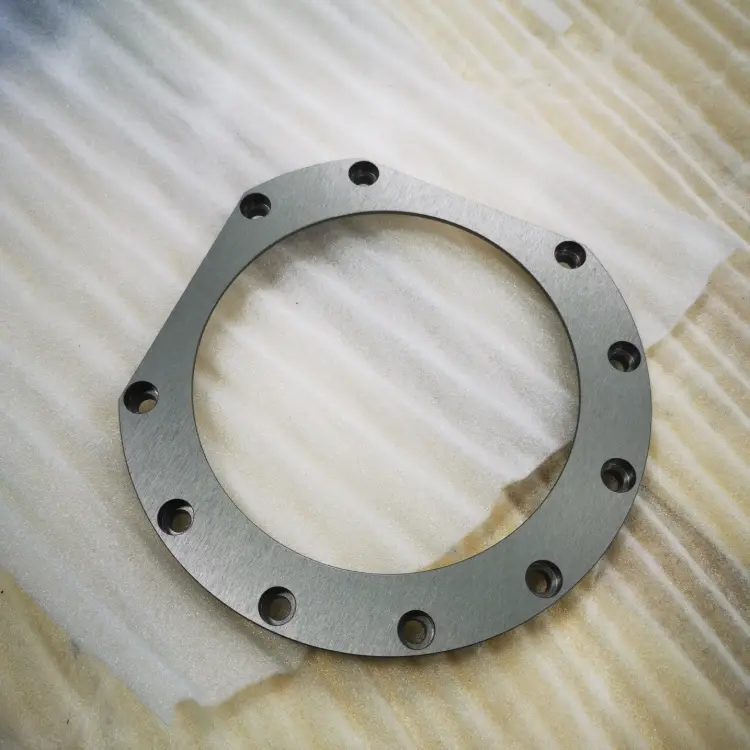
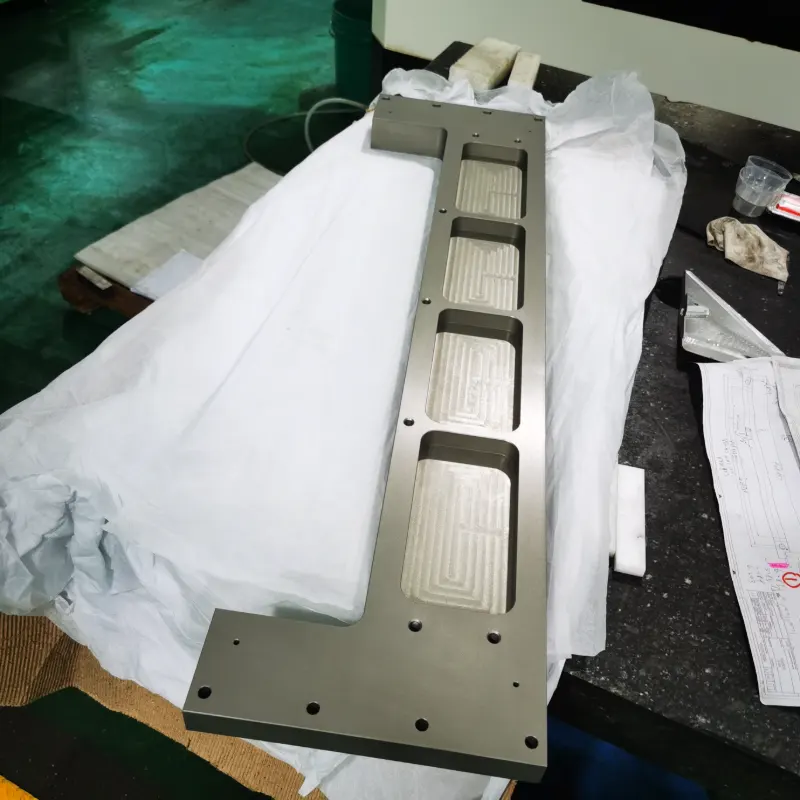
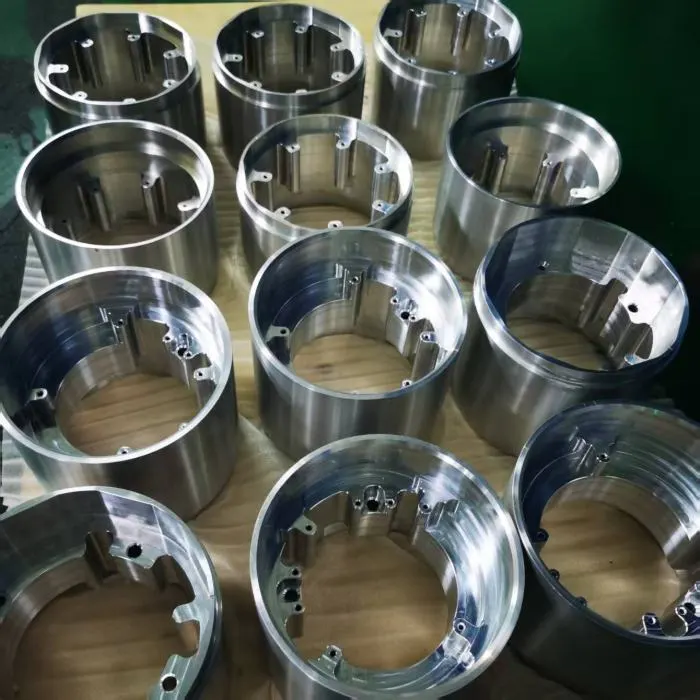
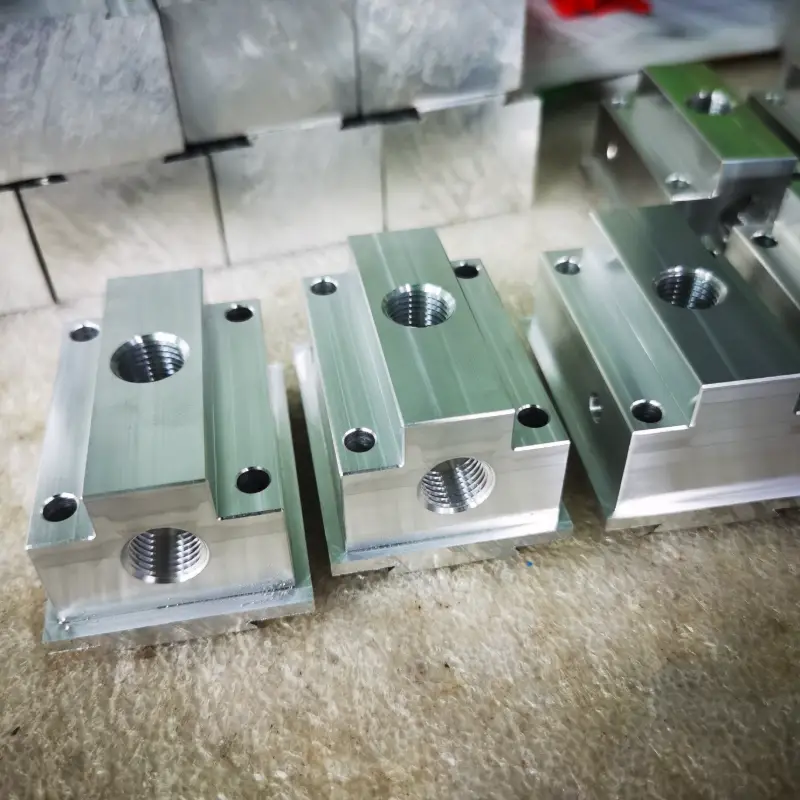
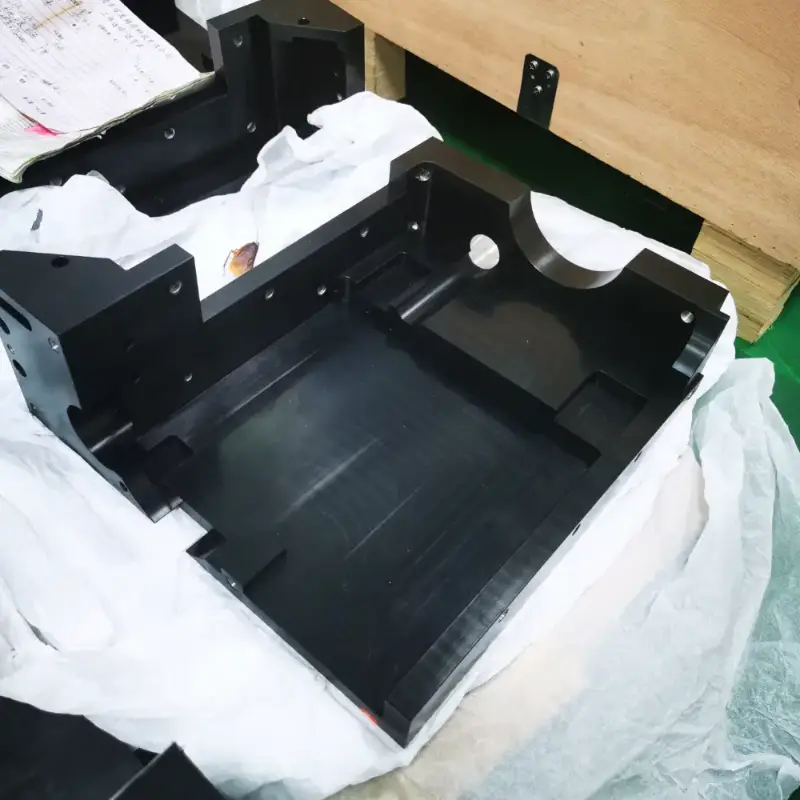
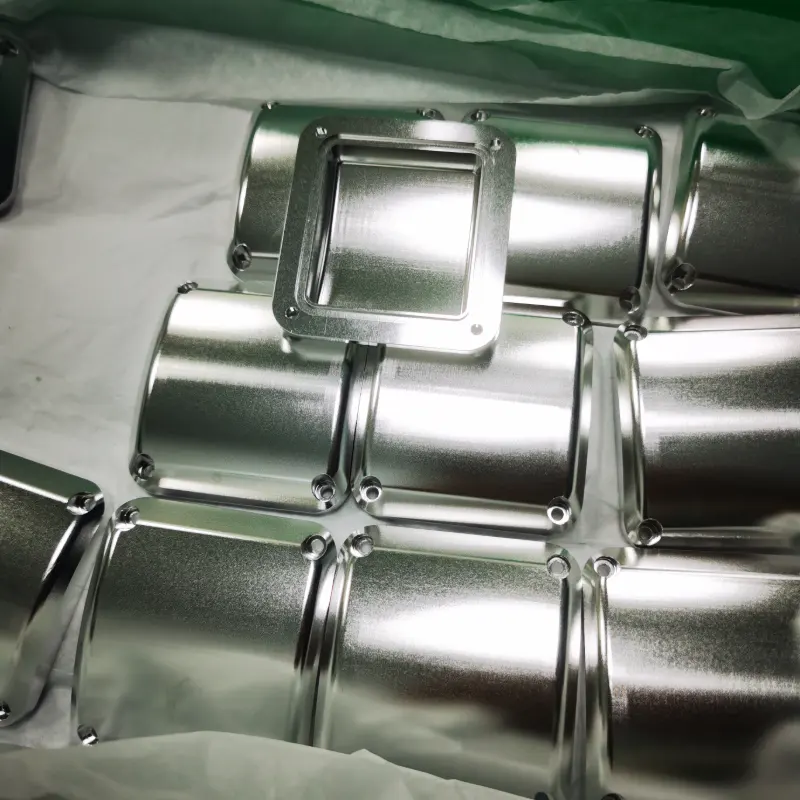
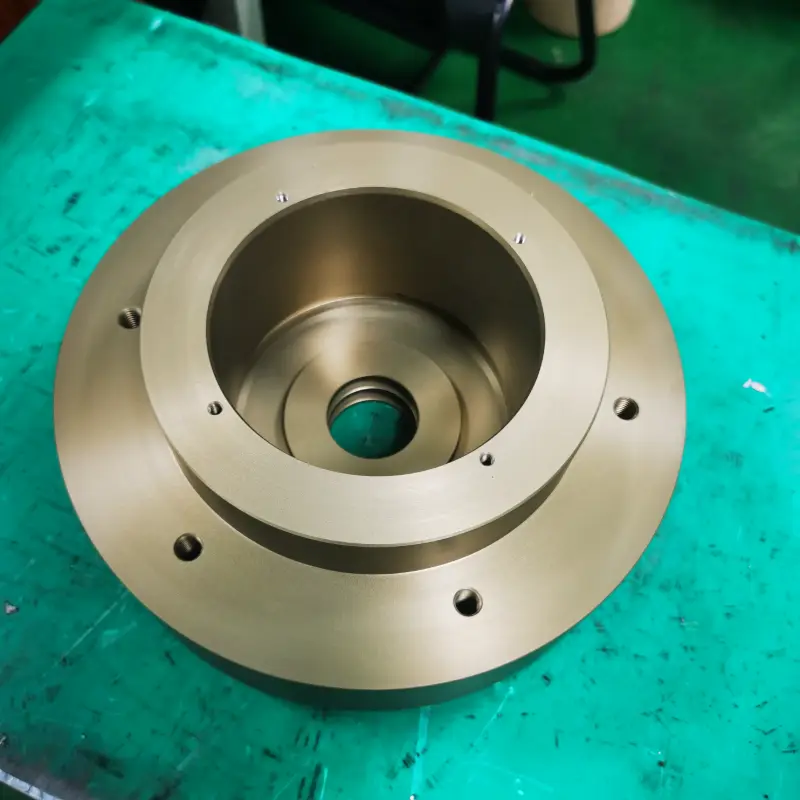
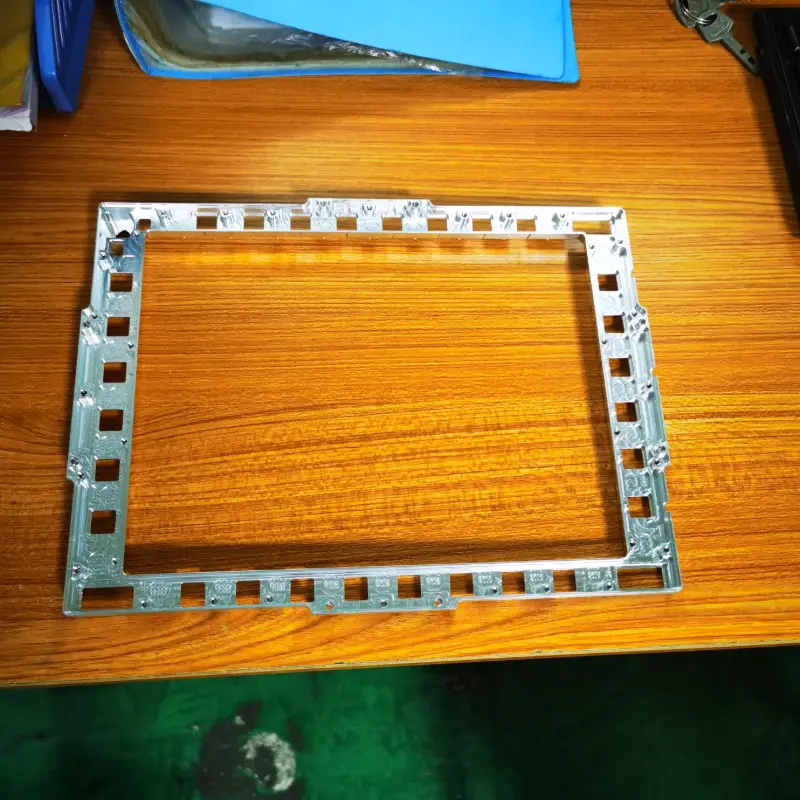
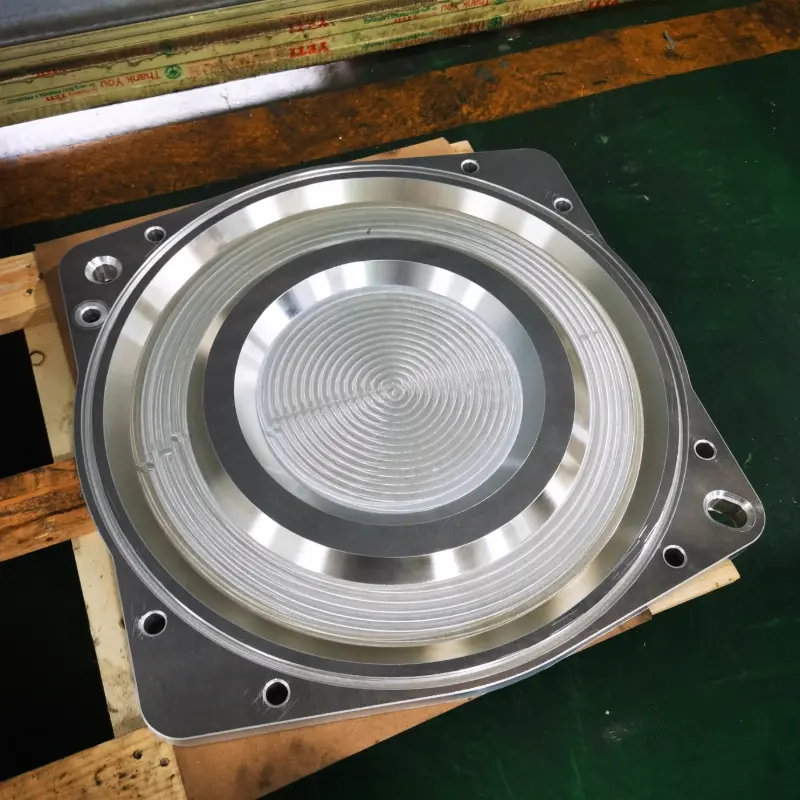
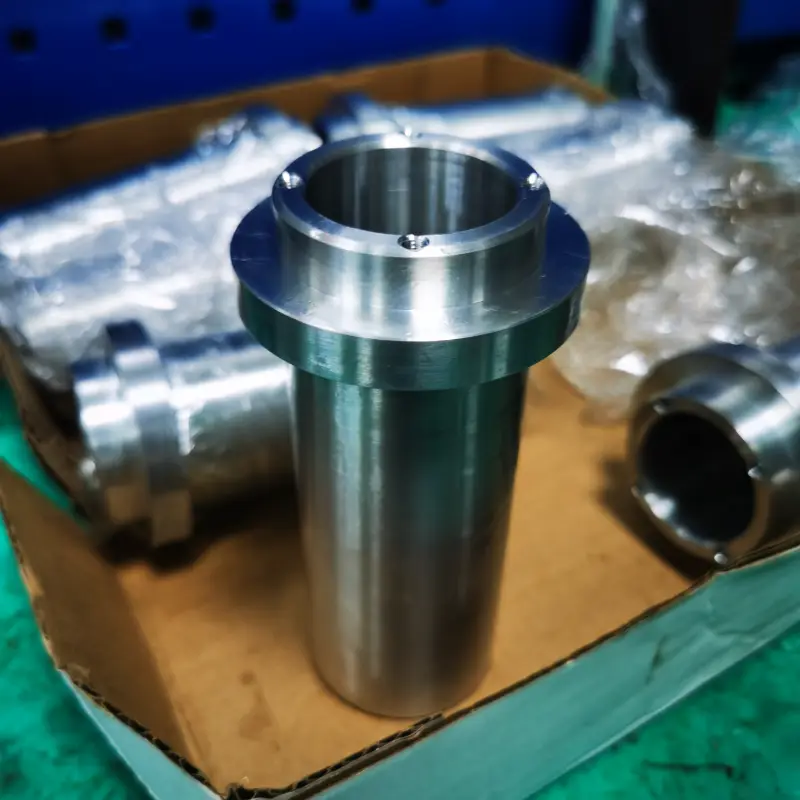
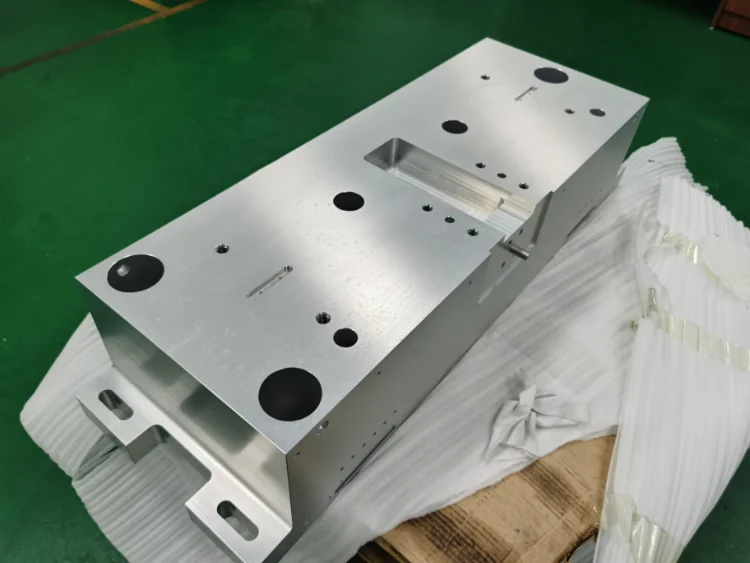
Weldo CNC Aluminum Machining Projects
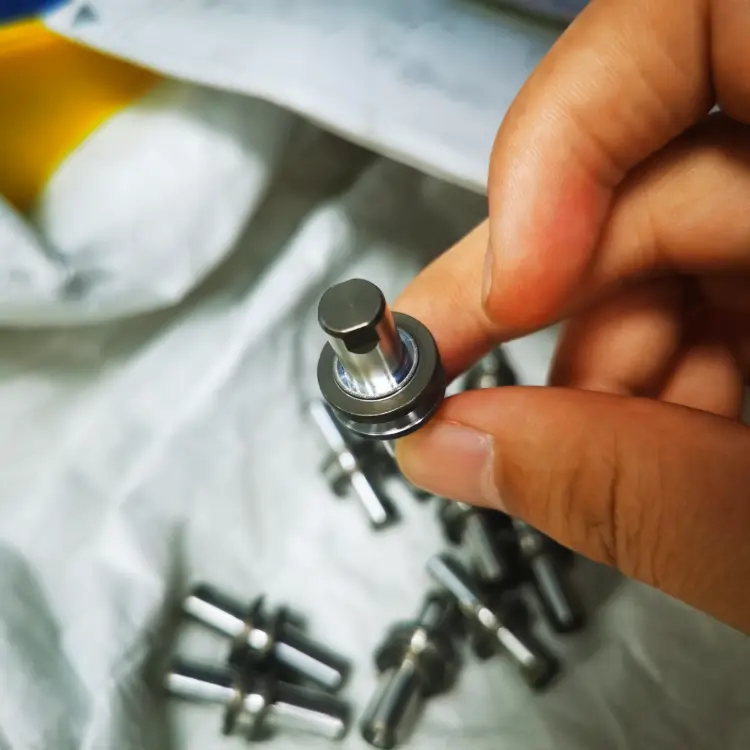
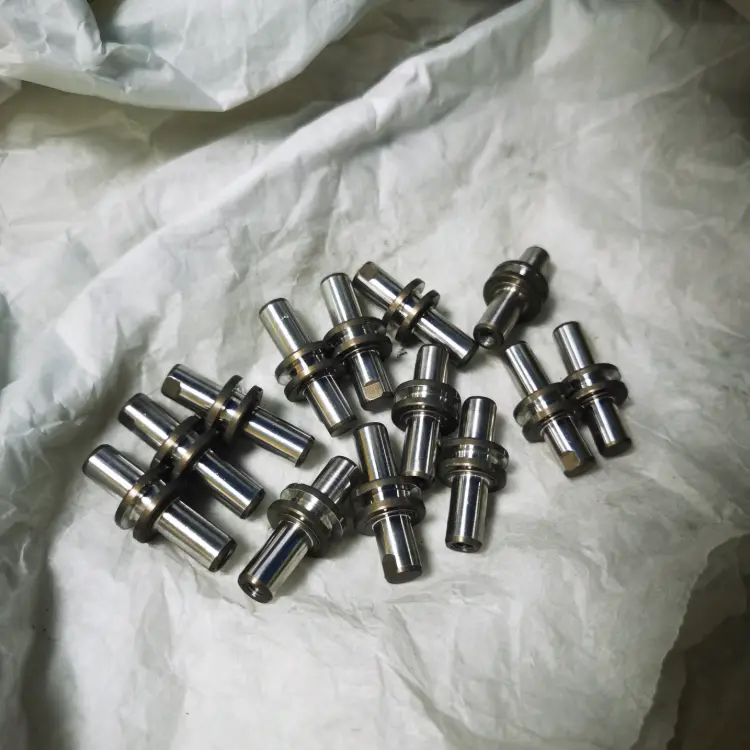
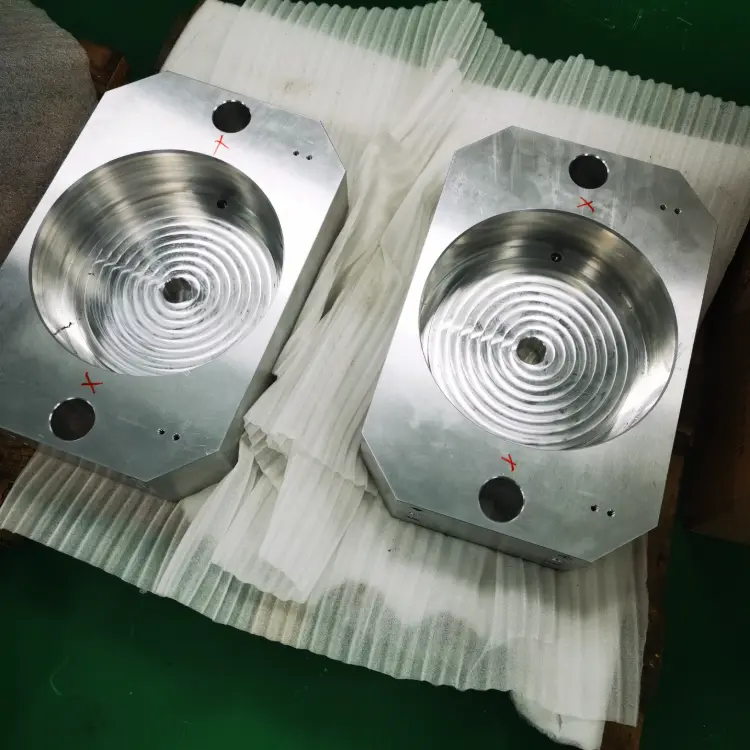
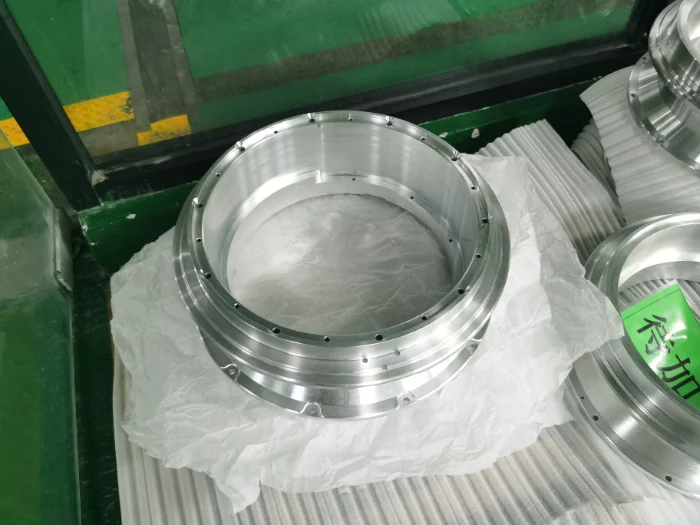
Examples of aluminum machining projects completed by Weldo, showing a range of part geometries, alloys, and finishes.

Aluminum Material and Process Questions
Should I choose 6061 or 7075?
6061 is often selected for a balanced combination of strength, corrosion resistance, cost, and finishing. 7075 can be appropriate when higher strength is required, with temper, corrosion, fabrication, and service conditions reviewed separately.
How is aluminum-part distortion reduced?
Review stable stock, supplied condition, balanced removal, clamping, wall support, and the roughing-to-finishing sequence. Confirm critical dimensions after the part is released and at the agreed inspection condition.
Which surface finish should I choose?
Start with corrosion exposure, wear, appearance, conductivity, and functional fits. Anodizing, blasting, coating, or plating serve different purposes and must suit the exact alloy and final dimensions.
Does the alloy family determine the final strength?
No. Exact grade, temper, product form, thickness, heat treatment, and test direction affect the properties. Use the required material specification and supplier documentation for design and acceptance.
Can tight fits be inspected after anodizing or coating?
Yes, when the final dimensions, coating allowance, masking, and measurement method are defined in advance. Specify which features are accepted before finishing and which must meet the drawing in the finished condition.