Maßgeschneiderte Kupferbearbeitung
CNC-Bearbeitung von Kupfer
Kupfer vereint eine hohe elektrische und thermische Leitfähigkeit mit Korrosionsbeständigkeit und guter Formbarkeit. Senden Sie uns Ihre Zeichnung für die Legierungsauswahl, die Prüfung der Herstellbarkeit und ein übersichtliches Angebot.
Lade deine Zeichnung hoch →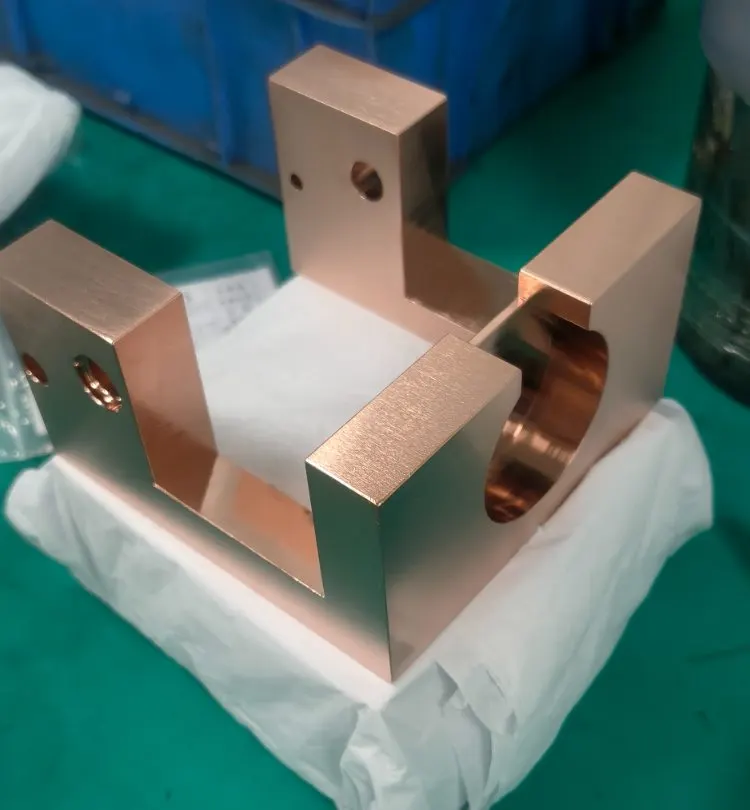
Materialleistung
Wichtigste Eigenschaften von Kupfer
Typische Bereiche umfassen handelsübliches reines Kupfer und gängige bearbeitbare Kupferlegierungen. Die Güteklasse und der Härtungsgrad bestimmen die endgültigen Werte.
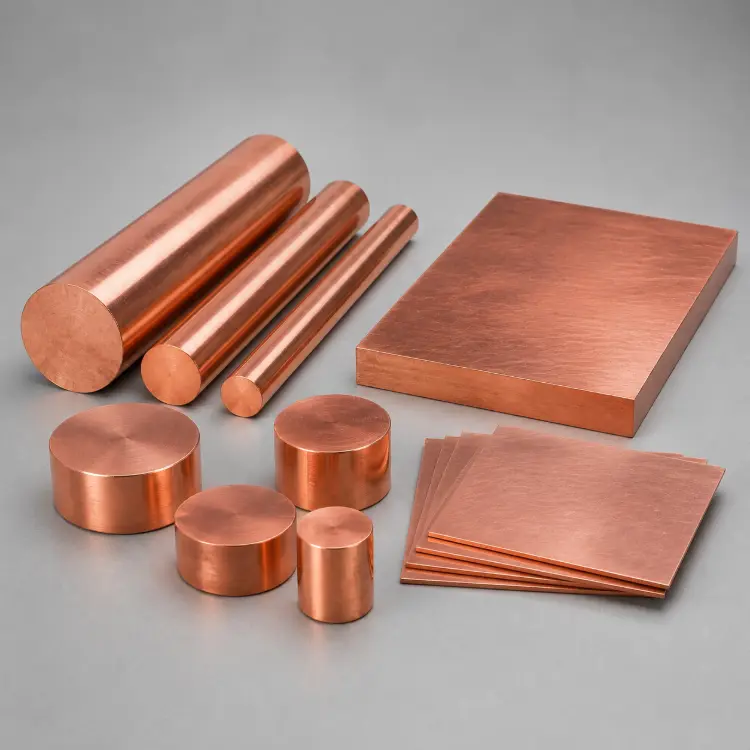
| Dichte | 8,30–8,96 g/cm³ |
|---|---|
| Elektrische Leitfähigkeit | 15–101% IACS |
| Wärmeleitfähigkeit | 105–401 W/m·K |
| Zugfestigkeit | 200–1.400 MPa |
| Streckgrenze | 50–1.200 MPa |
| Dehnung | 2–50% |
| Härte | 35–400 HB |
Auswahl der Kupferqualität
Gängige Kupferlegierungen für CNC-Teile
Wählen Sie die Güteklasse anhand der Leitfähigkeit, Festigkeit, Bearbeitbarkeit und Verschleißfestigkeit aus.
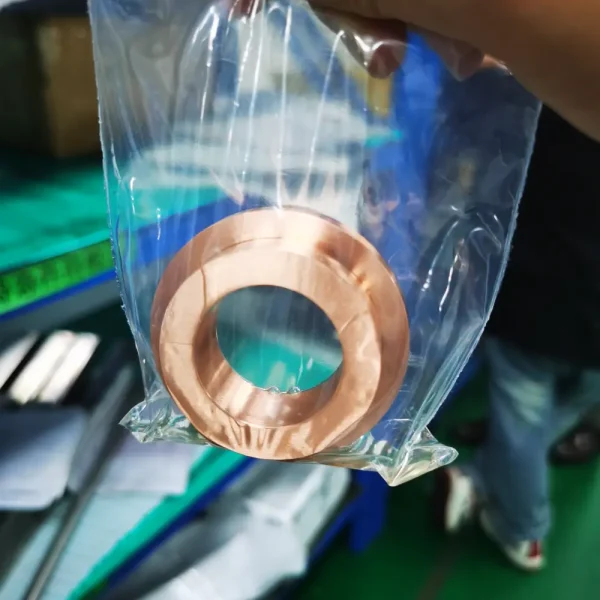
C10100 / C10200 Sauerstofffreies Kupfer
Sehr hohe Leitfähigkeit und hervorragende Duktilität für anspruchsvolle elektrische Bauteile.
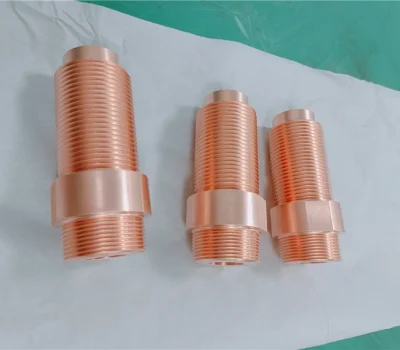
C11000 Elektrolytisch hergestelltes Kupfer mit grober Kristallstruktur
Weit verbreitetes Kupfer mit hoher Leitfähigkeit und guter Formbarkeit.
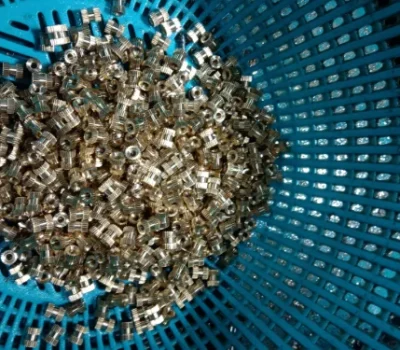
C14500 Tellur-Kupfer
Hohe Leitfähigkeit mit verbesserter Spanabfuhr für Präzisionsdreh- und Gewindeschneidarbeiten.
C17200 Beryllium-Kupfer
Wärmebehandelbare Kupferlegierung mit hoher Festigkeit, Ermüdungsbeständigkeit und guter Leitfähigkeit.
C18150 Chrom-Zirkonium-Kupfer
Hohe Leitfähigkeit bei verbesserter Festigkeit und Beständigkeit gegen thermisches Erweichen.
Über eine andere Kupferqualität diskutieren →
Bearbeitete Projekte
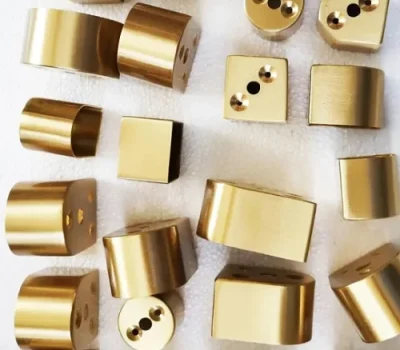
Maßgefertigte, CNC-gefräste Kupferteile
Kupferteile – von Prototypen über Kleinserien bis hin zur Serienfertigung.
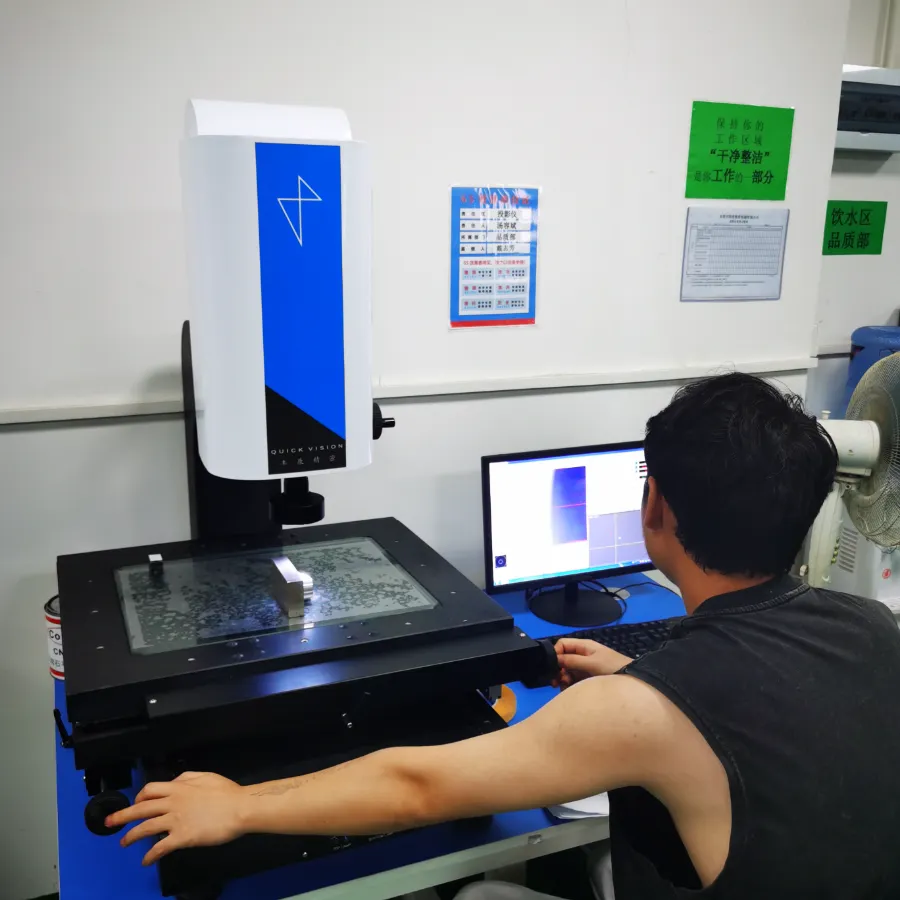
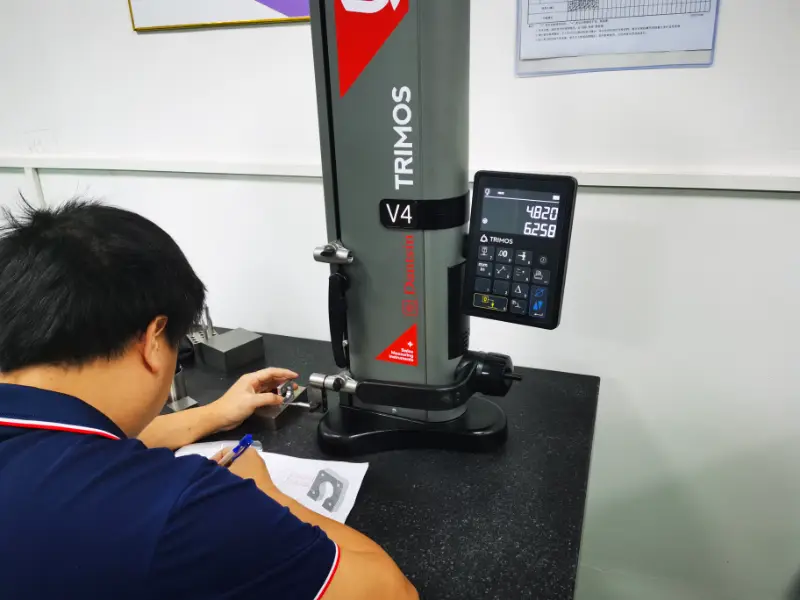
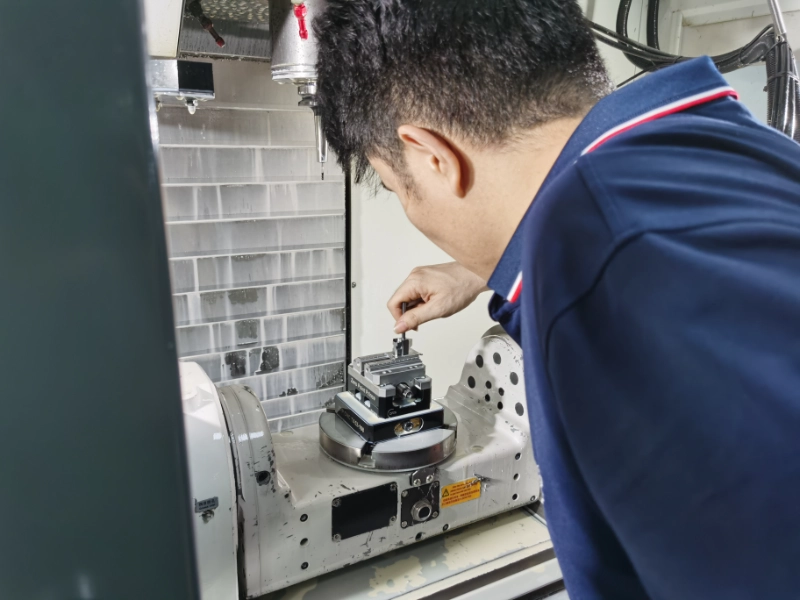
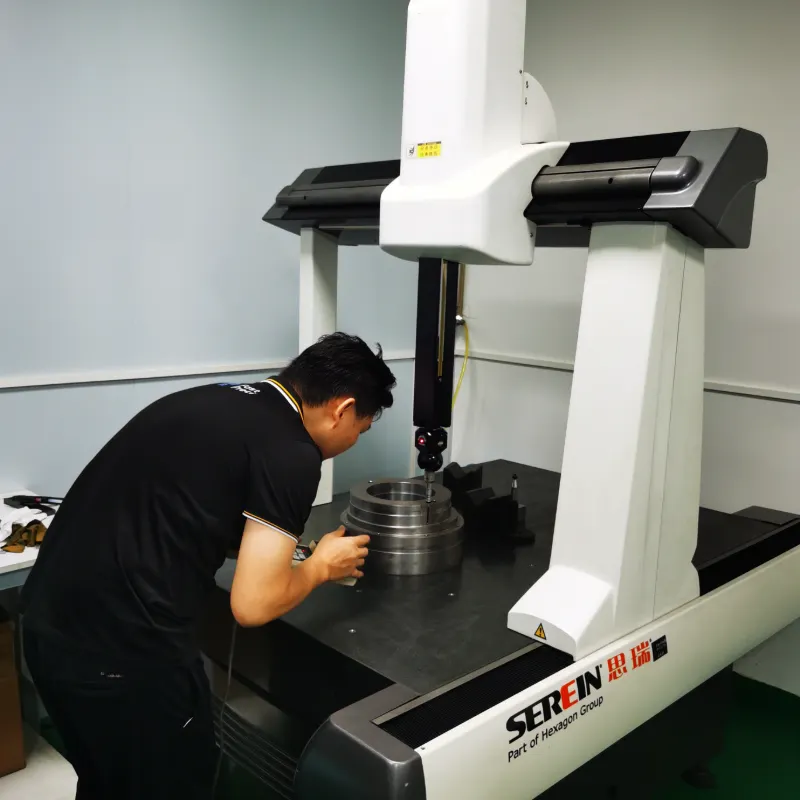
Bearbeitung und Prüfung
Von der Prozessprüfung bis zur Endkontrolle
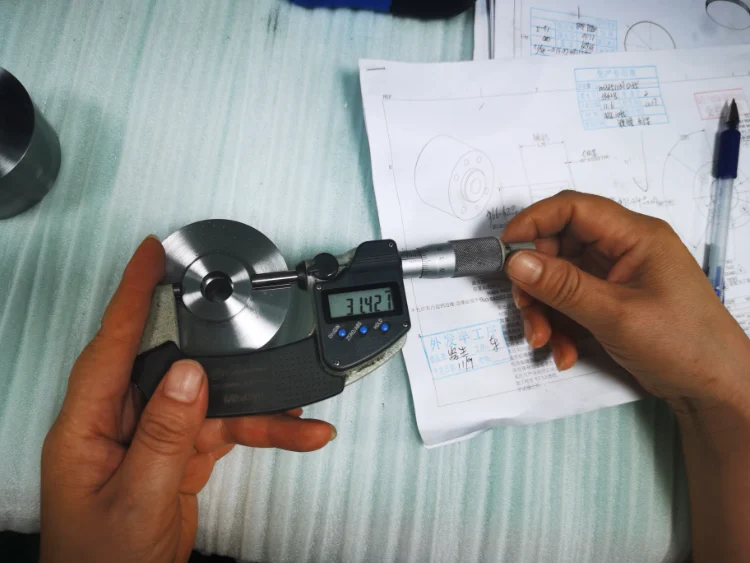
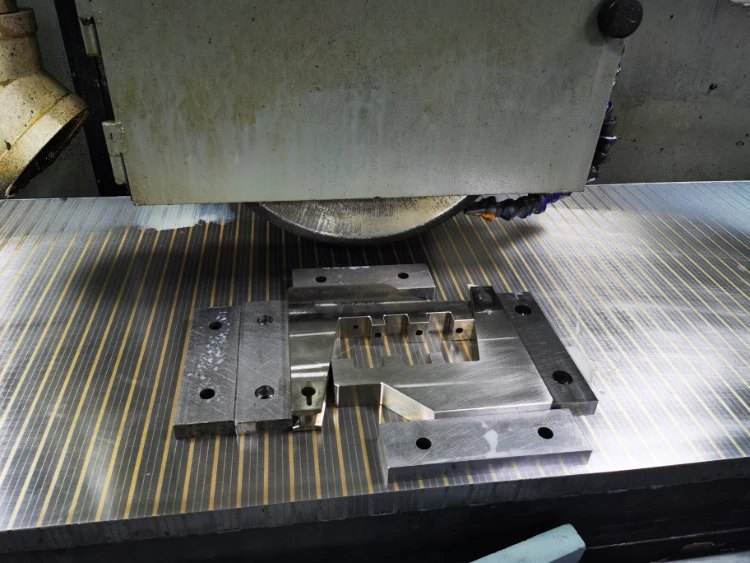
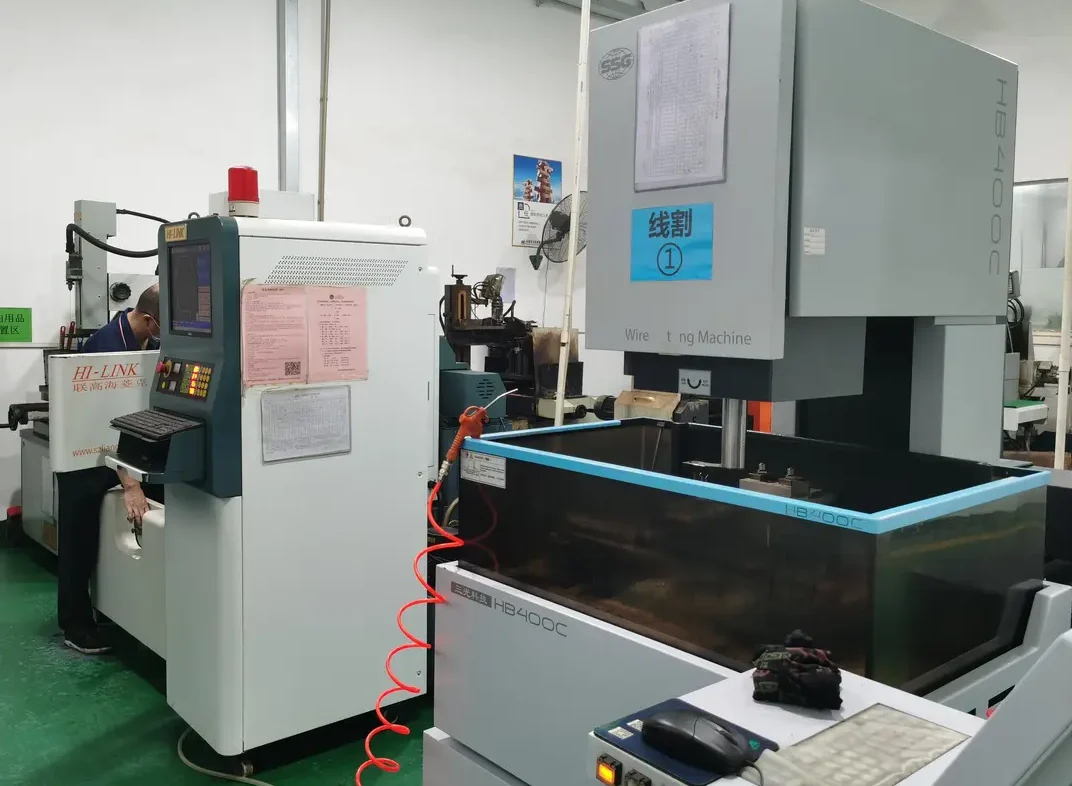
Zerspanung, Schleifen, Elektroerosion und Maßprüfung gewährleisten eine kontrollierte Fertigung von Kupferteilen.