
スイスのCNC加工 小型シャフト、位置決めピン、ブッシュ、バルブスプール、コネクタ、医療用ネジ、精密継手など、小径で細長く、複雑な形状を持つ精密部品の製造に適しています。 この加工法では、ガイドブッシングを用いて切削工具の近くで棒材を支持することで、加工中のたわみ、振動、および工具のたわみを低減します。.
特注部品の購入者にとって、スイスのCNCサプライヤーを選ぶ際は、単価だけで判断すべきではありません。工場の加工径範囲、複雑な形状の加工能力、公差の安定性、検査方法、材料のトレーサビリティ、そして実際のリードタイムはすべて、最終的な調達コストや組立品質に影響を与えます。このガイドでは、以下を比較しています。 信頼できるスイスのCNC加工業者9社 デジタル製造プラットフォーム、自社内の機械加工工場、包括的な受託製造サービスなど、さまざまな協力モデルを網羅しています。.
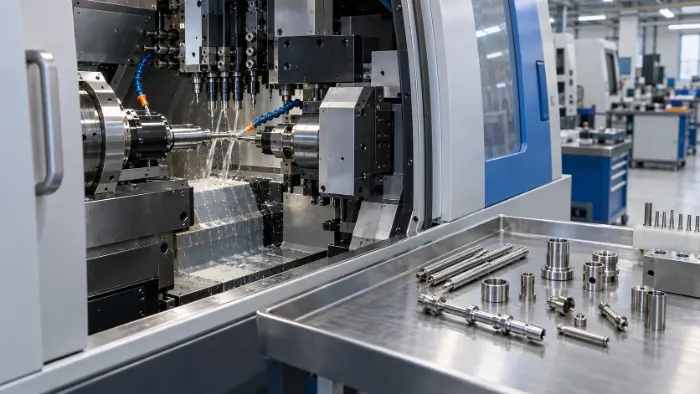
信頼できるスイスのCNC加工業者9社の簡易ランキング
| サプライヤー | コア特性 | 最適なプロジェクト |
|---|---|---|
| ゾメトリー | デジタル製造ネットワーク、オンライン見積もり、そして豊富なサプライヤーリソース | 地域をまたぐ調達、迅速な価格比較、および複数のプロセスを含むプロジェクト |
| ラピッドダイレクト | スイスの機械加工技術と多工程製造を融合 | 試作品、複雑な精密部品、および小~中ロットの生産 |
| ウェルド加工 | 自社工場、エンジニアとの直接的な連携、ワンストップ製造 | 軸、ピン、ブッシュ、継手、およびリピート注文 |
| ランソム・プレシジョン | スイスの旋盤加工と多軸CNC加工を融合 | 多機能精密回転部品 |
| 3ERP | ラピッド・マニュファクチャリング、, 周波数変調 レビュー、および柔軟な生産量 | 製品の検証、少量生産、および橋渡し生産 |
| プロリーン・テック | 多素材対応のスイス式旋盤加工およびミルターン加工能力 | 金属およびエンジニアリングプラスチック製の精密小型部品 |
| ウェイケン | ラピッドプロトタイピングと少量生産に重点を置いている | 研究開発試験、設計検証、試作 |
| フィクティヴ | デジタルサプライチェーンとプロジェクト管理 | 複数地域にわたるサプライヤー管理と統合調達 |
| PTSMAKE | 中国を拠点とする製造リソースおよび精密小型部品加工 | 小ロット、量産、およびコスト重視のプロジェクト |
1. Xometry
Xometryは、デジタル製造ネットワークを通じてスイスの機械加工サービスを提供しています。発注者はCADファイルをアップロードすることで、見積もり、リードタイム情報、およびDFMに関する予備的なフィードバックを得ることができ、複数の製造ソリューションを迅速に比較する必要があるプロジェクトに適しています。.
同社の製造ネットワークは、アルミニウム、真鍮、銅、ステンレス鋼、チタン、超合金、および各種エンジニアリングプラスチック製の複雑な小径部品の製造に対応しています。同社の品質管理システムとオプションの認証サービスは、医療、自動車、航空宇宙、および産業機器分野での用途に対応しています。.
Xometryの強みには、豊富な製造リソース、効率的な見積もりプロセス、そして複数の材料や表面仕上げを調整できる能力などが挙げられます。プラットフォーム型のサプライヤーであるため、単一の自社工場と取引する場合とは異なります。 長期的な生産調達を行う場合、バイヤーは実際の製造場所、工程検査の責任の所在、およびリピート注文が同じ製造条件の下で生産されるかどうかを確認する必要があります。.
2. RapidDirect
RapidDirectは、試作の検証、小ロット受注、量産向けのスイス式CNC加工サービスを提供しています。この加工プロセスでは、ガイドブッシングを用いて棒材を加工し、ライブツーリングとサブスピンドルを活用することで、1回の加工サイクル内で複数の部品形状を完成させます。.
この製造方法は、外径、内径、ねじ、貫通穴、平部、溝、裏面形状などを備えた複雑な部品の加工に適しています。また、スイス式加工は、従来のCNC旋盤加工、フライス加工、研削加工、表面仕上げと組み合わせることが可能であり、発注者が複数の受託製造工場を個別に管理する必要性を軽減します。.
公差が厳しいプロジェクトの場合、購入者は図面に基づき、実際の機械構成、棒材径、重要寸法の製造能力、および検査計画を確認する必要があります。また、医療、航空宇宙、および安全上重要な部品については、関連する品質認証が、対応する生産拠点および製造工程をカバーしていることを確認する必要があります。.
3. Weldo Machining
ウェルド加工 自社内の機械加工工場を運営し、スイス式CNC機械加工サービスを提供しています。 特注シャフト, 、ピン、, ブッシング, 、継手、締結部品、およびその他の小型精密部品。.
見積もりを行う前に、エンジニアは部品の直径、長さ対直径比、材質、公差、表面粗さ、および加工位置を確認します。その後、部品の形状に基づいて、主軸による旋削、ライブツールによる加工、サブスピンドルによる部品の移送、および裏面の仕上げを計画します。 二次的なセットアップを削減することで、同心度、振れ、および加工部位間の位置関係に対して、より安定した制御が可能になります。.
ウェルド社は、材料調達、CNC加工、熱処理、研削、表面仕上げ、最終検査を網羅したワンストップサービスを提供しています。初回品承認、工程内検査、最終検査を通じて、ロット間の一貫性を維持し、サプライチェーンにおける引き継ぎに起因するエラーや遅延を低減しています。.
技術要件が確認された後、標準的なプロジェクトは通常、3~15日以内に出荷されます。生産注文や、精密研削、熱処理、特殊コーティングを伴うプロジェクトのリードタイムについては、数量や製造ルートに応じて協議の上決定されます。この協力モデルは、エンジニアリング面での直接的なコミュニケーション、生産の透明性、および長期的な供給の安定性を重視するバイヤーに適しています。.
4. ランサム・プレシジョン
Runsom Precisionは、小型で高精度かつ形状が複雑な回転部品を対象とした、スイス式CNC加工サービスを提供しています。加工可能な材料には、アルミニウム、真鍮、銅、ステンレス鋼、合金鋼、およびエンジニアリングプラスチックが含まれます。.
Runsom社では、スイス式旋盤加工と3軸、4軸、5軸のCNC加工を組み合わせることが可能です。部品に回転形状に加え、側面の穴、溝、平坦面、あるいは複雑な端面形状が含まれている場合、こうした多工程対応能力により、外部委託や位置決め作業の繰り返しを削減することができます。.
購入者は、具体的な図面に基づき、バーの最大径、ガイドブッシングのタイプ、駆動工具の構成、熱処理後の仕上げ方法、および重要寸法の検査方法を確認する必要があります。また、生産指示書には、工具寿命の管理、自動補正、および寸法変動のモニタリングについても明記する必要があります。.
5. 3ERP
3ERP社は、スイス式加工技術を用いて、医療用ネジ、ミニチュアシャフト、精密ピン、電子コネクタなどの細長い部品を製造しています。また、多軸フライス加工、CNC旋盤加工、, イーディーエムそして 精密研削サービス.
このサプライヤーは、試作、小ロット生産、ブリッジ生産、および量産注文に対応しており、設計の検証が必要でありながら、将来的には生産量の拡大が見込まれるプロジェクトに適しています。エンジニアは、加工前に薄肉、深穴、溝幅、ねじ、および公差要件を評価できるため、サンプル段階での繰り返し修正を減らすことができます。.
ミクロン単位の嵌合精度、厳格な真円度、または微細な表面仕上げが求められる部品については、スイス式旋削後の寸法と研削後の最終寸法を別々に指定する必要があります。これにより、すべての精度要件を単一の旋削工程に課すことを避け、より実用的な検査計画を策定することができます。.
6. Prolean Tech
Prolean Tech provides Swiss CNC-related manufacturing services and uses sliding headstocks, guide bushings, live tooling, and sub-spindles to produce slender, multi-feature parts.
Its material range includes aluminum, carbon steel, stainless steel, brass, titanium, and engineering plastics such as PEEK, POM, and PTFE. This material coverage gives buyers more design options for parts requiring corrosion resistance, electrical insulation, low friction, or lightweight construction.
For tight-tolerance projects, buyers should confirm whether critical features are produced directly on a Swiss machine or completed through grinding, lapping, or other secondary processes. When industry certifications are involved, the scope of the quality certificates and the actual production factory must also be verified.
7. WayKen
WayKen focuses on rapid prototyping, design validation, and low-volume manufacturing, including precision machining requirements related to Swiss machining.
WayKen is better suited to R&D teams that need functional samples quickly, particularly for projects that still require verification of assembly relationships, material performance, and structural design. Swiss machining can improve dimensional stability for parts with small diameters, high length-to-diameter ratios, or complex side features.
Before sourcing, buyers should ask the machine shop to confirm the relevant Swiss machine models, bar diameter range, number of live tools, inspection equipment, and experience with similar parts. Its actual capabilities should be validated through low-volume trial production before proceeding to long-term production cooperation.
8. Fictiv
Fictiv is a digital manufacturing and supply-chain management platform that coordinates CNC machining projects through a managed manufacturing network.
Its main advantages are supplier selection, project tracking, quality documentation, and logistics coordination. This model reduces supply-chain management work for purchasing teams that lack the internal resources to manage multiple machining factories, post-processing suppliers, and logistics providers.
A platform-based model also adds a management layer between the buyer and the actual production factory. Long-term repeat orders require clearly defined manufacturing-location change rules, first-article approval procedures, quality responsibilities, and process-change notification requirements to maintain consistency between batches.
9. PTSMAKE
PTSMAKE provides machining solutions for slender shafts, hydraulic valve spools, cross holes, grooves, and other precision features related to Swiss machining.
This contract manufacturing factory is suitable for projects that use China’s manufacturing supply chain for samples, low-volume orders, and subsequent production. Guide-bushing support helps reduce deflection in slender parts, while live tooling enables side holes, flats, and grooves to be completed in one setup.
Buyers should request machine information, bar-stock ranges, tolerance capabilities, and an inspection plan corresponding to the specific order. General accuracy data provided by the machine shop cannot be applied directly as the acceptance standard for every part. Final requirements must be established in the engineering drawing, quotation, and quality documents.

Main Advantages of Swiss Machining
Greater Stability for Slender Parts
A conventional lathe generally supports the workpiece from the chuck. As bar overhang increases, bending and vibration caused by cutting forces become more pronounced. A Swiss machine positions the guide bushing close to the cutting area, significantly shortening the unsupported length and making it better suited to miniature shafts, needle shafts, locating pins, and slender sleeves.
Multiple Features Can Be Completed in One Setup
Live tooling can machine cross holes, grooves, flats, eccentric holes, and threads, while the sub-spindle receives the part and completes back-side machining on the cut-off end. By reducing secondary setups, external diameters, internal bores, and side features can be maintained from a common machining datum.
Suitable for Continuous Production
An automatic bar feeder continuously supplies material. Once the program, collet, guide bushing, and tooling layout are stabilized, a Swiss machine can continuously produce identical parts and use tool compensation to maintain dimensional consistency throughout the batch.
Reduced Process Handoffs
Turning, drilling, milling, tapping, and cutoff operations can be completed on one machine, reducing waiting time, handling, repositioning, and the time and quality risks associated with supplier handoffs.
Main Disadvantages of Swiss Machining
Higher Initial Setup Costs
Swiss machining requires programming, guide-bushing and collet preparation, tooling layout, first-article setup, and collision checks. For very small quantities of simple parts with low length-to-diameter ratios, conventional CNC turning is generally more economical.
Strict Bar-Stock Requirements
Bar diameter, roundness, straightness, and surface condition directly affect guide-bushing fit. Bent bar stock causes vibration, while excessive diameter variation can create inconsistent clearance or material feeding problems. High-precision projects require stable bar stock that has been straightened, cold-drawn, or precision-ground.
Part Size Is Limited by Machine Specifications
Swiss machines are primarily designed for small-diameter bar stock. Large-diameter, short, and rigid rotational parts do not require the additional support of a guide bushing and are better suited to conventional CNC turning centers.
Some Precision Requirements Still Require Grinding
Strict roundness, cylindricity, dimensional fits, post-heat-treatment tolerances, and low surface roughness often require cylindrical grinding, centerless grinding, honing, or lapping. Swiss turning cannot replace every precision finishing process.
How to Select a Swiss CNC Supplier for Your Project
When fast online quoting, cross-regional sourcing, and broad manufacturing resources are required, Xometry, RapidDirect, and Fictiv are better suited to platform-based procurement. These suppliers can reduce the time required to locate different process partners, but long-term projects must clearly define the actual production location and quality responsibilities.
When direct communication with engineers at an in-house factory is required, ウェルド加工, Runsom, and 3ERP are more suitable. For parts involving high length-to-diameter ratios, thin walls, special materials, heat-treatment distortion, or strict inspection requirements, direct technical communication helps identify manufacturing risks before production.
WayKen, Prolean, and PTSMAKE are more suitable for prototypes, low-volume orders, or cost comparisons. Buyers can first verify dimensions, materials, and surface quality through sample production, then decide whether to increase the order volume based on quality stability, responsiveness, and actual lead times.
Long-term production projects should focus on automatic bar feeding, tool-life management, in-process compensation, machine capacity, material traceability, and change control. The ability to produce a one-time sample does not automatically demonstrate stable long-term production capability.
How to Control Swiss CNC Machining Costs
Plan Order Quantities Appropriately
Swiss machining requires investment in programming, guide bushings, collets, tooling layouts, and first-article setup. Combining orders of the same revision and using practical batch quantities distributes these preparation costs. Repeat orders can also reuse validated programs and tooling.
Apply Tight Tolerances Only to Critical Dimensions
Locating diameters, sealing surfaces, bearing seats, and moving fits require strict control, while non-functional geometry can use reasonable general tolerances. Overly tight tolerances increase finishing operations, tool-compensation frequency, and inspection costs.
Use Standard Materials and Bar Sizes
Common materials and standard bar sizes are easier to source, with more stable pricing and lead times. Non-standard diameters, special material conditions, or precision-ground bar stock increase material costs, minimum order quantities, and preparation time.
Reduce Secondary Setups and Special Tooling
Cross holes, grooves, flats, threads, and back-side features should be completed with live tooling and a sub-spindle whenever practical. Standard hole diameters, groove widths, and thread sizes reduce special tooling, additional fixtures, and transfer-machining expenses.
Set Surface and Post-Processing Requirements Appropriately
Strict surface roughness should be specified only for fitting, sealing, and sliding surfaces. Heat treatment, grinding, plating, and special cosmetic finishes should be selected according to part function, avoiding unnecessarily high-grade requirements across the entire part.
How to Verify a Swiss CNC Factory’s Actual Capabilities
First, require the supplier to complete a 周波数変調 review. Effective engineering feedback should address bar-stock condition, guide-bushing compatibility, length-to-diameter ratio, thin-wall deformation, tool accessibility, sub-spindle part transfer, burr locations, and inspection methods rather than providing only a price.
Next, validate dimensional accuracy, surface quality, material compliance, and delivery performance through a first article or low-volume order. The first-article inspection report should correspond to the numbered critical dimensions on the drawing and identify the inspection equipment used. For concentricity, runout, roundness, and miniature features, confirm that the measurement method accurately represents the functional requirement.
For long-term orders, confirm that the production factory, machine type, material source, and critical processes remain fixed. When a supplier changes equipment, bar-stock sources, or post-processing partners, it should notify the buyer in advance and repeat the required first-article validation.
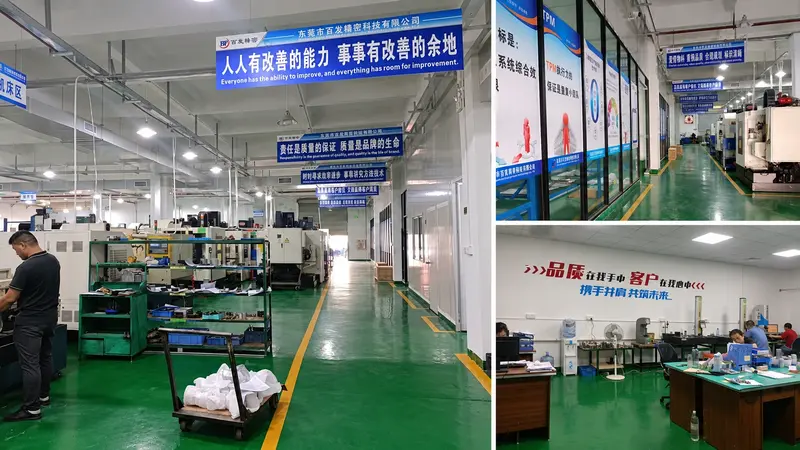
Start a Swiss CNC Project with Weldo
Weldo Machining provides drawing review, material sourcing, Swiss CNC machining, post-processing, and inspection services for custom shafts, pins, bushings, fittings, fasteners, and other small precision parts.
Its in-house factory enables engineers to directly evaluate tolerances, length-to-diameter ratios, toolpaths, and production risks. Standard projects are generally shipped within 3–15 days after the technical requirements are confirmed, while production orders and special-process projects follow an agreed production schedule.
よくあるご質問
What Part Diameters Are Suitable for Swiss CNC Machining?
The actual diameter range depends on the machine model and guide-bushing specifications. Swiss machining is primarily used for small-diameter bar stock, with typical parts including miniature shafts, pins, screws, sleeves, and precision fittings. The supplier must select the equipment according to the maximum finished diameter, machining allowance, and feature sizes.
Is Swiss CNC Machining Always More Accurate Than Conventional Turning?
Not necessarily. The Swiss configuration makes it easier to control deflection when machining slender, small-diameter parts, but final accuracy still depends on machine condition, tooling, bar stock, temperature, programming, and inspection methods. Short, rigid parts can also achieve tight tolerances on a high-quality conventional CNC lathe.
How Can Buyers Verify the Extreme Tolerances Claimed by a Machine Shop?
Apply the tolerance to a specific dimension, material, part length, and order quantity, then require the factory to complete a DFM review and first-article inspection. An extreme tolerance achieved on one ideal dimension does not mean that every feature on the part can maintain the same tolerance level throughout production.
How Should Buyers Choose Between a Platform-Based Supplier and an In-House Factory?
A platform-based supplier is suitable for rapid price comparison, cross-regional sourcing, and multi-process coordination. An in-house factory is better suited to projects requiring direct engineering communication, fixed machines, and long-term batch consistency. For critical parts, buyers should clearly identify the actual manufacturer and its quality responsibilities.
What Factors Can Extend Swiss Machining Lead Times?
Non-standard bar stock, custom collets, special tooling, heat treatment, precision grinding, special coatings, full-dimensional inspection, and first-article approval can all extend lead times. Defining the material, tolerances, post-processing, and acceptance standards in advance reduces waiting during production.
Is Swiss Machining Suitable for Small Prototype Quantities?
Swiss machining can produce small prototype quantities, but setup costs represent a larger portion of the unit price. Using a Swiss machine is valuable when the sample is intended to validate the subsequent production process. For a simple one-off prototype, conventional CNC turning should also be evaluated.