
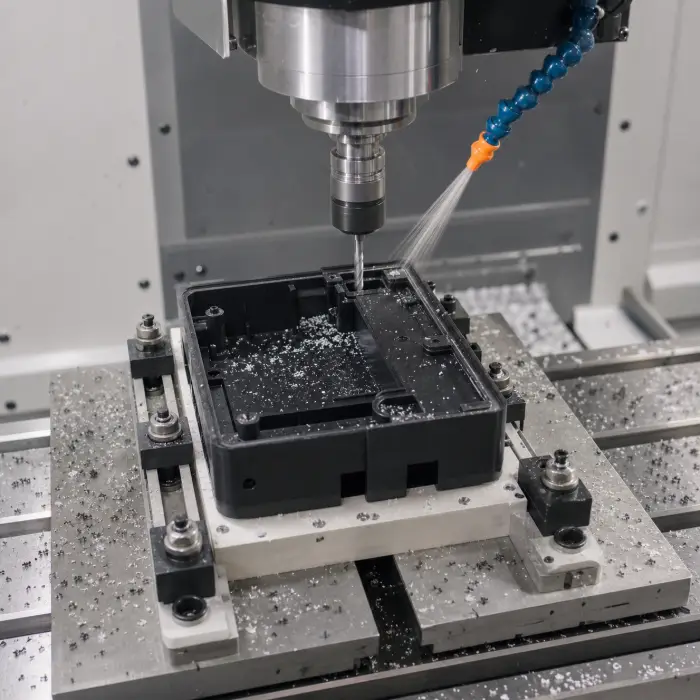
Maatwerk op het gebied van ABS-CNC-bewerking
Custom ABS housings, covers, fixtures, and functional components made to drawing. Weldo reviews the exact grade, stock condition, geometry, finishing, and inspection to plan prototypes and repeat-production parts.
- ABS & Modified Grades
- Van prototype tot productie
- Afwerking en keuring
Drawing-Based ABS Machining Capabilities
Confirm grade, geometry, stock form, support, finishing, and measurement conditions before agreeing the critical requirements.
Machining Reference Parameters
| Part-envelope reference | Up to 1500 × 800 × 500 mm*Subject to stock availability, machine travel, support, clamping, and tool access. |
|---|---|
| Algemene maattoleranties | Drawing-specified; ISO 2768-m where agreed*Confirm the applicable standard and acceptance condition for the plastic part. |
| Selected linear features | Down to ±0.02 mm*Feature-specific review of size, geometry, stock condition, temperature, and measurement. |
| Selected bore features | ±0.05 mm*Depends on diameter, depth, wall support, tool access, and inspection method. |
| Thin walls and small features | Wall from 1.0 mm / hole or feature from Ø1 mm*Independent references; review height, depth, unsupported span, and final handling. |
| As-machined roughness | Ra 1–5 µm*Depends on grade, tool condition, geometry, cutting strategy, and specified surface. |
Controls for ABS Parts
Control Heat and Chips
Match tool geometry, feed, engagement, and chip removal to the grade. Limit rubbing, recutting, and local softening.
Support Flexible Features
Use distributed support and controlled clamping to limit marks, springback, and distortion around thin sections.
Review Stock Stress
Plan balanced removal and finishing allowance. Review grade-specific conditioning or stress relief where appropriate.
Define Finished Acceptance
Agree datums, temperature, support, surface condition, and measurement method for critical dimensions.
*Planning references confirmed against the drawing. Maximum size, small features, thin walls, tolerance, and roughness are assessed separately and should not be assumed achievable together.
Select the ABS Material for the Part
Compare impact, stiffness, heat, appearance, and service conditions. Confirm the exact supplier grade and availability in machinable stock.
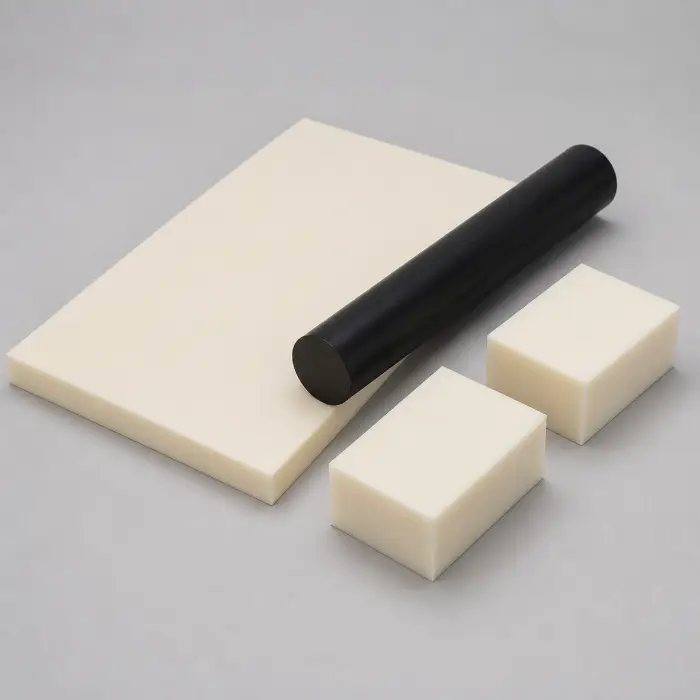
ABS voor algemeen gebruik
A balanced combination of impact performance, rigidity, surface quality, and machinability for general custom components.
Applications & machining notes
- Serviceomgeving
- Indoor equipment, appliances, prototypes, and dry industrial assemblies.
- Standaardonderdelen
- Behuizingen, afdekkingen, bedieningspanelen, beugels, knoppen en functionele prototypes.
- Colors and selection
- Natural ivory, black, white, gray, and supplier-dependent custom colors. Confirm stock form and grade for the operating temperature, chemicals, and any outdoor exposure.
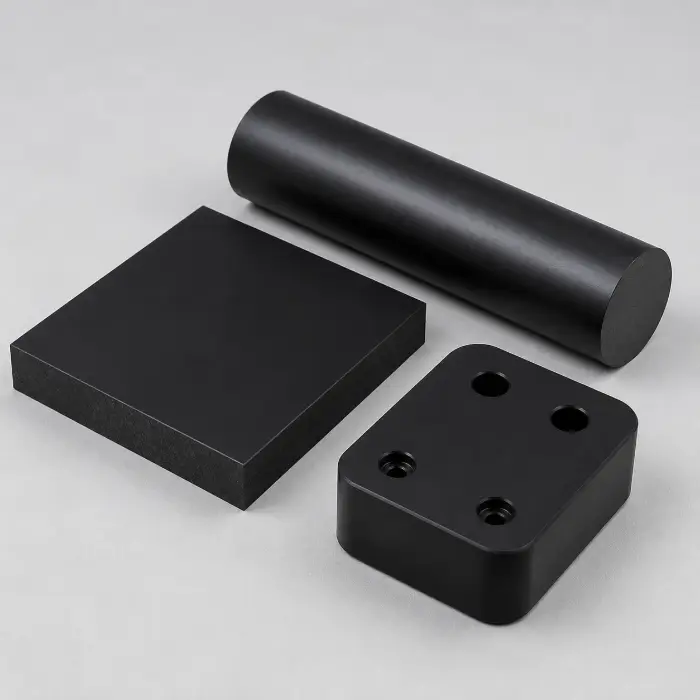
Slagvast ABS
Toughness-focused formulations for parts exposed to handling, drops, or vibration, with properties verified for the actual grade.
Applications & machining notes
- Serviceomgeving
- Protective equipment housings, tools, automotive interiors, and frequently handled products.
- Standaardonderdelen
- Handles, guards, instrument enclosures, tool housings, and protective covers.
- Colors and selection
- Black, white, gray, natural, and supplier-dependent opaque colors. Specify the required impact test, stiffness, wall section, and finished-part duty.
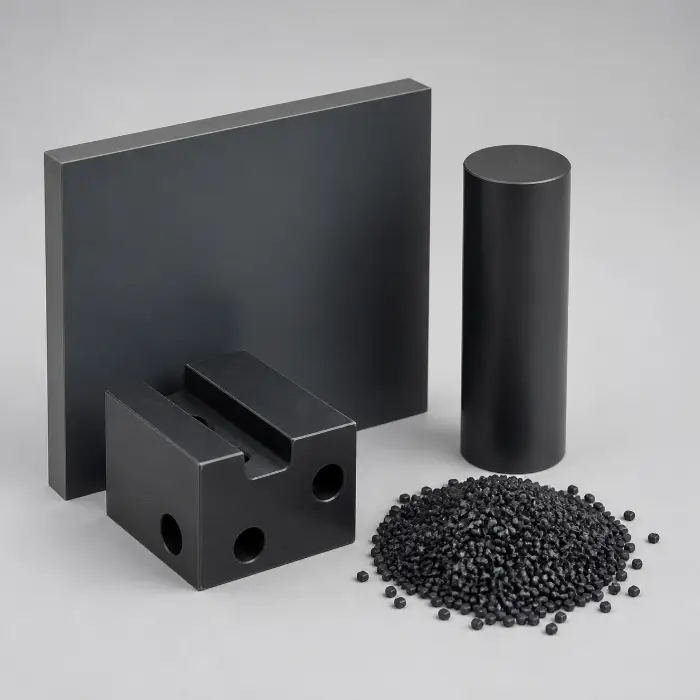
Hittebestendig ABS
Formulations selected for higher heat resistance than general-purpose ABS, with stiffness and deformation assessed under the intended load.
Applications & machining notes
- Serviceomgeving
- Appliances, vents, automotive interiors, and equipment near heat sources.
- Standaardonderdelen
- Fan shrouds, air vents, console parts, covers, and equipment housings.
- Colors and selection
- Black, gray, natural, beige, and grade-dependent custom colors. Service temperature must follow supplier data and actual load; a heat-deflection result is not a continuous-use rating.
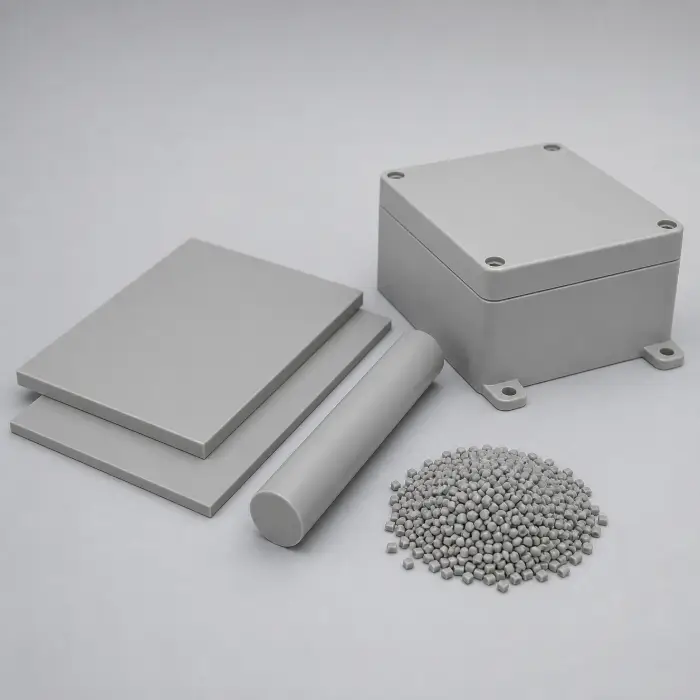
Vlamvertragend ABS
Formulations developed for specified flammability performance and electrical enclosure applications.
Applications & machining notes
- Serviceomgeving
- Electrical equipment, industrial controls, and power-related assemblies with defined material requirements.
- Standaardonderdelen
- Aansluitkappen, schakelaarbehuizingen, adapters, batterijkappen en behuizingen voor voedingen.
- Colors and selection
- Use supplier-approved grades and colors. Verify the specified UL 94 rating for the exact formulation, color, and thickness; finished-product requirements remain application-specific.
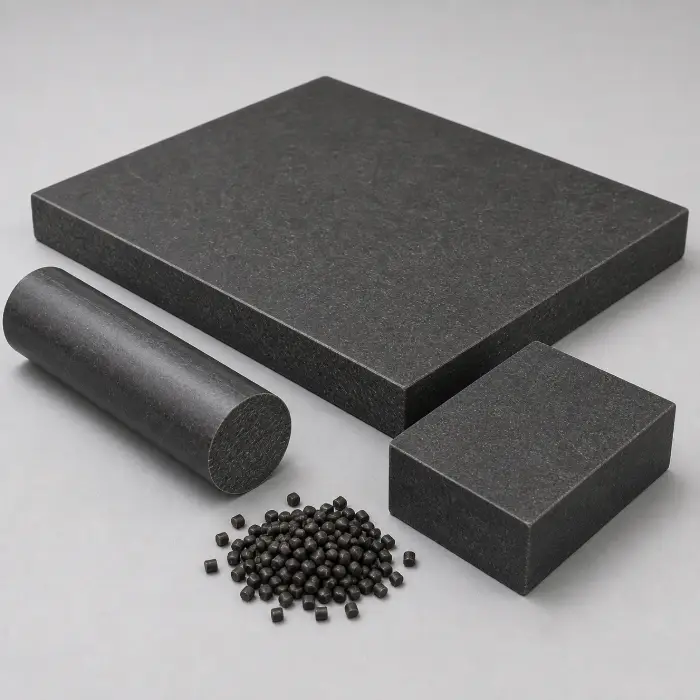
Met glasvezel versterkt ABS
Glass reinforcement can increase stiffness and creep resistance while changing impact behavior, surface texture, and directional properties.
Applications & machining notes
- Serviceomgeving
- Rigid fixtures, supports, industrial assemblies, and sustained-load components.
- Standaardonderdelen
- Mounting parts, brackets, supports, precision fixtures, and rigid housings.
- Colors and selection
- Common stock colors include gray and black, subject to supplier availability. Specify filler content and stock direction; abrasive fibers require suitable tools, edge support, and finishing.
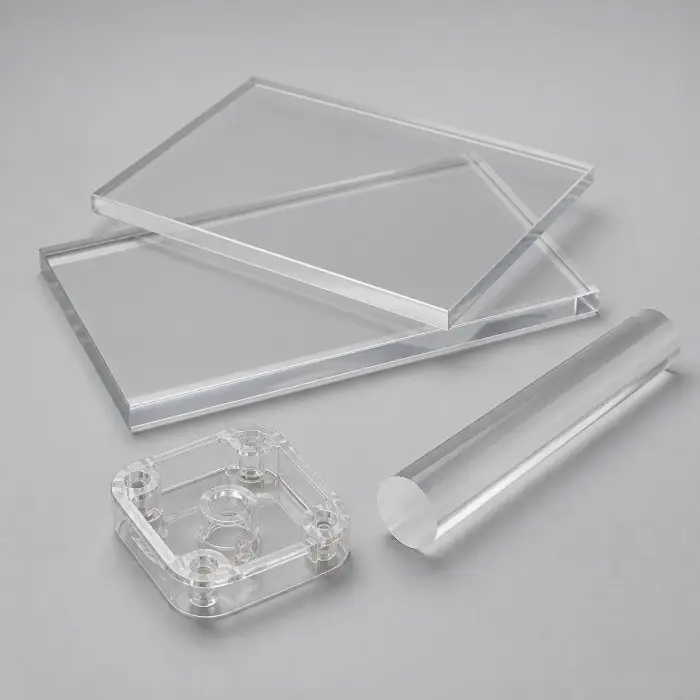
Transparante MABS
An acrylic-modified styrenic material combining transparency, gloss, and grade-dependent impact performance for visible components.
Applications & machining notes
- Serviceomgeving
- Indoor parts requiring visibility, light transmission, and a controlled transparent appearance.
- Standaardonderdelen
- Sight windows, clear covers, instrument panels, and selected cosmetic or equipment components.
- Colors and selection
- Clear, smoke, translucent tints, and supplier-dependent colors. Define transmission, haze, chemical exposure, and finish; confirm MABS-specific data rather than conventional opaque ABS values.
Specify grade, filler, color, stock form, required documentation, and the finished-part requirements. Modified formulations can change machining, bonding, coating, and inspection behavior.
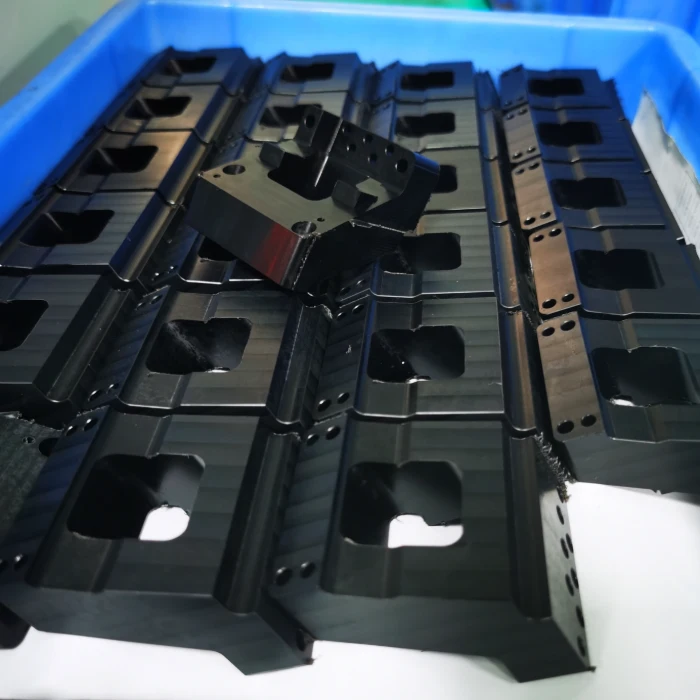
Weldo ABS Machining Projects
Examples of custom housings, bushings, structural components, and precision features machined from ABS stock.
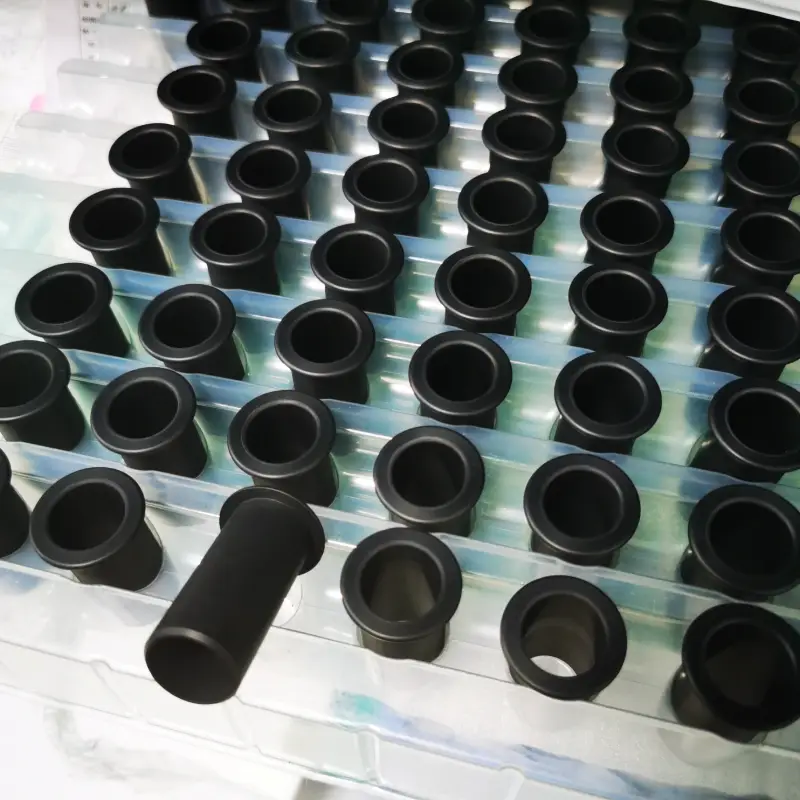
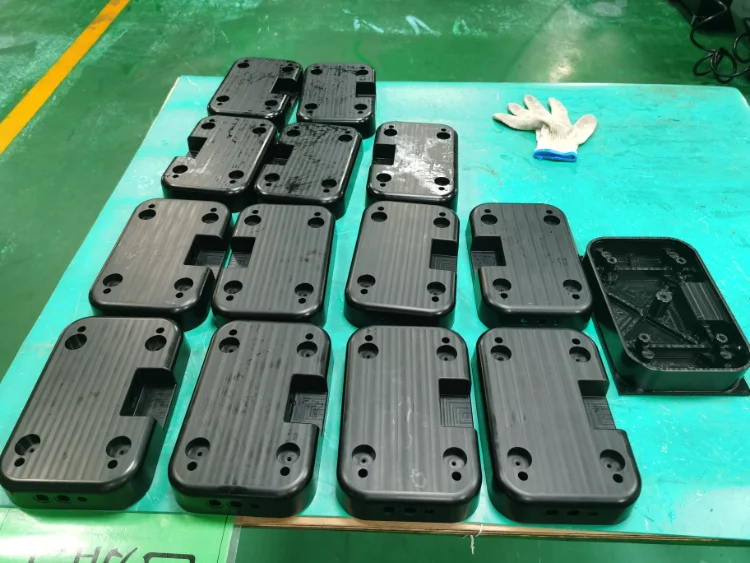
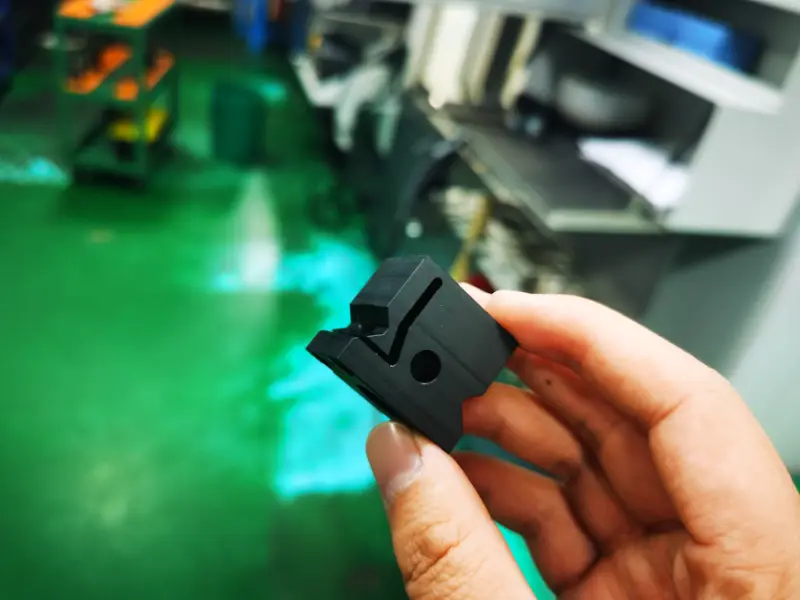

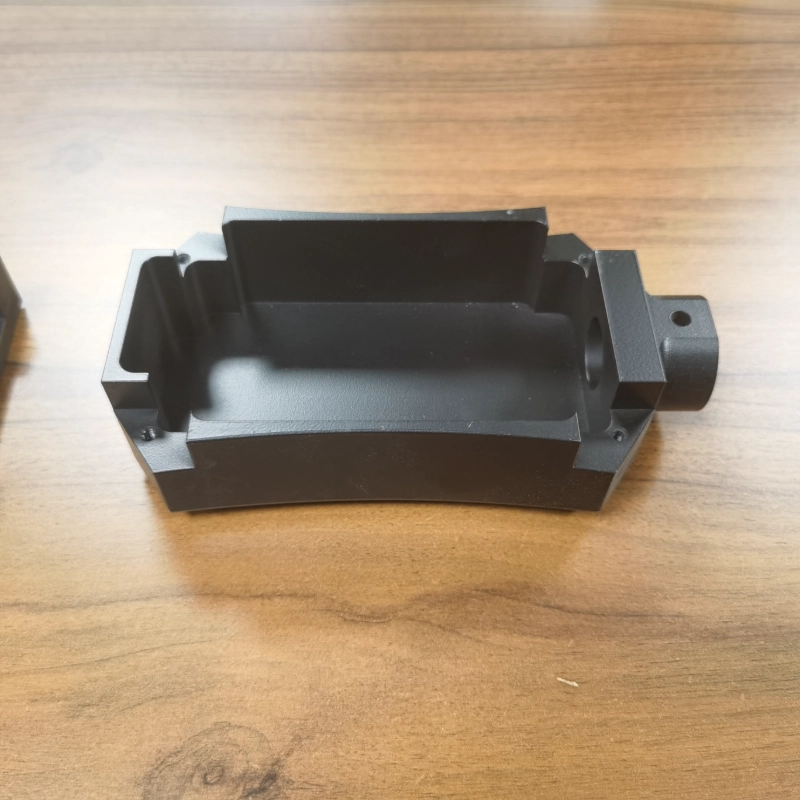
- Behuizingen voor elektronische apparatuur
- Automotive interiors
- Home appliances
- Models and prototypes
- Equipment components
- Industrial covers
Oppervlakteafwerkingen voor ABS-onderdelen
Select the finish for texture, color, graphics, appearance, and the dimensional requirements of the finished component.
Gecontroleerde productie, van beoordeling tot levering
DFM review, suitable machining, and dimensional inspection connect the material and process to the drawing requirements.
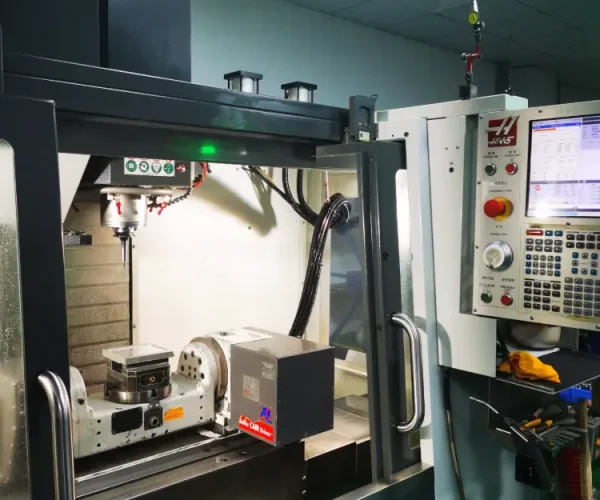
Process and DFM Review
Confirm grade, stock, geometry, tool access, thin-wall support, and the required machining route.
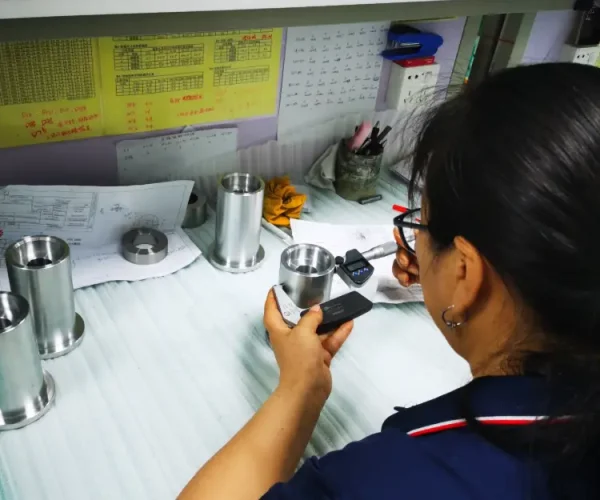
In-Process Checks
Monitor critical features and material movement between roughing, finishing, and release from workholding.
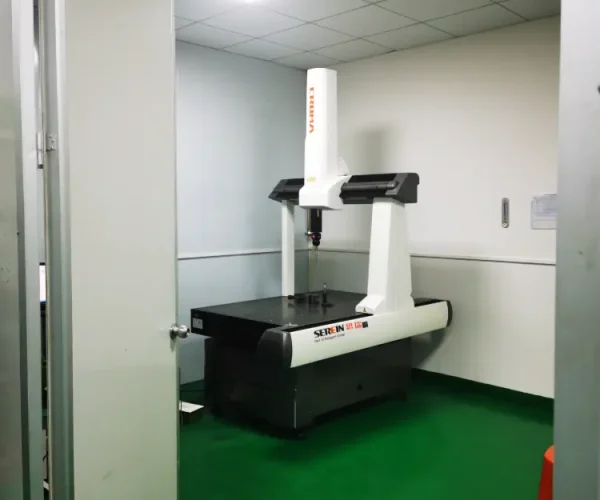
Maatcontrole
Select suitable CMM, optical, or gauge methods with controlled support and measurement conditions.
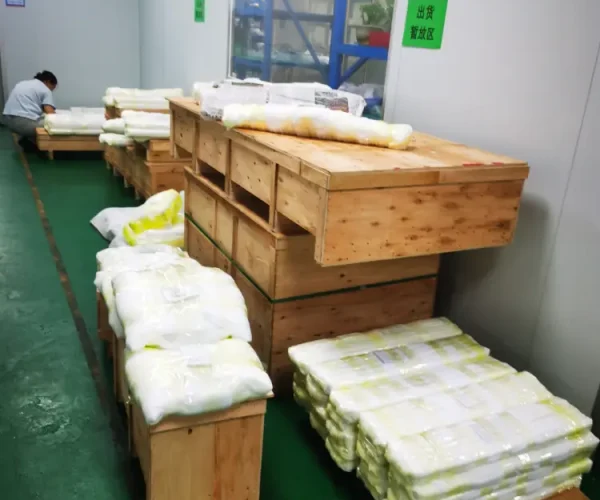
Vrijgave van de zending
Verify the agreed records and protect cosmetic faces, edges, and functional features during packing.
Instrument resolution is one part of measurement planning. Agree support, contact force, uncertainty, and environmental conditions for critical ABS features. Production scheduling is confirmed from the drawing, material, quantity, and finishing requirements.
ABS Machining Questions
Why can ABS warp during machining?
Cutting heat, stock stress, low stiffness, and uneven material removal can change the shape. Use suitable stock, sharp tools, supported clamping, and a balanced machining sequence, with critical dimensions verified in the agreed condition.
When does CNC machining ABS make sense?
Machining supports functional prototypes, design changes, low-volume parts, and repeat batches from stock. For stable, sustained volumes, compare total cost, material, geometry, and tooling requirements with molding.
Which cutting parameters should be used?
Select parameters for cutter diameter, flute count, engagement, grade, machine rigidity, and the required finish. Use tool-supplier guidance and a validated cutting plan; one spindle-speed or feed range does not suit every ABS part.
Which tools suit ABS?
Sharp, polished carbide tools with adequate chip space are common choices. O-flute, single-flute, or suitable two-flute tools may suit different operations. Filled grades need tooling matched to reinforcement and wear.
How are melting, burrs, and poor surfaces reduced?
Review chip thickness, tool condition, engagement, cutting heat, evacuation, and support together. Use compatible cooling or lubrication where needed, and define controlled deburring and cosmetic acceptance.