
Custom Steel Part
Custom CNC Steel Machining
Steel combines strength, toughness and heat-treatable performance for shafts, gears, tooling and load-bearing components. Send your drawing for material review, process planning and a clear quotation.
Upload Your Drawing →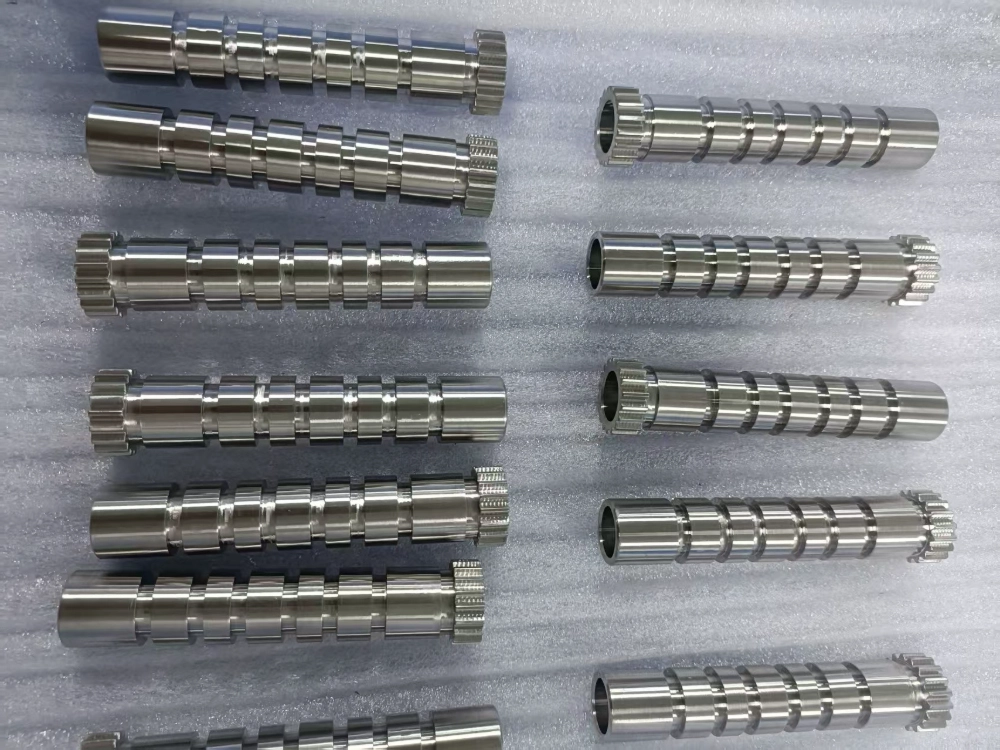
Material Performance
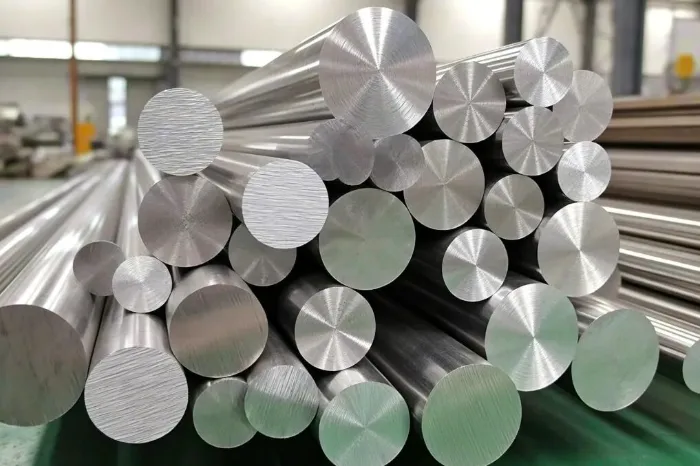
Steel Properties by Grade and Condition
Carbon content, alloying elements and heat treatment determine the final strength, hardness, toughness and wear resistance.
| Density | 7.75–7.90 g/cm³ |
|---|---|
| Tensile Strength | 370–2,000 MPa |
| Yield Strength | 200–1,800 MPa |
| Hardness | 120–650 HB |
| Hardened Condition | Up to 60–65 HRC |
| Elongation | 5–35% |
| Thermal Conductivity | 20–60 W/m·K |
Steel Grade Selection
Common Steel Materials for CNC Parts
Compare common supply conditions, mechanical-property ranges and typical applications before selecting a grade.
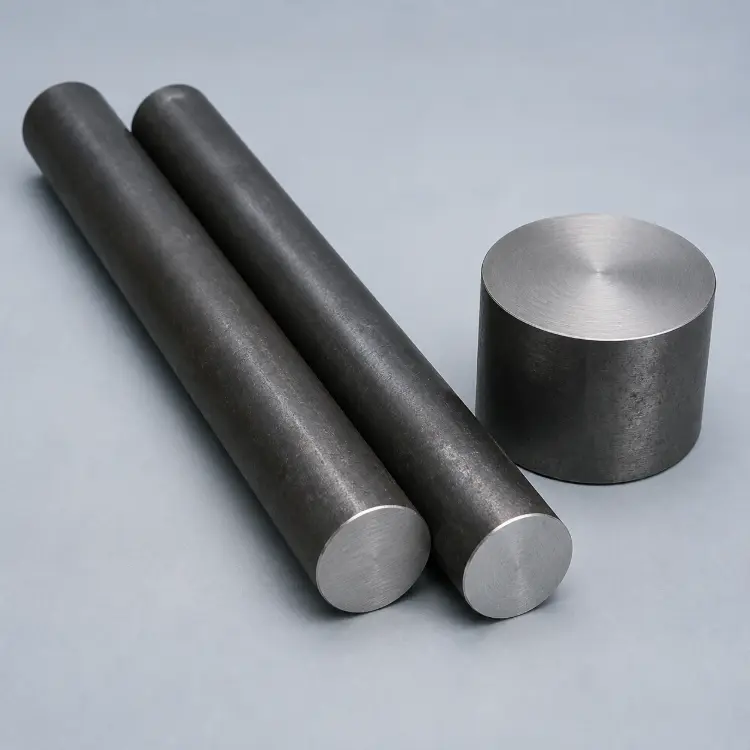
A36 Steel
Hot RolledA36 is a weldable, economical structural steel used for general mechanical and load-bearing parts.
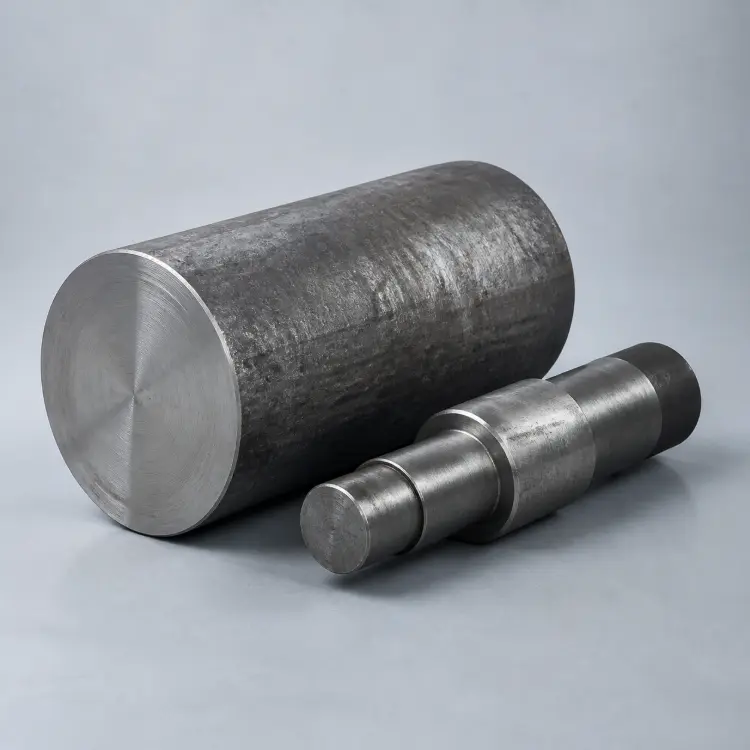
1018 Steel
Hot Rolled / Cold Drawn1018 is a low-carbon steel with good machinability and weldability, and it supports carburizing for a wear-resistant surface.
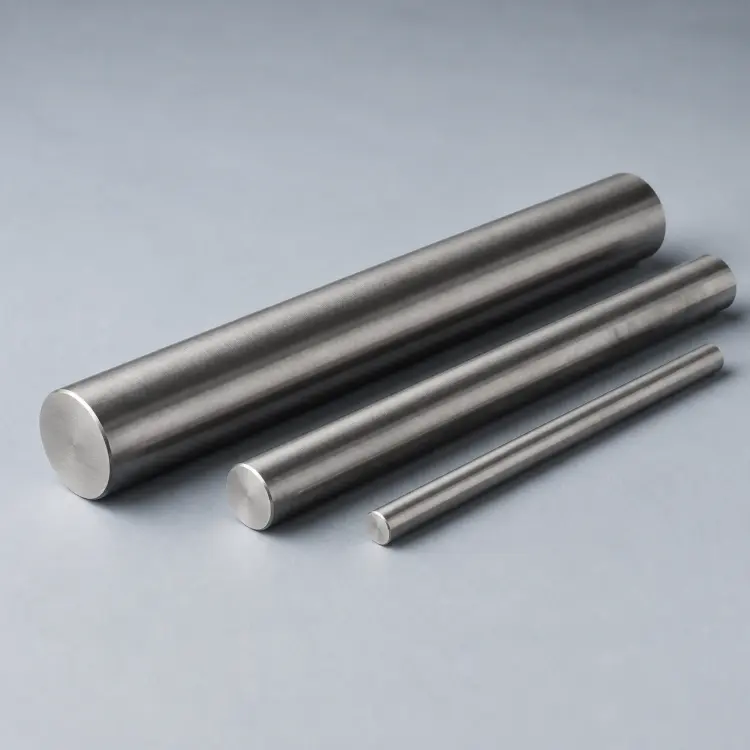
A2 Tool Steel
Soft AnnealedA2 is an air-hardening tool steel with balanced wear resistance, toughness and heat-treatment dimensional stability.
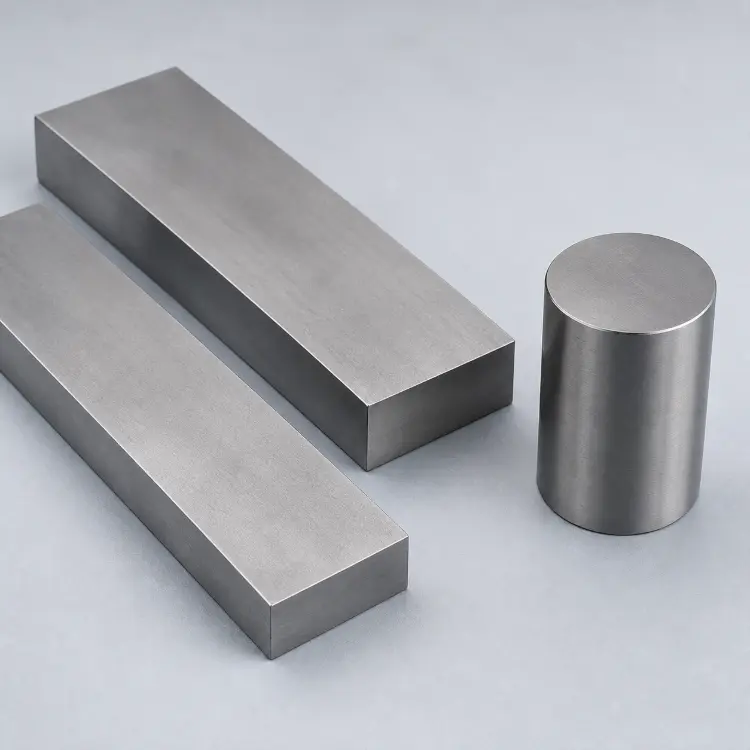
4140 Alloy Steel
Annealed / Normalized4140 chromium-molybdenum steel provides a practical balance of strength, toughness, fatigue resistance and hardenability.
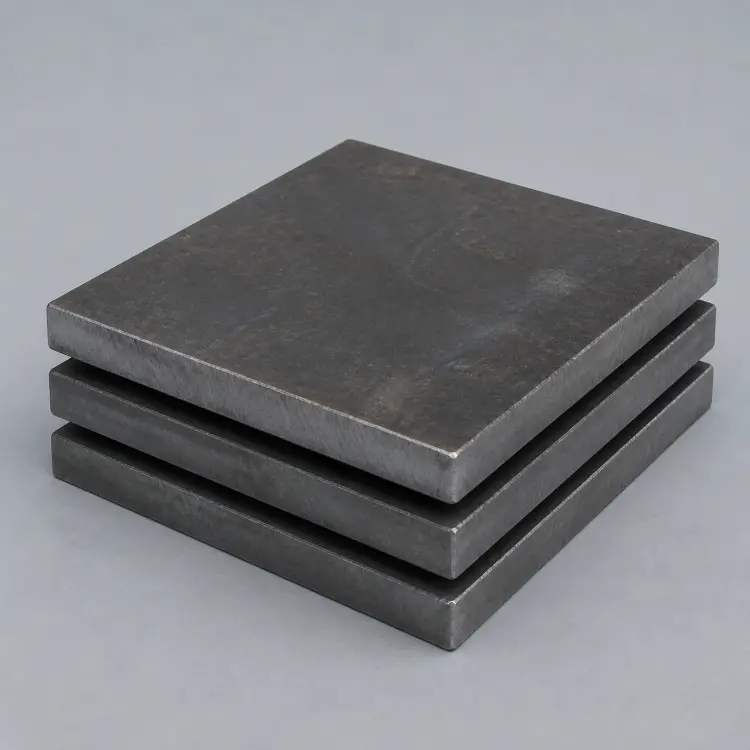
4340 Alloy Steel
Annealed / Normalized4340 nickel-chromium-molybdenum steel delivers high strength, impact toughness and fatigue resistance for critical loaded parts.
Values represent common supply conditions. Final mechanical properties are confirmed from the applicable material standard, section size, heat treatment and mill certificate.
Need C45, D2, H13, 8620 or another steel grade? Send the working load, hardness, wear and heat-treatment requirements for a grade-specific machining recommendation and quotation.
Surface Protection
Surface Finishes for Steel Parts
Choose the finish around corrosion protection, wear, appearance, coating thickness and assembly fit.
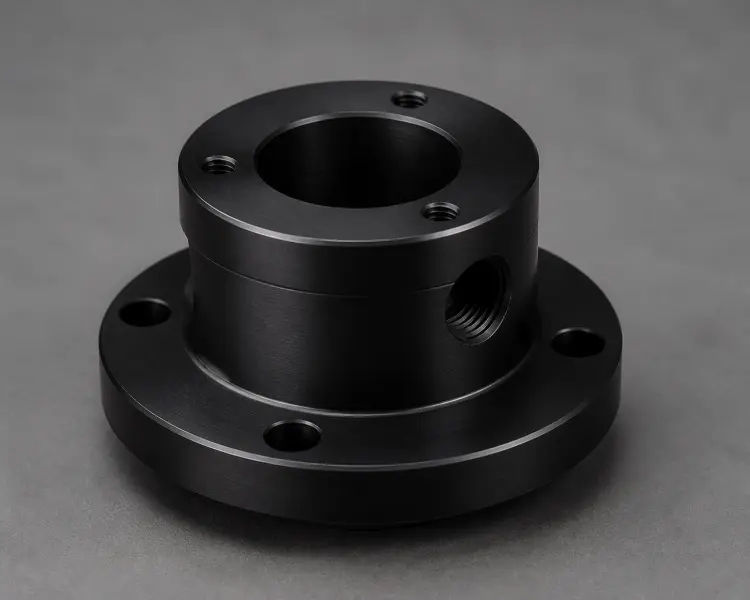
Black Oxide
Thin black conversion layer for appearance and mild corrosion protection.

Zinc Plating
Sacrificial corrosion protection for fasteners, brackets and outdoor hardware.
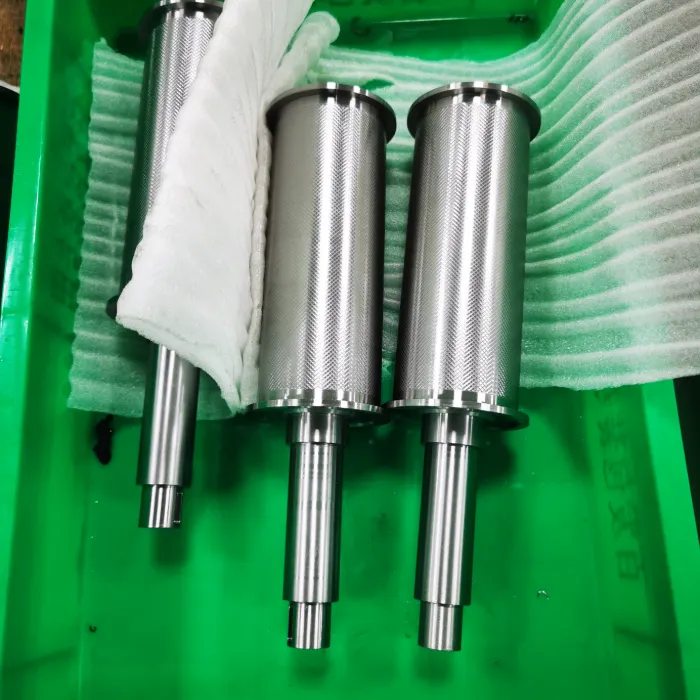
Nickel Plating
Uniform protective coating with improved wear resistance and clean appearance.
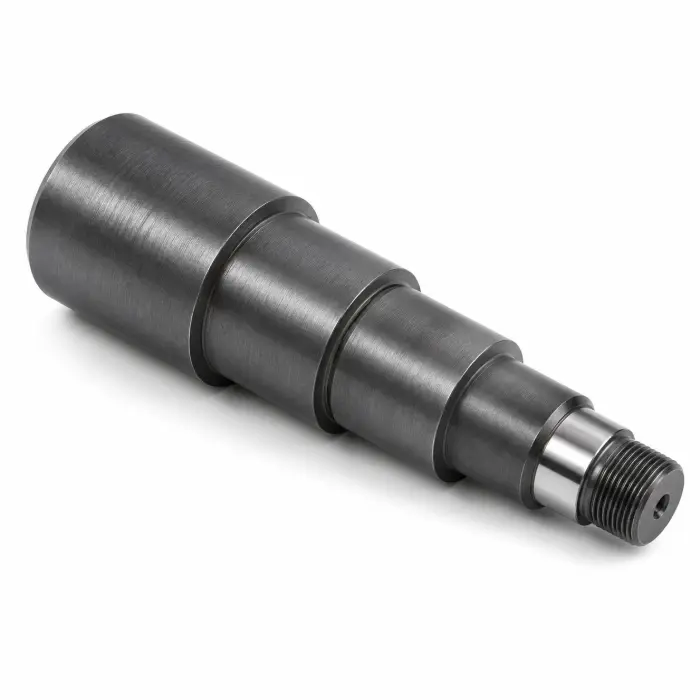
Phosphating
Conversion coating that improves oil retention and paint adhesion.
Machining & Inspection
From Drawing Review to Final Inspection
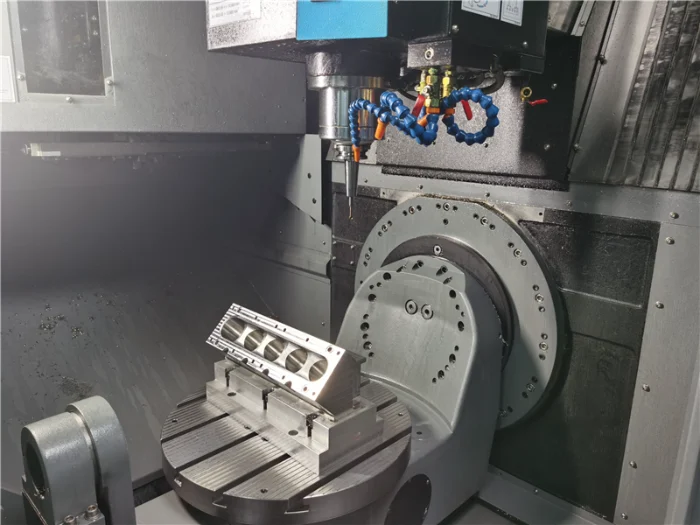
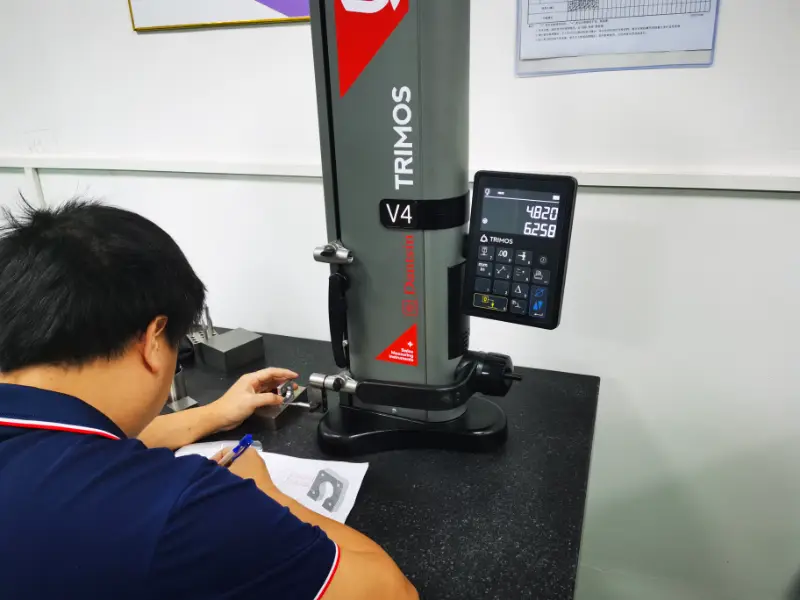
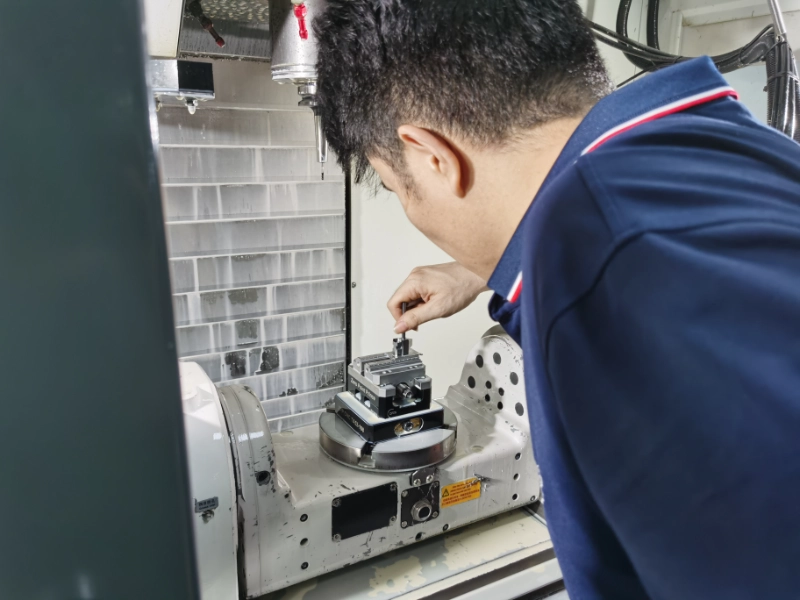
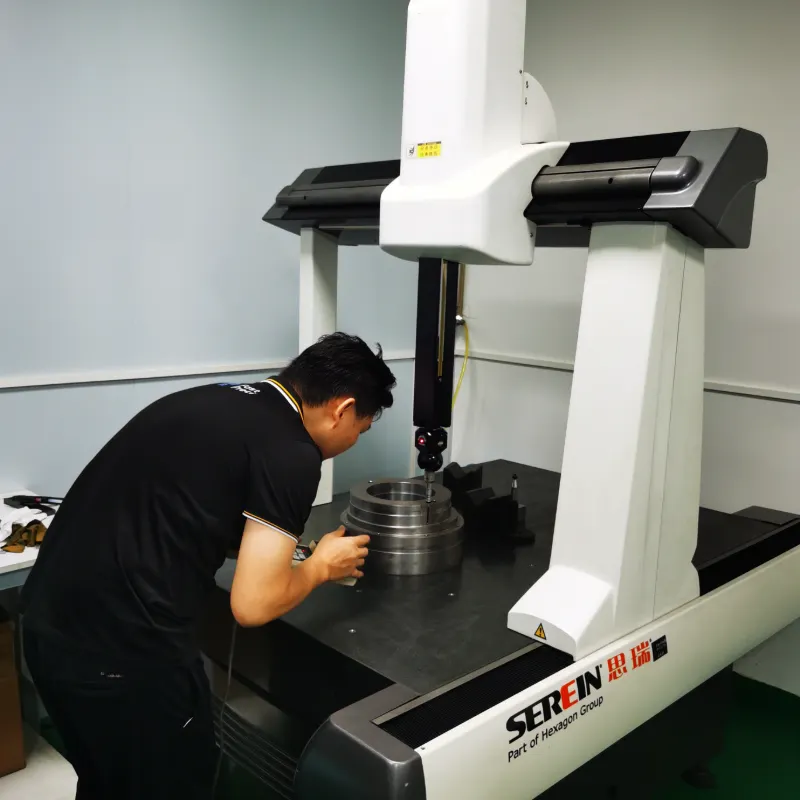
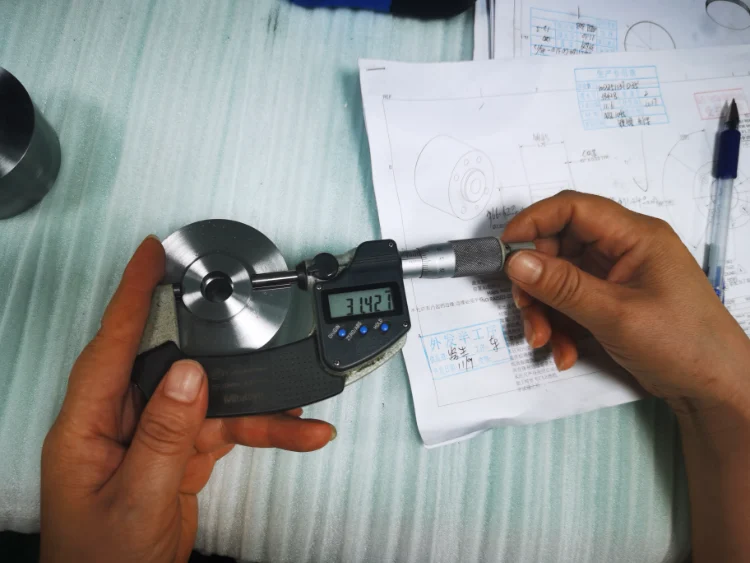
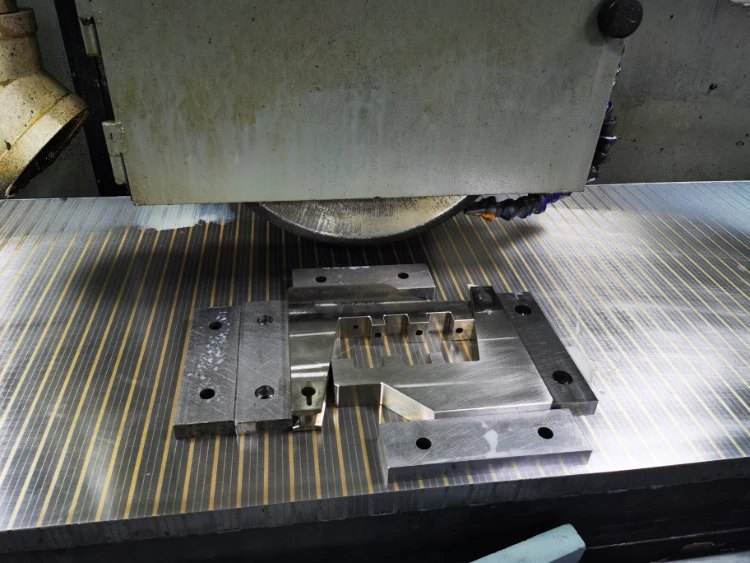
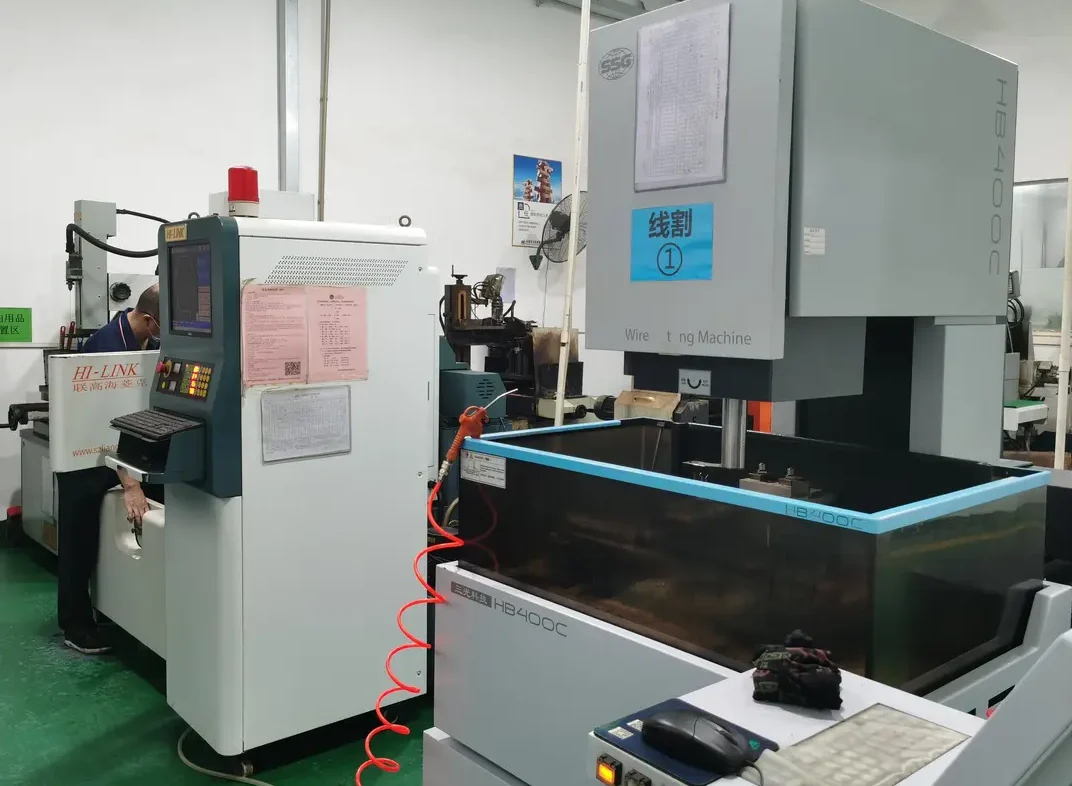
Machining, grinding, EDM and dimensional inspection support controlled steel part production.

Machined Projects
Custom CNC-Machined Steel Parts
Carbon, alloy, structural and tool-steel parts from prototypes and small batches to repeat production, supported by heat treatment, finishing and inspection.