
Bij moderne productontwikkeling is er vraag naar snelle, betrouwbare en hoogwaardige cnc kunststofbewerking prototype De productie blijft groeien. Van consumentenelektronica tot medische componenten en industriële automatisering: ontwerpers vertrouwen op nauwkeurig bewerkte kunststofonderdelen om vorm, pasvorm en functie te valideren. De nauwkeurigheid, herhaalbaarheid en materiaalveelzijdigheid die worden geboden door cnc kunststofbewerking prototype Dankzij deze diensten zijn ze bij uitstek geschikt voor testen in een vroeg stadium en productie in kleine oplagen.
In vergelijking met spuitgieten of 3D-printen biedt CNC-bewerking een superieure maatvastheid, strengere toleranties en een betere oppervlakteafwerking — met name voor technische kunststoffen zoals ABS, POM, PEEK, en PMMA. In dit artikel wordt alles uitgelegd wat u moet weten over CNC-prototypes van kunststof, de voordelen van verschillende materialen en waarom Weldo Machining de juiste partner is voor uw volgende project.

Wat is een prototype voor CNC-bewerking van kunststof?
A cnc kunststofbewerking prototype is een precisieonderdeel dat uit een massief kunststofblok wordt vervaardigd met behulp van subtractieve bewerkingsprocessen. Het doel is om het uiteindelijke productieonderdeel zo nauwkeurig mogelijk na te bootsen wat betreft afmetingen, oppervlaktekwaliteit en materiaalgedrag.
In tegenstelling tot additive manufacturing maakt CNC-bewerking gebruik van computergestuurde snijgereedschappen om materiaal weg te halen, waardoor uiterst nauwkeurige functionele prototypes worden vervaardigd. Deze prototypes zijn bestand tegen echte mechanische tests, hoge temperaturen, blootstelling aan chemicaliën of dynamische belastingen, afhankelijk van het gekozen kunststofmateriaal.
Voordelen van prototypediensten voor CNC-bewerking van kunststof
1. Hoge dimensionale nauwkeurigheid
CNC-bewerking biedt een uitstekende herhaalbaarheid en een nauwkeurige tolerantiecontrole. Prototypes kunnen worden bewerkt met een nauwkeurigheid van ±0,02 mm of zelfs nog nauwkeuriger, afhankelijk van de geometrie en het materiaal.
2. Brede materiaalcompatibiliteit
Een groot voordeel van cnc kunststofbewerking prototype Een van de voordelen van de productie is de flexibiliteit om te kiezen uit honderden technische kunststoffen, zoals:
- ABS
- POM/Delrin
- PEEK
- PMMA/acryl
Hierdoor krijgen ingenieurs een zo nauwkeurig mogelijk beeld van het uiteindelijke productiegedrag.
3. Korte doorlooptijd
CNC-bewerking omzeilt de behoefte aan gereedschap, waardoor prototypes binnen enkele dagen in plaats van weken kunnen worden geleverd. Dit versnelt de ontwerpiteraties en verlaagt de ontwikkelingskosten.
4. Uitstekende oppervlakteafwerking
CNC-bewerking zorgt voor strakke randen, gladde oppervlakken en een constante kwaliteit – ideaal voor geassembleerde onderdelen of functionele tests.
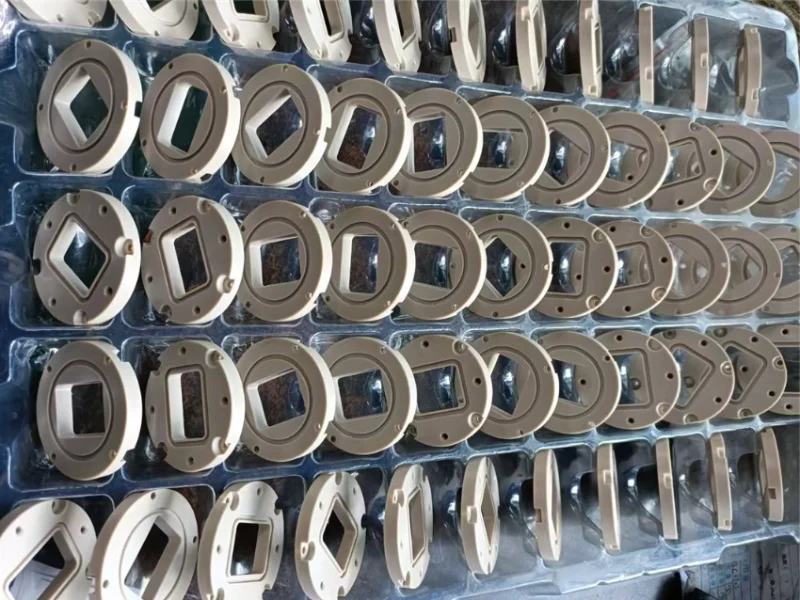
Ontwerprichtlijnen voor CNC-prototypes van kunststof
Een goed ontwerp verbetert de maatvastheid, vermindert de moeilijkheidsgraad bij de bewerking en verkleint het risico op vervorming of scheurvorming. De vier belangrijkste richtlijnen zijn:
- Vermijd te dunne wanden
Dunne wanden kunnen doorbuigen onder de krachten die bij het snijden en vastklemmen optreden. Zorg voor een gelijkmatigere wanddikte en breng waar mogelijk verstevigingen aan rond kritieke onderdelen. - Praktische inwendige radii toevoegen
Bij scherpe binnenhoeken zijn kleinere gereedschappen nodig en duurt de bewerking langer. Grotere radii zorgen voor een betere toegankelijkheid voor het gereedschap, een betere spaanafvoer en een betere algehele kostenefficiëntie. - Gebruik realistische toleranties
Strakke toleranties moeten worden beperkt tot pasvlakken en cruciale assemblagekenmerken. Ruimere toleranties voor niet-functionele afmetingen verlagen de bewerkings- en inspectiekosten. - Ontwerp schroefdraden en inzetstukken zorgvuldig
Kunststof schroefdraad vereist voldoende wanddikte en ingrijplengte. Bij herhaalde montage of bij hogere belastingen zorgen metalen inzetstukken of bussen voor een betere duurzaamheid.
CNC-kunststofmaterialen voor de uiterst nauwkeurige bewerking van prototypes
Hieronder volgt een gedetailleerd overzicht van vier belangrijke materialen die in uw constructie zijn verwerkt.
ABS-CNC-bewerking voor functionele prototypes
ABS CNC-bewerking is ideaal voor functionele onderdelen, behuizingen, beugels en apparaatbehuizingen in een vroeg stadium. ABS biedt:
- Uitstekende taaiheid
- Eenvoudige bewerkbaarheid
- Stabiele maatvastheid
- Goede kostenefficiëntie
ABS-prototypes bieden betrouwbare mechanische eigenschappen en worden op grote schaal toegepast in consumentenelektronica, auto-interieurs en robotica.
CNC-bewerking van POM voor onderdelen die aan sterke slijtage onderhevig zijn
POM CNC-bewerking (ook bekend als Delrin-bewerking) biedt een uitstekende structurele stijfheid en een lage wrijving. Het wordt vaak gekozen voor:
- Tandwielen
- Bussen
- Slijtvaste mechanische onderdelen
- Precisieopspanningen
Zijn natuurlijke smerende eigenschappen en POM met uitstekende sterkte een van de meest kosteneffectieve opties voor het vervoeren van mechanische prototypes.
CNC-bewerking van PMMA voor transparante en optische onderdelen
CNC-bewerking van PMMA (Acrylbewerking) maakt de productie mogelijk van doorzichtige onderdelen, zoals:
- Lichtgeleiders
- Lenzen
- Etalages
- Doorzichtige hoezen
PMMA kan gemakkelijk tot een afwerking van optische kwaliteit worden gepolijst, waardoor het ideaal is voor prototypes waarbij zichtbaarheid, helderheid en gladde oppervlakken van belang zijn.
CNC-bewerking van PEEK voor hoogwaardige technische prototypes
CNC-bewerking van PEEK wordt gebruikt voor toepassingen waarbij hoge temperaturen en een hoge sterkte vereist zijn. PEEK biedt:
- Uitzonderlijke thermische weerstand
- Uitstekende chemische stabiliteit
- Uitstekende mechanische sterkte
- Structurele prestaties op lange termijn
Sectoren zoals de lucht- en ruimtevaart, de medische sector, de halfgeleiderindustrie en de industriële automatisering maken gebruik van PEEK-prototypes wanneer duurzaamheid en functionaliteit van cruciaal belang zijn.

Andere veelgebruikte kunststoffen voor CNC-prototyping
- Nylon
Nylon heeft een goede taaiheid, slijtvastheid en vermoeidheidssterkte. Het wordt vaak verwerkt tot tandwielen, rollen, bussen, beugels en mechanische behuizingen. - Polycarbonaat
Polycarbonaat biedt een hoge slagvastheid en een goede transparantie. Typische CNC-onderdelen zijn onder meer beschermkappen, doorzichtige afschermingen, kijkvensters en behuizingen voor apparatuur. - PTFE
PTFE biedt een zeer lage wrijving en een uitstekende chemische bestendigheid. Het wordt vaak gebruikt voor afdichtingen, kleponderdelen, isolerende componenten, pakkingen en glijelementen. - UHMWPE
UHMWPE combineert slagvastheid, slijtvastheid en zelfsmerende eigenschappen. Veelvoorkomende bewerkte onderdelen zijn onder meer geleiders, slijtstrips, voeringen, transportbandonderdelen en glijblokken. - PPS
PPS biedt stabiliteit bij hoge temperaturen, chemische bestendigheid en een lage vochtopname. Het materiaal wordt vaak verwerkt tot elektrische isolatoren, halfgeleideronderdelen, pomponderdelen en auto-onderdelen. - PEI
PEI biedt hittebestendigheid, mechanische sterkte en elektrische isolatie. Typische toepassingen zijn onder meer beugels voor de lucht- en ruimtevaart, onderdelen voor medische apparatuur, behuizingen voor elektrische apparatuur en bevestigingsmiddelen voor hoge temperaturen. - HDPE
HDPE is licht van gewicht, chemisch bestendig en kostenefficiënt. Het wordt vaak verwerkt tot tanks, onderdelen voor vloeistoftransport, bevestigingselementen, afstandhouders en algemene industriële componenten.
Toepassingen van CNC-bewerking van kunststof voor prototypen
Consumentenelektronica
Precisiebehuizingen, interne constructieonderdelen, optische componenten en testopstellingen.
Medische hulpmiddelen
Functionele prototypes voor chirurgische instrumenten, testopstellingen, steriele behuizingen en laboratoriuminstrumenten.
Automotive en Industrie
Prototypes van tandwielen, interieuronderdelen, bussen en slijtage- en wrijvingsonderdelen, vervaardigd met behulp van POM CNC-bewerking en CNC-bewerking van PEEK.
Robotica en automatisering
Sensorbehuizingen, doorzichtige beschermkappen, zeer sterke mechanische prototypes.
Het kiezen van het juiste materiaal voor prototypeprojecten waarbij kunststof met CNC-machines wordt bewerkt
ABS versus POM
ABS is een betere keuze voor behuizingen en prototypen met een esthetische uitstraling.
POM is bij uitstek geschikt voor bewegende mechanische onderdelen.
PEEK versus PMMA
PEEK is ideaal vanwege zijn thermische en structurele eigenschappen.
PMMA is het meest geschikt voor esthetische en transparante prototypes.
De keuze van het juiste materiaal heeft een grote invloed op:
- Kracht
- Kosten
- Bewerkingstijd
- Thermische stabiliteit
- Oppervlaktekwaliteit
De ingenieurs van Weldo kunnen uw ontwerp analyseren om de meest geschikte oplossing aan te bevelen.
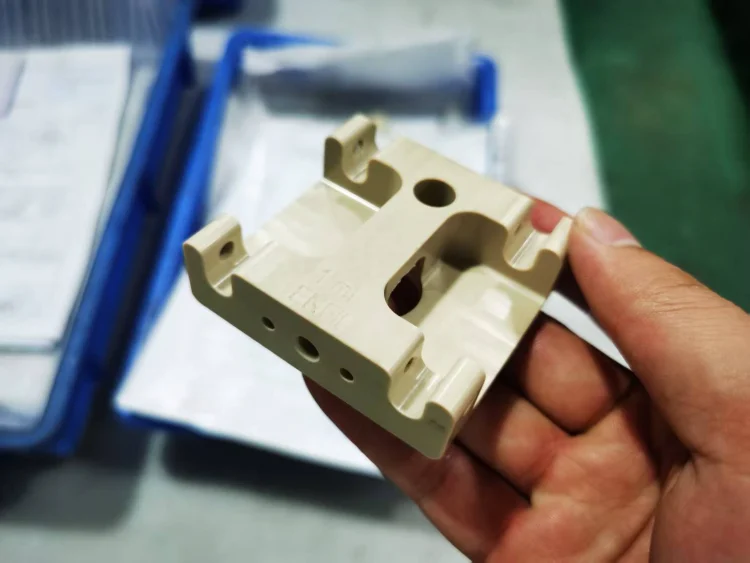
CNC-bewerkingsmogelijkheden voor de productie van prototypen van kunststof
Nauwkeurigheid en tolerantie
De CNC-bewerkingscentra van Weldo bieden een hoge nauwkeurigheid en een stabiele herhaalbaarheid. Typische toleranties zijn onder meer:
- ±0,05 mm voor standaard kunststofonderdelen
- ±0,02 mm voor technische kunststoffen
- Voor prototypes van PEEK en POM zijn krappere toleranties beschikbaar
Oppervlakteafwerking Opties
Wij bieden:
- Gefreesde oppervlakken
- Gepolijst PMMA met optische helderheid
- Ontbramen en afschuinen
- Parelstralen (afhankelijk van het materiaal)
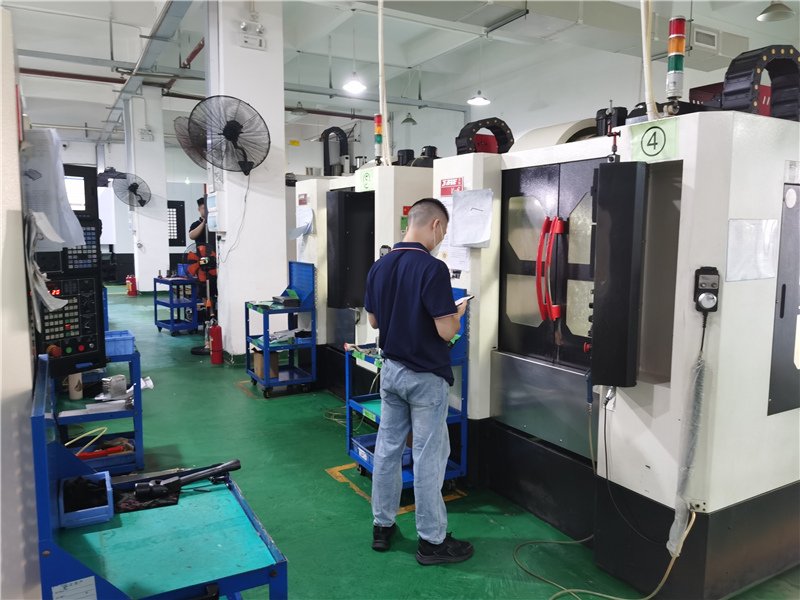
Meerassige bewerking
Wij bieden ondersteuning voor 3-assige, 4-assige en 5-assige bewerking van complexe geometrieën, ondersnijdingen en contourvlakken.
Uitdagingen bij de CNC-bewerking van kunststofprototypes
Bij de bewerking van kunststoffen is een zorgvuldige regeling vereist, omdat technische kunststoffen over het algemeen een lagere warmtegeleiding, stijfheid en maatvastheid hebben dan metalen. De vijf meest voorkomende uitdagingen zijn:
- Warmteontwikkeling en materiaalverzachting
Overmatige snijwarmte kan leiden tot verzachting, smelten, vlekkerige oppervlakken en een slechte afvoer van spanen. Scherpe gereedschappen, geschikte snijsnelheden en gecontroleerde koeling dragen bij aan het behoud van de oppervlaktekwaliteit. - Kromtrekking en restspanning
Kunststofmateriaal kan vocht of interne spanning bevatten die tijdens de bewerking vrijkomt. Hygroscopische materialen moeten mogelijk vooraf worden gedroogd, terwijl spanningsverlichtend gloeien vóór de bewerking of tussen het voor- en nabewerken door buiging en maatveranderingen kan verminderen. - Vervorming van dunwandige constructies
Dunne secties kunnen onder invloed van snij- en klemkrachten doorbuigen, wat kan leiden tot trillingen, maatfouten of oppervlakteschade. Vaak is het daarom nodig om licht te snijden en de werkstukken met zo min mogelijk spanning vast te klemmen. - Burr-formatie
Materialen zoals POM, PTFE en UHMWPE kunnen vezelachtige spanen en hardnekkige bramen veroorzaken. Om zuivere contouren te behouden, zijn een geschikte gereedschapsgeometrie en een zorgvuldige afwerking van de randen vereist. - Scheuren en afgebroken randen
Breekbare kunststoffen zoals PMMA kunnen barsten rond gaten, scherpe hoeken en onondersteunde randen. Scherp gereedschap, de juiste voedingssnelheden en grotere binnenradii helpen dit risico te verminderen.
Deze problemen kunnen worden beheerst door middel van materiaalvoorbehandeling, stabiele opspanning, gefaseerde bewerking, evenwichtige materiaalafname en materiaalspecifieke snijparameters.
CNC-bewerking versus 3D-printen versus spuitgieten
CNC-bewerking, 3D-printen en spuitgieten worden ingezet in verschillende fasen van de productontwikkeling. CNC-bewerking is het meest geschikt voor functionele prototypes van productiekwaliteit kunststoffen, terwijl 3D-printen snelle ontwerpiteraties mogelijk maakt en spuitgieten voordeliger is voor productie in grote volumes.
| Factor | CNC-bewerking van kunststof | 3D afdrukken | Spuitgieten |
|---|---|---|---|
| Kosten voor gereedschap | Geen mal nodig | Geen mal nodig | Hoge initiële matrijskosten |
| Levertijd | Snel voor prototypes en kleine series | Meestal de snelste optie | Langer vanwege schimmelvorming |
| Materiaaleigenschappen | Gemaakt van massief technisch kunststofmateriaal | Hangt af van het printmateriaal en de hechting tussen de lagen | Het dichtst bij de definitieve onderdelen voor massaproductie |
| Verdraagzaamheid | Geschikt voor nauwe toleranties en precisiepassingen | Over het algemeen minder nauwkeurig | Stabiel nadat het gietproces is geoptimaliseerd |
| Oppervlakteafwerking | Gladde, machinaal bewerkte afwerking met optionele polijstbehandeling | Vereist vaak nabewerking | Gelijkmatige afwerking van het spuitgietwerk |
| Ontwerpflexibiliteit | Zeer geschikt voor precisieonderdelen en functionele onderdelen | Het meest geschikt voor complexe interne vormen en snelle veranderingen | Ontwerpwijzigingen zijn kostbaar nadat de matrijzen zijn vervaardigd |
| Productievolume | Prototypen, kleine series en overbruggingsproductie | Prototypen en productie in zeer kleine oplagen | Productie in middelgrote tot grote volumes |
| Optimale toepassing | Functionele tests en validatie vóór de productie | Conceptmodellen en snelle ontwerpiteratie | Herhaalbare massaproductie |
CNC-gefreesde prototypes bieden betrouwbare maatnauwkeurigheid en materiaalgedrag, omdat ze worden vervaardigd uit massief ABS, POM, PMMA, PEEK of andere technische kunststoffen. Ze geven echter niet volledig de effecten van spuitgieten weer, zoals vloei-oriëntatie, lasnaden, krimp of ingegoten restspanning.
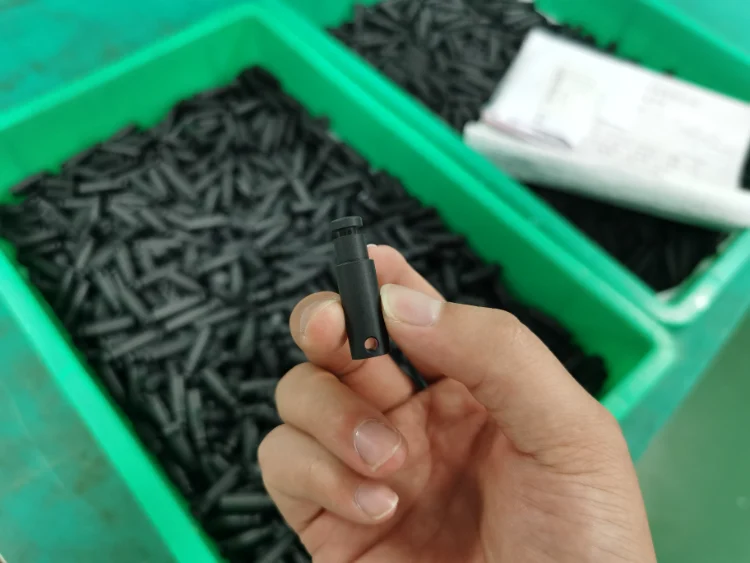
Hoe kies je een fabrikant van CNC-bewerkte kunststofprototypes?
Ervaring in diverse sectoren
We hebben duizenden prototypes geproduceerd voor toepassingen in de medische sector, consumentenelektronica, de automobielindustrie, laboratoria en de lucht- en ruimtevaart.
Geavanceerde materiaalkennis
Weet hoe verschillende kunststoffen zich tijdens de bewerking gedragen. Dit vermindert het aantal afkeuren en zorgt voor een constante kwaliteit.
Concurrerende prijzen
Of je nu ABS CNC-bewerking, CNC-bewerking van PEEK, POM CNC-bewerking, of CNC-bewerking van PMMA, Ze kunnen betaalbare en transparante prijzen aanbieden.
Technische ondersteuning
Een professionele fabrikant van CNC-bewerkingen van kunststof biedt het volgende aan:
- DFM (ontwerp met het oog op produceerbaarheid)
- Materiaalaanbeveling
- Optimalisatie van de tolerantie
- Snelle offerte
Vraag een offerte aan bij Weldo voor een prototype van CNC-bewerking van kunststof
Als je snelle, betrouwbare cnc kunststofbewerking prototype diensten voor uw volgende project, Weldo kan u helpen deadlines te halen met gegarandeerde nauwkeurigheid en materiaalprestaties. Uploaden uw tekeningen, CAD-bestanden of 3D-modellen, waarna onze ingenieurs u zullen helpen met suggesties voor kostenbesparingen en produceerbaarheid.
Neem vandaag nog contact op met Weldo voor een offerte op maat en deskundig advies over alle aspecten van CNC-bewerking van kunststof prototype vereiste.
Veelgestelde vragen over CNC-bewerking van kunststof prototypes
Waarvoor wordt een prototype voor CNC-bewerking van kunststof gebruikt?
Het wordt gebruikt voor functionele tests, ontwerpvalidatie, evaluatie van de assemblage en verificatie vóór de productie in elektronische, medische en industriële toepassingen.
Welk kunststofmateriaal is het meest geschikt voor CNC-prototyping?
ABS is ideaal voor behuizingen, POM voor bewegende onderdelen, PMMA voor transparante toepassingen en PEEK voor hoogwaardige technische prototypes.
Hoe lang duurt het om een prototype voor CNC-bewerking van kunststof te maken?
De meeste prototypes kunnen binnen 2 tot 5 dagen worden geproduceerd, afhankelijk van het materiaal, de complexiteit en de afwerkingsvereisten.
Hoe kan ik een offerte aanvragen voor prototypen op het gebied van CNC-bewerking van kunststof?
Verzenden uw CAD-bestanden, het gewenste materiaal (ABS, POM, PMMA, PEEK) en de hoeveelheid. Weldo bezorgt u snel een nauwkeurige offerte en advies over de produceerbaarheid.
Kunnen CNC-gefreesde prototypes dezelfde kwaliteit bieden als spuitgegoten onderdelen?
Ja. CNC-bewerking levert een uitstekende maatnauwkeurigheid en oppervlaktekwaliteit op, waardoor deze methode geschikt is voor de eindcontrole in de ontwikkelingsfase.