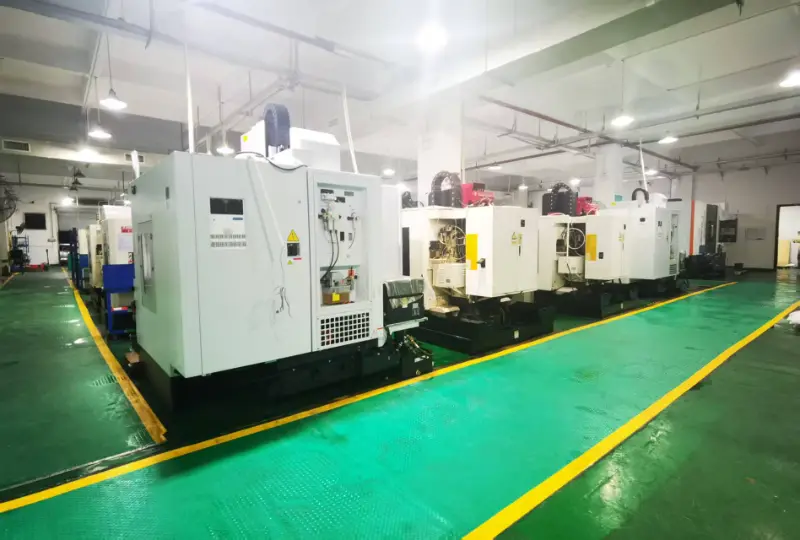
Overview of ST52 Steel
ST52 steel is a high-strength, low-alloy structural steel known for its exceptional versatility and durability. As a premier choice in heavy engineering and construction, this material offers a superior balance of weldability and mechanical strength. It is specifically designed to handle high-stress environments where structural integrity is non-negotiable.
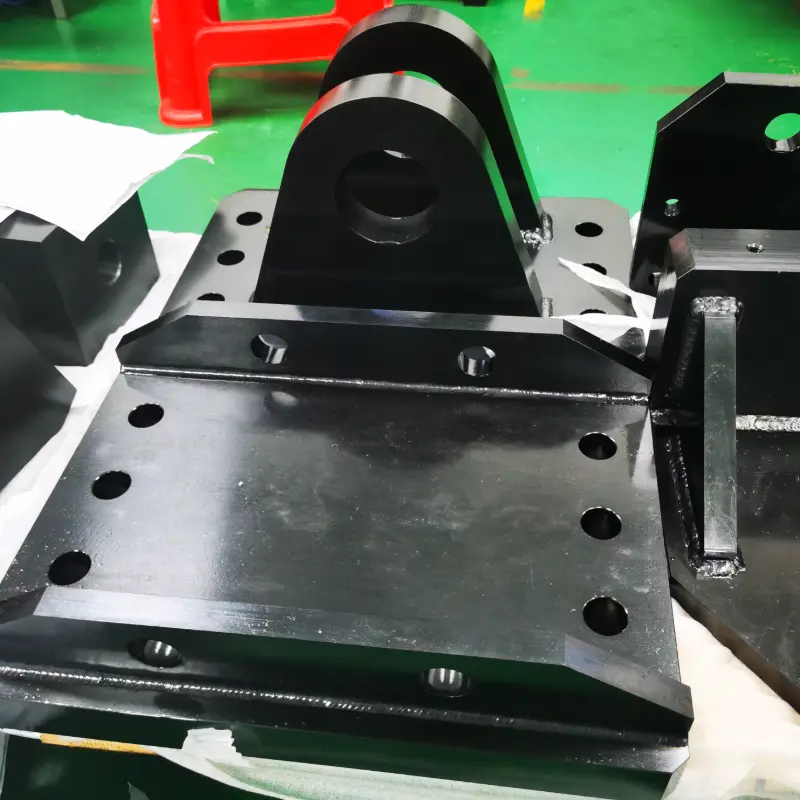
Definition and DIN 17100 Standard
ST52 is defined under the DIN 17100 standard, a German technical specification for structural steels. The nomenclature “St” stands for “Steel,” while the number “52” refers to its minimum tensile strength of 52 kg/mm² (approximately 510-630 MPa).
| Feature | Specification |
|---|---|
| Standard | DIN 17100 |
| Material Type | High-Strength Low-Alloy (HSLA) |
| Common Grade | ST52-3 (Fully Killed Steel) |
| Primary Use | Structural and Mechanical Engineering |
The most common variant, ST52-3, indicates a “killed” steel process, ensuring a fine-grained structure and improved toughness compared to lower grades.
Core Benefits and Performance Characteristics
ST52 carbon steel is engineered to outperform standard carbon steels in demanding applications. Its unique chemical balance provides a distinct edge in fabrication and long-term service life.
- High Yield Strength: Offers a minimum yield point of 355 MPa, allowing for thinner sections without compromising load-bearing capacity.
- Superior Weldability: Low carbon equivalent ensures that the steel can be welded using standard methods without the risk of cold cracking.
- Impact Resistance: Maintains excellent toughness even in low-temperature environments, making it ideal for outdoor structural projects.
- Excellent Machinability: Despite its strength, ST52 remains easy to cut, drill, and process, reducing manufacturing lead times.
- Weight Efficiency: High strength-to-weight ratio allows engineers to design lighter structures, reducing overall material and shipping costs.
Chemical Composition of st52
When we look at the chemistry of ST52, it’s all about finding the sweet spot between strength and workability. This material grade is specifically engineered to handle heavy loads without becoming too brittle to weld or shape. Our preferred steel suppliers at Weldo specialize in clean melting, ensuring that every plate and pipe supplied is accompanied by consistent quality and a chemical composition test report.
Material Element Breakdown
The reliability of ST52 comes down to its precise chemical “recipe.” Unlike basic carbon steels, this grade utilizes a higher manganese content to boost its performance. Here is the typical breakdown of the elements that make this structural steel so dependable:
| Element | Content (Max %) |
|---|---|
| Carbon (C) | 0.20% |
| Manganese (Mn) | 1.60% |
| Silicon (Si) | 0.55% |
| Phosphorus (P) | 0.040% |
| Sulfur (S) | 0.040% |
| Iron(Fe) | >97% |
Impact of Carbon and Manganese Content
The balance of Carbon and Manganese is the secret sauce for ST52. By keeping the Carbon levels relatively low (around 0.20%), we ensure the steel remains highly weldable and easy to fabricate on-site. You won’t have to deal with the cracking issues often found in high-carbon alternatives.
The high Manganese content is what truly sets this manganese steel apart. It significantly improves the mechanical properties by:
- Increasing Yield Strength: Allowing the steel to withstand higher stress before deforming.
- Improving Toughness: Making the material more resistant to impact, especially in cold weather environments.
- Enhancing Grain Structure: Creating a more uniform internal structure that leads to better overall durability in structural applications.
Mechanical and Physical Properties of ST52
When we look at the mechanical profile of ST52, the standout feature is its high strength-to-weight ratio. This material is engineered to handle significant stress without deforming, Its superior mechanical properties ensure that it performs exceptionally well in applications ranging from crane booms to structural frameworks.
Yield and Tensile Strength Specifications
The performance of ST52 steel depends on its ability to resist permanent deformation. We focus primarily on its yield strength and tensile strength—specifically, the critical points at which the steel undergoes deformation under external force.
| Property | Metric Value (MPa) | Imperial Value (psi) |
|---|---|---|
| Yield Strength (min) | 355 MPa | ~51,500 psi |
| Tensile Strength | 490 – 630 MPa | ~71,000 – 91,000 psi |
- High Yield Point: The 355 MPa rating is why this is often referred to as S355 in modern standards.
- Load Bearing: It handles heavy loads with less material thickness compared to lower-grade carbons.
- Consistency: Our ST52 stock maintains uniform strength across the entire cross-section of the material.
Hardness, Elongation, and Durability
Strength is nothing without ductility. ST52 offers an excellent balance, ensuring the metal can bend or stretch slightly under extreme pressure rather than snapping. This durability is vital for safety-critical applications.
- Elongation: Typically ranges around 22%, allowing for excellent cold-forming and bending capabilities.
- Hardness: Usually falls between 160 and 180 HB (Brinell Hardness), providing a surface that resists wear while remaining machinable((Turning & Milling, Stamping, Welding & Heat Treatment)).
- Impact Resistance: This material grade performs exceptionally well in low-temperature environments, maintaining its toughness where other steels might become brittle.
- Reliability: Elevated manganese enhances grain refinement and fatigue resistance by strengthening the matrix and regulating phase transformation.
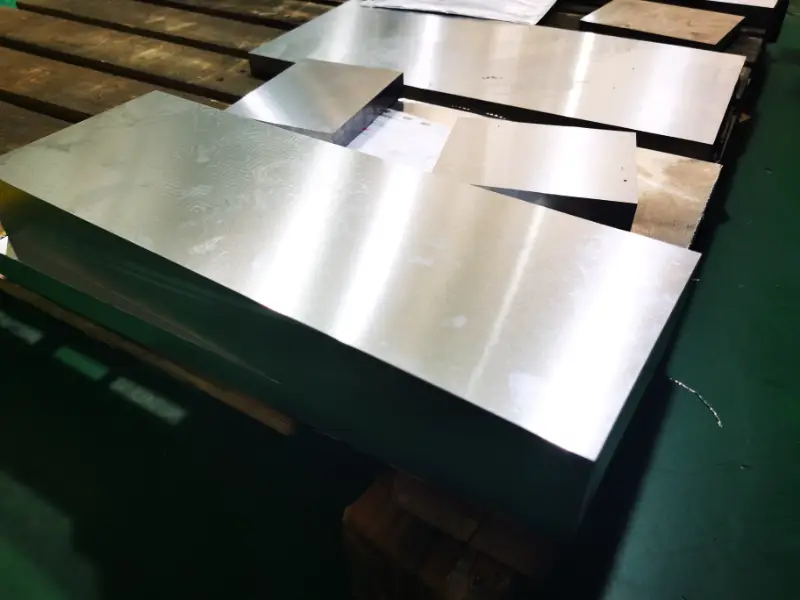
ST52 Steel Equivalent Grades
When sourcing materials for US-based projects, I often find that matching the German DIN 17100 ST52 standard to local or modern international grades is the first step in procurement. Because ST52 is an older designation, knowing its current counterparts ensures you get the right mechanical properties for your application.
Global Equivalents (ASTM, EN, JIS)
The most common equivalents for ST52 across major global standards are listed below. In the United States, we typically look toward ASTM A572 Grade 50 as the primary substitute.
| Standard | Equivalent Grade |
|---|---|
| ASTM (USA) | A572 Grade 50 / A656 Gr 50 |
| EN (Europe) | S355JR / S355J2 / S355K2 |
| JIS (Japan) | SS490 / SM490 |
| ISO | E355 |
| GB (China) | Q355 / Q345 |
Common Grades Related to ST52
The following three derivative grades of ST52 have a yield strength ≥ 355 MPa and a tensile strength of 490–630 MPa:
ST52-3
ST52-3 is a formal commercial structural steel developed from ST52 through controlled composition, deoxidation for grain refinement, regulated rolling, and guaranteed low-temperature impact toughness. It belongs to the German DIN standard (DIN 17100) as a low-alloy high-strength structural steel. It requires qualified impact energy at 0°C, with elongation not less than 18%, and offers good weldability and formability. It is widely used in load-bearing and welded structures.
ST52-3N
Based on ST52-3, this grade incorporates nitrogen addition and heat treatment for further grain refinement. It meets impact requirements at -20°C, making it suitable for low-temperature environments and dynamically loaded structures, with improved strength and toughness.
ST52-3G
ST52-3G is produced by further processing hot-rolled ST52-3 material through pickling, cold rolling, and annealing. It is specifically designed for bending, stamping, and precision sheet metal applications. With elongation ≥ 16%, it is a fine-grained structural steel offering excellent weldability and stable heat-affected zone performance.
Other ST52 Derivative Grades:
ST52-1
This grade guarantees only tensile and yield strength, without strict control of impurities (P and S elements) and without impact testing. It is cost-effective and suitable only for non-critical structures without impact loading.
ST52-2
This grade has stricter control over chemical composition and lower impurity levels compared to ST52-1, resulting in better weldability. However, it still does not guarantee impact toughness and is suitable for general welded structural components at ambient temperature.
Common Product Forms and Dimensions
We supply ST52 in a variety of shapes and sizes to meet the rigorous demands of the American industrial market. Whether you are building heavy machinery or structural frameworks, having the right form factor ensures efficiency and structural integrity.
ST52 Seamless Steel Pipes
Our ST52 seamless steel pipes are the top choice for high-pressure environments. Because they lack a welded seam, these pipes offer superior strength and reliability under stress. They are widely used in hydraulic systems, cylinders, and gas transport where failure is not an option.
- Precision: High dimensional accuracy for tight tolerances.
- Finish: Smooth internal and external surfaces to reduce friction.
- Durability: Excellent resistance to internal pressure and mechanical wear.
Plates, Sheets, and Structural Shapes
For construction and heavy equipment manufacturing, we provide ST52 in flat and structural formats. These products are designed to be easily cut, formed, and integrated into larger assemblies.
- Hot-Rolled Plates: Ideal for heavy-duty base plates and machine frames.
- Steel Sheets: Thinner gauges for panels and enclosures requiring high yield strength.
- Structural Shapes: Includes I-beams, channels, and angles for rigid skeletons in building projects.
Standard Sizes and Weight Specifications
To help you plan your logistics and engineering requirements, we maintain a vast inventory of standard sizes. Below is a quick reference for the common dimensions we carry:
| Product Form | Typical Size Range | Common Thickness/Wall |
|---|---|---|
| Seamless Pipe | 1/4″ to 24″ (OD) | Sch 40, Sch 80, Sch 160 |
| Steel Plate | 48″ x 96″ to 96″ x 240″ | 3/16″ to 4″ |
| Square Tubing | 1″ x 1″ to 12″ x 12″ | 1/8″ to 5/8″ |
| Round Bar | 1/2″ to 10″ (Diameter) | N/A |
We ensure all ST52 stock meets strict weight-per-foot standards, providing you with predictable material performance and shipping costs. Custom lengths and specialized cutting services are available to minimize waste on your job site.
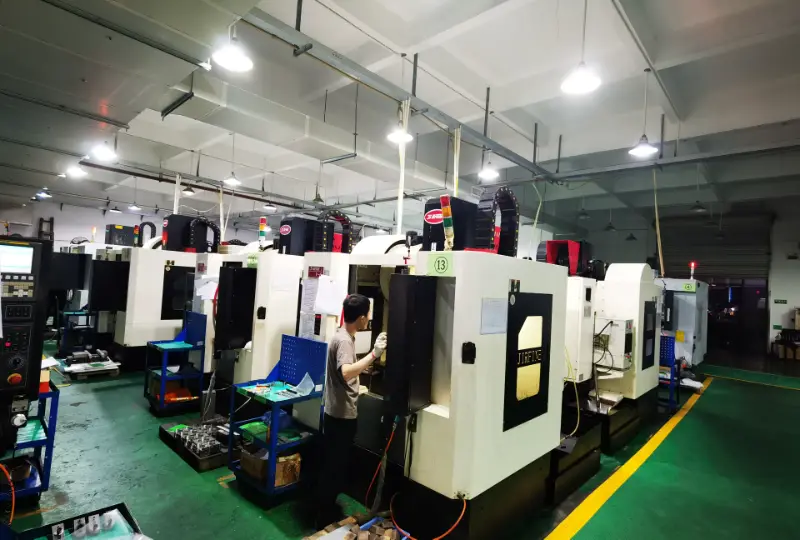
Fabrication and Working Processes
Working with ST52 is straightforward, which is why it’s a staple in our fabrication shops. This material is designed to be tough but manageable, allowing for efficient production cycles without excessive wear on your equipment. Whether you are drilling, milling, or shaping, this structural steel responds well to standard shop practices.
Machinability and Cutting Procedures
ST52 offers excellent machinability compared to higher-alloy steels. Because of its balanced chemical makeup, you can achieve a high-quality surface finish with standard tooling.
- Cutting Methods: This grade handles oxy-acetylene, plasma, and laser cutting exceptionally well. It leaves a clean edge that usually requires minimal grinding.
- Tooling: We recommend using high-speed steel (HSS) or carbide-tipped tools for the best results in milling and turning.
- Speeds and Feeds: Spindle speed (1,000–4,000 rpm) and feed rate (200–1,500 mm/min) are adjustable for roughing and finishing, enabling stable batch production without premature tool wear.
Weldability and Joining Methods
One of the biggest selling points for ST52 is its superior weldability. Its low carbon equivalent means you don’t have to deal with the cracking issues often found in harder steels.
- No Preheating: For most standard thicknesses, you can skip the preheating process, saving significant time on the floor.
- Common Techniques: It is fully compatible with SMAW (Stick), GMAW (MIG), and GTAW (TIG) welding.
- Joint Integrity: The weld zones maintain excellent mechanical properties, ensuring the structural integrity of the entire assembly remains intact.As long as there are no welding defects such as porosity or cracks, the tensile strength of the welded area in ST52 structural steel can reach 90%–100% of the base material.
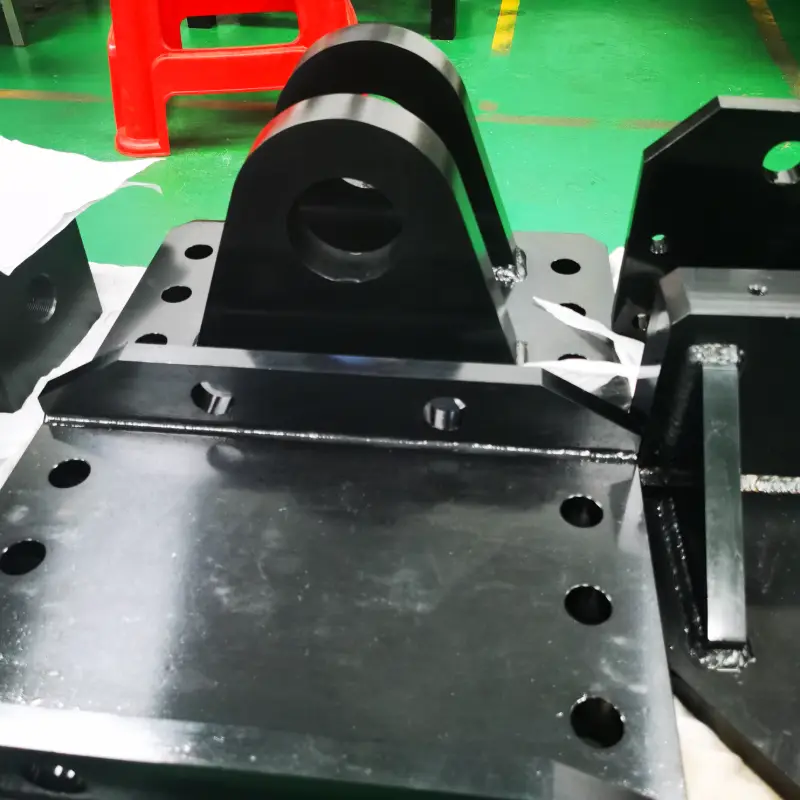
Heat Treatment and Surface Finishing
To get the most out of ST52, understanding how it reacts to heat and finishing is key. While it is often used in its as-rolled or normalized condition, it can be further processed to meet specific project demands.
- Normalizing: We often normalize this steel to refine the grain structure, which improves impact strength and uniformity.
- Stress Relieving: If you’ve done heavy machining or complex welding, a stress-relief heat treatment helps prevent warping and ensures dimensional stability.
- Surface Prep:
- Blackening: St52 steel components form a thin Fe₃O₄ oxide layer in an alkaline oxidizing solution, with minimal impact on dimensions or thread accuracy. Since corrosion resistance is limited, the process is usually combined with rust-preventive oil and is mainly used for indoor mechanical parts.
- Phosphating: A phosphate conversion layer on the St52 surface improves coating adhesion and wear resistance. Zinc-based phosphating emphasizes corrosion protection, while manganese-based phosphating is better suited for high-strength fasteners and heavy machinery components.
- Zinc Plating: Applying a zinc coating to St52 significantly improves corrosion resistance. Electro-zinc plating provides a uniform finish, hot-dip galvanizing offers superior weather resistance, and mechanical zinc plating avoids hydrogen embrittlement in high-strength bolts.
- Dacromet Coating: The zinc-aluminum composite coating gives St52 components excellent salt-spray and heat resistance while eliminating hydrogen embrittlement risks. It is widely used in automotive chassis, marine equipment, and other highly corrosive environments.
- Chrome Plating: After copper and nickel undercoating, chrome plating enhances the hardness, wear resistance, and appearance of St52 parts. Hard chrome is especially suitable for precision components requiring high durability and accuracy.
- Sandblasting: High-speed abrasive blasting removes scale and welding residue from the St52 surface while increasing roughness. This process is commonly used as a pre-treatment before coating or painting.
- Electropolishing:Through electrochemical dissolution, electropolishing removes microscopic burrs and improves the surface finish of St52 workpieces. The treated surface becomes smoother, more uniform, and more corrosion-resistant.
Applications of ST52 steel
When we look at the industrial landscape, ST52 stands out as a highly versatile material grade. Thanks to its exceptional mechanical properties, this steel is heavily utilized across multiple demanding sectors in the United States. From heavy infrastructure to precision machinery, we rely on this grade to get the job done right.
Construction and Structural Projects
In the construction industry, safety and durability are non-negotiable. ST52 is a premier structural steel that provides the high load-bearing capacity required for major infrastructure projects.
- Bridges and Overpasses: Easily handles high dynamic loads and constant vibration.
- High-Rise Frameworks: Delivers the essential core stability needed for commercial skyscrapers.
- Offshore Platforms: Offers robust resistance against harsh, high-stress environmental conditions.
Mechanical and Hydraulic Engineering
When we build heavy machinery, the material must withstand extreme operational stress. The composition of ST52, which shares performance traits with tough manganese steel, makes it perfect for high-pressure applications.
- Hydraulic Cylinders: The go-to choice for seamless pipes that must contain extreme internal pressure safely.
- Heavy Lifting Equipment: Forms the structural backbone of industrial cranes, bulldozers, and excavators.
- Agricultural Machinery: Tough enough to survive daily abuse in rugged farming environments.
Automotive and Manufacturing Sectors
For automotive production and general manufacturing, we need materials that balance raw strength with excellent workability. ST52 fits perfectly into modern manufacturing workflows.
- Commercial Vehicle Chassis: Keeps heavy-duty trucks, trailers, and transport vehicles structurally sound under maximum payloads.
- Machine Components: Ideal for fabricating durable gears, drive shafts, and heavy-duty base plates.
- Industrial Storage Tanks: Provides secure, long-lasting containment for high-capacity fluid storage systems.
Conclusion
ST52 carbon steel is a high-strength structural material with excellent weldability and machinability, widely used in construction, machinery, and high-pressure applications. Its stable composition and reliable mechanical performance make it an ideal upgrade from standard carbon steels.
For more details or a custom ST52 processing quote, feel free to contact Weldo machining—we’re ready to support your project with competitive pricing and professional service.