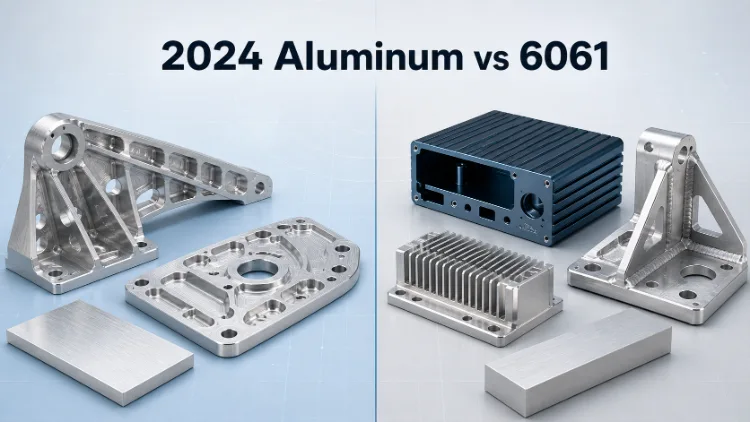
Bij het vergelijken van 2024-aluminium versus 6061, het zijn allebei warmtebehandelbare legeringen, maar ze zijn bedoeld voor verschillende technische toepassingen.
2024 is beter geschikt voor lichtgewicht constructieonderdelen die worden blootgesteld aan hoge of cyclische belastingen. 6061 biedt daarentegen een praktischer evenwicht tussen corrosiebestendigheid, lasbaarheid, oppervlakteafwerking, beschikbaarheid van het materiaal en productiekosten.
Ingenieurs mogen hun beslissing niet uitsluitend op de treksterkte baseren. De juiste legering hangt ook af van de hardheid, de geometrie van het onderdeel, de verbindingsmethode, de gebruiksomstandigheden en de kwaliteitseisen.
Controleer eerst of de tekening een wezenlijke wijziging toestaat
Als het materiaal al in de tekening, de specificatie van de klant of de industrienorm is vastgelegd, mag de leverancier dit niet op eigen initiatief wijzigen.
Controleer het volgende voordat u een materiaal kiest:
- Of er in de tekening nu 2024 of 6061 staat vermeld;
- Of er een specifieke hardheid, zoals T351 of T651, vereist is;
- Of er nu sprake is van plaatmateriaal, staafmateriaal, extrusieprofielen of smeedstukken;
- Of het nu gaat om eigenschappen in de walsrichting of in de korte dwarsrichting;
- Of er een interne materiaalspecificatie van de klant van toepassing is;
- Of de leverancier een alternatief materiaal mag voorstellen;
- Wie is bevoegd om de wezenlijke wijziging goed te keuren?.
Zelfs als 6061 goedkoper is of sneller geleverd kan worden, kan het zonder goedkeuring geen vervanging vormen voor een gespecificeerde 2024-legering. Een materiaalvervanging is een technische wijziging. De structurele prestaties moeten opnieuw worden beoordeeld.
Belangrijkste verschillen tussen aluminium 2024 en 6061
| Selectiefactor | 2024 Aluminium | 6061-aluminium |
|---|---|---|
| Legeringssysteem | Al-Cu-Mg | Al-Mg-Si |
| Krachtniveau | Relatief hoog | Medium |
| Cyclische belasting | Beter geschikt voor constructies die gevoelig zijn voor vermoeidheid | Geschikt voor algemene industriële ladingen |
| Corrosiebestendigheid | Relatief laag en vereist doorgaans bescherming | Goed |
| Conventioneel smeltlassen | Wordt niet aanbevolen als primaire verbindingsmethode | Goede lasgeschiktheid |
| Geanodiseerd uiterlijk | Het is moeilijker om de kleurconsistentie te beheersen | Meestal makkelijker in de hand te houden |
| Warmtegeleidingsvermogen | Relatief laag | Meestal hoger |
| Beschikbaarheid van materiaal | Bepaalde maten en hardheden kunnen beperkt beschikbaar zijn | Gangbare maten zijn overal verkrijgbaar |
| Primaire positionering | Prestatiegerichte dragende onderdelen | Algemene technische onderdelen met uitgebalanceerde eigenschappen |
Geen van beide legeringen is in alle opzichten beter. De voordelen van 2024 liggen vooral op het gebied van draagvermogen en vermoeiingsweerstand. De voordelen van 6061 liggen vooral op het gebied van flexibiliteit bij de productie en milieuvriendelijkheid.
Voordelen en beperkingen van aluminium uit 2024
Voordelen
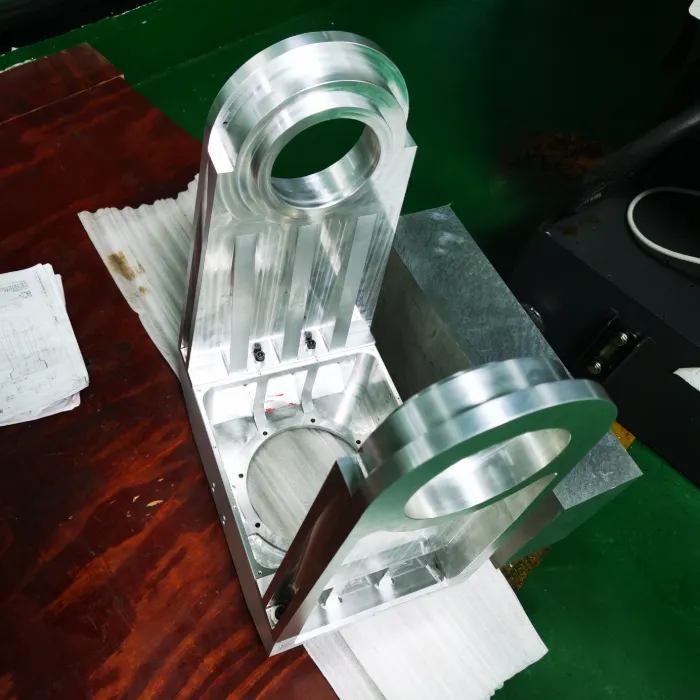
- Relatief hoge sterkte: Geschikt voor constructies die zwaar worden belast en waarbij het gewicht een belangrijke rol speelt.
- Goede vermoeidheidsweerstand: Geschikt voor onderdelen die worden blootgesteld aan trillingen en cyclische belasting.
- Goede bewerkbaarheid in geharde toestanden: Geschikt voor precisiefrezen en -draaien.
- Geschikt voor mechanische verbinding: Kan worden gebruikt in constructies met boutverbindingen, penverbindingen, klinknagelverbindingen en precisiepassingen.
- Geschikt voor hoogwaardige, lichtgewicht onderdelen: Voldoet aan de eisen van toepassingen in de lucht- en ruimtevaart en in bewegingssystemen.
Beperkingen
- Relatief lage corrosiebestendigheid: In vochtige omgevingen, omgevingen met zoutnevel en buitenomgevingen is meestal bescherming van het oppervlak nodig.
- Slechte lasbaarheid bij conventionele fusielassen: Lassen verhoogt het risico op scheurvorming en materiële schade.
- Moeilijke controle van het geanodiseerde uiterlijk: Het hoge kopergehalte kan de kleurconsistentie beïnvloeden.
- Strenge materiaaleisen: De hardheid, de productvorm en de walsrichting moeten worden opgegeven.
- Mogelijk hogere totale aankoopkosten: Ook moet rekening worden gehouden met oppervlaktebescherming, documentatie en de levertijd van het materiaal.
2024 is geschikt voor onderdelen met duidelijk omschreven prestatie-eisen. Als bij het ontwerp geen gebruik wordt gemaakt van de sterkte- of vermoeiingsvoordelen van dit materiaal, kan de keuze voor 2024 de kosten juist verhogen.
Voordelen en beperkingen van 6061-aluminium
Voordelen
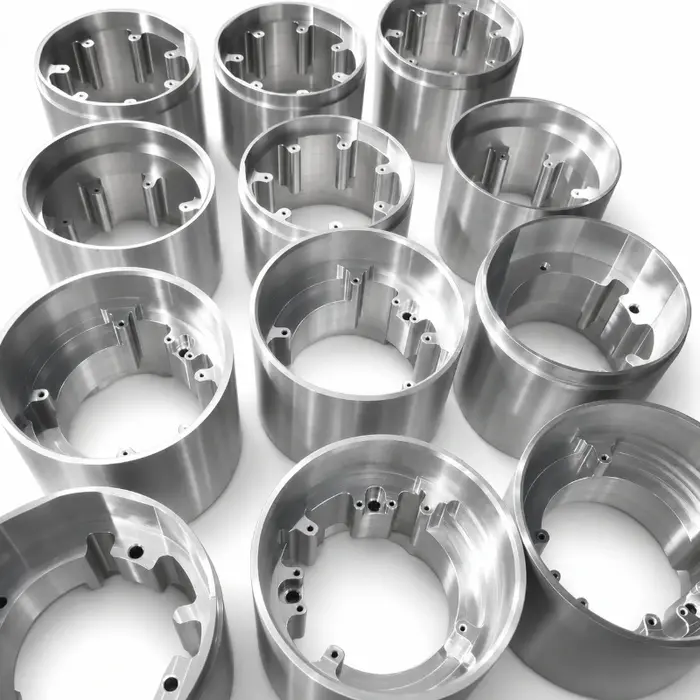
- Evenwichtige algemene eigenschappen: Verenigt sterkte, corrosiebestendigheid en bewerkbaarheid.
- Geschikt voor gelaste constructies: Geschikt voor machineframes, beugels en gelaste constructies.
- Een uniform geanodiseerd uiterlijk: Geschikt voor behuizingen, panelen en zichtbare onderdelen.
- Ruime beschikbaarheid van materialen: Platen, staven, buizen en extrusieprofielen zijn relatief eenvoudig aan te schaffen.
- Goede warmtegeleiding: Geschikt voor koellichamen en behuizingen van elektronische apparatuur.
- Beheersbare productiekosten: Geschikt voor prototypes en serieproductie.
Beperkingen
- Lagere sterkte dan de gangbare versterkte 2024-kwaliteiten: Het mag niet direct worden gebruikt ter vervanging van zwaar belaste onderdelen uit 2024.
- Vermoeidheidsgevoelige constructies moeten worden gevalideerd: Algemene industriële ervaring kan berekeningen van de vermoeidheidslevensduur niet vervangen.
- De eigenschappen van het lasgebied zullen veranderen: Het gehele verbindingsstuk kan niet worden beoordeeld op basis van de oorspronkelijke materiaaleigenschappen van T6.
- Dunwandige onderdelen kunnen nog steeds vervormen: Restspanning, geometrie en werkstukopspanning blijven belangrijk.
- Wordt vaak als te algemeen beschouwd: Het feit dat het op grote schaal verkrijgbaar is, betekent niet dat het voor elke dragende constructie geschikt is.
6061 is doorgaans een uitstekende keuze voor algemene technische onderdelen. Het is echter geen goedkoper alternatief voor hoogwaardige 2024-constructieonderdelen.
De warmtebehandeling beïnvloedt de materiaalkeuze
Bij het vergelijken van 2024 en 6061 moet ook de materiaalhardheid worden vergeleken. De legeringsaanduiding alleen is niet voldoende om de prestaties van het onderdeel nauwkeurig weer te geven.
Veelvoorkomende gemoedsstoornissen in 2024
| Temperatuur | Belangrijkste kenmerken | Veelvoorkomende soorten onderdelen |
|---|---|---|
| 2024-O | Lage sterkte en goede vervormbaarheid | Gebogen, gestanste en dieptrekonderdelen, en halffabricaten voor verdere warmtebehandeling |
| 2024-T3 | Koud bewerkt en op natuurlijke wijze gerijpt | Platen, vliegtuighuid en cyclisch belaste constructies |
| 2024-T351 | Op natuurlijke wijze gerijpt na het wegnemen van spanning door uitrekken | CNC-gefreesde plaatonderdelen, beugels en verbindingsstukken |
| 2024-T3511 | Wordt vaak gebruikt voor spanningsvrije geëxtrudeerde producten | Staven, buizen, lange assen en geëxtrudeerde onderdelen |
| 2024-T851 | Kunstmatig verouderd met een hogere vloeigrens | Gevalideerde constructieonderdelen voor zware belasting |
2024-O is geschikt voor vervorming. Het mag niet worden beschouwd als de standaard eindtoestand voor onderdelen die aan hoge belastingen worden blootgesteld.
Veelvoorkomende hardheidsgraden van 6061
| Temperatuur | Belangrijkste kenmerken | Veelvoorkomende soorten onderdelen |
|---|---|---|
| 6061-O | Lage sterkte en goede vervormbaarheid | Gebogen, diepgetrokken en complex gevormde onderdelen |
| 6061-T4 | Op natuurlijke wijze gerijpt, met behoud van enige vervormbaarheid | Onderdelen die achteraf moeten worden gevormd of kunstmatig moeten worden verouderd |
| 6061-T6 | Kunstmatig verouderd en versterkt | Algemene CNC-onderdelen, beugels en behuizingen |
| 6061-T651 | Kunstmatig verouderd na spanningsverlichting door uitrekken | Nauwkeurige plaatwerkonderdelen, basisplaten en uitgebreid gefreesde componenten |
| 6061-T6511 | Wordt vaak gebruikt voor spanningsvrije geëxtrudeerde producten | Staven, buizen en geëxtrudeerde onderdelen |
Een zinvollere vergelijking voor CNC-gefreesde plaatonderdelen is:
2024-T351 versus 6061-T651
Vergelijk voor geëxtrudeerde staaf- of profielonderdelen:
2024-T3511 versus 6061-T6511
Verschillende legeringen kunnen niet als onderling uitwisselbaar worden beschouwd, louter omdat de legeringsaanduiding dezelfde is.
Een hogere sterkte betekent niet dat de stijfheid aanzienlijk hoger is
2024 is over het algemeen sterker dan 6061. De twee legeringen hebben echter vergelijkbare dichtheden en waarden voor de elasticiteitsmodulus.
De Young-modulus van 2024 bedraagt ongeveer 73 GPa. De waarde voor 6061 bedraagt ongeveer 69 GPa. Het vervangen van 6061 door 2024 zal de stijfheid van een onderdeel met dezelfde afmetingen niet drastisch vergroten.
| Ontwerpprobleem | Hoofdrichtlijn voor de evaluatie |
|---|---|
| Het onderdeel ondergaat een blijvende vervorming | Controleer de vloeigrens en de uitgeoefende belasting |
| Het onderdeel buigt elastisch onder belasting | Optimaliseer eerst de wanddikte, de dwarsdoorsnede en de ondersteuning |
| In dit onderdeel ontstaan vermoeidheidsscheuren | Controleer het materiaal, de spanningsconcentratie, de toestand van het oppervlak en de belastingscycli |
| Het onderdeel is te zwaar | Optimaliseer zowel het materiaal als de structuur |
| Een plaatwerkonderdeel trilt | Controleer de structurele stijfheid, de bevestigingswijze en de eigenfrequentie |
Als het probleem ligt in een te grote elastische doorbuiging, is het aanbrengen van ribben of het aanpassen van de dwarsdoorsnede vaak effectiever dan alleen het veranderen van de legering.
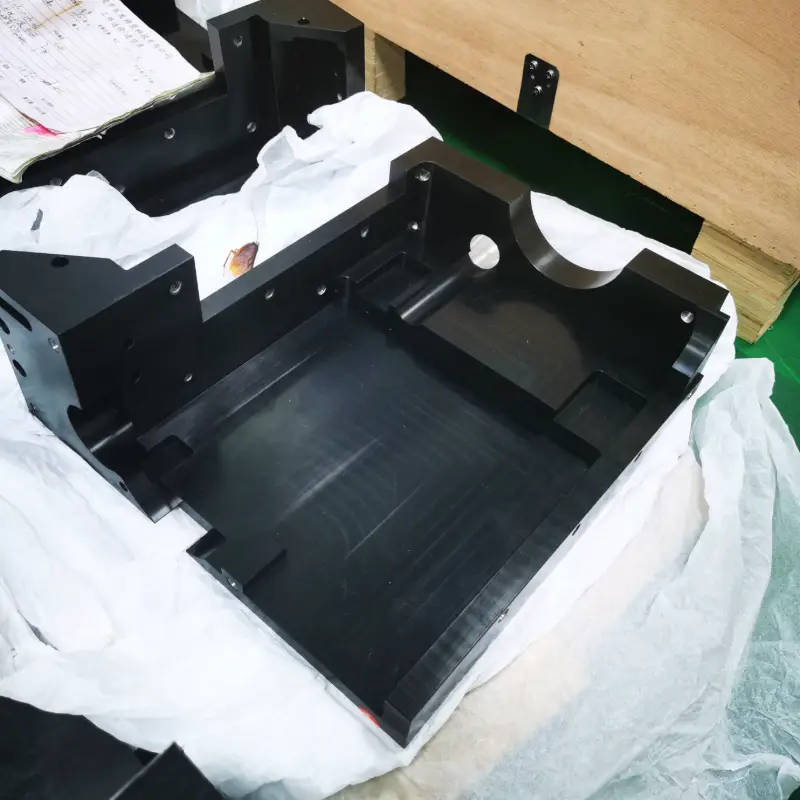
De gebruiksomgeving is van invloed op de materiaalkeuze
Corrosieve omgevingen
6061 is over het algemeen beter bestand tegen buitenomstandigheden en vochtige omgevingen. Aangezien 2024 meer koper bevat, moet het meestal worden geanodiseerd, voorzien van een chemische conversielaag, geverfd of beschermd met Alclad.
Als het onderdeel in contact komt met roestvrij staal, koper of een ander metaal, moet ook rekening worden gehouden met galvanische corrosie en het isolatieontwerp.
Warmtebeheer
6061 heeft over het algemeen een hogere warmtegeleidbaarheid. Het is beter geschikt voor:
- Koellichamen;
- Koelframes voor LCD-schermen;
- Behuizingen voor elektronische apparatuur;
- LED-bevestigingsconstructies;
- Basisplaten voor warmtebeheer.
2024 is geschikt voor onderdelen die zwaar belast worden en waarvoor vermoeidheid een rol speelt. Het mag niet worden gekozen voor een thermische constructie louter omdat het een hogere sterkte heeft.
Bedrijfstemperatuur
De sterkte van beide legeringen wordt beïnvloed door de bedrijfstemperatuur en de blootstellingstijd. Onderdelen die zich in de buurt van warmtebronnen bevinden of gedurende langere tijd aan hoge temperaturen worden blootgesteld, moeten worden beoordeeld aan de hand van temperatuurafhankelijke gegevens voor de gespecificeerde hardheid. Waarden bij kamertemperatuur alleen zijn niet voldoende.
Beoordeel het gehele gewricht
Materiaaleigenschappen kunnen een verbindinganalyse niet vervangen.
Gelaste assemblages
6061 is geschikt voor conventioneel smeltlassen. De eigenschappen van de door warmte beïnvloede zone zullen echter minder goed zijn dan die van het oorspronkelijke T6-basismateriaal.
Bij het ontwerp moet rekening worden gehouden met:
- Gewrichtsconfiguratie;
- Locatie van de door warmte beïnvloede zone;
- Verkromming na het lassen;
- Lasinspectie;
- Of er een vervolgbehandeling nodig is.
In 2024 wordt over het algemeen gebruikgemaakt van bouten, klinknagels, pennen of andere goedgekeurde verbindingsmethoden.
Mechanische verbindingen
Het feit dat er 2024 wordt gebruikt, betekent niet automatisch dat een verbinding betrouwbaarder is. De volgende punten moeten nog steeds worden gecontroleerd:
- Afstand tot de rand rondom gaten;
- Draagvermogen;
- Lengte van de schroefdraadverbinding;
- Schuifkracht met speldeprik;
- Filets en spanningsconcentraties;
- Risico op losraken bij cyclische belasting.
Een materiaal kan weliswaar een hoge sterkte hebben, maar een slecht ontworpen gat of verbinding kan toch bezwijken.
Ook de keuze voor de richting ‘Geometrie en Productietechniek’ speelt een rol bij de beslissing
Zowel 2024 als 6061 zijn geschikt voor CNC-bewerking. De hardheidsgraad heeft echter een grotere invloed op de maatvastheid dan de legeringsnaam op zich.
Houd bij dunwandige onderdelen, onderdelen met diepe holtes en onderdelen die grotendeels aan één zijde zijn bewerkt rekening met het volgende:
- Blanco temperatuur;
- Materiaaldikte;
- Rolrichting;
- Volgorde van voorbewerking en nabewerking;
- Klemdruk;
- Tussentijdse maatregelen ter verlichting van de druk;
- Afmetingsveranderingen na oppervlaktebehandeling.
Zowel 2024-T351 als 6061-T651 zijn door rekken spanningsvrij gemaakt. Ze zijn geschikt voor de bewerking van precisieplaten. Dit garandeert echter niet dat een onderdeel volledig vervormingsvrij blijft.
Bij gebruik van O-temper-materiaal kan de lagere hardheid ervan leiden tot meer opgebouwde snijkanten, bramen, klemsporen en vervorming van dunwandige onderdelen.
Materiaalkeuze voor veelvoorkomende onderdelen op maat
| Aangepast onderdeel | Materiaal dat als eerste moet worden beoordeeld | Belangrijkste reden |
|---|---|---|
| Beugel voor de lucht- en ruimtevaart die wordt blootgesteld aan hoge cyclische belastingen | 2024 | Strengere eisen op het gebied van sterkte en vermoeidheidsweerstand |
| Rompverbinding of versteviging | 2024 | Gevoelig voor gewicht en cyclische belasting |
| Tandwiel, koppeling of bewegingsverbinding | 2024 | De draagkracht en de vermoeidheidsweerstand zijn belangrijk |
| Hydraulisch constructieonderdeel dat aan hoge belastingen wordt blootgesteld | 2024 | Vereist een grotere structurele sterkte |
| Frame voor automatiseringsapparatuur | 6061 | Geschikt voor laswerkzaamheden en algemene belastingen |
| Bevestigingsbeugel voor robot | 6061 | Een evenwicht tussen bewerkbaarheid, oppervlakteafwerking en kosten |
| Motorsteun | 6061 | Gemiddelde belastingen en maatvastheid |
| Behuizing voor elektronische apparatuur | 6061 | Betere corrosiebestendigheid en een geanodiseerd uiterlijk |
| Koelframe voor LCD-scherm | 6061 | Eisen inzake warmtegeleiding en oppervlakteafwerking |
| Koellichaam of basisplaat voor thermisch beheer | 6061 | Een betere warmtegeleiding |
| Bevestigings- of inspectieplaat | 6061-T651 | Stabiele beschikbaarheid en geschikt voor het nauwkeurig bewerken van platen |
| Behuizing voor buitenapparatuur | 6061 | Eenvoudiger corrosiebeheer |
Deze tabel dient uitsluitend ter eerste beoordeling. Veiligheidskritische onderdelen moeten nog steeds worden geselecteerd op basis van belastingsberekeningen en specificaties van de klant.
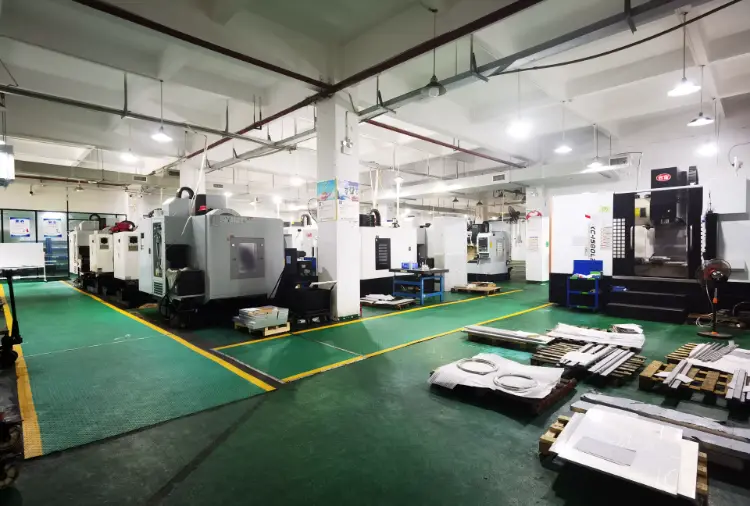
Typische voorbeelden van onderdeelkeuze
Beugel die wordt blootgesteld aan hoge cyclische belasting
Als de beugel voortdurend wordt blootgesteld aan trillingen en cyclische trek- of drukbelastingen, kan 2024-T351 als eerste in overweging worden genomen wanneer mechanische verbinding wordt toegepast.
Als de beugel aan het frame van een apparaat moet worden gelast, is 6061-T6 of een andere geschikte lasconstructie doorgaans een betere keuze.
Precisie-CNC-basisplaat
6061-T651 is de eerste keuze voor algemene automatiseringsonderstellen, positioneringsplaten en opspanningen.
2024-T351 mag alleen worden overwogen wanneer dit op grond van eisen inzake belasting, vermoeidheid of gewichtsvermindering gerechtvaardigd is.
Connector voor de lucht- en ruimtevaart
2024 kan in aanmerking komen voor verbindingselementen waarbij gewicht, belasting en vermoeidheidslevensduur van belang zijn. Op de tekening moeten ook de hardheidsgraad, de productvorm, de materiaalkrachtsrichting en de eisen inzake corrosiebescherming worden vermeld.
Geanodiseerde behuizing voor apparatuur
Bij behuizingen voor apparatuur ligt de nadruk meestal op corrosiebestendigheid, een uniform uiterlijk en inkoopkosten. Daarom biedt 6061 over het algemeen een betere algehele balans.
Geëxtrudeerd onderdeel
6061-T6511-profielen zijn doorgaans in een breder assortiment verkrijgbaar. 2024-T3511 moet alleen in overweging worden genomen wanneer uit technische berekeningen blijkt dat 6061 niet aan de eisen kan voldoen.
Vergelijk de totale leveringskosten, niet alleen de materiaalprijs
6061 is doorgaans beter verkrijgbaar en de aankoopkosten voor de grondstoffen liggen lager. De uiteindelijke kosten van het onderdeel omvatten echter ook:
- Hardheid en afmetingen van de grondstof;
- Bewerkingstijd;
- Corrosiebescherming;
- Lassen of mechanische verbinding;
- Controle van het uiterlijk van het oppervlak;
- Materiaalcertificaten en inspectierapporten;
- Risico op afdanking;
- Inkoop- en productietermijn.
De materiaal- en beschermingskosten voor 2024 zullen mogelijk hoger uitvallen. De totale waarde kan echter hoger uitvallen als het ontwerp gebruikmaakt van de sterkte van het materiaal om de doorsnede te verkleinen, het gewicht te verlagen of te voldoen aan de eisen inzake vermoeidheidslevensduur.
Als het onderdeel geen gebruik maakt van de prestatievoordelen van 2024, is 6061 doorgaans voordeliger.
Voorafgaand aan de vervanging van materiaal is validatie vereist
Om van 2024 naar 6061 over te schakelen, of om van 6061 naar 2024 te upgraden, is meer nodig dan alleen het aanpassen van de stuklijst.
De volgende validatie wordt aanbevolen:
- Bereken de belasting en de veiligheidsfactor opnieuw;
- Bekijk de levensduur bij vermoeidheid en de belastingscycli;
- Controleer de randen van gaten, afrondingen en spanningsconcentraties;
- Controleer de hardheid en de productvorm;
- Beoordeel veranderingen op het gebied van corrosiebestendigheid, lassen en oppervlaktebehandeling;
- Controleer de vervorming door de bewerking en de montageverhoudingen;
- Een eerste artikel of functioneel prototype vervaardigen;
- Vraag schriftelijke goedkeuring aan bij de ontwerpautoriteit;
- Geef de batchproductie pas vrij na goedkeuring.
Een materiaalvervanging kan ook gevolgen hebben voor het bewerkingsproces, de oppervlaktebehandeling, de inspectie-eisen en de leveringskosten.
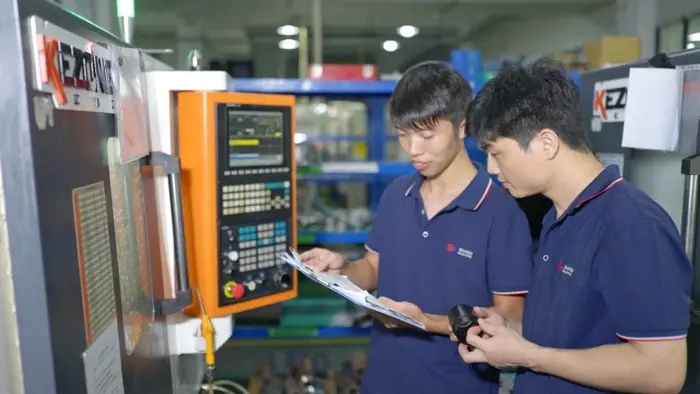
Neem contact op met een betrouwbare leverancier voor hulp bij de materiaalkeuze
Een leverancier van bewerkingsdiensten kan de ontwerpingenieur niet vervangen bij het goedkeuren van een materiaal. Hij kan echter wel productierisico’s in kaart brengen.
Een betrouwbare leverancier moet helpen om het volgende te bevestigen:
- Of de legering en de hardheidsgraad volledig zijn gespecificeerd;
- Of plaatmateriaal, staafmateriaal of profiel geschikt is;
- Of gangbare maten consistent kunnen worden ingekocht;
- Of er bij een geometrie met dunne wanden en een diepe holte kans bestaat op vervorming;
- Of de oppervlaktebehandeling invloed heeft op de kritische afmetingen;
- Of het prototype en de productieprocessen van elkaar moeten verschillen;
- Of er een materiaalcertificaat, een rapport over het eerste exemplaar of een volledig maatrapport vereist is.
Als u nog steeds twijfelt tussen 2024 en 6061, kunt u de tekening, de belastingsomstandigheden, de gebruiksomgeving, de hoeveelheid en de vereisten voor de oppervlaktebehandeling doorgeven aan Weldo Machining. Het engineeringteam kan u advies geven over de productie, onder meer met betrekking tot de beschikbaarheid van materialen, CNC-bewerking, vervormingsregeling en nabewerking.
Definitieve materiaalkeuze
Denk eerst aan 2024 wanneer:
- Cyclische belasting is van groot belang;
- Er is een hoge sterkte-gewichtsverhouding vereist;
- Er wordt gebruikgemaakt van mechanische verbindingen;
- Er kan voor oppervlaktebescherming worden gezorgd;
- Op de tekening wordt een hoogwaardige materiaalhardheid aangegeven.
Kies in de volgende gevallen eerst voor 6061:
- Er is conventioneel smeltlassen vereist;
- Het onderdeel wordt gebruikt in een vochtige of algemene buitenomgeving;
- Er is decoratief anodiseren vereist;
- Het onderdeel is geschikt voor middelzware industriële belastingen;
- De beschikbaarheid van materialen, de levertijd en de totale kosten zijn belangrijk.
De uiteindelijke vergelijking mag niet beperkt blijven tot “2024-aluminium versus 6061”. Deze moet worden gebaseerd op de specifieke hardheid, de productvorm en de eisen die aan het onderdeel worden gesteld. Bijvoorbeeld:
- 2024-T351 versus 6061-T651;
- 2024-T3511 versus 6061-T6511;
- Een beugel die onderhevig is aan sterke cyclische belasting versus een gelast machineframe;
- Een dragende verbinding versus een warmteafvoerende behuizing.
De materiaalkeuze heeft alleen technische waarde wanneer de materiaaleigenschappen worden beoordeeld in samenhang met de functie van het onderdeel, het fabricageproces en de gebruiksomgeving.