
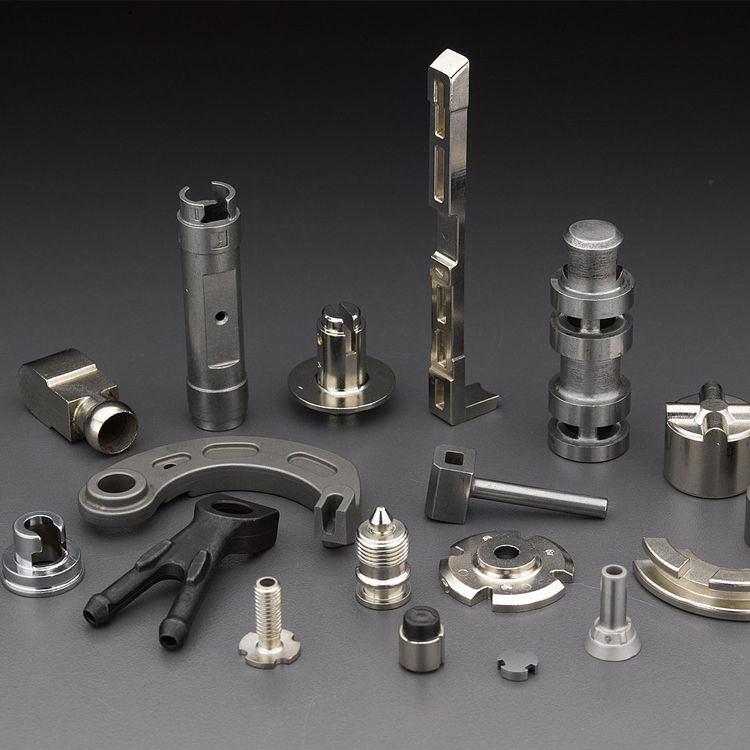
Услуги по индивидуальной обработке металла с ЧПУ
Weldo machines aluminum, steel, stainless steel, copper alloys, magnesium, titanium, and special alloys into custom prototypes and production parts. We review material condition, geometry, finishing, and inspection to plan the route around your drawing.
- 12 Material Groups
- От прототипа до производства
- DFM & Inspection
Процессы с ЧПУ для изготовления металлических деталей на заказ
Select milling, turning, grinding, or EDM from the geometry, alloy behavior, functional features, and production quantity.
Фрезерование с ЧПУ
Faces, pockets, slots, holes, and complex geometry using suitable 3-, 4-, or 5-axis machining.
Токарная обработка с ЧПУ
Shafts, sleeves, bores, threads, tapers, and concentric features machined around the workpiece axis.
Прецизионное шлифование
Controlled size, form, and surface condition on selected functional features, matched to material and geometry.
Проволочная электроэрозионная обработка
Profiles, narrow slots, and hardened-material details in electrically conductive stock, without mechanical cutting force.
A part can combine milled features, turned diameters, ground datum faces, and EDM details in one planned route, followed by finishing and inspection. Process and fixture choices are confirmed from the complete drawing.
Metals and Special Alloys We Machine
Compare load, weight, wear, corrosion exposure, conductivity, temperature, finish, and required material records.
Алюминий
Low density and broad finishing options for housings, frames, brackets, and weight-sensitive parts.
Selection notes
Compare exact alloy, temper, product form, stiffness, and distortion sensitivity. Define cosmetic faces, coating allowance, and any required electrical contacts.
Нержавеющая сталь
Grade-dependent corrosion resistance, strength, and cleanability for equipment and fluid-handling components.
Selection notes
Select the grade for the actual media and temperature. Review work hardening, heat, final material condition, surface finish, and cleanliness requirements.
Сталь
Strength, toughness, and heat-treatment options for shafts, structural components, tooling, and wear parts.
Selection notes
Specify material standard, carbon or alloy grade, supplied condition, and final hardness. Plan treatment movement, finishing allowance, and corrosion protection.
Медь
High conductivity options for power, cooling, contacts, and selected RF components.
Selection notes
Balance conductivity with strength and machinability. Define alloy and temper, burr control, contact faces, plating, and the required finished electrical performance.
Латунь
Machining and forming options for fittings, valves, fasteners, instruments, and decorative parts.
Selection notes
Compare free-cutting, forging, corrosion-service, and silicon grades. Specify lead-content limits and any required dezincification or product qualification.
Бронза
Bearing, wear, and corrosion-service options for bushings, gears, guides, and marine hardware.
Selection notes
Use the exact alloy and condition. For bearings, define load, speed, lubrication, shaft finish, clearance, and alignment alongside the machined dimensions.
Магний
Very low density for lightweight housings, brackets, fixtures, and mobility components.
Selection notes
Specify wrought or cast product form, alloy condition, coating, and assembly contacts. The production route must account for magnesium-specific chip and process controls.
Титан
High specific strength and corrosion-service options for demanding precision components.
Selection notes
Compare commercially pure, alpha-beta, and beta grades. Review heat at the cutting edge, stiffness, treatment sequence, surface integrity, and required material records.
Ковар
Controlled thermal expansion for selected glass-to-metal and ceramic sealing components.
Selection notes
Specify the exact alloy, thermal-expansion requirement, operating range, heat treatment, and joining process. Hermetic performance depends on the finished assembly and its qualification.
Хастеллой
Nickel-alloy options for demanding chemical-processing, valve, pump, and fluid-handling parts.
Selection notes
Identify the exact alloy rather than the trade family alone. Review media, concentration, temperature, corrosion requirements, material condition, and machining access.
Инконель
Nickel-alloy options for heat-exposed components requiring suitable high-temperature strength or oxidation resistance.
Selection notes
Select the specific grade and condition for the duty. Plan tooling, work hardening, heat management, treatment, and surface acceptance around that material.
Инвар
Low thermal expansion for precision instruments, optical mounts, tooling, and dimensionally stable assemblies.
Selection notes
Define the operating temperature range, dimensional stability, stock condition, and any thermal processing. Final stability depends on material history and the complete manufacturing route.
Confirm the exact grade, material condition, product form, stock availability, and required certification before production. Special-alloy trade names identify families or commercial materials; the drawing should state the full material specification.
Виды отделки поверхности металлических деталей
Select the finish for the base alloy, service environment, surface function, appearance, and final assembly dimensions.
Explore metal surface finishes →
Define treatment sequence, coating allowance, masking, roughness, and the accepted finished condition. Critical bores, threads, mating faces, and electrical contacts need an agreed surface and dimensional specification.
Metal Machining and Inspection Capabilities
Drawing review connects material condition, datum strategy, machining sequence, finishing allowance, and final acceptance.
Многоосевое производство
3-, 4-, and 5-axis routes support accessible simple and complex geometry with suitable workholding and tool reach.
Допуски на основе чертежей
Review critical dimensions by alloy, feature size, wall thickness, datum system, process, and measurement method.
DFM and Process Planning
Review radii, walls, threads, tool access, distortion, material condition, and any treatment or finish allowance.
Поэтапная проверка
Plan incoming, in-process, final, and pre-shipment checks to the drawing and agreed documentation requirements.
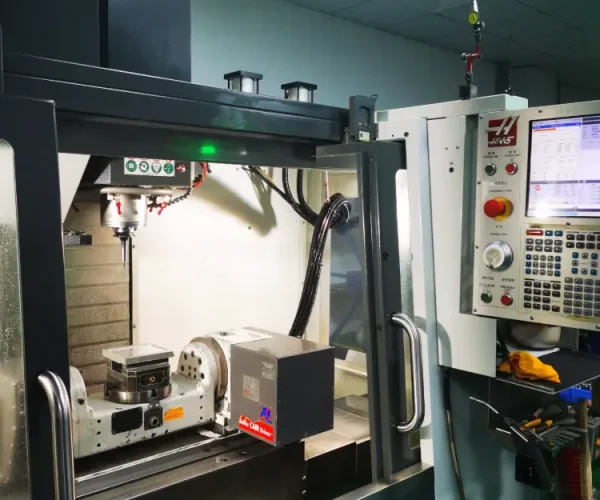
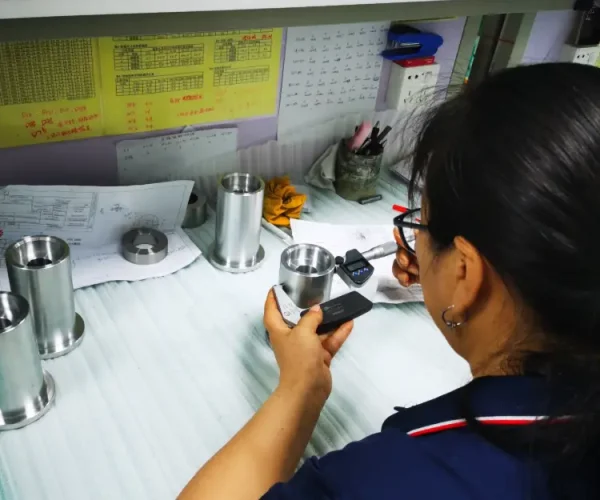
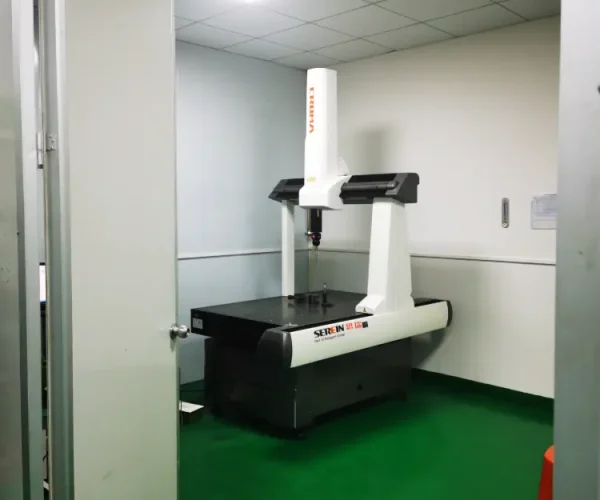
Instrument resolution, such as 0.001 mm, is one measurement characteristic. Finished-part tolerance requires a feature-specific process and inspection review, including uncertainty and acceptance conditions.
CNC Metal Machining Questions
How should I select a metal for CNC machining?
Start with strength, stiffness, weight, wear, corrosion exposure, conductivity, temperature, finish, cost, and documentation requirements. Then compare exact grades, product forms, supplied conditions, and the practical machining route.
How tight can the tolerances be?
Review alloy, feature size, geometry, wall thickness, workholding, process sequence, and measurement method. Mark critical fits, datums, form tolerances, and the required finished condition on the drawing for engineering review.
Can machined metal parts be heat-treated?
Suitable heat treatment depends on the exact alloy and required properties. It can change strength, hardness, microstructure, and dimensions. Plan machining allowance, treatment sequence, final sizing, and acceptance inspection together.
How do I choose a corrosion-resistant material?
Specify the media, concentration, temperature, wet or dry exposure, crevices, and connected materials. Stainless steel, titanium, aluminum and copper alloys, nickel alloys, or coated steels offer different solutions for defined conditions.
Can Weldo support prototypes and repeat batches?
Yes. CNC routes support one-off prototypes, engineering samples, bridge production, and repeat orders. The practical route depends on the geometry, material, quantity, workholding, and agreed inspection requirements.
Should tolerances apply before or after finishing?
State the acceptance condition on the drawing. Coating buildup, material removal, heat treatment, edges, threads, and mating surfaces must be accounted for. Identify features accepted before treatment and those that must meet the drawing afterward.