
6082 is a heat-treatable Al-Mg-Si-Mn aluminum alloy that combines relatively high strength, good corrosion resistance, weldability, and machinability. It is commonly used for structural components, automation equipment parts, transportation components, fixtures, brackets, brides, and precision housings.
When purchasing custom parts, buyers must consider the material temper, raw material form, critical tolerances, machining distortion, weld heat-affected zones, and final surface finish. Specifying only “6082 aluminum” does not fully define the required performance. Drawings should also identify the T6, T651, T6511, or other required temper, together with the applicable product standard and acceptance criteria.
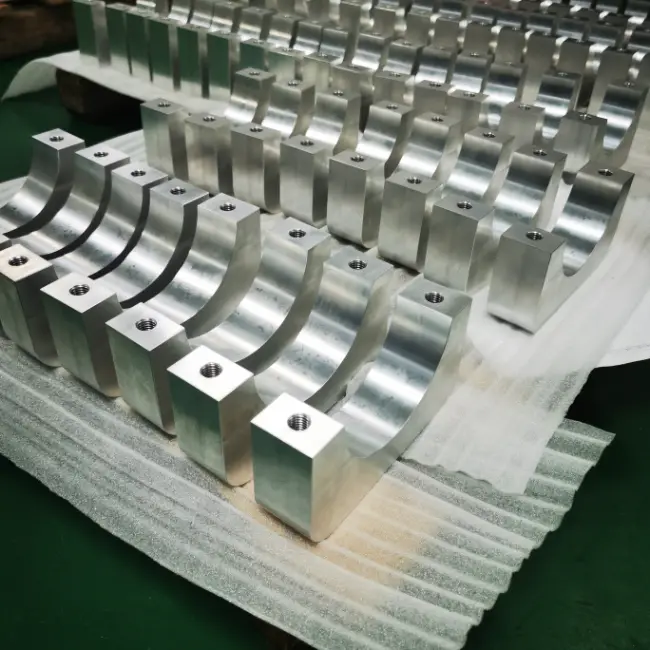
What Is 6082 Aluminum Alloy?
6082 is a high-strength wrought aluminum alloy commonly used in the European market. Its standard designation is EN AW-6082, and its chemical designation is AlSi1MgMn. Magnesium and silicon form strengthening precipitates, while manganese helps control the microstructure and improve structural stability.
6082 is commonly described as one of the higher-strength structural aluminum alloys in the 6000 series. Its actual strength depends on the temper, product form, section thickness, and applicable standard. Plates, profiles, bars, and forgings should therefore be inspected according to their respective standards.
Chemical Composition of 6082 Aluminum Alloy
| Élément | Content by Weight | Primary Function |
|---|---|---|
| Silicium Si | 0.70%–1.30% | Combines with magnesium to form strengthening precipitates and improve heat-treatment response |
| Magnesium Mg | 0.60%–1.20% | Améliore la solidité et la résistance à la corrosion |
| Manganèse Mn | 0.40%–1.00% | Improves structural stability and controls recrystallization |
| Fer (Fe) | ≤ 0,501 TP3T | Residual element whose content affects surface quality |
| Chrome Cr | ≤0.25% | Improves microstructure and corrosion resistance |
| Copper Cu | ≤0.10% | Controlled to maintain corrosion resistance |
| Zinc Zn | ≤ 0,201 TP3T | Permitted residual element |
| Titanium Ti | ≤0.10% | Refines the grain structure of the billet |
| Aluminum Al | Reste | Base element |
These ranges are based on EN 573-3. During procurement, the actual melt composition should be verified against the material certificate rather than relying only on the supplier’s material label. Hydro EN AW-6082 Technical Datasheet
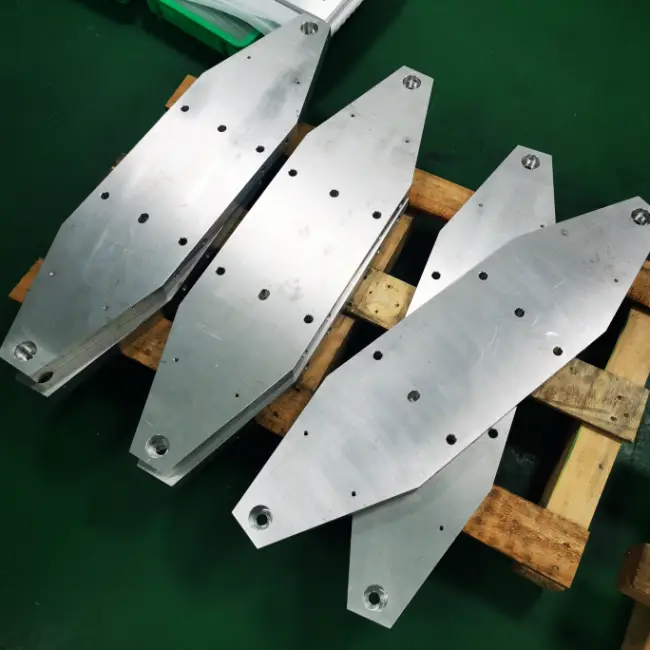
What Are the Key Mechanical Properties of 6082 Aluminum?
The mechanical properties of 6082 must be considered together with the temper, product form, and effective section thickness. The following representative minimum values apply to extruded profiles under EN 755-2 and can be used for preliminary material selection. Final acceptance values should follow the product standard and material certificate specified on the drawing.
| Temper and Section Condition | Tensile Strength Rm | 0.2% Proof Strength Rp0.2 | Elongation A | Typical Hardness |
|---|---|---|---|---|
| T4, thickness ≤25 mm | ≥205 MPa | ≥110 MPa | ≥14% | Approx. 70 HBW |
| T6, thickness ≤5 mm | ≥290 MPa | ≥ 250 MPa | ≥8% | Environ 95 HBW |
| T6, thickness 5–25 mm | ≥310 MPa | ≥260 MPa | ≥10% | Environ 95 HBW |
The minimum properties of plates, bars, tubes, profiles, and forgings differ. For load-bearing parts, the drawing should specify the material form, temper, and applicable standard so that extrusion data are not incorrectly used to inspect thick plates or forgings.
Physical Properties of 6082
| Propriété | Valeur typique |
|---|---|
| Densité | Approx. 2.71 g/cm³ |
| Module d'élasticité | Environ 70 GPa |
| Conductivité thermique | Approx. 172 W/(m·K), T6 temper |
| Conductivité électrique | Approx. 44% IACS, T6 temper |
| Coefficient de dilatation thermique | Approx. 23.1 × 10⁻⁶/K |
The electrical conductivity of 6082 is approximately 44% of the International Annealed Copper Standard. It is suitable for general heat-dissipating structures and electrical equipment housings, while high-conductivity electrical contacts are generally made from dedicated conductive aluminum alloys or copper alloys.
What Are the Common Tempers of 6082 Aluminum?
The temper determines the material’s strength, formability, and dimensional stability after machining. The temper should be included in the material designation, such as “EN AW-6082-T651 plate.”
| Tempérer | Caractéristiques | Suitable Custom Parts |
|---|---|---|
| O | Fully annealed, lower strength, and good formability | Deep-formed parts and complex formed components |
| T4 | Traitement thermique en solution et vieillissement naturel | Parts that require forming before final strengthening |
| T6 | Solution heat treated and artificially aged | General high-strength structural and mechanical parts |
| T651 | Solution heat treated, stress relieved by stretching, and artificially aged | Thick-plate machined parts and components with strict flatness requirements |
| T6511 | Stress relieved by stretching and artificially aged, with straightening permitted | Machined extruded bars, tubes, and profiles |
T651 and T6511 reduce the effect of residual material stress on machining distortion. However, symmetric material removal, appropriate workholding, and a controlled finishing sequence are still required.
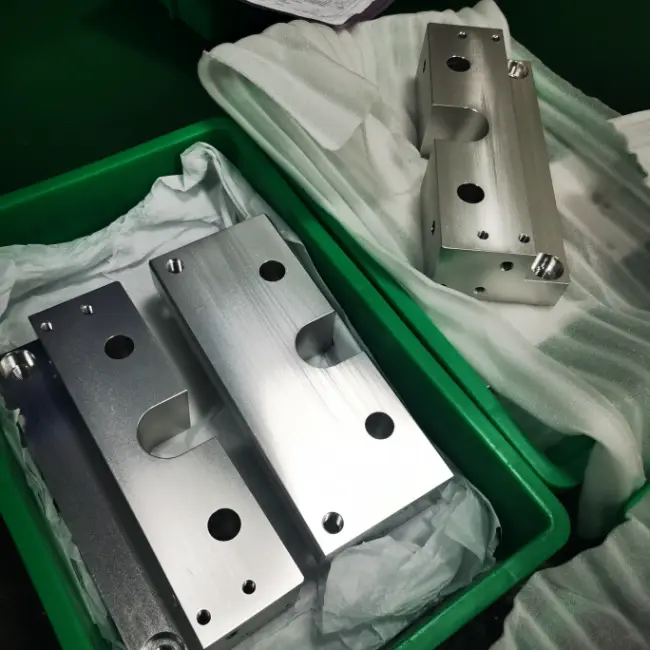
What Are the Common Supply Forms of 6082 Aluminum?
6082 is mainly supplied as plate, round bar, square bar, tube, extruded profile, and forging. A raw material form that closely matches the finished geometry generally reduces material removal, machining time, and distortion risk.
- Plaque : Suitable for mounting plates, brackets, flanges, fixture bases, equipment panels, and deep-pocket housings. Stress-relieved plate is preferred for parts with strict flatness requirements.
- Bar : Suitable for shafts, sleeves, connectors, pistons, and mill-turn parts while reducing material waste on round components.
- Tube : Suitable for lightweight sleeves, supports, and hollow shafts.
- Profilés extrudés : Suitable for long rails, frames, beams, and parts with repeated cross-sections, reducing batch machining time.
- Les pièces forgées : Suitable for structural parts exposed to cyclic or impact loads, including suspension components, connecting arms, and heavily loaded brackets.
6082 is a wrought aluminum alloy. When near-net-shape castings are required, the casting alloy should be selected according to strength, pressure-tightness, and surface-finishing requirements.
What Are the Advantages and Limitations of 6082 Aluminum?
Principaux avantages
- Good strength-to-weight balance: The T6 temper can replace some steel structural components and reduce weight.
- Stable machinability: The alloy supports turning, milling, drilling, boring, threading, and grinding.
- Bonne résistance à la corrosion : It is suitable for general industrial, transportation, and outdoor environments. Anodizing or coating can further improve protection.
- Bonne soudabilité : It supports MIG, TIG, and friction stir welding for fabricated structures.
- Multiple raw material forms: Plates, bars, profiles, and forgings are readily available for different production volumes.
Principales limites
- Thin walls and extensive one-sided material removal can release residual stress: High-precision parts require staged machining and datum re-establishment.
- The weld heat-affected zone experiences softening: Load-bearing designs should be verified using post-weld properties.
- Decorative anodizing can show batch-to-batch color variation: Manganese, silicon, and intermetallic particles can affect color and gloss, so visible parts should be controlled using approved limit samples.
- Elevated temperatures reduce precipitation-hardening effects: Components used continuously at high temperatures should be designed using temperature-dependent material data.
How Should You Choose Between 6082, 6061, 6063, 5083, and 7075?
Each of these grades addresses different engineering requirements. Buyers should select the material according to loads, welding requirements, corrosion exposure, appearance, and supply-chain availability.
| Matériau | Caractéristiques principales | Preferred Applications |
|---|---|---|
| 6082 | Relatively high structural strength with balanced weldability and machinability | Brackets, fixtures, flanges, structural parts, and transportation components |
| 6061 | Balanced overall performance with a mature North American supply chain | General CNC parts, housings, fixtures, and automation components |
| 6063 | Excellent extrudability and decorative anodizing response | Visible profiles, decorative frames, and heat sinks |
| 5083 | Strong post-weld performance and marine corrosion resistance | Marine structures, tanks, welded plate components, and offshore equipment |
| 7075 | High static strength with more demanding welding and corrosion-control requirements | Aerospace structures, high-load fixtures, and performance components |
6082 and 6061 have similar properties, but they are not automatically interchangeable. Before substitution, the minimum strength, temper, section thickness, weldability, surface appearance, and applicable standard should be reviewed.
“AlSi1MgMn” is the chemical designation of 6082. ASTM B209 and ASTM B221 are product standards, while 6A02 is a different alloy grade. Procurement documents should retain the original design grade, and any material substitution requires engineering approval.
How Does 6082 Aluminum Perform in CNC Machining?
6082 in the T6, T651, and T6511 tempers offers good CNC machinability, produces manageable chips, and supports consistent dimensions and surface quality. The primary challenges involve thin-wall distortion, deep-pocket chip evacuation, burr formation, and stress release after extensive material removal.
Tooling and Cutting Control
Sharp carbide tools designed for aluminum, polished flutes, and suitable positive rake angles reduce cutting forces and built-up edge. Toolpaths should maintain a stable cutting load, while coolant or compressed air should remove chips promptly to prevent recutting and surface scratches.
Chip evacuation requires particular attention when machining deep holes, narrow slots, and internal threads. Before tapping, the manufacturer should confirm the tap-drill diameter, effective thread length, and tapping lubrication. Steel wire inserts or solid threaded inserts can be added to threaded joints that require greater load capacity or repeated assembly.
How Can Distortion Be Controlled in Thin-Walled and Contoured Parts?
Thin walls, deep pockets, large contoured surfaces, and parts with strict positional tolerances benefit from staged machining:
Rough machining with finishing allowance → release the workholding → inspect distortion → allow the part to rest or stabilize → re-establish the datum → perform staged finishing → complete final inspection.
For distortion-sensitive 6082 plate parts, Weldo can use symmetric material removal, a 24-hour stabilization period, and two to four finishing operations according to the geometry. Uniform allowances are retained on contoured surfaces, sealing faces, and critical bores during earlier operations, followed by final machining under stable workholding to control position, roundness, and flatness.
The stabilization period and number of finishing operations form part of the manufacturing plan. They should be determined according to part size, material-removal ratio, and intermediate measurement results rather than applied as fixed requirements to every 6082 part.
Which Manufacturing Processes Does 6082 Support?
6082 supports a wide range of manufacturing routes, from raw material forming to precision machining.
- Fraisage CNC : Used for housings, brackets, panels, flanges, valve blocks, fixtures, and complex contoured parts.
- CNC turning and mill-turn machining: Used for shafts, sleeves, connectors, pistons, and rotational parts with cross-holes or milled features.
- Extrusion: Suitable for continuous profiles and can reduce machining on frames, rails, and heat-dissipating structures.
- Forging: Suitable for heavily loaded connecting arms, suspension parts, and structural joints.
- Laser or waterjet cutting: Suitable for plate blanking, followed by Usinage CNC of mating surfaces and precision holes.
- Wire EDM: Because 6082 is electrically conductive, wire EDM can produce narrow slots, complex profiles, and special hole shapes. Its machining rate is generally lower than conventional milling, so it is mainly used for features that are difficult to access with cutting tools.
- Bending and sheet-metal forming: O and T4 tempers provide better formability. The bend radius for T6 material should be determined according to plate thickness, rolling direction, and supplier data.
Can 6082 Aluminum Be Welded?
6082 can be joined using MIG, TIG, and friction stir welding. Welding heat softens the heat-affected zone in T6 material, so load-bearing parts should be evaluated using post-weld properties rather than the original T6 parent-metal strength.
The filler material should be selected according to joint strength, cracking sensitivity, corrosion exposure, and the required appearance after anodizing. Welding sequence, fixture restraint, heat input, and post-weld straightening directly affect the finished dimensions.
Artificial aging can improve part of the post-weld performance. Recovering properties close to the fully strengthened parent material generally requires renewed solution heat treatment, quenching, and artificial aging. Complete heat treatment increases distortion risk and should be defined during design and process review. Eurocode 9 guidance from European Aluminium also requires the reduced strength of the 6082 weld heat-affected zone to be considered separately in structural design.
Which Surface Finishes Are Available for 6082 Aluminum?
6082 supports anodizing, hard anodizing, chemical conversion coating, bead blasting, brushing, polishing, painting, powder coating, and electroless nickel plating. The correct finish should be selected according to corrosion resistance, wear resistance, electrical conductivity, appearance, and dimensional requirements.
| Exigences en matière de candidature | Recommended Finish | Key Procurement Controls |
|---|---|---|
| General corrosion protection and decorative appearance | Conventional anodizing | Coating thickness, color, sealing, and approved appearance sample |
| Friction and light wear | Anodisation dure | Coating thickness, critical dimensions, roughness, and wear requirements |
| Electrical conductivity and paint preparation | Revêtement de conversion chimique | Contact resistance, corrosion resistance, and regulatory compliance |
| Outdoor color and full surface coverage | Revêtement en poudre ou peinture | Coating thickness, adhesion, color difference, and masking |
| Precision wear resistance and dimensional restoration | Nickelage chimique | Thickness, adhesion, hardness, and substrate pretreatment |
| Texture mate uniforme | Bead blasting followed by anodizing | Media, roughness, rack marks, and batch color consistency |
Conventional Anodizing
ConventionalAnodisation improves corrosion resistance, electrical insulation, and appearance. Typical engineering coating thicknesses range from approximately 5 to 25 μm. The specified thickness should be based on the operating environment, color, and applicable standard.
6082 can produce a stable functional anodic film, although decorative surfaces may show variations in shade, gloss, and color between batches. Visible parts should use material from the same heat or batch whenever possible, with consistent machining texture, blasting parameters, racking orientation, dyeing, and sealing conditions.
Protective and decorative anodizing can be specified according to ISO 7599. This standard also emphasizes the influence of the alloy grade and pretreatment on the final appearance. ISO 7599:2018
Anodisation dure
Hard anodizing is suitable for sliding surfaces, guides, fixtures, valve bodies, and surfaces exposed to light abrasive wear. Typical engineering coating thicknesses range from approximately 25 to 50 μm. The coating improves surface hardness and wear resistance, while the load-bearing capacity of the complete part remains dependent on the 6082 substrate.
The anodic film grows both into and outward from the aluminum surface. The outward growth ratio depends on the alloy, electrolyte, and processing conditions. The supplier should therefore confirm the dimensional increase per side rather than applying a universal rule that one-half of the coating thickness grows outward.
Precision bores, bearing seats, threads, electrical contact surfaces, and grounding areas should be clearly identified for masking or machining compensation. Hard anodizing requirements and test methods can be specified according to ISO 10074. ISO 10074:2021
Revêtement de conversion chimique
Chemical conversion coatings are thin, have minimal dimensional impact, and retain better surface conductivity than anodizing. They are suitable for electronic housings, grounding components, electrical contact surfaces, and surfaces prepared for painting or bonding.
Procurement documents should specify the coating type, regulatory requirements, color, corrosion resistance, and electrical contact requirements. When RoHS compliance or customer-specific environmental requirements apply, a trivalent-chromium or chromium-free system should be clearly specified.
Powder Coating and Liquid Painting
Powder coating is suitable for outdoor equipment housings, frames, and parts requiring consistent color. It can cover minor color variations in the 6082 substrate. Liquid painting is suitable for products with more complex color, gloss, and localized appearance requirements.
These coatings create a noticeable dimensional buildup on mating surfaces. Threads, locating holes, sealing surfaces, grounding surfaces, and bearing seats should be masked in advance. Inspection should cover coating thickness, adhesion, color difference, and curing condition.
Placage de nickel chimique
Electroless nickel plating forms a relatively uniform coating over complex profiles, deep holes, and recessed features. It is suitable for wear resistance, dimensional restoration, and specific corrosive environments. Aluminum substrates require dedicated activation and zincate pretreatment to establish reliable coating adhesion.
Electroless nickel plating costs more than conventional anodizing. Procurement requirements should specify coating thickness, phosphorus content, hardness, heat treatment, adhesion, and pre-plating compensation for critical dimensions.
Bead Blasting, Brushing, and Polishing
Bead blasting, brushing, and polishing primarily adjust texture and gloss; they do not provide a complete long-term corrosion-protection system by themselves. These processes are generally used before anodizing, painting, or another protective coating.
Blasting media, particle size, pressure, nozzle distance, and processing time affect roughness, edge condition, and the color produced after anodizing. Batch-produced visible parts should be accepted against a first article or approved limit sample.
Which Parts and Industries Commonly Use 6082 Aluminum?
Automation and Industrial Equipment
6082 is commonly used for robotic-arm mounting plates, sensor brackets, fixtures, jigs, rail mounts, pneumatic component housings, and equipment frames. Its strength and machinability suit parts with multiple holes, deep pockets, and complex assembly features.
Transport
Typical parts include body brackets, chassis connectors, rail-vehicle structural components, seat frames, and forged suspension components. Welded structures require particular attention to heat-affected-zone properties and fatigue loading.
Aerospace and Unmanned Systems
6082 can be used for non-critical structural brackets, ground equipment, drone frames, instrument mounting plates, and fixtures. Aerospace projects should follow the material standard, batch traceability, and inspection requirements specified on the drawing.
Electronics and Instrumentation
Common parts include equipment housings, heat-dissipating structures, panels, shielding covers, and mounting plates. Chemical conversion coating can be used where conductive grounding is required, while anodizing is suitable for wear resistance or electrical insulation.
General Machinery and Fluid Equipment
6082 can be machined into flanges, valve blocks, mounting bases, sleeves, rollers, and lightweight structural parts. Components exposed to sealing pressure or fluid media require controlled internal material quality, bore-edge deburring, sealing-surface roughness, and cleanliness.
How Should Custom 6082 Parts Be Inspected?
6082 parts should be inspected at four levels: raw material, machined dimensions, surface condition, and final finish. Hardness provides a useful screening method but does not independently confirm the temper or complete mechanical properties.
Raw Material Inspection
- Verify the alloy grade, temper, product form, and applicable standard.
- Request an EN 10204 3.1 material certificate or an equivalent document required by the project.
- Spectrometry or PMI can confirm the alloy composition but cannot verify a T6, T651, or other heat-treatment temper.
- Inspect plate thickness, flatness, surface defects, and ultrasonic-testing requirements according to the part risk.
Machined Dimension Inspection
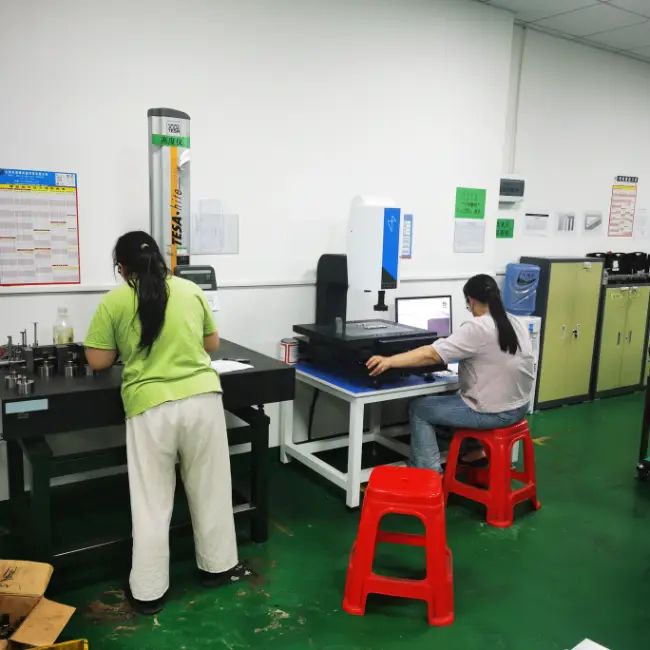
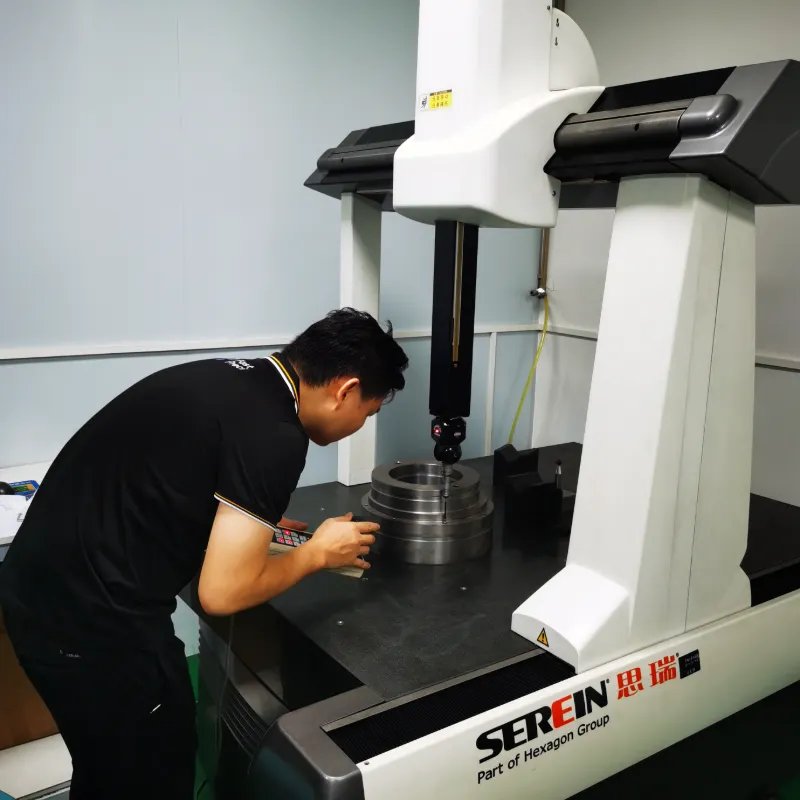
- Use a coordinate measuring machine, contour measuring instrument, roundness tester, and conventional gauges to inspect critical features.
- Establish clear datums for position, flatness, concentricity, and sealing surfaces.
- Complete the final measurement of thin-walled parts after releasing the workholding and allowing the part to reach a stable temperature.
- Match first-article, in-process, and final sampling rates to the production quantity and part risk.
Surface Finish Inspection
- The drawing should clarify whether specified dimensions apply before or after finishing.
- Inspect anodized parts for coating thickness, sealing, color, burning, rack marks, and excluded areas.
- Inspect powder-coated parts for coating thickness, adhesion, curing, and masked locations.
- Inspect electroless-nickel-plated parts for thickness, adhesion, pinholes, and critical dimensions.
- Define the lighting, viewing distance, visible surfaces, and approved limit sample for cosmetic parts.
How Can the Cost and Lead Time of 6082 Parts Be Controlled?
The total cost of 6082 parts depends on raw material, material removal, the number of setups, tolerances, distortion-control measures, surface finishing, and inspection documentation. Cost optimization should focus on removing manufacturing work that adds no functional value rather than simply reducing the raw material price.
- Choose a raw material form close to the finished geometry: Use bar for round parts and extrusions for long-profile components to reduce machining time and scrap.
- Apply strict tolerances only to functional dimensions: Control mating holes, sealing surfaces, and locating datums while using economical tolerances on non-functional profiles.
- Reduce deep pockets and extremely small internal radii: Larger cutting tools provide greater rigidity and faster material removal.
- Include distortion control in the quotation: Thin-walled parts and components with strict geometric tolerances require time for stabilization, re-fixturing, and multiple finishing operations.
- Define the surface finish in advance: Coating thickness, masking, rack marks, and cosmetic requirements affect machining allowances and the manufacturing route.
- Plan economical production quantities: Fixture, programming, first-article inspection, and finishing setup costs can be distributed across the production batch.
- Validate samples before batch production: Sample approval confirms the material, assembly, and appearance before stable programs are transferred to full production.
Surface-finishing suppliers, material batches, inspection reports, and special packaging also affect lead times. Providing the drawing revision, quantity, material temper, finishing requirements, and acceptance documents at the quotation stage reduces repeated technical clarification.
How Can You Select a Reliable 6082 Aluminum Machining Supplier?
A reliable supplier should connect material control, machining, finishing, and inspection into one complete manufacturing process. A buyer can evaluate the following capabilities:
- Whether the supplier understands the differences between 6082-T6, T651, and T6511;
- Whether it has experience controlling distortion in thin-walled, deep-pocketed, and high-material-removal parts;
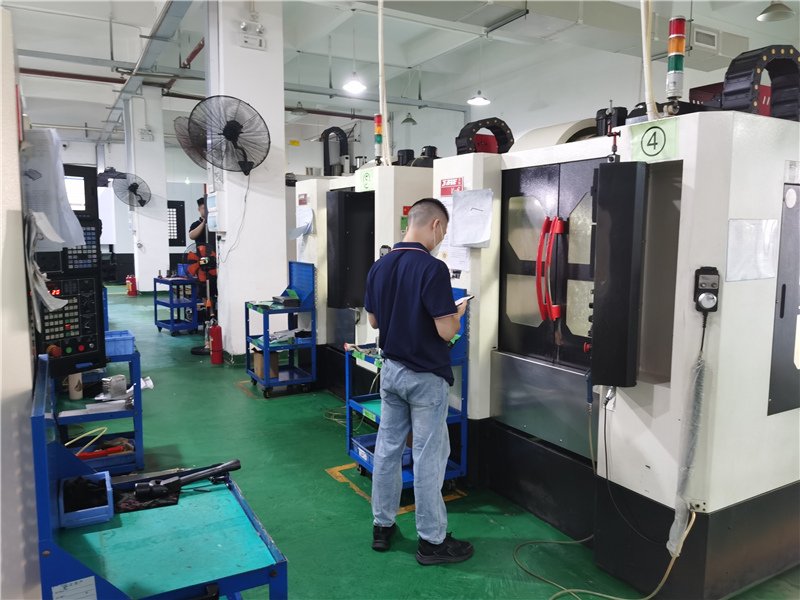
- Whether it uses multi-axis CNC machining to reduce errors caused by repeated setups;
- Whether it can manage anodizing, chemical conversion coating, painting, nickel plating, and other secondary finishes;
- Whether it can provide material certificates, first-article reports, and critical-dimension inspection records;
- Whether it reinspects mating dimensions and geometric tolerances after surface treatment;
- Whether it provides traceability for materials, manufacturing programs, and inspection records across batch production.
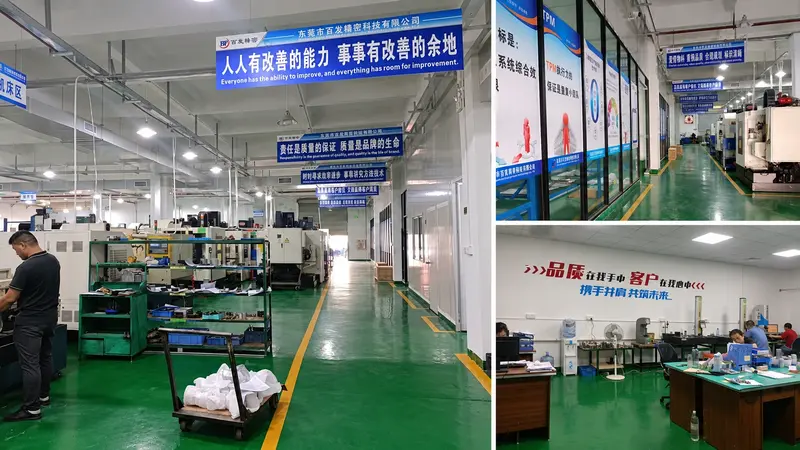
Weldo Machining provides multi-axis CNC milling, turning, precision grinding, and EDM capabilities, together with more than 50 secondary finishing options. Its engineering team can review the material temper, workholding dates de référence, distortion risks, finishing allowances, and inspection plan for 6082 parts and provide custom quotations for prototypes, low-volume orders, and production runs.
How Should 6082 Parts Be Maintained?
Bare 6082 aluminum parts should be kept clean and dry and protected from prolonged contact with concentrated acids, alkalis, chloride-containing media, and trapped water. When assembled with steel, copper, or other dissimilar metals, insulating washers, sealants, or suitable coatings can be used to control galvanic corrosion.
Anodized parts can be cleaned with a neutral detergent and soft cloth. Strong alkaline cleaners and abrasive tools can damage the surface. When deep scratches expose the substrate, the area should be cleaned promptly and locally repaired or refinished according to the operating environment.
During storage and transportation, precision-machined surfaces, sealing faces, and cosmetic surfaces should be individually protected to prevent parts from scratching one another.
Foire aux questions
Can 6082 Aluminum Be Heat Treated?
Yes. Solution heat treatment, quenching, and aging produce T4, T6, T651, T6511, and other tempers. Re-heat-treating a finished part can cause distortion, so the required temper and heat-treatment route should be established before machining.
Can 6082 Replace 6061?
Yes, after strength, temper, product standard, weldability, and surface appearance have been reviewed. Parts subject to certification, fatigue loads, or safety-critical loads also require engineering approval for the material change.
Is 6082 Suitable for Decorative Anodizing?
Yes, although its color and gloss consistency are generally lower than those of 6063. High-appearance parts should use material from the same batch, consistent pretreatment, and an approved limit sample.
Can 6082 Be Used in Welded Structures?
Yes. MIG, TIG, and friction stir welding can all be used with 6082. Structural design should use the post-weld properties of the heat-affected zone while controlling heat input, welding sequence, and distortion.
Will 6082-T651 Still Distort During Machining?
T651 reduces residual stress, but thin walls, asymmetric structures, and extensive one-sided material removal can still cause distortion. Symmetric machining, intermediate measurements, stabilization, and staged finishing further improve dimensional stability.
Conclusion
6082 is suitable for custom parts that require relatively high structural strength, low weight, corrosion resistance, and good machinability. T6 is suitable for general structural components, T651 is better suited to precision machining from thick plate, and T6511 is commonly used for extruded bars, tubes, and profiles.
Procurement specifications should clearly define the material temper, product form, critical tolerances, welding conditions, and final surface finish. For thin walls, deep pockets, strict geometric tolerances, or demanding cosmetic requirements, the manufacturing plan should also include staged machining, post-finishing inspection, and approved appearance samples to control quality, cost, and lead time together.