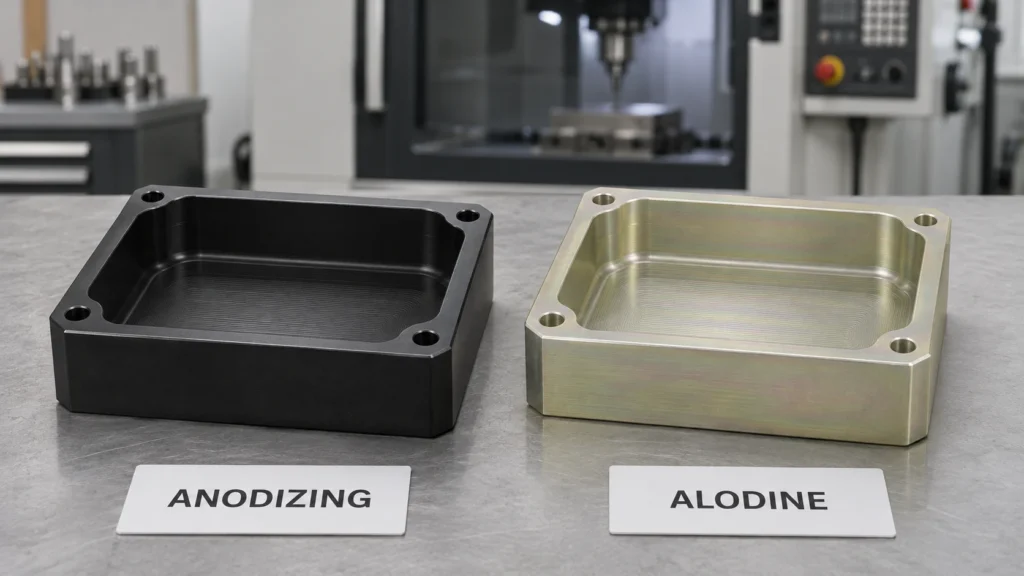
Comprendre anodizing vs Alodine helps you match the surface finish to the functional requirements of your aluminum parts. Both treatments protect aluminum alloys, but anodizing forms an oxide layer that can provide wear resistance, corrosion protection, and decorative coloring. Alodine chemical conversion coating is primarily used for corrosion protection, paint pretreatment, and electrical contact areas that require low contact resistance.
For CNC-machined parts, surface finishing also affects mating dimensions, grounding connections, and the adhesion of subsequent coatings. Before choosing a process, define the function of each surface, the service environment, and the dimensional and performance requirements that must be met after finishing.
How Does Anodizing Change an Aluminum Alloy Surface?
Anodisation converts the surface of an aluminum alloy into an oxide layer through an electrochemical reaction. The part is immersed in an electrolyte and connected as the anode, and the coating forms under controlled electrical conditions. Because the oxide layer forms by converting the substrate surface, its relationship with the metal differs from that of a separately applied paint film.
Type II sulfuric acid anodizing combines appearance with surface protection. It can be left undyed or dyed, is suitable for housings, knobs, covers, and instrument components, and is usually sealed after anodizing and any dyeing. Type III hard anodizing can be considered for working surfaces with more demanding wear requirements. Different types have different processing and performance requirements, and coating thickness should be specified separately according to the application.
Hard anodizing primarily changes surface properties and should not be assumed to increase overall structural strength. A part’s load-bearing capacity still depends on its alloy, temper, geometry, and loading. For parts subjected to repeated stress, the effect of anodizing on fatigue performance should also be assessed, because the coating can reduce fatigue performance under certain conditions.
What Is Alodine, and Which Specifications Should You Consider?
Alodine is a trade name associated with Henkel’s chemical conversion treatment products, while chemical conversion coating and chem film are broader process descriptions. Some products previously sold under the Alodine name are now part of the BONDERITE range, which includes different technologies based on hexavalent chromium, trivalent chromium, and chromium-free chemistries.
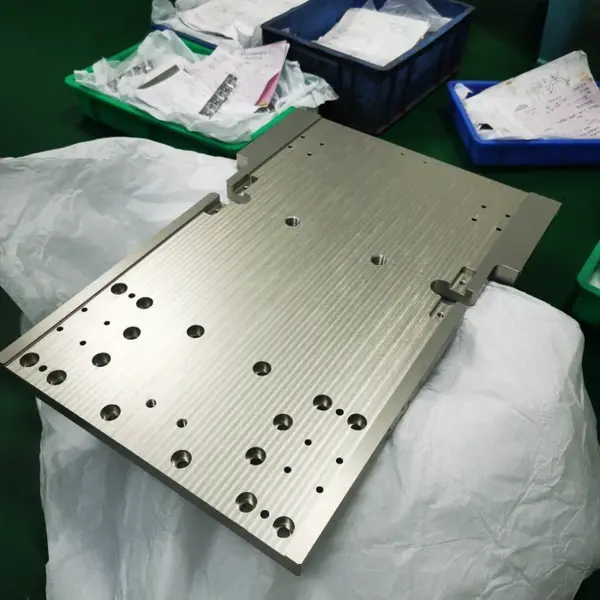
Chemical conversion coating forms a thin protective film through a reaction between the treatment solution and the prepared aluminum alloy surface. It suits parts that need corrosion protection while keeping dimensional changes small, and it can also provide a base for subsequent paint adhesion. However, compatibility with the complete primer, topcoat, or powder-coating system should be confirmed.
Under MIL-DTL-5541, Type I contains hexavalent chromium and Type II contains no hexavalent chromium; Class 1A emphasizes corrosion protection, while Class 3 is intended for areas requiring both corrosion protection and low electrical contact resistance. Type II does not mean completely chromium-free, and color does not establish the coating class, so a purchasing requirement should specify more than simply “clear Alodine.”
What Are the Advantages and Disadvantages of Anodizing and Alodine?
Anodizing offers both protection and appearance, with different options for wear resistance. Type II suits an undyed or colored metallic appearance, while Type III is a better candidate for surfaces that need wear resistance. Its limitations include an oxide layer that impedes electrical contact and coating growth that affects precision fits; alloy, pretreatment, and racking locations also affect appearance, and processing usually costs more than conventional Alodine.
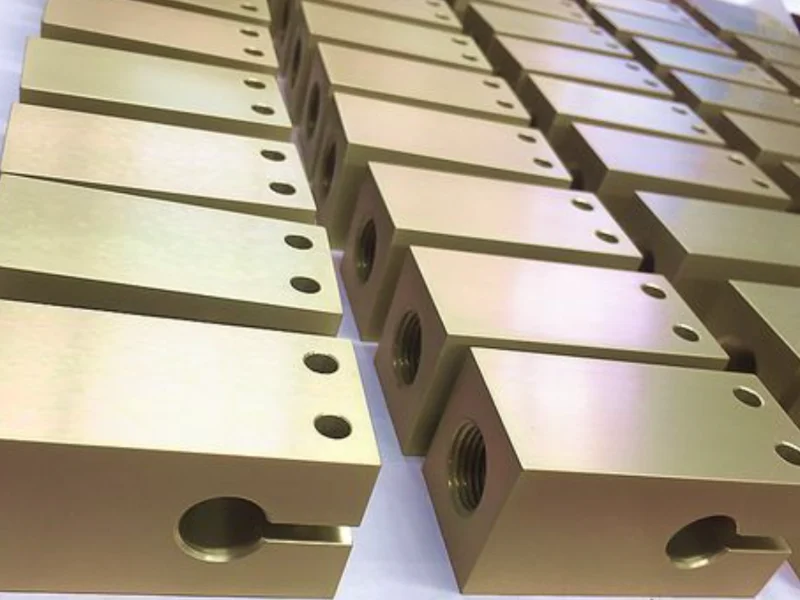
Alodine offers a thin film, generally small dimensional changes, and the ability to meet specified corrosion protection, painting, or electrical contact requirements. It suits precision housings, electrical connection areas, and parts that will subsequently be painted, with generally lower routine processing costs. Its limitations include low wear resistance and restricted decorative options. It cannot replace hard anodizing under sustained rubbing, and its specific performance also depends on the chemistry and application quality.
How Do the Performance Differences Between These Processes Affect Parts in Service?
| Facteur de comparaison | Anodisation | Alodine / Chemical Conversion Coating |
|---|---|---|
| Fonction principale | Appearance, corrosion protection, and specified wear resistance requirements | Corrosion protection, paint pretreatment, or low-resistance contact requirements |
| Electrical contact | The oxide layer impedes current across the treated surface | A specified Class 3 process addresses low contact resistance requirements |
| Résistance à l'usure | Type III is a candidate treatment for surfaces exposed to friction and sliding contact | Limited protection against sustained rubbing |
| Apparence | Undyed or colored; affected by alloy and pretreatment | Depends on chemistry, with limited decorative color options |
| Dimensional effect | Precision fits must account for coating growth | Generally small, but pretreatment and critical dimensions still need evaluation |
| Corrosion performance | Affected by alloy, coating quality, sealing, and environment | Affected by chemistry, application, alloy, and subsequent painting |
| Cost factors | Racking, thickness, color, masking, and inspection | Chemistry, pretreatment, masking, batch quantity, and verification |
Electrical contact requires attention to assembly interfaces. The aluminum alloy substrate of an anodized housing remains conductive, but the oxide layer on a flange can interfere with a reliable connection. Class 3 chemical conversion coating can be considered for grounding pads, bonding straps, connector interfaces, and EMI shielding seams, with contact pressure, mating materials, and electrical acceptance requirements also defined.
Corrosion protection and wear resistance should be assessed against actual service conditions. Hard anodizing may be left unsealed when maximum wear resistance is the priority; when corrosion protection takes priority, sealing may be required, with some change in wear performance accepted. Sliding guides require attention to loading, lubrication, and allowable wear, while outdoor housings require attention to moisture, salts, cleaning agents, and joints.
Appearance depends on material and pretreatment. Specifying only “black” or “undyed” does not fully define the result. Texture, gloss, and an acceptable color range should also be agreed upon and confirmed with representative samples. When multiple aluminum alloy parts are assembled together, their appearance should be reviewed together; for parts painted after conversion coating, the final appearance is usually determined by the paint system.
How Does Surface Finishing Affect the Dimensions and Tolerances of CNC-Machined Parts?
An anodic coating forms partly by converting material inward into the substrate and partly by growing outward, so it can increase shaft diameters, reduce bore diameters, or decrease thread clearance. The actual change depends on the process, alloy, and pretreatment, and one growth ratio cannot be applied universally. Chemical conversion coatings generally have a smaller dimensional effect, but cleaning and etching can still affect precision features, so they should not be treated as producing no dimensional change at all.
For example, consider a hard anodic coating with a total thickness of 50 µm. If approximately half of that thickness grows outward, each surface gains about 25 µm. In a bore, both opposing walls grow inward, so the diameter may decrease by approximately 50 µm, or 0.05 mm. This calculation assumes a uniform coating and excludes material removed during pretreatment; the actual allowance must be confirmed with the finishing supplier.
Drawings should distinguish pre-finish machining dimensions from the dimensions required on the delivered part. For locating holes, bearing bores, or close-fitting threads, determine machining allowances, selective masking, or other treatment arrangements according to their wear, corrosion, and electrical contact functions. For example, the precision connector bore and cosmetic surfaces of an instrument housing should be identified separately to coordinate machining, finishing, and inspection.
How Should You Choose for Different Applications?
An electronics housing should have treatment requirements defined by area. Type II anodizing can be considered when exterior surfaces need color and a decorative appearance; where a cover flange or grounding pad must maintain electrical continuity, the treatment should be specified separately. A low-contact-resistance conversion coating may be suitable, but this must be confirmed against the actual current path, corrosion requirements, and connection acceptance criteria.
For sliding-contact components, assess the wear conditions first. Type III hard anodizing is a candidate for aluminum alloy guides, adjustment components, and similar moving parts. Before selecting thickness and sealing, define the contact load, type of motion, lubrication, and final mating clearance. Chemical conversion coating generally cannot meet the same sustained wear resistance requirements.
For painted brackets, select pretreatment around the complete paint system. Chemical conversion coating can prepare the surface for primer and topcoat, but the chemistry, process sequence, and painting interval must meet the specified requirements. Some paint systems also use anodizing, so the process cannot be chosen solely because the part will be painted afterward; for projects with existing drawings, check the customer specification and original requirements first.
Can Both Treatments Be Used on the Same Part?
Yes, but the different areas and processing sequence must be clearly defined. For example, a housing can have an anodized exterior and conversion-coated contact pads; conversion coating can also be considered for protection in certain holes and threads excluded from anodizing. Applying conversion treatment solution over an intact anodic coating should not be assumed to produce an electrical contact surface that meets the requirements.
The design should identify boundaries, masking locations, and acceptable transition areas on the drawing or a surface finishing map so that the supplier can assess feasibility and consistency between batches. Combining treatments can address the functions of different surfaces, but it adds processing, handling, and inspection work that should be included in the quotation.
What Determines the Total Cost of Surface Finishing?
For the same aluminum alloy part, anodizing generally costs more than Alodine when batch quantity, masking, and inspection requirements are comparable, and hard anodizing usually costs more than conventional Type II. The main differences come from racking, electrical processing, temperature control, and any additional coloring, sealing, and thickness-control work. The actual price difference cannot be expressed as a fixed multiplier.
Complex requirements can change the cost comparison. A simple anodized cover may be easier to process than an Alodine housing requiring extensive selective masking and detailed electrical verification. For small orders, minimum lot charges, process availability, and documentation requirements also have a significant effect on cost per part.
When comparing quotations, use the same drawing revision, quantity, treated areas, and acceptance criteria, and include pretreatment, finishing, inspection, packaging, transportation, and potential rework costs. Purchasing decisions should compare the total cost of a conforming finished part ready for assembly.
Which Requirements Should Be Clearly Defined on Drawings and Purchase Orders?
Drawings should identify the aluminum alloy grade, temper, finishing specification and revision, type, and class. Anodizing requirements can be specified under standards such as MIL-PRF-8625, while some older drawings may still reference MIL-A-8625; for chemical conversion coating, identify the applicable standard, type, and class, and confirm the contractual requirements before processing.
Also identify treated and masked areas, electrical contact locations, acceptable rack marks, thickness, color, texture, sealing, and subsequent painting requirements. Critical holes, threads, and mating surfaces should have tolerances defined for the delivered condition, along with the required dimensional, coating, corrosion, and electrical inspections and documentation.
For example, a basic callout could state “Anodize per MIL-PRF-8625, Type II, Class 2, black” or “Chemical conversion coat per MIL-DTL-5541, Type II, Class 3.” These statements must be supplemented with thickness, area, final dimension, and acceptance requirements for the actual part to create production instructions that can be implemented.
FAQ
For the Same Aluminum Alloy Part, Which Usually Costs More: Anodizing or Alodine?
Anodizing usually costs more than Alodine for the same part under comparable order conditions, and Type III hard anodizing typically costs more than Type II. Masking, batch size, and testing can change the final price.
Which Aluminum Alloys Can Receive These Two Surface Treatments?
Both can be considered for common wrought alloys such as 5052, 5083, 6061, 6063, 6082, 2024et 7075. Suitability and results depend on the alloy and process; castings and alloys with high copper or silicon content need separate evaluation.
What Precautions Are Needed When Applying These Two Surface Treatments?
Clean and prepare the surface, define masking, and follow the specified process parameters. For anodizing, control rack contact, thickness, and sealing. For Alodine, follow product-specific application, rinsing, and drying instructions. Protect finished surfaces and verify critical dimensions and performance.
Is Clear Alodine the Same as Undyed Anodizing?
No. Undyed anodizing forms an oxide coating, while clear Alodine forms a chemical conversion film. A similar appearance does not mean equivalent performance, so specify the required process when ordering parts.
Can Alodine Repair a Damaged Anodic Coating?
Only where the applicable specification permits. Conversion coating can provide local touch-up protection, but it does not restore anodized thickness or wear resistance. Type III touch-up is limited to areas not subjected to abrasion.
Can a Part Be Powder Coated Directly After Alodine Treatment?
Only when the conversion coating is compatible with the powder-coating system and cure schedule. Confirm the required preparation, curing temperature, and time with the chemical supplier and finisher.
Why Choose Weldo Machining for Custom Aluminum Parts?
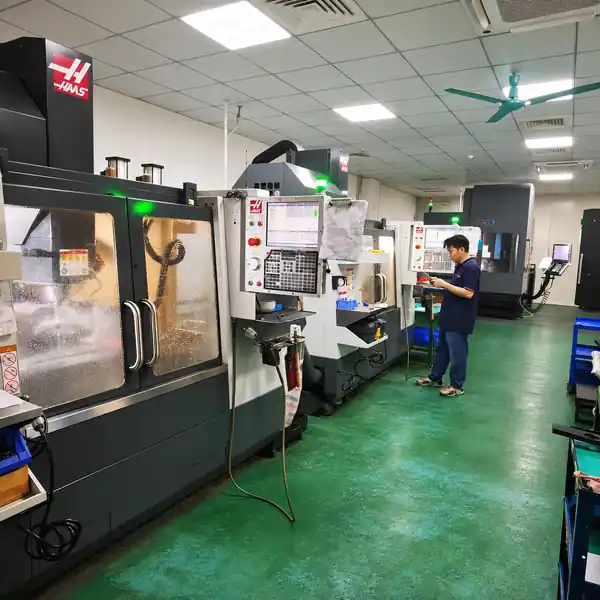
Au Weldo Machining, we combine custom aluminum CNC machining with coordinated surface finishing to match your part’s functional and assembly requirements. Our drawing review covers alloy and temper, critical tolerances, coating allowances, masking, and cosmetic or electrical contact surfaces. By planning machining, finishing, and inspection together, we help keep these requirements aligned from production through delivery. Send your drawings, quantity, and service conditions for a practical manufacturing review and cotation.