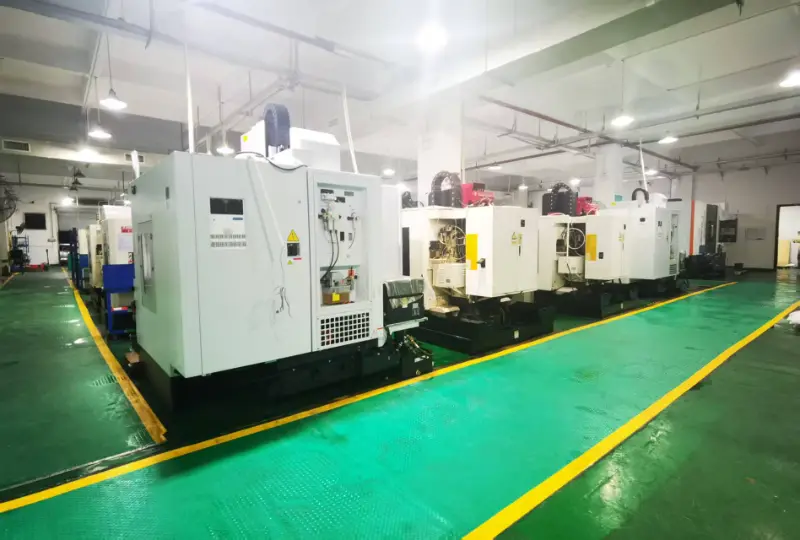
Алюминий 2024 — это термообрабатываемый сплав на основе алюминия, меди и магния, сочетающий в себе относительно высокую прочность, хорошие усталостные характеристики и низкую массу. Он широко применяется в конструкциях для аэрокосмической отрасли, транспортном оборудовании, гидравлических системах и прецизионных механических деталях.
В данном руководстве по алюминию марки 2024 объясняется, почему при закупке деталей, изготовленных по индивидуальному заказу, недостаточно просто указать на чертеже “алюминий марки 2024”. Состояние, форма изделия, направление прокатки, защита поверхности и стандарты контроля качества — все эти факторы влияют на эксплуатационные характеристики детали, стабильность обработки, сроки поставки и стоимость.
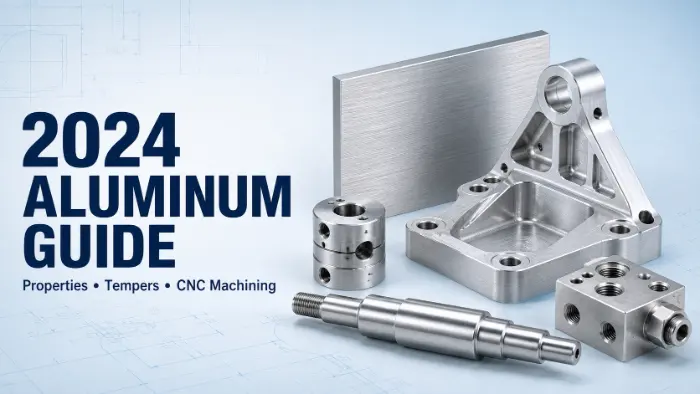
Что такое алюминий 2024?
2024 — это кованый алюминиевый сплав серии 2xxx. Основными упрочняющими элементами являются медь и магний, а марганец способствует регулированию микроструктуры и поведения при рекристаллизации.
| Элемент | AA 2024 Массовая доля |
| Медь (Cu) | 3.8%–4.9% |
| Магний (Mg) | 1.2%–1.8% |
| Марганец (Mn) | 0.30%–0.90% |
| Кремний (Si) | ≤0,50% |
| Железо (Fe) | ≤0,50% |
| Цинк (Zn) | ≤0.25% |
| Хром (Cr) | ≤0.10% |
| Титан (Ti) | ≤0.15% |
| Алюминий (Al) | Остаток |
Относительно высокое содержание меди повышает прочность, но при этом снижает общую коррозионную стойкость. По этой причине детали из сплава 2024 обычно подвергаются анодированию, химическому конверсионному покрытию, окраске или защите методом Alclad в зависимости от условий эксплуатации.
Материалы «2024» и китайский 2A12 имеют схожие легирующие составы, однако они не соответствуют точно тем же стандартам на материалы, диапазонам состава или эксплуатационным требованиям. Их нельзя заменять друг другом без технического подтверждения.
Свойства алюминия 2024-O
2024-O — это алюминий марки 2024 в отожженном состоянии. Данный сорт отличается более низкой прочностью и твердостью, но обладает лучшей пластичностью и формуемостью, что делает его пригодным для гибки, штамповки, глубокой вытяжки и последующей термообработки.
Ниже приведены типичные эталонные значения для 2024-O:
| Недвижимость | Типичное значение 2024-O | Значение для закупки запчастей |
| Плотность | Приблизительно 2,78 г/см³ | Подходит для легких конструкций |
| Модуль Юнга | Приблизительно 73,1 ГПа | Обозначает сопротивляемость материала упругой деформации |
| Предельная прочность на разрыв | Приблизительно 186 МПа | Характерное усилие до разрушения при растяжении |
| Предел текучести | Прибл. 76 МПа | При превышении этого напряжения может произойти необратимая деформация |
| Относительное удлинение при разрыве | Прибл. 22% | Подходит для значительной пластической деформации и сложной формовки |
| Твердость по Бринеллю | Прибл. 47 HB | Материал относительно мягкий, поэтому необходимо следить за тем, чтобы не оставались следы от зажима |
| Прочность на сдвиг | Приблизительно 124 МПа | Используется для расчета зон, подверженных сдвиговым нагрузкам, и соединительных конструкций |
| Модуль сдвига | Прибл. 28 ГПа | Обозначает сопротивление материала сдвиговой деформации |
| Коэффициент Пуассона | Приблизительно 0,33 | Используется в расчетах конструкций и анализе методом конечных элементов |
| Номинальная усталостная прочность | Прибл. 90 МПа | На основе 5 × 10⁸ циклов полного переключения напряжений |
Данные значения являются типичными результатами, полученными при определённых условиях испытания образцов, и не являются гарантированными предельными значениями для каждого изделия из стали 2024-O. Окончательные требования должны определяться с учётом формы изделия, толщины, направления отбора проб, применимого стандарта и сертификата на материал.
2024 Модуль Юнга алюминия
Модуль Юнга алюминия марки 2024-O составляет примерно 73,1 ГПа, или 10,6 Мси.
Модуль Юнга характеризует сопротивление материала растяжению или сжатию в пределах упругого диапазона и в первую очередь отражает его жесткость. Он не заменяет предел прочности при растяжении или предел текучести.
Значения модуля Юнга у марок 2024-O, T351 и T851 схожи, однако их прочность, твердость, относительное удлинение и условия остаточного напряжения значительно различаются. Поэтому схожие значения модуля Юнга не означают, что эти марки являются взаимозаменяемыми.
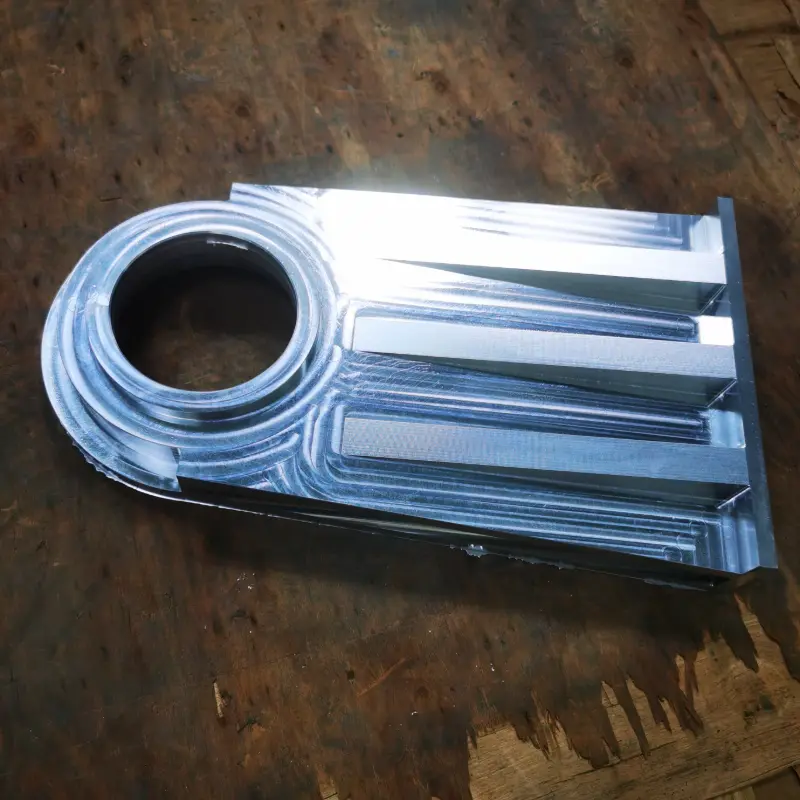
Почему необходимо указывать температуру обработки алюминия 2024 года?
Степень закалки определяет прочность, пластичность, остаточные напряжения и обрабатываемость детали. Если в чертеже не указана степень закалки, разные поставщики могут использовать совершенно разное сырье.
| Темпер | Основные характеристики | Распространенные продукты и области применения |
| 2024-O | Низкая прочность при хорошей пластичности и формуемости | Детали глубокой вытяжки, гибочные детали, детали сложной формы и заготовки для последующей термообработки |
| 2024-T3 | Раствор, прошедший термообработку, холодную деформацию и естественное старение | Листы, обшивка самолетов и конструкционные элементы, подвергающиеся циклическим нагрузкам |
| 2024-T4 | Раствор, прошедший термическую обработку и естественное старение | Детали, требующие определенной пластичности и последующей обработки |
| 2024-T351 | Снятие напряжения с помощью растяжки и естественного созревания | Детали из листового металла, изготовленные на станках с ЧПУ, кронштейны, соединительные элементы и прецизионные конструкционные детали |
| 2024-T3511 | Напряжение снято с помощью растяжки, прошло естественное старение и выпрямлено в допустимых пределах | Прутки, трубы, профили и длинные детали валового типа |
| 2024-T851 | Снятие напряжения посредством растяжки и искусственного состаривания | Конструктивные элементы с высоким пределом прочности и подтвержденными нагрузочными требованиями |
Марка 2024-O подходит для формовки, однако её не следует рассматривать в качестве стандартного конечного состояния для деталей, подвергающихся высоким нагрузкам. Если после формовки требуется термообработка в растворе и старение, необходимо заранее учесть деформации, возникающие при термообработке, допуски на размеры и последующую чистовую обработку.
Как следует выбирать различные формы выпуска продукции?
Алюминий марки 2024 поставляется в виде листов, пластин, прутков, труб, профилей и поковок. Форма изделия влияет на свойства материала, направление кристаллической решетки, припуск на механическую обработку и сроки поставки.
- Лист: Подходит для обшивки, кожухов, гнутых деталей и легких корпусов.
- Иллюстрация: Подходит для кронштейнов, опор, соединительных элементов и несущих конструкций, изготовленных на станках с ЧПУ.
- Бар: Подходит для валов, втулок, поршней и вращающихся деталей.
- Трубка: Подходит для гидравлических, аэрокосмических и облегчённых полых конструкций.
- Экструдированные изделия: Подходит для длинных рам, направляющих и конструкционных элементов с постоянным поперечным сечением.
- Поковки: Подходит для деталей, подвергающихся высоким нагрузкам, для которых требуется контролируемое направление кристаллитов.
В технических условиях закупки должны быть указаны марка сплава, состояние, форма изделия и стандарт на материал. Например, лист 2024-T351 и экструдированный пруток 2024-T3511 нельзя рассматривать как один и тот же материал, исходя исключительно из обозначения сплава.
Как следует выбирать сплавы 2024, 6061 и 7075?
| Предмет сравнения | 2024 алюминий | 6061 | 7075 |
| Основная система сплавов | Al-Cu-Mg | Al-Mg-Si | Al-Zn-Mg-Cu |
| Уровень силы | Относительно высокий | Средний | Очень высокий |
| Устойчивость к усталости | Подходит для конструкций, подверженных циклическим нагрузкам | Подходит для обычных промышленных грузов | Зависит от характера и условий эксплуатации |
| Устойчивость к коррозии | Относительно низкий | Хорошо | Относительно низкий |
| Свариваемость методом традиционного термоядерного синтеза | Бедный | Хорошо | Бедный |
| Возможность обработки на ЧПУ | Хорошо | Хорошо | Хорошо |
| Типичные применения | Аэрокосмические конструкции, зубчатые передачи и гидравлические детали | Оборудование для автоматизации, корпуса и общие конструкции | Конструкции, приспособления и детали для аэрокосмической промышленности, подвергающиеся высоким нагрузкам |
Марка 6061 подходит для сварных конструкций, общих механических нагрузок и коррозионных сред. Марка 7075 подходит для конструкций, где важна масса и которые подвергаются высоким статическим нагрузкам. Марка 2024 подходит для деталей, в которых важны усталостные характеристики и снижение массы.
При выборе материала нельзя руководствоваться исключительно прочностью на разрыв. Необходимо также учитывать тип нагрузки, условия эксплуатации, способ соединения, защиту поверхности и требования к контролю качества.
Характеристики обработки алюминия марки 2024-O на станках с ЧПУ
Материал 2024-O обладает относительно низкой твердостью, поэтому для его резки требуются сравнительно небольшие режущие усилия. Однако более мягкий материал с большей вероятностью приводит к прилипанию инструмента, образованию наплавленного слоя, заусенцам и деформации под действием зажима.
В ходе обработки следует контролировать следующие моменты:
- Используйте острые режущие инструменты, предназначенные для обработки алюминиевых сплавов.
- Обеспечьте эффективный отвод стружки, чтобы она не поцарапала поверхность повторно.
- Уменьшите усилие зажима при обработке тонкостенных и мягких заготовок.
- После черновой обработки оставьте равномерный припуск на чистовую обработку.
- Добавить поддержку отверстий, тонких стенок и длинных выступающих элементов.
- Включить требования по удалению заусенцев в процессы механической обработки и контроля качества.
Материал 2024-O не всегда обеспечивает более стабильные габариты, чем T351. Для прецизионных деталей с ЧПУ, требующих значительного объема съема материала, материал T351, как правило, обеспечивает более подходящее соотношение прочности и напряженного состояния.
Как можно контролировать деформацию деталей при механической обработке в 2024 году?
После интенсивной односторонней обработки листа из стали 2024 перераспределение внутренних напряжений может привести к прогибу, скручиванию или изменению плоскостности. Повышенный риск связан с тонкими стенками, глубокими полостями и асимметричными конструкциями.
К распространенным методам контроля относятся:
- Выберите подходящую степень закалки материала и толщину заготовки в соответствии с геометрией детали.
- Используйте симметричные, многоуровневые и чередующиеся траектории черновой обработки.
- После черновой обработки следует выждать некоторое время для перераспределения напряжений.
- Оставьте одинаковый припуск на обработку по критическим размерам.
- Используйте приспособления с низким уровнем искажений и соответствующие положения опоры.
- Повторно проверьте плоскостность, параллельность и профиль в свободном состоянии.
Закаленные с снятие напряжений стали, такие как T351, могут снизить риск деформации, но не могут гарантировать, что деталь останется абсолютно без деформаций. Необходимо по-прежнему комплексно контролировать траектории инструмента, геометрию детали, зажимное устройство и партию материала.
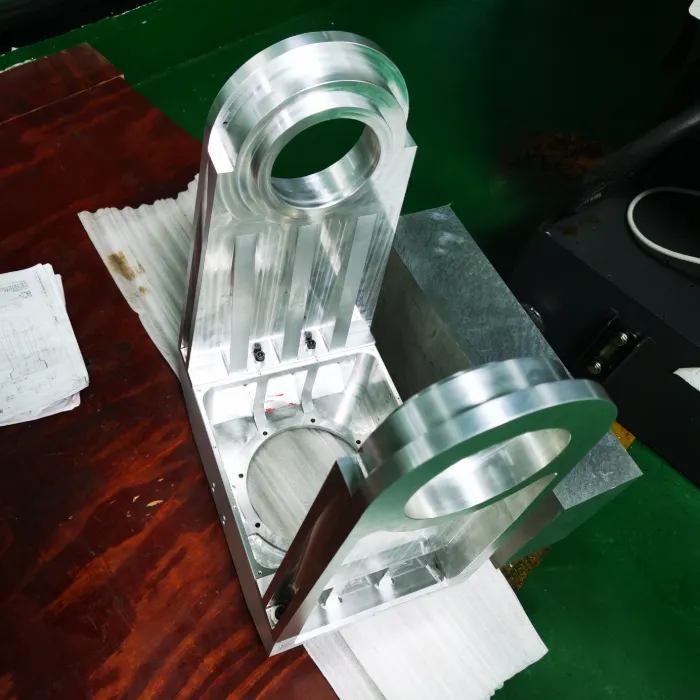
Почему направление прокатки имеет значение?
Прокатная сталь имеет продольное, поперечное и короткопоперечное направления. Прочность, относительное удлинение и характер разрушения могут различаться в зависимости от направления.
В отношении несущих конструкций и тонкостенных деталей в чертеже или закупочной документации должны быть указаны:
- Основное направление нагрузки на деталь;
- Направление прокатки материала;
- Направление отбора проб, указанное в сертификате на материал;
- Допускается ли изменение направления размещения деталей;
- Требуются ли свойства, связанные с коротким поперечным направлением.
Указание только марки сплава и состояния обработки не позволяет полностью определить конструкционную деталь, к которой предъявляются требования по направленным свойствам.
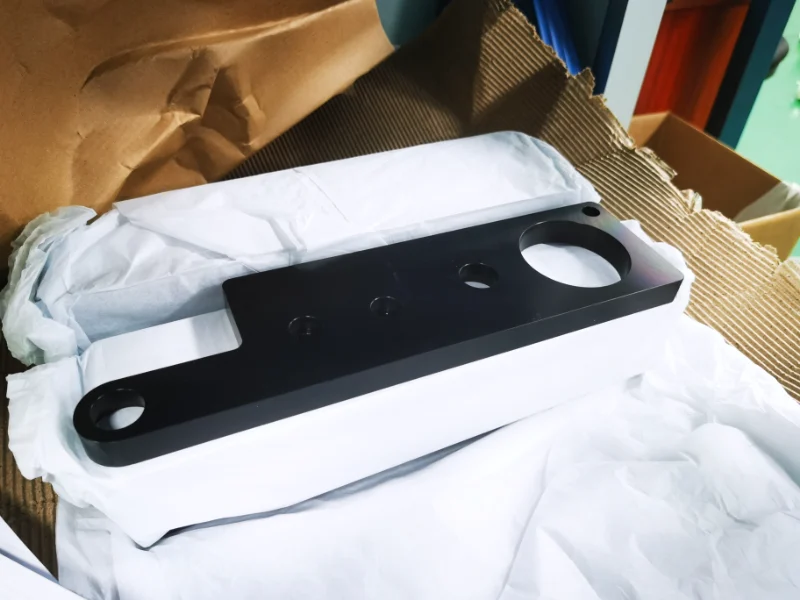
Типовые алюминиевые детали Custom 2024
Алюминий марки 2024 подходит для изготовления легких несущих элементов и деталей прецизионных соединений, в том числе:
- Аэрокосмическая промышленность конструкционные кронштейны и соединительные элементы;
- Каркасы фюзеляжа и внутренние укрепления;
- Шестеренки, червячные передачи и муфты;
- Валы, втулки и муфты;
- Корпуса гидравлических клапанов и детали цилиндров;
- Поршни и детали систем перемещения;
- Высокопрочные болты, гайки и крепежные детали;
- Прецизионные приспособления и контрольно-измерительное оборудование.
Степень отпуски материала следует подбирать индивидуально с учетом нагрузки, действующей на деталь, метода формовки, схемы механической обработки и условий эксплуатации. Не для каждой детали следует использовать одну и ту же степень отпуски.
Методы обработки поверхности алюминия марки 2024
Поскольку сплав 2024 отличается относительно высоким содержанием меди, защита поверхности, как правило, является важным требованием при закупке.
- Анодирование: Повышает коррозионную стойкость и износостойкость поверхности. Содержание меди может повлиять на стабильность цвета, поэтому перед производством деталей, имеющих эстетическое значение, следует сначала согласовать их внешний вид на основе образца.
- Твёрдое анодирование: Подходит для изнашиваемых поверхностей. Отверстия, резьба и сопрягаемые поверхности требуют корректировки толщины покрытия или маскировки.
- Химическое конверсионное покрытие: Образует тонкий защитный слой и может служить основой для краски или применяться в случаях, когда требуется обеспечение электрического контакта.
- Живопись: Подходит для деталей, которым требуется окраска, изоляция от воздействия окружающей среды и дополнительная защита.
- Химическое никелирование: Позволяет повысить твердость поверхности и износостойкость, однако необходимо подтвердить эффективность предварительной обработки, адгезию и прирост размеров.
- Лист Alclad: Для повышения коррозионной стойкости используется алюминиевый облицовочный слой. Открытые участки материала сердечника в местах механической обработки или сверления по-прежнему требуют оценки необходимости защиты.
Термин “Alclad” следует переводить как “с алюминиевым покрытием” или «лист с покрытием из алюминиевого сплава»; его ни в коем случае нельзя трактовать как «оцинковку».
Типичные пункты проверки
Контроль изготовленных на заказ алюминиевых деталей серии 2024 должен осуществляться в соответствии с требованиями чертежа.
- Сертификат на материал: Указывает номер сплава, степень закалки, номер партии или серии, а также соответствующую техническую спецификацию.
- Контроль размеров: Проверяет критические размеры, допуски, расположение отверстий и соотношения посадки.
- Контроль соблюдения геометрических допусков: Проверяет плоскостность, параллельность, перпендикулярность и профиль.
- Шероховатость поверхности: Проверяет качество обработки уплотнительных, скользящих и соприкасающихся поверхностей.
- Контроль качества покрытия: Проверяет толщину покрытия, степень покрытия, цвет и замаскированные участки.
- Первичный контроль продукции: Проверяет соответствие технологического процесса и чертежей перед запуском серийного производства.
- Отслеживаемость партий: Связывает данные о сырье, производственной партии и протоколах контроля качества.
Перед составлением коммерческого предложения необходимо определить пункты проверки. Добавление отчетов после завершения серийного производства, как правило, приводит к увеличению затрат и удлинению сроков выполнения заказа.
Как выбрать надежного партнера по обработке алюминия на 2024 год?
Надежный поставщик должен не только выполнять фрезерную или токарную обработку. Он также должен понимать, как состояние материала и форма изделия влияют на эксплуатационные характеристики детали.
При оценке поставщика можно учитывать следующие аспекты:
- Сможет ли компания приобрести материал с нужным состоянием и формой изделия в соответствии с чертежом на 2024 год;
- Может ли компания предоставить сертификаты происхождения материалов с возможностью отслеживания;
- Имеет ли компания опыт борьбы с деформацией при изготовлении тонкостенных деталей, деталей с глубокими полостями и деталей, требующих значительного объема съема материала;
- Может ли она координировать термообработку, обработку поверхности и окончательную повторную проверку размеров;
- Может ли компания предоставить отчеты о проверке размеров или первых изделий в согласованном формате;
- Независимо от того, выявляет ли она риски, связанные с допуском, закреплением детали или обработкой поверхности, до начала производства.
Компания «Weldo Machining» может оценить технологический процесс обработки на основе чертежа, состояния материала, критических допусков и объема заказа. Заказчики могут ознакомиться с возможностями компании в области обработки на сайте Страница услуг по обработке на станках с ЧПУ или отправить чертежи на экспертизу инженерного отдела через страница загрузки файлов.
Почему срок изготовления имеет важное значение для деталей, изготавливаемых на заказ в 2024 году?
Не все типы и размеры, предусмотренные на 2024 год, имеются в наличии. Для материалов особой толщины, листов с алюминиевым покрытием (Alclad), материалов, соответствующих спецификациям аэрокосмической отрасли, или материалов, требующих полной документации по прослеживаемости, может потребоваться дополнительное время на закупку.
Общий срок выполнения заказа обычно включает:
- Закупка сырья и проверка сертификатов;
- Анализ технологического процесса и подготовка приспособлений;
- Черновая и чистая обработка;
- Термическая обработка или снятие внутренних напряжений;
- Обработка поверхности;
- Заключительный осмотр и подготовка документации.
В случае проектов со сроками сборки целевую дату поставки следует указывать еще на этапе подготовки коммерческого предложения, а также необходимо подтвердить наличие материалов. Одно лишь сравнение времени обработки не позволяет точно определить окончательную дату поставки.
Как можно контролировать затраты на механическую обработку деталей из алюминия марки 2024?
Эффективный контроль затрат начинается с разработки чертежей и определения потребностей в закупках.
- Отдавайте предпочтение стандартным размерам: Нестандартные толщины и степени твердости приводят к увеличению стоимости материала и сроков его поставки.
- Отдельные критические допуски: Применяйте строгие требования только к размерам, определяющим сопряжение, герметичность и фиксацию.
- Уменьшите количество глубоких полостей и тонких стенок: Это позволяет снизить затраты, связанные с выступом инструмента, контролем деформации и многократной настройкой оборудования.
- Унифицировать диаметры отверстий и резьбу: Это позволяет сократить количество инструментов и количество их смен.
- Объедините похожие партии: Таким образом распределяются затраты на разработку, оснастку и первичный контроль продукции.
- Определите объем проверки: Запрашивайте только те отчеты и сертификаты, которые действительно необходимы для проекта.
- Заранее определите способ обработки поверхности: Это позволяет избежать внесения изменений в планы компенсации размеров и маскирования после завершения обработки.
Снижение затрат не должно достигаться за счет несанкционированной замены материалов, отмены важных проверок или ослабления требований к функциональным размерам.
Какая информация требуется при запросе коммерческого предложения на алюминиевые детали 2024 года?
A complete request for quotation should include:
- 2D drawings and 3D models;
- The complete material designation and temper;
- Product form or applicable material standard;
- Critical dimensions, tolerances, and GD&T requirements;
- Surface roughness and appearance requirements;
- Heat-treatment и surface-treatment specifications;
- Prototype, initial-batch, and annual demand quantities;
- Material certificate and inspection report requirements;
- Packaging, traceability, and target delivery date.
The more complete this information is, the easier it is for the supplier to provide an accurate process plan, price, and delivery schedule.
ЧАСТО ЗАДАВАЕМЫЕ ВОПРОСЫ of 2024 aluminum guide
What Is the Young’s Modulus of 2024 Aluminum?
The Young’s modulus of 2024-O is approximately 73.1 GPa. Young’s modulus indicates stiffness, not ultimate tensile strength or yield strength.
Is 2024-O Suitable for Manufacturing Highly Loaded Parts Directly?
2024-O has relatively low strength and is primarily used for forming and subsequent heat treatment. T3, T351, T851, or another verified temper should be selected according to the load requirements of highly loaded parts.
Is 2024 Aluminum Stronger Than 6061?
In commonly used strengthened tempers, 2024 generally provides higher strength and better fatigue performance, but its corrosion resistance and weldability are generally lower than those of 6061.
Can 2024 Aluminum Be Welded?
2024 is not suitable for conventional fusion welding. Structural designs generally use bolted, riveted, or other verified joining methods.
Is 2024 Aluminum Corrosion Resistant?
2024 has relatively low general corrosion resistance. Surface protection and galvanic corrosion isolation should be planned for humid, salt-spray, or dissimilar-metal contact environments.
Are 2024-O and 2024-T351 Interchangeable?
They are not directly interchangeable. Their strength, hardness, ductility, and residual stress conditions differ, so the design and material specification must be reviewed before substitution.