
6061 aluminum alloy offers a balanced combination of strength, low weight, machinability, thermal conductivity and corrosion resistance. It is suitable for CNC structural parts, equipment housings, thermal-management components and defense equipment parts. Custom buyers should define the material temper, part structure, operating environment, tolerances and surface-finish requirements.
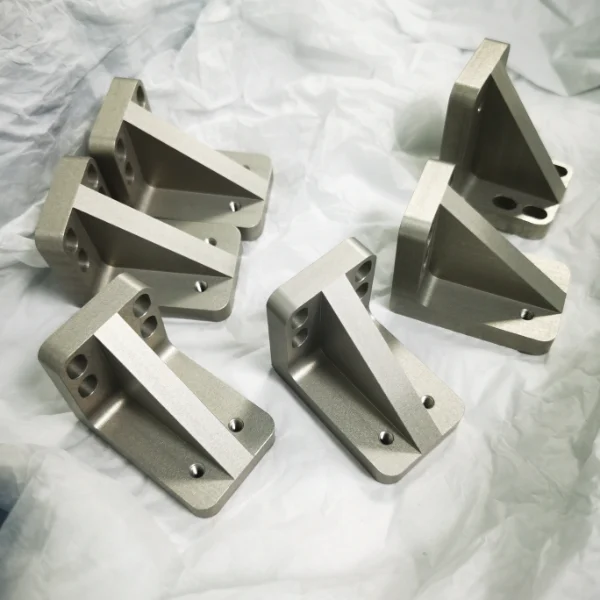
What Is 6061 Aluminum Alloy?
6061 is a heat-treatable Al-Mg-Si aluminum alloy with stable material availability and proven CNC machining performance. It is suitable for prototypes, small batches and production runs, as well as anodizing, Alodine, sandblasting and powder coating.
6061 identifies the alloy grade, while T4, T6 and T651 identify different tempers. The temper affects strength, hardness, elongation, residual stress and dimensional stability.
Why Is 6061 Suitable for Custom Parts?
6061 provides a balanced performance profile for most structural and equipment components.
- Balanced strength-to-weight ratio
- Stable CNC milling and turning performance
- Wide range of available stock forms
- Хорошая свариваемость
- Compatibility with multiple surface finishes
- Stable material supply for repeat production
- Manageable material cost and lead time
Common Heat-Treatment Tempers of 6061 Aluminum
| Темпер | Heat-treatment characteristics | Типичные применения |
|---|---|---|
| 6061-O | Fully annealed with high elongation | Bent and formed parts |
| 6061-T4 | Solution heat-treated and naturally aged | Parts requiring subsequent forming |
| 6061-T6 | Solution heat-treated and artificially aged | Brackets, housings, shafts and structural parts |
| 6061-T651 | Artificially aged and stress-relieved by stretching | Plates, baseplates and precision parts |
| 6061-T6511 | Extruded, stress-relieved by stretching and artificially aged | Extrusions, bars and long parts |
| 6061-T8/T9 | Cold-worked and artificially aged | Selected high-load and wear-resistant parts |
Material-selection guidance:
- Forming and bending: 6061-O or 6061-T4
- General CNC structural parts: 6061-T6
- Thick plates and tight-tolerance parts: 6061-T651
- Long extrusions and bars: 6061-T6511
How Does the Temper Affect Machining?
The temper affects not only the strength of 6061 but also machining distortion, cutting stability and final dimensional accuracy. 6061-T6 suits general structural parts, while 6061-T651 uses stretching to relieve part of the residual stress and is better suited to thick plates, baseplates and parts with tight positional tolerances.
For large material-removal operations, thin walls, deep cavities and asymmetric structures, the following route is recommended:
Rough machining with stock left for finishing → unclamp and measure → rest to release residual stress → re-establish the machining datum → multiple finishing passes → final dimensional inspection.
Key Performance Characteristics of 6061 Aluminum
Tensile Strength and Yield Strength
6061-T6 provides medium-to-high strength for brackets, baseplates, housings and general load-bearing structures. High-load shafts, gears and fatigue-critical parts require verification based on the applied load, safety factor and connection method.
Young’s Modulus and Elastic Modulus
The Young’s modulus of 6061, also called the elastic modulus, is approximately 68.9 GPa, about one-third that of steel. Under the same load, a 6061 structure shows more elastic deflection, so wall thickness, cross-section or reinforcing ribs should be increased when higher stiffness is required.
Плотность
6061 has a density of approximately 2.70 g/cm³, about one-third that of common steels. This makes it suitable for lightweight brackets, housings, baseplates, UAV structures and mobile-equipment components.
Теплопроводность
6061-T6 has a thermal conductivity of approximately 160–170 W/m·K. It transfers heat efficiently and is suitable for cold plates, heat sinks, liquid-cooling manifolds, laser-equipment baseplates and power-electronics cooling structures.
Электропроводность
6061-T6 has an electrical conductivity of approximately 43% IACS, or about 25 MS/m. This is suitable for general conductive structures, equipment housings and grounding components. Copper or high-conductivity aluminum should be evaluated for low-resistance electrical connections.
Magnetic Properties
6061 is a non-ferromagnetic aluminum alloy with relative permeability close to 1. Standard magnets do not noticeably attract it, making it suitable for instrument housings, electronic equipment brackets and low-magnetic-response structures.
Свариваемость
6061 can be welded using TIG or MIG processes. The heat-affected zone loses part of the T6 artificial-aging strengthening effect, so welded parts should be re-evaluated for strength, distortion and dimensions in the as-welded condition.
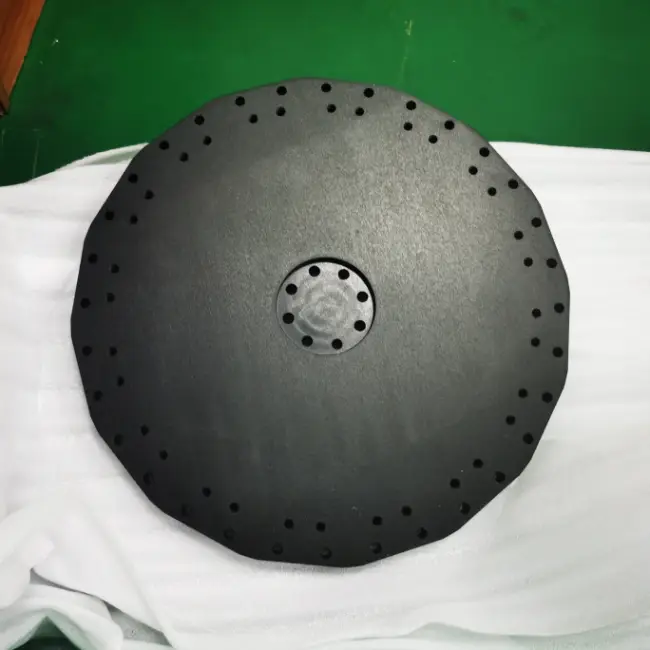
What Is the Difference Between 6061, 7075 and 6063 Aluminum?
| Сравнение | 6061 | 7075 | 6063 |
|---|---|---|---|
| Прочность | Medium-high | Высокий | Средний |
| Обрабатываемость | Хорошо | Хорошо | Хорошо |
| Свариваемость | Хорошо | Limited compared with 6061 | Хорошо |
| Устойчивость к коррозии | Хорошо | Lower than 6061 | Хорошо |
| Обработка поверхности | Broad compatibility | Color consistency requires verification | Excellent anodized appearance |
| Типичные применения | Structural parts, housings and brackets | High-strength aerospace structures | Extrusions and decorative parts |
6061 is easier to process consistently when machinability, weldability and cost must be balanced. 7075 is a better candidate when higher strength and lower weight are priorities. 6063 is more suitable for extrusion forming and decorative appearance.
How Does 6061 Compare with Steel?
The absolute strength of 6061 is generally lower than that of medium-carbon and alloy steels, but it is considerably lighter. It suits weight-sensitive brackets, housings, equipment baseplates and lightweight structures.
High-load shafts, gears and heavily wearing parts should be evaluated against steel, 7075 or an appropriate wear-resistant surface treatment. The design review should cover strength, stiffness, connection method and fatigue loading.
How Does 6061 Perform During CNC Machining?
6061 is suitable for three-, four- and five-axis milling, CNC turning, mill-turn machining, drilling, reaming, precision boring, tapping and thread milling.
6061 cuts well, but its relatively soft structure can produce built-up edge, burrs and local scratches when the tool is worn, chip evacuation is poor or cutting heat is excessive. Sharp aluminum-specific tools and stable cooling and chip-removal conditions are recommended for cosmetic parts.
Key machining controls include:
- Use sharp tools to reduce burrs and built-up edge
- Maintain sufficient chip-clearance space
- Control cutting heat to reduce thin-wall distortion
- Apply uniform clamping force and reliable support
- Use staged machining for deep cavities and large material removal
- Apply roughing, resting and multiple finishing passes to precision parts
- Finish critical holes, threads and mating surfaces during the final operation
For parts with tight positional, roundness or flatness tolerances, multiple milling stages, resting and secondary setup measurements help maintain a consistent machining datum.
Common 6061 Aluminum Stock Forms
| Типовая форма | Typical custom parts |
|---|---|
| Plate | Baseplates, brackets, covers and equipment panels |
| Bar | Shafts, sleeves, pins and flanges |
| Tube | Frames, connectors and lightweight supports |
| Экструзия | Guides, frames and equipment supports |
| Ковка | High-strength structural and load-bearing parts |
Stock dimensions close to the finished size reduce material waste, machining time and distortion caused by residual-stress release.
6061 Corrosion Resistance in Different Environments
Dry and Indoor Environments
6061 provides stable corrosion resistance in dry indoor environments. As-machined surfaces, anodizing or basic protection can meet most indoor equipment requirements.
Humid and Rainy Environments
Continuous humidity and rain increase surface-oxidation risk. Anodizing, Alodine or powder coating should be combined with drainage and sealed structural features.
Coastal and Salt-Spray Environments
Salt accelerates pitting and galvanic corrosion. Coastal equipment should use hard anodizing, sealing or a combined coating system, while direct aluminum-to-steel or aluminum-to-copper contact should be controlled.
Acidic Environments
Acidic media can damage the natural oxide film on aluminum. The protective coating or material system should be selected according to the medium concentration, temperature and contact time.
Alkaline Environments
Strong alkaline media cause significant corrosion to aluminum alloys. Long-term exposure requires an isolation layer or a revised material system.
Sand and Dust Environments
Sand mainly causes surface abrasion, seal wear and contamination of sliding components. Hard anodizing, wear-resistant coatings and dust-sealing features are suitable for these conditions.
UV and Sunlight
UV exposure has limited direct effect on the aluminum substrate but can age some organic coatings and sealing materials. Long-term outdoor parts should use weather-resistant powder coating or a stable anodizing system.
Dissimilar-Metal Contact
When 6061 contacts steel, copper or carbon fiber, insulating washers, sealants or compatible surface finishes should be used to reduce galvanic corrosion.
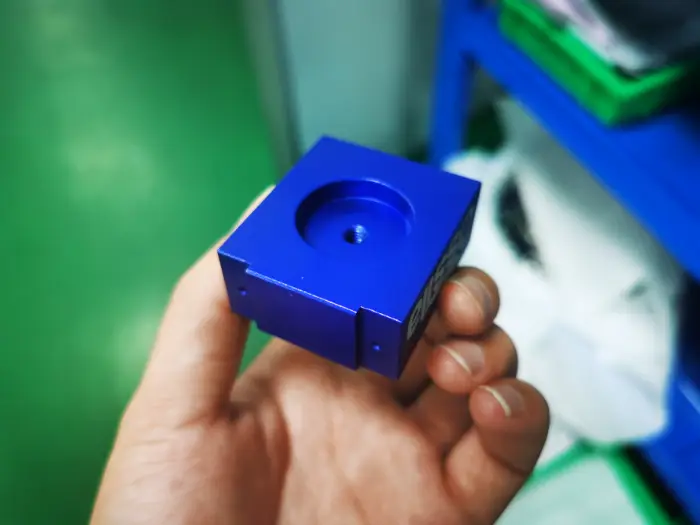
Common 6061 Aluminum Surface Finishes
Анодирование
Анодирование improves corrosion resistance, wear resistance and decorative appearance. It is suitable for housings, panels, brackets and consumer-electronics parts.
Твердое анодирование
Hard anodizing forms a thicker and harder oxide layer for guides, sliding parts, fixtures and wear-resistant structures.
Alodine Finish
Алодин forms a thin conversion coating with minimal dimensional change while retaining electrical conductivity. It is suitable for grounding parts and paint-preparation layers.
Пескоструйная обработка
Пескоструйная обработка reduces visible machining marks and creates a uniform matte texture. It is often combined with anodizing or powder coating.
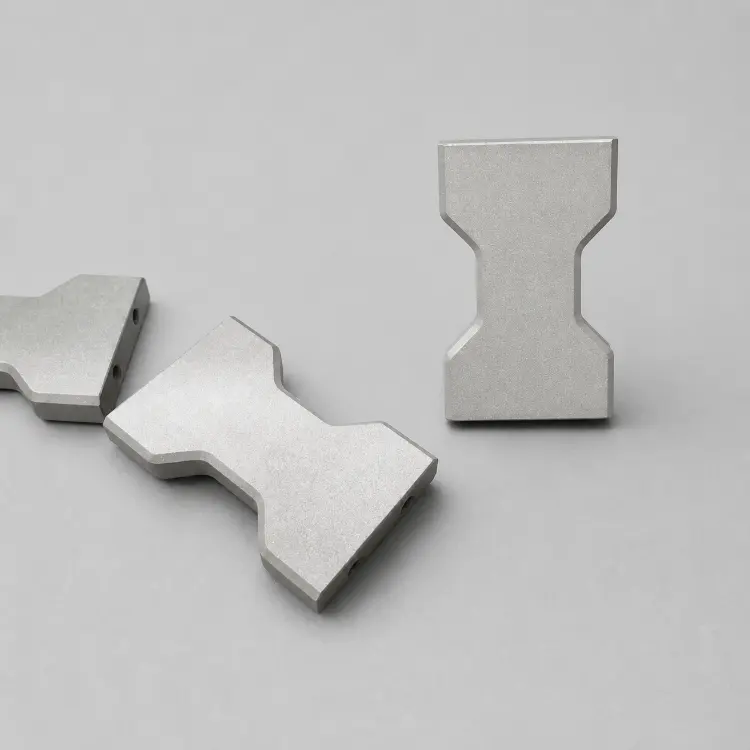
Порошковое покрытие
Powder coating forms a thicker protective layer for outdoor housings, brackets and parts requiring a wide range of colors.
Common 6061 Aluminum Applications and Parts
Промышленное оборудование
Equipment baseplates, mounting seats, connecting plates, guide brackets and protective covers.
Автоматизация и робототехника
Robot-arm brackets, fixture bases, sensor mounts and slide-table components.
Defense Equipment and Defense Electronics
6061 is suitable for non-high-temperature defense structures, electronic equipment housings, radar brackets, sensor mounts, battery trays and unmanned-system components.
These parts commonly require low weight, vibration resistance, sand and dust resistance, dimensional stability and material traceability. 6061-T6 or 6061-T651 are common choices, with hard anodizing, Alodine, black oxide or powder coating used according to the operating requirements.
Aerospace and UAV Equipment
Non-high-temperature brackets, equipment housings, mounting plates and UAV electronics-bay components.
Electronics and Communication Equipment
Heat sinks, shielding boxes, communication housings, connector panels and power-equipment mounting plates.
Liquid Cooling and Thermal-Management Systems
6061 combines high thermal conductivity with good machinability, making it suitable for cold plates, liquid-cooling manifolds, server cold plates, battery cold plates, laser-equipment cooling plates and power-electronics cooling bases.
For liquid-cooling parts, thermal conductivity is only one requirement. Channel accuracy, sealing reliability and internal cleanliness must also be controlled:
- Control channel width and depth according to the drawing
- Finish sealing grooves and O-ring contact surfaces
- Remove burrs and clean internal channels
- Perform pressure or leak testing on finished parts
- Confirm whether the surface treatment covers internal channels
- Verify compatibility with ethylene glycol or specified coolants
- Use insulation or corrosion protection at copper-to-aluminum and steel-to-aluminum connections
Transportation and Bicycle Parts
Frames, hub components, connection seats and lightweight structural parts.
Медицинское и лабораторное оборудование
Equipment housings, support arms, trays and laboratory-device components.
Is 6061 Aluminum Suitable for Food Contact?
6061 should not automatically be classified as a food-grade material. Food-contact parts require confirmation of applicable regulations, material condition, surface treatment, cleaning requirements and material certification.
How Can Machining Cost and Lead Time Be Controlled for Custom 6061 Parts?
- Select plate, bar or extrusion stock close to the finished dimensions to reduce material removal.
- Apply tight tolerances only to bearing bores, locating holes, sealing faces and assembly datums.
- Reduce excessively deep cavities, narrow slots and high-depth-to-diameter holes.
- Select the appropriate temper for the part structure to reduce distortion and rework.
- Confirm anodizing, Alodine, sandblasting or other finishing requirements before production.
- Complete sample, assembly and critical-dimension verification before batch production.
- Submit the drawing, quantity, temper, inspection requirements and delivery target together to shorten quotation and production planning.
What Information Is Required for Custom 6061 Parts?
To evaluate the machining route and quotation efficiently, provide:
- A 2D drawing or 3D model
- The material temper, such as 6061-T6 or 6061-T651
- Quantity, critical dimensions and tolerances
- Surface-finish and roughness requirements
- Operating environment, inspection standard and target delivery date
Summary of Key 6061-T6 Performance Parameters
The following values are common room-temperature references for 6061-T6. Final acceptance should follow the applicable material standard, thickness and supplier material certificate.
| Параметр | Typical value |
|---|---|
| Прочность на разрыв | 290–330 MPa |
| Предел текучести | 240–280 МПа |
| Удлинение | 8%–14% |
| Твердость по Бринеллю | 90–100 по шкале ХБ |
| Young’s modulus / elastic modulus | 68.9 GPa |
| Модуль сдвига | Approximately 26 GPa |
| Коэффициент Пуассона | Approximately 0.33 |
| Плотность | 2,70 г/см³ |
| Теплопроводность | 160–170 W/m·K |
| Электропроводность | Approximately 43% IACS, approximately 25 MS/m |
| Коэффициент теплового расширения | Approximately 23.6 μm/m·K |
| Melting range | Approximately 582–652°C |
| Magnetic properties | Non-ferromagnetic; relative permeability close to 1 |
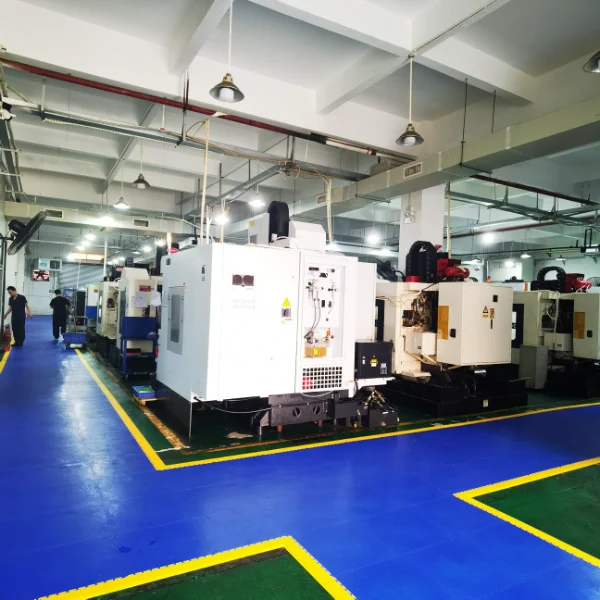
Weldo 6061 Aluminum CNC Machining Services
Weldo supports three-, four- and five-axis CNC machining of 6061 aluminum, along with CNC turning, mill-turn machining, precision grinding and wire EDM.
Supporting services include:
- Thin-wall, deep-cavity and complex-surface machining
- Multiple roughing and finishing stages with distortion control
- Anodizing, Alodine, sandblasting and powder coating
- CMM and critical-dimension inspection
- Material certificates and dimensional reports
- Prototype, small-batch and repeat production
Submit the drawing, material temper, quantity, tolerances, surface-finish requirements and operating environment. Weldo will evaluate the machining route and prepare a quotation.click here to know our CNC machining aluminum service
ЧАСТО ЗАДАВАЕМЫЕ ВОПРОСЫ
Is 6061 aluminum hard to machine?
6061 has good CNC machinability and is suitable for milling, turning, drilling, tapping and thread milling.
Is 6061 aluminum as strong as steel?
The absolute strength of 6061 is generally lower than steel, but its much lower weight makes it suitable for lightweight structures and equipment housings.
Can 6061 aluminum be used for liquid-cooling plates?
Yes. 6061 is suitable for cold plates and liquid-cooling manifolds, with channel geometry, sealing, pressure and coolant compatibility verified during production.
Is 6061 suitable for defense equipment housings?
Yes. 6061-T6 and 6061-T651 are suitable for defense-electronics housings, equipment brackets, mounting plates and battery trays.
Is 6061 aluminum conductive?
Yes. 6061-T6 has an electrical conductivity of approximately 43% IACS and is suitable for general conductive structures. Copper is preferred for high-conductivity connections.
Is 6061 aluminum magnetic?
No. 6061 is non-ferromagnetic, and standard magnets do not noticeably attract it.
Does 6061 aluminum dissipate heat well?
Yes. 6061-T6 has a thermal conductivity of approximately 167 W/m·K and is suitable for heat sinks, cold plates and liquid-cooling structures.
Is 6061 aluminum suitable for salt-spray environments?
Yes. Hard anodizing, Alodine, sealing or powder coating can improve its resistance to salt-spray exposure.
Is 6061 aluminum food grade?
6061 is not automatically classified as food-grade material. Food-contact applications require confirmation of regulations, surface condition and material certification.
Is 6061 aluminum expensive?
6061 is a widely available engineering aluminum alloy with strong cost competitiveness. The final price depends on machining, tolerances, finishing and inspection requirements.
What are the main limitations of 6061 aluminum?
6061 has lower strength and wear resistance than some 7075 alloys and alloy steels. High-load, high-wear and strong-alkaline applications require a revised material and protection assessment.