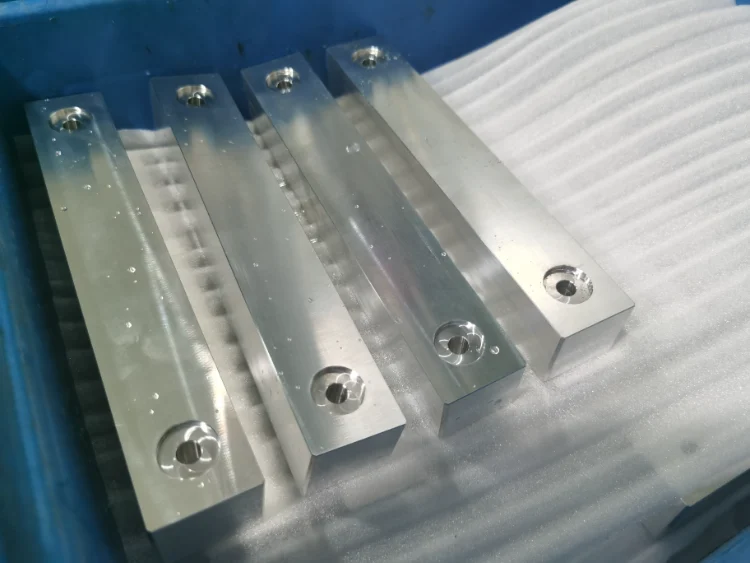
6061 алюминиевый сплав — это широко используемый материал из алюминиевого сплава с магнием и кремнием в качестве основных легирующих элементов (образуют фазу Mg₂Si). Он обладает отличными свойствами, такими как легкий вес, высокая прочность и коррозионная стойкость. Имеет кубическую решетку с центром в гране и определенную пластичность. Плотность Al 6061 умеренная, что позволяет сохранять прочность при хороших преимуществах по весу. Добавляя такие элементы, как марганец, хром, медь и цинк, его характеристики могут быть дополнительно оптимизированы, а общие механические свойства улучшены за счет старения. Поэтому он широко применяется в Обработка на станках с ЧПУ, пластинах и различных нестандартных конструкционных деталях.
Какова плотность Al 6061?
Общепринятая рыночная плотность Al 6061 составляет 2,7 г/см³, что равно 2700 кг/м³. В американской инженерной практике плотность Al 6061 после преобразования составляет примерно 0,0975 фунтов/дюйм³. Понимание плотности алюминиевого сплава 6061 играет важную роль в контроле затрат, оценке характеристик и применении в компонентах. Он широко используется в аэрокосмических компонентах и профессиональных гоночных сферах благодаря своим хорошим прочностным и легким характеристикам, что помогает снизить расход топлива и улучшить показатели разгона.
Как определяется плотность алюминиевого сплава 6061
Для измерения плотности стандартный твердый слиток алюминия 6061 помещают в достаточное количество воды. Вычисляя разницу уровня воды до и после погружения, получают объем, который и есть объем слитка 6061. Затем делением массы слитка на этот объем получают плотность 2,7 г/см³. Этот метод также известен как принцип Архимеда.
Сравнение плотностей алюминиевого сплава 6061 при различных термических обработках
Алюминиевый сплав 6061 имеет четыре распространенных условия термической обработки: 6061-O, 6061-T4, 6061-T6 и 6061-T651.
Поскольку 6061-O алюминиевый сплав не проходил упрочняющую обработку, его плотность не отличается от теоретического значения, которое составляет 2,7 г/см³.
T4 обозначает материал, прошедший решение-обработку (нагрев до примерно 535°C) и затем естественное охлаждение при комнатной температуре. Хотя легирующие элементы начинают образовывать твердое решение, осаждение упрочняющих фаз происходит относительно медленно и дисперсно. Поэтому его плотность остается относительно стабильной, колебания обычно составляют ±0,5% от теоретического значения. Плотность 6061-T4 примерно 2,70 г/см³.
T6 и T651 оба нагреваются примерно до 535°C и затем быстро охлаждаются в воде. T6 выдерживается при температуре около 160°C в течение 8–18 часов, а T651 после быстрого охлаждения подвергается холодной растяжке и затем выдерживается при температуре около 165°C. Поэтому у 6061-T651 внутреннее напряжение ниже, чем у T6, что снижает риск деформации при обработке, но увеличивает стоимость материала. Плотность 6061-T6 составляет примерно 2,71–2,72 г/см³, а плотность 6061-T651 — примерно 2,72–2,75 г/см³.
Насколько прочен алюминиевый сплав 6061
Несмотря на относительно низкую плотность Al 6061 — всего 2,7 г/см³, после термической обработки некоторые марки (например, T6) могут достигать предела текучести более 310 МПа. В сравнении, обычная углеродистая сталь имеет предел текучести около 270–420 МПа, но плотность составляет 7,85 г/см³. На тот же объем углеродистая сталь почти в три раза тяжелее алюминиевого сплава. Это показывает, что 6061 алюминиевый сплав не только обладает низкой плотностью, но и может приближаться по прочностным характеристикам к стали. Если вы хотите снизить вес компонента при сохранении определенного уровня прочности, алюминиевый сплав 6061 — хороший выбор.
Области применения алюминиевого сплава 6061
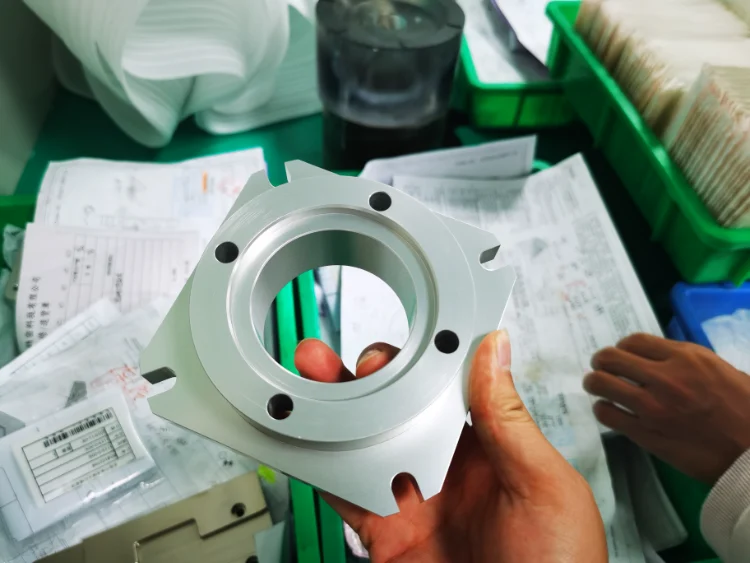
Благодаря своей низкой плотности и высокой прочности, алюминиевый сплав 6061 часто используется в области обработки. Ниже приведены некоторые собранные примеры применения для справки:
Аэрокосмическая промышленность
6061 алюминиевый сплав широко используется в конструкционных компонентах летательных аппаратов, включая обшивку, каркасы фюзеляжа и балки; роторы, пропеллеры, топливные баки и стеновые панели; стойки шасси, кованые кольца ракет, стеновые панели космических кораблей; детали самолетов, шестерни и валы, оси инструментов и шестерни.
Транспортировка
В области транспорта сплав алюминия 6061 в основном используется для кузовных конструкций автомобилей, компонентов двигателя, дверей, окон и стеллажей; для подвижного состава метро, пассажирских вагонов железных дорог и структурных элементов высокоскоростных поездов; для судостроительных конструкций, ступиц колес и морских материалов.
Архитектурное оформление
Сплав алюминия 6061 имеет важное применение в строительстве, включая двери и окна, алюминиевые профили для фасадов; алюминиевые панели для занавесных стен, гофрированные листы и декоративные пластины; окрашенные алюминиевые листы, потолки и декоративные поверхности.
Электроника и прецизионное производство
Сплав алюминия 6061 также играет важную роль в электронике и прецизионном производстве, включая детали прецизионных инструментов, изготовление форм и компоненты автоматизированных машин; материнские платы для компьютеров, крепления для мобильных телефонов и носители для пайки PCB; электрические компоненты, радиаторы и кабели; корпуса высокотехнологичного электронного оборудования и компоненты для теплоотведения.
Что может предоставить Weldo
Мы в Weldo предлагаем услуги ЧПУ-обработки, проволочной резки, шлифовки, токарной обработки, алюминиевая экструзия, литья под давлением и 3D-печати. Благодаря более чем десяти годам опыта обработки и накопленным цепочкам поставок материалов, мы можем обеспечить комплексную поддержку при выборе и оптимизации материалов. Весь процесс стандартизирован, доступно более 20 вариантов обработки поверхности для удовлетворения требований деталей в различных условиях. Если вы хотите узнать больше информации или получить расчет стоимости обработки, вы можете связаться с нами.